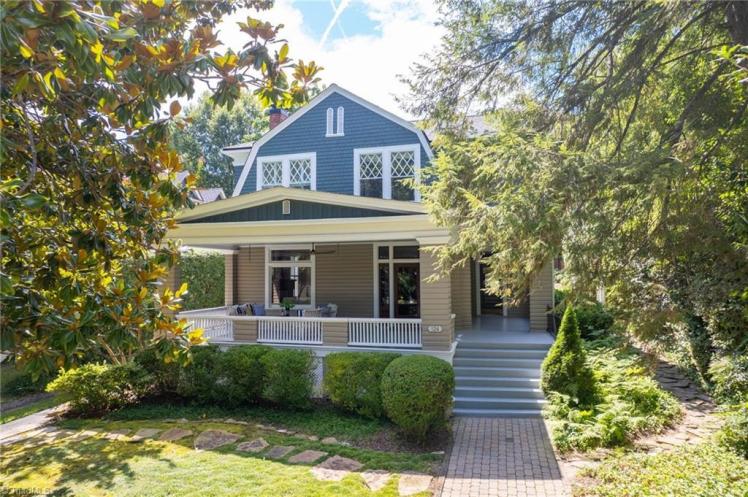
124 S. Mendenhall Street in Greensboro is proving to be a surprisingly tough house to sell. It’s a striking place, built in 1915. “Its walls and oversized gambrel roof clad in shingles, this house is a rare Greensboro example of the shingle style,” the neighborhood’s National Register nomination says.
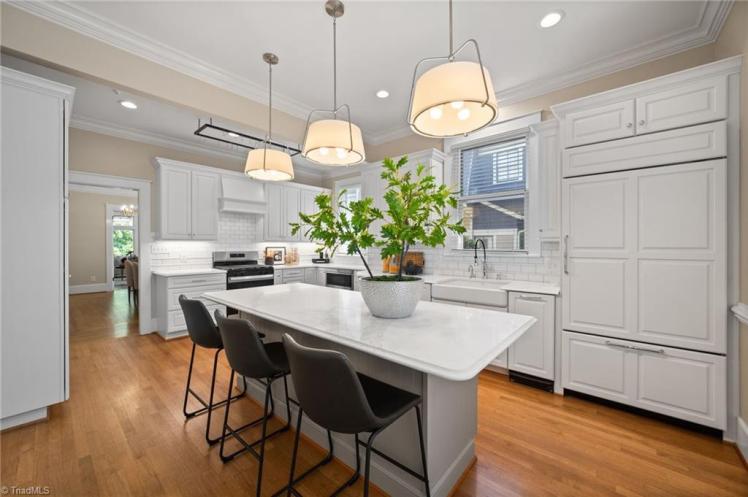
Among its other distinctive features, the house has a remarkably wide front porch that wraps around on the right with French doors opening onto the foyer and another door at the end of the porch. Interior features include unpainted pocket doors in the living room, a long window seat along a triple window in the dining room and a kitchen island with a counter that seats five. I’ve been in the house a couple times (it’s around the corner from my house), and I can tell you it’s impressive.
It was listed last September at $850,000 ($273/square foot), which was pushing the upper end of the price range in the College Hill Historic District, though not wildly. It’s a big, beautiful house (3,100 square feet). With some give in the price, one would expect it to sell fairly readily. The price did come down substantially, to $695,000, and the owners accepted an offer. The house was under contract for an unusually long time before the deal fell through (four months, from March through June).
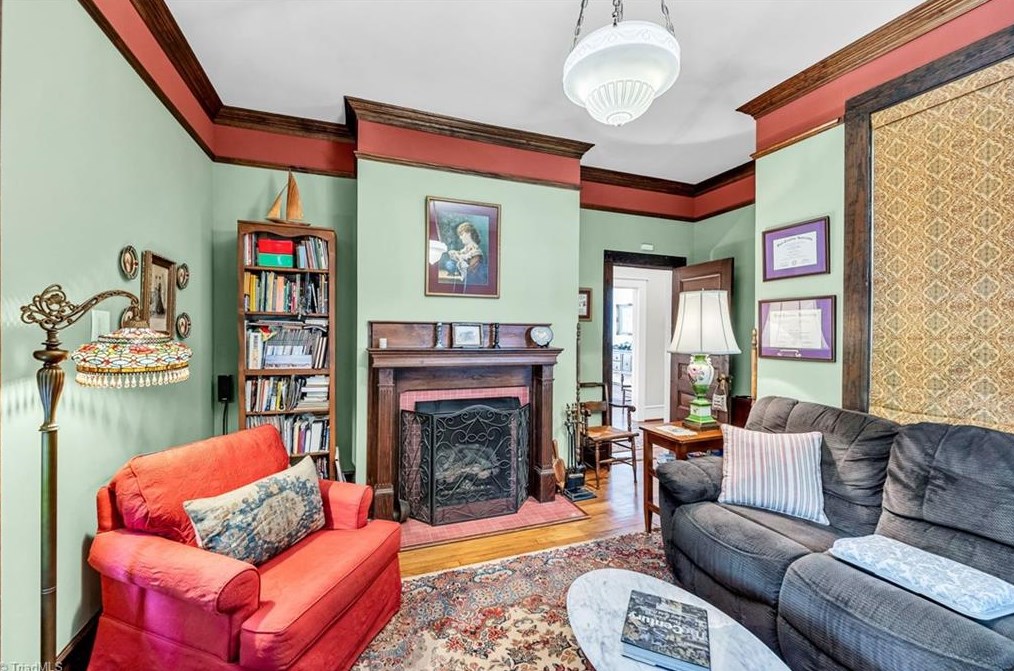
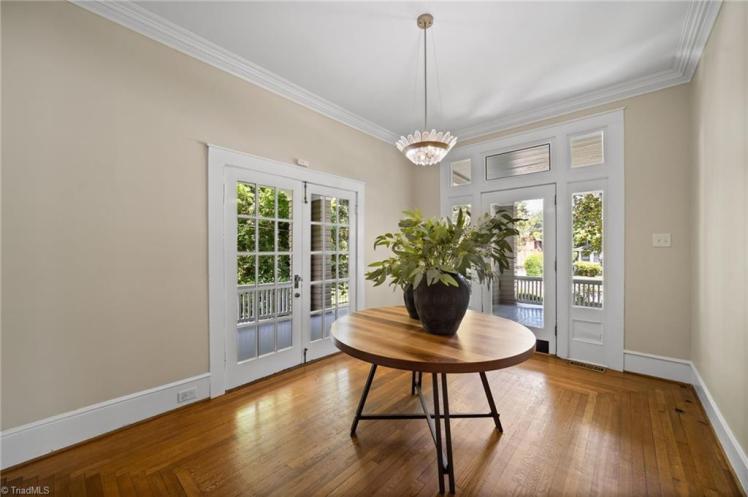
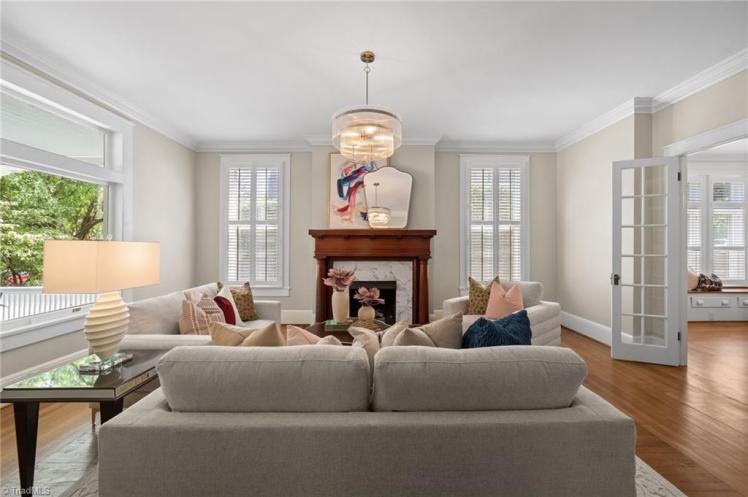
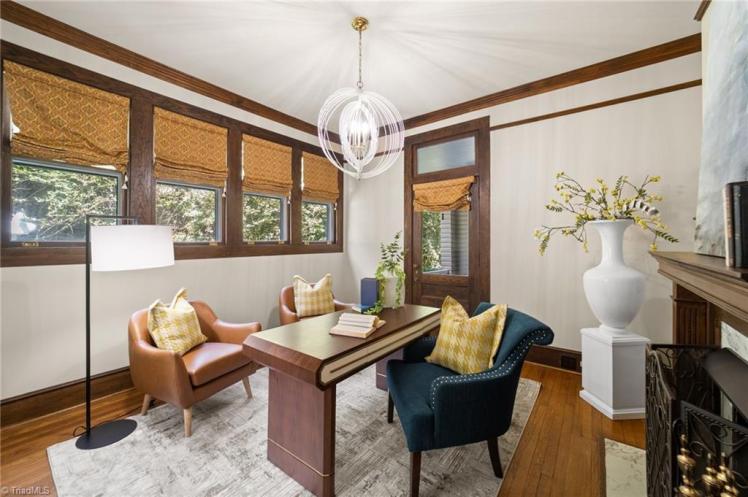
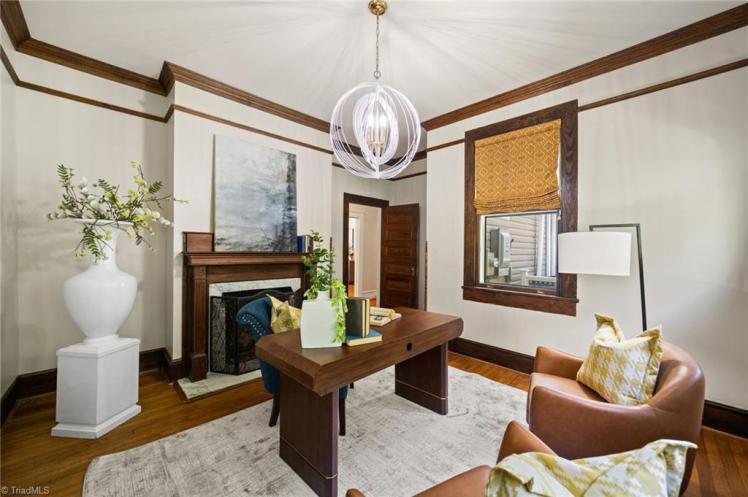
In July, the owners took the house off the market for three weeks, changed real-estate agents and relisted it this week with a significantly lower price, $615,000. What a difference those three weeks made. You rarely see a house made over so significantly after it already has been put up for sale. Perhaps the new agent felt that the sellers’ taste for dramatic colors and wallpapers wasn’t helping (and it did hit you the minute you walked in). That’s all gone now. Here are some before-and-after photos (click on the photos to see them larger):

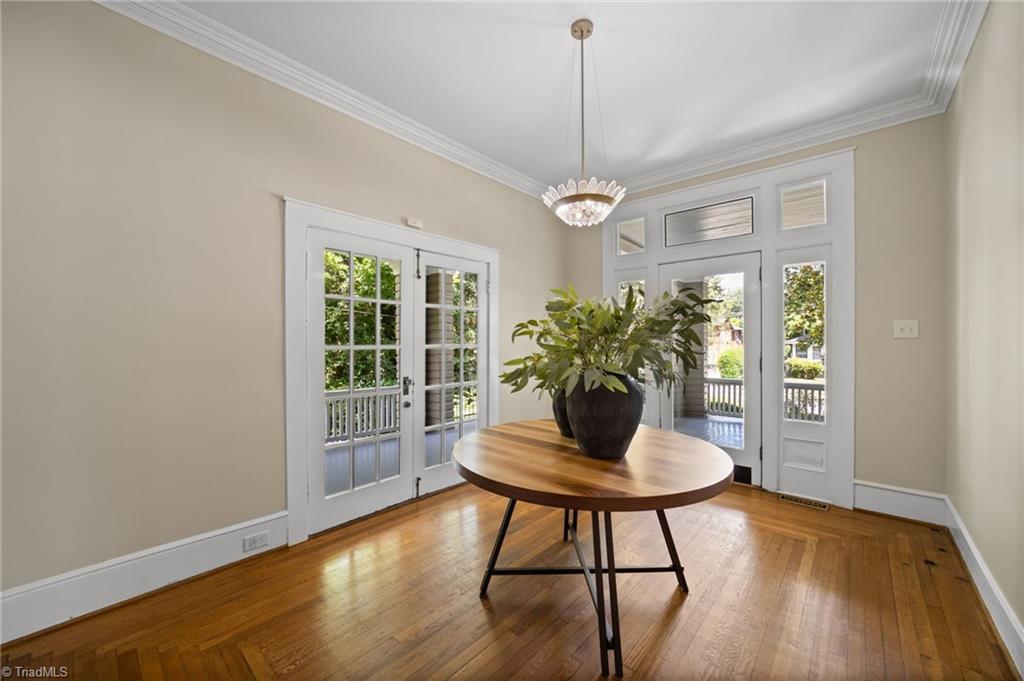


The wallpaper in the foyer is gone. New light fixture, too.

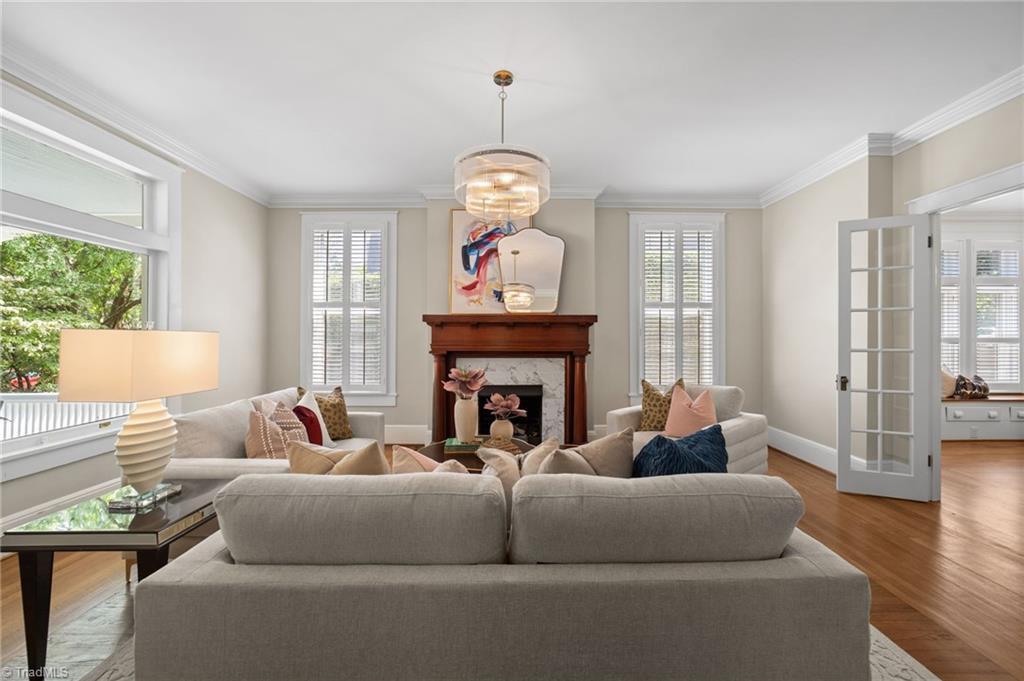

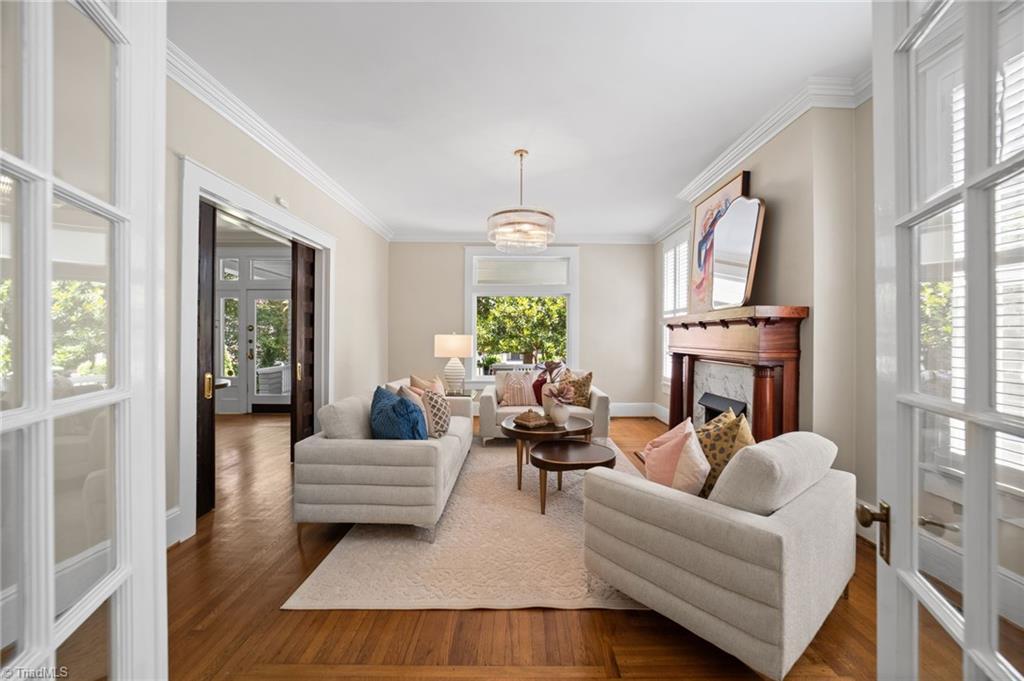
The living room’s vibrant red has been neutralized. There’s another new ceiling light. The window treatments are gone. (I don’t know whether they’re staging the house with more modern furniture or if the house has been emptied out and the furniture has been digitally added to the photos, which is a thing now.)


The dining room’s color apparently was neutral enough, but here’s a third new light fixture.

I like the new ceiling lights except for this one. The old one was in keeping with the character of the house. The new one looks out of place.
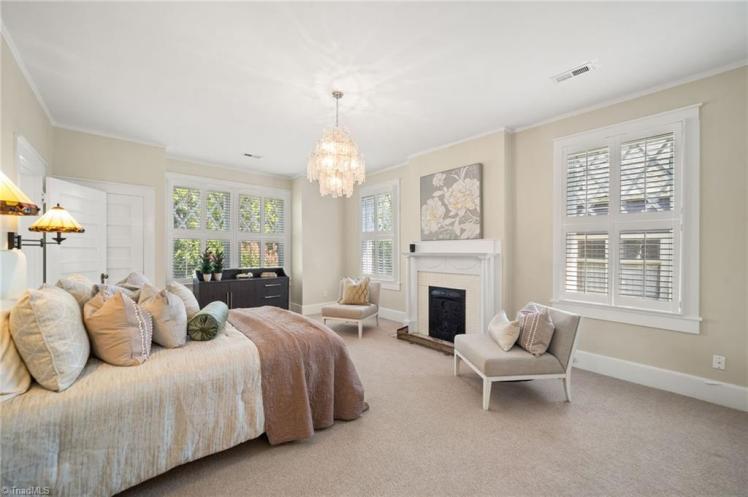
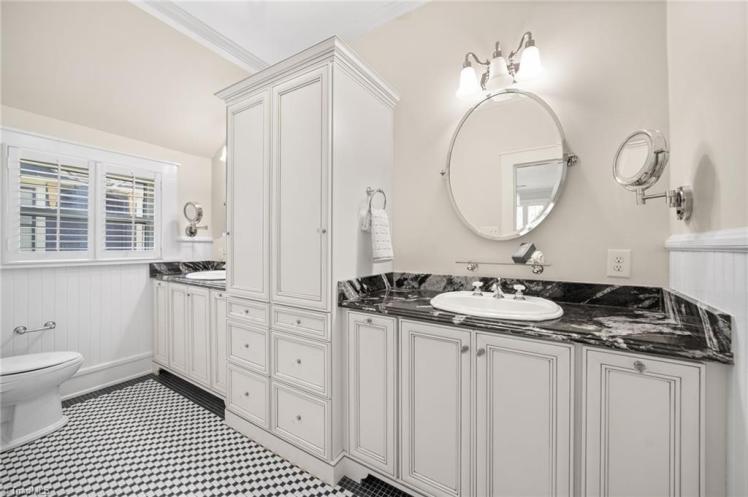
The kitchen and bathrooms stayed as they were, as did the exterior and the landscaping (as far as I can tell). The bedroom colors were neutral already, surprisingly, so the painters didn’t have to go upstairs.
I’m not a big fan of busy wallpaper, and most of the new light fixtures look very good. The cream color is better than the harsh white that so many houses get drenched with before they’re put up for sale. It’s easy to see that some buyers, perhaps many, would be put off by bold colors like the living room’s red, but the relentlessly neutral colors of so many houses these days strike me as dreary, without character. I’d take the red living room over the cream-colored one any day. But, then, I’m not buying a house.














124 S. Mendenhall Street, Greensboro
The Junius Ayers Matheson House
Listing withdrawn December 21, 2024; relisted January 31, 2025
Sale pending March 3 to June 30, 2025
Listing withdrawn July 16, 2025
Relisted August 5, 2025
- $615,000 (originally $850,000)
- 3 bedrooms, 2 1/2 bathrooms, 3,115 square feet, 0.27 acre
- Price/square foot: $197
- Built in 1915 (per county)
- Listed September 12, 2024
- Last sales: $380,000, June 2008; $324,000, November 2003
- Neighborhood: College Hill Historic District (local and NR)
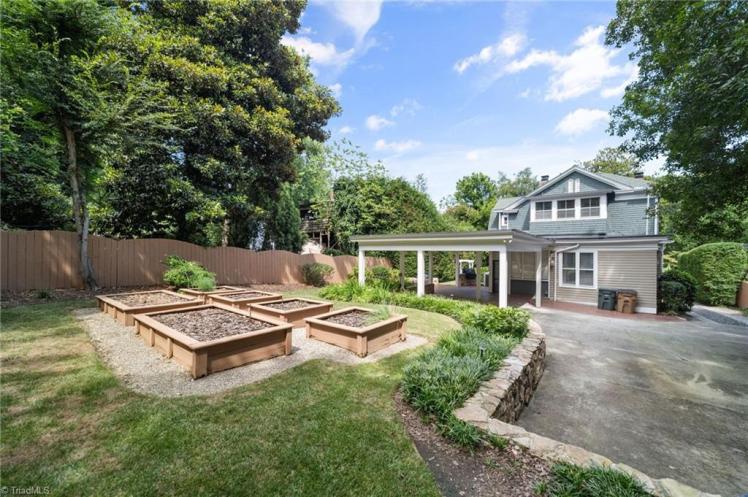
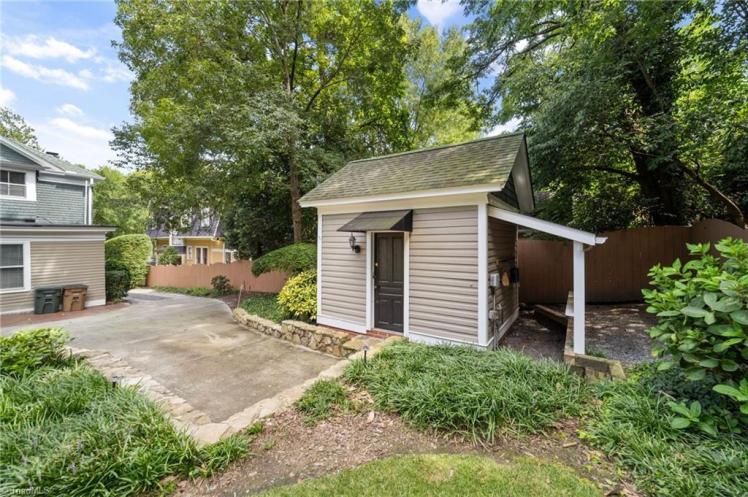
- Note: The property includes a two-car carport with EV charging stations, a built-in Wolf grill, a patio with a natural gas fire pit and a small, air-conditioned guesthouse.
- District NR nomination: “Its walls and oversized gambrel roof clad in shingles, this house is a rare Greensboro example of the shingle style. Built about 1910 for Matheson, a professor at the nearby state women’s college, it is quite similar in style to its neighbor at 126 S. Mendenhall.”
- Junius Ayers Matheson (1869-1929) was born in Taylorsville in Alexander County, where his father founded the Bank of Alexander. Junius graduated from Davidson College, class of 1890. He was a school teacher and became the superintendent of schools in Durham before coming to the North Carolina College for Women as a professor of education around 1909.
- He left the college in 1917 to form Matheson-Willis Real Estate, of which he was president. He worked in real estate, apparently with great success, judging from his front-page obituary, until he died at age 59 of a heart attack.
- His father’s name was William Bogle “Boomer” Matheson.
 Piedmont Historic Homes