311cherry

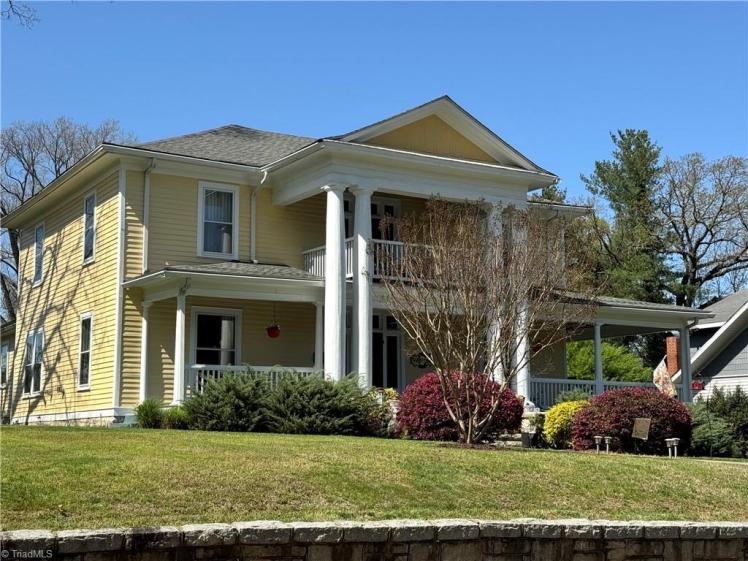

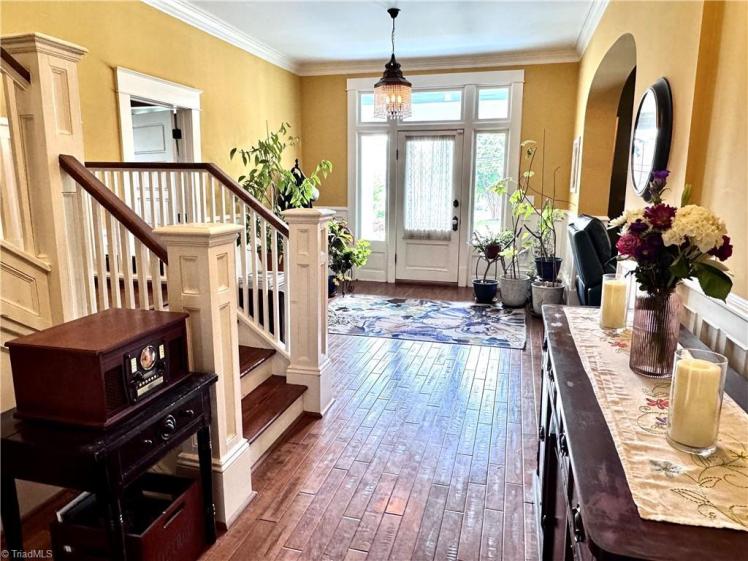


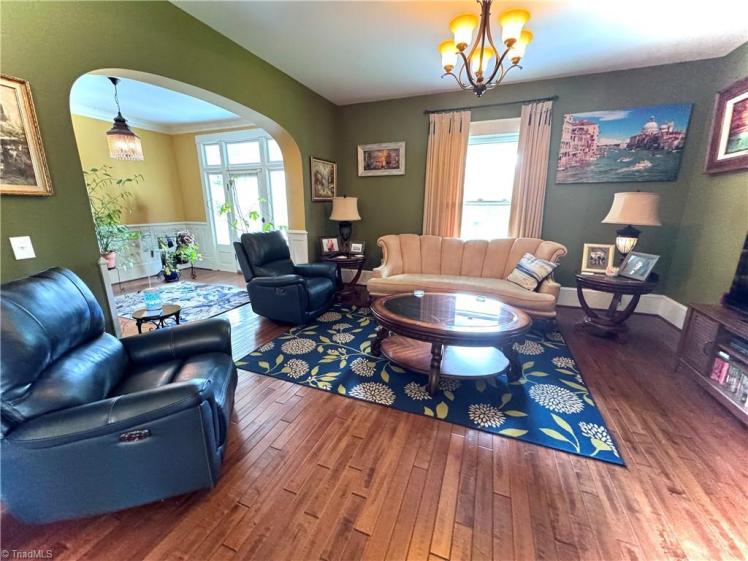


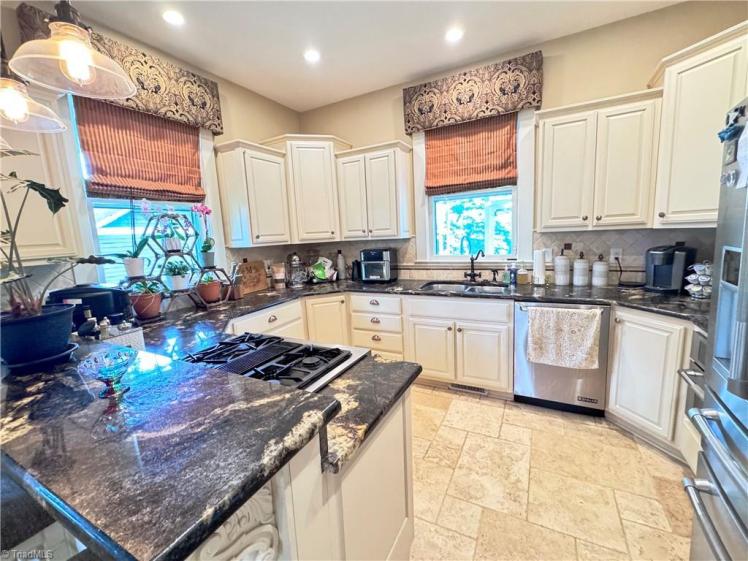
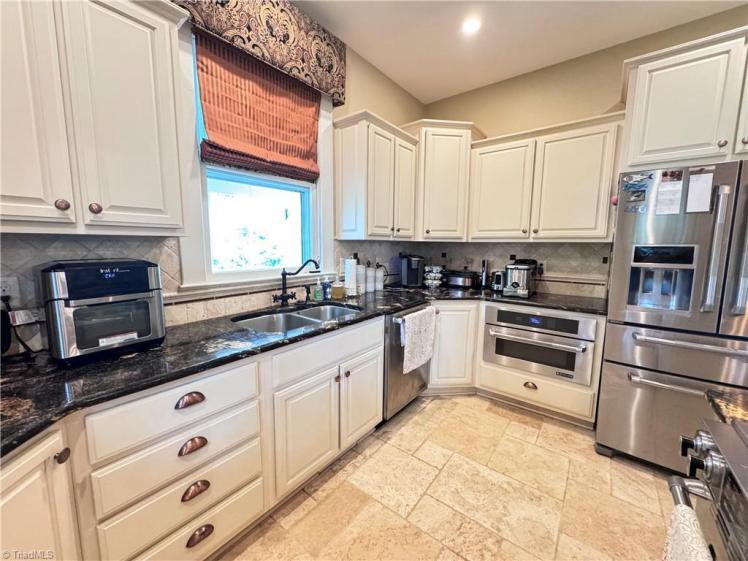

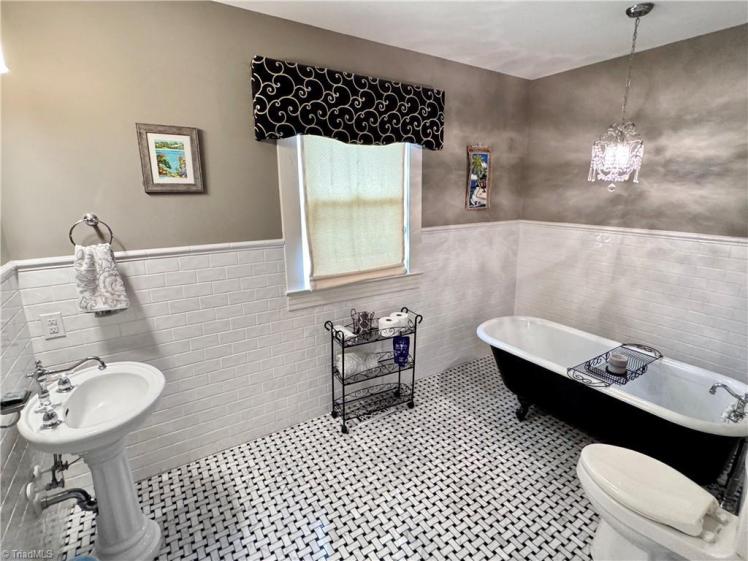
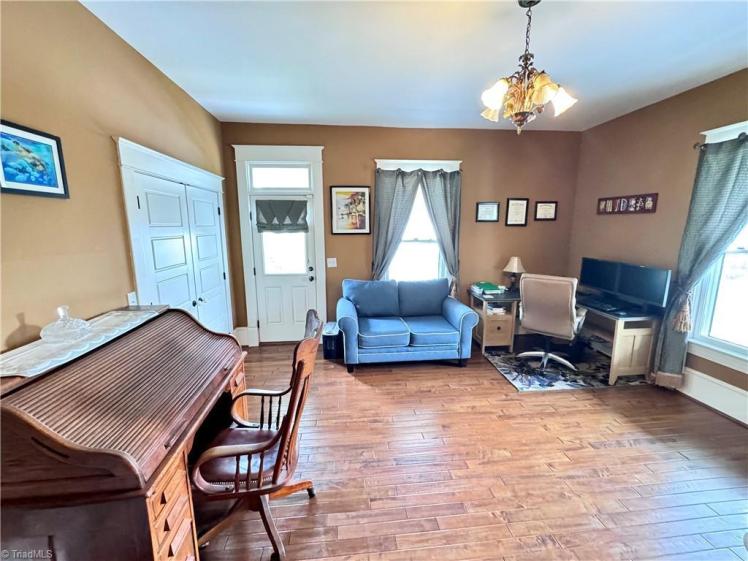

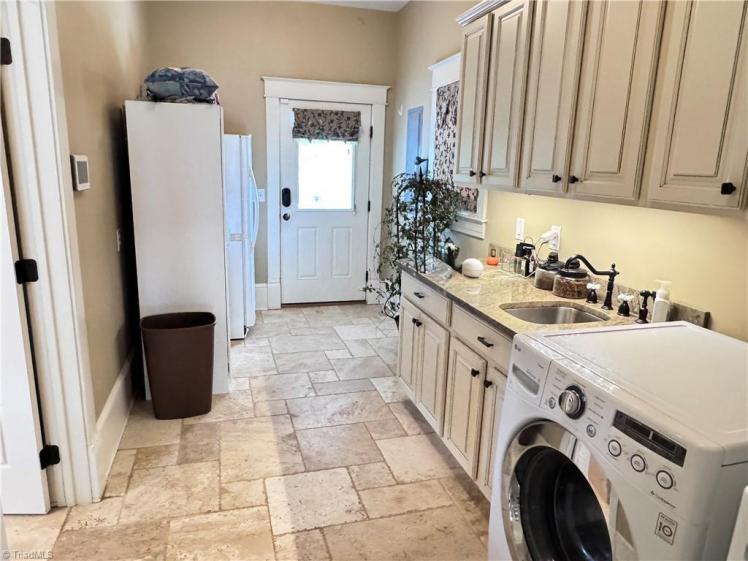

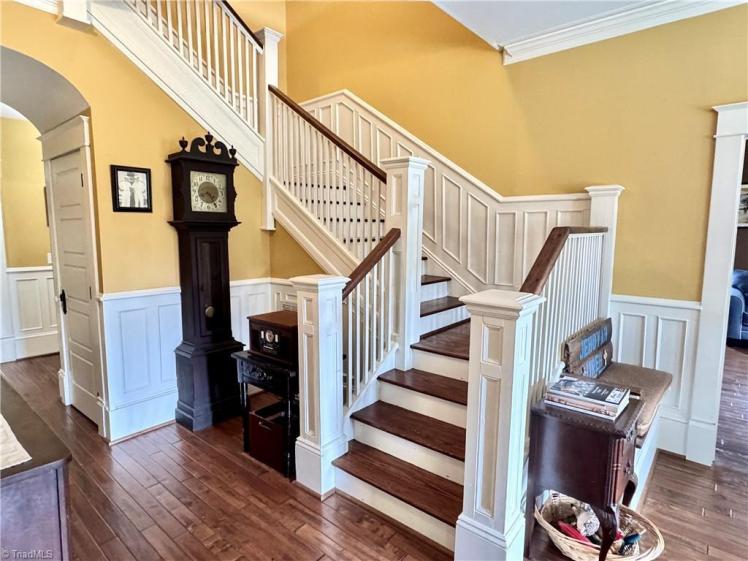
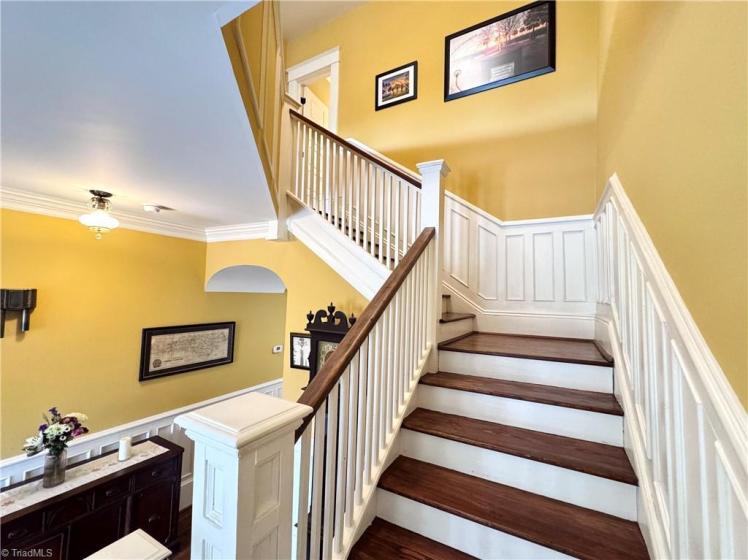


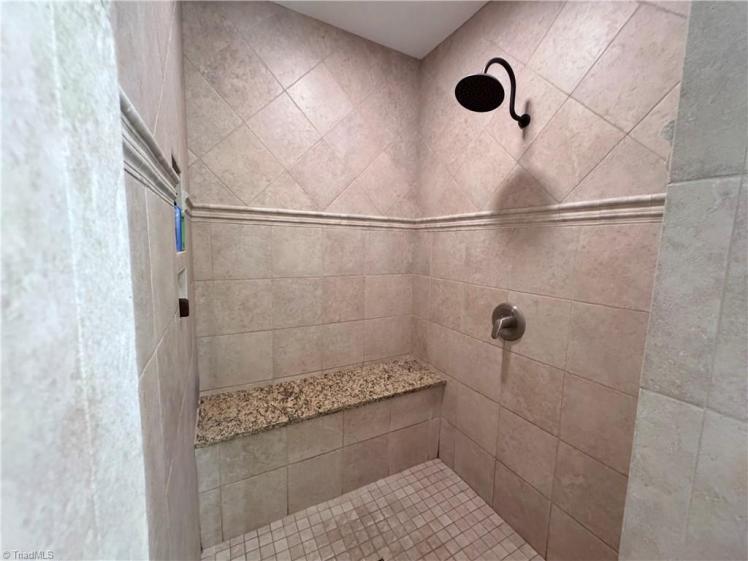
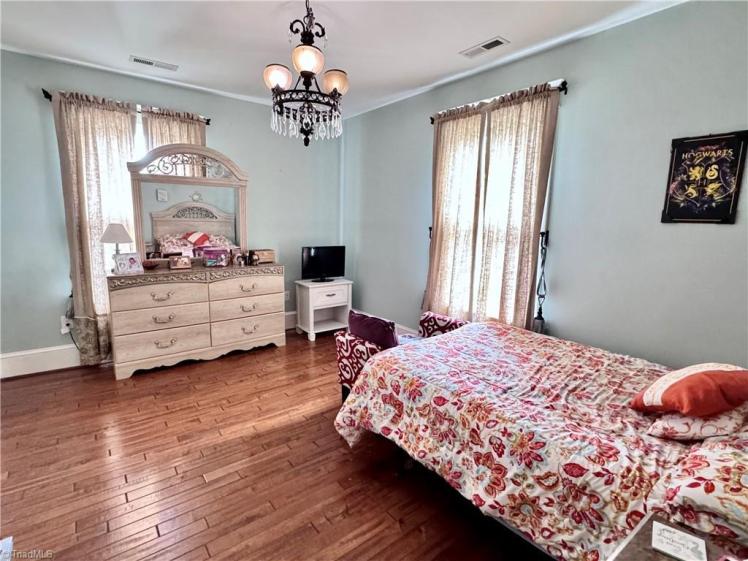


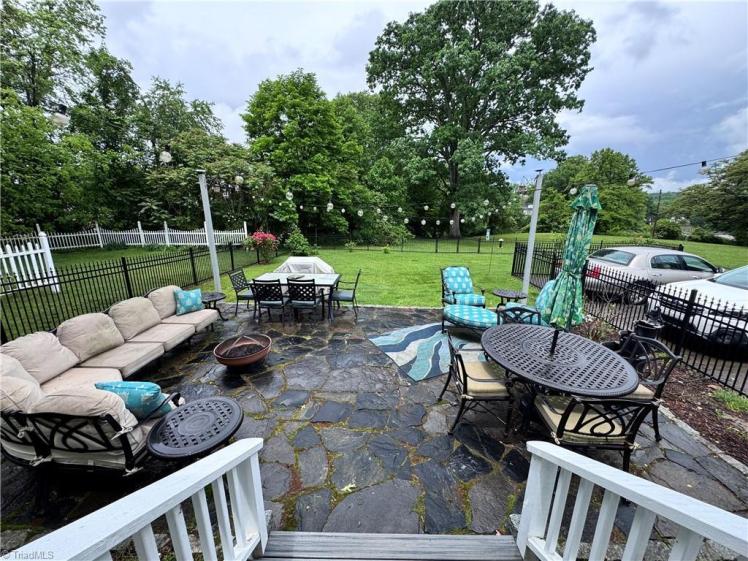
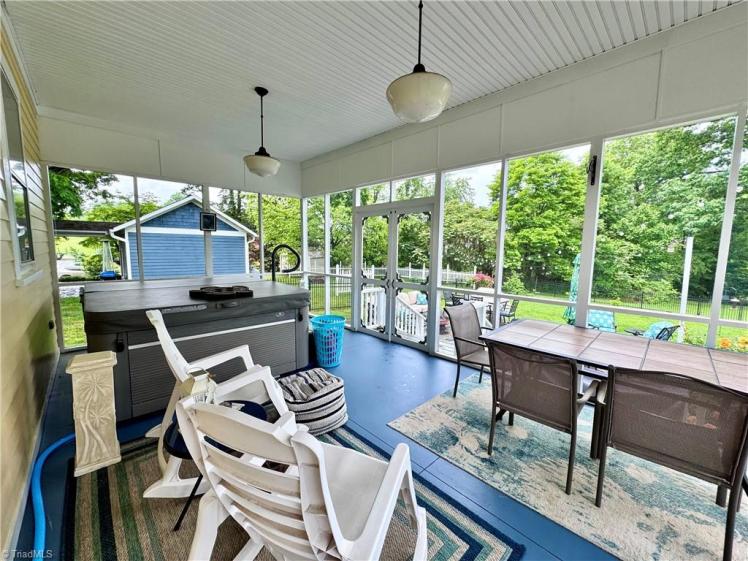
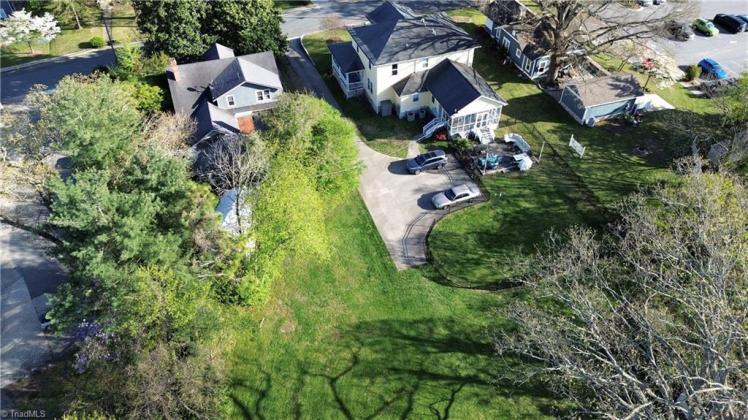

311 Cherry Street, Mount Airy, Surry County
Campbell A. Baird House
- Sold for $470,000 on October 16, 2025 (originally $559,000)
- Bought by an LLC in King
- 5 bedrooms, 3 bathrooms, 3,316 square feet, 1.1 acres
- Price/square foot: $142
- Built in 1913
- Listed May 21, 2025
- Last sales: $320,000, May 2020; $55,000, January 2012
- Neighborhood: Mount Airy Historic District (local and NR)
- Note: The house includes a salt-water hot tub.
- District NR nomination: “Grand two-story frame Neo-Classical Revival style house constructed in 1917 for physician, Dr. Campbell A. Baird [1871-1949]. The large, hip-roofed house is dominated by a colossal pedimented portico supported by paired Doric columns. A one-story full-facade hip-roofed attached porch is surmounted by a one-bay second story balustraded porch accessible from an exterior staircase or a second story door identical to the main entrance with sidelights and transom. The house is set in a large lot marked by a granite retaining wall.
- “Update: Contractor John Kidwell renovated the house in 2013. The columns, which Kidwell notes were made at the Mount Airy Furniture Company, were reglued and the rotted bases replaced. The front rooms of the house were used as waiting and examining rooms by Dr. Baird. Kidwell’s renovation included a new back porch with granite intended to match existing granite in or around the house, new flooring, a reworked staircase, and gas-burning fireplace inserts.
- “Comparison to 1980s photos shows the removal of the room at the right front corner of the porch, which returned the porch to its original wraparound form, and the removal of a stair that rose from the first story of the porch to the balcony under the portico. A screened porch has been added to the one-story rear wing and a flue removed from same. An interior chimney no longer appears above the roofline.”
77broad
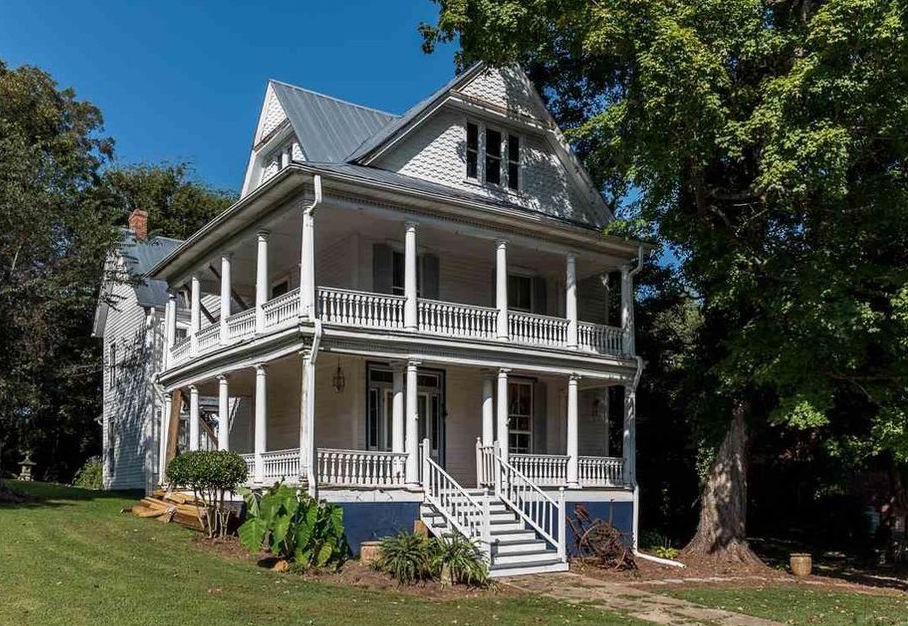
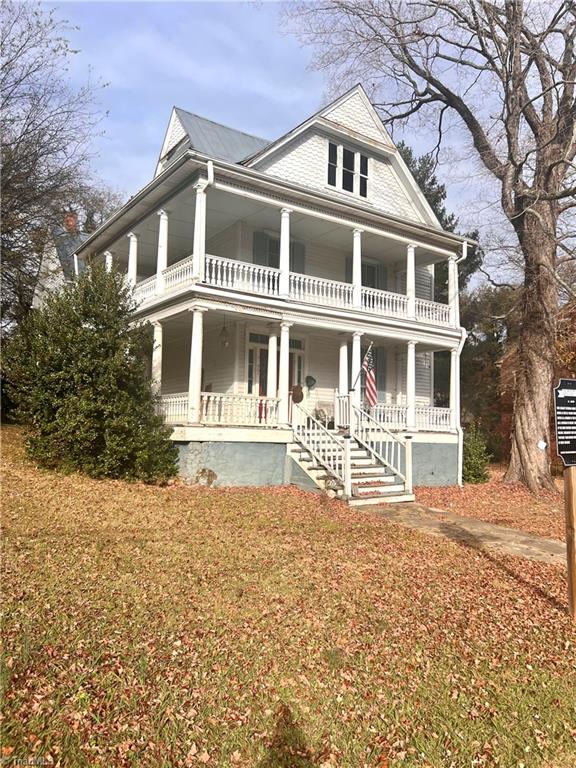

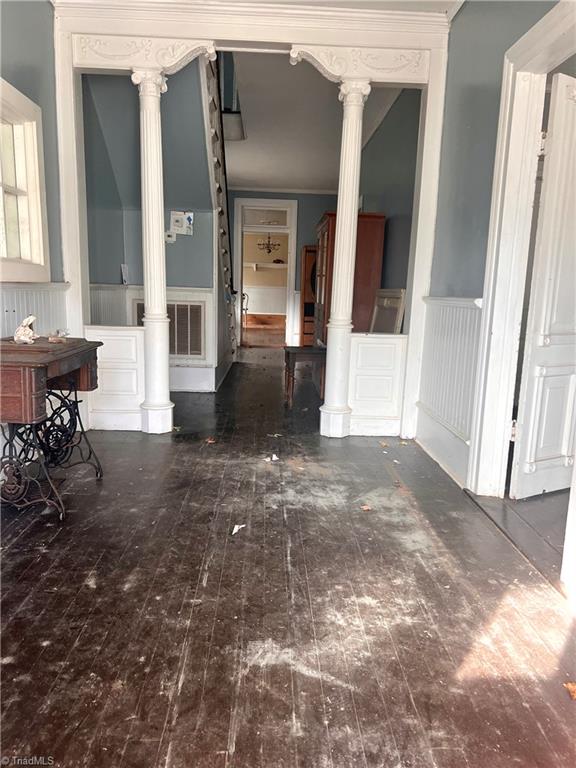


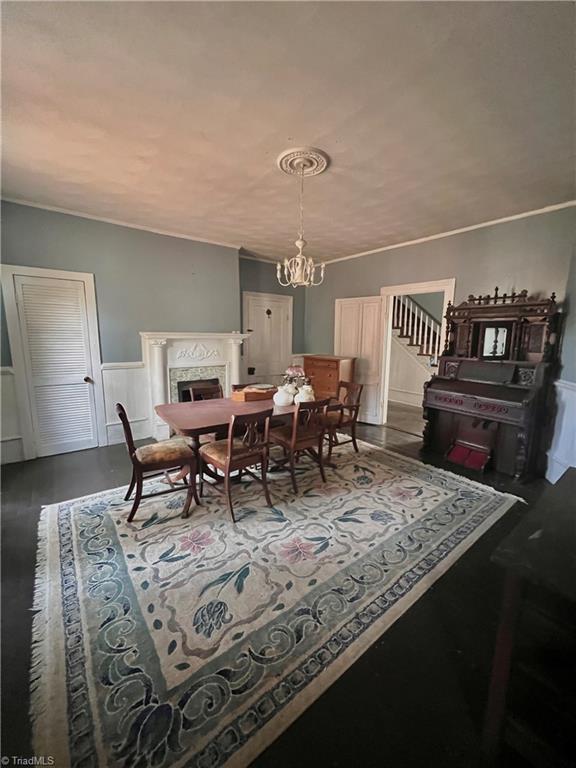

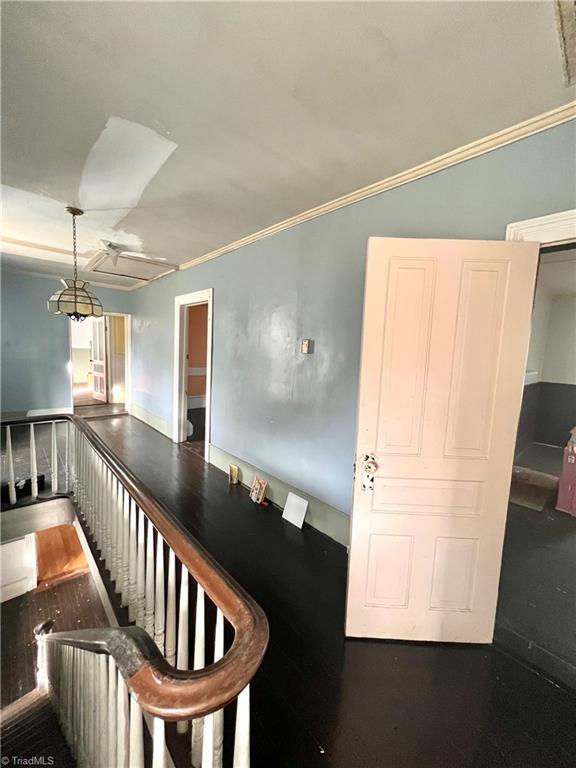

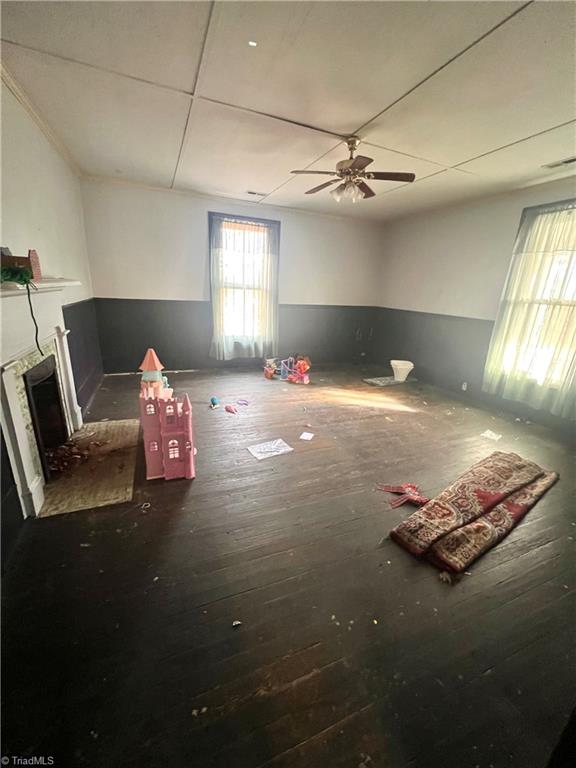
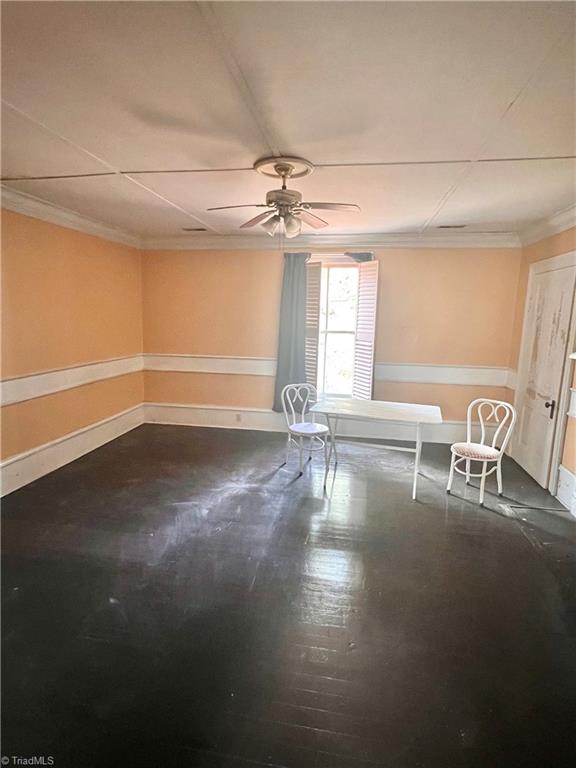

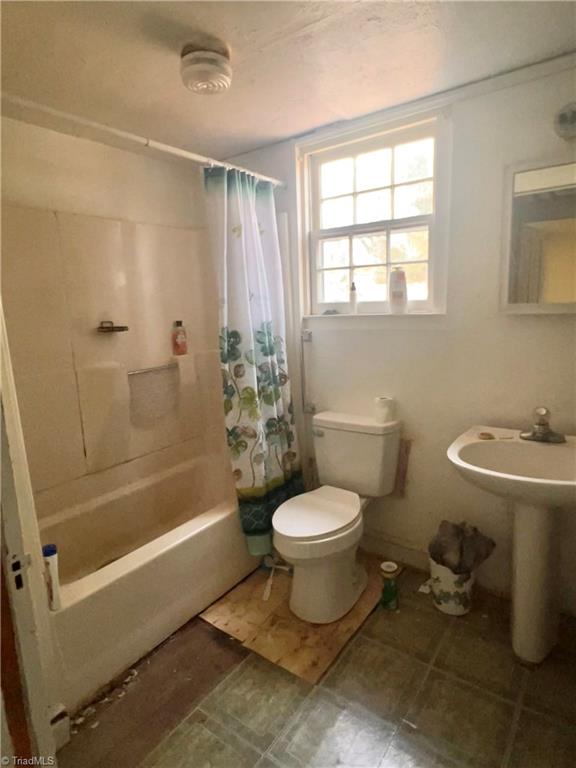

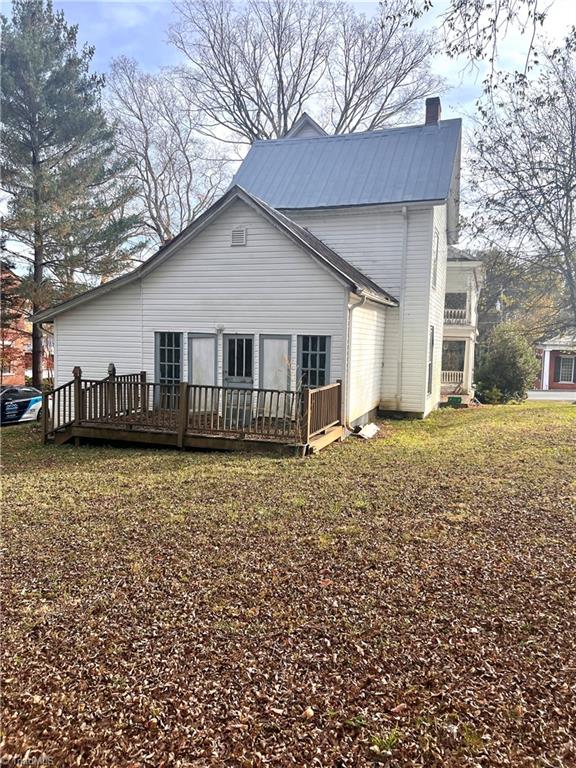

- Sold for $150,000 on October 6, 2025 (originally $149,500, later $249,900)
- 3 bedrooms, 2 bathrooms, 1,948 square feet, 0.37 acre
- Price/square foot: $77
- Built around 1870: Historic records say circa 1870, county records show 1882.
- Listed March 29, 2018
- Last sale: $35,000, July 1994
- Neighborhood: Milton Historic District (NR)
- Note: County records show 1,948 heated square feet and 3,814 total square feet. A previous for-sale listing showed 3,238 total.
- From the invaluable Caswell County North Carolina website: “Built around 1870, this elegant Victorian house was known for many years as the Dr. Wilson House. The 1880s expansion of the front of the house incorporated a variety of Victorian features including shingled gables above fanciful wood brackets along the eaves, a balcony and side stoop adorned with decorative woodwork and brackets, and a generous two-story, wrap-around porch supported by Doric columns with dentil moldings along the cornice.
- “The entrance is graced by a double-leafed door surrounded by a transom with sidelights which leads into a side hall featuring a partition of Ionic columns with scroll and garland motifs. Many original features remain [as of August 2012] including woodwork, plaster, wainscoting, paneled doors and hardware. Decorative tile surrounds the elegant mantels in the parlor, dining room and bedrooms. The mahogany parlor mantel has a beveled mirror with ornate columns. The beautiful full length windows leading from the parlor to the front porch and side balcony instill daylight into the rooms. The handsome staircase features decorative stair brackets and newel post.”
- In earlier days, the property was known as the Walton place; Walton Alley runs alongside the property. On the website, from a 1797 deed: “Commissioners of Town of Milton, Thomas Jeffreys, Archibald Murphey, William Rainey, Archibald Samuel, James Sanders to Lofton Walton of Person County, for 3 pounds, 10 shillings, lot #15 of 1/2 acre in town of Milton adjacent to a stake on Broad Street. 2 September 1797. Witnessed: Alexander Murphey.” If the lot numbers haven’t changed, Lot 15 is this house.
- Lofton had a nephew, also named Lofton (or “Loftin”) Walton (1808-1883), who moved to Clarksville, Arkansas. That town is 100 miles from Bentonville. The Walmart Waltons came from Maine to Missouri and then to Arkansas. Lofton’s descendants appeared to stay close to Clarksville, so it appears unlikely that they have a connection to the Maine/Missouri/Walmart Waltons.
- The original owners were Dr. John Wilson Jr. (1828-1892) and Cornelia Washington Stevenson Wilson (1830-1901). Dr. Wilson was a physician and educator who had served as a surgeon in the Confederate army. He was known statewide as a teacher and school administrator. He served as principal of the Milton Female Academy and headed schools in Melville in Alamance County, Charlotte and in Romney, West Virginia. In 1869 he was offered a professorship in Latin at Davidson College. In the late 1870s, he was reported to be practicing medicine and conducting surgery in Milton. He was active in Democratic Party politics, was a prohibitionist and a Presbyterian.
3306gaston


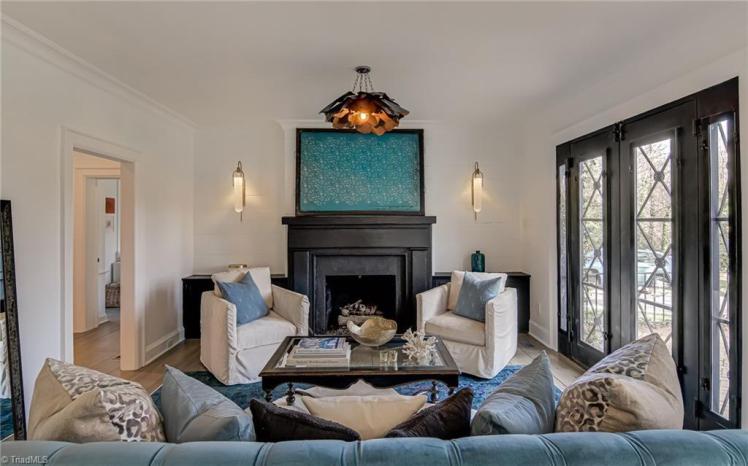

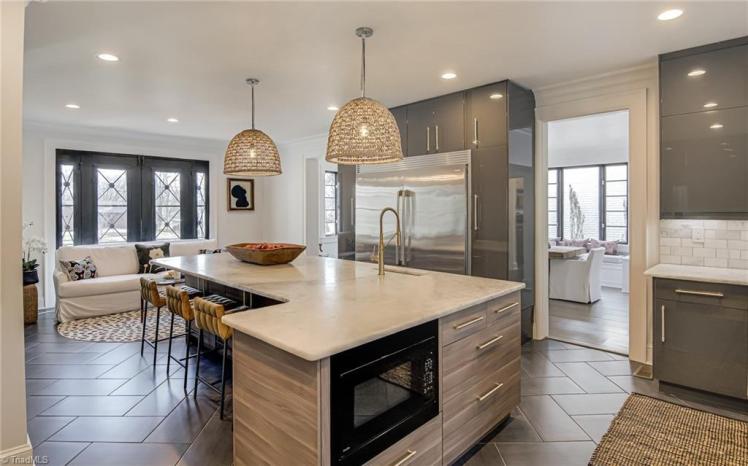


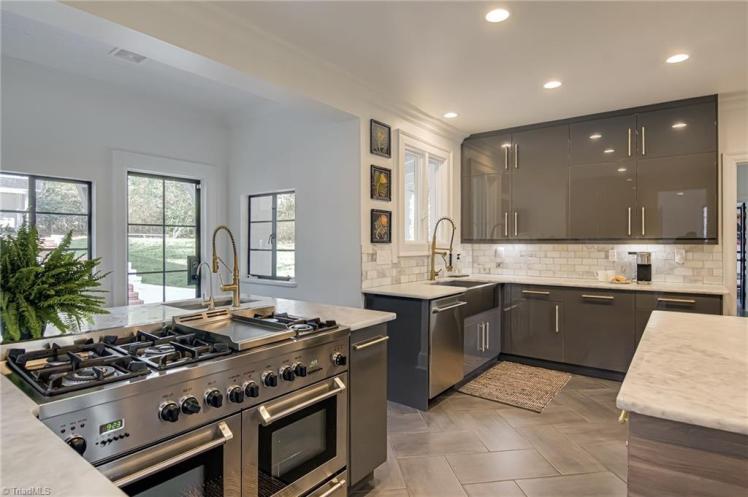
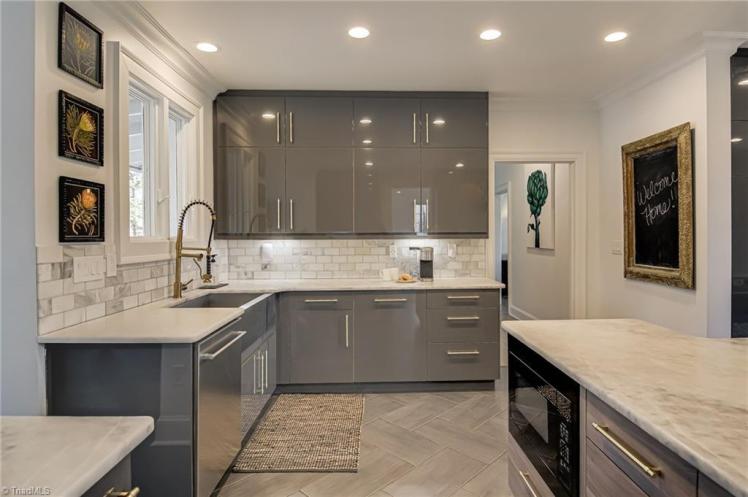
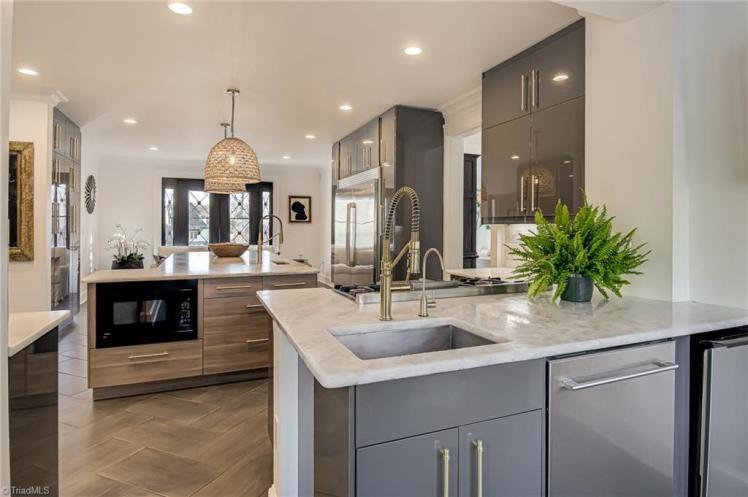
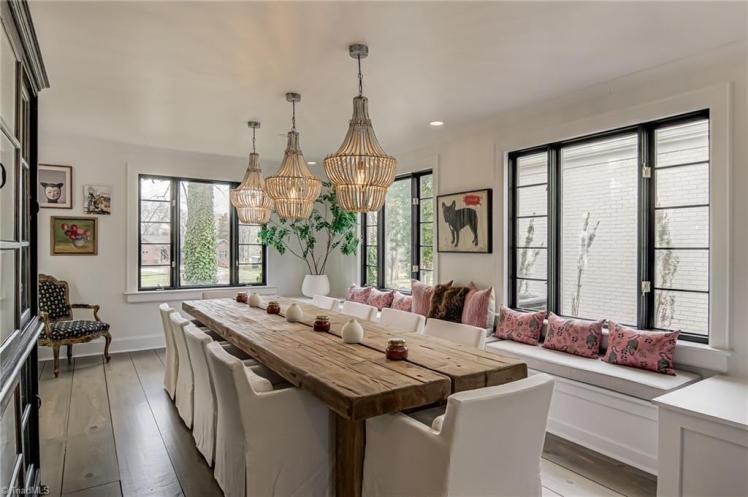

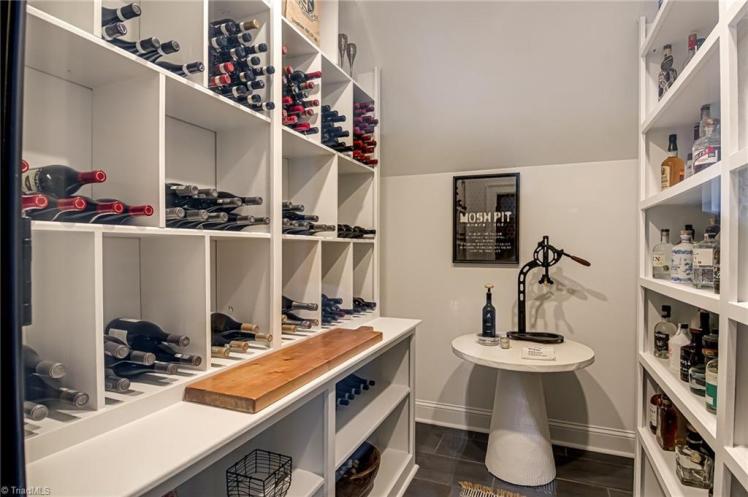

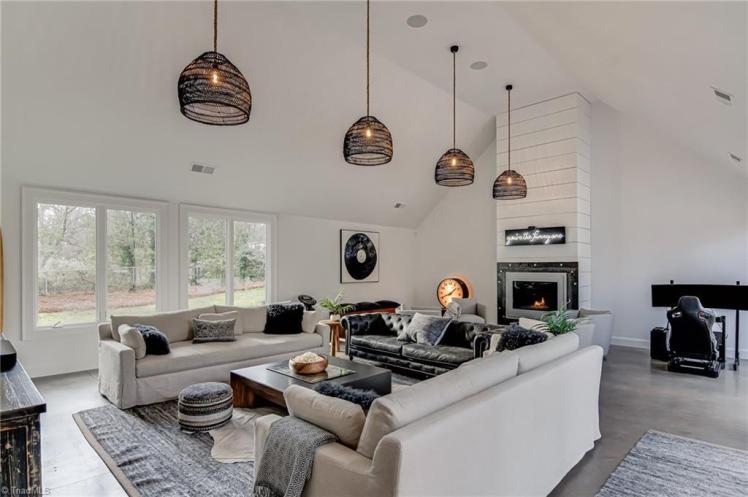
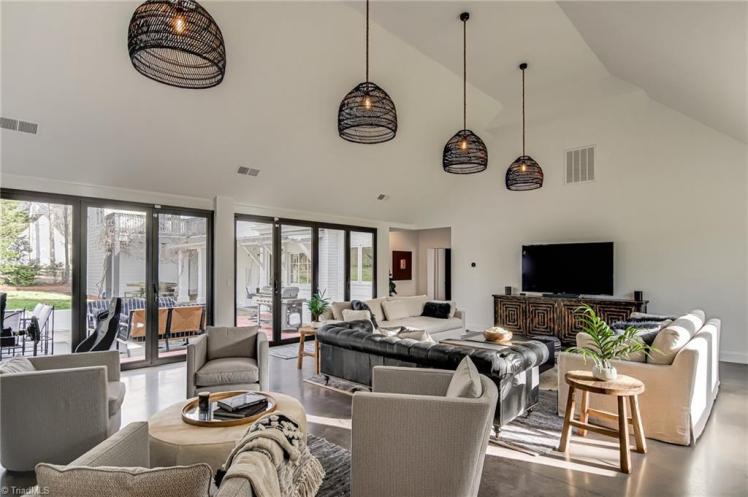
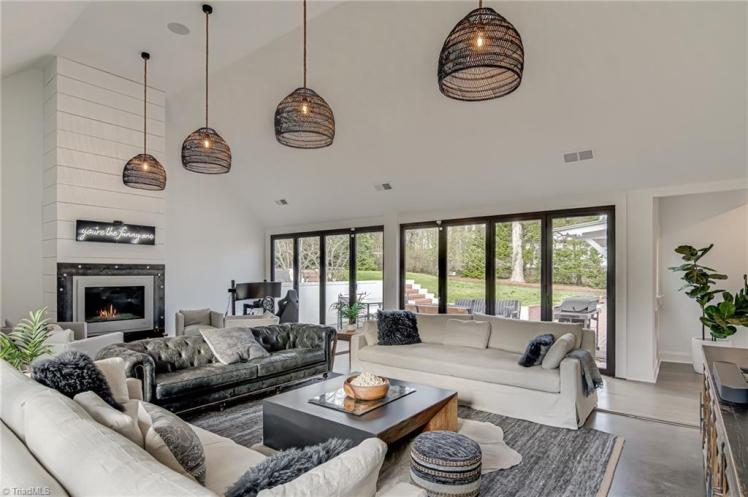


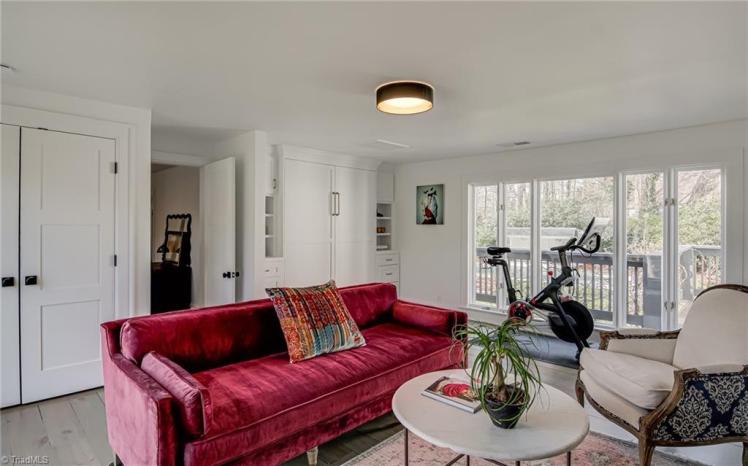
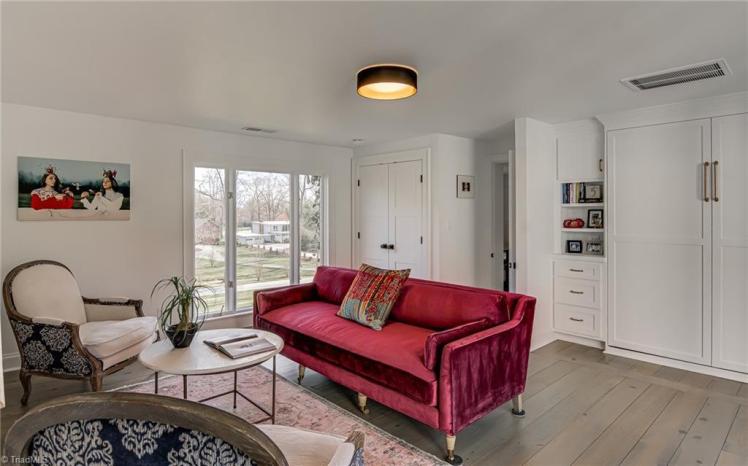


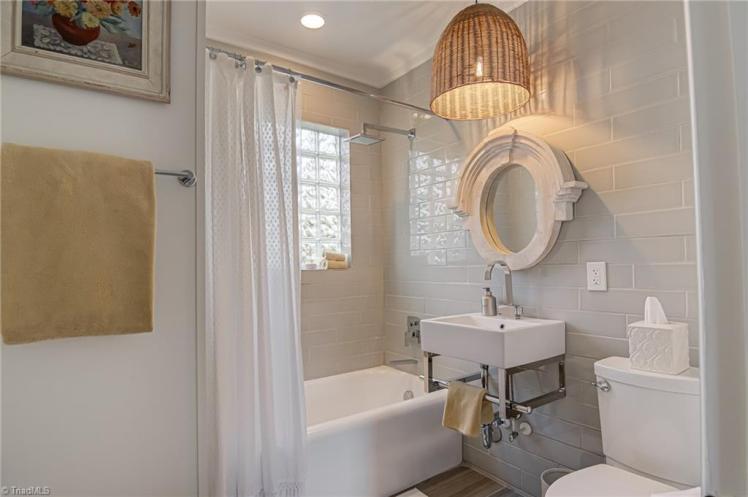
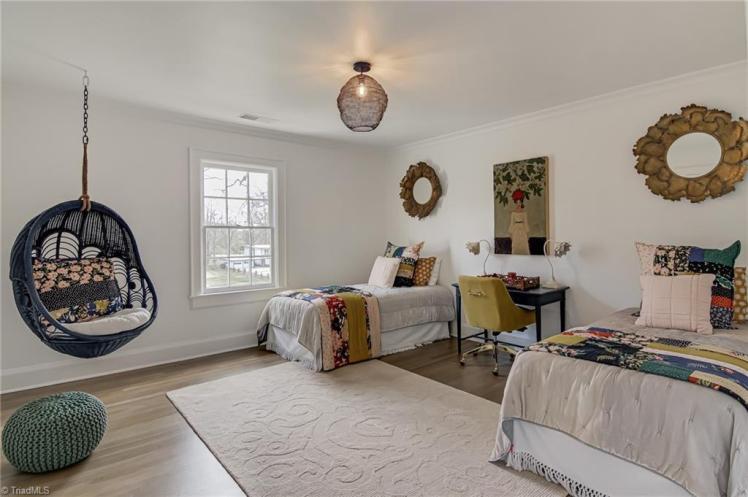


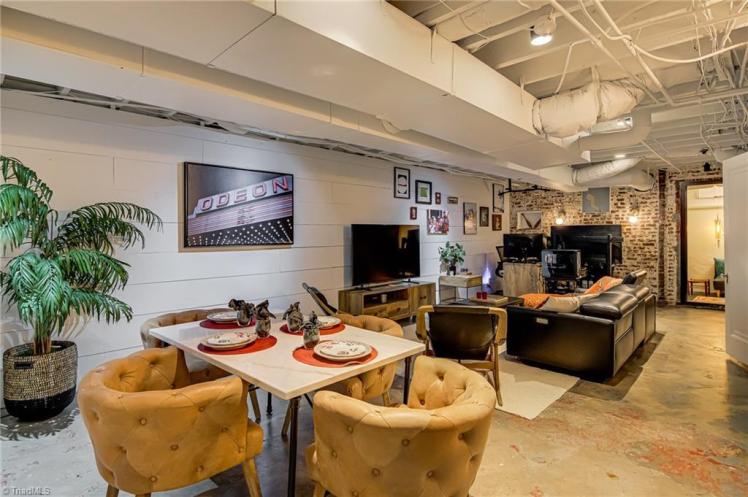
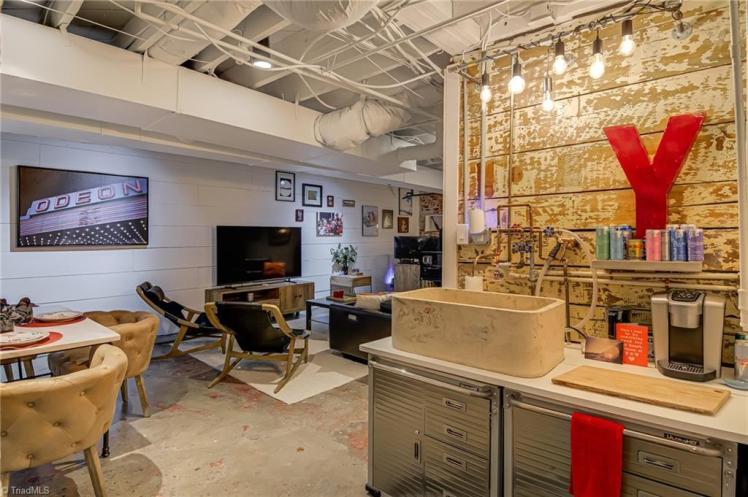
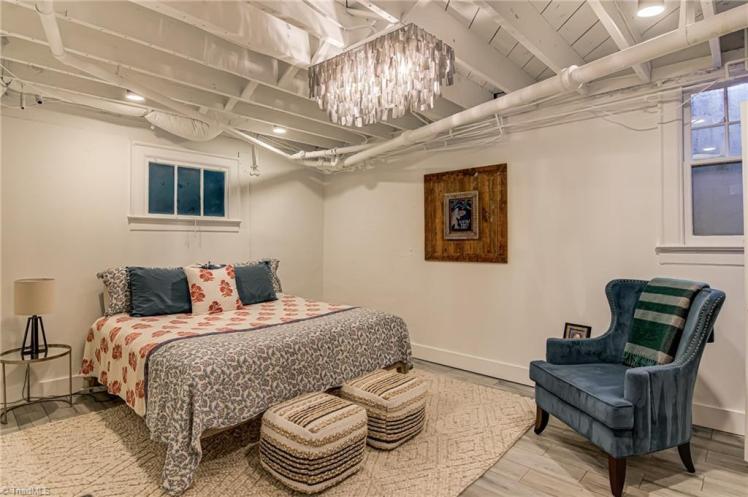
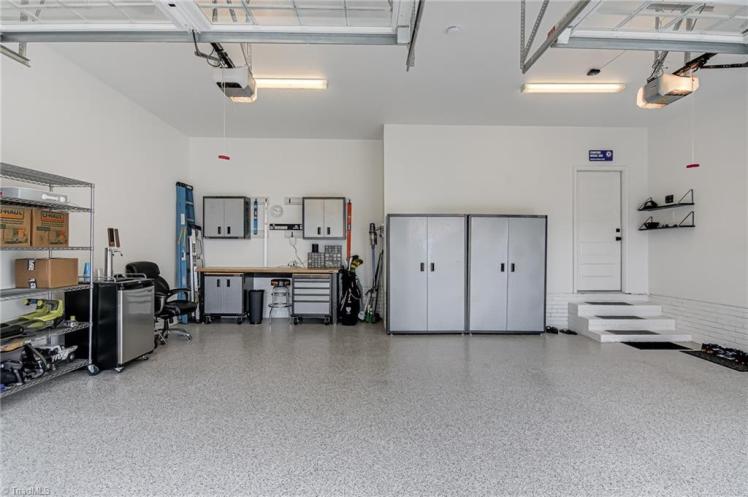

3306 Gaston Road, Sedgefield, Guilford County
Gaston Oaks
- Sold for $1.645 million on September 24, 2025 (originally $1.895 million)
- 5 bedrooms, 5 full bathrooms, 2 half-bathrooms, 7,128 square feet (per county), 1.09 acres
- Price/square foot: $231
- Built in 1926
- Listed March 31, 2025
- Last sales: $1.55 million, May 2023; $380,000, July 2013
- Note: The listing shows 7,549 square feet.
- The basement has a separate entrance, living room, bedroom, 1 ½ baths, kitchenette, office space and a sauna. The 2023 listing said it also had a safe room.
- “In addition, this property is available furnished with a few exceptions.”
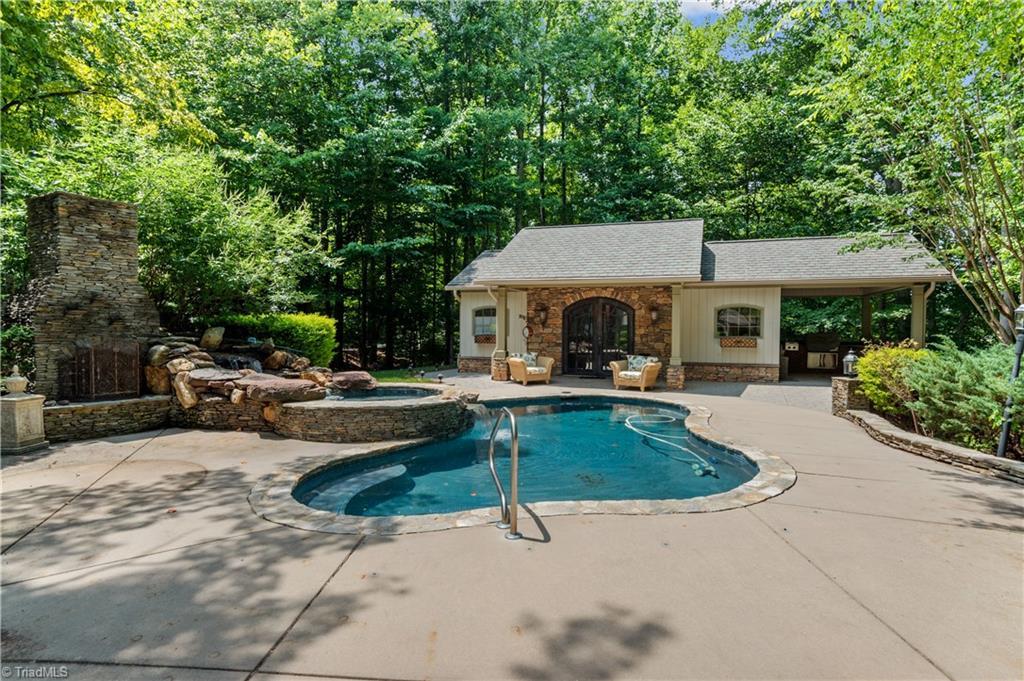
- The property includes a swimming pool, cabana, outdoor fireplace and “a ‘secret garden’ fountain bathed in wisteria.”
- Realtor hype: “a testament of marriage between architectural history & modern conveniences.”
- If the 1926 date is accurate, this is one of the oldest houses in Sedgefield. The community was developed beginning in 1923, when the Southern Real Estate Company bought a 3,660-acre hunting preserve between Greensboro and High Point. Development was slow; by one accounting, only 35 of the community’s 620 homes were built before 1940. About half were built between 1970 and 1999.
- For this particular property, no early history can be found. No deeds earlier than 1946 can be identified online, and no city directories covered Sedgefield, lying well beyond both Greensboro and High Point for decades. Similarly, Sedgefield lies outside area of interest for the two cities’ libraries and history museums.
804fayetteville

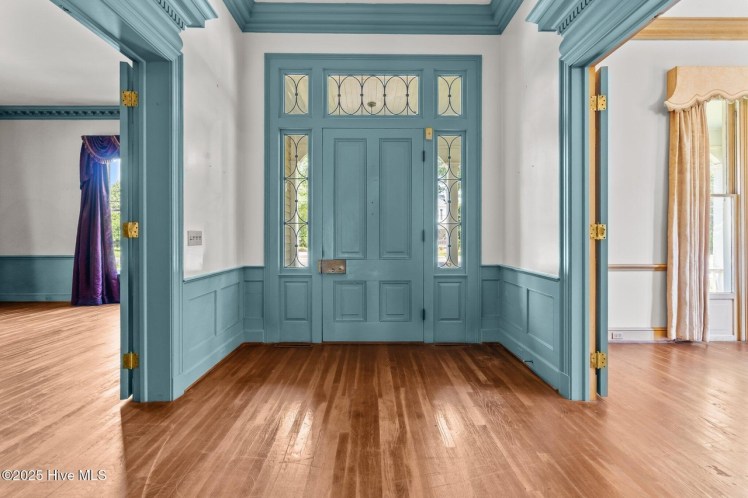


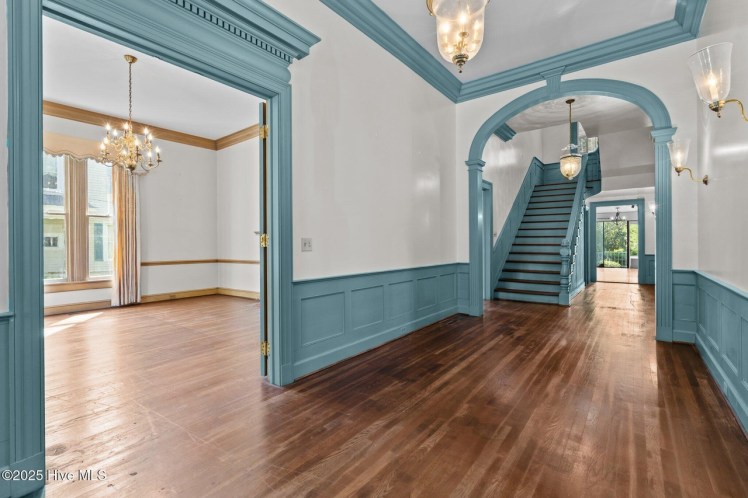








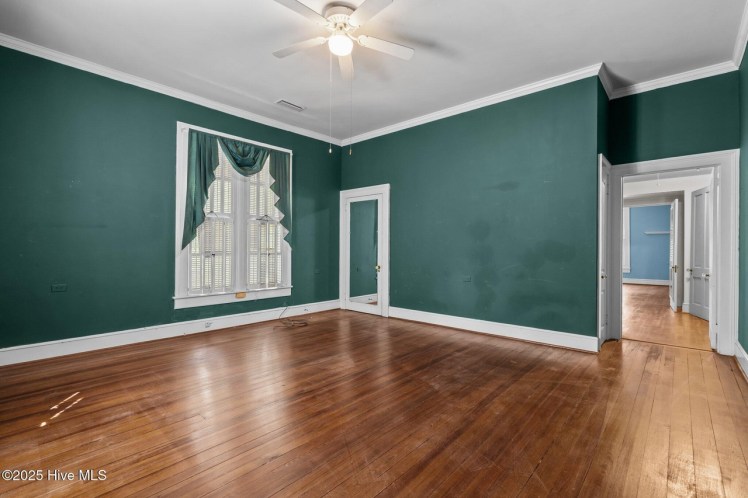
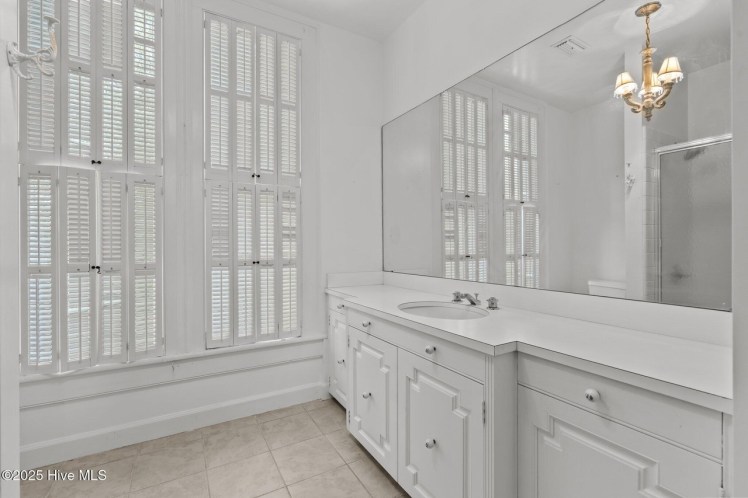
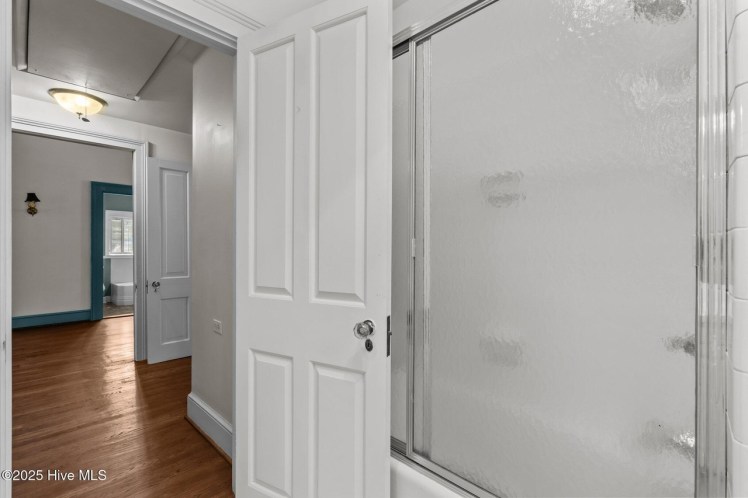


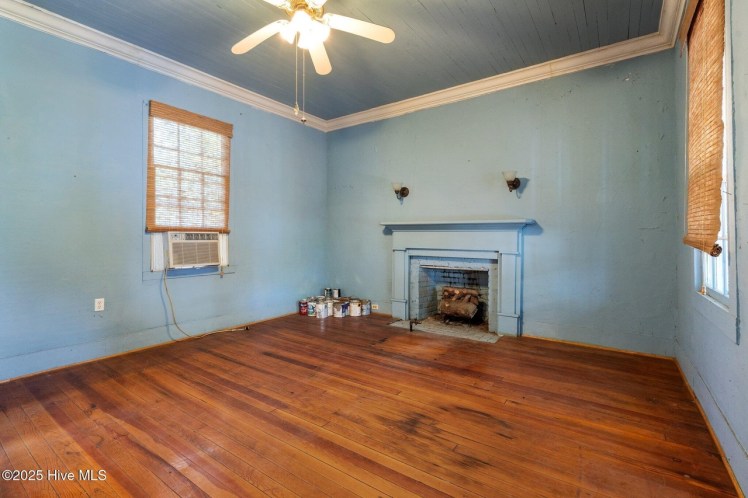






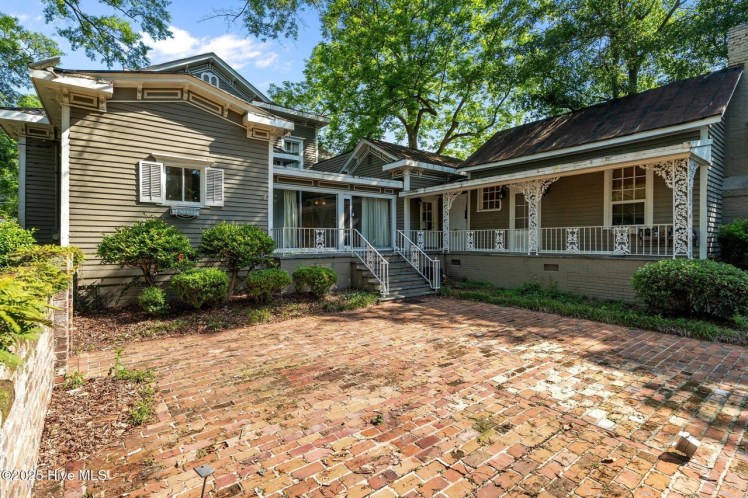

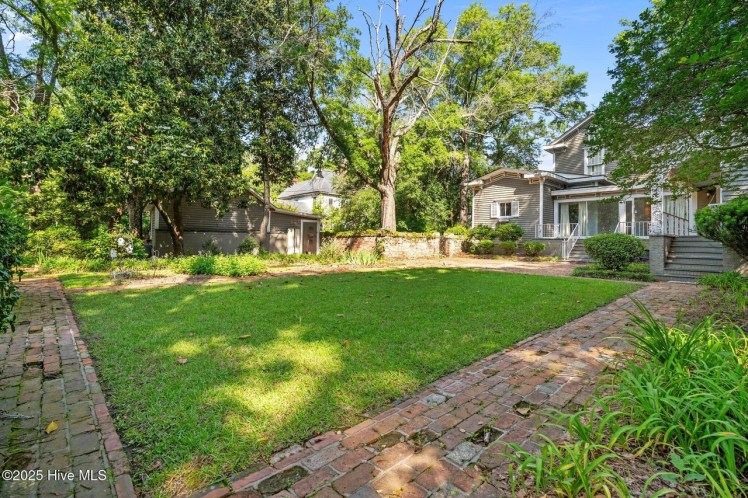
804 Fayetteville Road, Rockingham, Richmond County
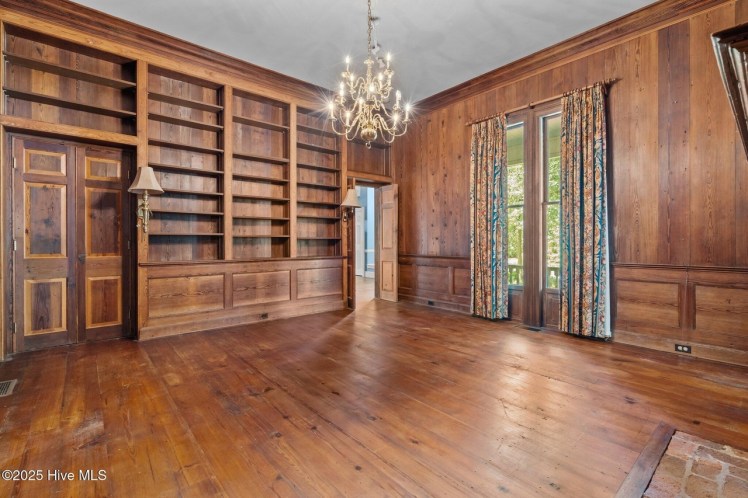
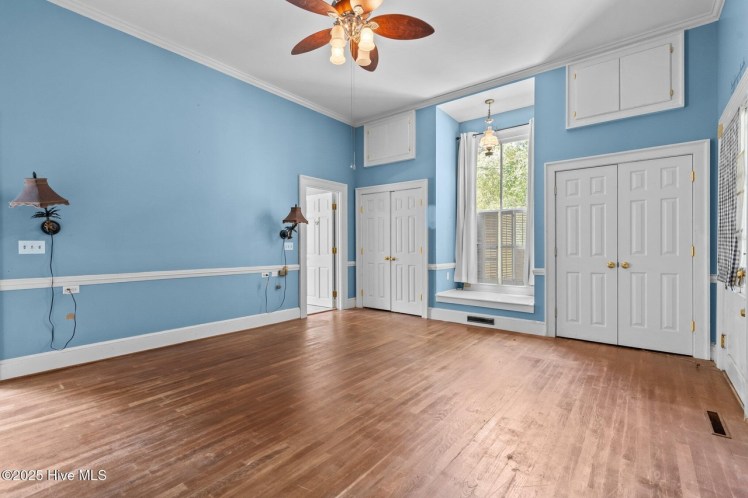
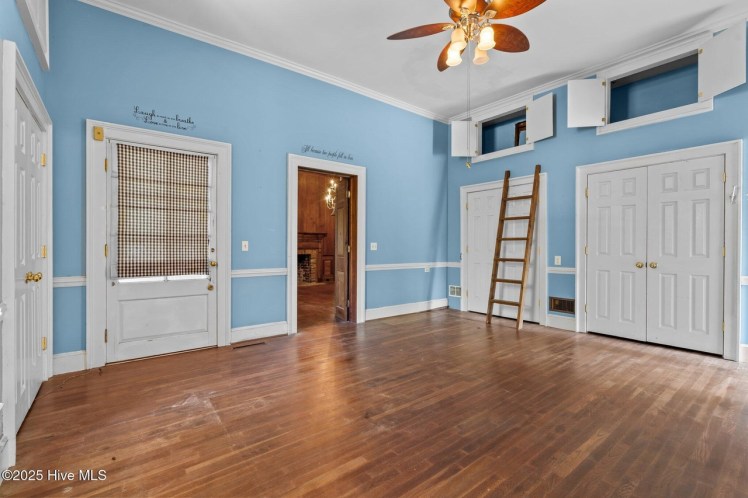
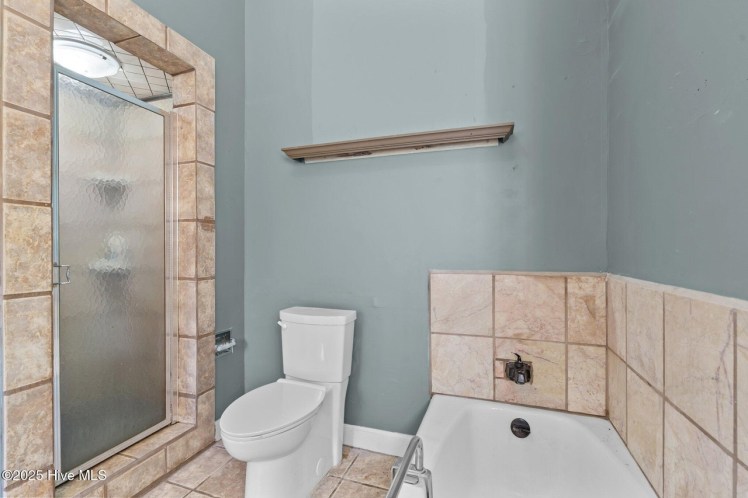
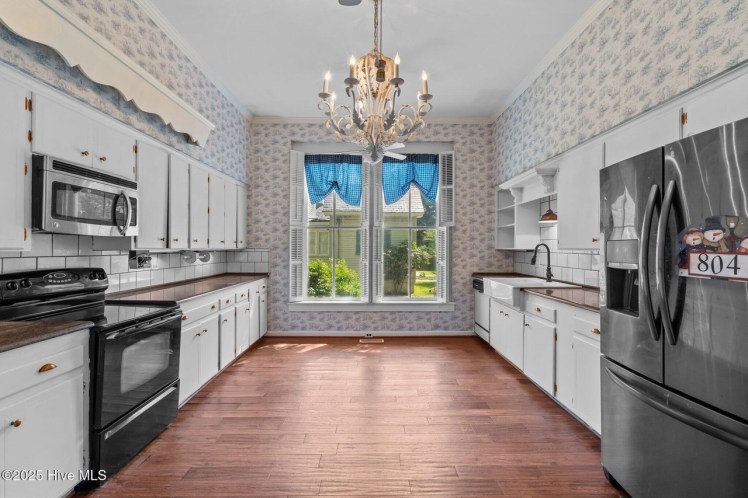
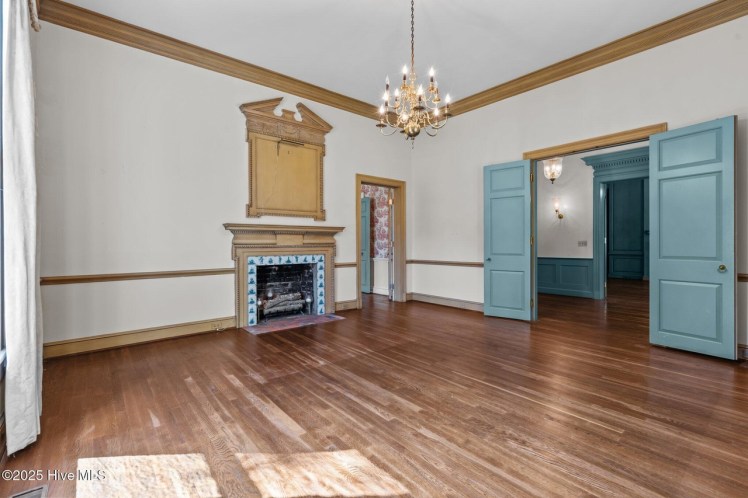
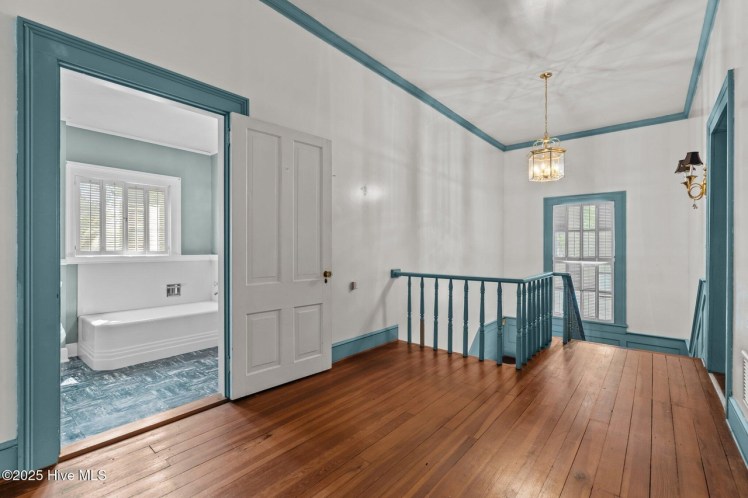
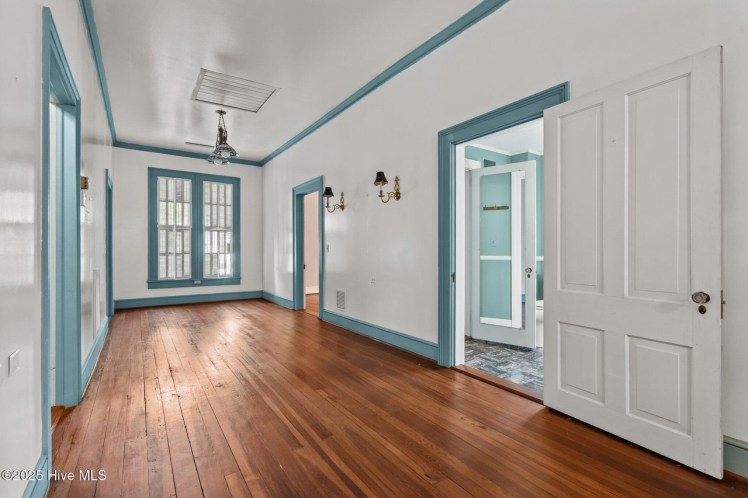
The Ledbetter-Leath House
- Sold for $320,000 on September 16, 2025 (listed at $394,000)
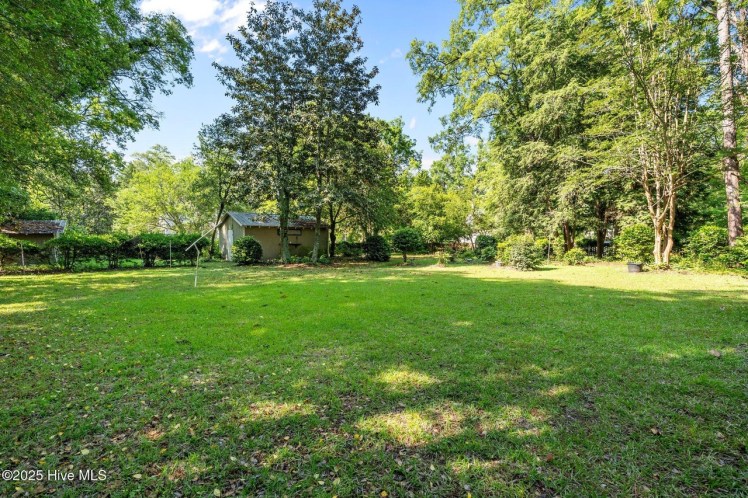
- 4 bedrooms, 3 1/2 bathrooms, 5,377 square feet (per county), 1.25 acres
- Price/square foot: $60
- Built in 1888
- Listed May 18, 2025
- Last sale: $200,000, March 2005
- Neighborhood: Rockingham Historic District (NR)
- Note: County records give the date of the house as 1960. The district’s National Register nomination says 1888.
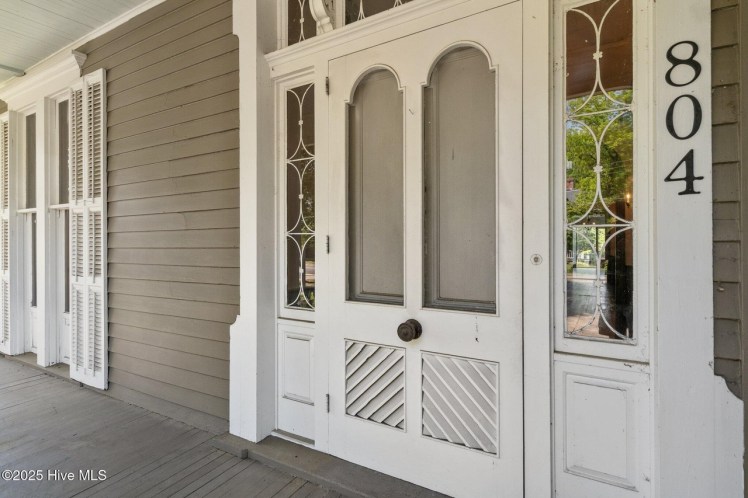
- District NR nomination: “In 1881 John Ledbetter and his uncle, Thomas B. Ledbetter, returned to Richmond County after clearing over $20,000 from a turpentine venture in Georgia. For $2,500 they purchased South Union Mill (subsequently named Ledbetter Mill), and had the yarn factory in full operation by 1883.
- “Shortly thereafter, in 1888, John Ledbetter had this picturesque two story Victorian residence built. In 1923 the elegantly detailed house was purchased by M.B. Leath, secretary of Hannah Pickett Mill No. 1, from 1920 to 1946. …
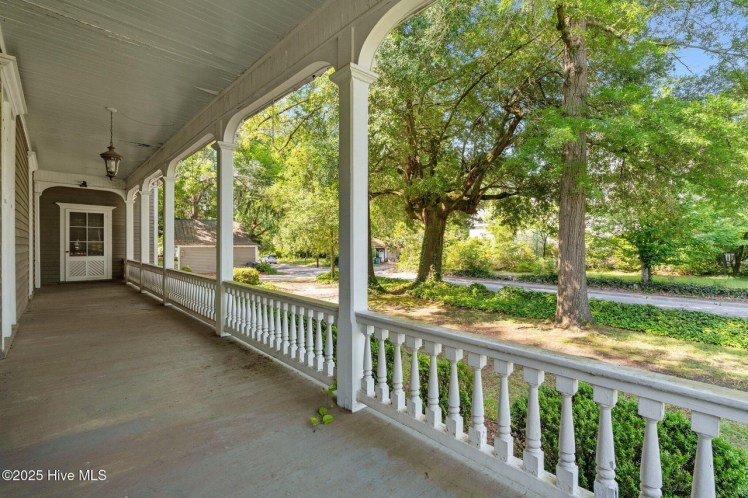
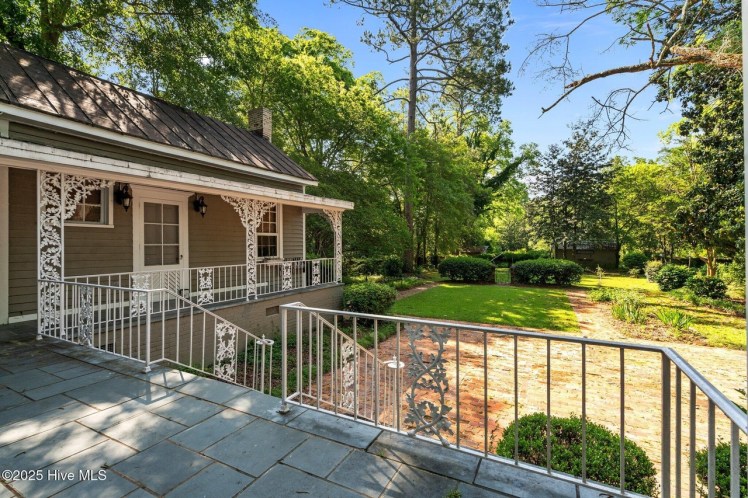
- “Exterior decorative features include splayed window and door surrounds, bracketed shelf entablatures, and leaded transoms and sidelights Porch and roof cornices are bracketed with paneled friezes. In the early 1960s the interior of the house was extensively remodeled to the Georgian Revival Style with the assistance of Otto Zenke of Greensboro.”
- John Steele Ledbetter (1848-1922) served as president of the Ledbetter Mill for nine years after Thomas’s death. He and Sarah C. Mattox Ledbetter (dates unknown) had no children. John was secretary of the Methodist church Sunday school for 20 years.
- MacLean Bacon “Mac” Leath (1875-1958) and Corinne Horne Leath (1878-1957) owned the house for the rest of their lives. In addition to his duties as secretary-treasurer of the mill, Mac also managed the mill’s company store from 1920 until his retirement in 1946. He served on the Rockingham city school board for 16 years. Mac and Corinne were married for 55 years; Mac died just three months after Corinne did.
- Ownership passed to one of the Leaths’ sons Thomas Horne Leath (1905-1978), and daughter-in-law Mary Hadley Connor Leath (1899-1989). Thomas was an attorney and served as president of the N.C. Bar Association. In 1985 Mary provided part of the funding to move the city library to a new building. The library is now known as the Thomas H. Leath Memorial Library. The house was sold by Mary’s estate in 1989.
225smain
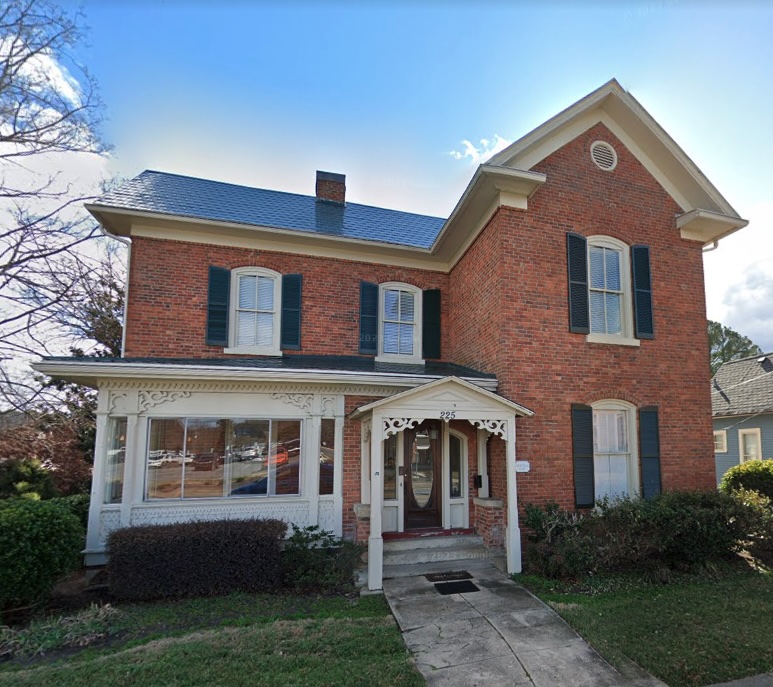
225 S. Main Street, Kernersville, Forsyth County
The Rephelius Byron Kerner House
- Sold for $340,000 on September 11, 2025 (originally $465,000)
- 4 bedrooms, 2 bathrooms, 3,096 square feet, 0.26 acre
- Price/square foot; $110
- Built in 1870
- Listed October 18, 2023
- Last sale: $400,000 (part of a multi-property sale, separate prices not broken out)
- Neighborhood: South Main Street Historic District (NR)
- Note: Located next to the Paul J. Ciener Botanical Garden
- “He had a beautiful, we might almost say, an elegant home.” The Raleigh Christian Advocate, in its obituary for Rephelius Kerner
- District NR nomination: “This two-story brick building is typical of the Kerner houses built in the last quarter of the nineteenth century in Kernersville. The L-shaped house follows a center hall plan with a large room to the north and a smaller room to the south. A one-story rear ell houses the kitchen and bath facilities.
- “The bays are segmentally-arched with drop lintels, with round ventilators in the gable ends. The entry is a single leaf door with oval glass and sidelights in arched openings.
- “The porch stretches across the side wing with a projecting gabled entry hood on slender columns and lacy bracketing. The porch has been enclosed to create a sun porch, but retains its posts, flat sawn balustrade, and decorative bracketing.
- “Rephelius Byron Kerner [1849-1881] was the great-grandson of Joseph Kerner.” He was a cousin of Julius Gilmer Korner (1851-1924), aka Reuben Rink, a commercial artist and builder of Korner’s Folly.
- The Folly and “seven other Kerner/Korner houses–substantial, architecturally significant Greek Revival and Italianate two-story brick houses dating from 1857 to 1889–face one another across South Main Street. These houses are a testament to the importance of the successive generations of Kerners to the growth of Kernersville in the nineteenth century.”
- Rephelius studied at Trinity College and came back to Kernersville to enter the tobacco business. He and his wife, Anna Elizabeth Marcella Matthews Kerner (1855-1881) had three children before his death at age 31; she was pregnant with their fourth when he died. She, too, died just 10 months after him at age 26.
- His death inspired a remarkably sorrowful obituary in the Raleigh Christian Advocate: “So much of hope, so much of joy, is fled! So many hearts are desolate, broken, bleeding, and cannot be healed save by the balm of ‘slowly rolling years!’ …
- “Mr. Kerner was a young man of spirit and enterprise, and was thoroughly identified with the interests of the thriving little town in which he resided.”
216emain

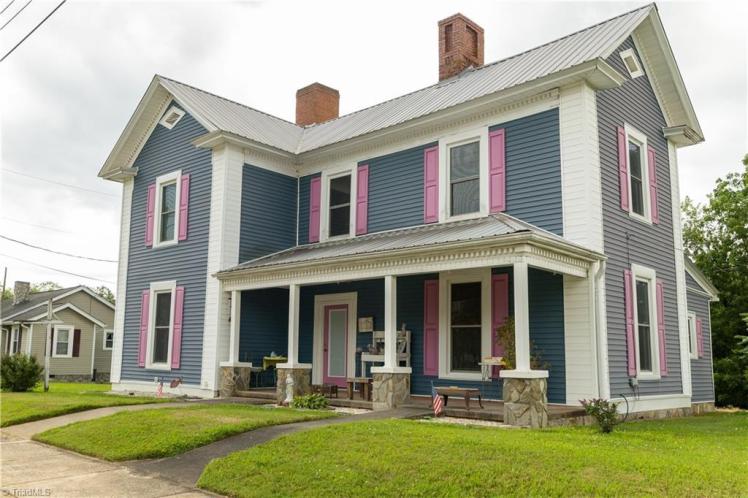


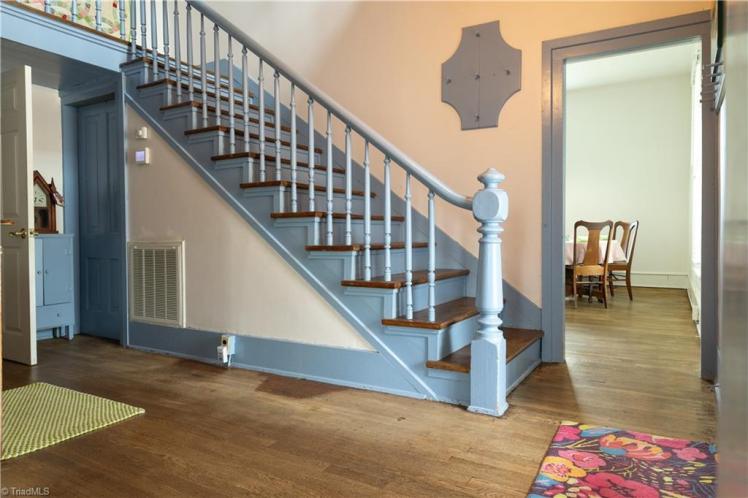
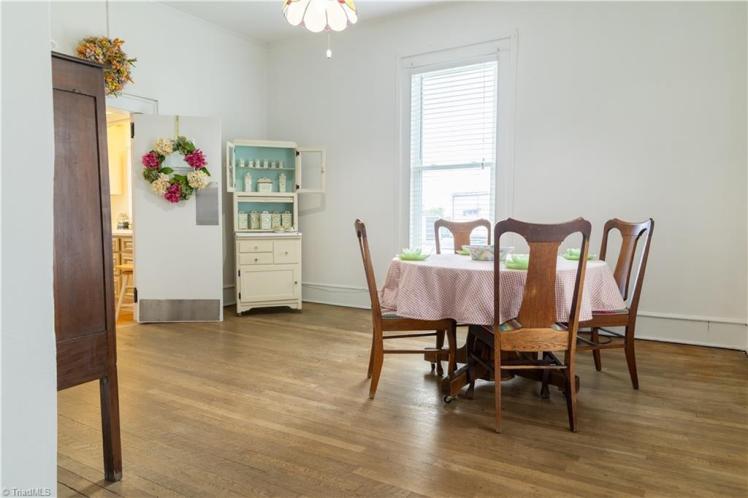
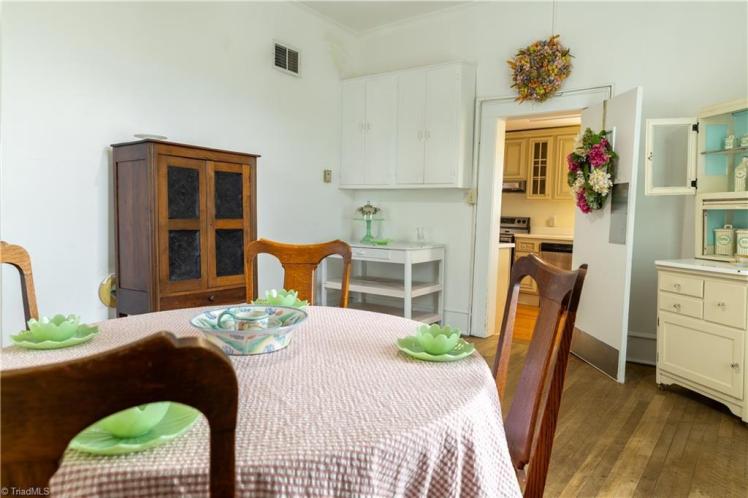
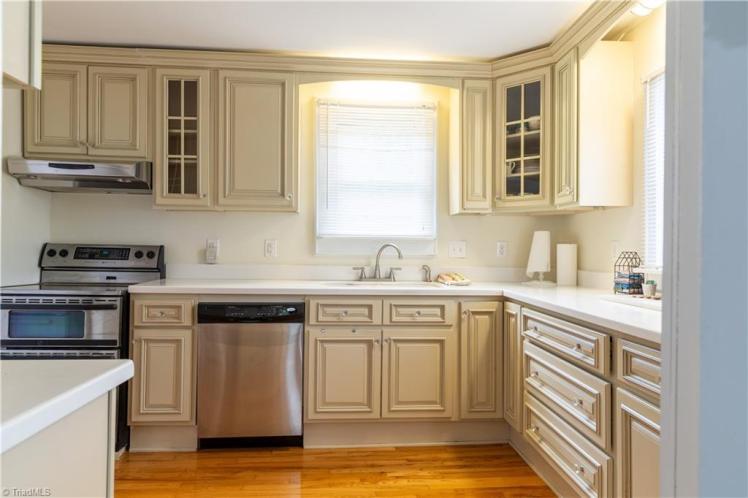

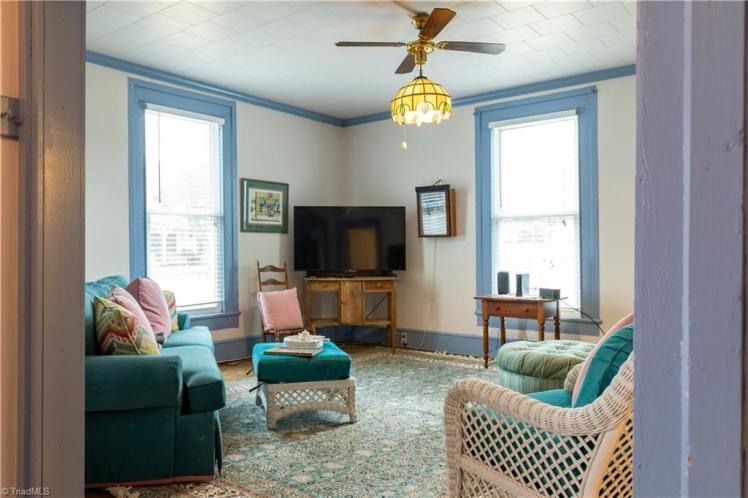
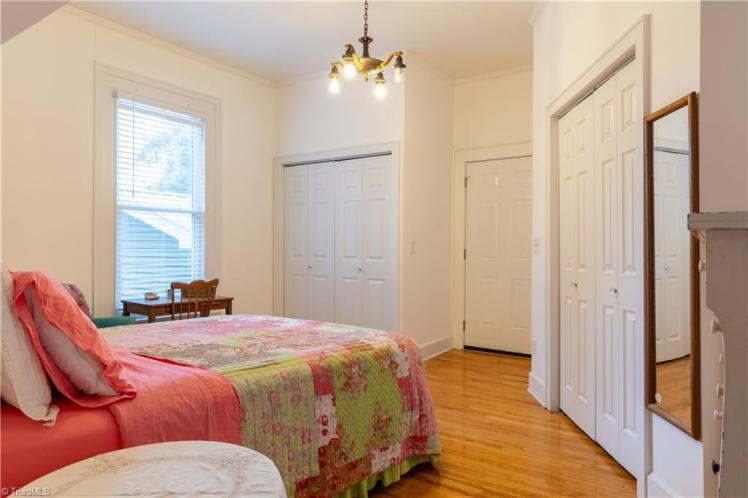

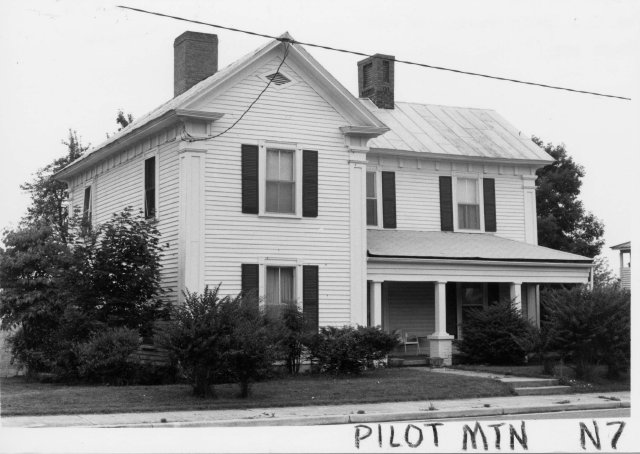
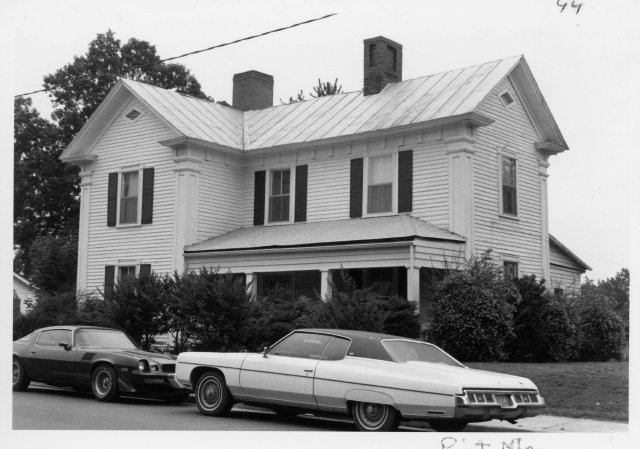
216 E. Main Street, Pilot Mountain, Surry County
The Dr. Jim Smith House
The Colmant House
- Sold for $295,000 on September 10, 2025 (listed at $315,000)
- 3 bedrooms, 1 bathroom, 2,234 square feet, 0.55 acre
- Price/square foot: $132
- Built in 1900
- Listed July 15, 2025
- Last sale: $30,000, June 2010
- Neighborhood: Downtown
- Note: Formerly the Colmant House restaurant, a renowned fine-dining establishment featuring Cajun cuisine. It was praised as “exceptionally fine” by John Batchelor in 1991.
- Two doors away is the Pilot Hosiery Mill, which must be one of the most nondescript buildings on the National Register.
- The house was bought in 1985 by Sue Ray Smith Colmant (1944-2025) and John M. Colmant Jr. (1944-2001). John was born in Birmingham, Alabama, and graduated from Florida State University. He was a Navy veteran of the Vietnam War. Sue was born in Winston-Salem and graduated from Western Carolina University. She was a social worker who practiced in South Carolina, Georgia and North Carolina before moving to Pensacola, Florida, where she met and married John, who was by then a chef. They opened the Colmant House with John as chef and Sue as hostess. Sue sold the house in 2010.
- The house is apparently named for Dr. James Buchanon Smith (1860-1928). He was born in Stokes County and graduated from Virginia Tech and the College of Physicians and surgeons in Baltimore. He began practicing as a physician in 1885 and spent most of his career in Pilot Mountain.
524julian

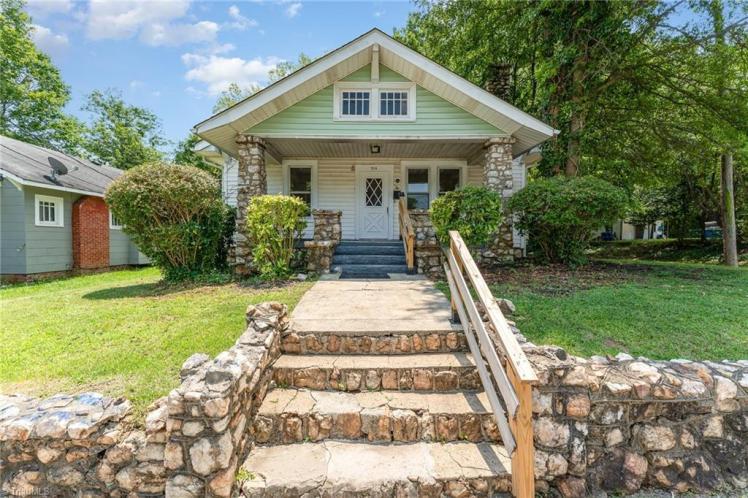


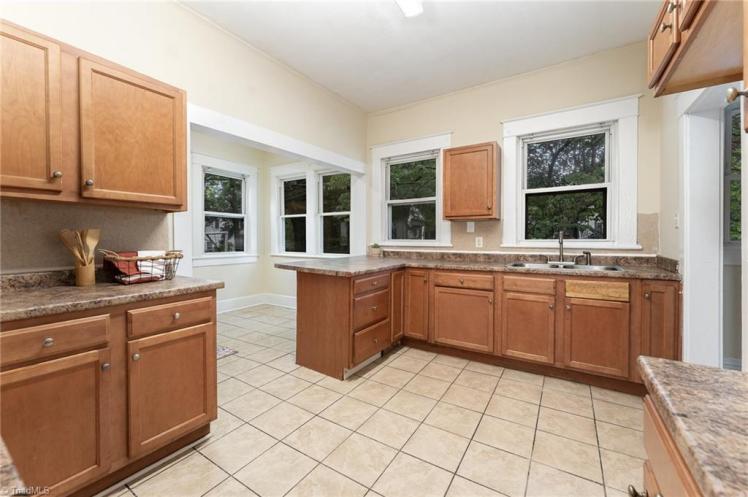

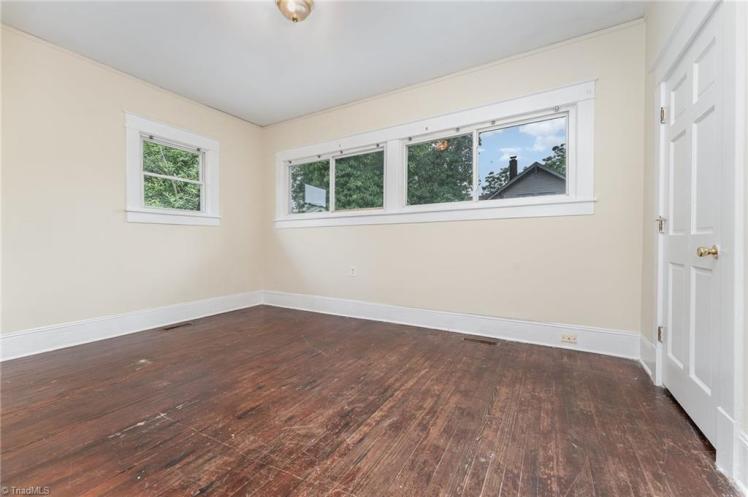
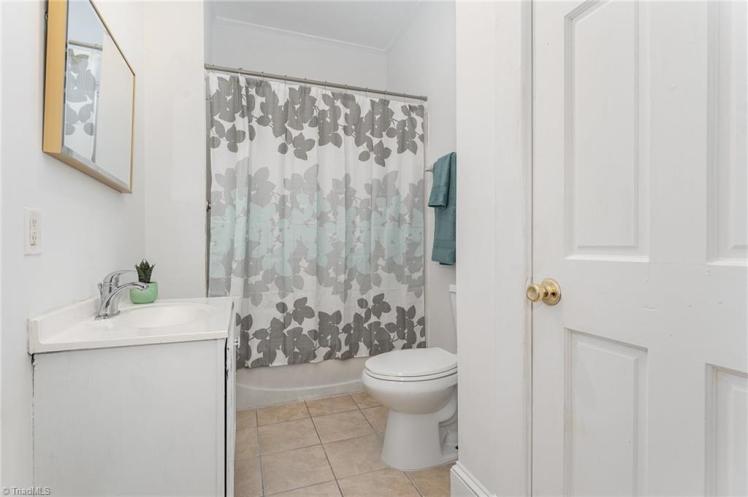
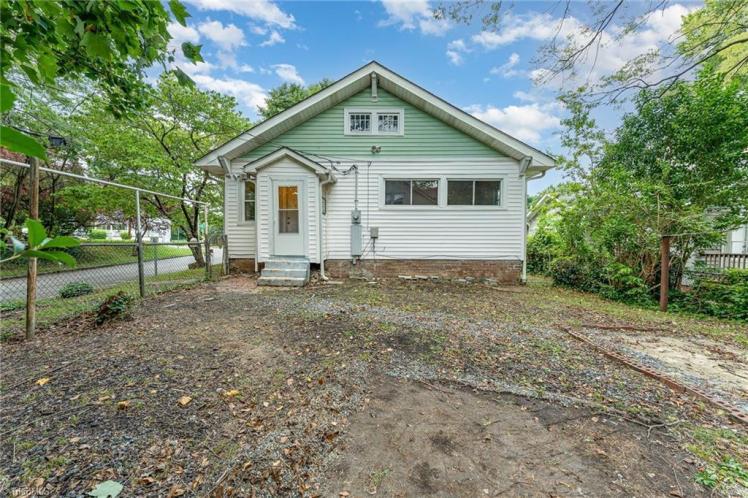
- Sold for $153,262 on September 2, 2025 (listed at $159,900)
- 3 bedrooms, 1 bathroom, 1,453 square feet, 0.15 acre
- Price/square foot: $105
- Built in 1920 (per county, but maybe a bit earlier; see note)
- Listed July 9, 2025
- Last sale: $8,250, March 1953
- Neighborhood: Ole Asheboro
- Note: The house has had only three owners in 105 years. Pattie Cline Troxler (1882-1948) bought the property in 1919 and were listed at the address that year, the first time it was included in the city directory. She and her husband, Leslie Caldwell Troxler, (1884-1959), were named on the mortgage, but only her name was on the deed. Leslie owned Gate City Grocery on Gorrell Street.
- The Troxlers sold the house in 1945 to Jack Garland Wyrick (1912-1996) and Edna Pearle Troxler Wyrick (1912-2008). The familial relationship of Edna and Leslie Troxler, if any, is unknown. Jack was a bus driver for Carolina Coach Company.
- In 1953, Ethbert Spelman Carr (d. 1982, age 67) and Virginia Henderson Carr (1910-1995) bought the house. They lived in it the rest of their lives, and it has been in their family ever since.
- Ethbert was an associate professor of agricultural engineering at N.C. A&T State University. He attended Hampton Institute and was the first black graduate in agricultural engineering at Ohio State University. He taught at Prairie View State University before coming to A&T. He was also Prairie View’s basketball coach and an assistant football coach. He gave swimming lessons at the Windsor Recreation Center and served as an official tournament timekeeper with the Central Inter-Collegiate Athletic Association. He was a member of the American Society of Agricultural Engineers, Phi Delta Kappa Educational Honor Society and Beta Kappa Chi Scientific Honor Society.
- Virginia was a graduate of Virginia Union University. She was a school teacher and a longtime voter registrar.
- Their son, Ethbert Jr., is an A&T graduate, Army veteran and longtime executive with the Eastman Company, the chemical company spun off from Eastman Kodak.
3elliott
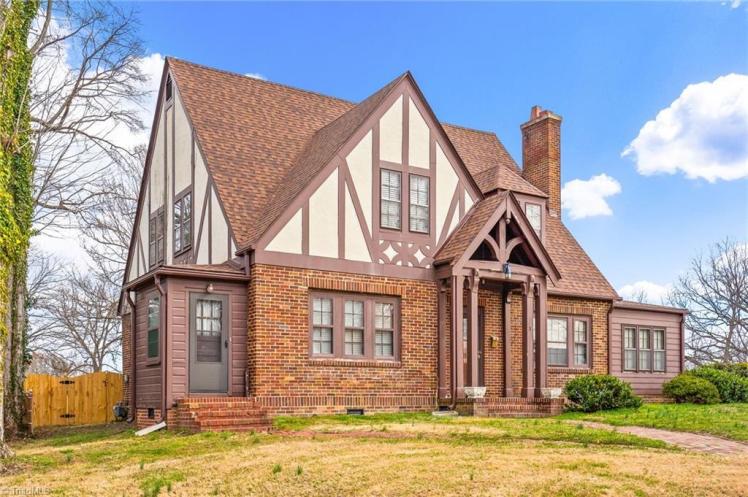
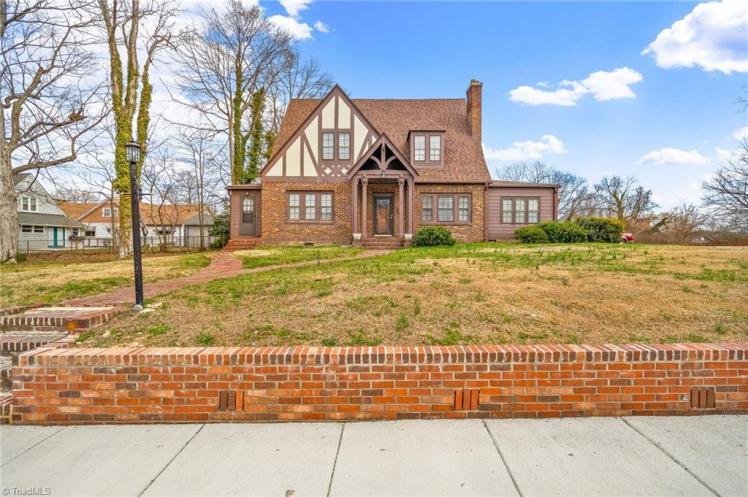
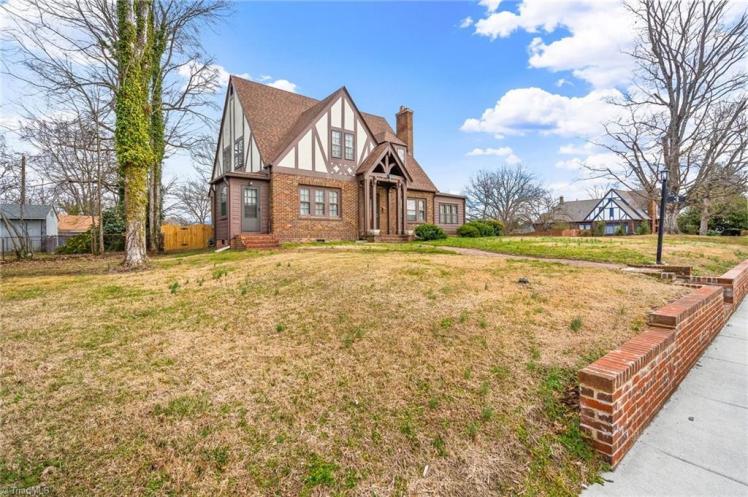


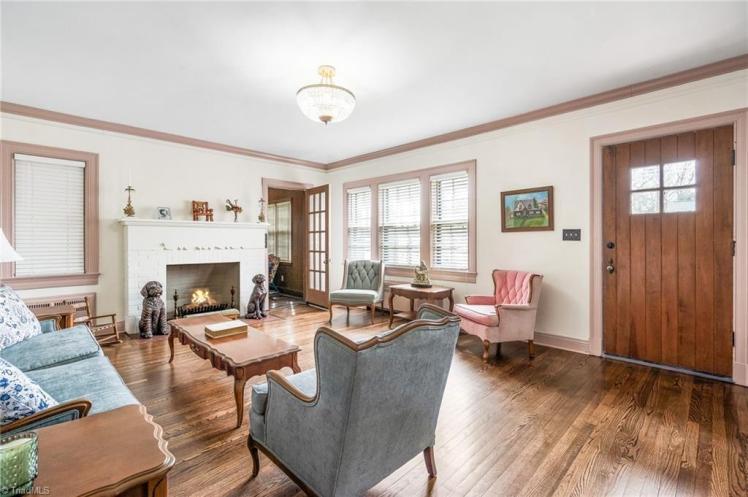

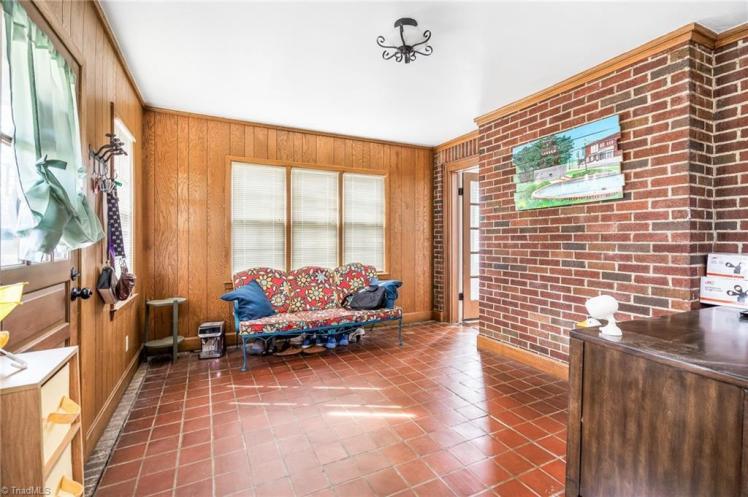


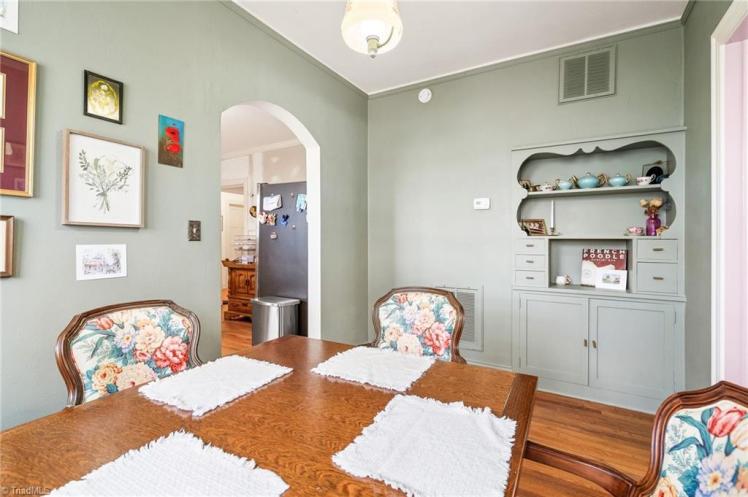
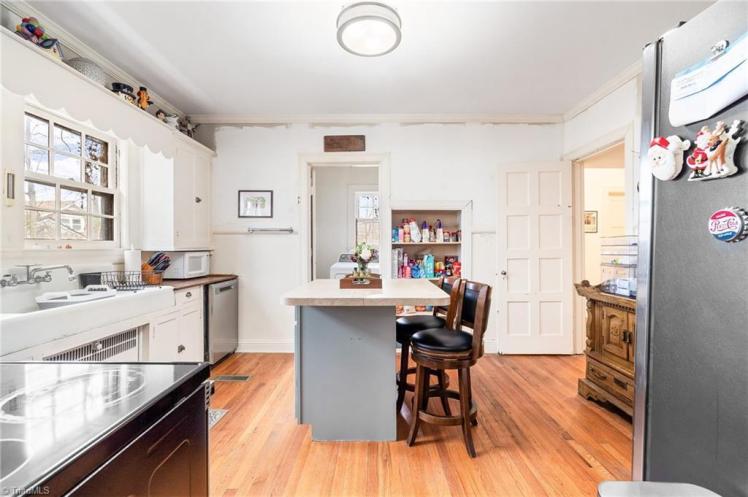
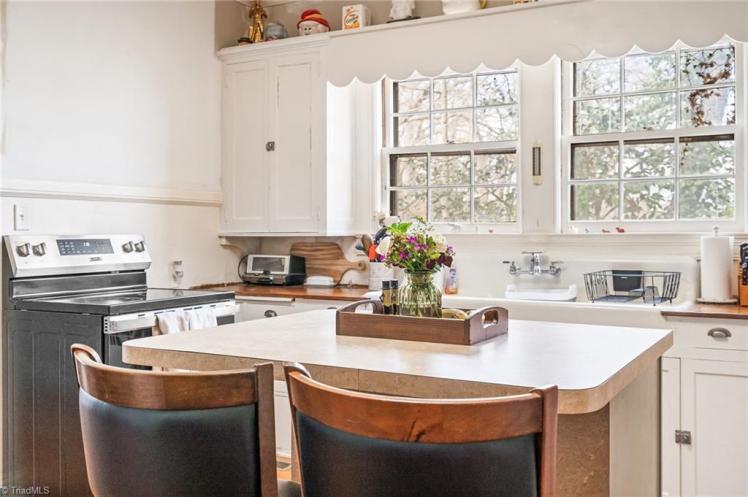


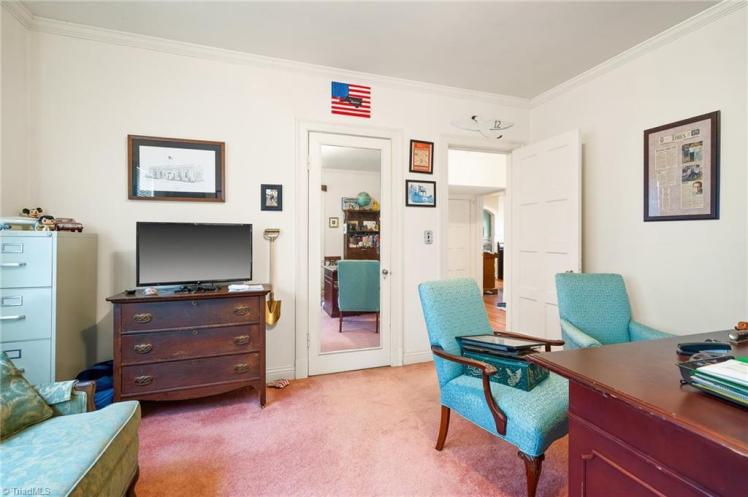

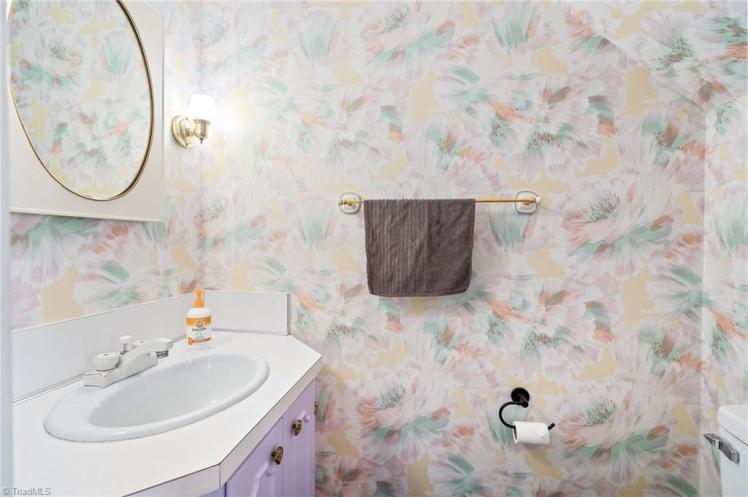
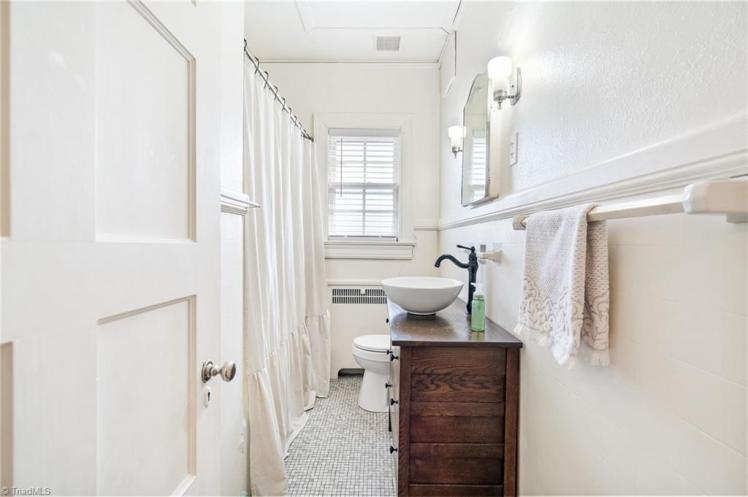
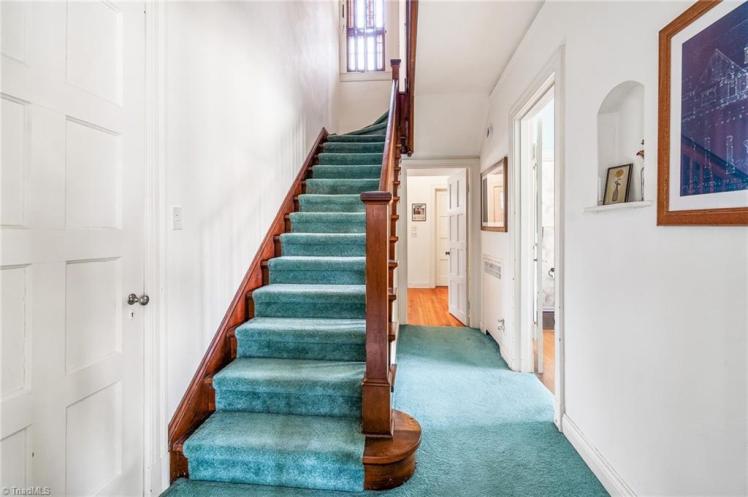

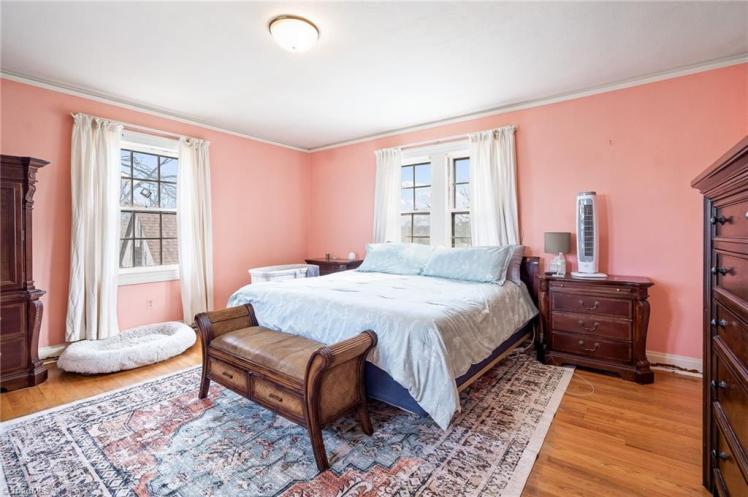

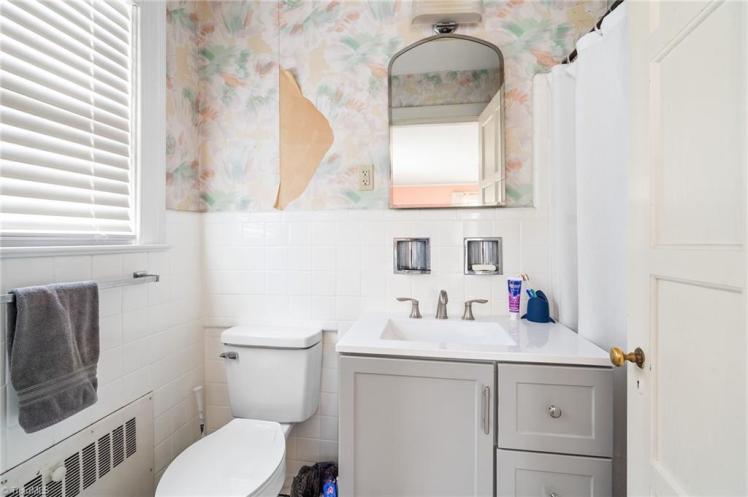


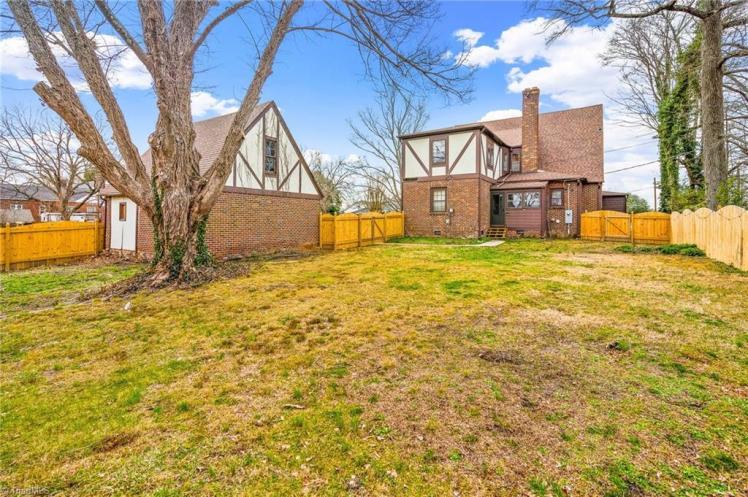

3 Elliott Drive, Thomasville, Davidson County
The Jake and Zondal Sechrest House
- Sold for $255,000 on August 28, 2025 (originally $354,321)
- 4 bedrooms, 3 1/2 bathrooms, 3,592 square feet (per county), 0.84 acre (two lots)
- Price/square foot: $71
- Built in 1932
- Listed March 1, 2025
- Last sale: $232,500, June 2024
- Neighborhood: Colonial Drive School Historic District (local)
- Note: The previous prices on this listing have been $354,321, $308,268 and $289,999.
- Thomasville Historic Preservation Commission: “One-and-one half story cross-gabled Tudor Revival house with brick exterior at first story and stucco and faux half-timbering in gables. Windows are four over four and six over six. Small flat-roofed wings at North and South elevations are sheathed in German siding and shingles. This was the third home built on Elliott Drive. The same architect built this home and its Tudor neighbor at 7 Elliott.”
- The earliest known residents were Jacob Raymond “Jake” Sechrest (1898-1981) and Zondal Ellen Myers Sechrest (1904-1997), listed in the 1933 city directory. The house was sold by Zondal’s estate some 64 years later. Jake was a foreman at Thomasville Furniture Company. He was a member of Heidelberg United Church of Christ and served on the building committee when the Gothic Revival church was built from 1946-1955. At the time of his death, he was a deacon emeritus.
- Zondal attended Elon College, where a scholarship was established in her name. She worked for Thomasville Furniture Industries for 42 years. She was a member of the Thomasville Womans Club and the Business and Professional Women. She was a painter who won a blue ribbon at a local arts festival for a painting that she donated to the women’s club in 1981. Interestingly, she was an active member of a different church, Memorial United Methodist, where she served as president of the Ladies Bible Class and recording secretary of the church administrative board.
524wmain












524 W. Main Street, Pilot Mountain, Surry County
- Sold for $410,000 on August 27, 2025 (originally $560,000)
- 4 bedrooms, 2 1/2 bathrooms, 3,228 square feet, 0.90 acre
- Price/square foot: $127
- Built in 1895
- Listed October 25, 2024
- Last sales: $260,000, May 2024; $225,000, November 2017
- Neighborhood: West Main Street Historic District (National Register study list)
- Note: Quick flip; caveat emptor.
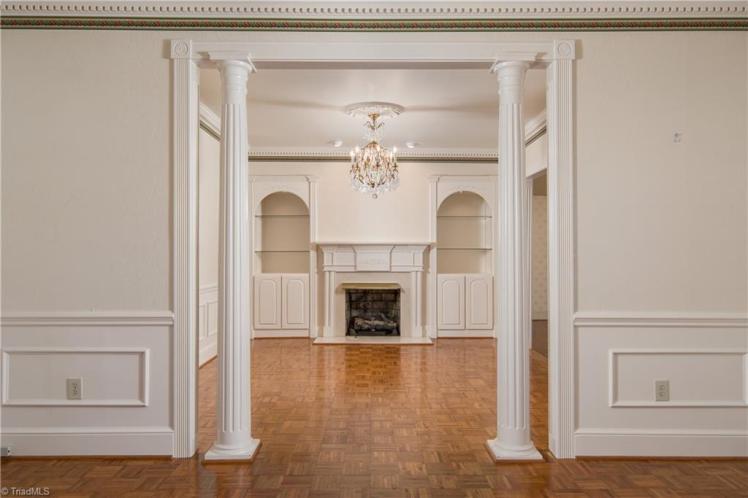
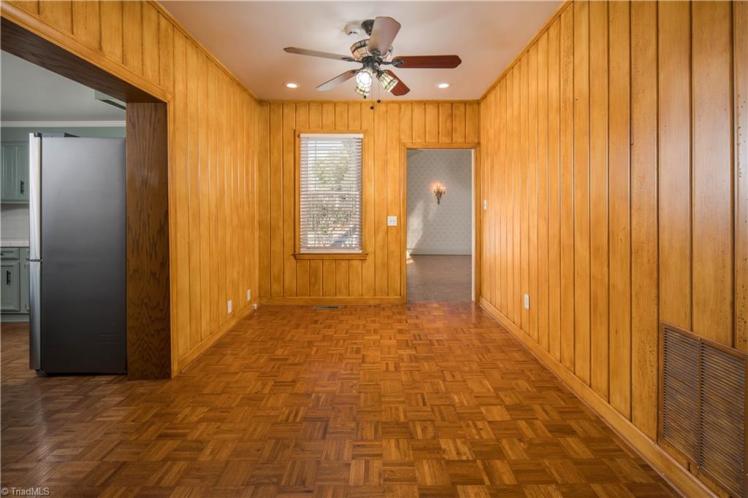
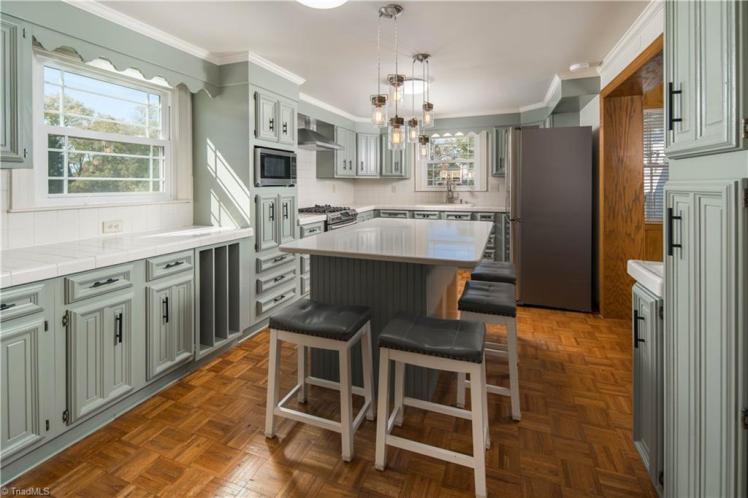
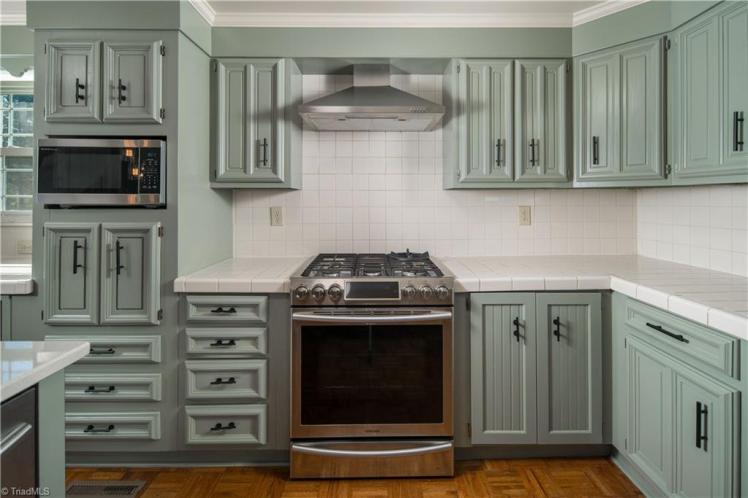
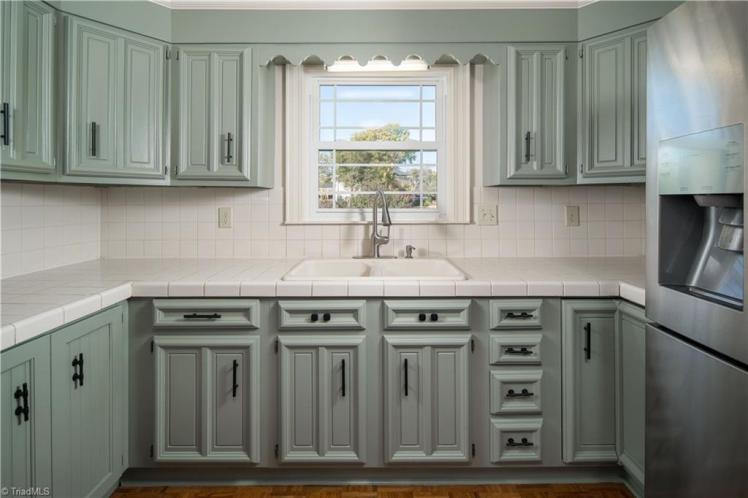
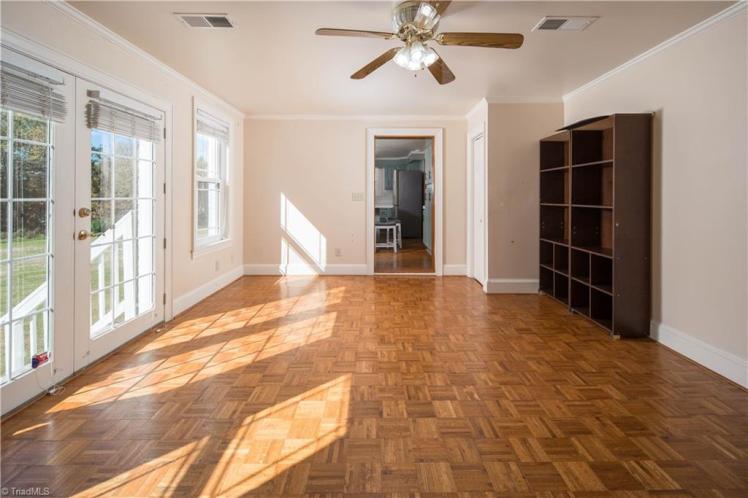
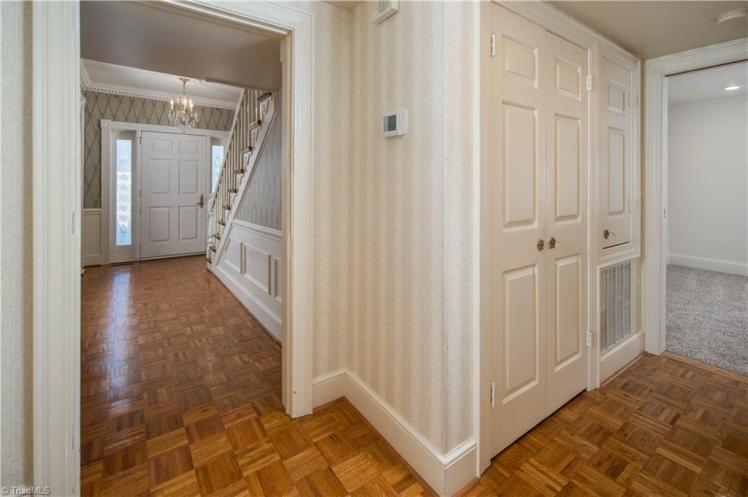
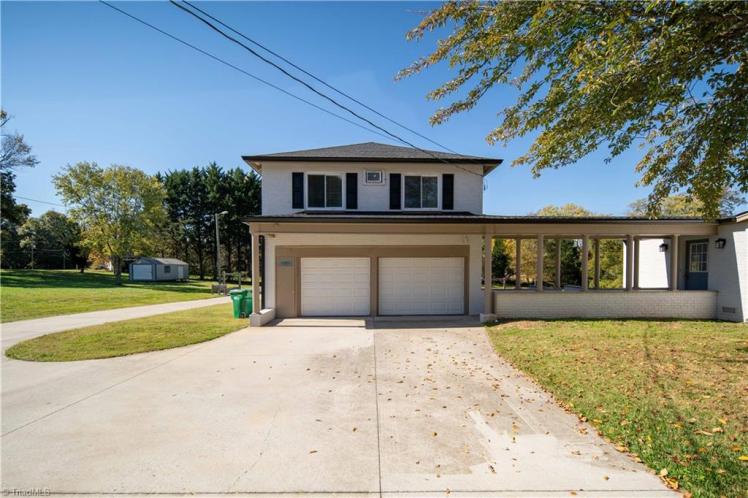
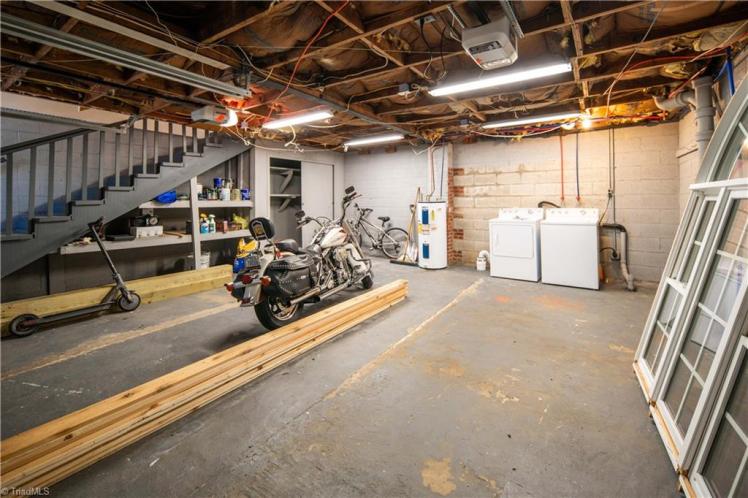
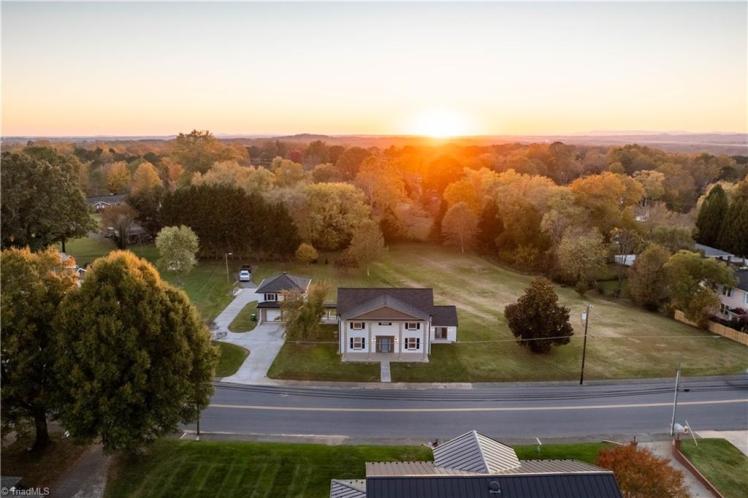
- The renovation included painting the red-brick exterior white, giving the columns and front gable (which had been white) a contrasting beige and removing a large Chippendale supraporte over the door. The last photo above was included in the 2023 listing.
- The property includes a 1-bedroom, 1-bathroom apartment over the two-car garage.
- The early history of the house is difficult to trace through a series of mostly illegible, badly scanned handwritten deeds. In 1898 William Washington Davis (1851-1934) bought 25 acres from the administrator of an owner who died intestate. The deed isn’t clear about the location, but this property was referred to on a later deed as the “W.W. and L.E. Davis house and lot” (his wife was Lydia Ellen Hunter Davis, 1861-1944). William was a charter member of the Pilot Mountain Friends Church and at age 82 was “one of the oldest citizens of this place,” his obituary said.
- Slightly later owners appear to have been Thomas Gideon Marion (1864-1955) and either his first wife, Mary Perlina Wilmoth Marion (1862-1902), or second wife, Isabel Wall Marion (1873-1926, married 1904). Thomas was a Baptist minister. He and his wife sold the house in 1918 to daughter Ada Lavoria Marion Williamson (1886-1942).
- In 1943, Martha Louise “Mattie” Fulk Trotter (1890-1983) bought the house. She was a widow; her husband had been a longtime pharmacist in Pilot Mountain before committing suicide in 1937.
- Mattie sold the house in 1955 to Charles Edward Matthews (1927-2008) and Dr. Marjorie E. Fisher Matthews (b. 1935), who owned the house for 62 years. Marjorie is a physician. She sold the house in 2017.
- Charles was born in Surry County and graduated from Riverside Military Academy and Guilford College, where he majored in economics. He served in the Army in Germany from 1945 to 1947 before joining his father in the Pilot Guano Company and other businesses. Charles served for more than 40 years as a director of the Farmer’s Bank and then First Citizens Bank. He was president of the Pilot Mountain Parent-Teacher Organization and a former chairman of the United Fund. He served on the Northwest Economic Development Committee and the Pilot Mountain Planning and Zoning Board.
2411glencoe





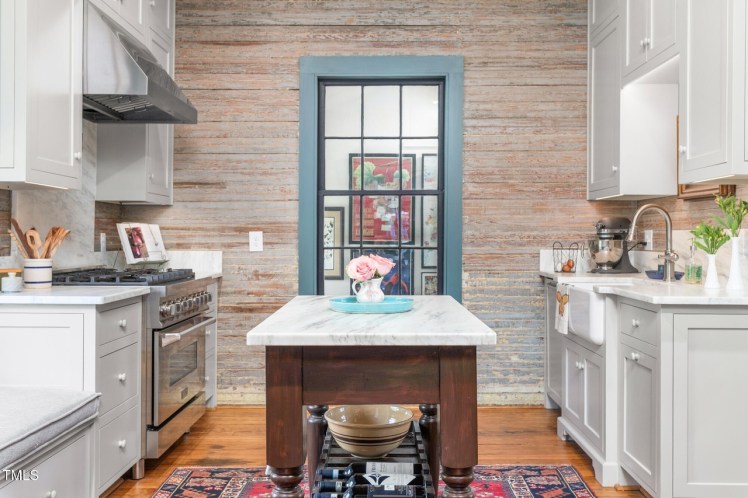
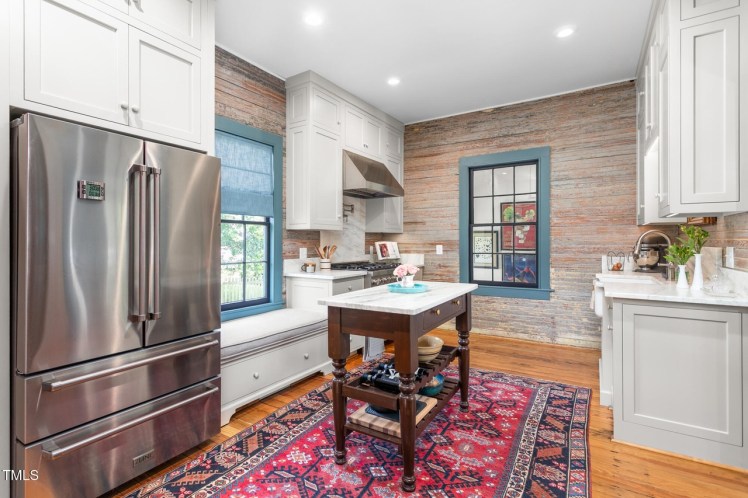

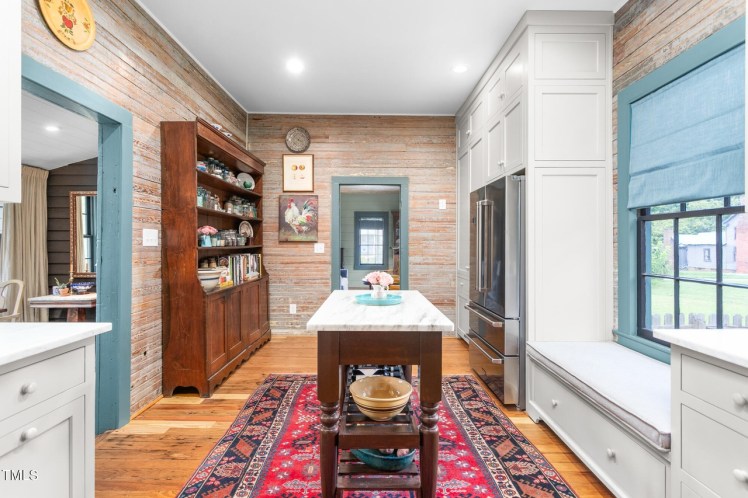
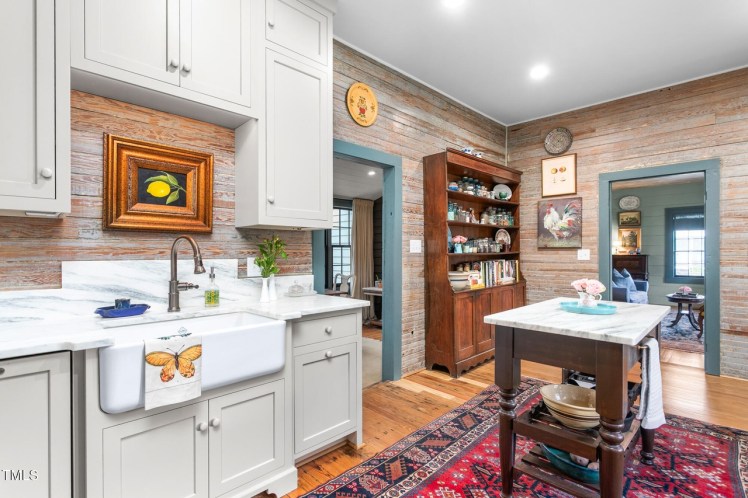


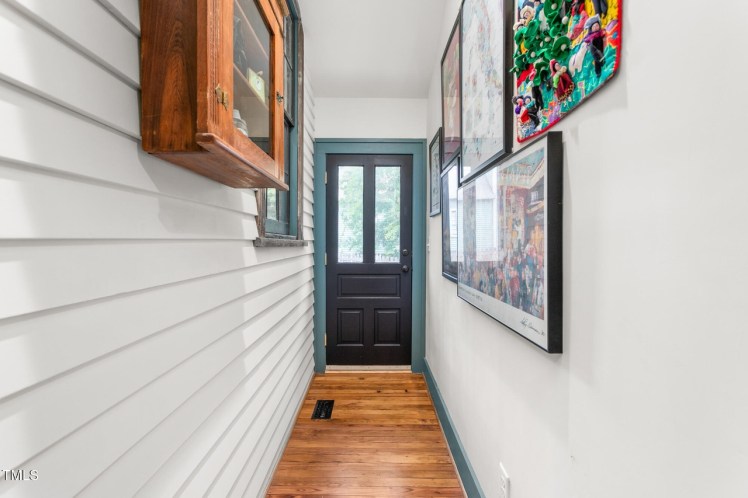

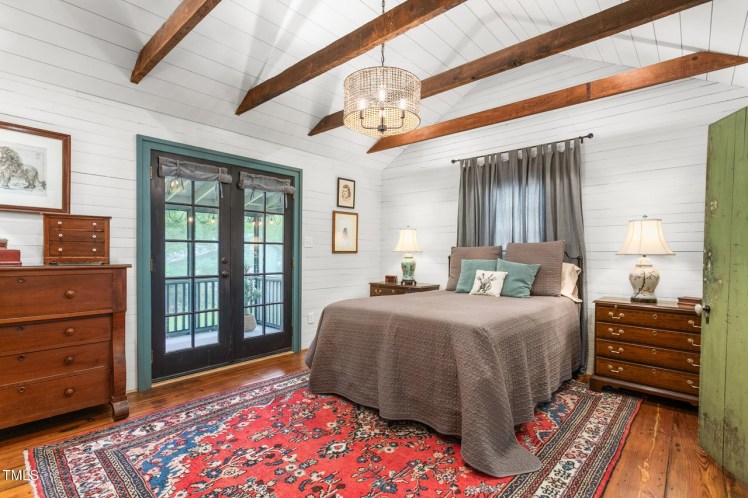


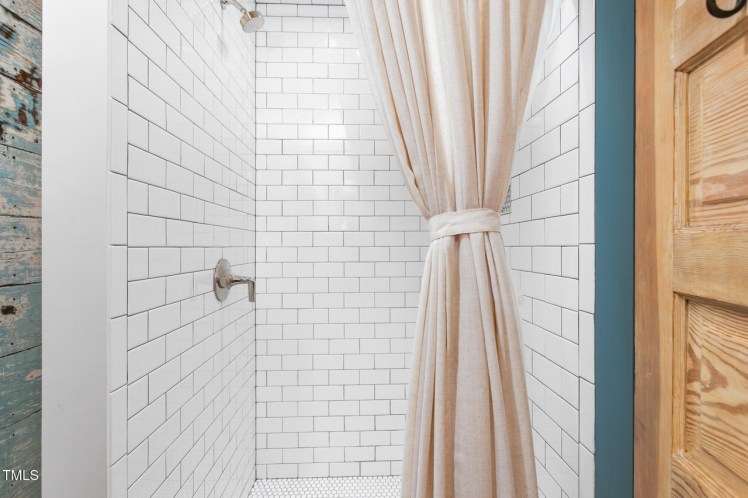

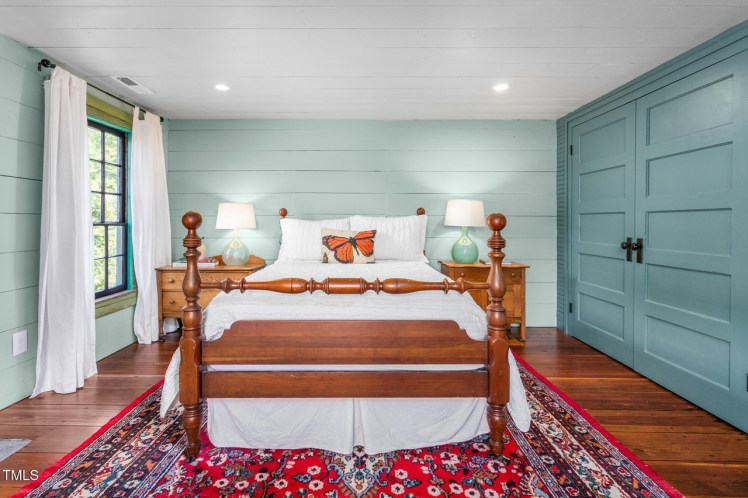
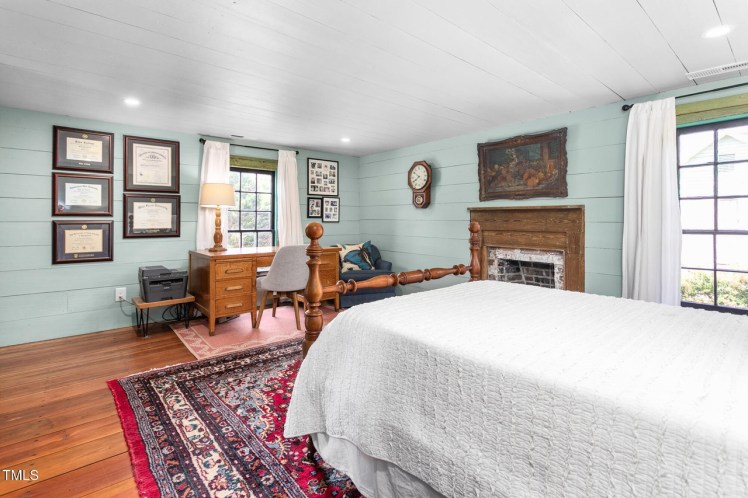

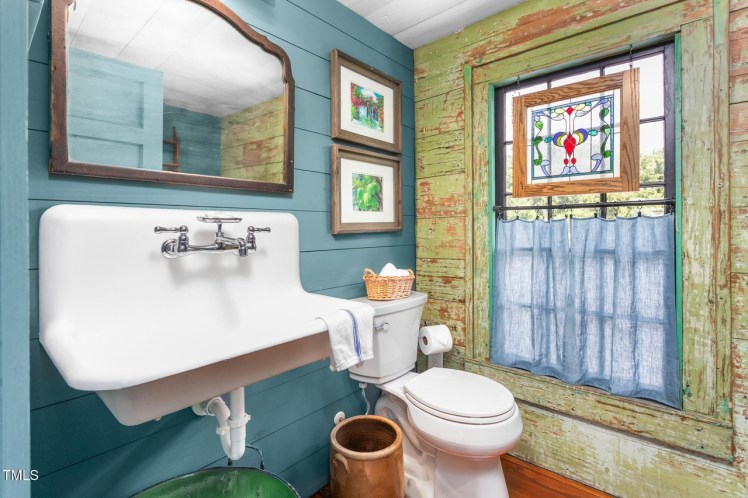
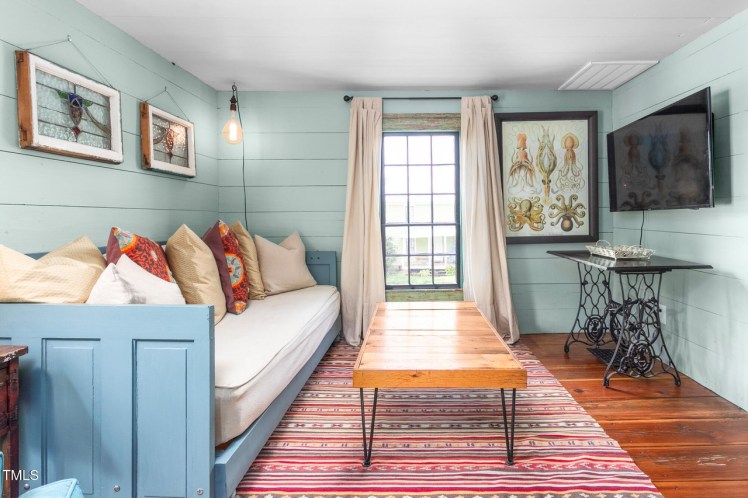

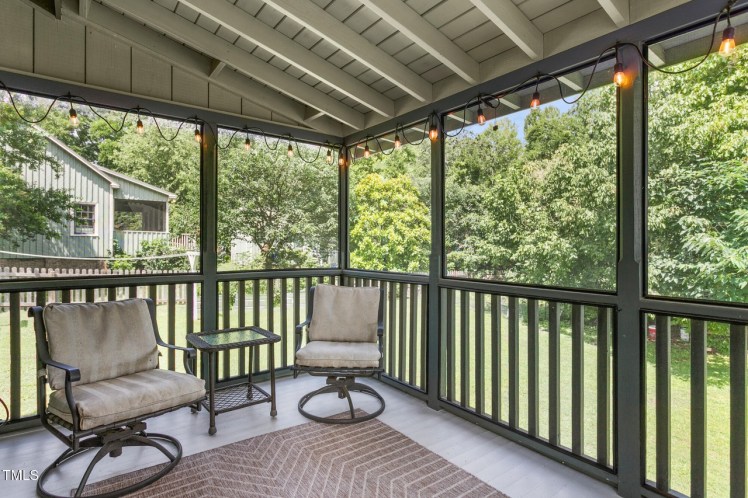
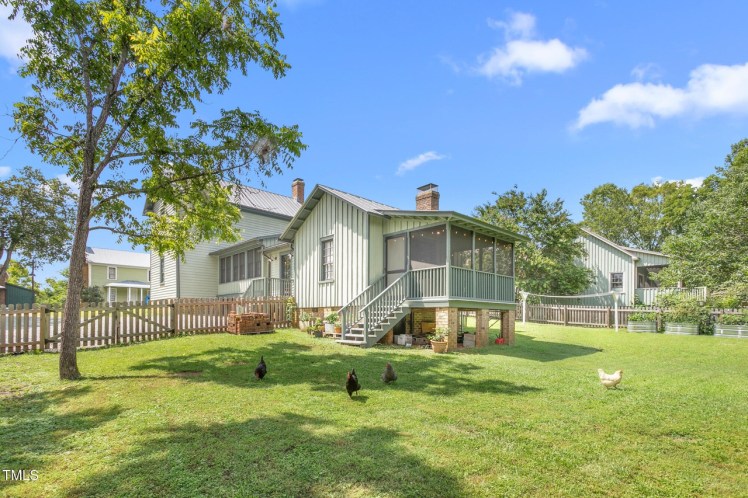
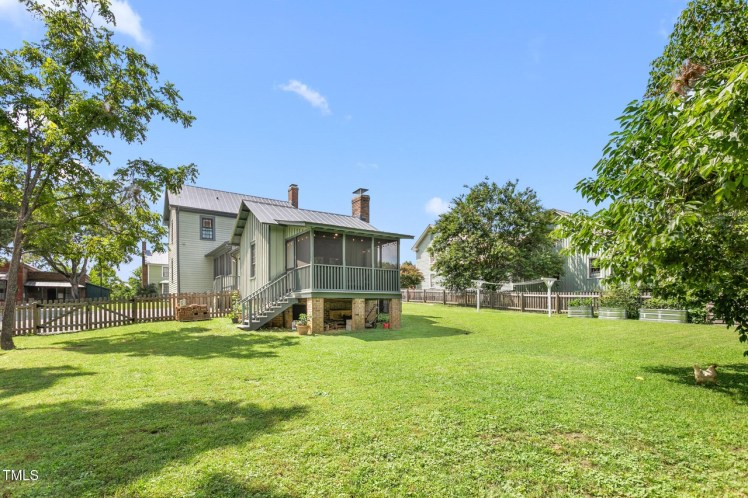


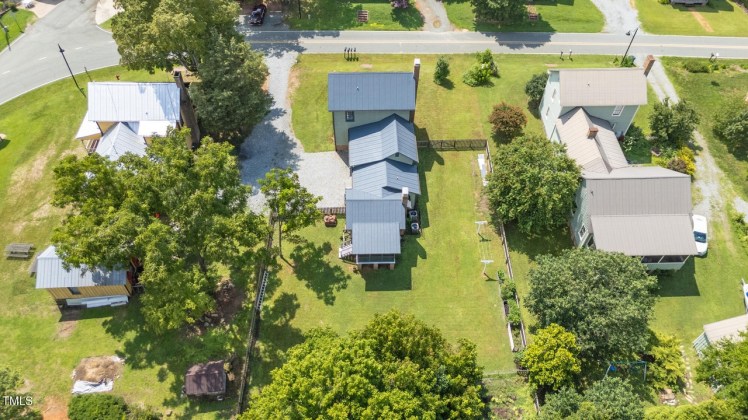

2411 Glencoe Street, Glencoe Mill Village, Alamance County
- Sold for $402,000 on August 22, 2025 (listed at $399,900)
- 3 bedrooms, 3 bathrooms, 1,730 square feet, 0.44 acre
- Price/square foot: $232
- Built in 1890
- Listed July 16, 2025
- Last sale: $130,000, July 2022
- Neighborhood: Glencoe Historic District (local NR)
- Note: One of the last Glencoe houses to be renovated.
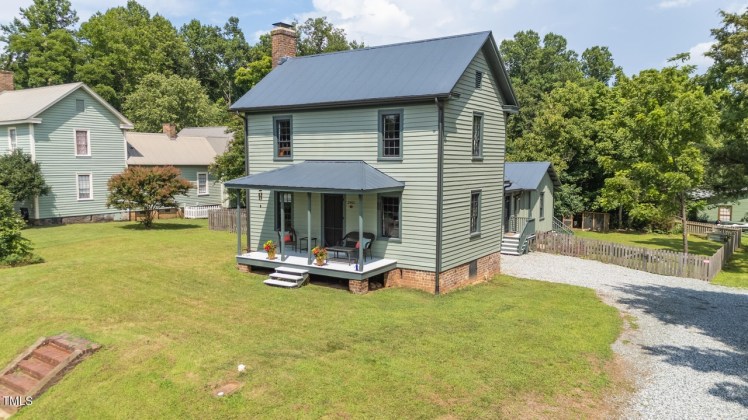
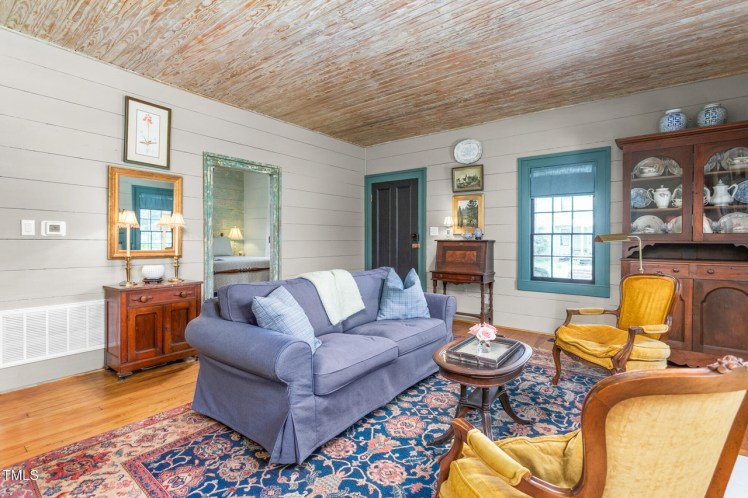
- The property is under preservation covenants held by Preservation North Carolina.
- District NRHP nomination: “The Glencoe Historic District is located on the east bank of Haw River about three miles north of Burlington in Alamance County.
- “It is a typical but remarkably well-preserved example of nineteenth century industrial villages that once flourished in North Carolina’s Piedmont region. The district covers a little more than 100 acres and consists of three parts: 1) a manufacturing and commercial complex; 2) a power and water system; and 3) a residential and social unit. …
- “Of the 48 original wood frame dwellings, 41 remain. (Several houses are known to have burned down.) … The mill village includes three basic house configurations, all with brick nogging, hand sawed timbers, tin roofs, brick pier foundations and simple, functional design. Houses vary in size from three to six rooms, with 16′ by 16′ the average room size.
- “The front porches are two bays wide and supported by four unornamented posts. A central hallway open onto rooms to the east and west. The western rooms of houses on these two streets do not have windows on the river (west) side. Chimneys are set on the east.”
7223nc89


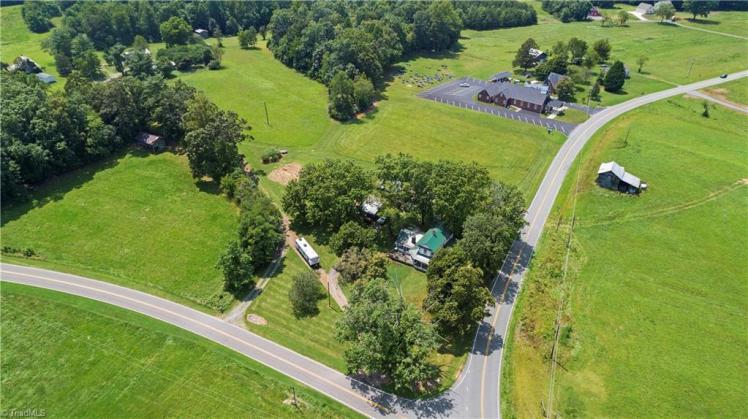







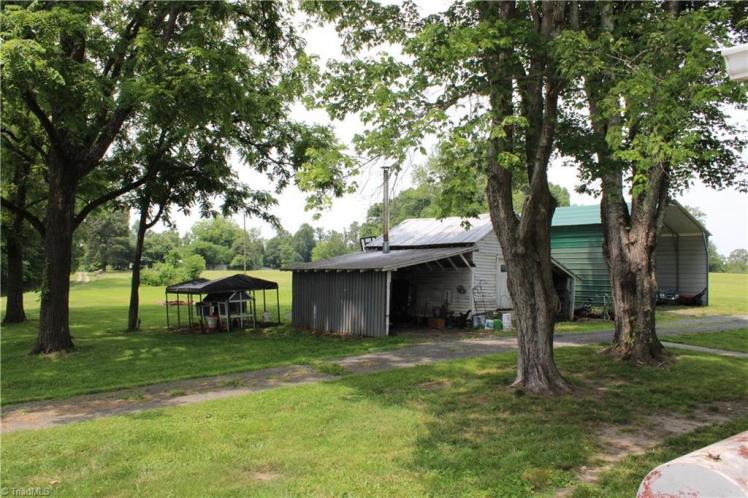

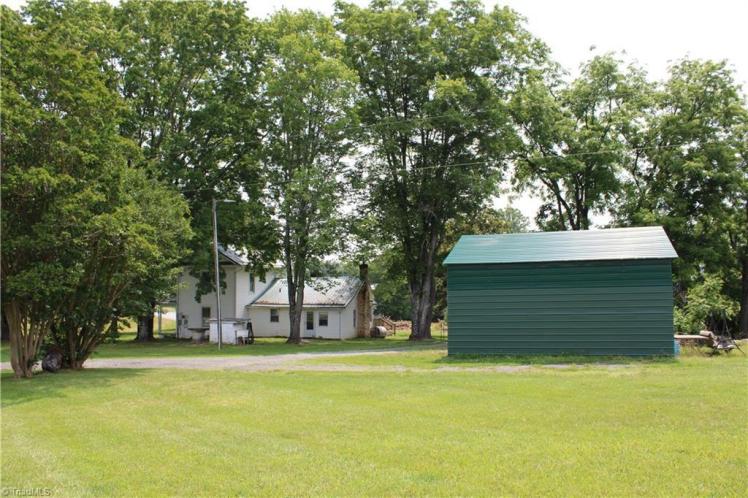



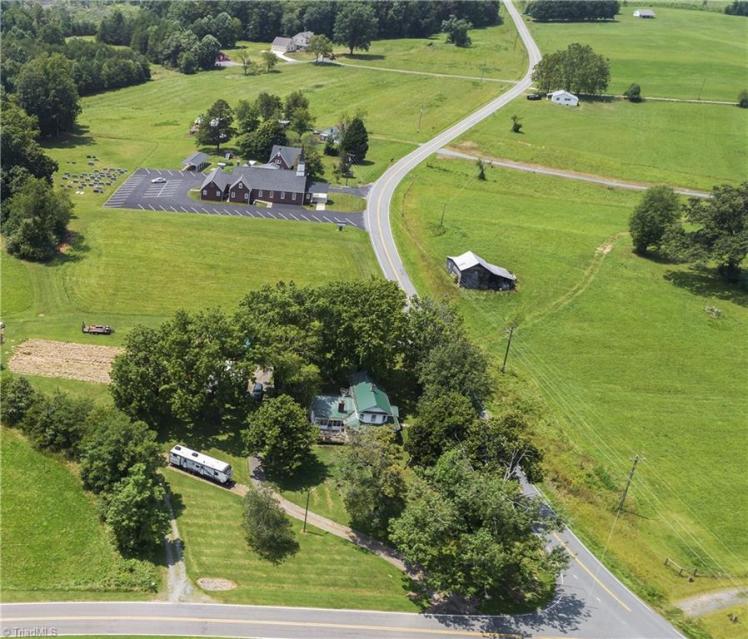

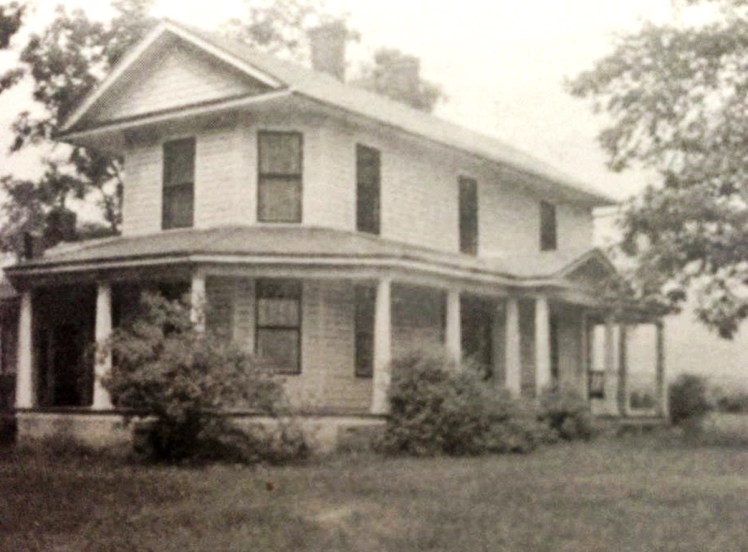

7223 N.C. Highway 89, Stokes County
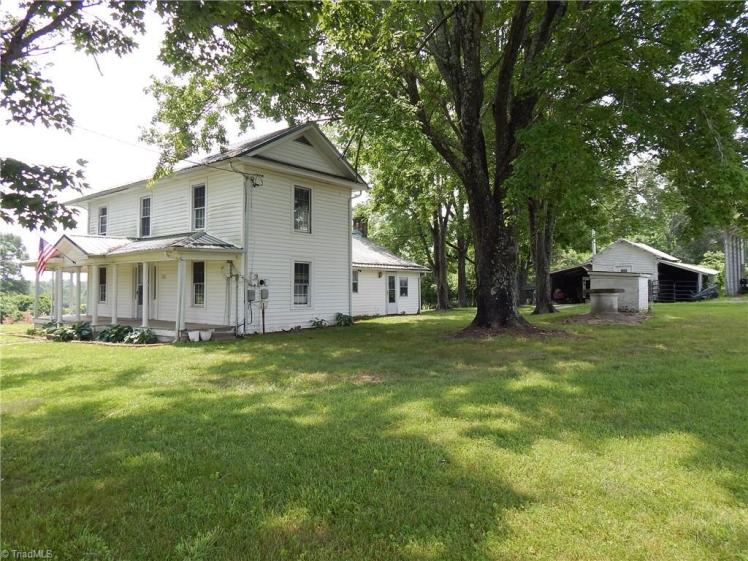
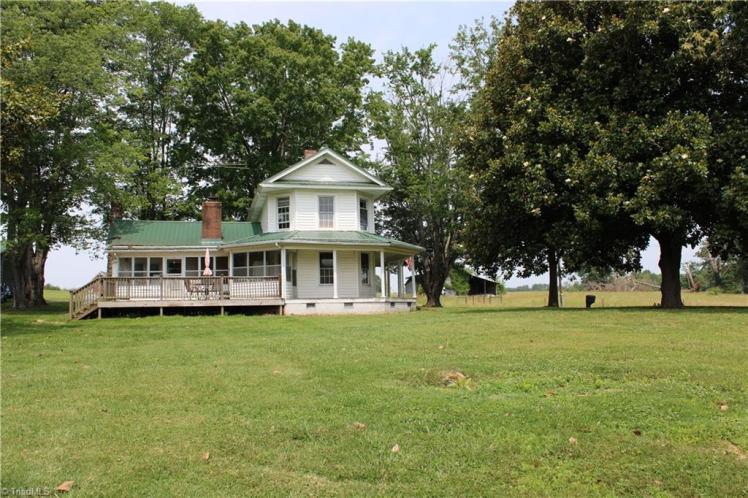
The R.E. Lee Francis House
- Sold for $160,000 on August 15, 2025 (originally $225,000)
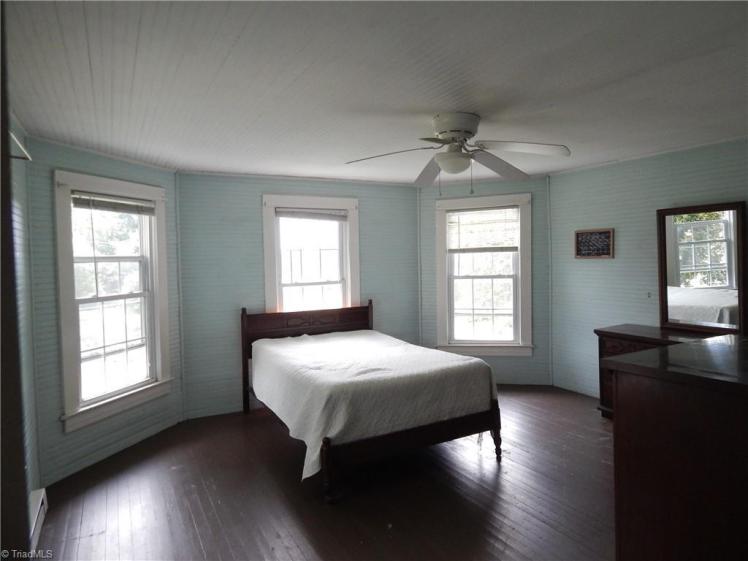
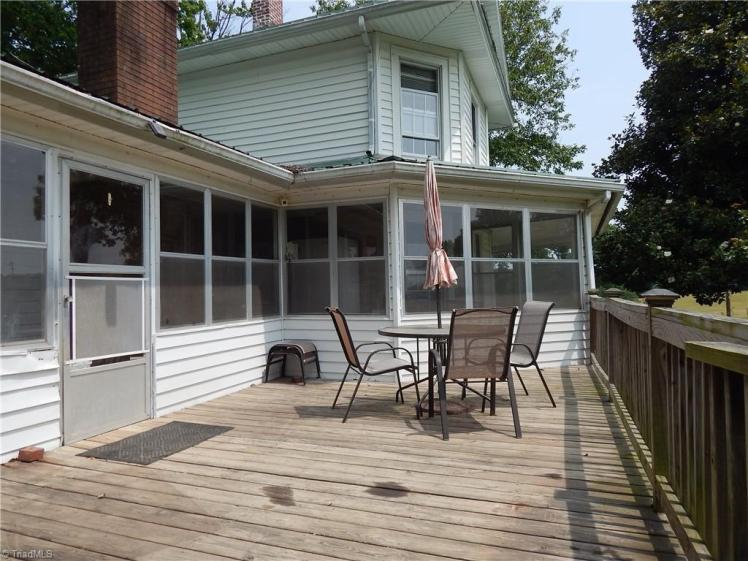
- 3 bedrooms, 2 bathrooms, 1,636 square feet, 2.45 acres
- Price/square foot: $98
- Built in 1900 (see note)
- Listed June 29, 2023
- Last sale: $83,000, January 2022
- Note: The property is near the Francisco community. It has a Westfield mailing address but is about 14 miles east, just north of Hanging Rock State Park.
- The State Historic Preservation Office gives 1900 as the date of the house. County records show 1945, which appears unlikely.
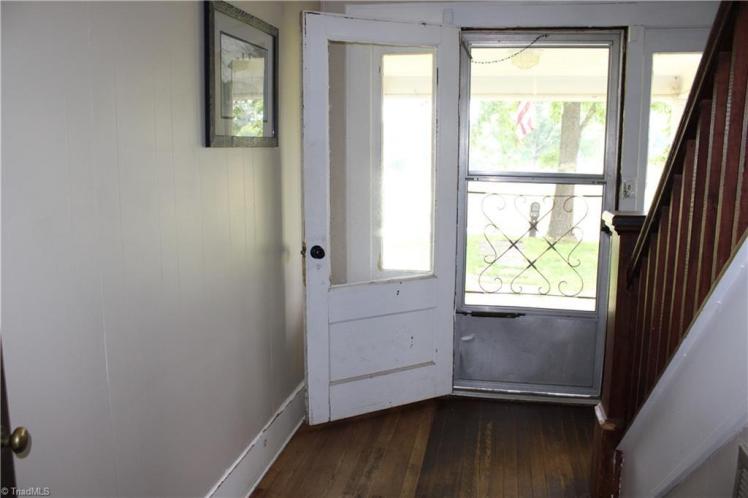
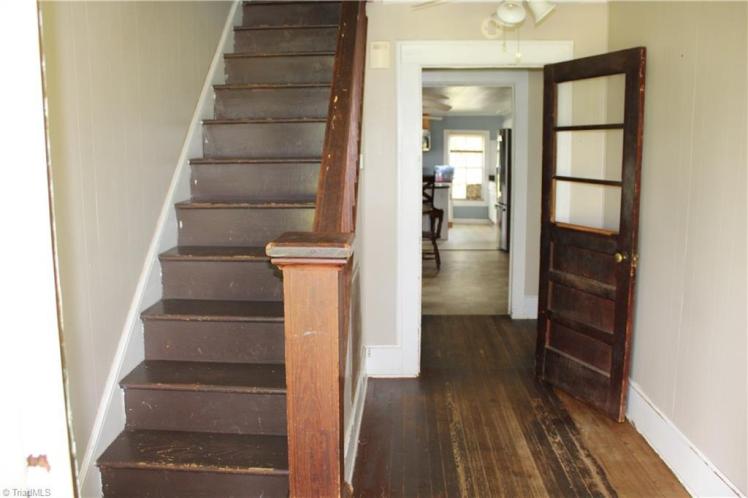
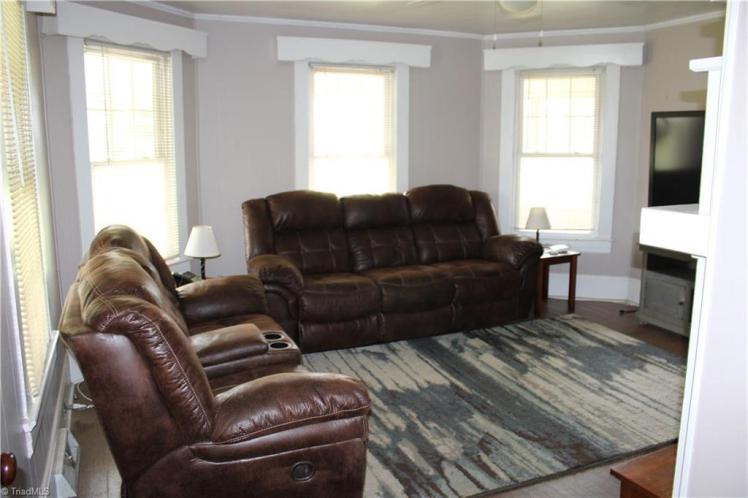
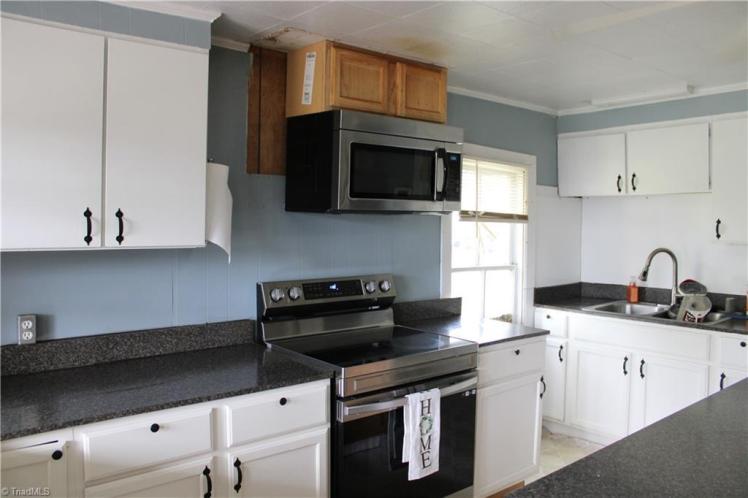
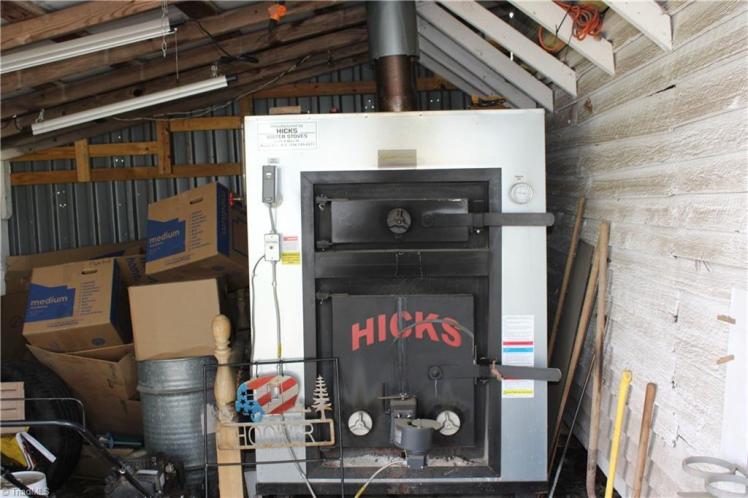
- Listing: “While some updates are still needed,” some work has been done recently, including installation of a water stove and, sadly, replacement windows.
- There’s no functioning heat on the second floor.
- The house appears to have been built by Gallian Moore Francis Jr. (1850-1923) and Martha R. Ward Francis (1853-1934). A picture of the house is on the findagrave.com page for Gallian: “Family home of Gallian Francis, Jr. in Francisco in Stokes County, N.C. It was built in the late 1800s. The home was remodeled later, by his son, Edward ‘Lee’ Francis. Luther and Lucy Francis also lived in this house.”
- The SHPO associates the house with Robert Edward Lee Francis (1882-1935) and Dovie Lee Lawrence Francis (1889-1972). Both were born in Stokes County. They had eight children; five died in childhood. Only two outlived Dovie.
- Their eldest child, Luther Edgar “Luke” Francis (1908-1970), was a farmer. He died of burns suffered when a tractor he was driving caught fire. Lucy Hanks Francis (1907-2006), like her mother-in-law, outlived her husband by more than 30 years and never remarried. Lucy passed the house to one of her sons, who sold it in 1982.
- The North Carolina Gazetteer and Carolina Crossroads don’t provide any information on the source of the community’s name, so it’s unknown whether it was related to the Francis family.
2416glencoe


2416 Glencoe Street, Glencoe Mill Village, Alamance County
- Sold for $435,000 on August 14, 2025 (originally $450,000)
- 3 bedrooms, 3 bathrooms, 1,943 square feet, 0.24 acre
- Price/square foot: $224
- Built in 1880
- Listed October 22, 2024
- Last sale: $217,900, July 2015
- Neighborhood: Glencoe Mill Village Historic District (local and NR). Located north of Burlington, just off N.C. Highway 62 at the Haw River. Glencoe has Burlington mail addresses.
- Note: The property includes a 400 square-foot workshop, a smaller storage building and a well house.
- District NR nomination: Glencoe “is a typical but remarkably well-preserved example of nineteenth century industrial villages that once flourished in North Carolina’s Piedmont region. The district covers a little more than 100 acres and consists of three parts: 1) a manufacturing and commercial complex; 2) a power and water system; and 3) a residential and social unit. …”
- “The predominant house type was originally a four-room, two-story structure typical of North Carolina rural housing of the late nineteenth and early twentieth centuries. The front porches are two bays wide and supported by four unornamented posts. A central hallway open onto rooms to the east and west. …
- “Chimneys are set on the east. Upstairs there are usually two rooms, with the railing from the narrow staircase extending into the west room. Detached kitchens of brick and batten construction are set behind the houses; a typical kitchen was about 20′ by 12′. Open wells serve[d] four houses each.
- “A later modification of the mill housing is the kitchen, attached at the back of the east wing of most houses, forming an L. These rooms had, by 1910, largely replaced the detached kitchens, of which only a handful remain. The connected kitchens have chimneys and customarily have side porches facing the river and the mill (west).”
1603carlisle

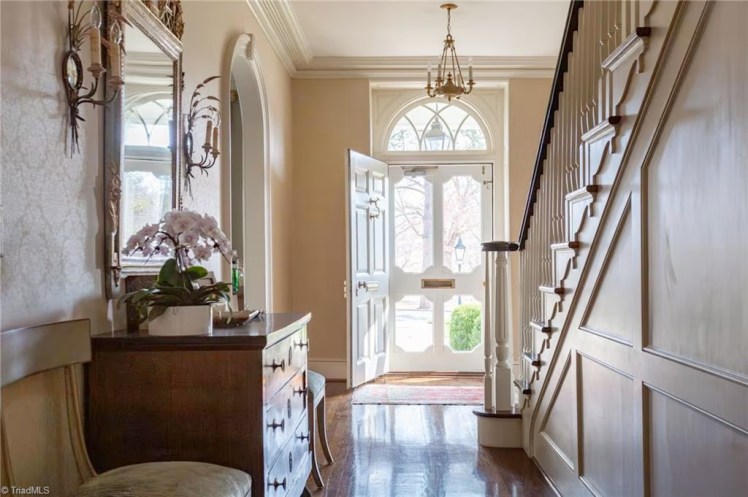
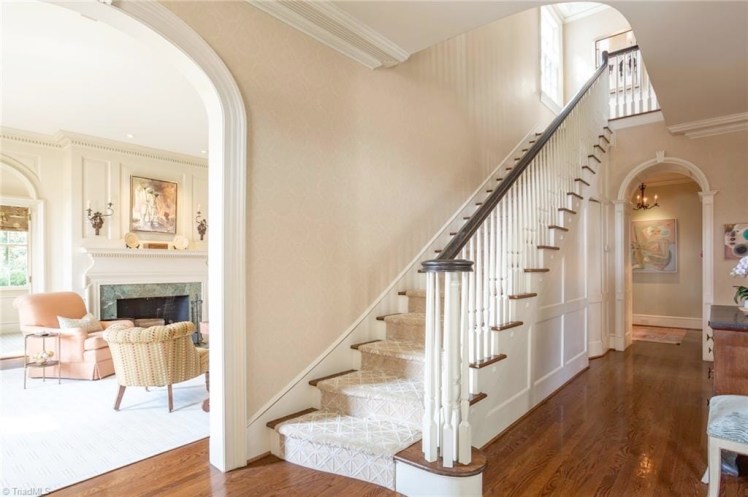


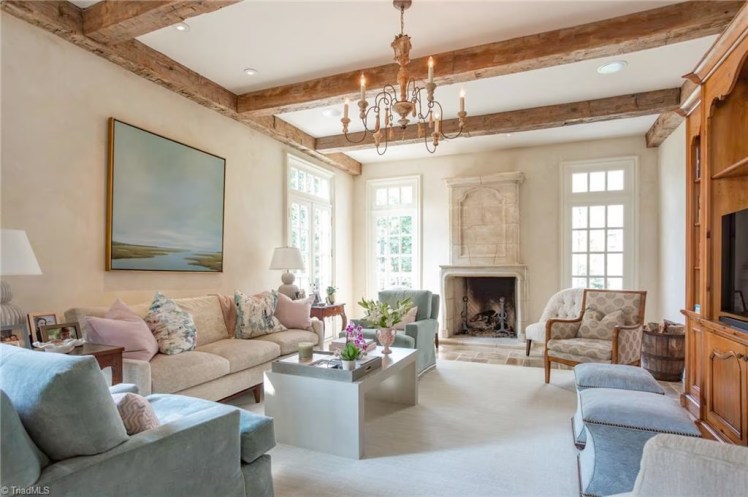


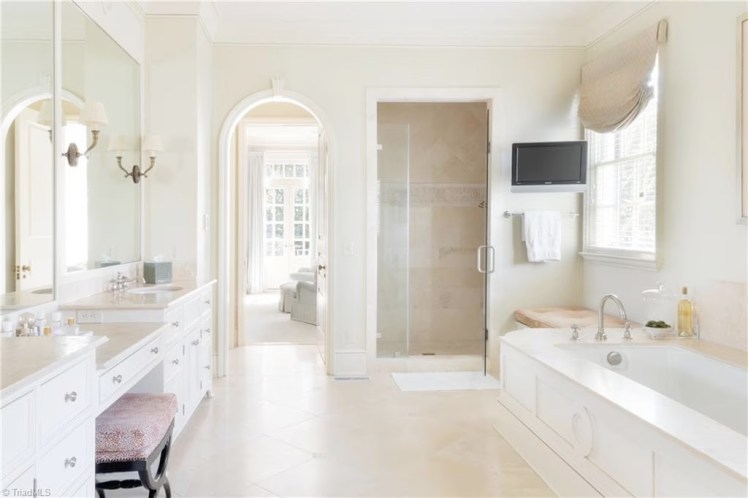


1603 Carlisle Road, Greensboro
- Sold for $3.55 million on August 13, 2025
- 6 bedrooms, 6 1/2 bathrooms, 6,669 square feet, 0.44 acre
- Price/square foot: $532
- Built in 1930
- Not listed publicly for sale
- Last sales: $1.8 million, September 2005; $330,000, June 1985
- Neighborhood: Irving Park Historic District (NR)
- Note: The buyer is an LLC associated with the CEO of a reinsurance company based in the Cayman Islands, “closely held with seeded capital from ultra-high net worth financial backing.”
- The house is across the street from the Greensboro Country Club.
- Greensboro: An Architectural Record: “Typical of the later Colonial Revival-style houses in Irving Park … A severely finished symmetrical brick structure, it has a classical entry-bay portico and reduced-height wings.”
- District NR nomination: “Pediatrician Marion Y. Keith was the original owner of this Colonial Revival dwelling. The two-story brick house has a slate-covered gable roof with a dentiled cornice, A five-bay facade with a pedimented central entrance porch, and slightly recessed two-story side wings one bay in width. A large two-story ell has been added to the rear of the house. A small playhouse is in the back yard [as of 1994].”
- Dr. Marion Yates Keith (1898-1961) and Hattie Caroleen Lambeth Keith (1900-1982) bought the property in a foreclosure sale in 1931. They were listed at the address that year, the first time it was included in the city directory. They lived in the house the rest of their lives. Their grandson sold it in 1985.
- Marion was a particularly prominent pediatrician. He began his Greensboro practice in 1926. In 1930 he was appointed by President Hoover to the White House Conference for Children’s Welfare. He was one of the first members of the American Academy of Pediatrics. He served as chief of staff at Piedmont Memorial Hospital, St. Leo’s Hospital and Sternberger Hospital. His 1961 obituary said the new Wesley Long Hospital was being furnished and named in his honor.
- Caroleen was a member of the Greensboro Preservation Society and the National Trust for Historic Preservation, God bless her. She was a member of the Greensboro Board of Health and the state Democratic Party Executive Committee and a director of Salem Academy.
- The buyer in 1985 was William Johnston “Billy” Armfield IV (1934-2016). He was a second-generation textile company owner and co-founder of what is now Unifi. He served as president of the American Textile Manufacturers Institute and the North Carolina Textile Manufacturers Association. He was a major benefactor of UNC-Chapel Hill. He sold the house in 2005.
708wmain
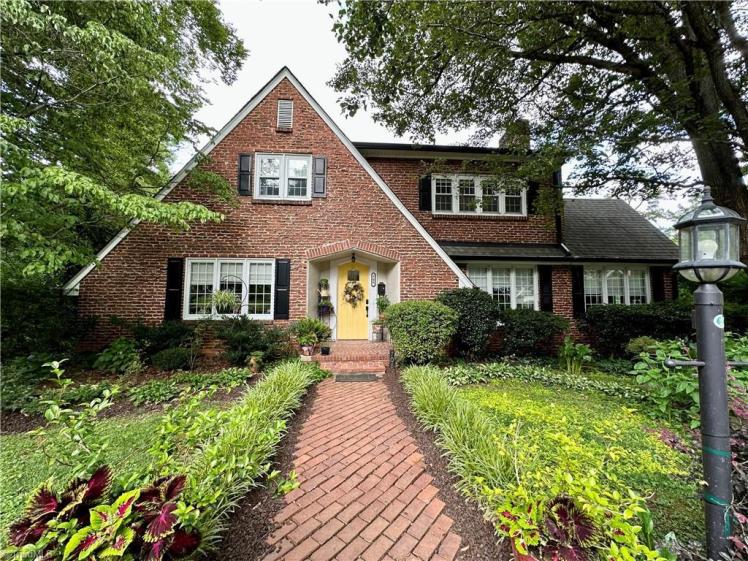
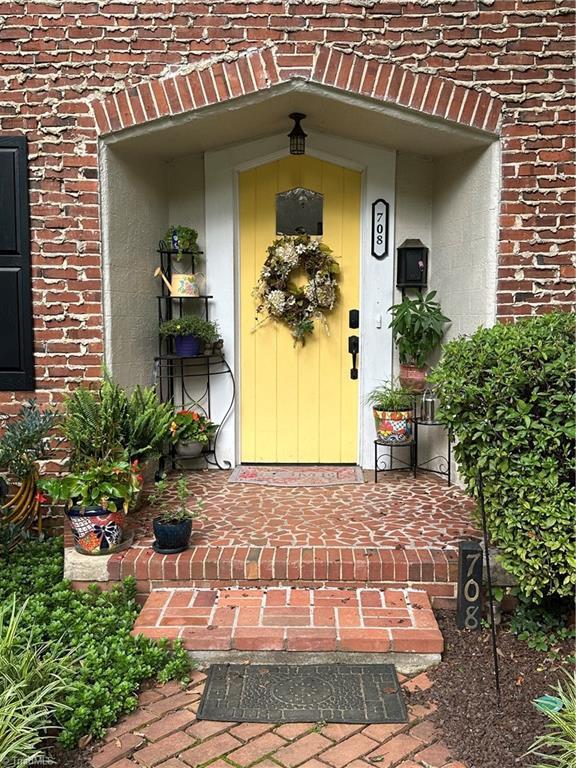

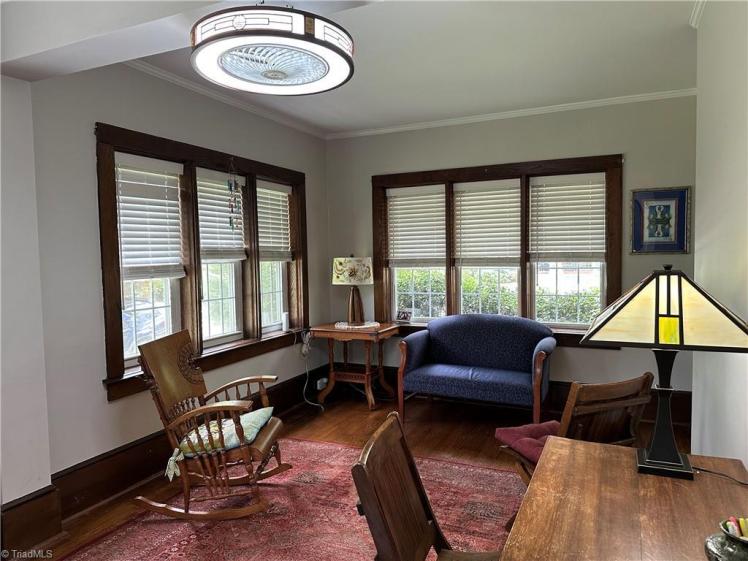

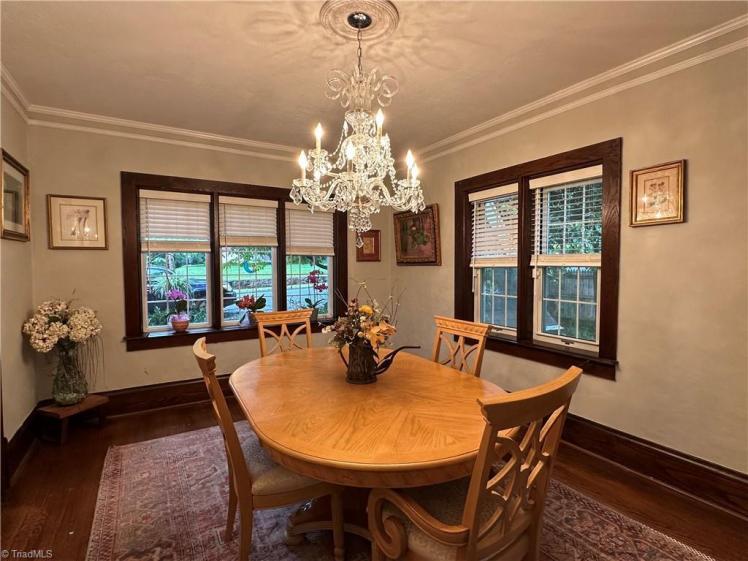


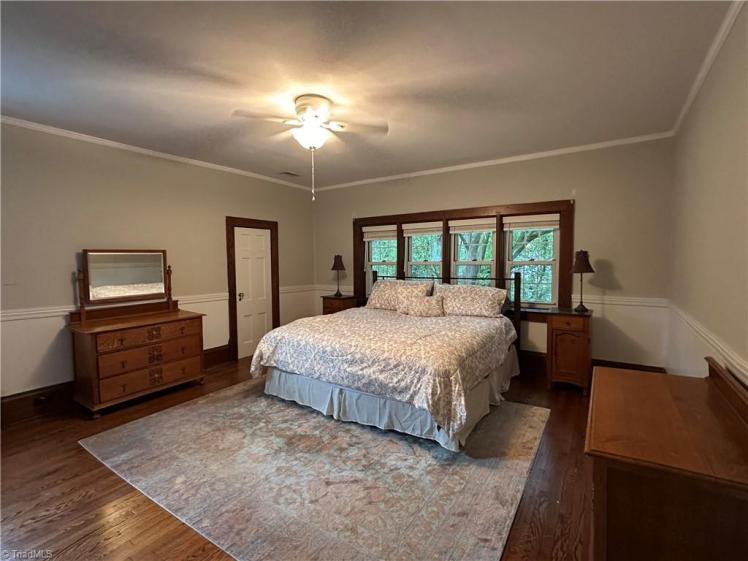
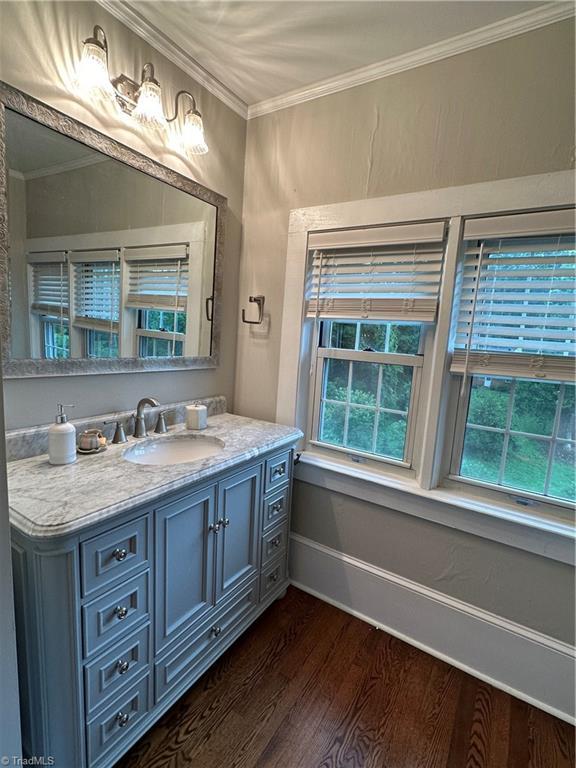


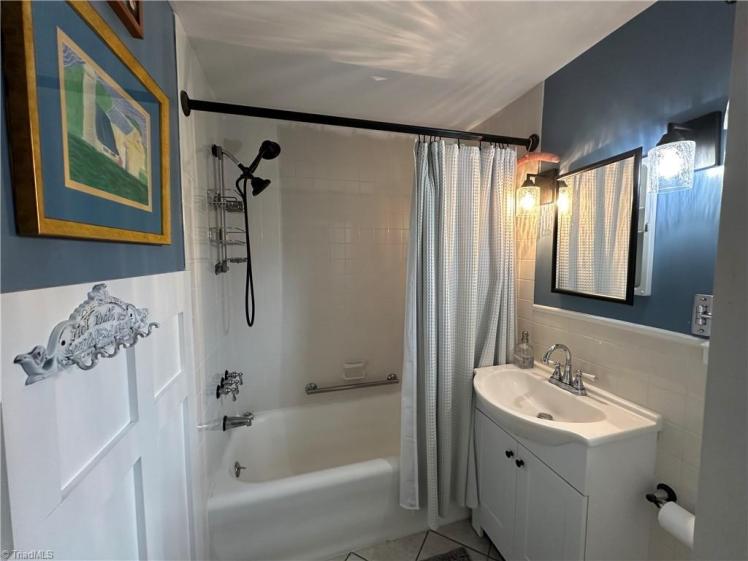






708 Main Street W., Elkin, Surry County
The Van and Eva Dillon House
- Sold for $510,000 on July 31, 2025 (listed at $489,000)
- 4 bedrooms, 3 1/2 bathrooms, 2,735 square feet, 0.65 acre
- Price/square foot: $186
- Built in 1940 (per county)
- Listed June 19, 2025
- Last sale: $266,000, September 2019
- Note: The listing says the house is within walking distance of the Reeves Theater.
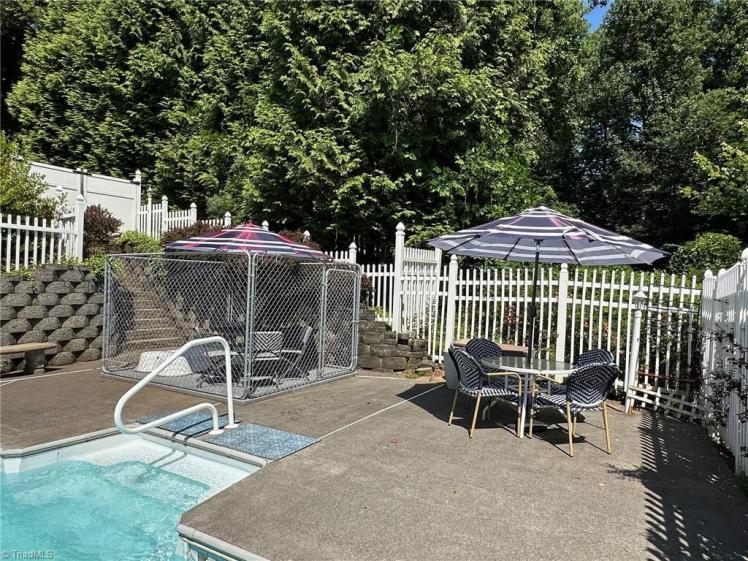
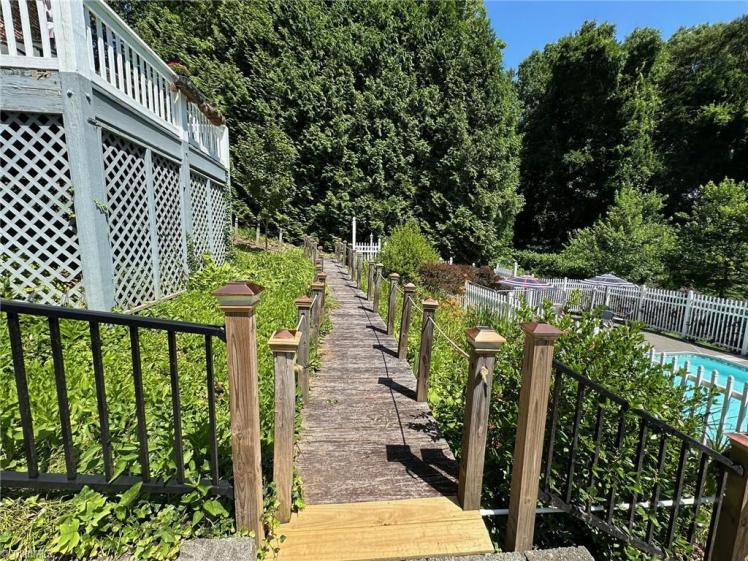
- The property includes a swimming pool.
- The basement has an in-law suite, and an unfinished section can serve as a shop or studio..
- The listing gives a 1938 date for the house.
- The property was bought in 1941 by Van W. Dillon Sr. (1888-1960) and Eva Seawright Dillon (1898-1981). Van worked for Elkin Furniture Company for 29 years. He was secretary-treasurer at the time of his death at age 72. Van was twice-widowed when he married Eva. His children sold the house in 1984.
- James R. Shover and Faye Nanette Shover bought the house in 1984. They operated the Dance Upstairs dance studio. Nanette sold the house in 2017.
705twyckenham

705 Twyckenham Drive, Greensboro
The Kesler House
- Sold for $530,000 on July 15, 2025 (originally $575,000)
- 5 bedrooms, 2 1/2 bathrooms, 2,349 square feet (per county), 0.18 acre
- Price/square foot: $226
- Built in 1930
- Listed March 8, 2025
- Last sale: $168,000, May 1995
- Neighborhood: Lake Daniel
- Note: Online listings show 2,588 square feet.
- The house includes an in-law suite.
- One of the oldest homes in Lake Daniel. Although development of the neighborhood began in 1926, less than 10 percent of its homes were built before 1940.
- Neighborhood developer Garland Daniel lost the property to foreclosure in 1929. The address first appears in the city directory in 1931, suggesting Daniel may have built the house before losing the property. The lender retained ownership until 1943, when Dr. Robert Cicero Kesler (1902-1981) and Elizabeth Ann Grossman Kessler (1905-1947) bought the house. It remained in their family for 45 years. They rented the house out before moving into it around 1947, shortly before Elizabeth’s death at age 41.
- Robert was a physician. He lived in the house for the rest of his life. His sons and widow, Ruth Lee Kesler (1918-1996), sold the house in 1988.
3216forsyth

3216 Forsyth Drive, Sedgefield
- Sold for $1.3 million on July 9, 2025
- 3 bedrooms, 2 1/2 bathrooms, 4,160 square feet, 1.12 acres
- Price/square foot: $312
- Built circa 1925
- Not listed publicly for sale
- Last sale: $500,000, August 2010
- Neighborhood: Sedgefield
- Note: County records, which are often wrong about construction dates of older houses, give the date of the house as 1939. Deeds and city directories suggest a 1925 date is more likely.
- Tully Daniel Blair (1896-1980) and Jessie Wicker Blair (1888-1968) bought the house in 1926 from the likely builder, Roy C. Millikan of Millikan Realty Company. Millikan had bought the undeveloped lot from Sedgefield Inc. in 1925. Tully was the agency manager of Pilot Life. The Blairs lost the house to foreclosure in 1933.
- In January 1944, the house was bought by Viola F. Willis (1893-1969) and F. Clifford Willis (1885-1979). Clifford was an auditor at Pilot Life. They sold the house in 1950 to Neil W. Jones and Wilma J. Jones, who owned it until 1968. Neil was president of Jones Automotive Company, an auto parts wholesaler and machine shop.
- In 1978, Carl E. Smith (1938-2024) and Shirley M. Smith (deceased, dates unknown) bought the house. They owned the house for the rest of their lives. Carl owned C.E. Smith Company, which did metal stamping and fabricating, welding and related work. Carl’s heirs sold the house in July 2025.
1111ferndale



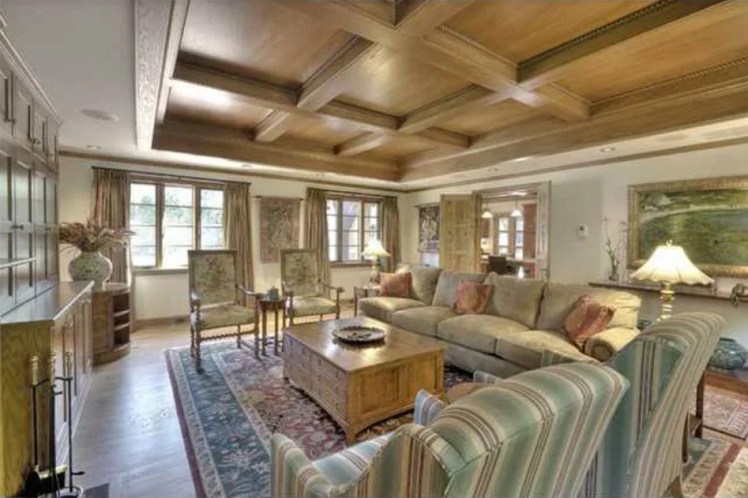


1111 Ferndale Drive, High Point
The Albert and Nancy Henley House
- Sold for $2.2 million on June 24, 2025
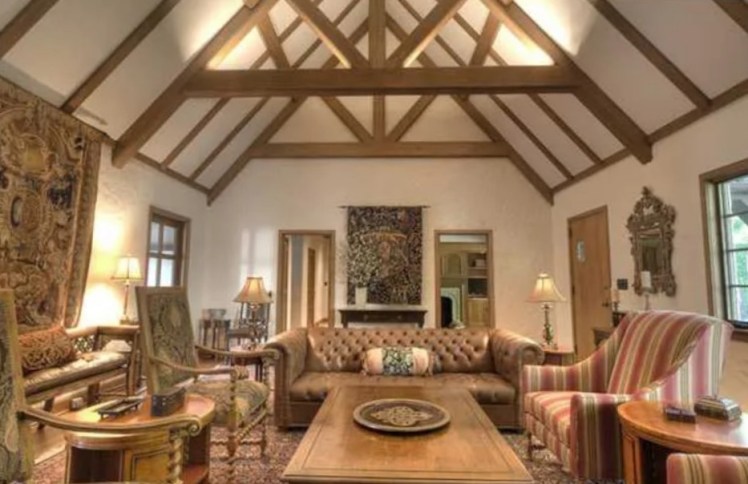
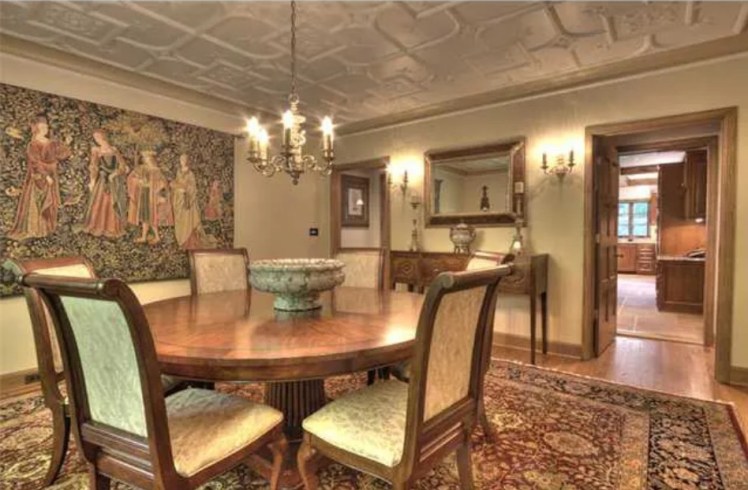
- 5 bedrooms, 5 1/2 bathrooms, 4,940 square feet, 1.87 acres
- Price/square foot: $445
- Built in 1939
- Not listed publicly for sale
- Last sale: $1.85 million, July 2010
- Neighborhood: Emerywood West
- Note: Arthur Boyden Henley (1906-1979) and Nancy Carr Terry Henley (1911-1971) bought the property in 1939 and were listed at the address in the 1941-42 city directory, the first time the address was listed. Arthur was president of Parker Paper Company; Nancy was vice president. One of their sons, Nixon Carr “Nick” Henley (1936-2006) inherited the house and part ownership of the family business, by then Henley Paper Company.
- A family trust inherited the house from Nick. It was sold in 2010 to Robert G. Culp IV and Leslie S. Culp. Robert of CEO of Culp Inc., which manufactures mattress and upholstery fabrics. They sold the house in July 2025.
1032rockford

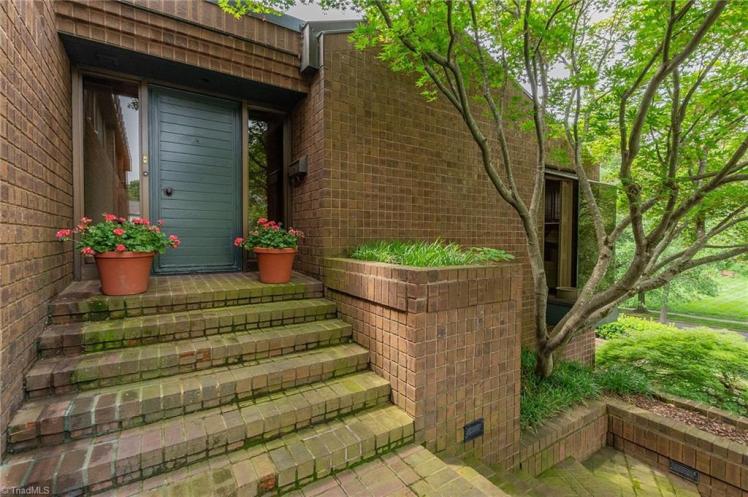

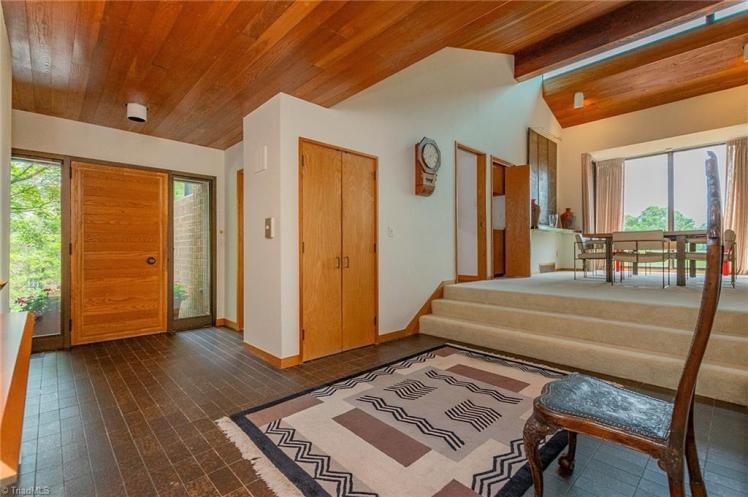


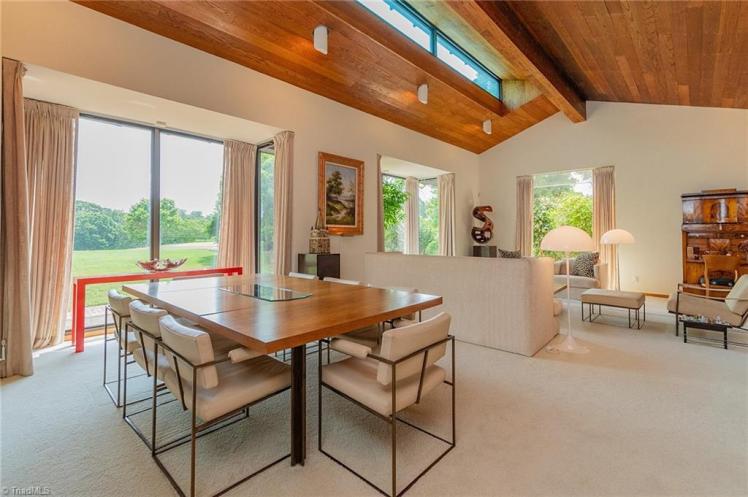
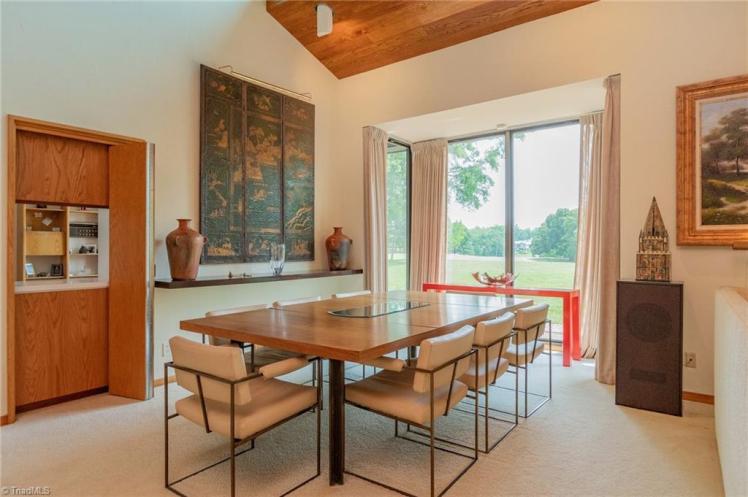
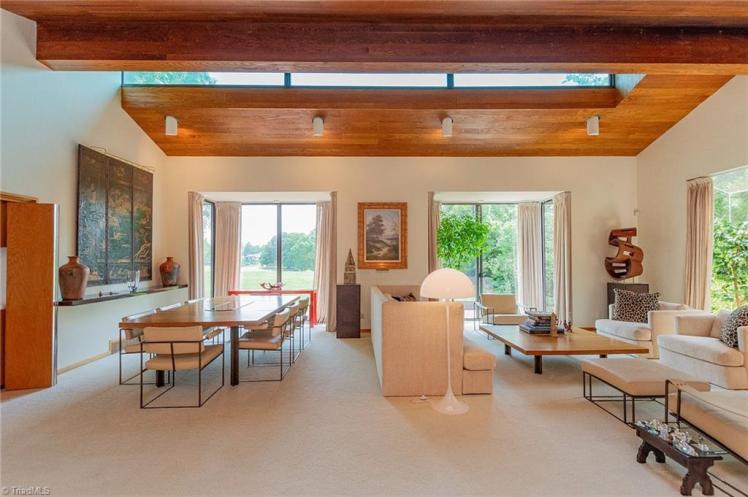
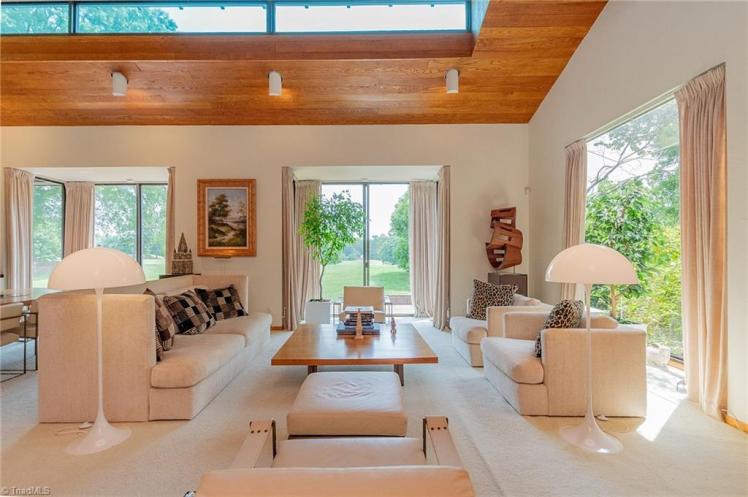

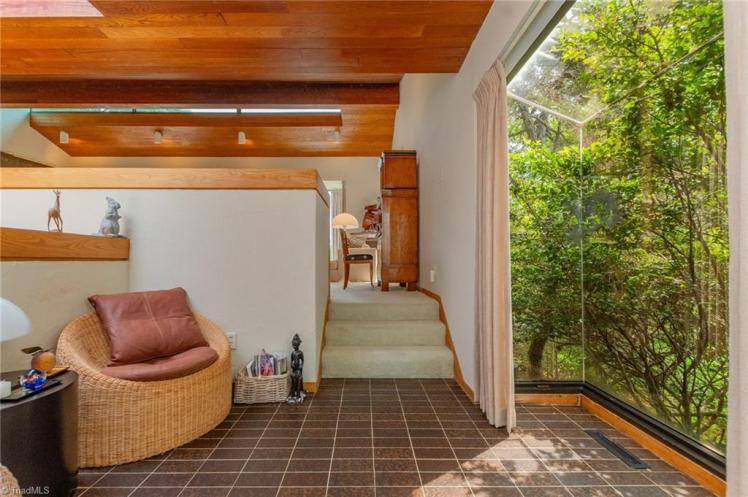




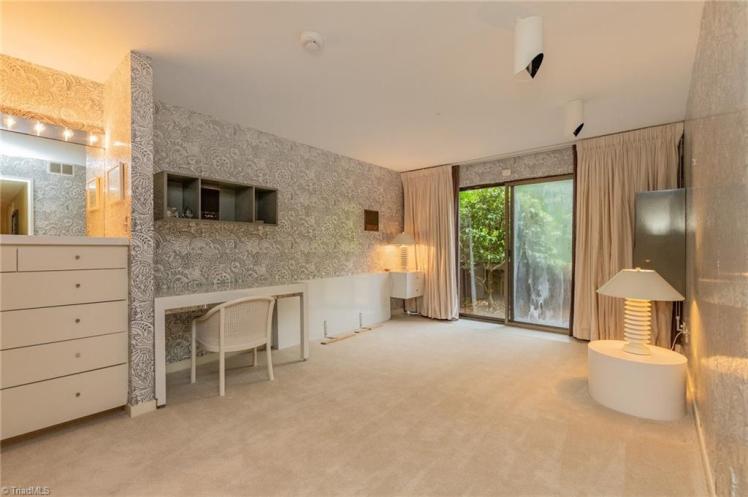


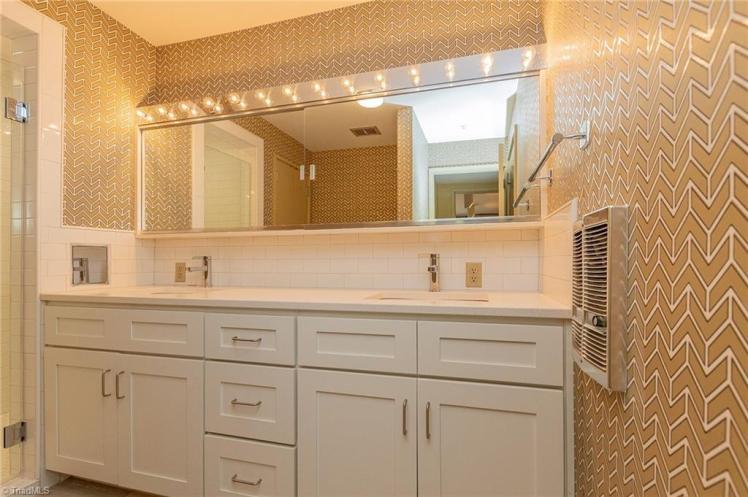

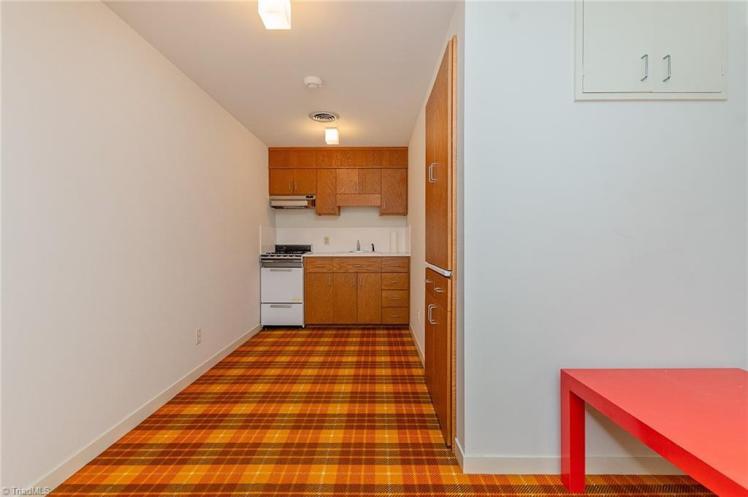
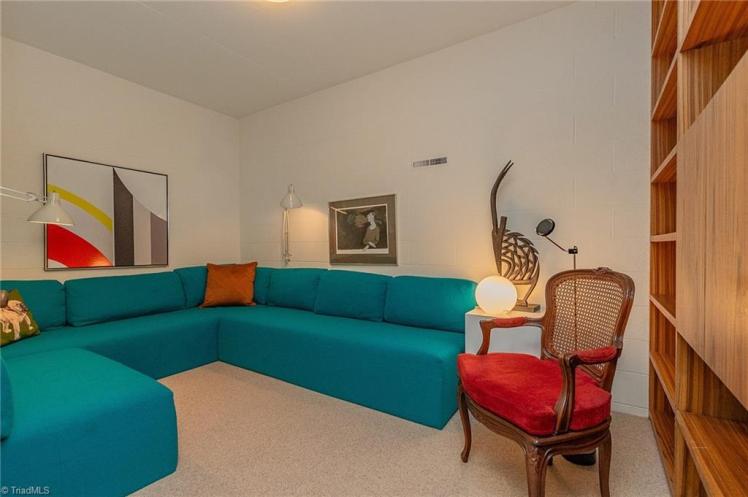
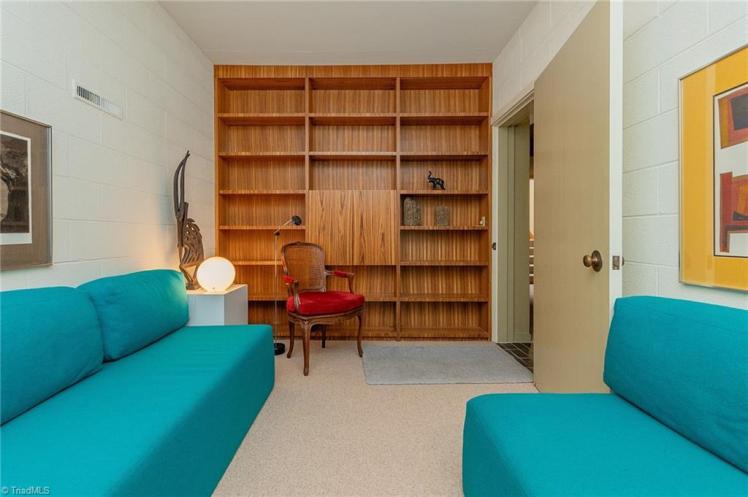


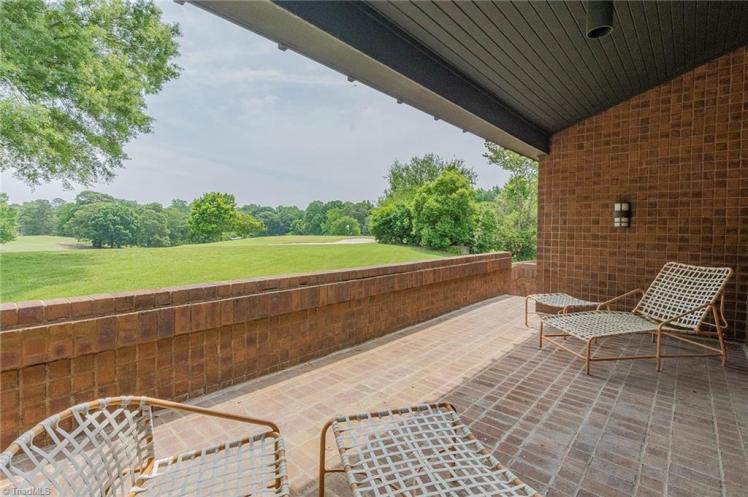

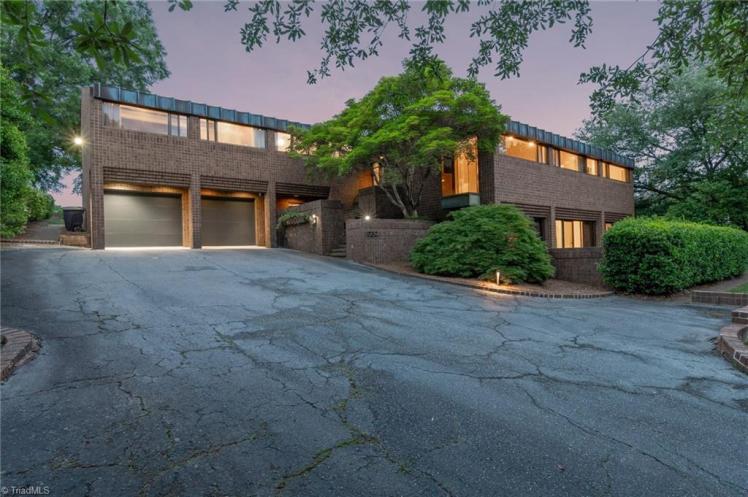
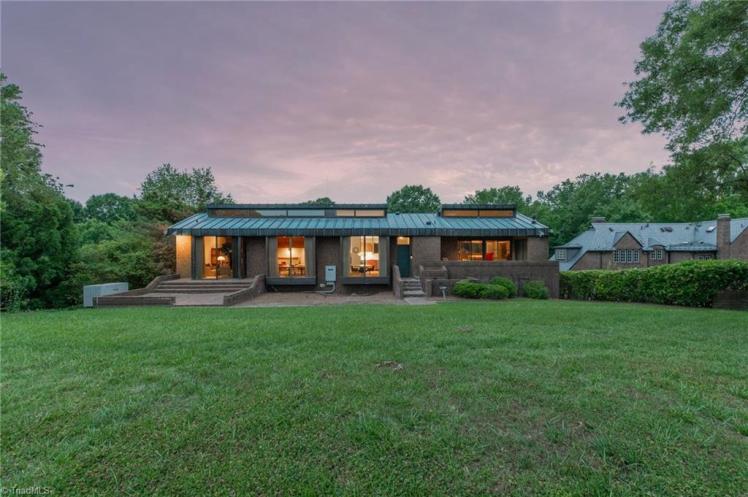


1032 Rockford Road, High Point
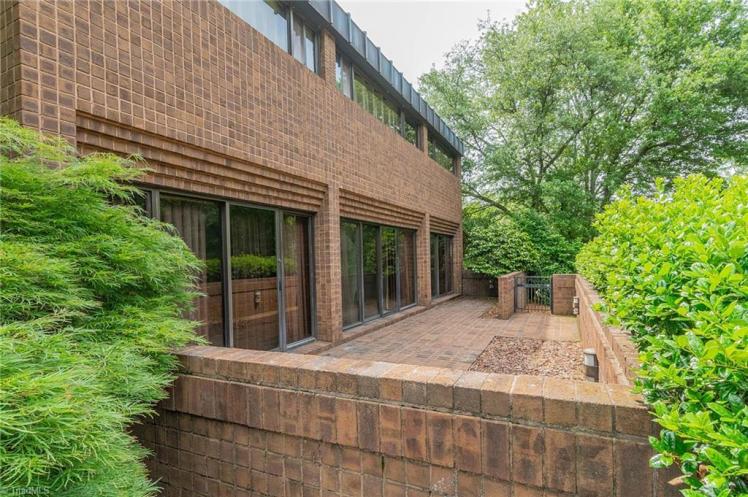
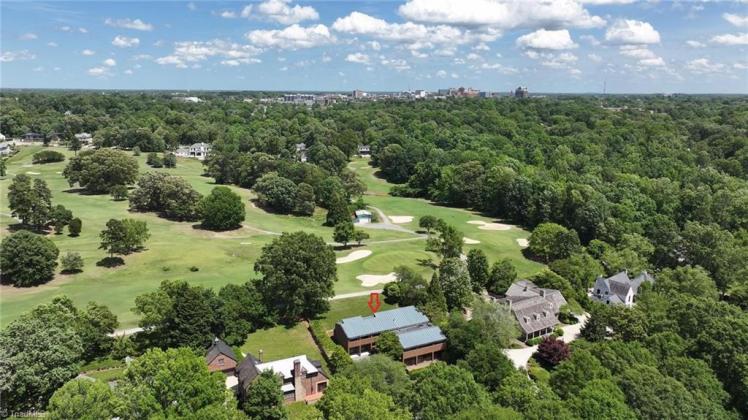
The Thayer and Dot Coggin House
- Sold for $854,000 on June 23, 2025 (listed at $849,000)
- 4 bedrooms, 3 1/2 bathrooms, 4,557 square feet (per county), 0.45 acre
- Price/square foot: $187
- Built in 1971
- Listed May 23,2025
- Last sale: $16,500, May 1966
- Neighborhood: Emerywood
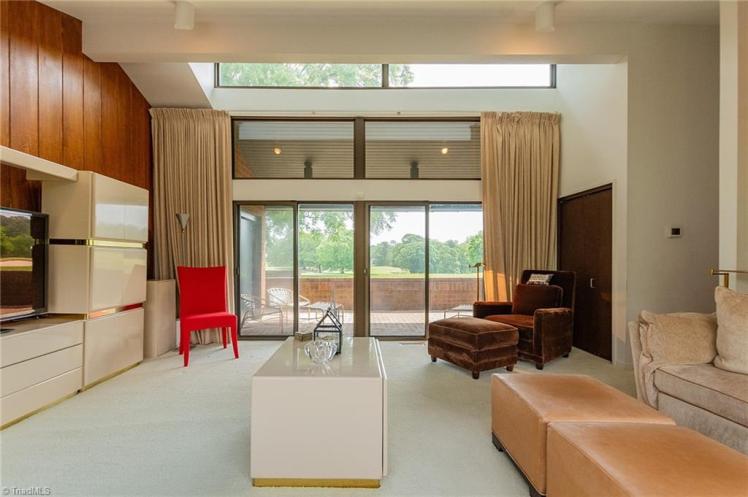
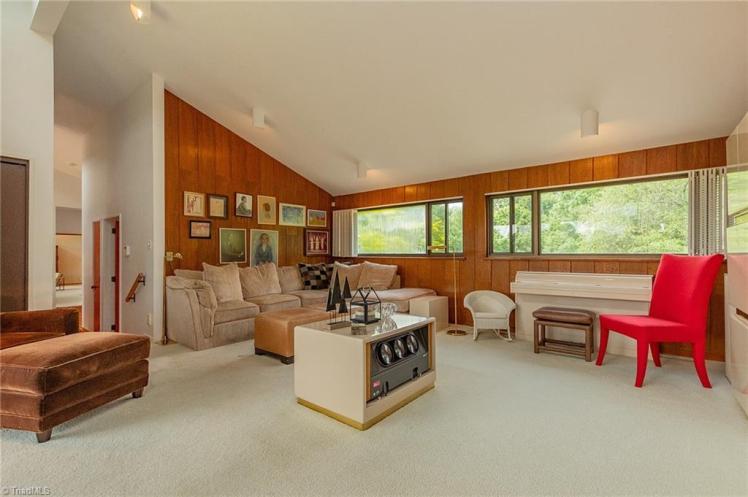
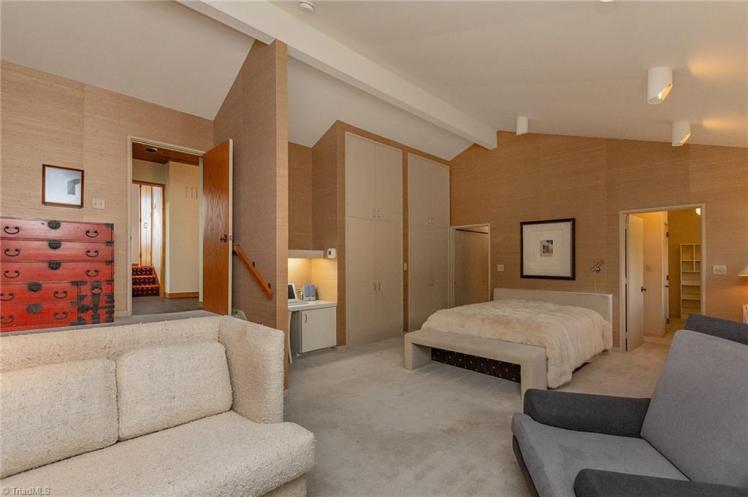
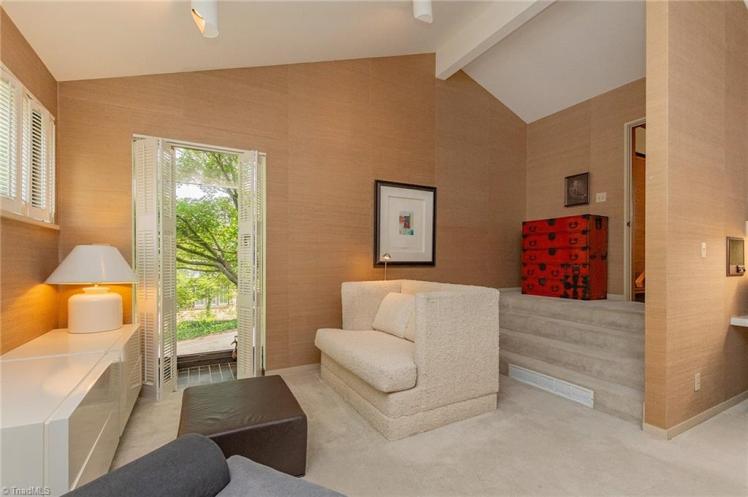
- Note: Designed by Fred Babcock of Salt Lake City. Interior design by Milo Baughman, the renowned, longtime designer for Thayer Coggin Furniture.
- The house is located on the Emerywood Country Club golf course.
- Featured in the Greensboro Daily News (“With the Women” section), April 4, 1973:
- “‘Thayer had the idea that he wanted the house to contour to the hillside,’ Mrs. Coggin said last week as she prepared to open her new home to the press gathered here for the Southern Furniture Market.
- “‘It just didn’t make sense to level off the lot and build a two-story house.’
- “The architect, Fred M. Babcock, A.I.A., of Salt Lake City Utah selected a sand-textured four-by-four brick for the exterior of the house in order to make it compatible with the colonial atmosphere which prevails in Emerywood.”
- The house hasn’t been sold since it was built by Julius Thayer Coggin (1922-2003) and Doris Matilda “Dot” Royals Coggin (1928-2023). Thayer was born in High Point. He served in North Africa with the Army medical corps during World War II. In 1953, he founded Thayer Coggin Furniture. His work with Baugham made the company a national leader in modern furniture. He was awarded the first Outstanding Design Support Award from the American Society of Furniture Designers in 1989.
- “The success of Coggin’s design concepts were underscored by the wide coverage his collections received in metropolitan newspapers and high-style magazines as well as by his high-profile, celebrity clientele,” the News & Record wrote.
- Thayer also was a benefactor to the High Point community. The emergency room at High Point Regional Hospital is named for Coggin in recognition of his fund-raising for the hospital. He supported the restoration of the High Point railroad depot and the establishment of the High Point Theatre and Exhibition Center. He helped establish the fire department that served outlying areas of High Point and Thomasville not served by the cities. He also worked as a volunteer fire fighter. He was a longtime member of the String and Splinter Club.
- Dot worked for Thayer Coggin in public relations and accounting. She also served on the High Point University Board of Trustees and was a member of the Red Hat Society.
2409hodges

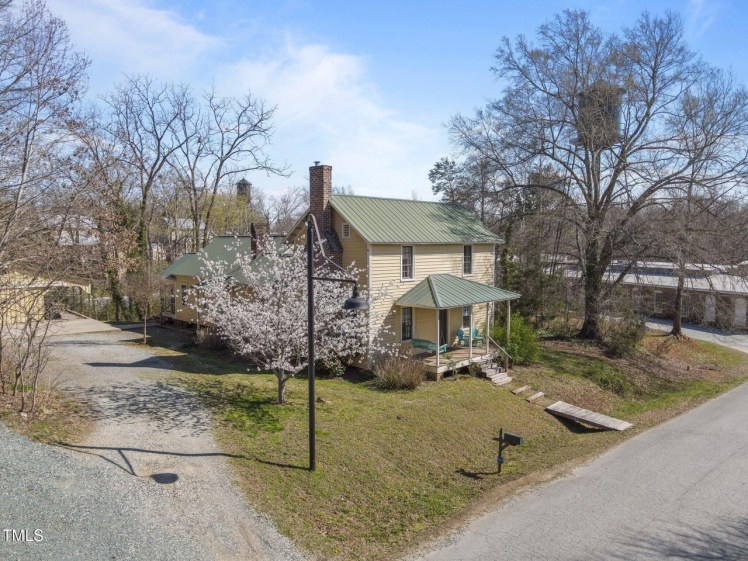


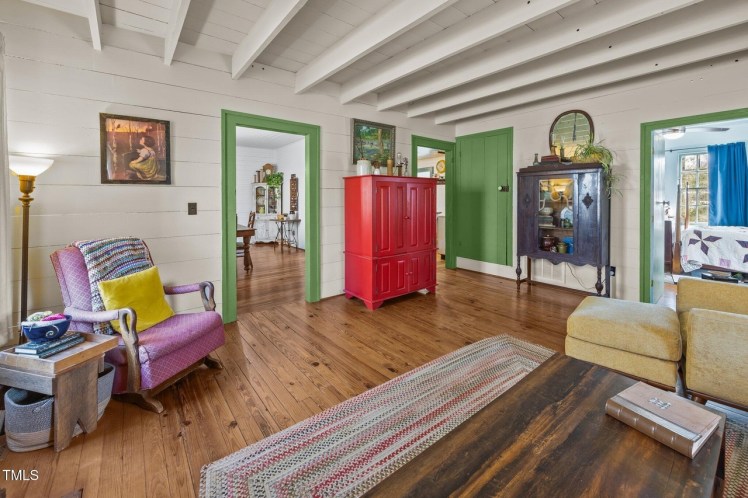

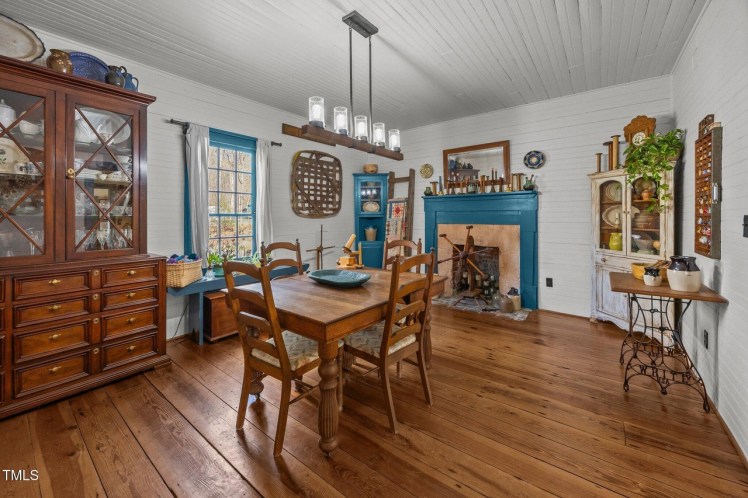


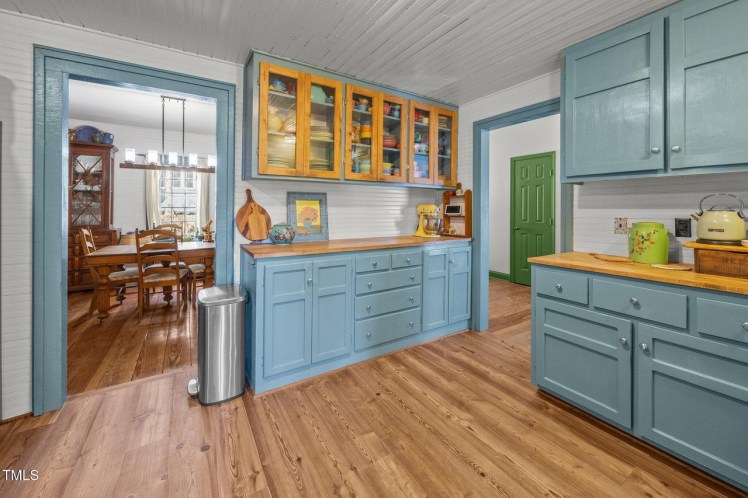


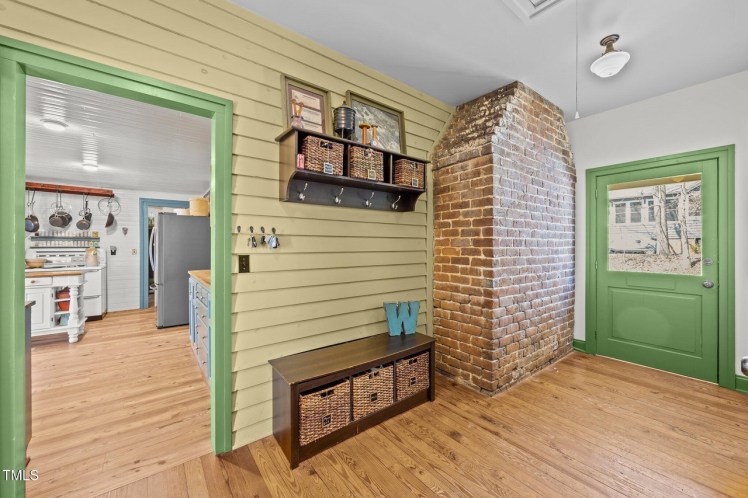


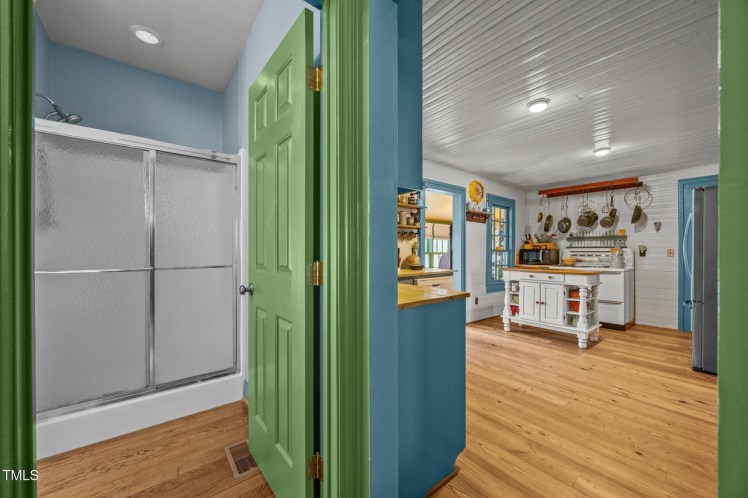


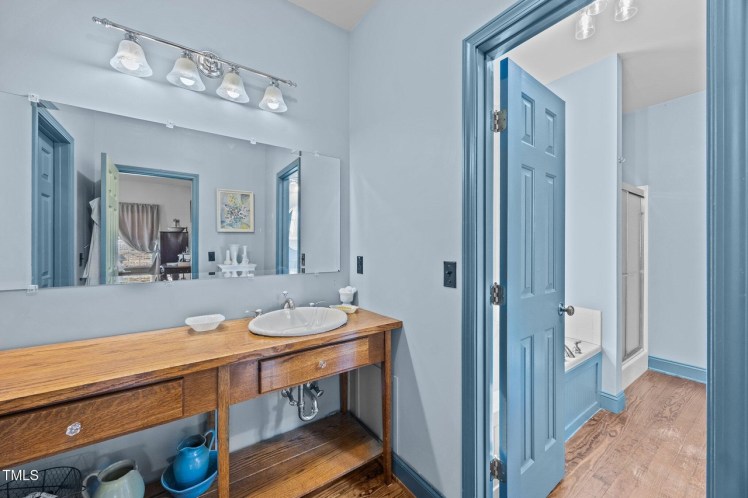
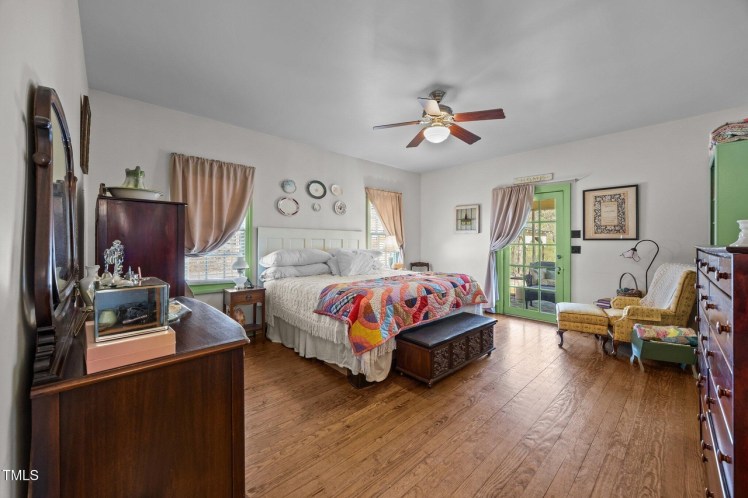


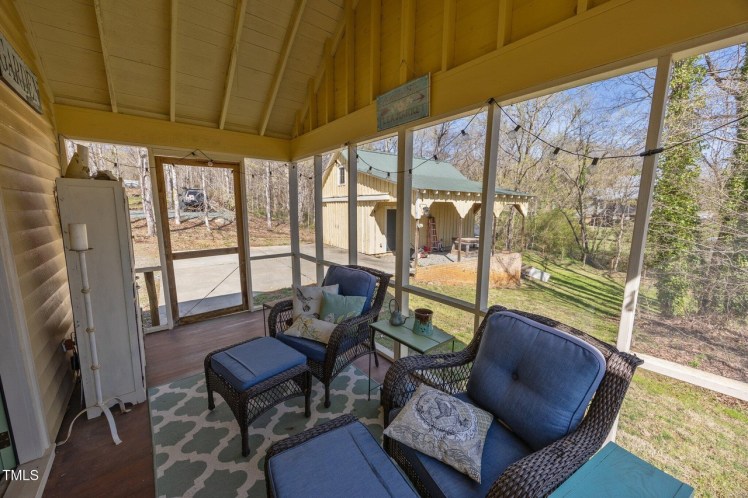


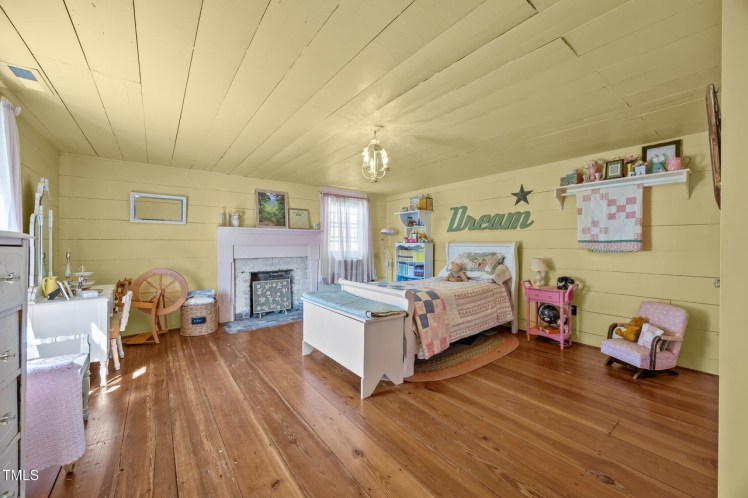





2409 Hodges Road, Glencoe Mill Village, Alamance County
- Sold for $389,000 on July 23, 2025 (originally $400,000)
- 3 bedrooms, 2 bathrooms, 2,130 square feet, 0.37 acre
- Price/square foot: $183
- Built in 1880
- Listed March 27, 2025
- Last sale: $43,000, April 2003
- Neighborhood: Glencoe Mill Village Historic District (local and NR). Located north of Burlington, just off N.C. Highway 62 at the Haw River. Glencoe has Burlington mail addresses.
514nmain


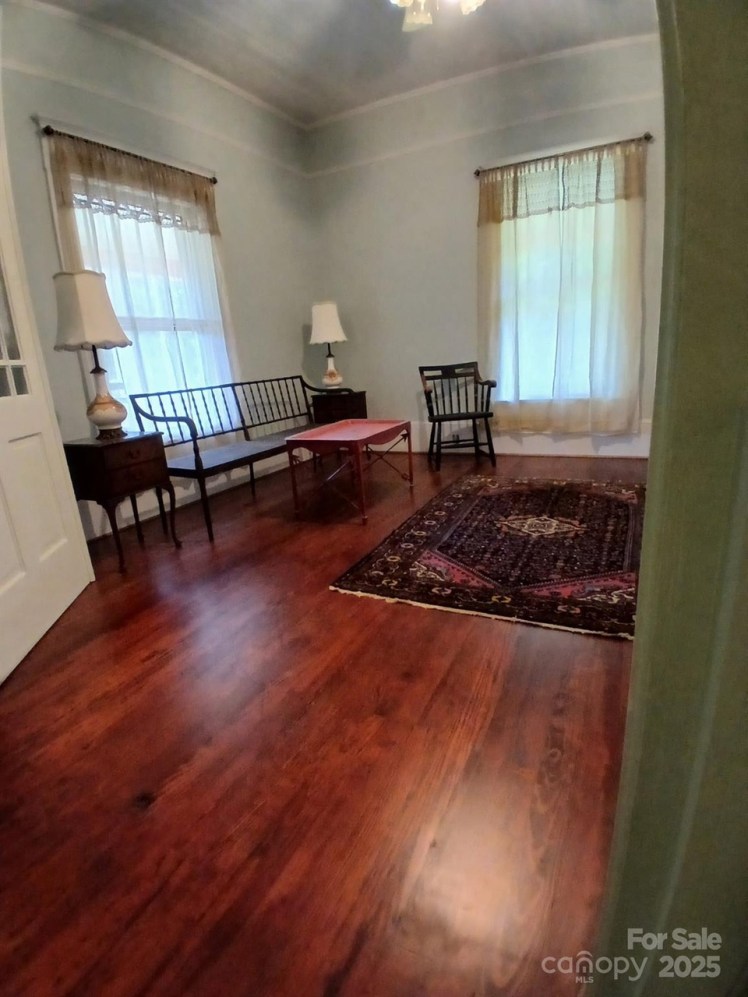


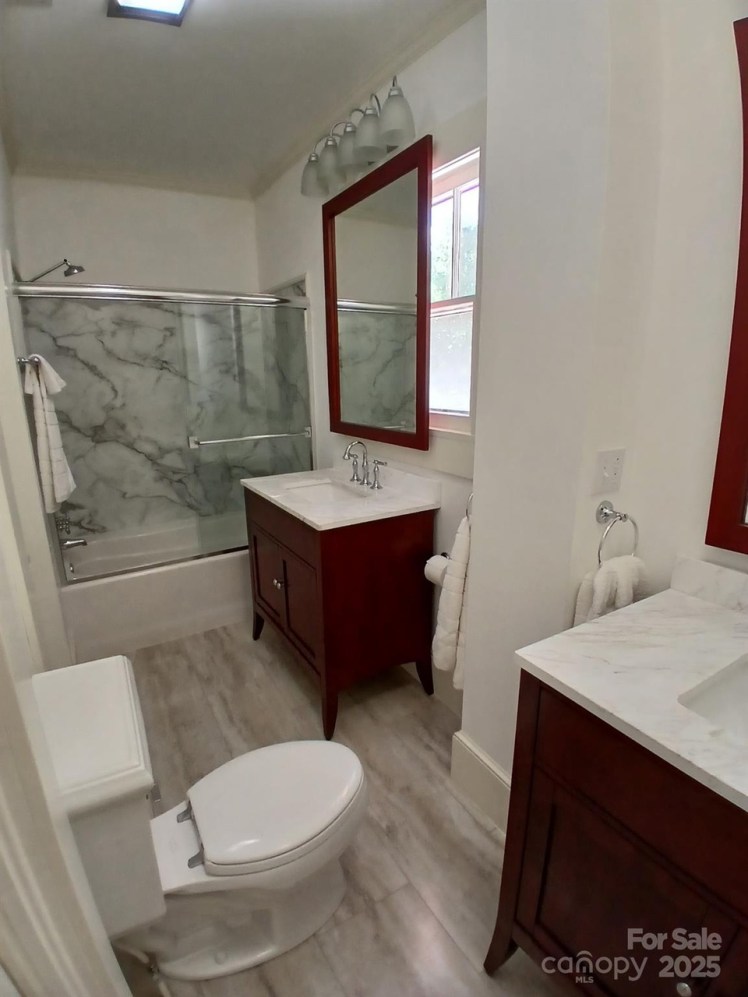
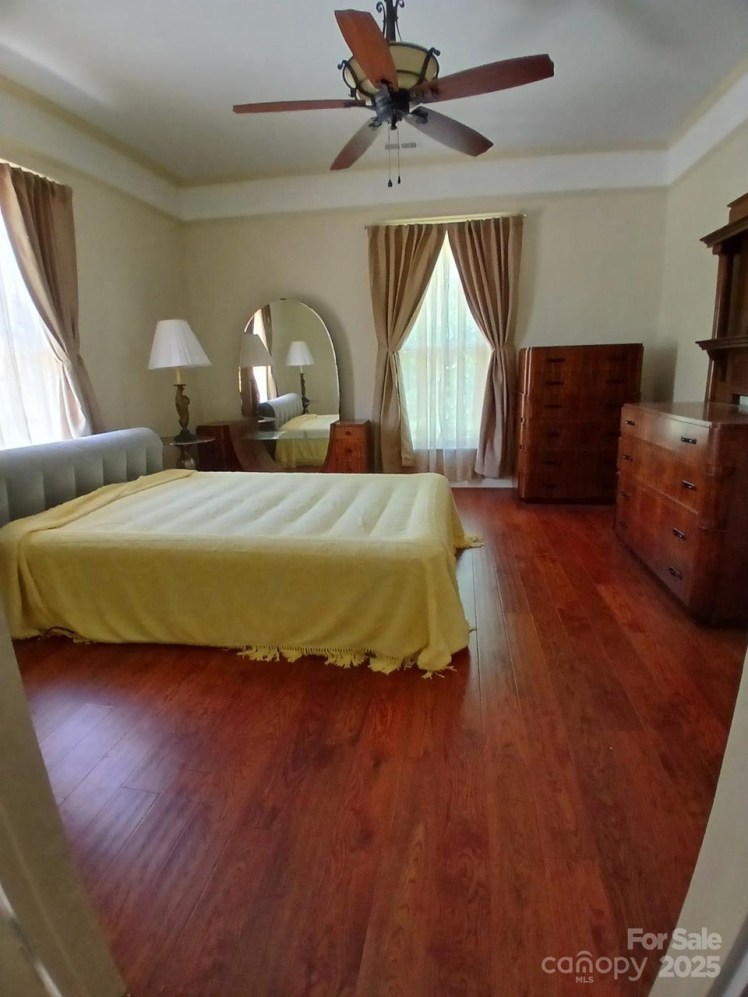

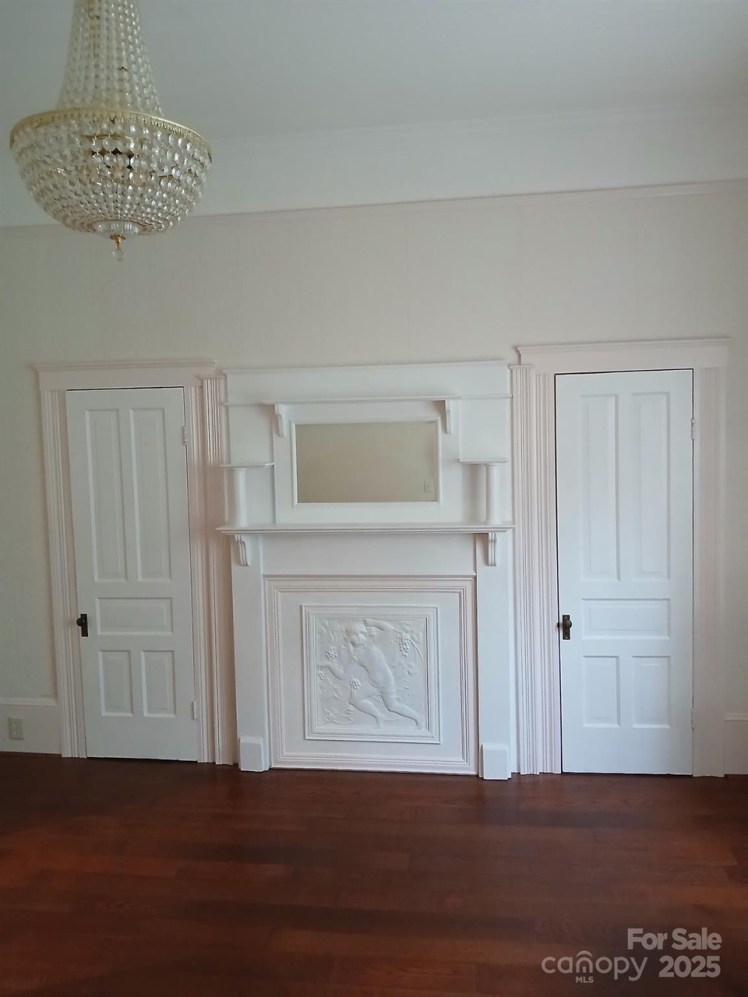
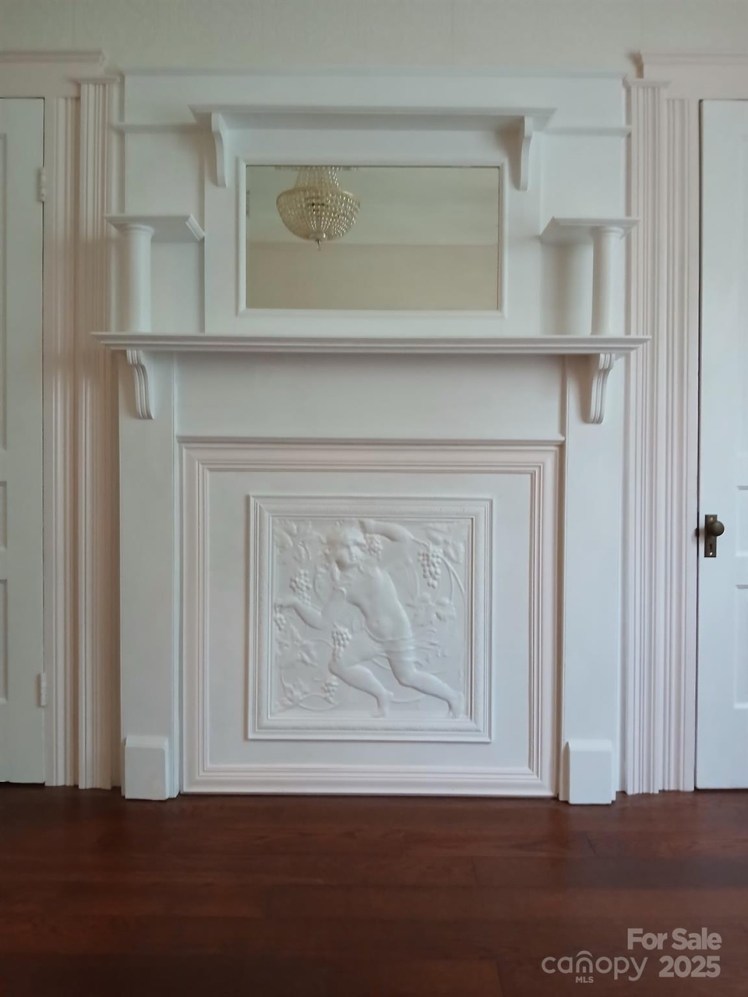


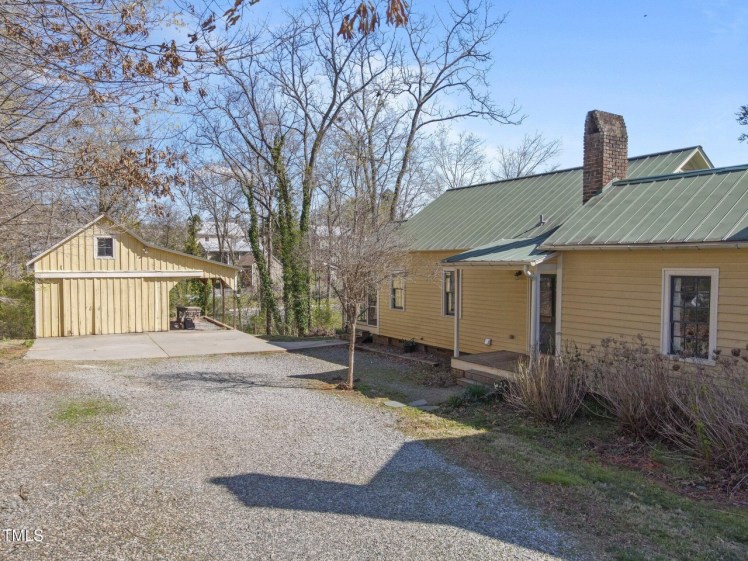
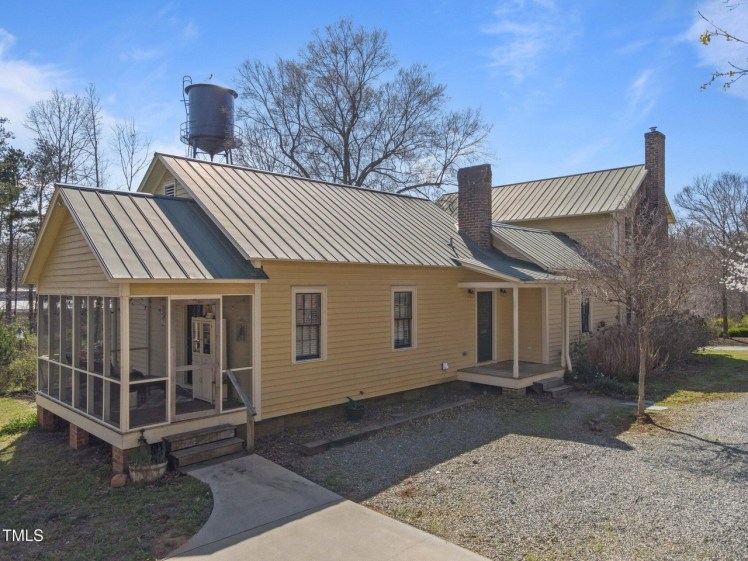
514 N. Main Street, Mount Gilead, Montgomery County
- Sold for $275,000 on June 10, 2025 (listed at $275,000)
- 3 bedrooms (per county), 1 bathroom, 2,456 square feet, 1.92 acres
- Price/square foot: $112
- Built in 1908
- Listed May 19, 2025
- Last sale: $45,000, December 2005
- Note: Online listings show 5 bedrooms but describe the house as “potentially 5 BR.”
- The property includes a detached garage/workshop.
- Note on county property record card, presumably outdated but worth asking about: “ROOF FALLEN IN ON REAR OF GARAGE IN OUTBLDGS”
2440glencoe


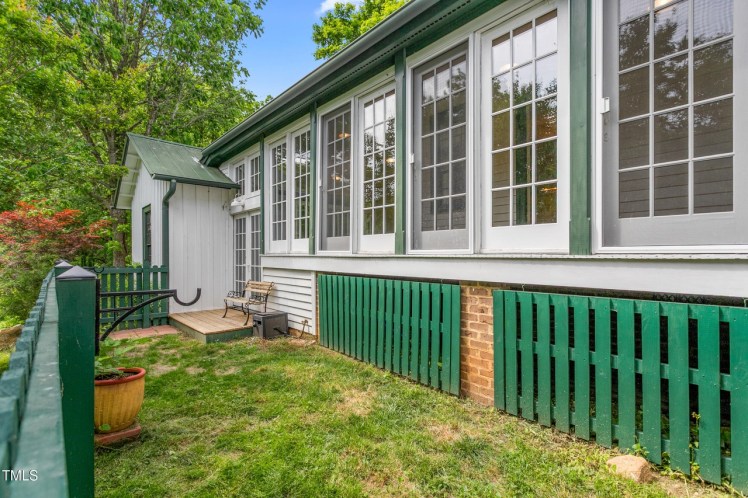


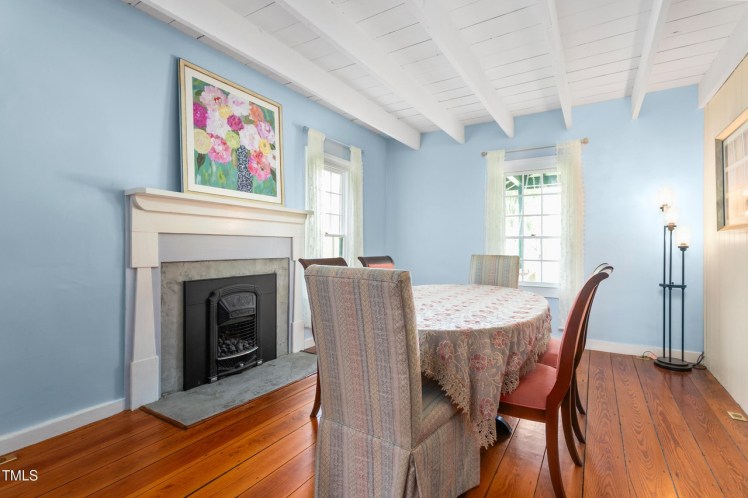

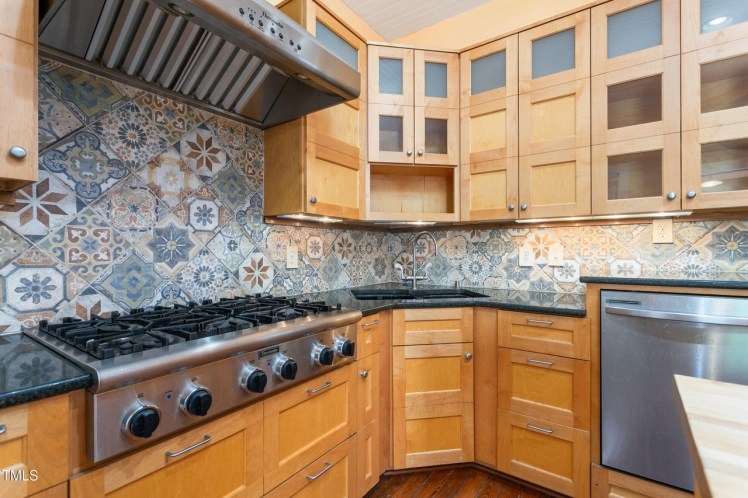

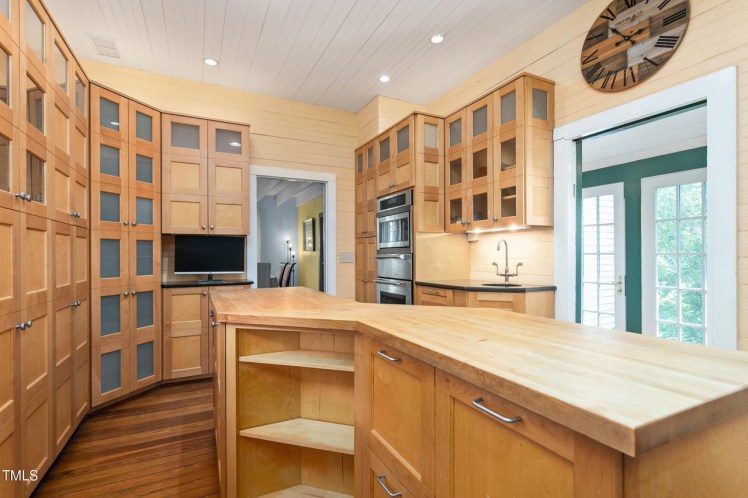

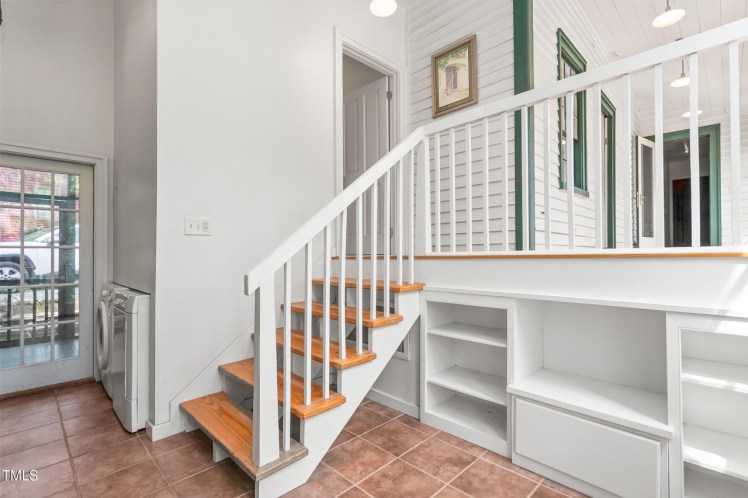





2440 Glencoe Street, Glencoe Mill Village, Alamance County
Blog entry (2018)
- Sold for $390,000 on June 9, 2025 (listed at $390,000)
- 3 bedrooms, 2 bathrooms, 2,031 square feet (per county), 0.31 acre
- Price/square foot: $192
- Built in 1885
- Listed May 5, 2025
- Last sales: $252,000, September 2018; $38,000, April 2000
- Neighborhood: Glencoe Historic District (local and NR). The village has Burlington mailing addresses.
- Note: Glencoe Mill Village is on the Haw River just north of Burlington. Its 30-some restored houses comprise one of the most intact mill villages still standing in North Carolina. The houses themselves have been renovated and in many cases, like this one, sensitively expanded.
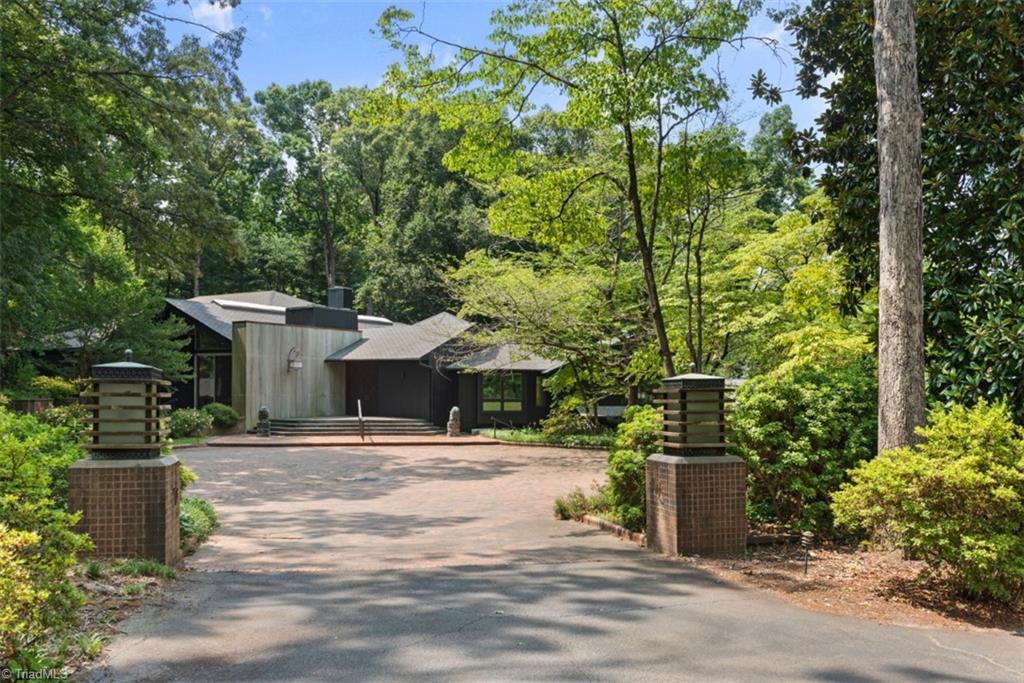

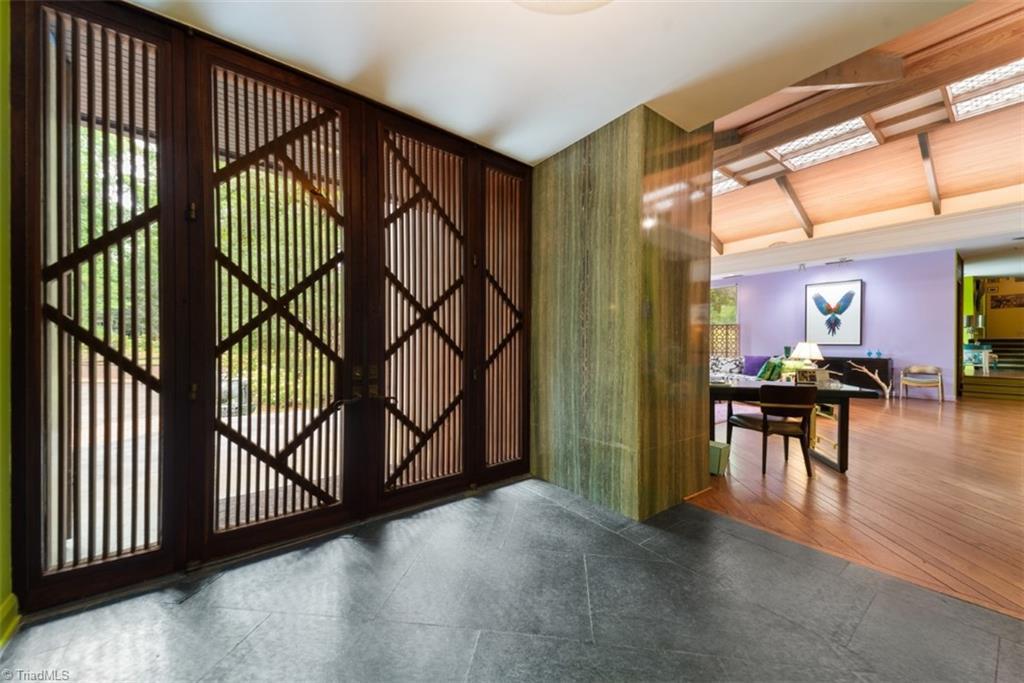
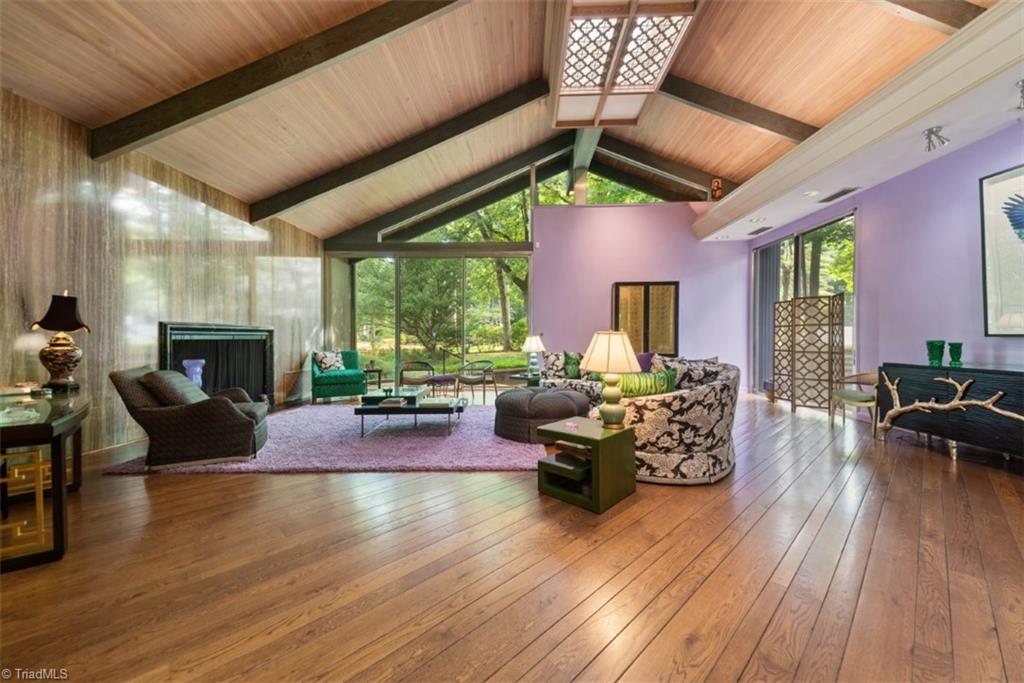

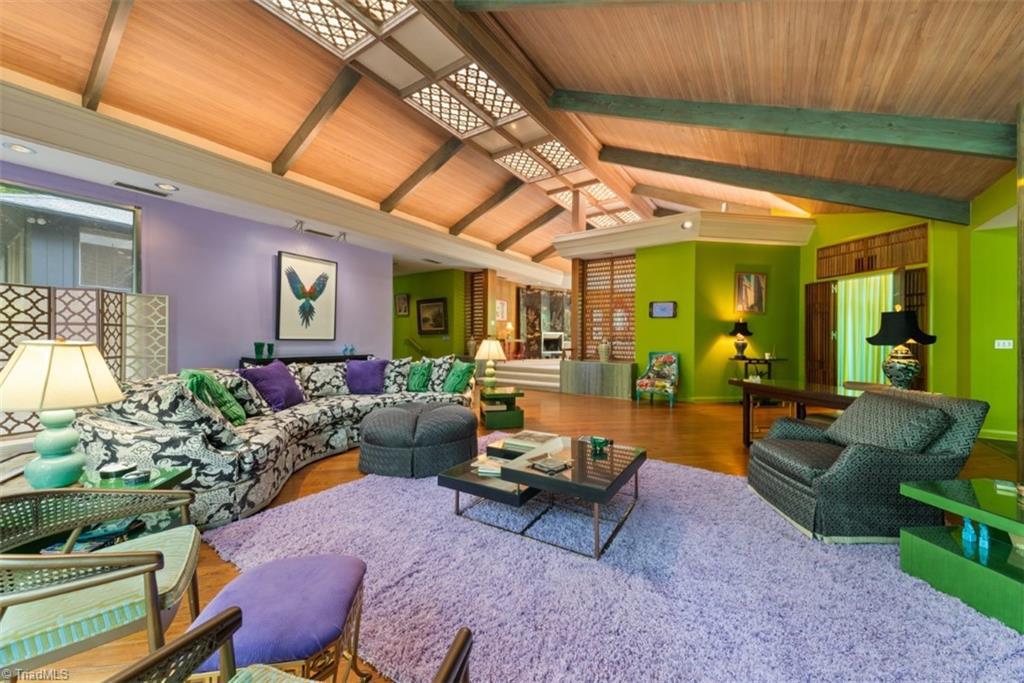


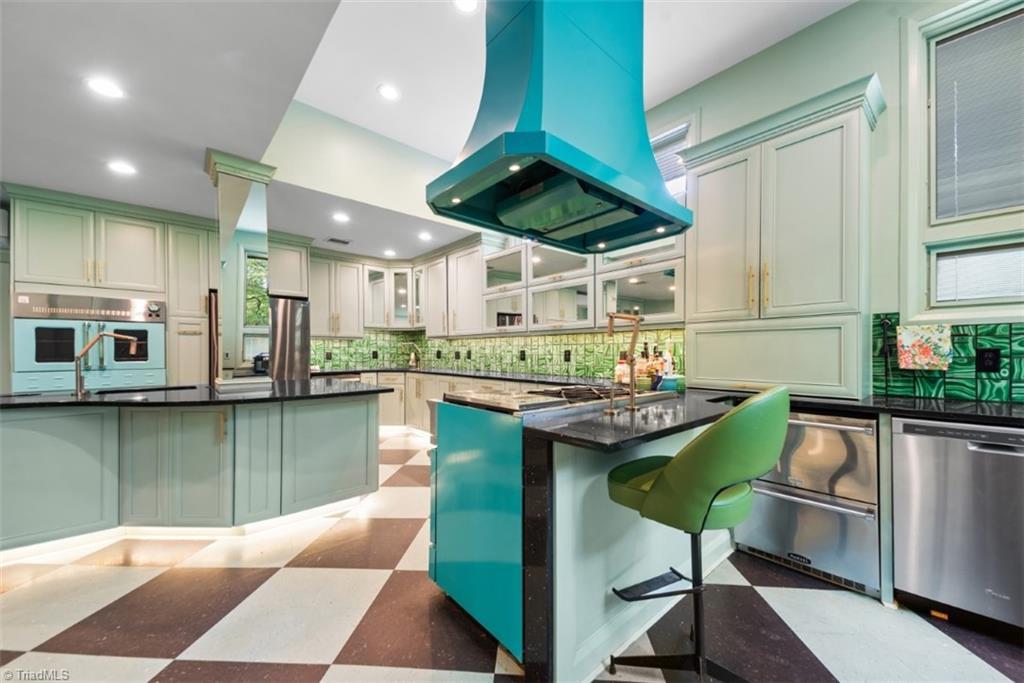


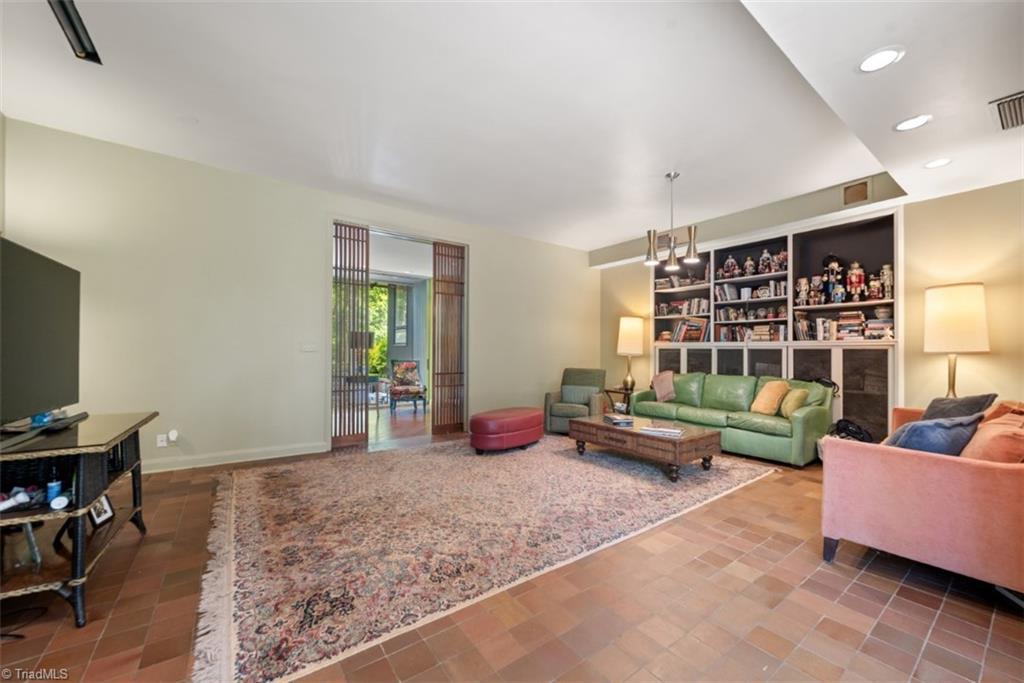

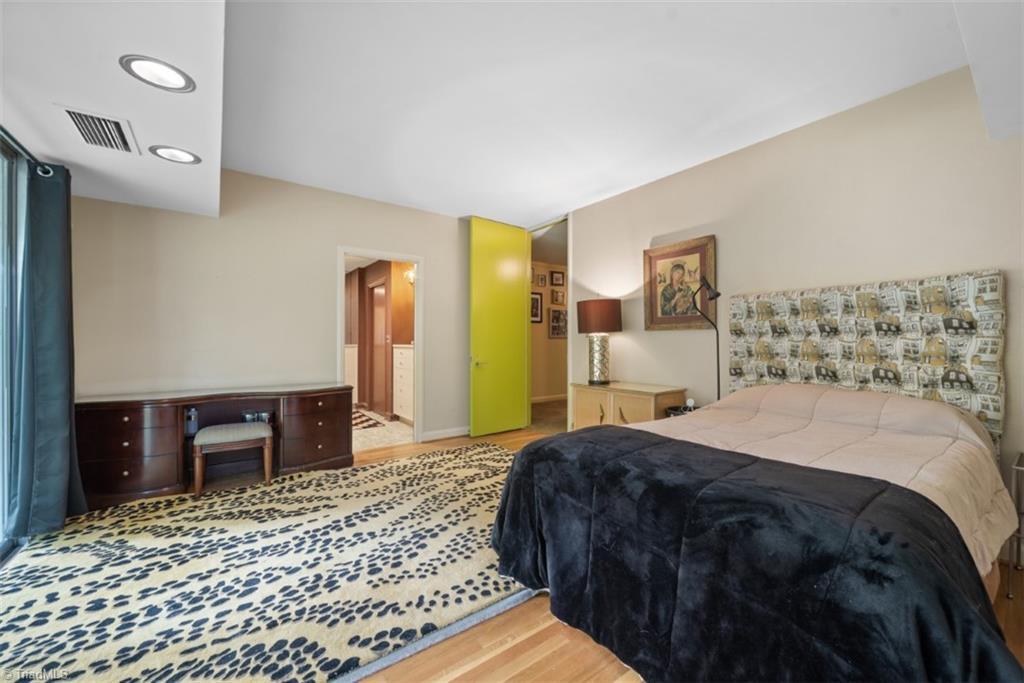
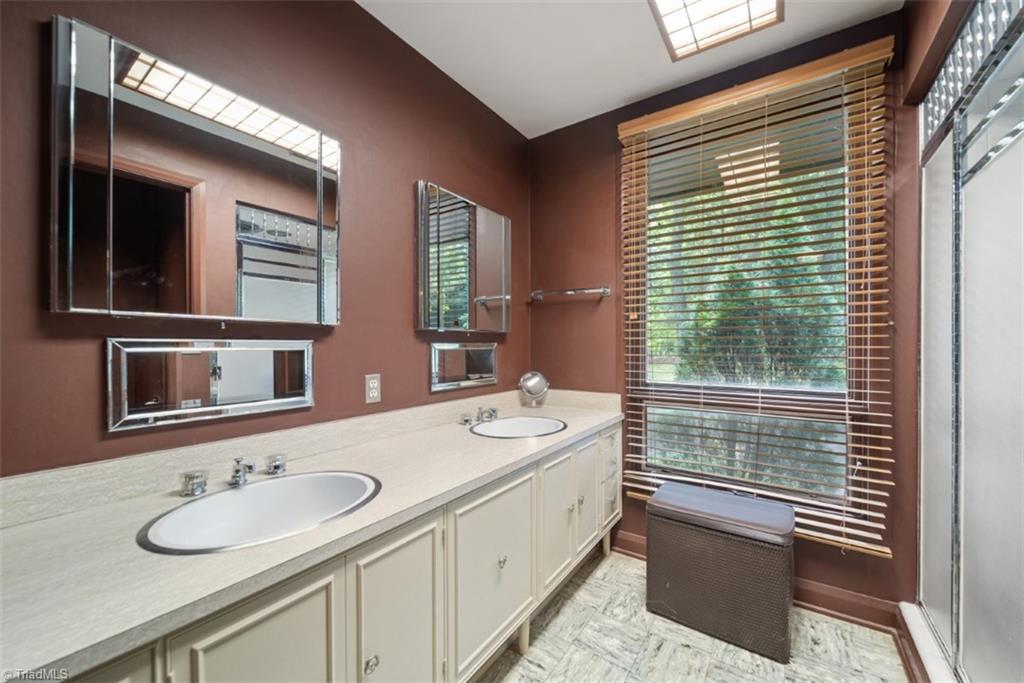


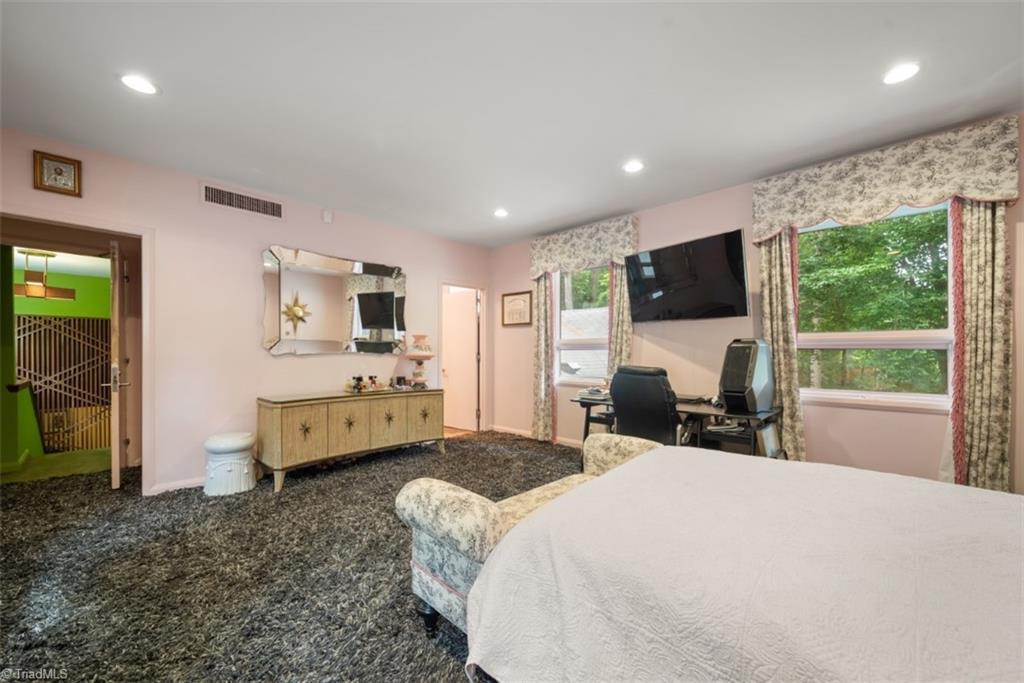
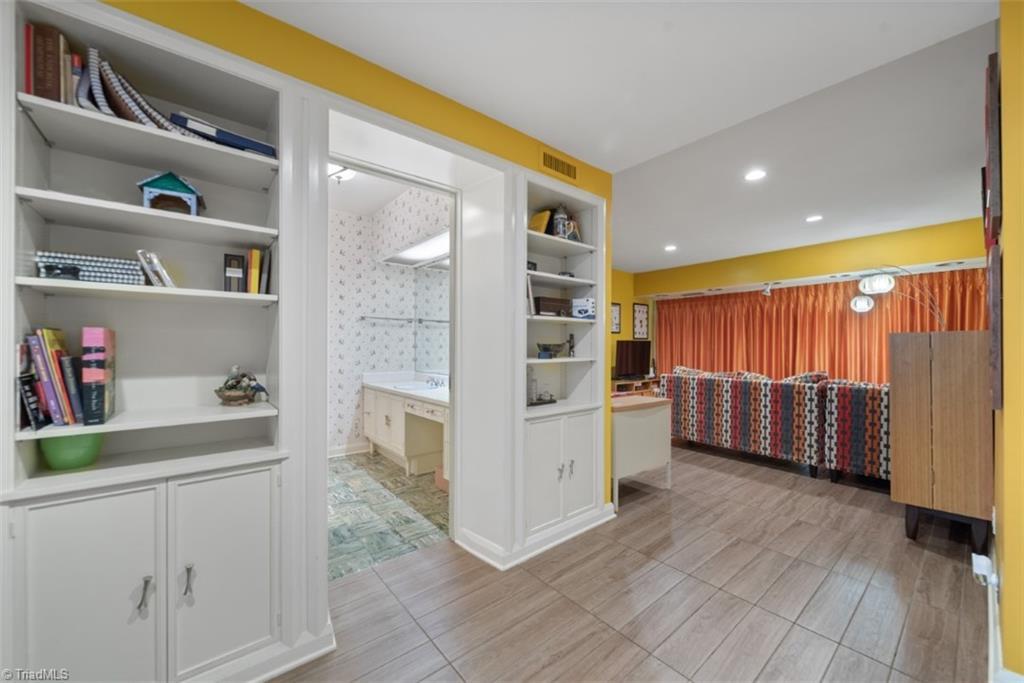


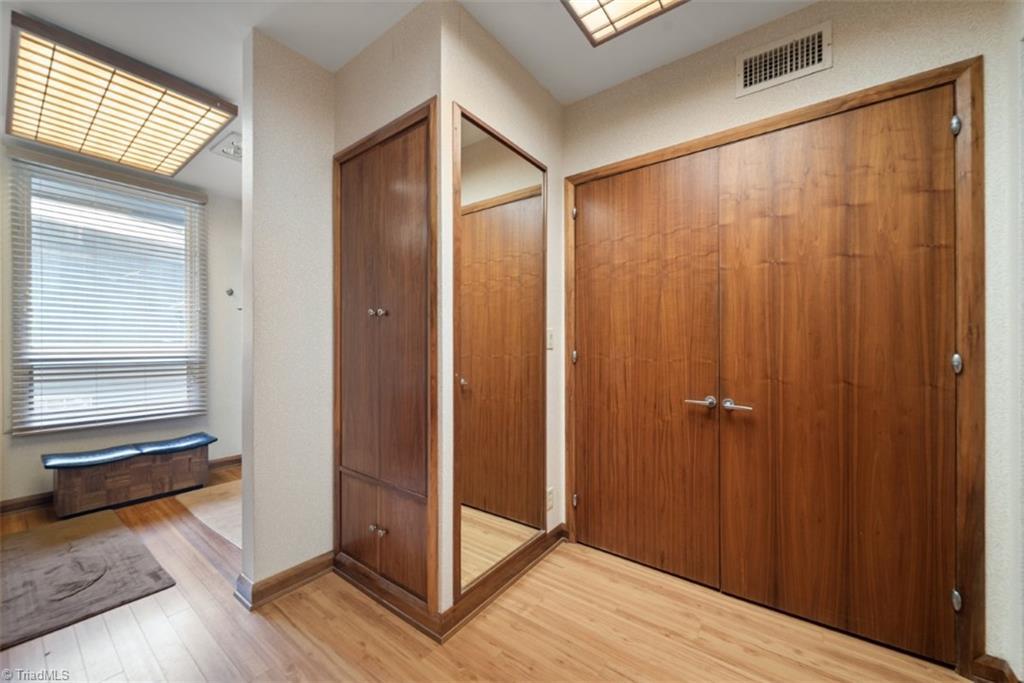
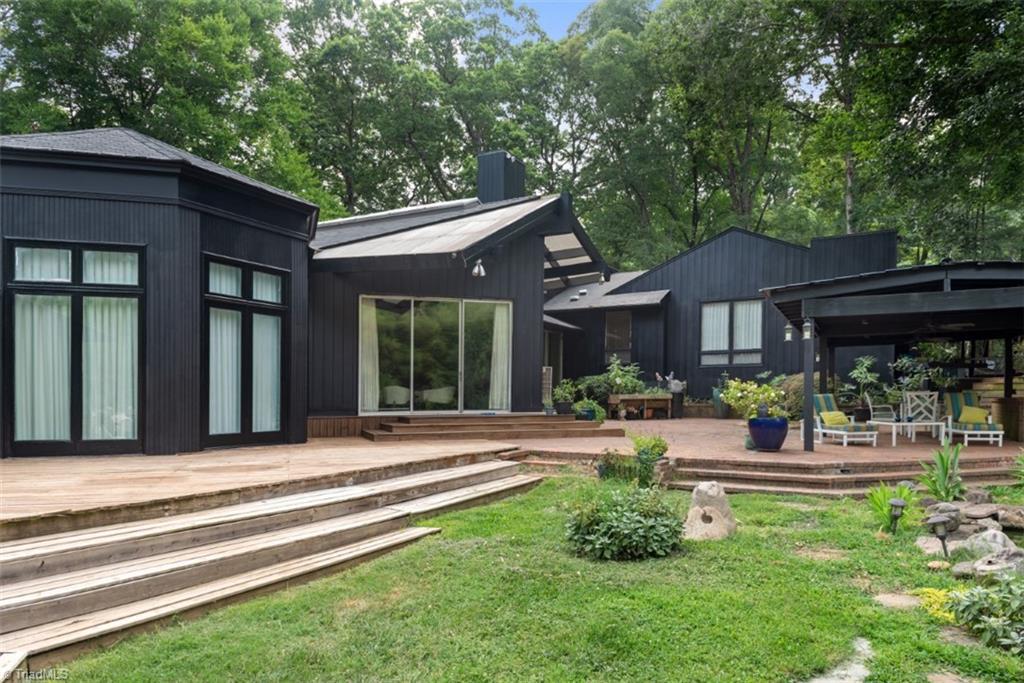


- Sold for $1.7 million on June 3, 2025 (originally $1.3 million, later $2.2 million)
- 5 bedrooms, 6 1/2 bathrooms, 7,040 square feet, 2.21 acres (all per county; see note below)
- Price/square foot: $241
- Built in 1964
- Last sale: $860,000, May 2012
- Listed September 21, 2019
- Neighborhood: Reynolda Woods
- Note: The property is adjacent to Reynolda Gardens.
- Designed by Byron Simonson of Palm Beach, landscape design by the remarkable Dick Bell of Raleigh.
- The house was featured in an eight-page spread in Architectural Digest in 1970.
- Listed on locationshub.com, a directory of locations available for film or television productions: “The 1963 Albert Butler House in Winston-Salem, North Carolina, is the exemplar of high Mid-Century Modern style. Designed by Addison Mizner protégé Byron Simonson (designer of the Colony Hotel and the now-defunct Coquille Club, Palm Beach), the house is 7500-SF of glam ready for filming.
- “Some of the spectacular features of the Albert Butler House are crotched mahogany walls, carved wall divider screens, inverted ship’s prow cypress ceilings with quatrefoil skylights, indoor and outdoor soaring green marble and quartz walls, coromandel screen custom fitted around a stainless fireplace, hand-pegged diagonal wood floors, octagonal dining room in Tiffany blue with bespoke starburst chandelier, convex ceiling and hand-poured plaster moldings, ceiling-to-floor circus stripe curtains, carved teak double front doors, and turquoise and malachite kitchen with colored stove, hood, and wall oven.”
- Online listing services have two listings for this house, both attributed to the same agency. One says there are 6 bedrooms, 6 full bathrooms and two-half-bathrooms, and 7,758 square feet. The other shows 5 bedrooms, 4 1/2 bathrooms, and 10,400 square feet.
- The original owners were Albert Louis Butler Jr. (1918-1997) and Elizabeth Hill Bahnson Butler (1919-1996). Albert studied economics at Princeton and served in the Army during World War II. He returned to become president of the Arista Company, a textile firm owned by Elizabeth Butler. He moved it into data processing in 1969, sold that business in 1984 and turned Arista into a real-estate holding company.
- The Winston-Salem Journal called him “a distinguished man who poured himself into making his hometown a better place to live.” He was active with the YMCA, Red Cross, Salvation Army, Children’s Home of North Carolina, the Urban League, the Arts Council, the library, the symphony and the Chamber of Commerce. He chaired the Winston-Salem Foundation for 19 years. He also served on the board of trustees of Salem Academy and Wake Forest University and received the Distinguished Service Award from the WFU Medical Alumni Association.
- Albert was a politically active conservative Democrat. He campaigned for Republican Wendell Wilkie in 1940 against President Franklin Roosevelt.
- He was a director of several corpoarions, including R.J. Reynolds and Wachovia. He served on the RJR Nabisco board committee that reviewed bids for the conglomerate in 1998 (the result was a $25 billion sale to the investment group Kohlberg Kravis Roberts).
- “He has been with Arista since 1946 and a director of RJR Nabisco since 1976,” The New York Times said. “Mr. Butler has been involved in several corporate restructurings and takeovers, including Ashland Oil’s acquisition of the Filter Corporation, of which he was a director.”
- The house was sold by Albert’s estate in 1998 to Michael E. Pulitzer Jr. and Ramelle C. Pulitzer. Michael is a great-grandson of newspaper magnate Joseph Pulitzer. He was an executive with WXII-TV in Winston-Salem. The Pulitzer company owned WXII from 1983 to 1998. The Pulitzers sold the house in 2012 to the current owners.
1205clover

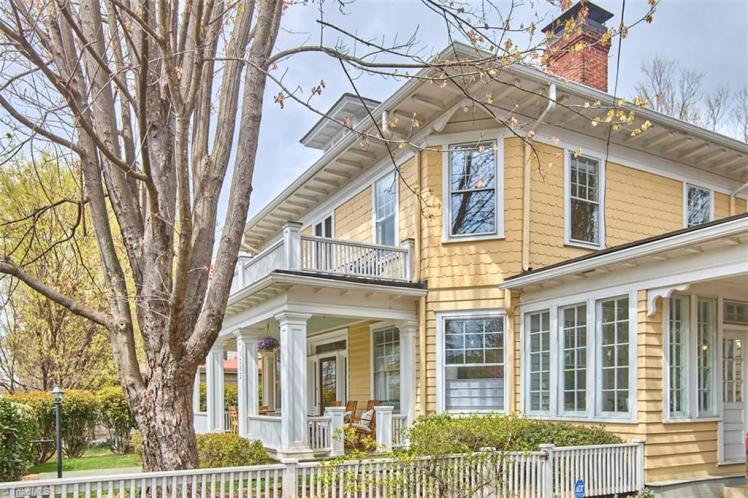


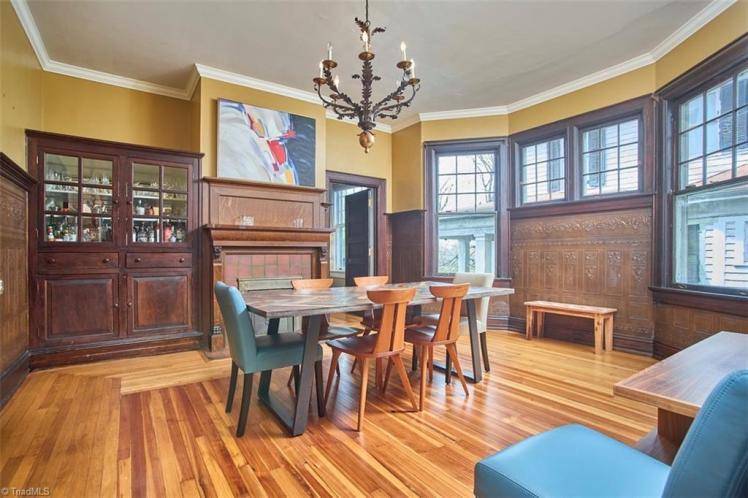





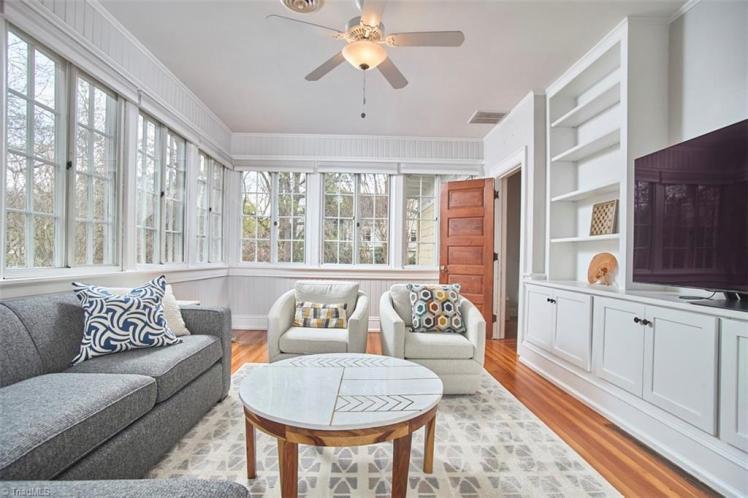

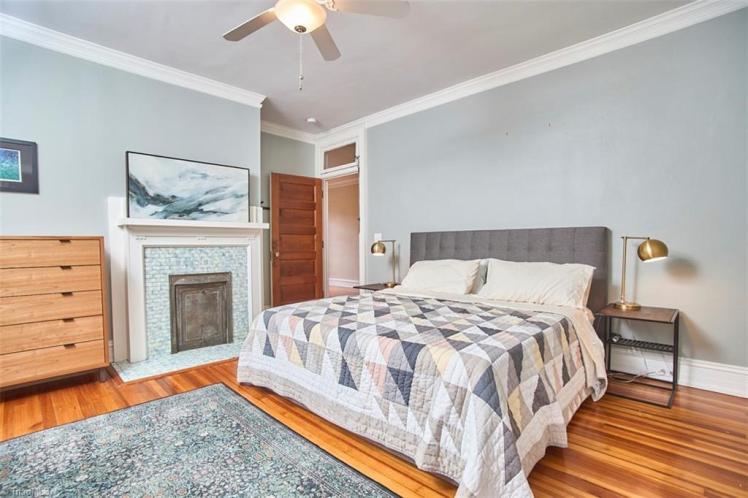

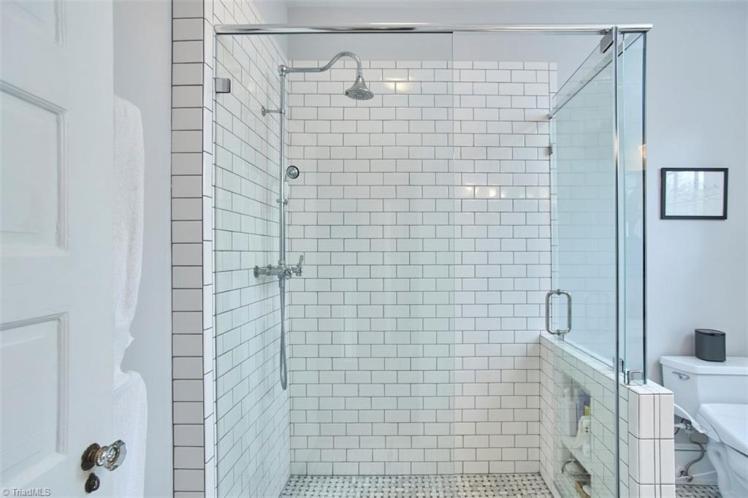

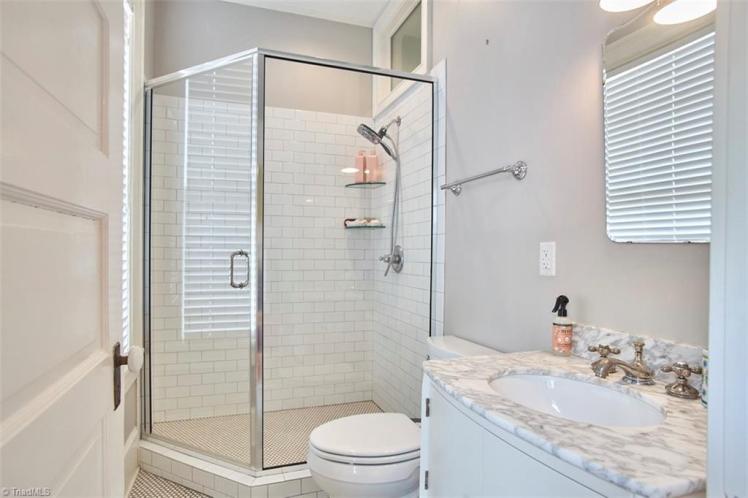
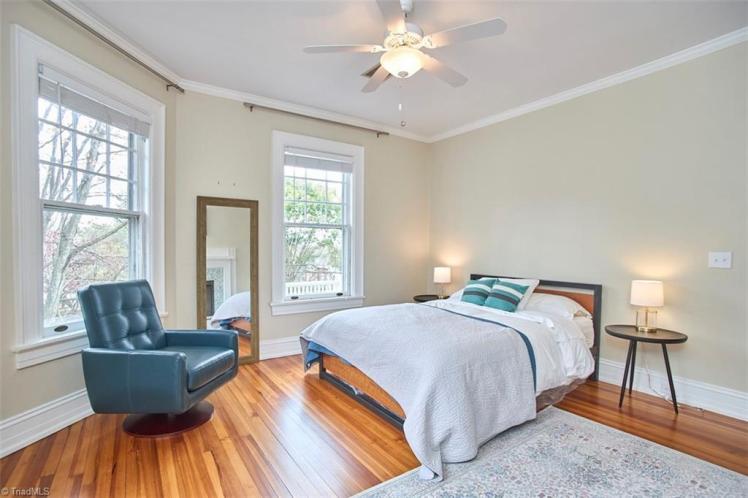


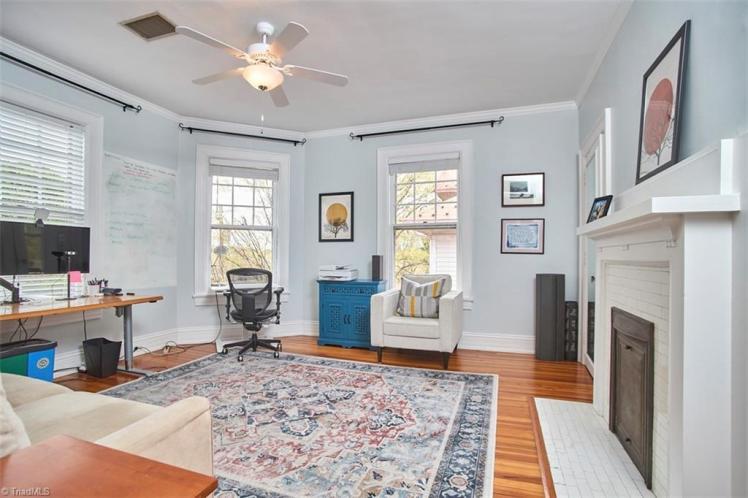
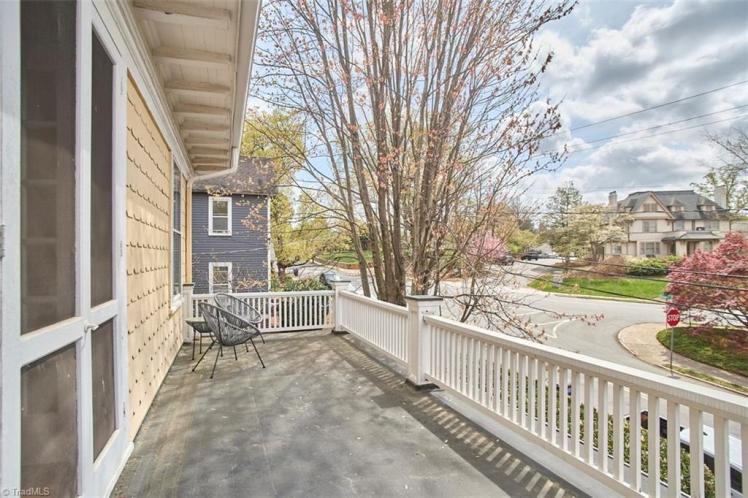


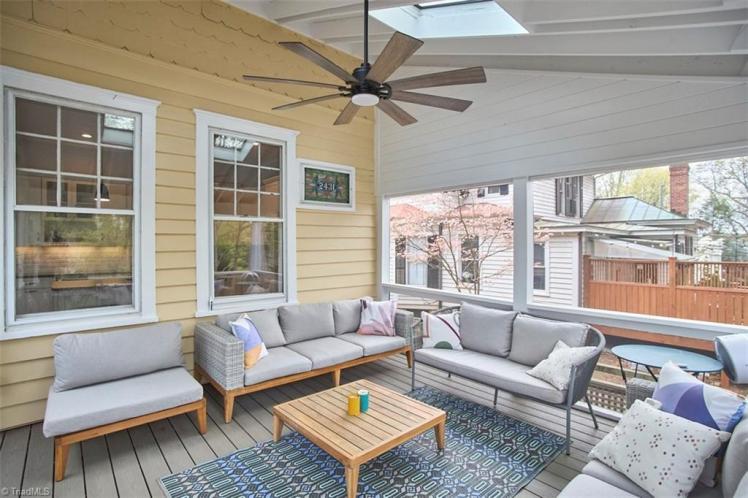


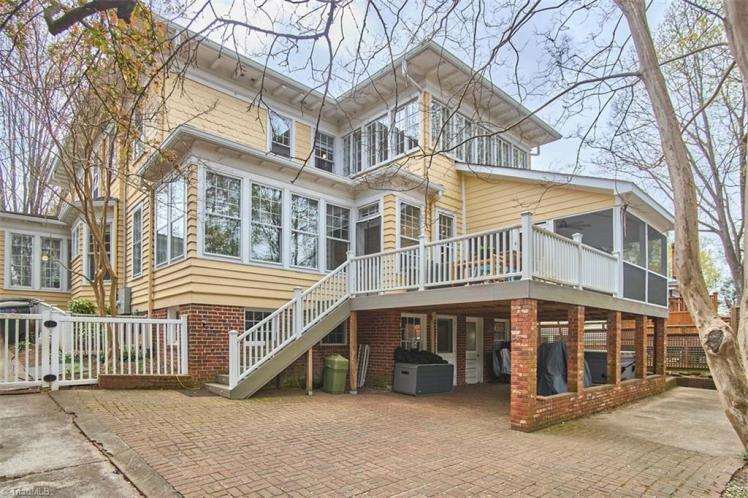


1205 Clover Street, Winston-Salem
The Sihon Cicero Ogburn House
- Sold for $990,000 on May 19, 2025 (listed at $999,000)
- 5 bedrooms, 4 bathrooms, 3,973 square feet (per county), 0.29 acre
- Price/square foot: $249
- Built in 1915
- Listed April 14, 2023
- Last sales: $925,000, August 2023; $795,000, June 2019
- Neighborhood: West End Historic District (local and NR)
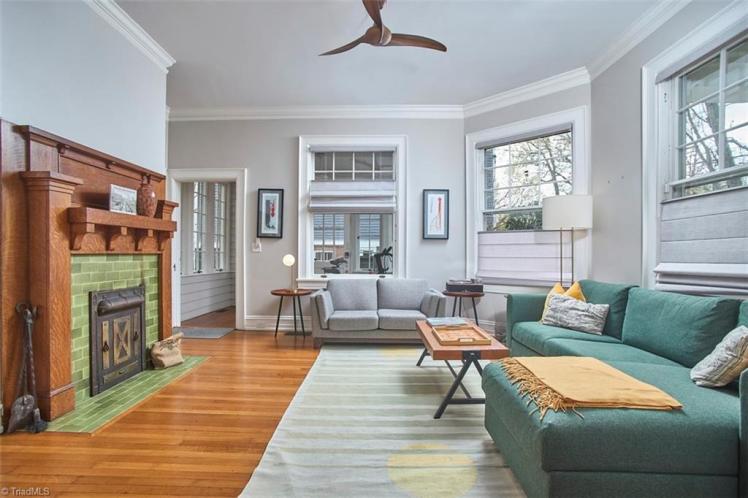
- District NR nomination: “The Ogburn House is an impressive Colonial Revival dwelling which shows some influence from the Craftsman style. The large two-story frame house has a weatherboarded first story, while the second story is sheathed in scalloped siding which appears to be an early use of asbestos. (This siding appears in a 1924 photograph of the house and is also seen on the Thompson-Liipfert House (#337) of the same period at 1220 Glade St.)
- “Also unusual are the ‘clipped’ front corners of the house. Other features of the exterior include a hipped roof and front dormer, both with widely overhanging eaves, nine-over-one sash windows, a broad front entrance with unusual etched glass sidelights and transom within a Classical surround, and a front porch with heavy paneled posts, a plain balustrade, and a balustraded deck.
- “On the southeast side of the house is a sun room whose roof is cantilevered to form a porte-cochere — another unusual feature.
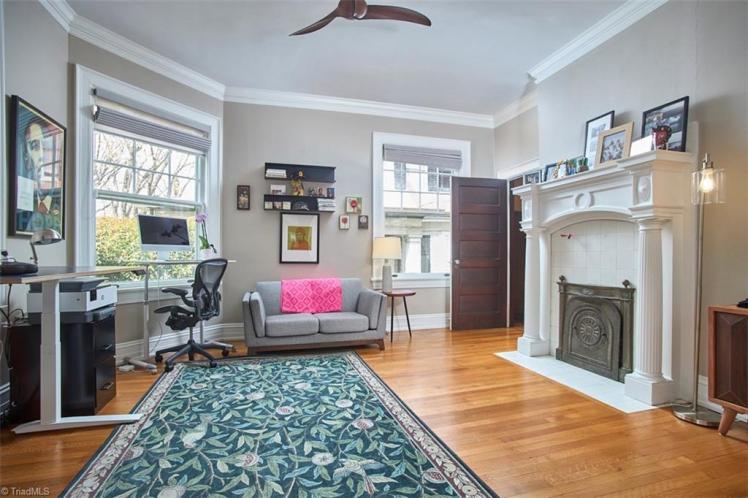
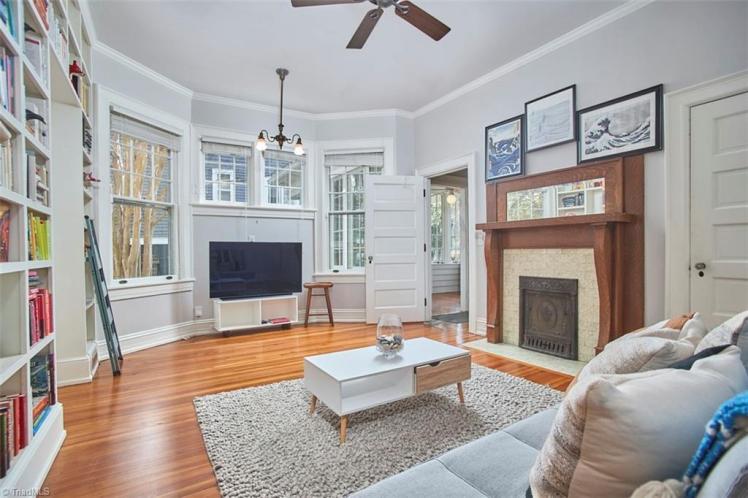
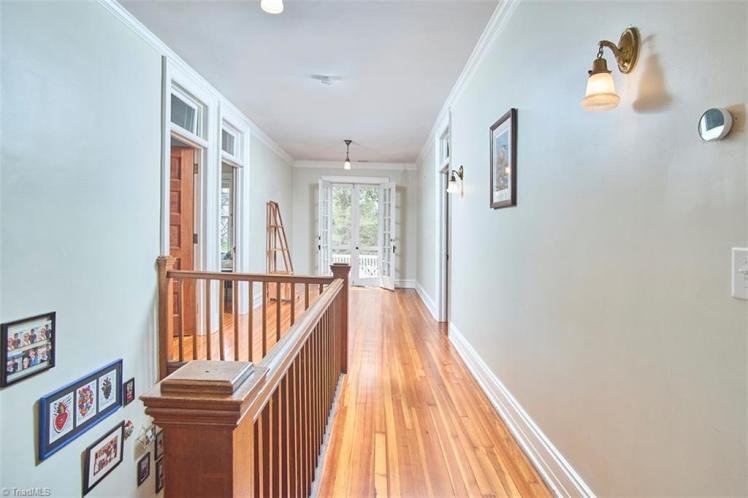
- “The spacious interior has handsome Colonial Revival and Craftsman mantels, a Colonial Revival stair, some original lighting fixtures, and of particular significance, high wainscoting in the hall and dining room with well preserved simulated leather embossed papers.
- “S.C. Ogburn purchased the property in 1912 and by 1915 he and his wife, Emma K., were listed at this location in the city directory. Ogburn was president of Home Real Estate Loan and Insurance Co. The Ogburns owned and occupied the house until the 1940s, after which it was converted to apartments until being restored as a single family dwelling in the early 1970s.”
- Sy Ogburn (1879-1948) was active in several other companies, as well, serving as president of the Carolina Beach Corporation, Winston-Salem Title and Abstract Company and his own Ogburn Real Estate Company. He was elected to the Board of Aldermen, was an organizer of the local Goodwill Industries and was a 50-year member of the Knights of Pythias.
- He was the sixth of 11 children in his family born over a period of 26 years, all but one of whom reached adulthood. His sibling’s names: Robert Lee, Minnie Victoria, Rufus Henry, Ella, George W., Mary, John Francis, Carrie Lillian, Paul Tise and Daisy Parmelia.
- Emma Kapp Ogburn (1875-1946), like Sy, was a native of Forsyth County. She grew up in Bethania and was a graduate of Salem College, class of 1892. She served as treasurer of the local Women’s Christian Temperance Union for 25 years. She also was one of the first members of the local Sorosis Club, an organization for professional women. In Carolina Beach, Emma organized a Sunday school class and community church, which had grown into five churches by the time of her death in 1946.
- Her obituary was front-page news in the Twin City Sentinel (“Mrs. Ogburn Dies Suddenly … Nearing her 71st birthday, she had been in her usual health until a few minutes before her death.”).
410sstate
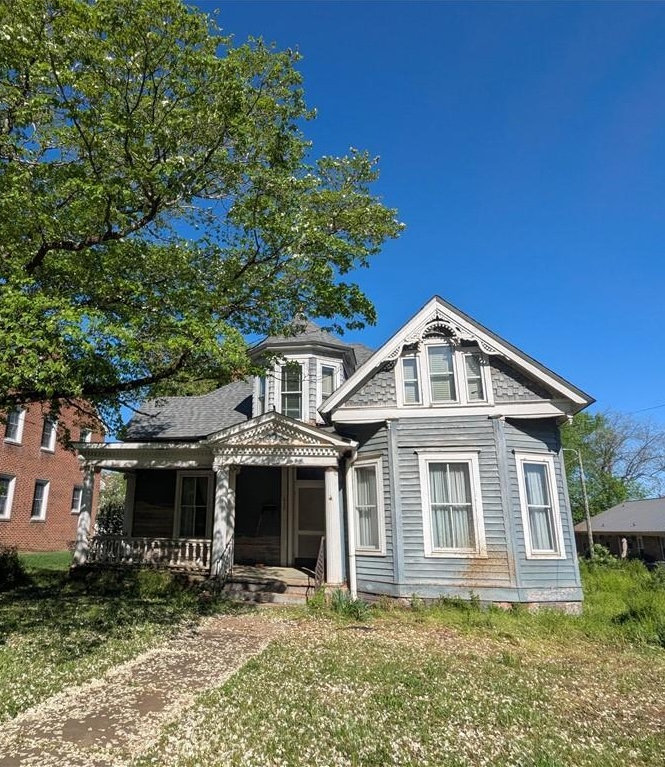
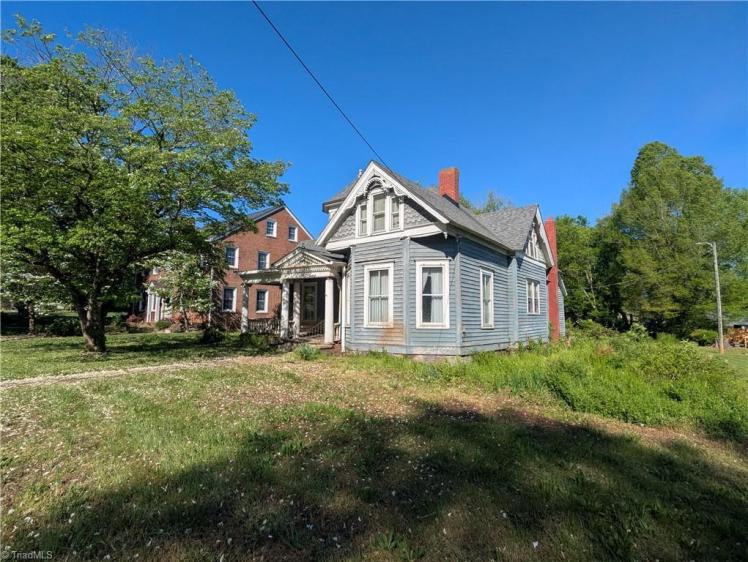
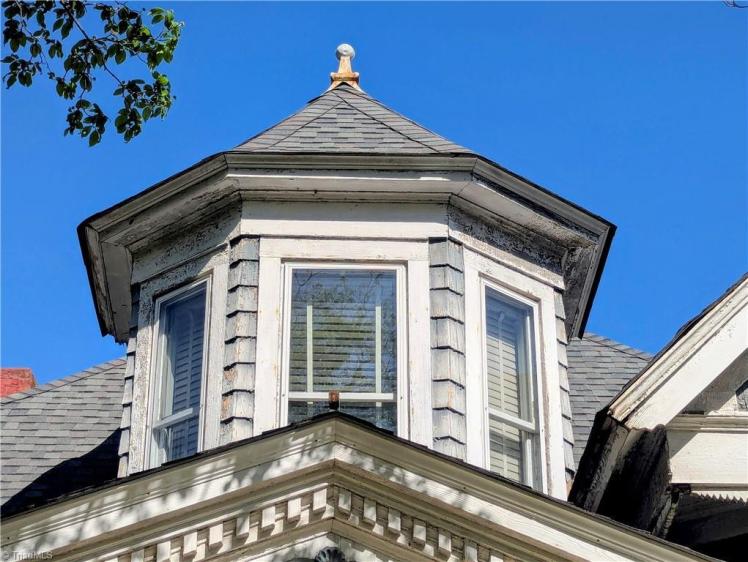
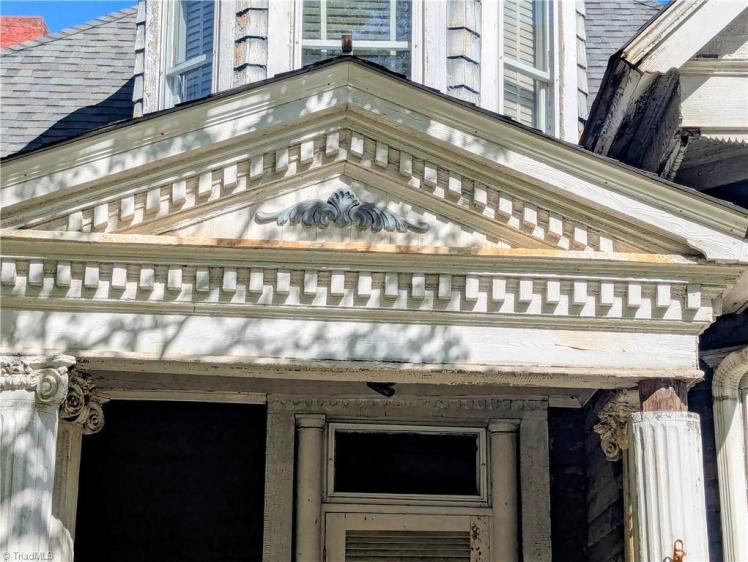


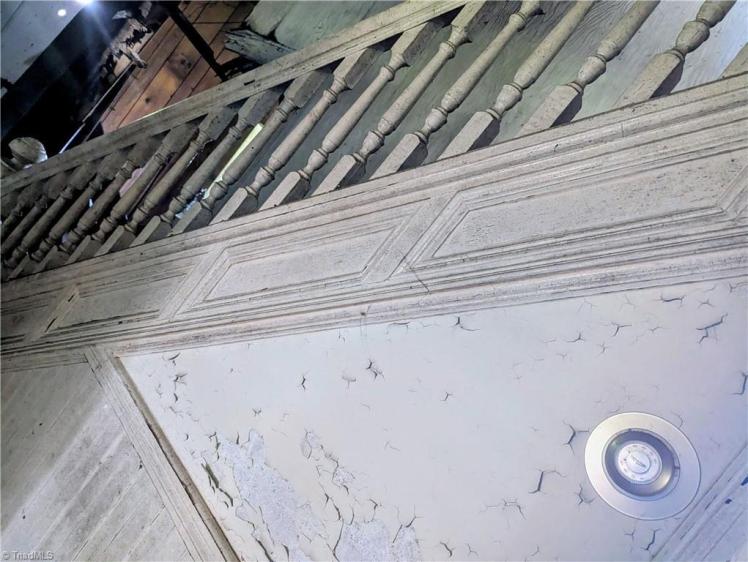


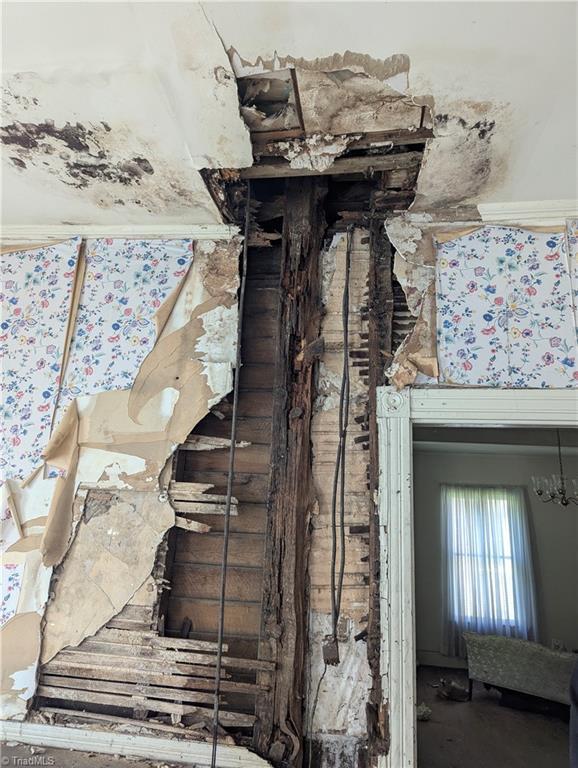

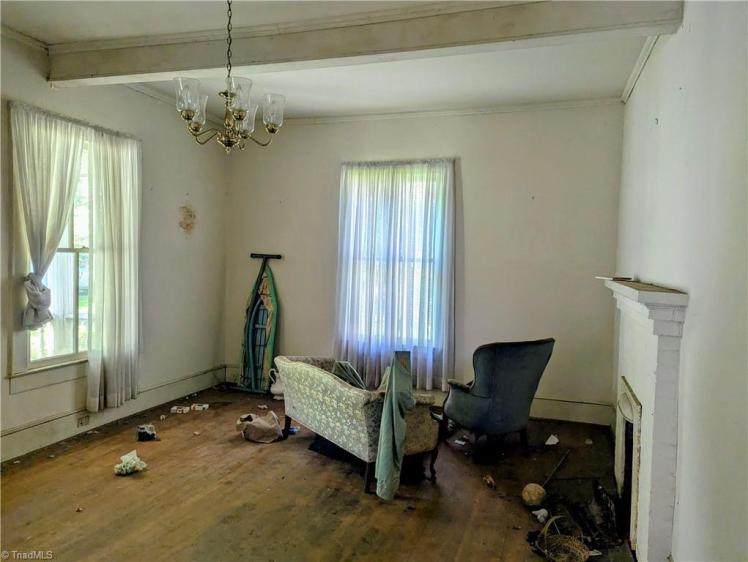
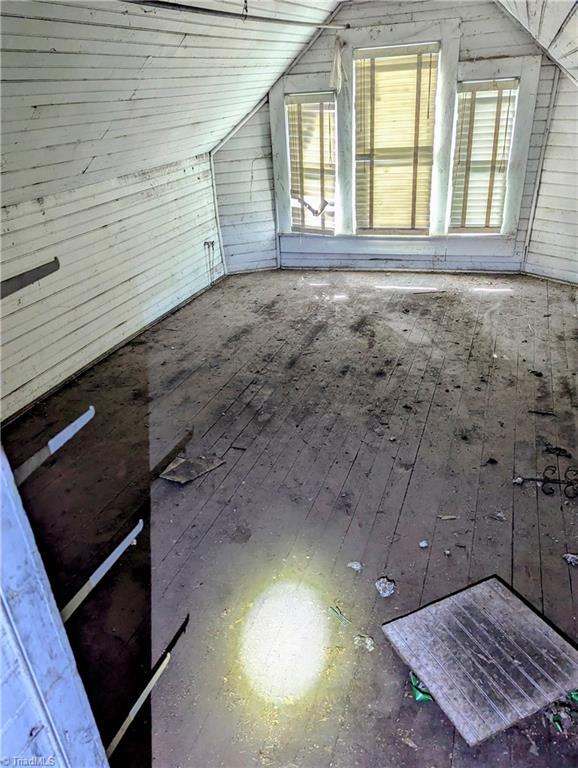
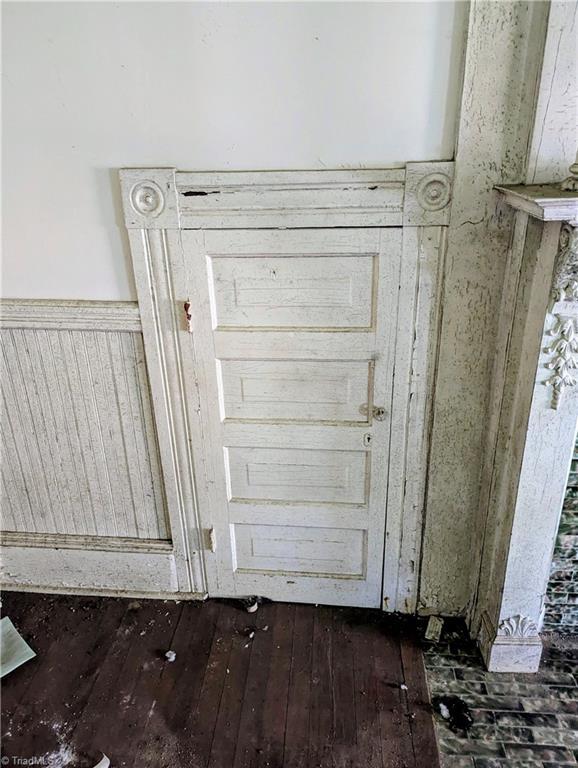


410 S. State Street, Lexington, Davidson County
The Billings-McCuthen House
- Sold for $55,000 on May 19, 2025 (originally $125,000)
- 3 bedrooms, 1 1/2 bathrooms, 1,833 square feet, 0.49 acre
- Price/square foot: $30
- Built circa 1910 (see note)
- Listed April 10, 2025
- Last sale: $25,000, March 2019
- Neighborhood: Lexington Residential Historic District (NR)
- Note: County records give the date as 1927. The district’s National Register nomination says circa 1910, which looks more likely.
- Listing: “This property needs serious rehab … needs new electrical. Plumbing unknown. Partial floor collapse because of old roof leak and heavy furniture. This will require permitted rehab and experienced contractors. Please use extreme caution when entering the house. Sold as-is CASH ONLY.”
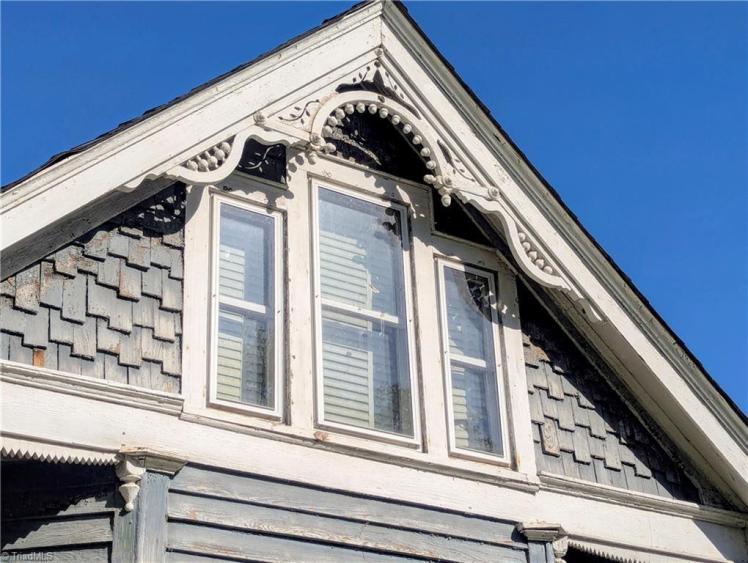
- District NR nomination: “One-and-one-half-story, weatherboarded, hip-roofed Queen Anne-Colonial Revival with a projecting front-gable bay with cut-away corners and a three-part window;
- “partial-width porch with fluted Ionic columns, a turned balustrade, a denticulated cornice and a pediment over the entry;
- “2/2 sash, entry with transom and flanking columns recessed into the wall, polygonal dormer with a pyramidal roof topped by a finial, decorative shingles in the gable ends and on the dormer, spindlework bargeboard.
- “This house is pictured on the 1913 Sanborn map. The earliest city directory reference occurs in 1925-26 when Junius L. and Lelia Michael lived here; Mr. Michael was in real estate.”
- The house appears in Building the Backcountry: An Architectural History of Davidson County, North Carolina, named for two earlier owners, about whom nothing can be found online.
1601ncollege

1601 N. College Park Drive, Greensboro
The Cox-Ellinwood House
- Sold for $839,000 on May 15, 2025 (listed at $849,500)
- 4 bedrooms 3 bathrooms, 3,092 square feet (per county), 0.52 acre
- Price/square foot: $271
- Built in 1925
- Listed April 24, 2025
- Last sale: $652,000, May 2022; $345,000, July 1995
- Neighborhood: College Park
- Note: The house was already under contract when it was listed for sale.
- Italian Renaissance Revival house with a symmetrical facade; projecting wings; a low-pitched, tile hip roof with wide overhanging eaves with decorative brackets; arches above the first-floor windows and doors; less elaborate second-floor windows; and a columned portico with a balustrade above, which is repeated atop the wings. The house sits high above the street above a terraced front lawn.
- The listing shows 3,271 square feet.
- The property was sold three times in less than 18 months in 1924-25, around the time the house was built. The first owners who lived in the house appear to have been Grover Cleveland Cox (1885-1944) and Mabel Clarice Causey Cox (1896-1928). Grover was secretary-treasurer of Gate City Motors, which sold Chrysler cars and Firestone tires. The house was sold after his death in 1944.
- In 1949, Dr. Everett Hews Ellinwood (1901-1969) and Hulda Eggleston Holloman Ellinwood (1901-1993) bought the house and owned it for 44 years. Everett was the county health director. In 1950 he declared a ordered a quarantine of dogs because of an outbreak of rabies. In one month, 22 people were bitten by rabid animals; eight dogs were found to be rabid. After his death in 1969, Hulda owned the house until her death in 1993.
112nstratford
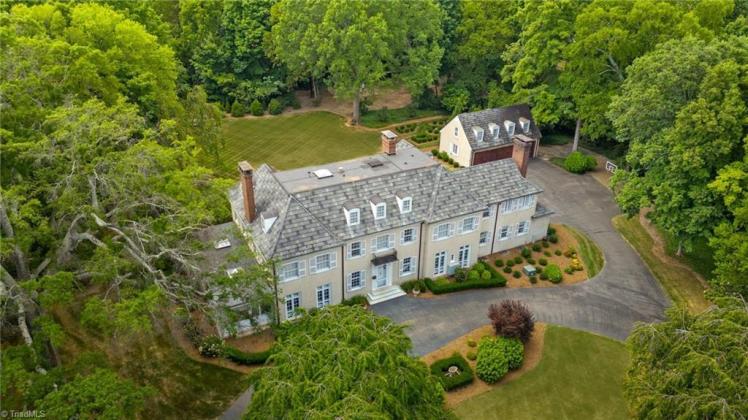
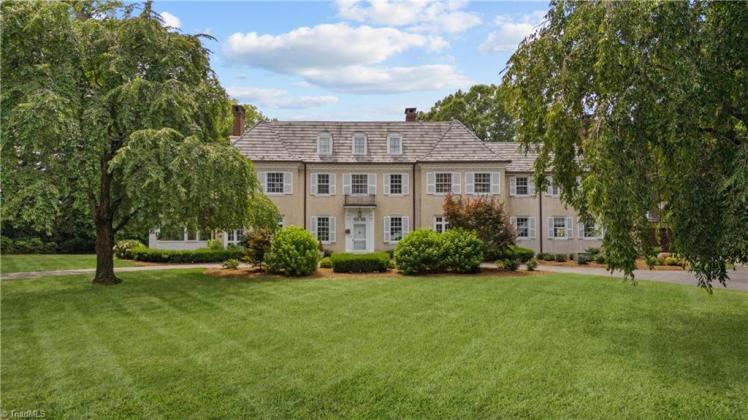




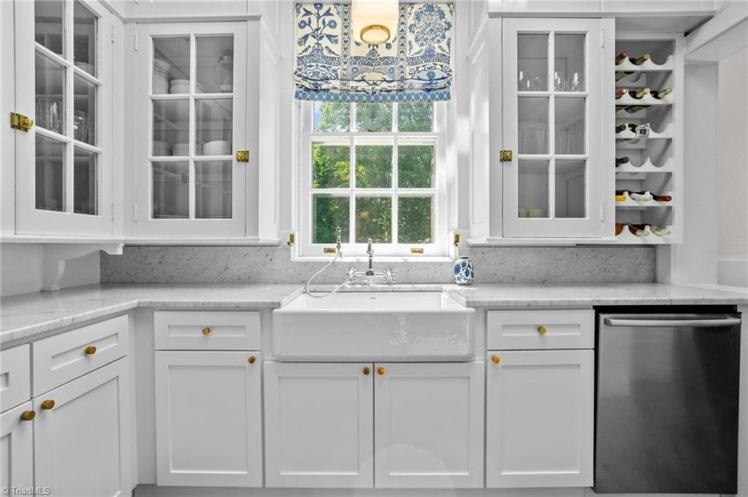

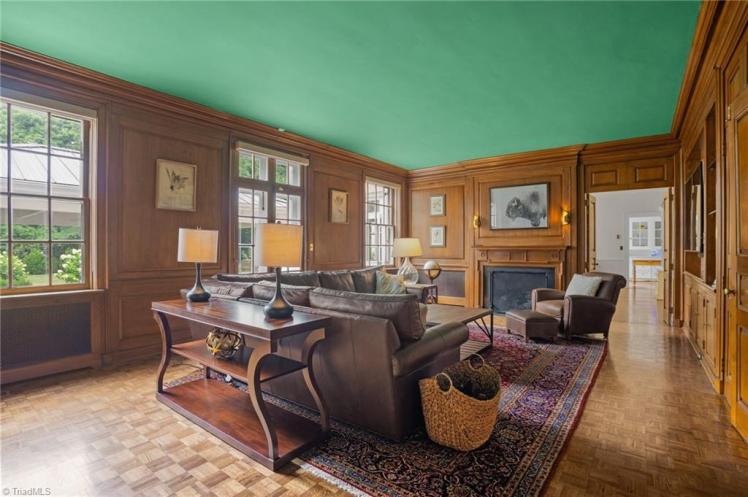
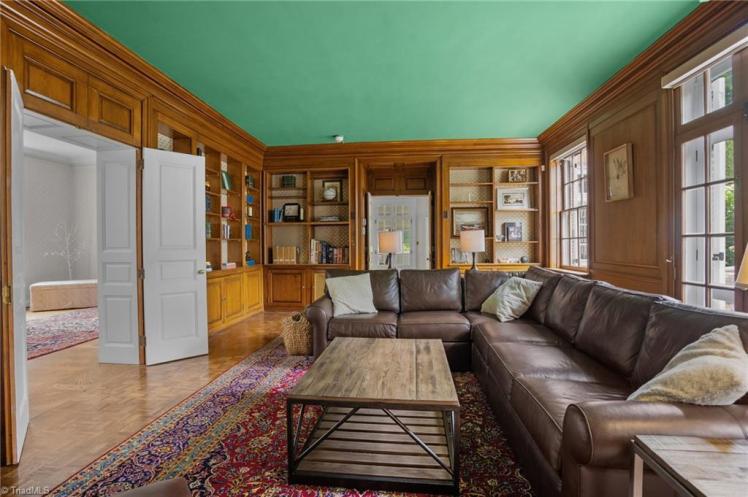


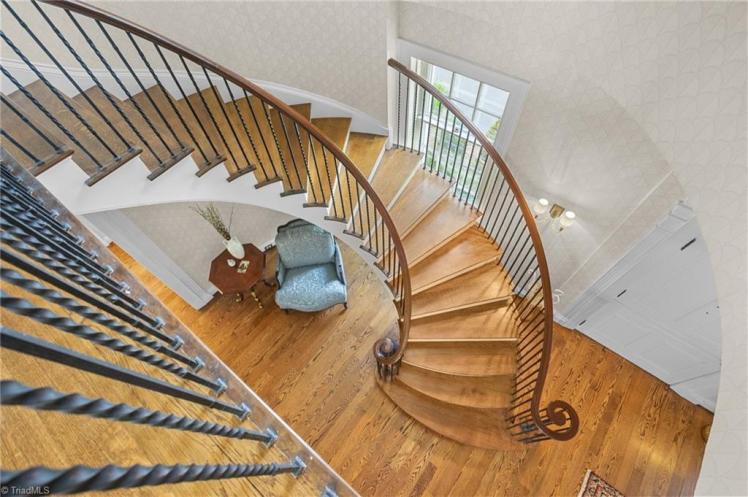


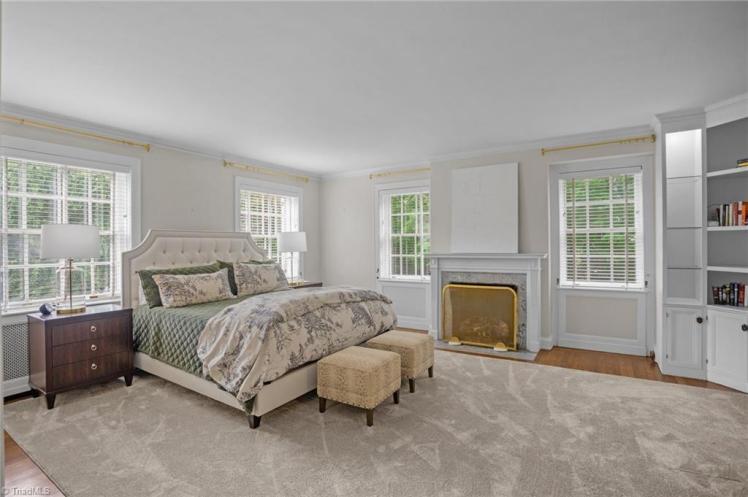


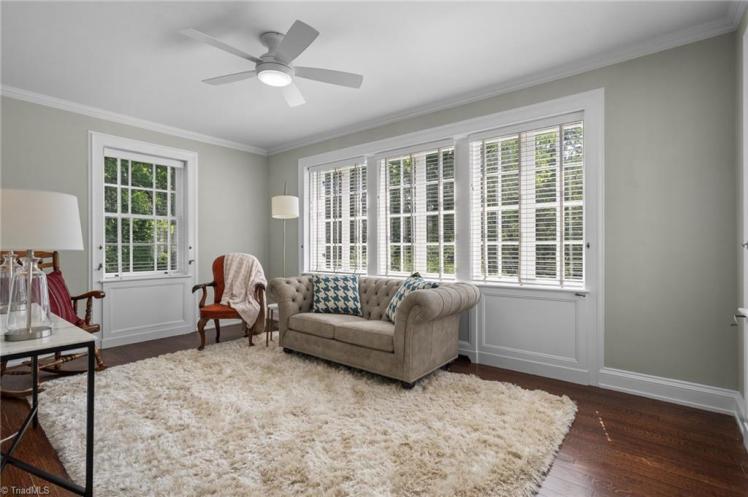

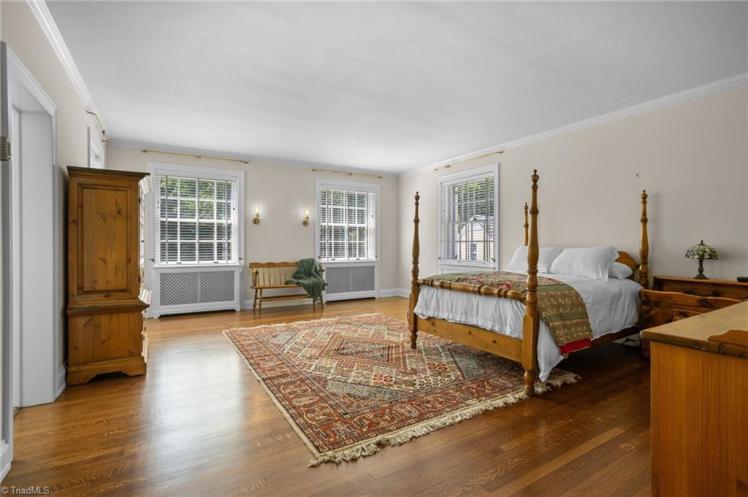
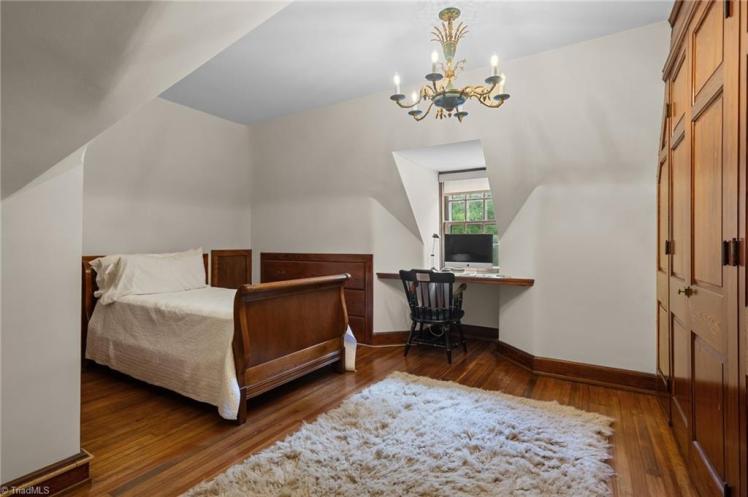
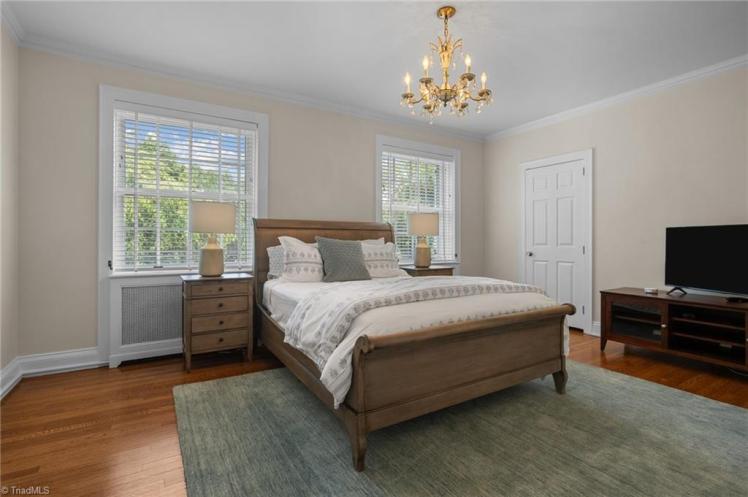

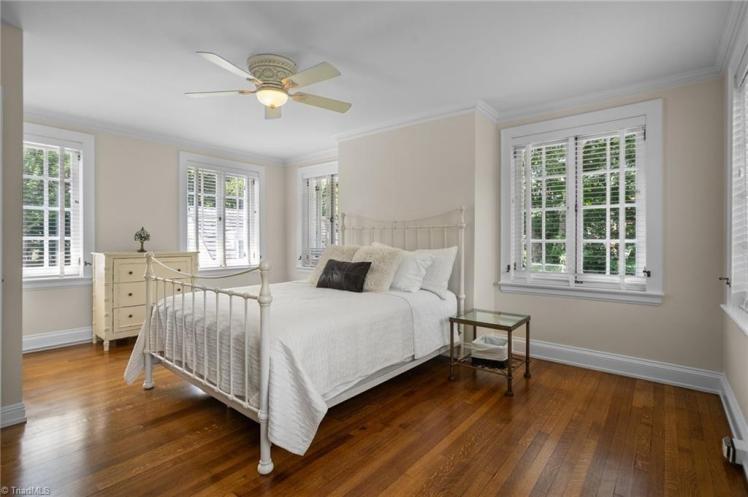
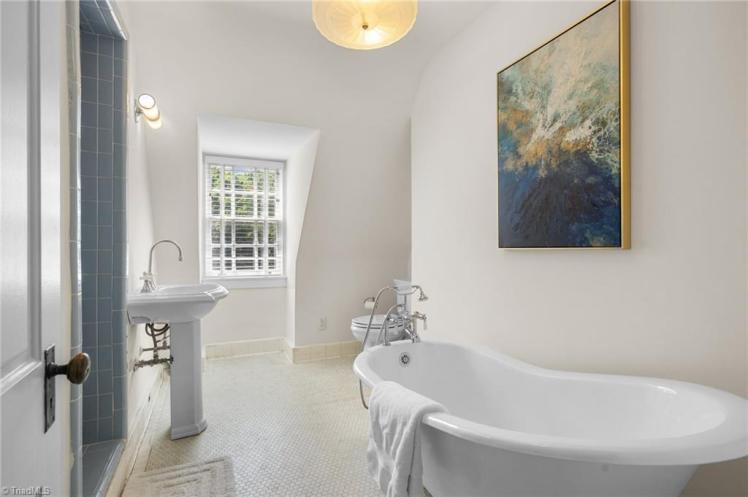
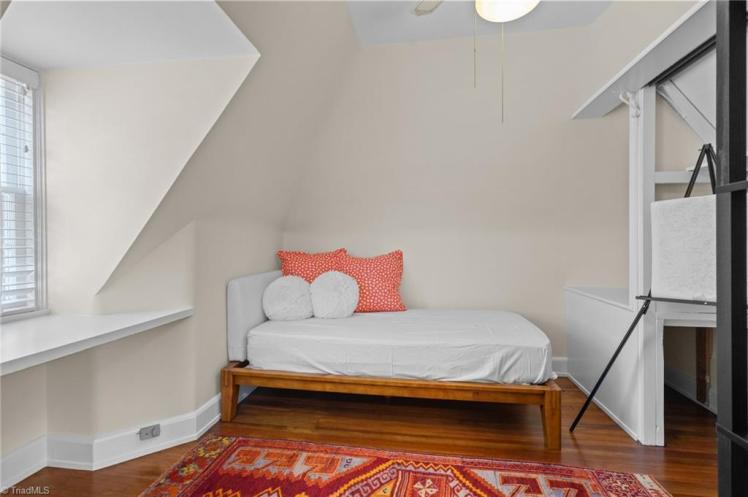




- Sold for $2.40 million on May 12, 2025 (originally $2.95 million)
- 6 bedrooms, 6 bathrooms, 9,872 square feet, 2.72 acres
- Price/square foot: $243
- Built in 1925
- Listed October 4, 2023
- Last sales: $1.725 million, September 2021; $1.325 million, April 5, 2019
- Neighborhood: Stratford Place
- Note: Designated as a Forsyth County Landmark
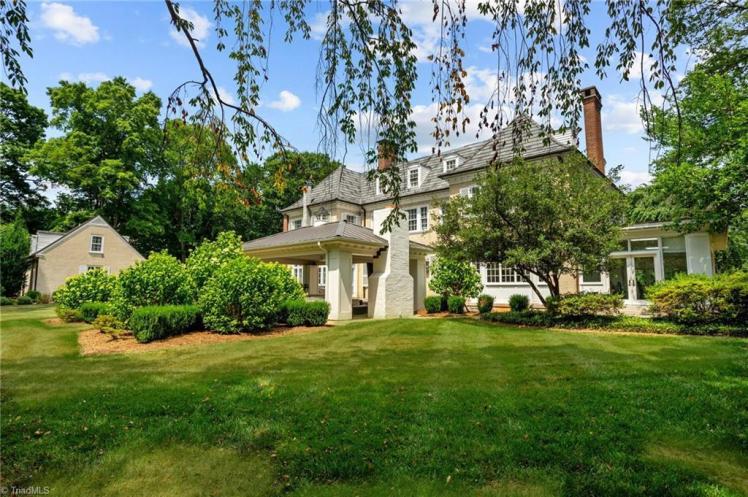
Designed by Charles Barton Keen and William Roy Wallace for a couple whose marriage united two major Winston-Salem textile families, the Chathams (Chatham Manufacturing) and the Hanes (Hanes Hosiery and P.F. Hanes Knitting Company).
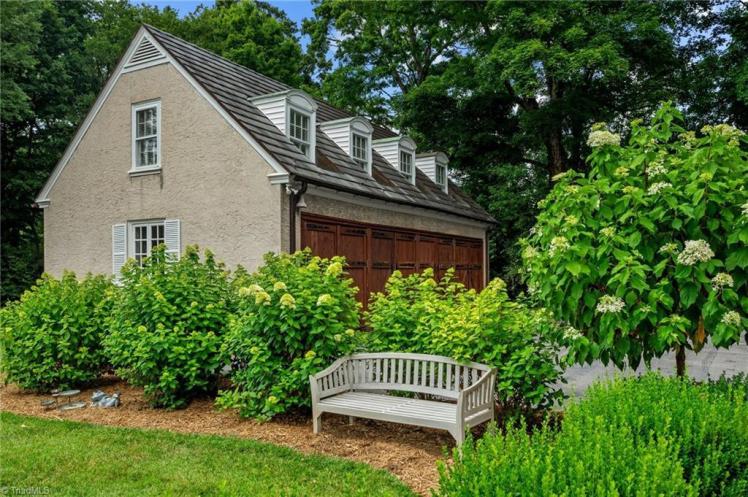
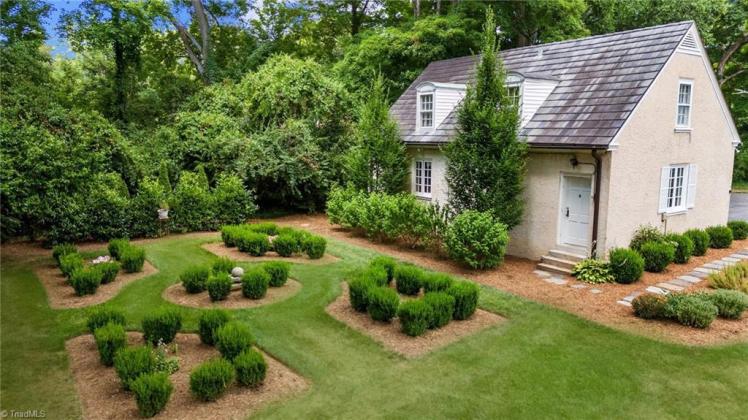
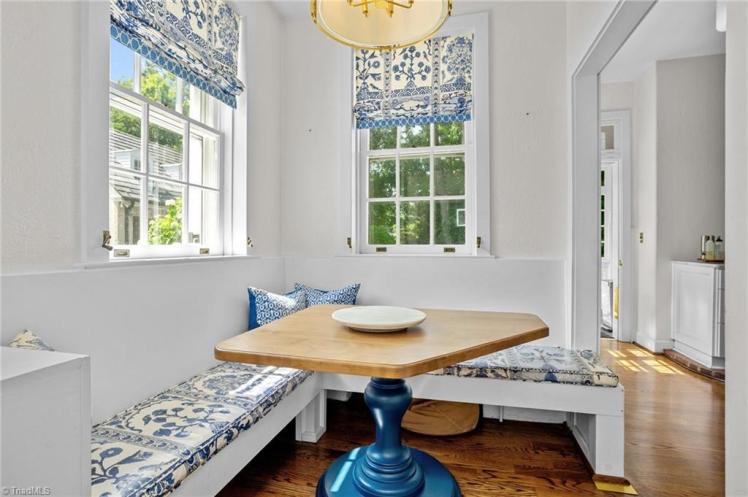
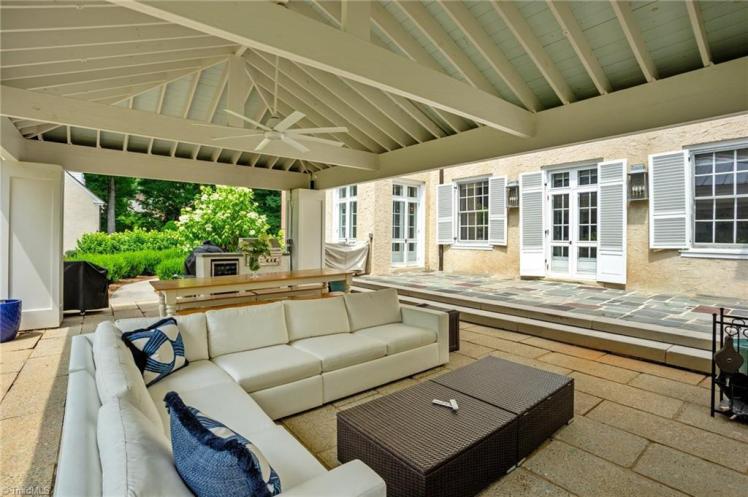
The property includes “a 4 vehicle carriage house garage, 2 iron-gated entries, circular drive, 2 bedrm guest house, English boxwood garden, ultra private firepit & basketball court, bluestone terrace and rear atrium with fireplace, tv, & kitchen essentials.”
“Designed by architects Keen and Wallace, the residence is one of four imposing 1920s dwellings facing east toward Stratford Road in the exclusive Stratford Place subdivision platted by Philadelphia landscape architect Thomas Sears. Members of the Chatham and Hanes families erected three of the homes.” (NR nomination)
1085nmain






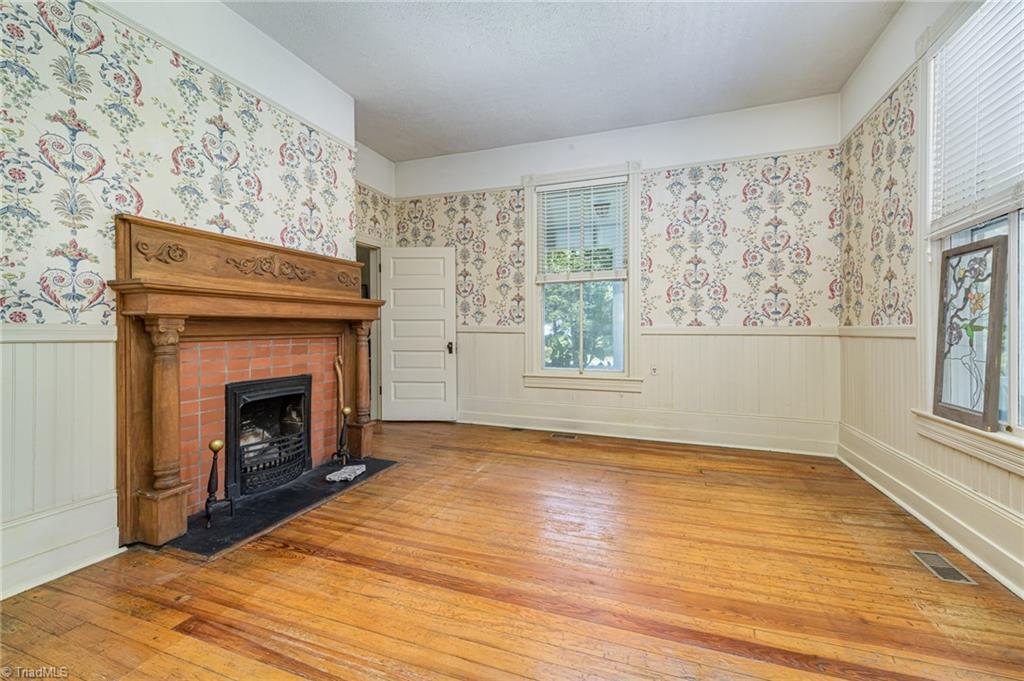

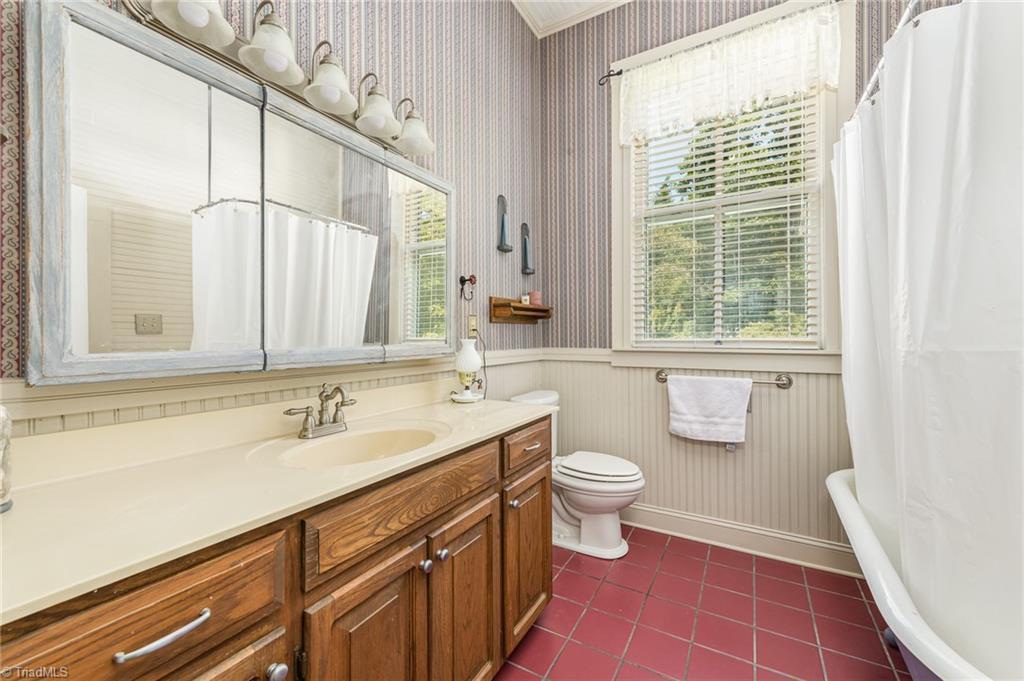

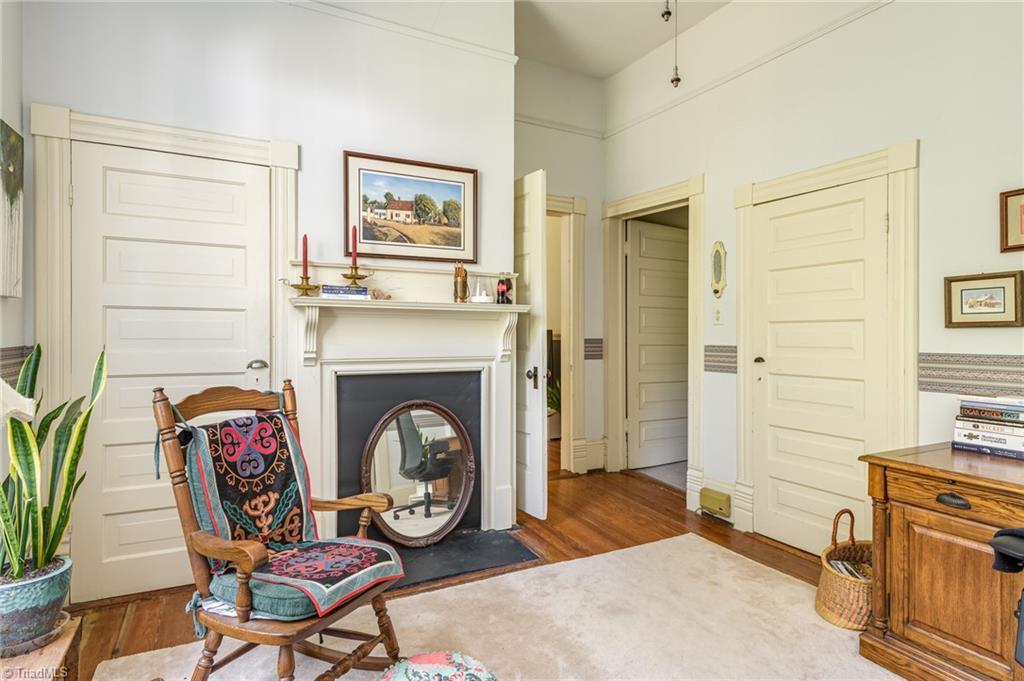
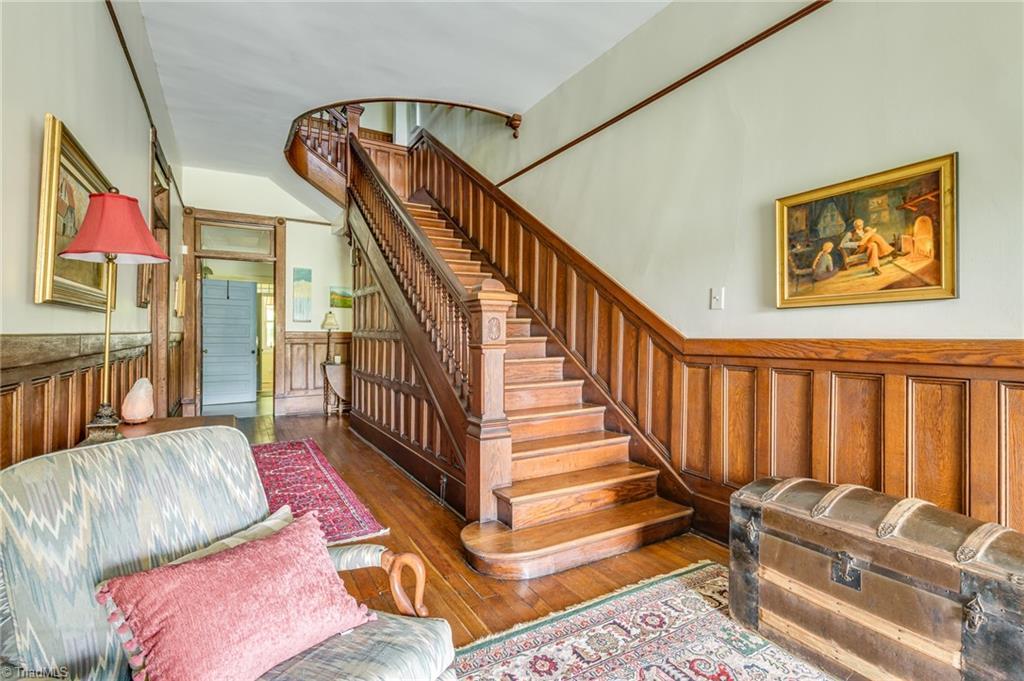
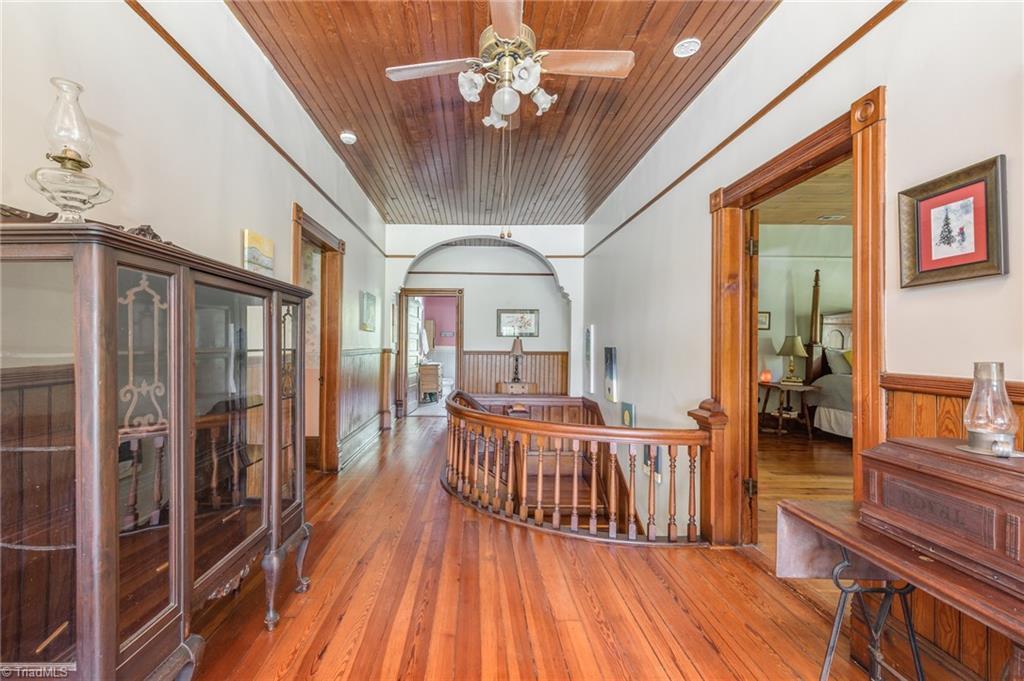
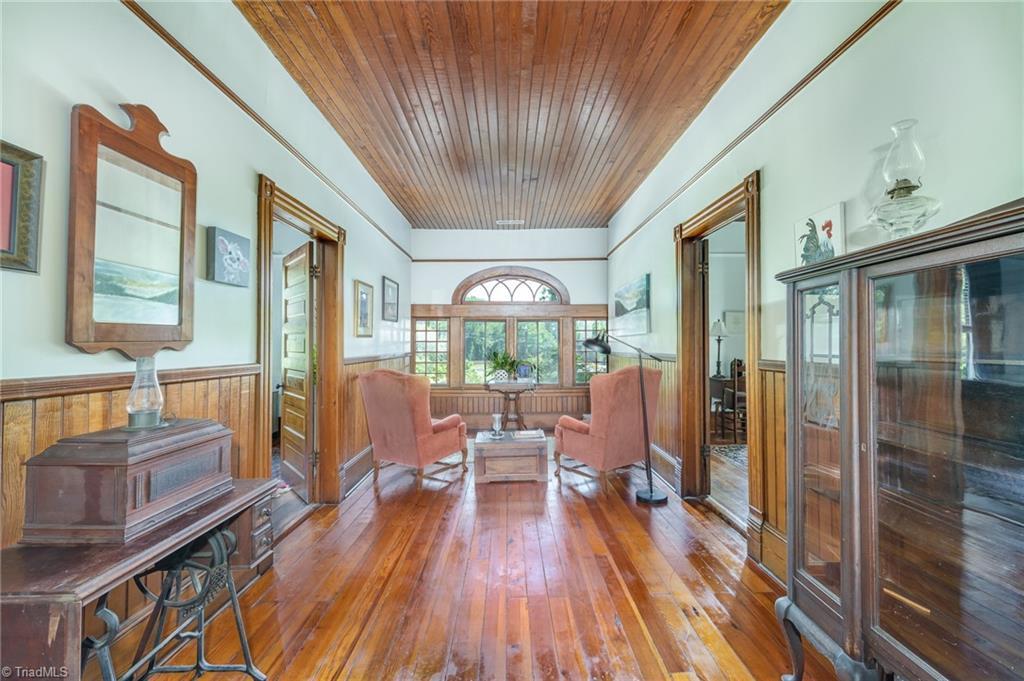
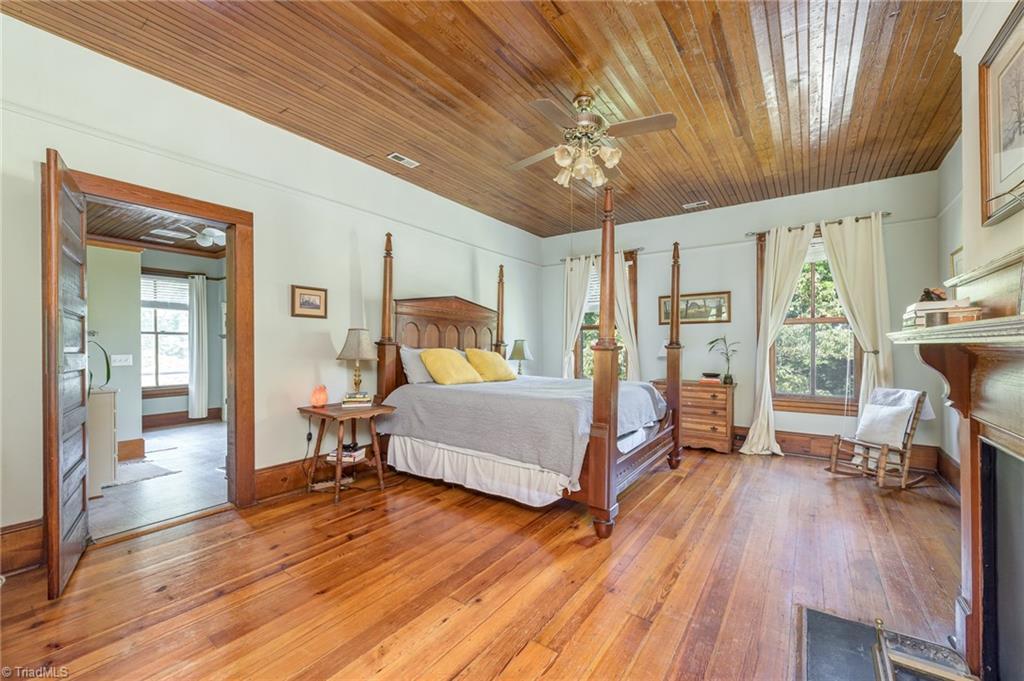


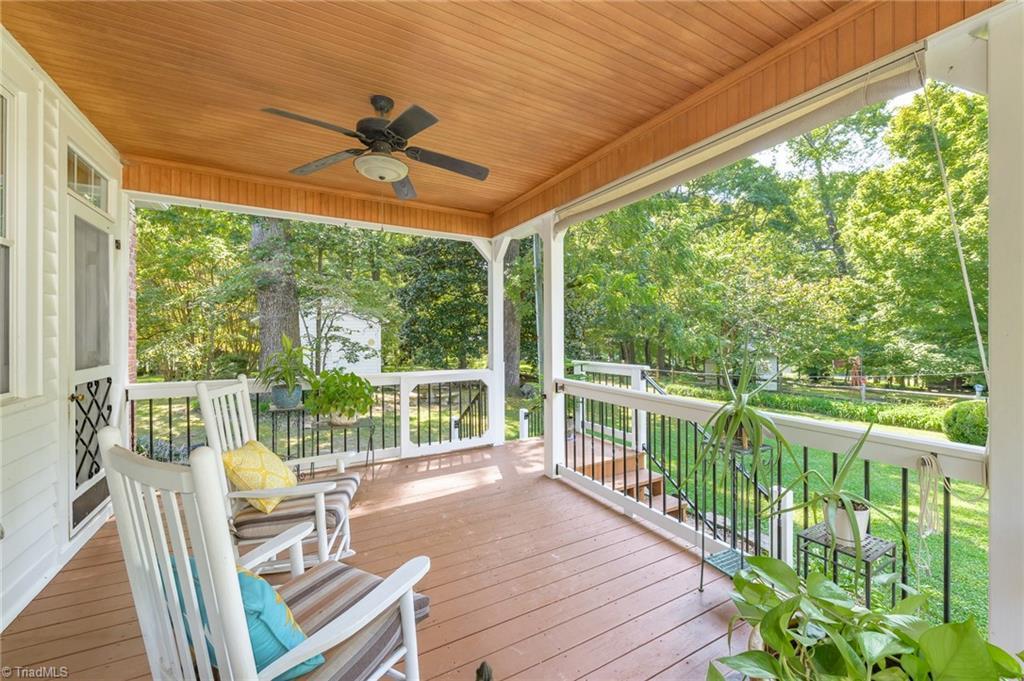


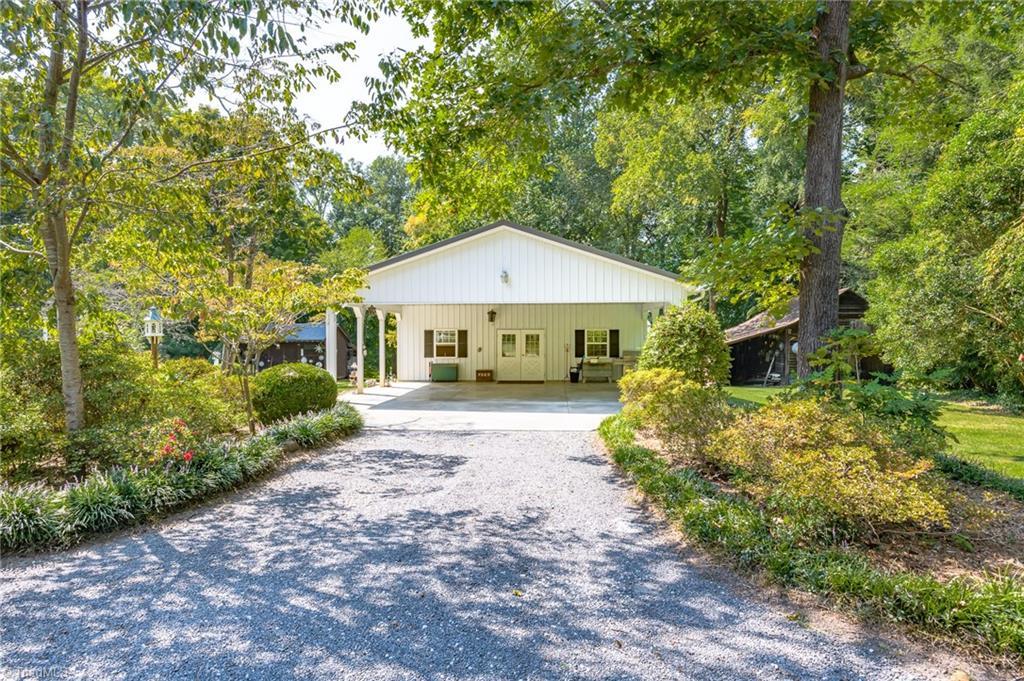

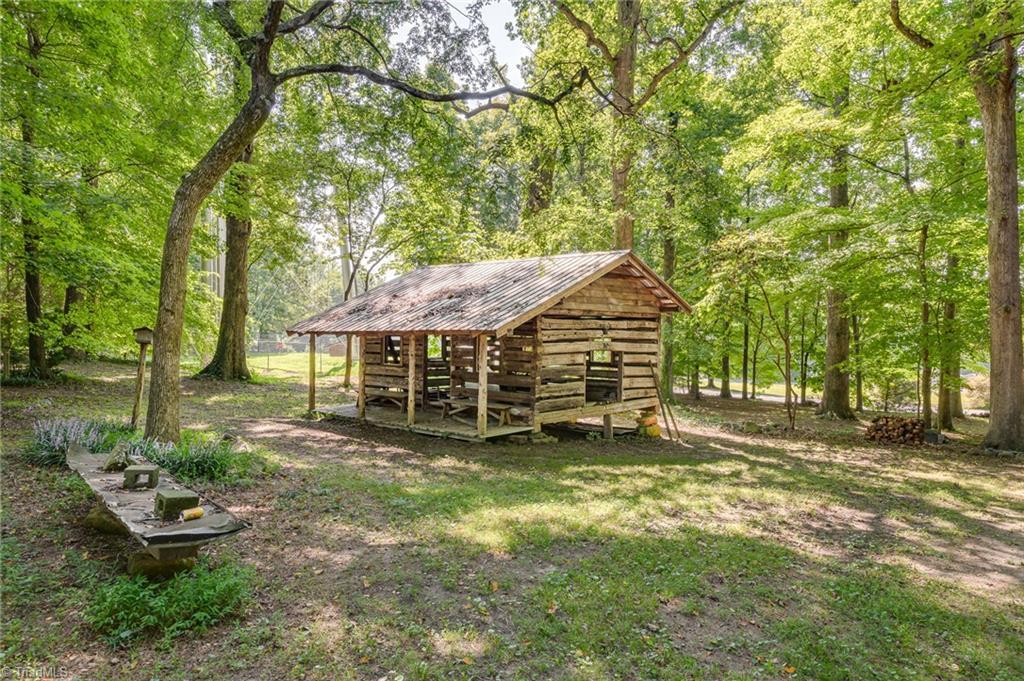


1085 N. Main St, Mocksville, Davie County
The Phillip and Sallie Hanes House
- Sold for $630,000 on May 8, 2025 (originally $925,000)
- 5 bedrooms, 3 bathrooms, 4,384 square feet, 4.57 acres
- Price/square foot: $144
- Built in 1900 (per county records)
- Listed September 4, 2024
- Last sales: $548,000, July 2020; $153,000, June 2012
- Neighborhood: North Main Street Historic District (NR)
- Previous listing: Outbuildings include an office with fireplace dating back to 1861, a barn with loft, and a garage.
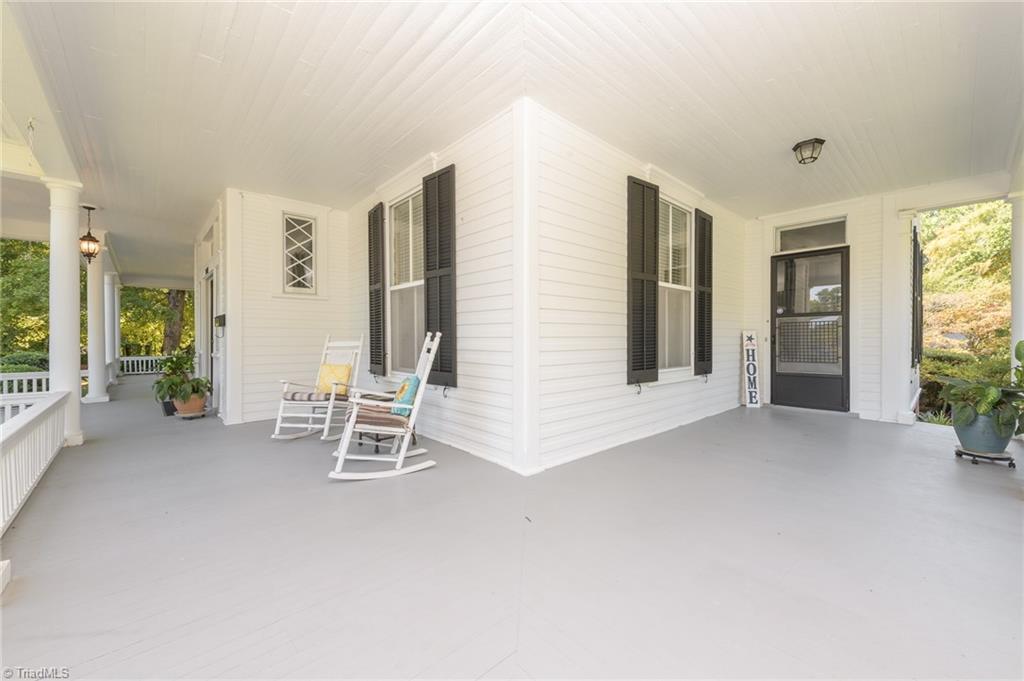
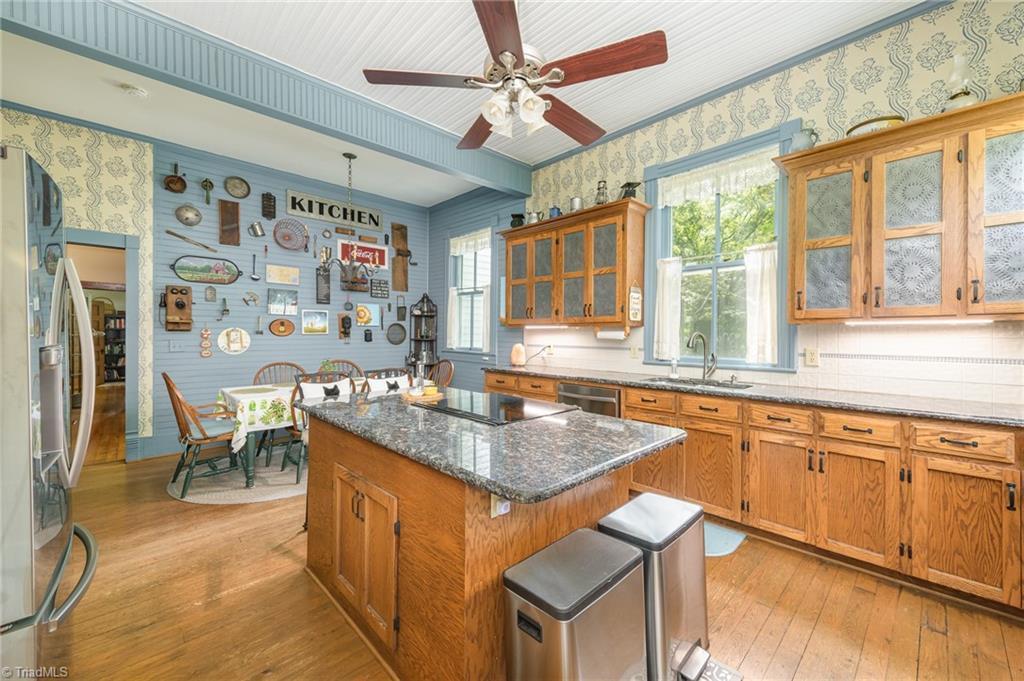
- District NRHP nomination: “… substantial, three-bay, high-hipped frame Classical Revival style house; two-story side pavilions with pedimented gables; u-shaped, hipped porch with Tuscan columns, projecting pedimented bay over steps; slightly-projecting central bay with Palladian window on second level; large, pedimented dormer with hipped shoulders supported by pairs of short columns, flanked by hipped dormers; rear one- and two-story hipped wings; pair of large, corbelled-capped interior chimneys; double front doors with sidelights and transoms; two-over-two sash windows; lunar windows in side gables; louvered blinds; notable Classical Revival interior; built by a contractor named Ford for Philip Hanes (1851-1903) and wife, Sallie Clement Booe Hanes (1857-1927), daughter of Alexander Booe; Hanes was partner in B.F. Hanes Tobacco Company in Winston; Alexander Booe House was pulled down and new house built on site.”
- Phillip’s business partner was a brother, Benjamin Franklin Hanes. Their brothers Pleasant Henderson Hanes and John Wesley Hanes founded their own tobacco company in Winston-Salem. After selling it to R.J. Reynolds, Pleasant and John Wesley each started a mill, which ultimately merged to create the Hanes Corporation.
- Phillip died at age 51 after being kicked by a horse. Sallie lived in the house until her death 24 years later.
- He is identified as “Philip” in some documents (including the National Register nomination quoted above), but his gravestone has his name with two L’s.
655nspring
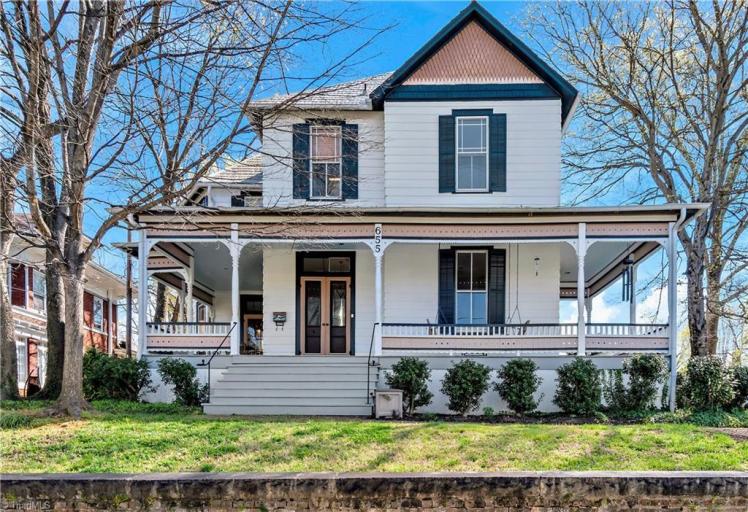
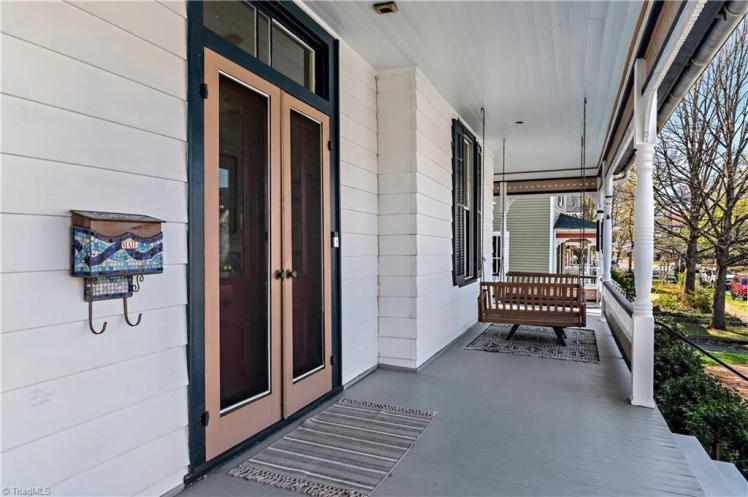
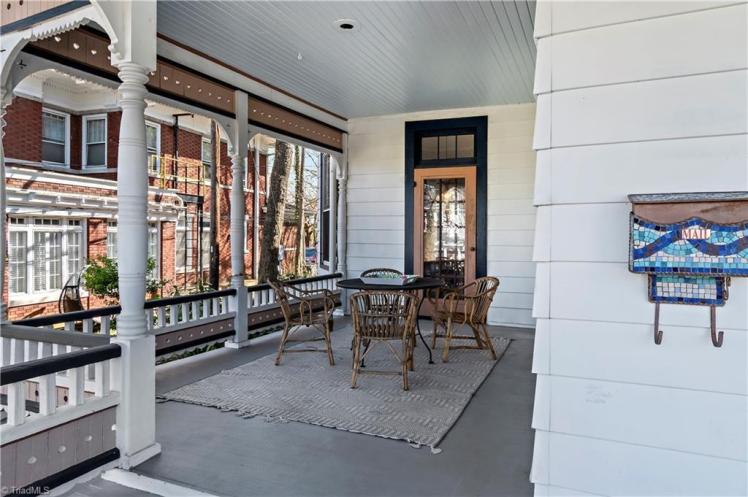

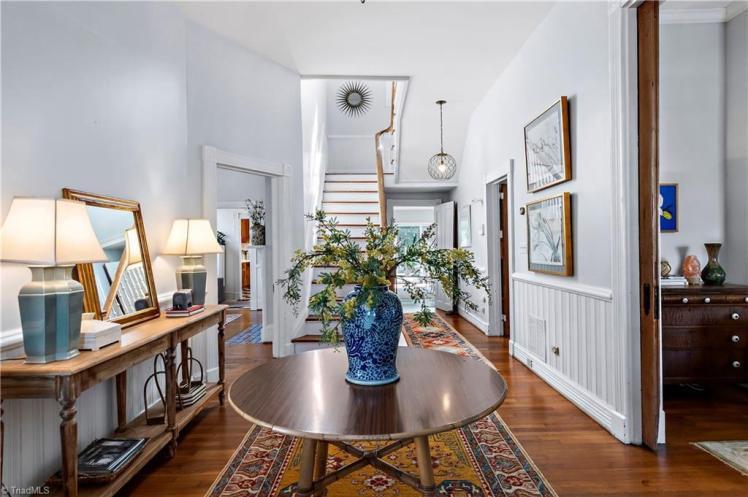


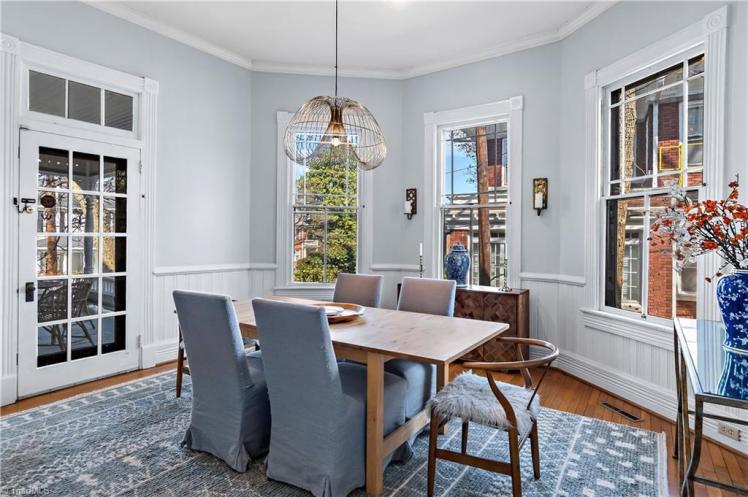


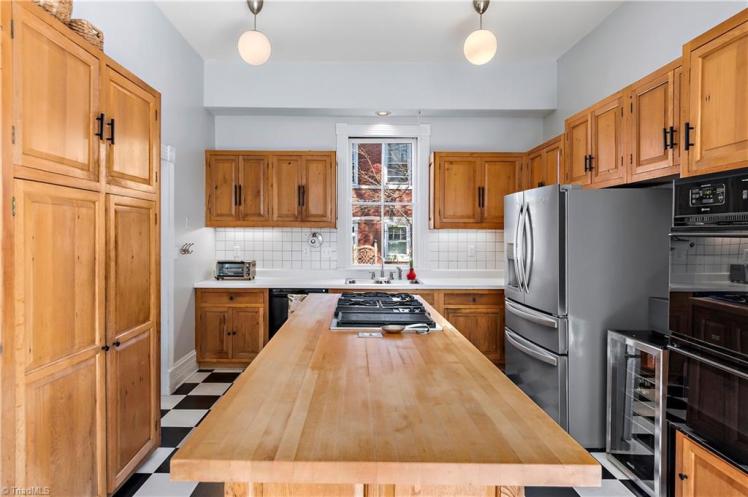


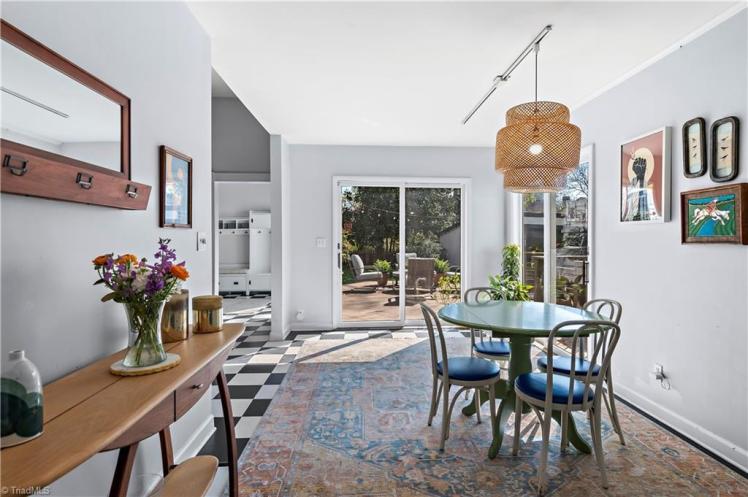
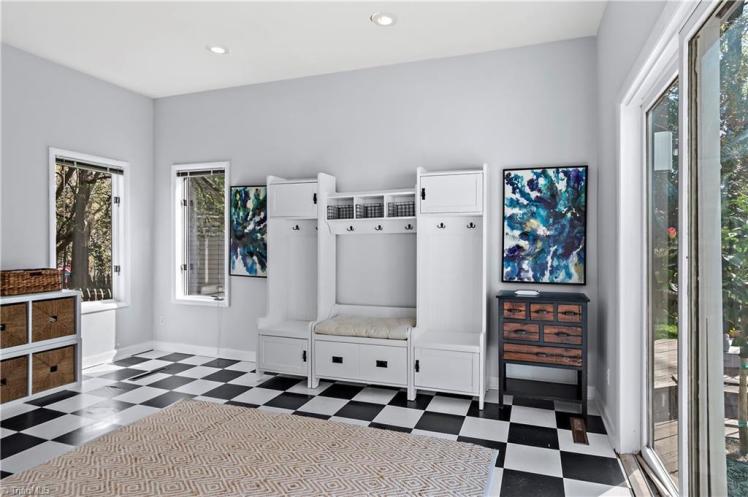
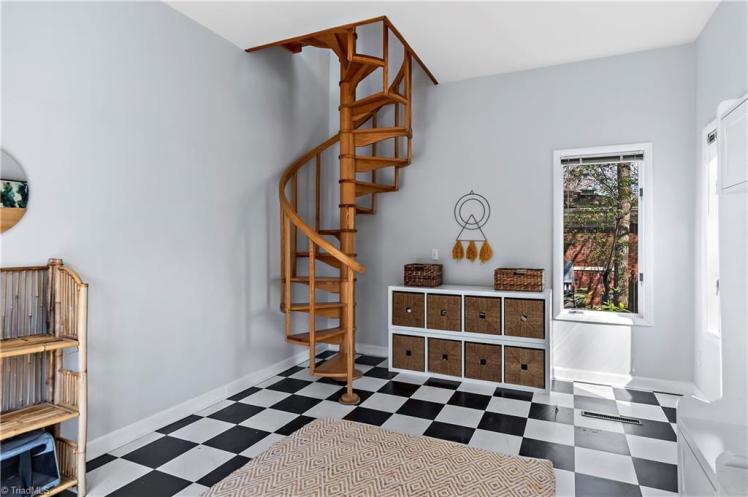

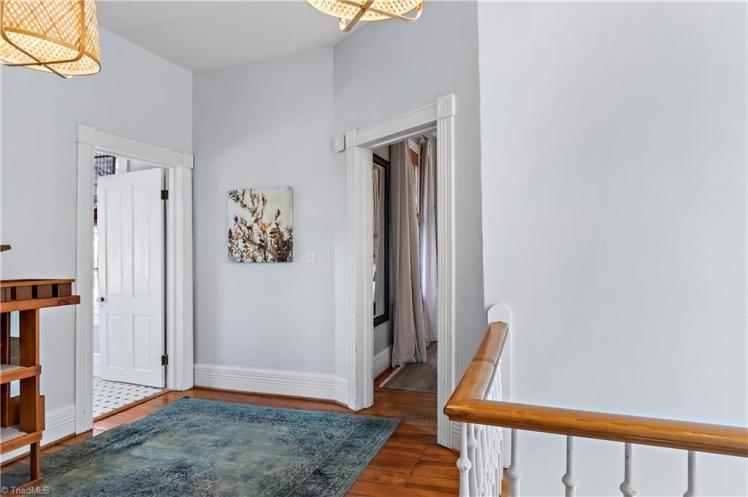





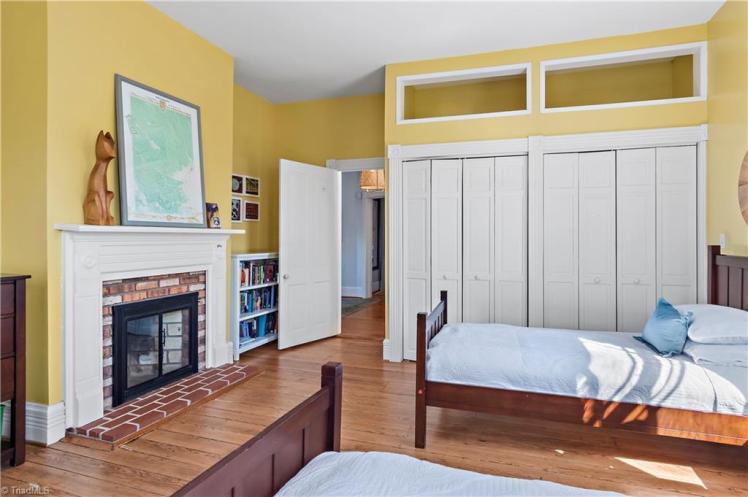


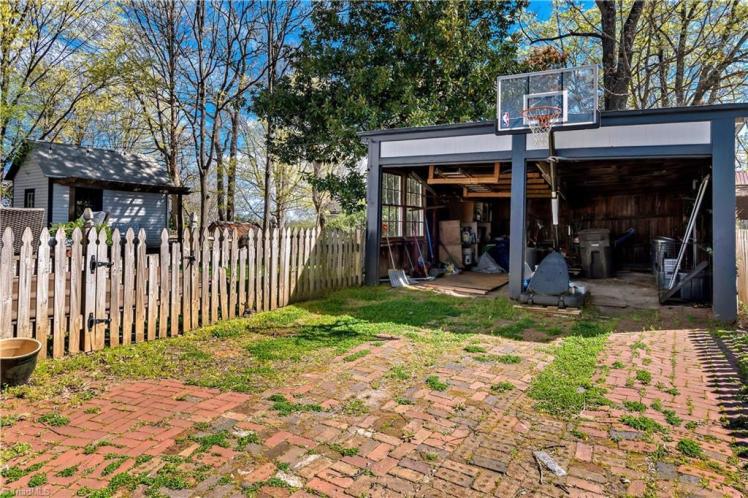
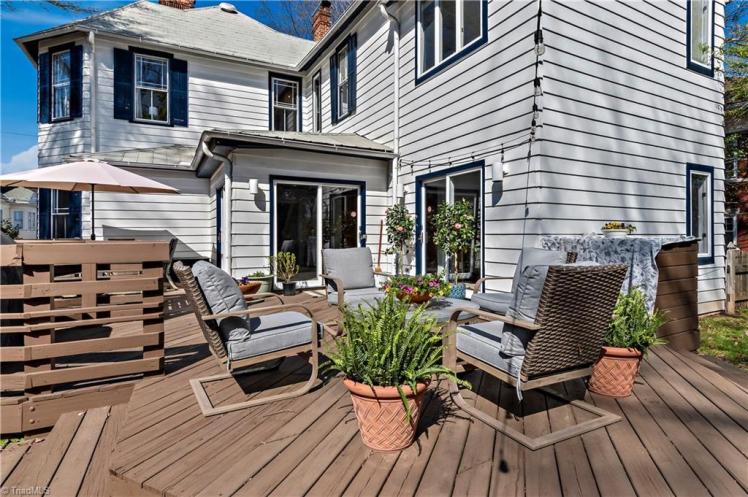
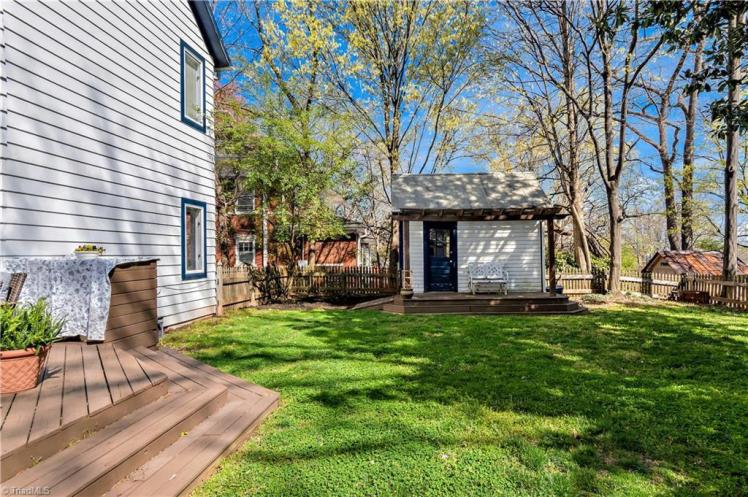


655 N. Spring Street, Winston-Salem
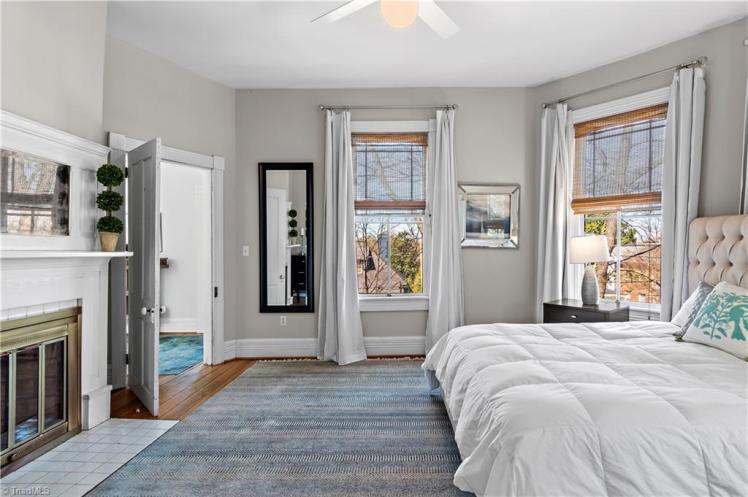
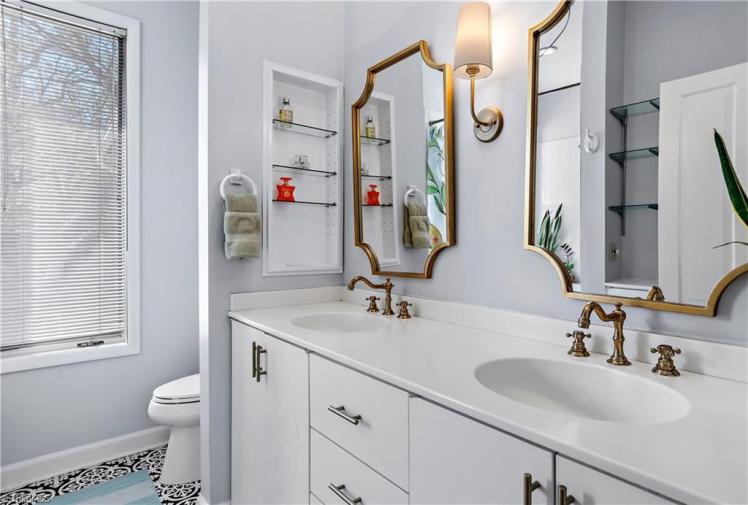
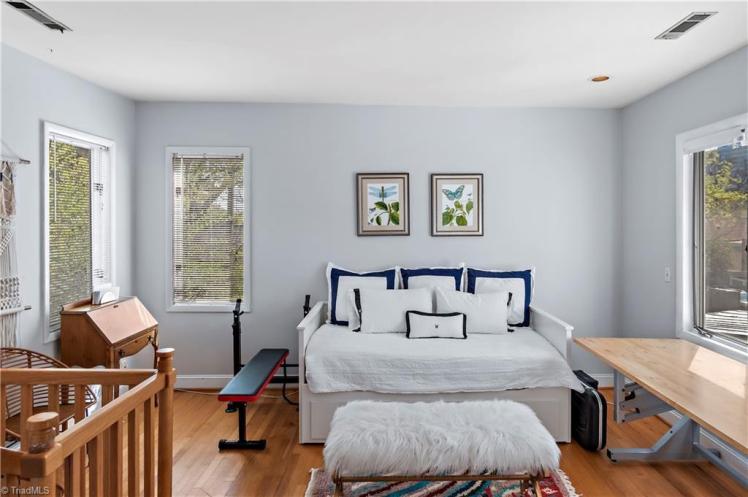
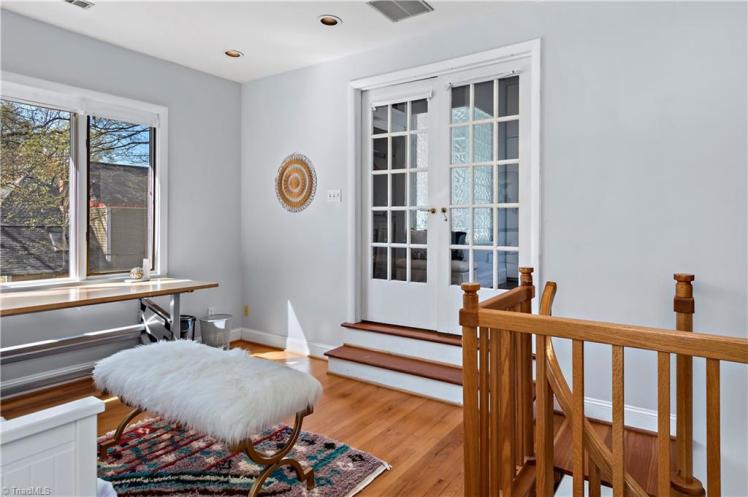
The Webb-Reece House
- Sold for $625,000 on May 6, 2025 (listed at $639,000)
- 3 bedrooms, 3 bathrooms, 3,554 square feet, 0.25 acre
- Price/square foot: $176
- Built in 1890
- Listed April 4, 2025
- Last sale: $405,000, May 2019
- Neighborhood: West End Historic District (local and NR)
- District NR nomination: “The Hebb-Reece House is one of the largest of the Queen Anne houses in this section of the the West End. The two-story frame dwelling of irregular configuration has a projecting octagonal bay on each side; a hipped, gabled, and polygonal roof (with a decoratively shingled front gable); and a large wrap-around porch with turned posts and sawnwork brackets, frieze, and balustrade.
- “A handsome brick retaining wall with a granite cap separates the front yard from the sidewalk.
- “During the third quarter of [the twentieth] century the house was sheathed with aluminum siding, and at some unknown date the rear porch was enclosed. Neither of these changes has detracted significantly from the architectural integrity of the house.
- “Garland E. Webb, of the firm of Webb and Kronheimer, publishers of the Southern Tobacco Journal, was the original owner. He and his wife, Addie, lived in the house from ca. 1893 to 1920, when Risden P. Reece purchased the property. Reece was assistant chief engineer at R.J. Reynolds Tobacco Co., and his family occupied the house until selling it … in 1977.”
312maple


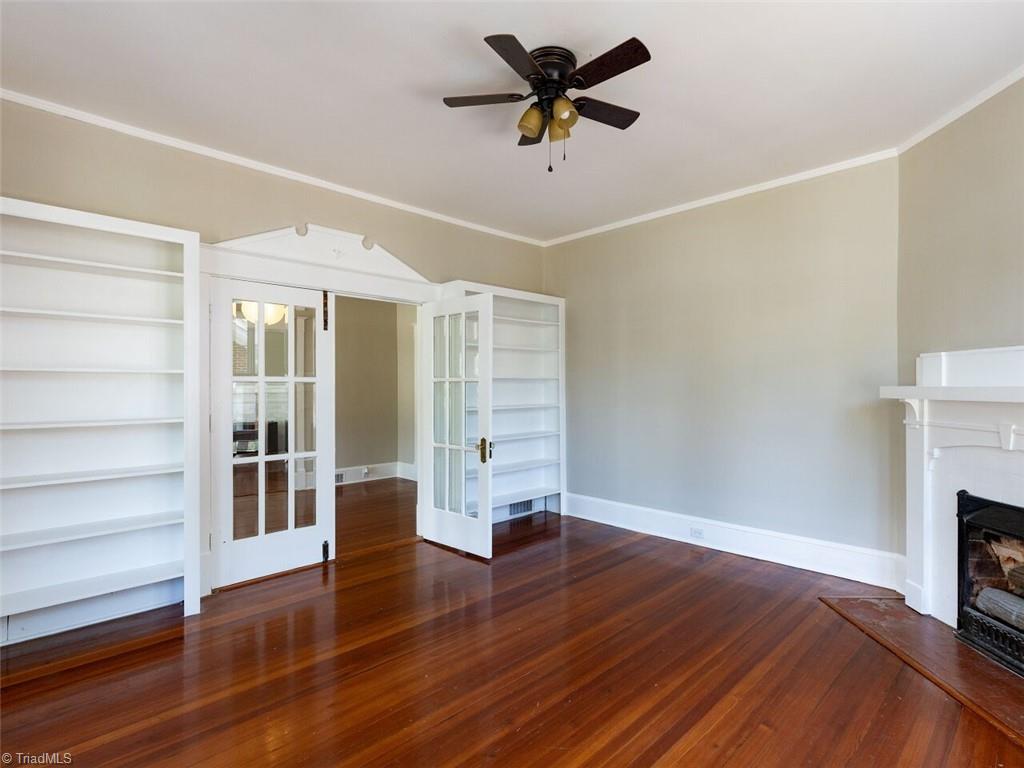


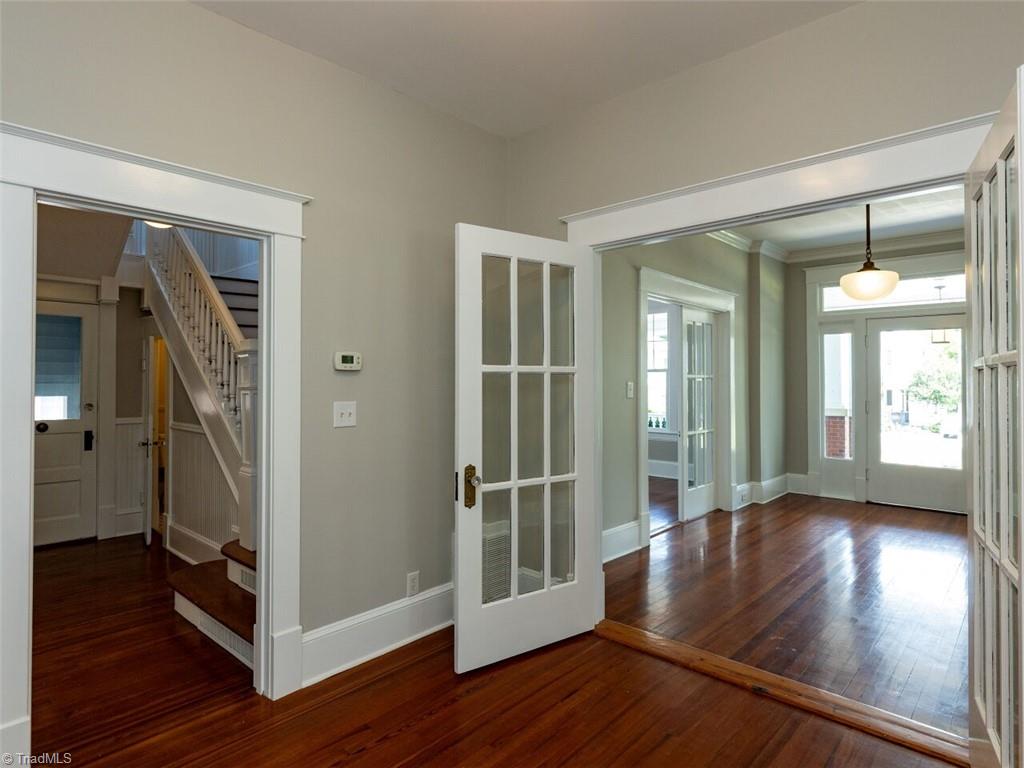


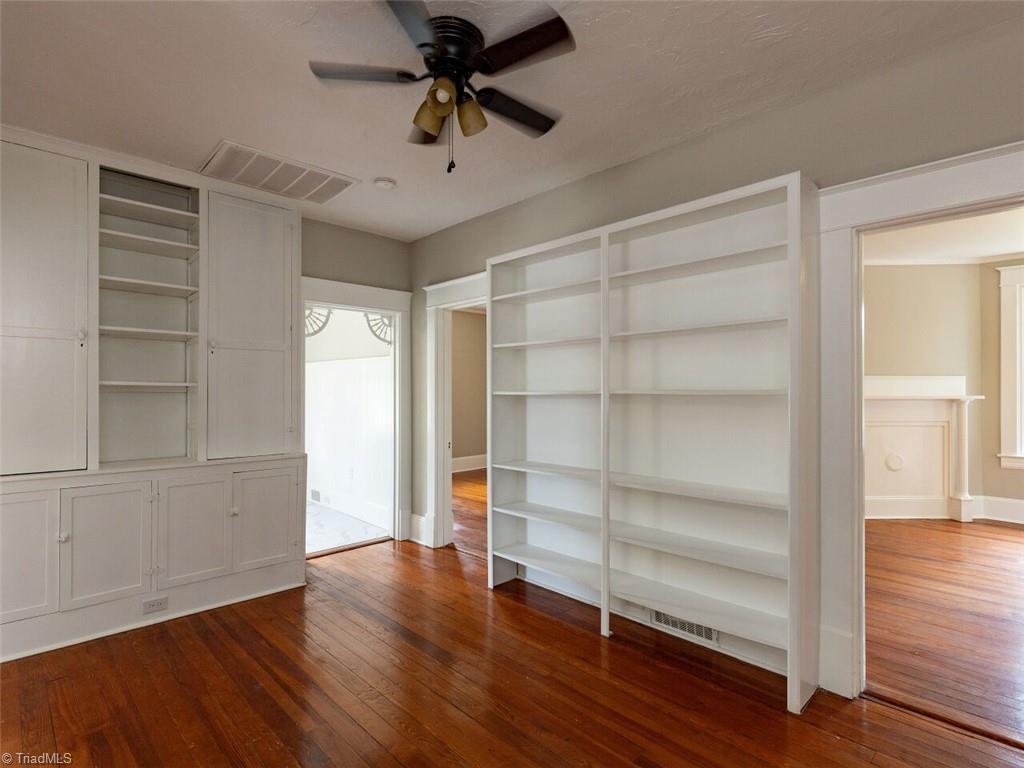


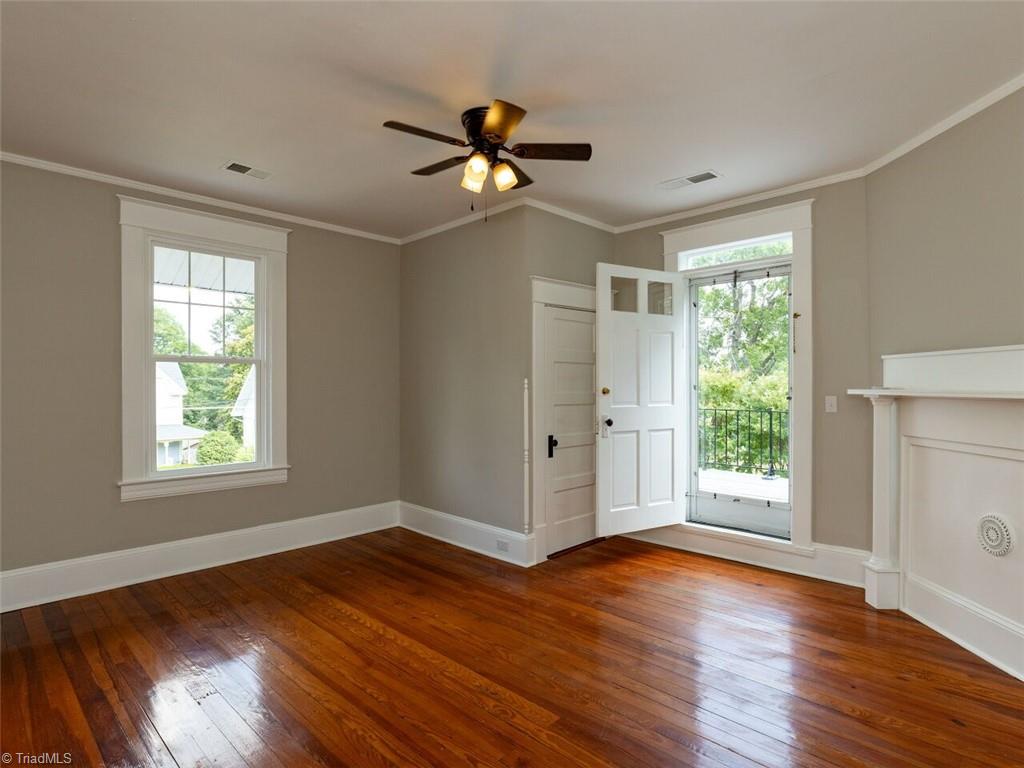

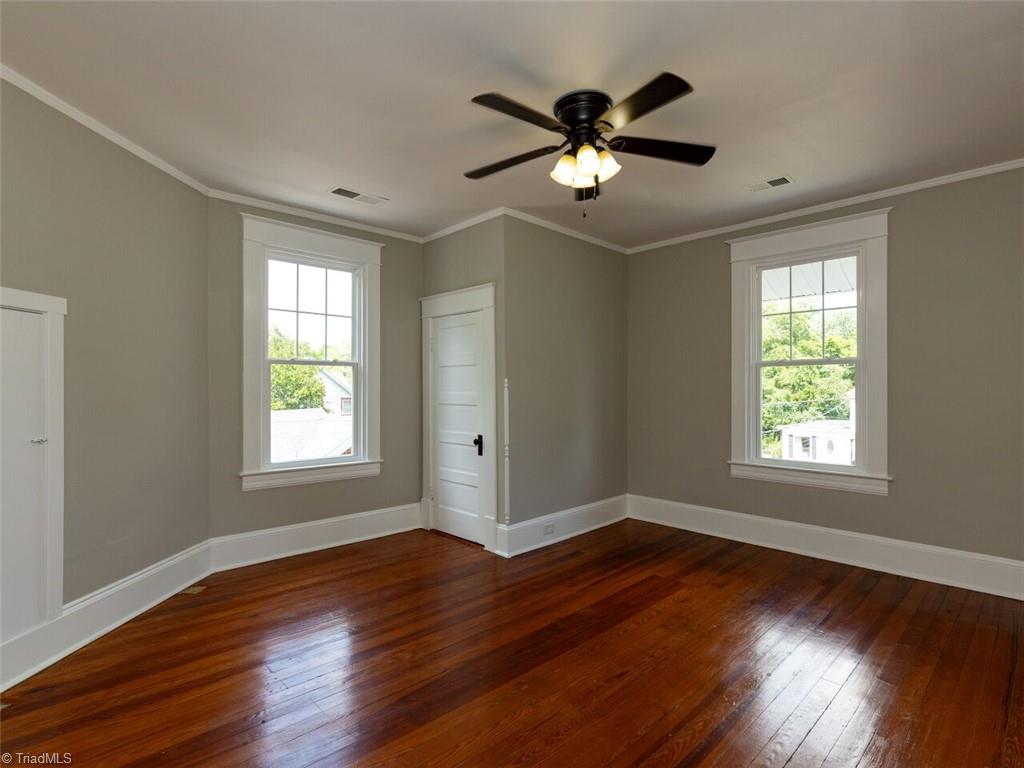

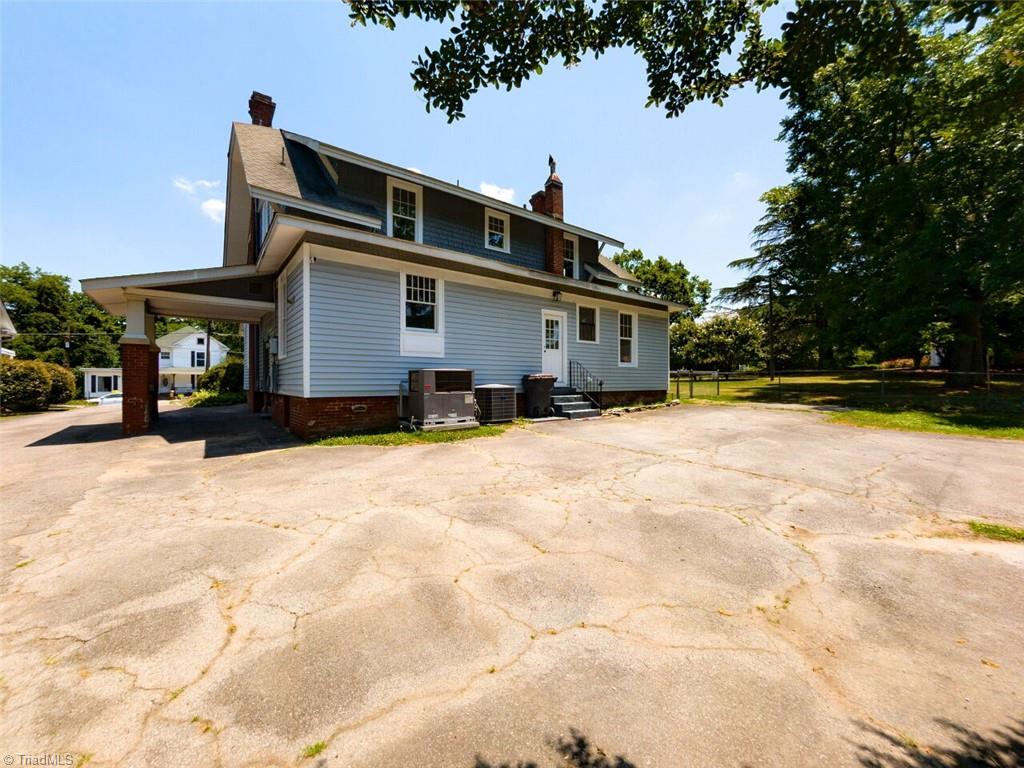
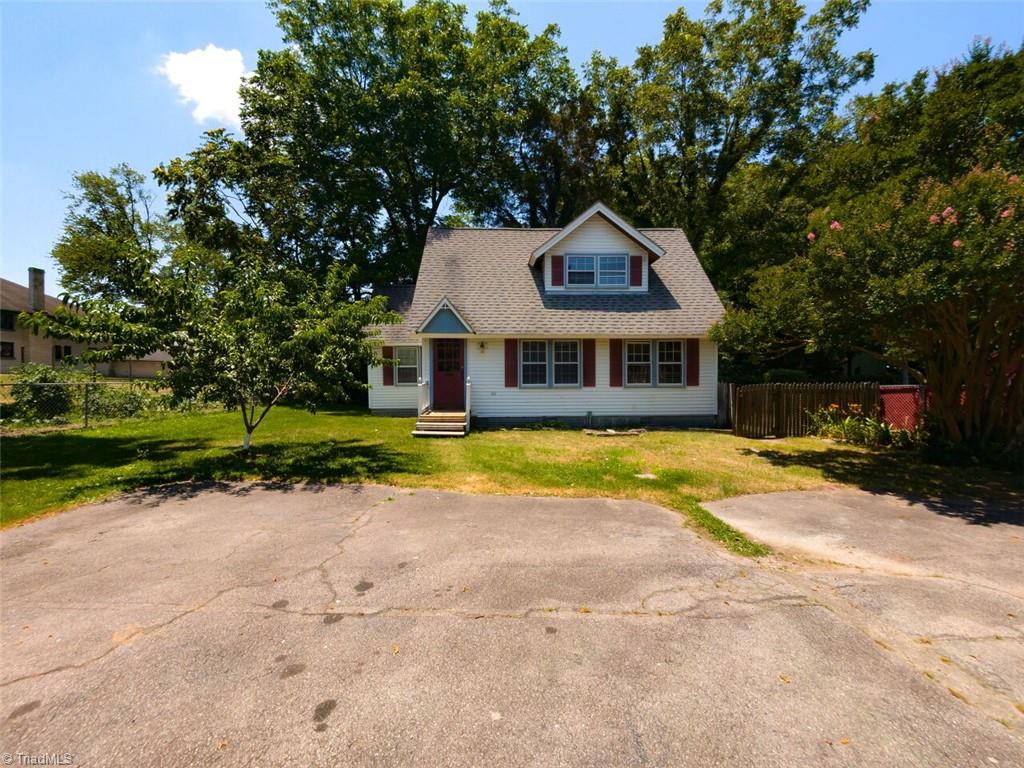


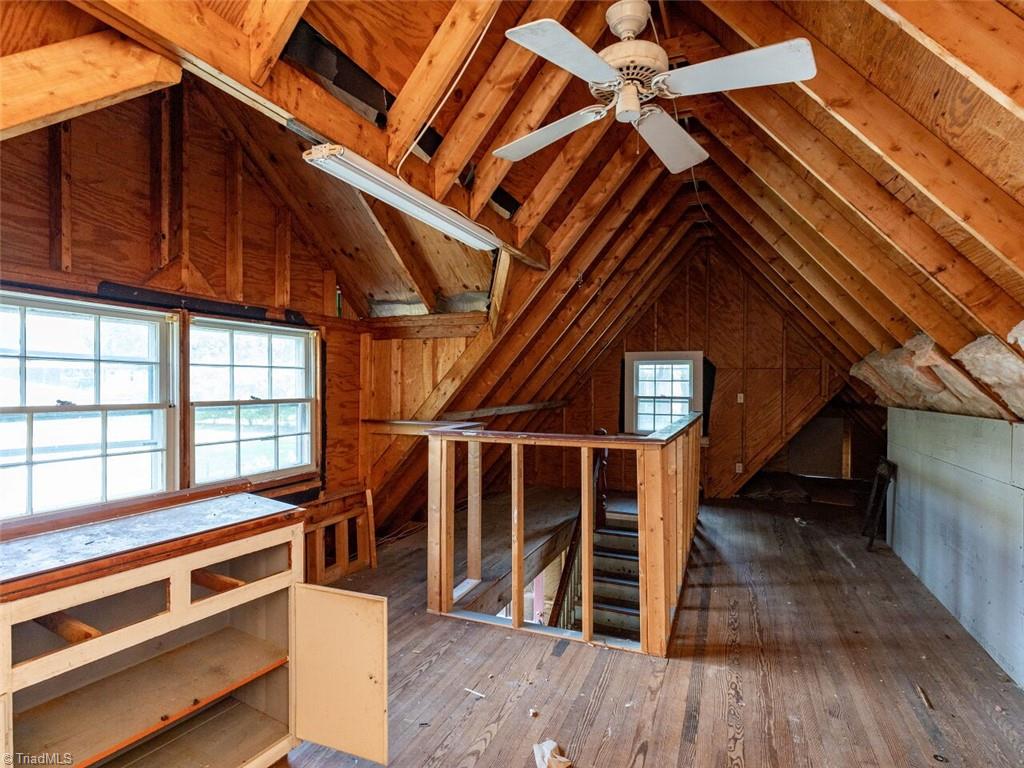
312 Maple Avenue, Reidsville, Rockingham County
- Sold for $350,000 on April 30, 2025 (originally $449,900)
- 3 bedrooms, 4 bathrooms (see note), 3,192 square feet, 0.30 acre
- Price/square foot: $110
- Built in 1918
- Listed June 28, 2024
- Last sales: $203,000 on March 2024; $210,622, December 2023
- Neighborhood: Old Post Road Historic District (local), Reidsville Historic District (NR)
- Something you don’t see everyday: The house has “a secret entrance to the attic in an upstairs room” (according to a previous listing).
- Note: Three-month turn-around on flipping this house.
- Previous listings have shown 4 bedrooms and 3 bathrooms.
- Next door is the Penn House, a National Register mansion now owned by the city and operated as a wedding and event venue.
- The listing says the property includes “a huge studio/workshop” behind the house. It looks like a second house with an unfinished interior and no kitchen or bathrooms.
- District NR nomination: “At the same time that the classical revival styles were enjoying popularity in Reidsville and elsewhere, the less formal bungalow became a dominant house form, with the craftsman style being the prevailing fashion. some of its elements were grafted onto other forms, particularly the four-square, many examples of which have porches very similar to those frequently found on bungalows. In its various guises, the bungalow was built for professionals, merchants, foreman at local industrial plants, as well as members of the blue-collar community.
- “Two of the finest examples of the bungalow in Reidsville are located on Maple Avenue and were built at about the same time. Constructed in 1917 for attorney and Recorders Court Judge Ira R. Humphreys, the house at 312 Maple Avenue has a clipped gable roof, wide shed dormer, a shed-roofed porch supported by tapered wooden posts on brick piers, and wood shingle siding in the gable ends. …
- “[T]his handsome one and one-half story frame bungalow was an attractive addition to the landscape as a somewhat unusual example of the style. Set on a well-shaded, elevated lot with a stone retaining wall, the house features a clipped gable side roof, a wide shed dormer with exposed rafter ends and a smaller shed attic dormer layered above.
- “A one-story, attached, shed-roofed porch with tapered posts on brick piers and a turned balustrade spans the three-bay facade, paired ten over one windows flanking the entrance, which has beveled sidelights and transom.
- “Interior end chimneys on the north and south elevations have exposed faces. A bay window on the south elevation and a porte cochere on the north complete the house, whose only exterior change has been the application of aluminum siding [now vinyl] on the first floor, leaving the wood shingle gable ends intact.”
111npoplar
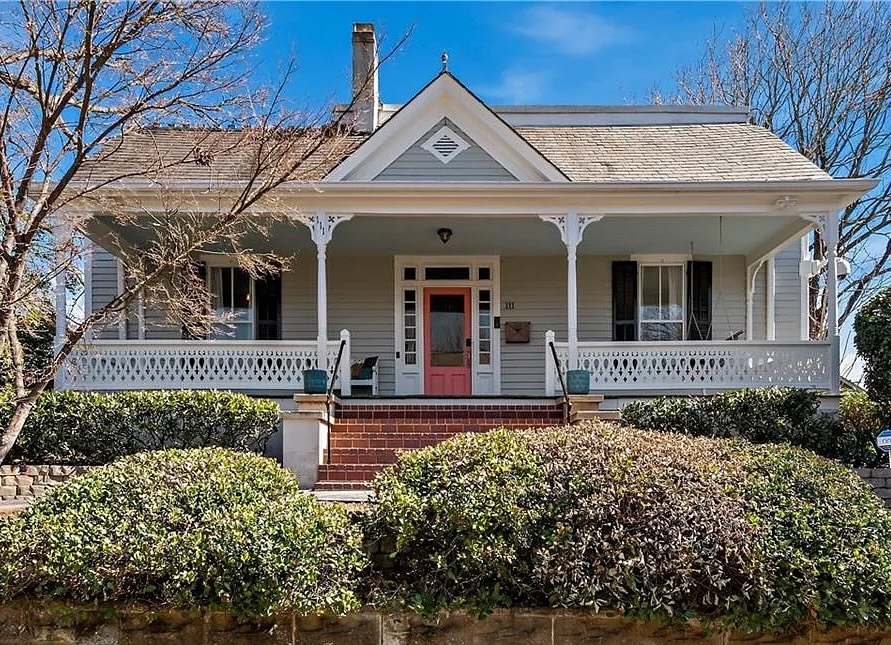
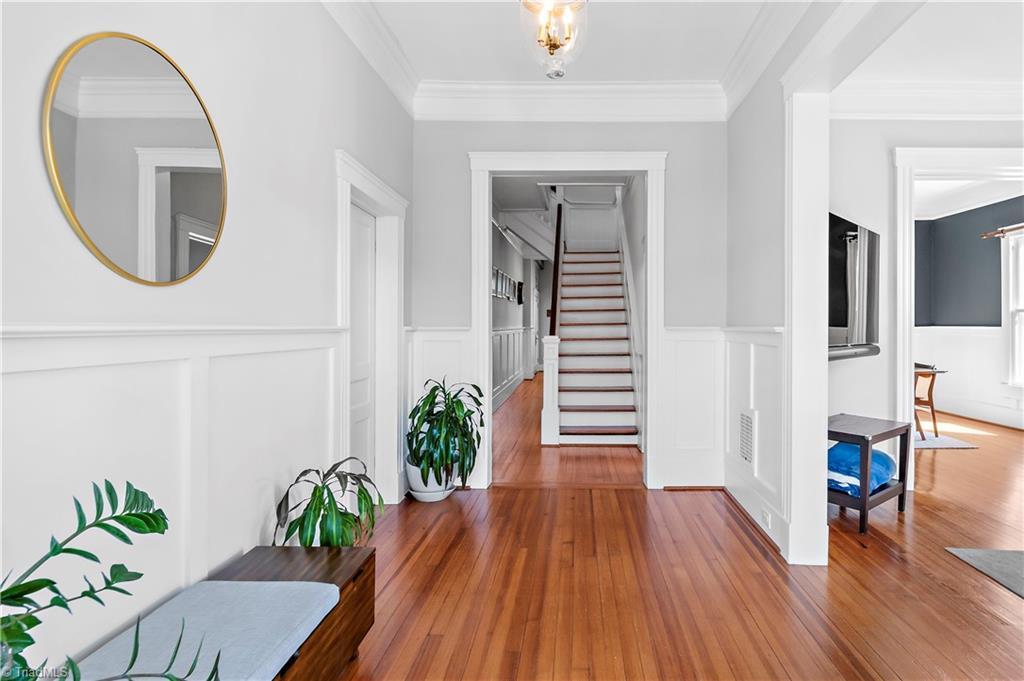
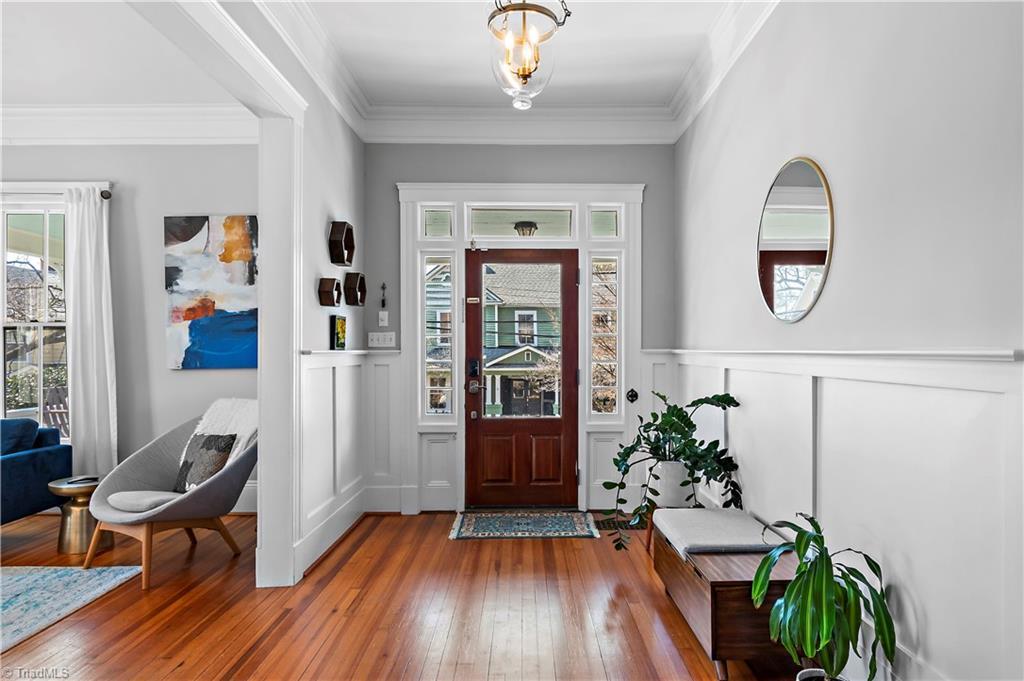

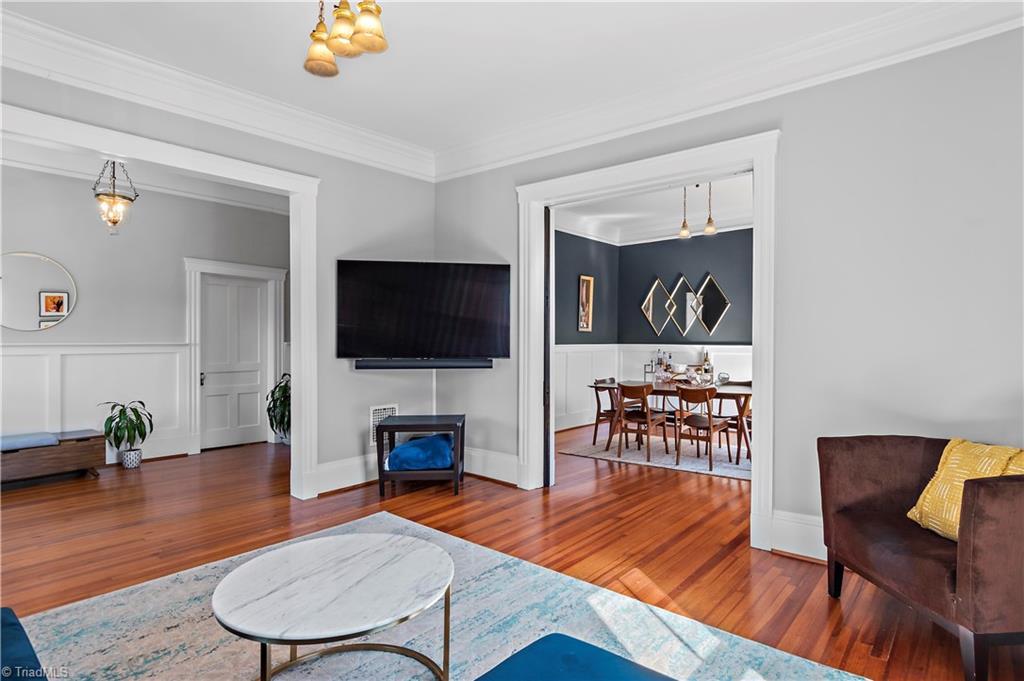




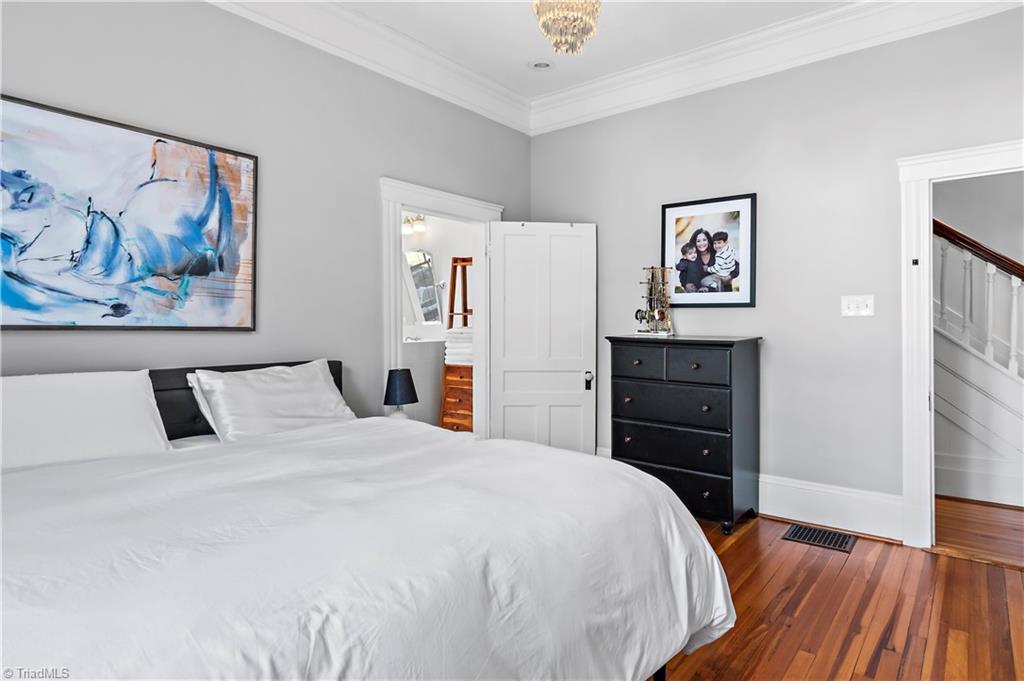
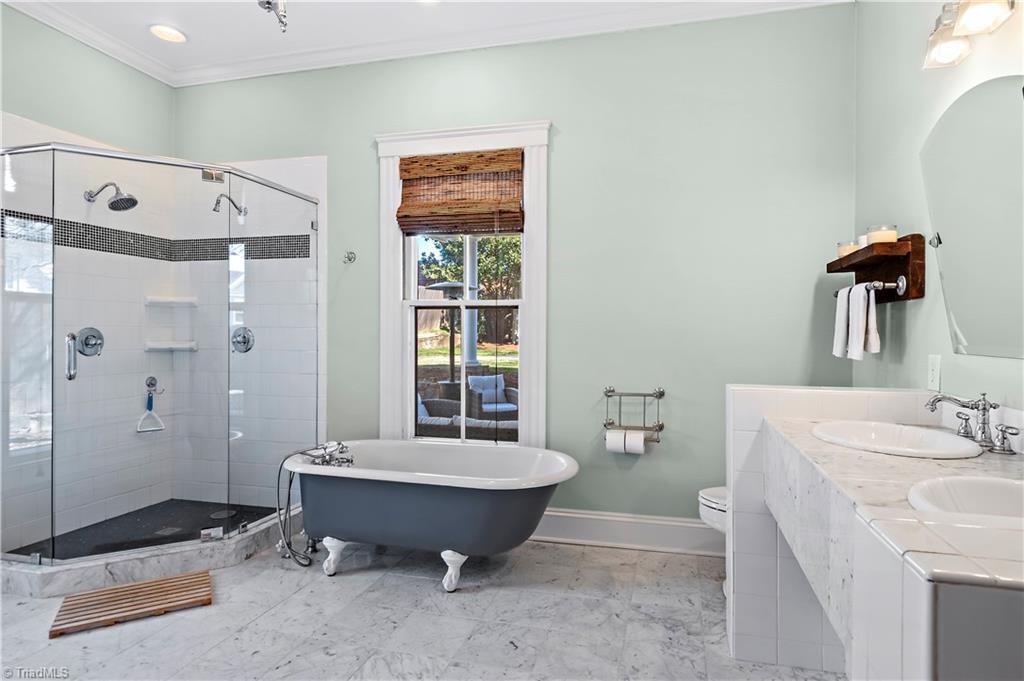

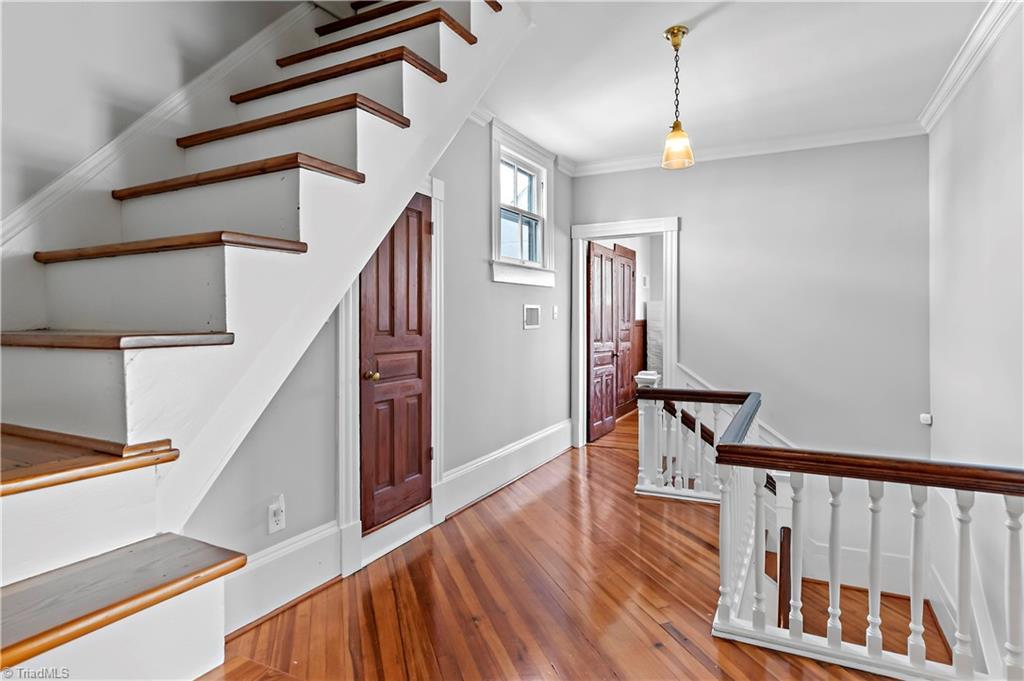
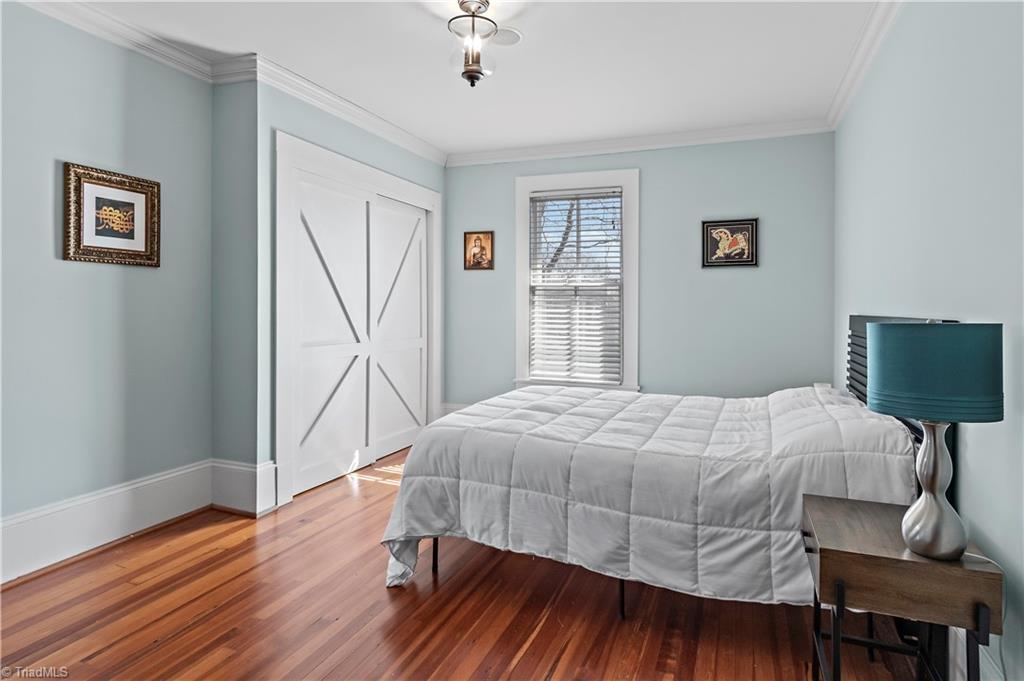
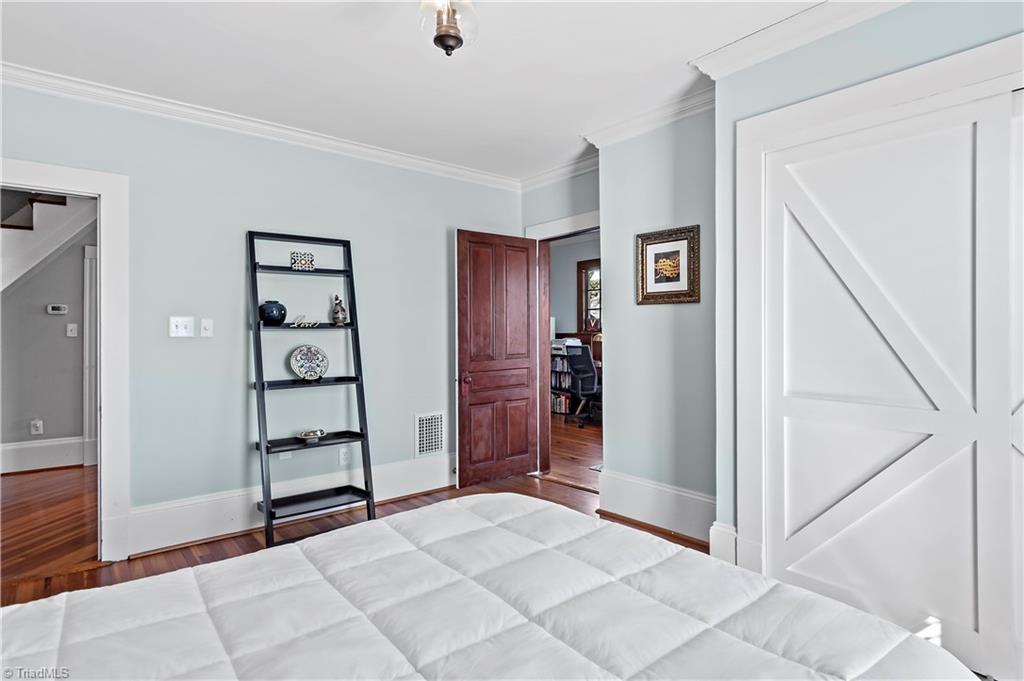
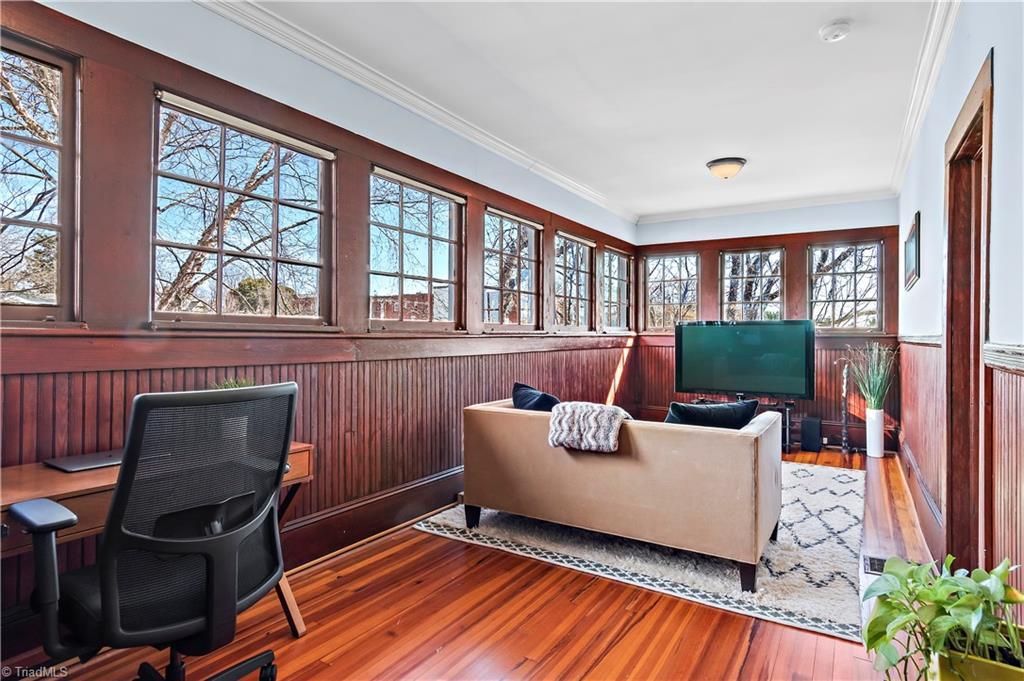


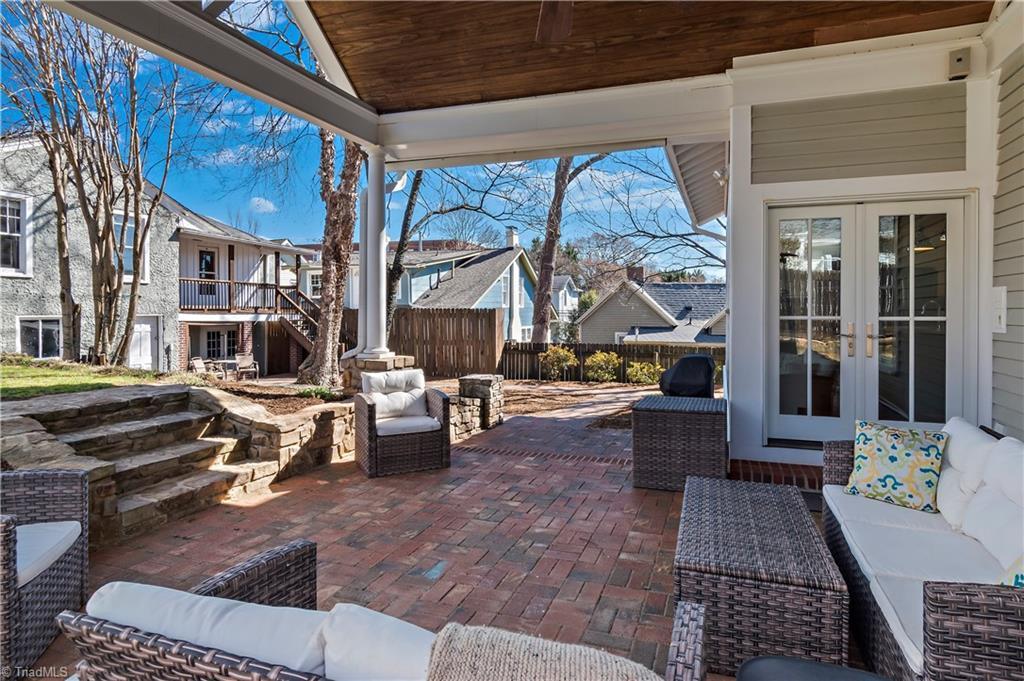

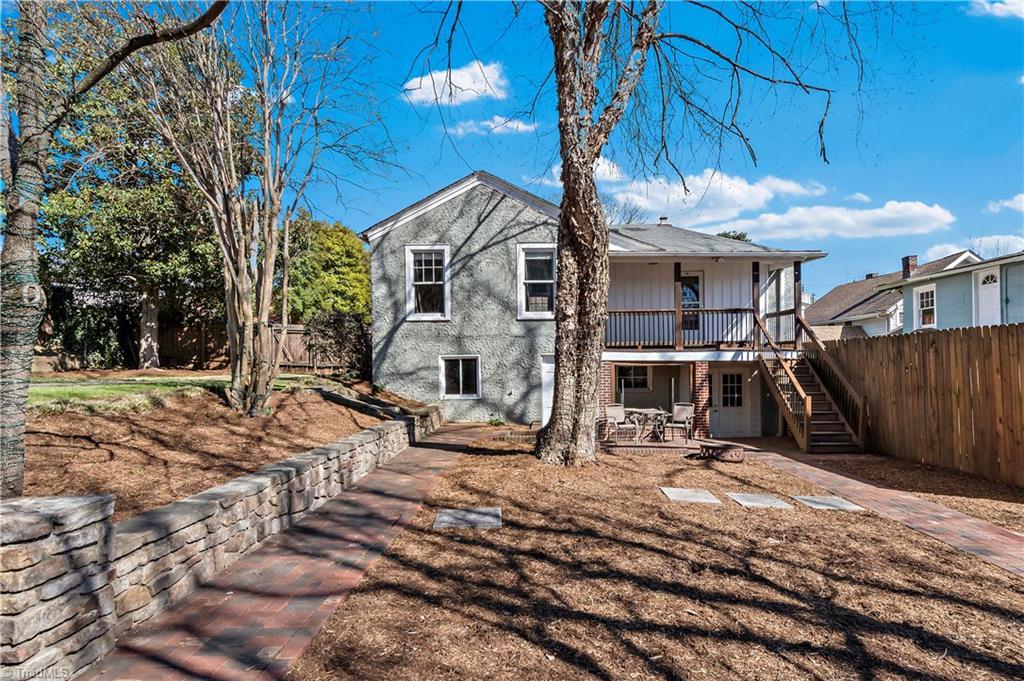

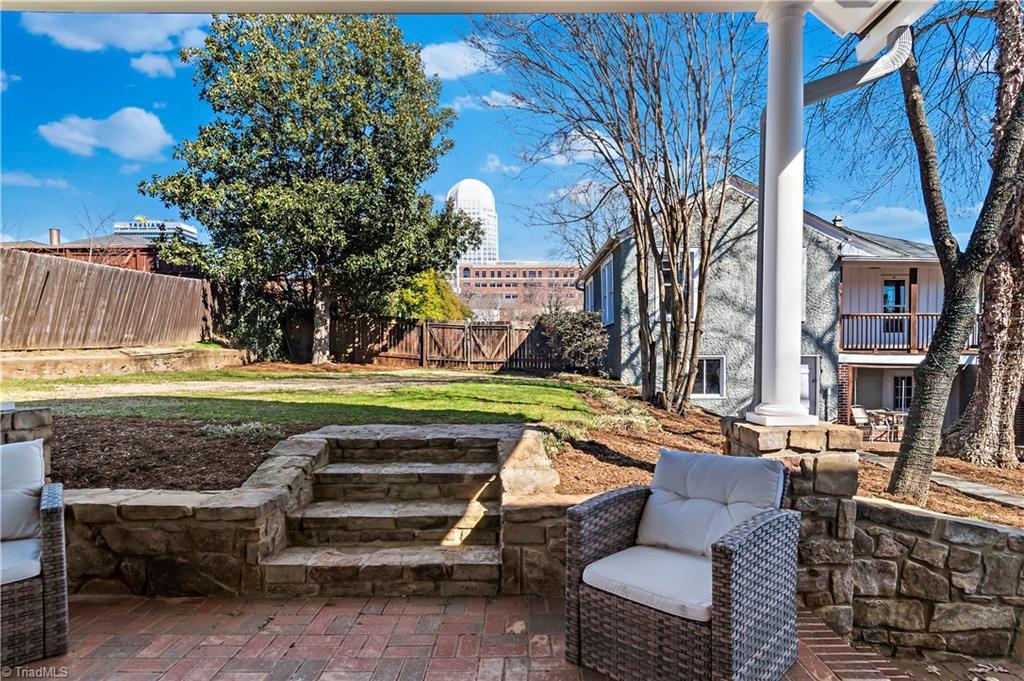


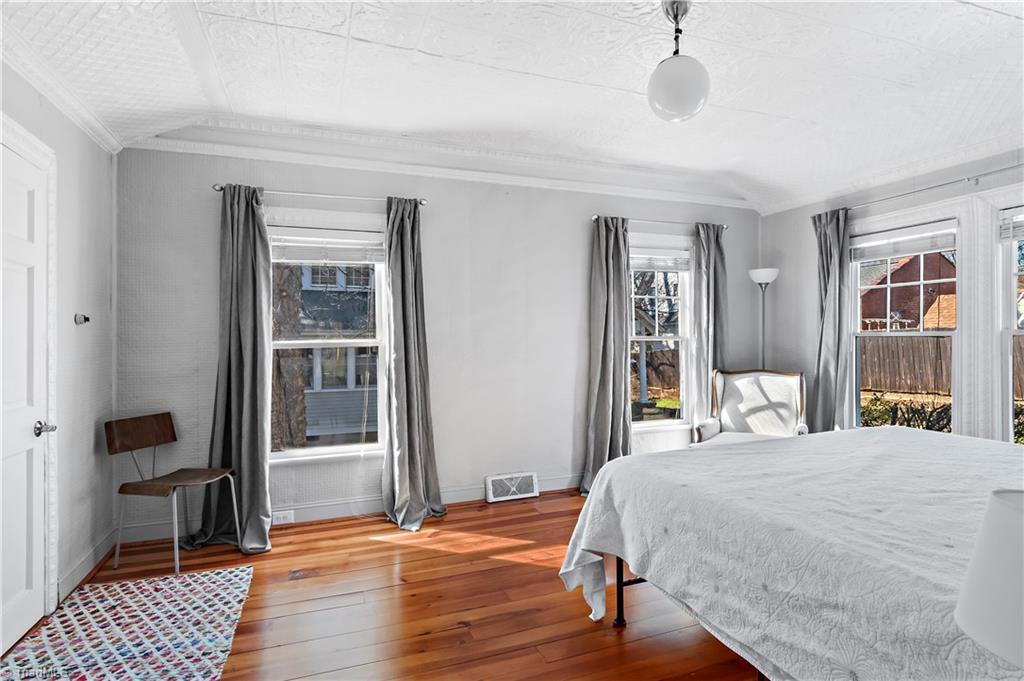
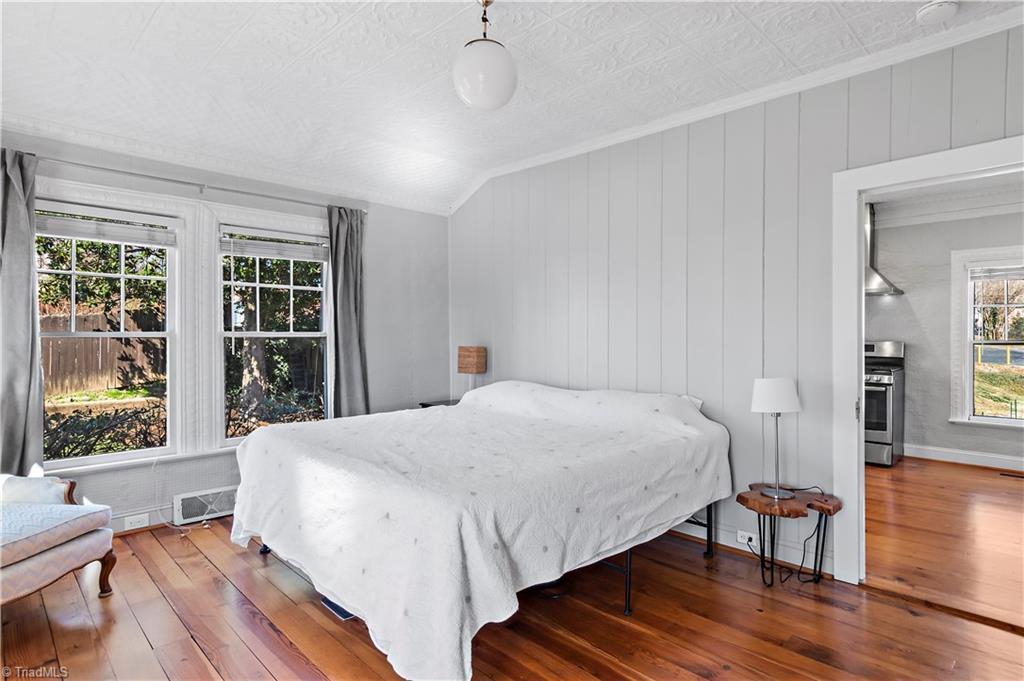
111 N. Poplar Street, Winston-Salem
The Peter and Ella Blum House
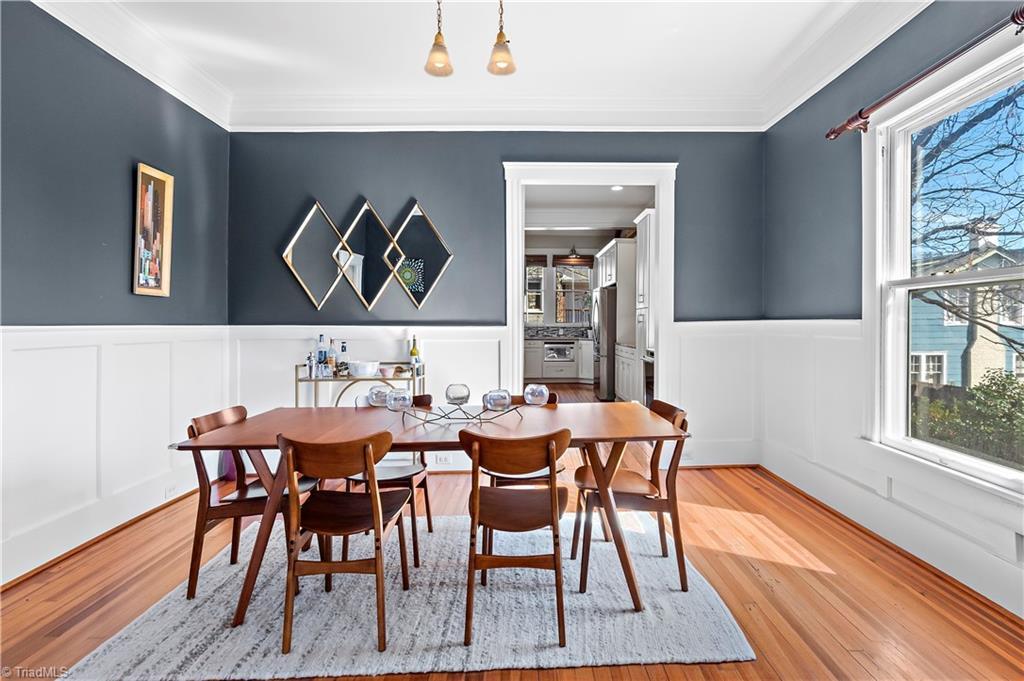
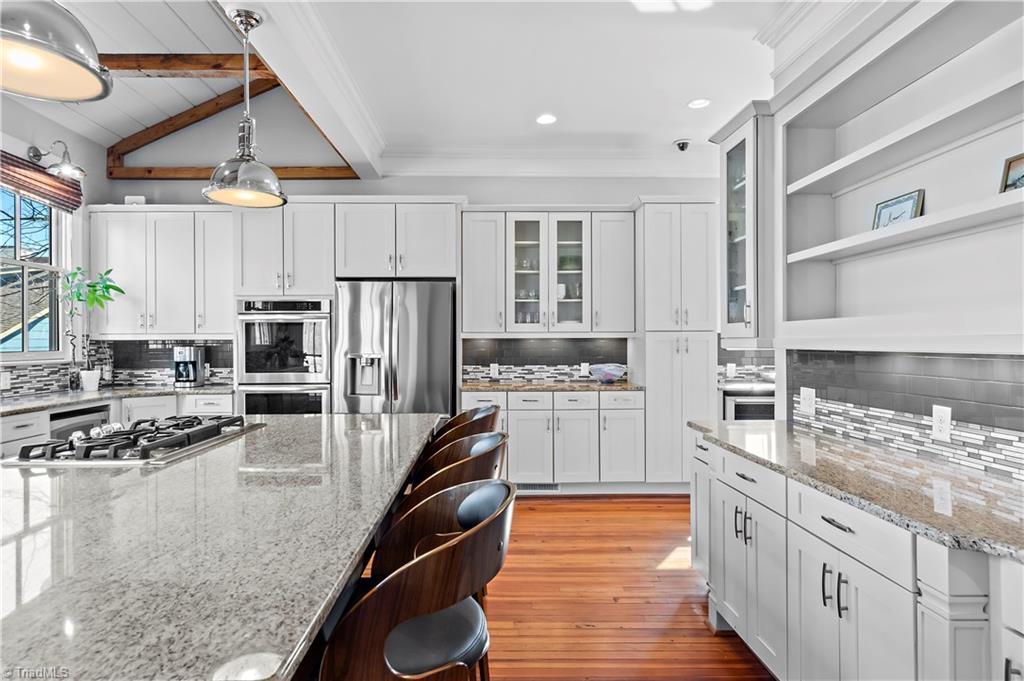
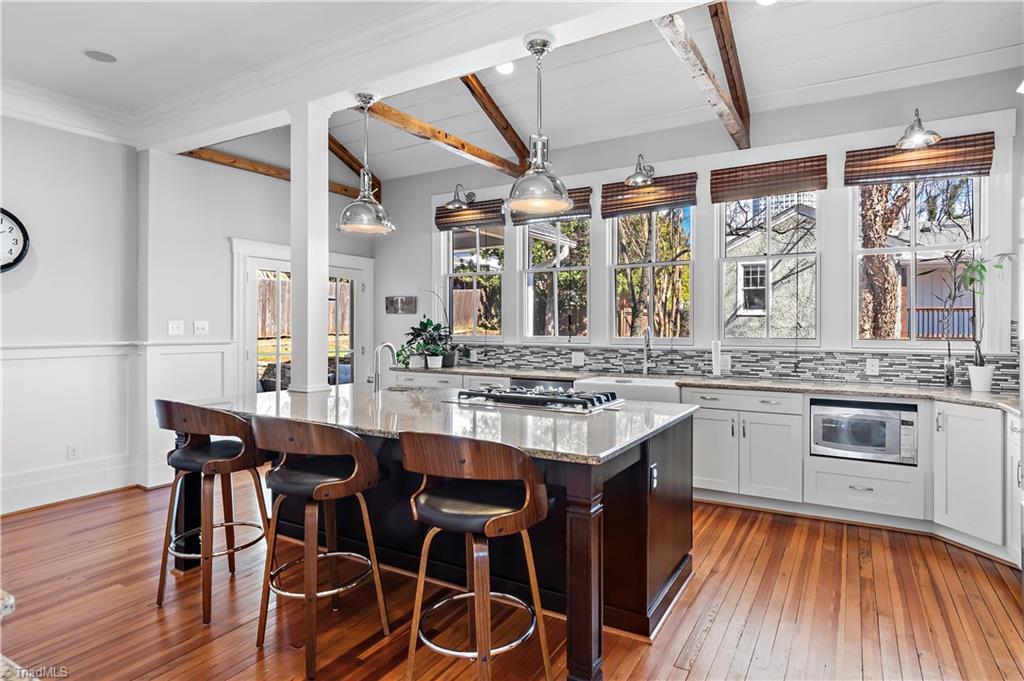
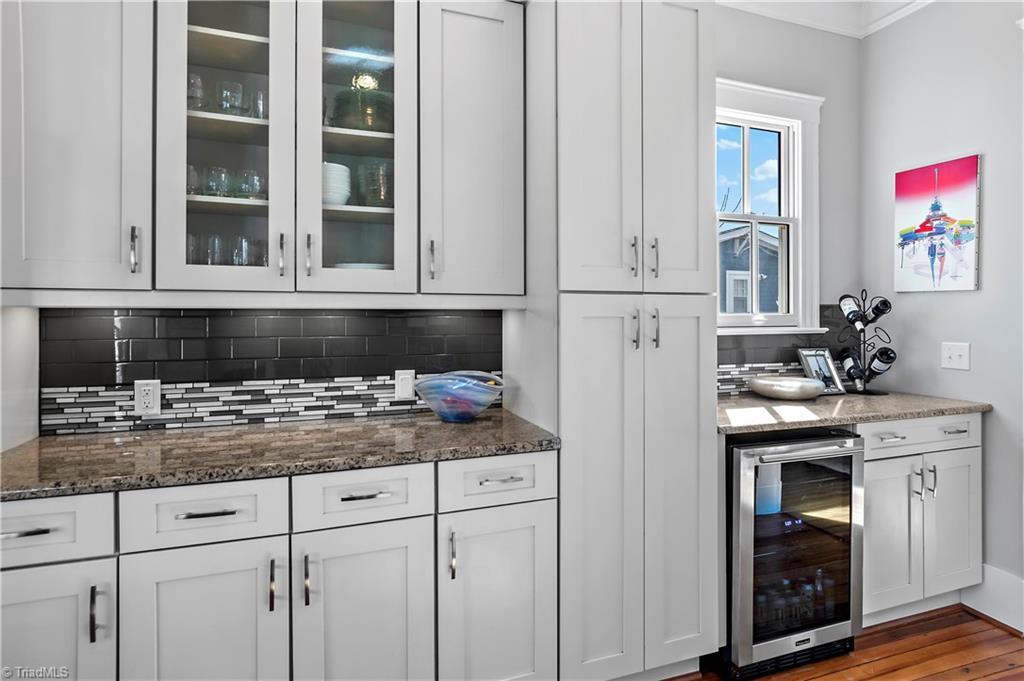
- Sold for $797,000 on April 20, 2025 (listed at $797,500)
- 5 bedrooms, 3 bathrooms, 3,644 square feet, 0.25 acre
- Price/square foot: $219
- Built in 1902
- Listed March 7, 2025
- Last sales: $600,000, August 2020; $396,000, May 2016
- Neighborhood: Holly Avenue Historic District (NR)
- Note: Peter Wilson Blum (1878-1971) and Ella Mason Blum (1880-1938) lived in the house from 1902 until they died. It remained in the family until 2002. (Winston-Salem’s Architectural Heritage, p. 149)
- The garage includes a 1-bedroom apartment, built around 1920. “This is a two-story garage apartment with a stucco and board-and-batten exterior. Windows are six-over-six and six-over-one. Altered garage bays are located on the alley facade of the building.” (NR district nomination)
- NRHP district nomination: “This house was originally a side gabled one-story, Queen Anne cottage with a rear ell. The facade retains that configuration, but on the rear of the house is a substantial, two-story rectangular, 1912 addition with a nearly flat hip roof and exposed raftertails.
- “The slate roof on the original section of the house has castellated cresting with finials. Gable ends are have continuous pent roofs. The porch has turned posts, brackets, and a sawnwork balustrade. The front yard includes a rusticated block retaining wall.
- “Blum was a tinsmith who continued his trade at Old Salem, Inc. when it opened as a museum in the 1950s.”
290emaple
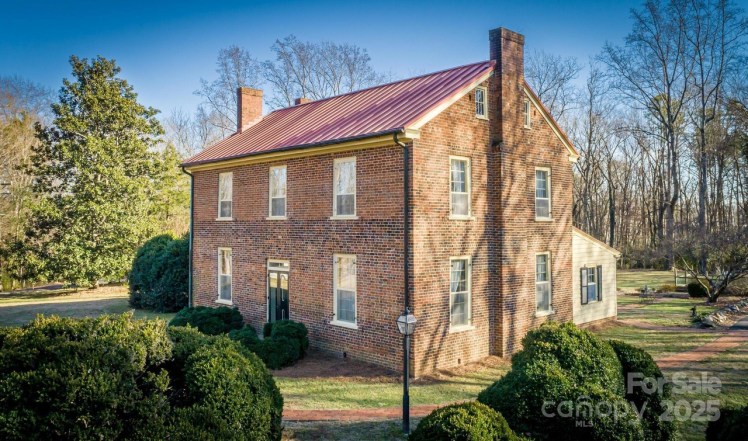


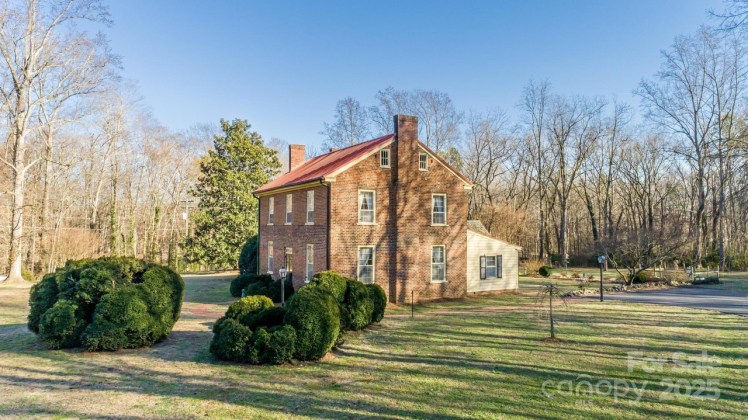
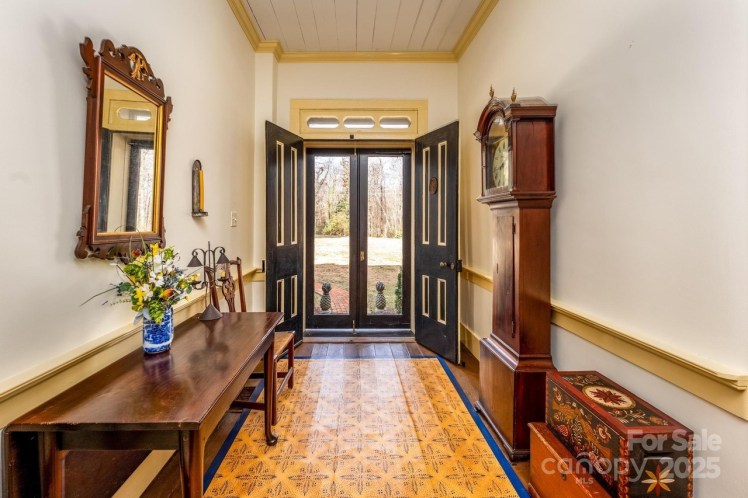

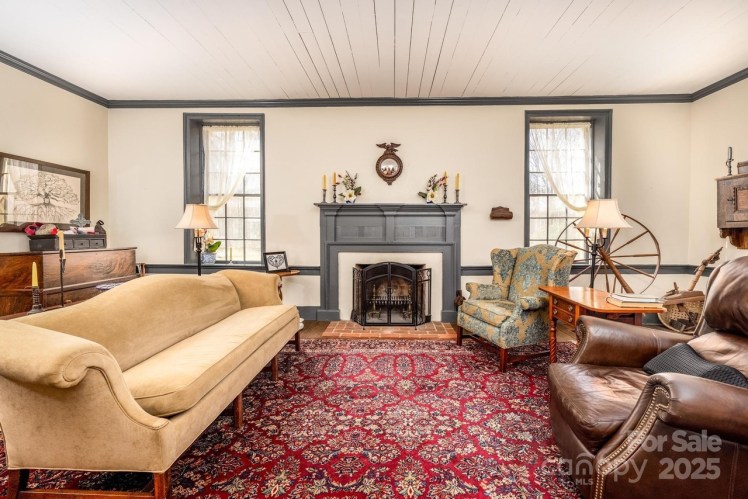
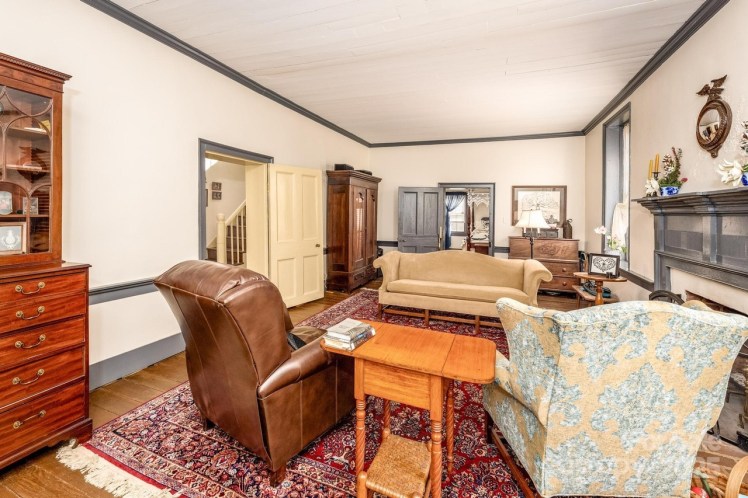


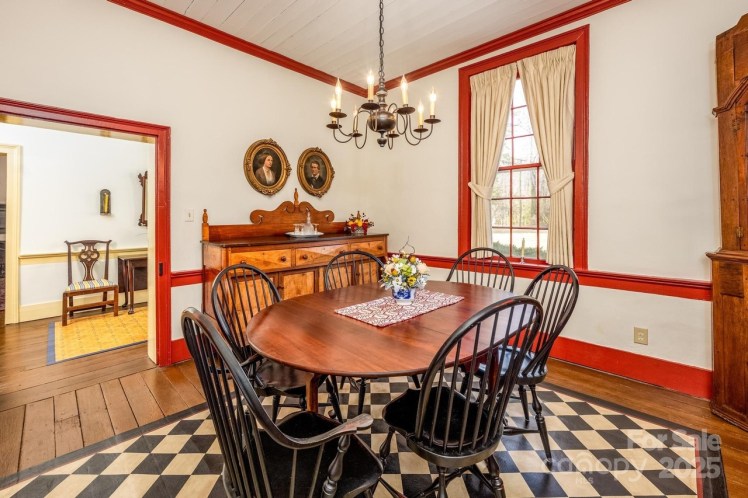


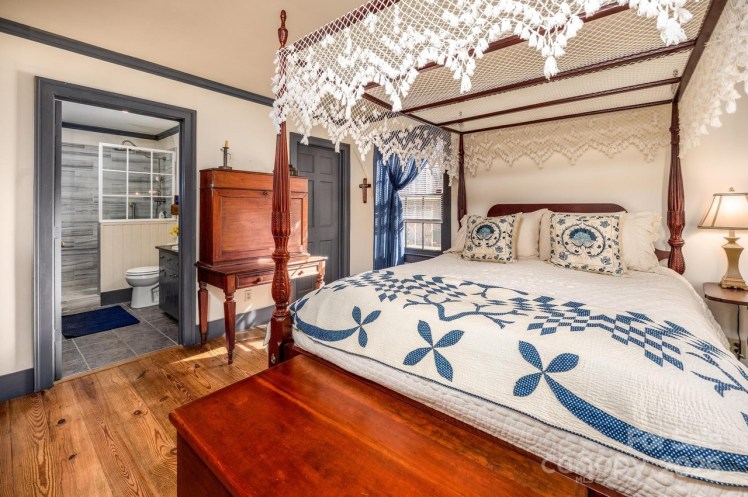
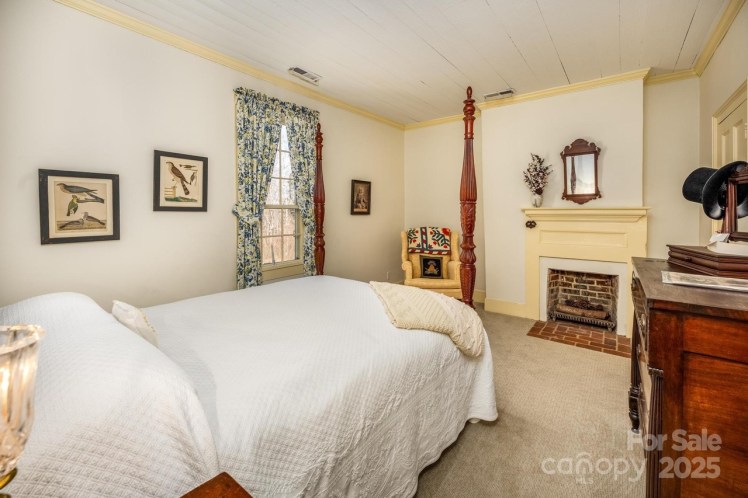
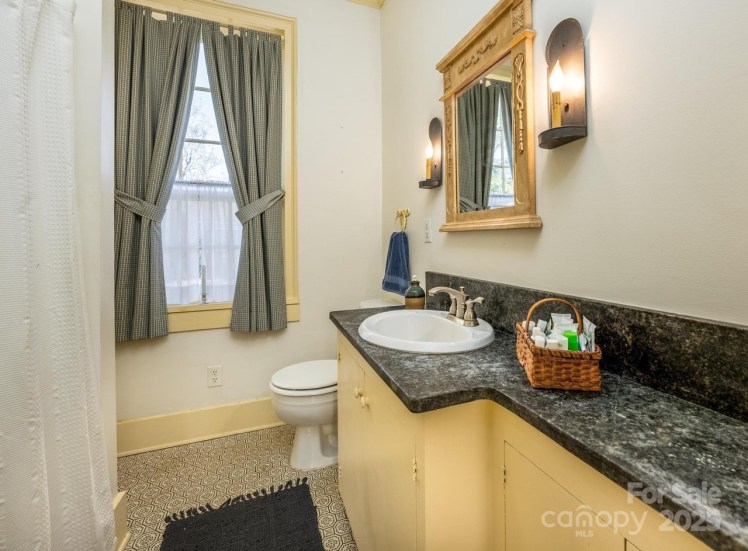







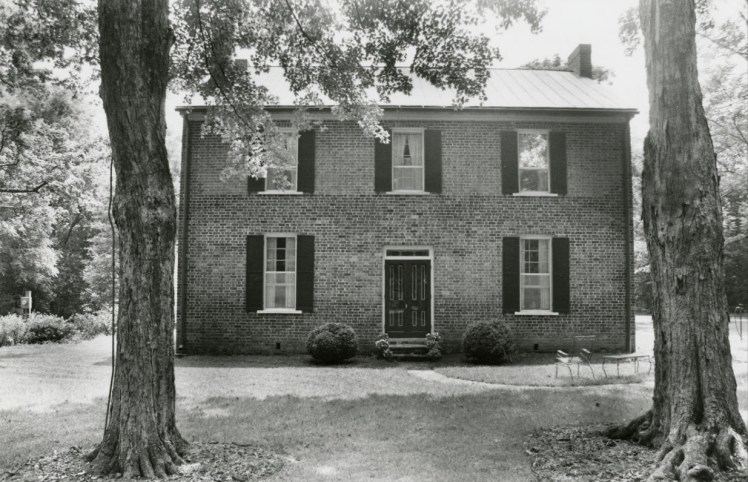
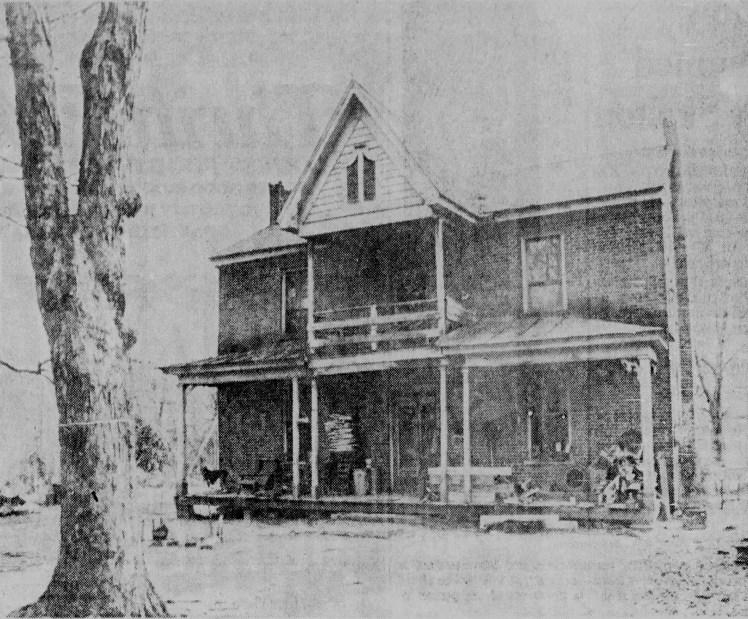

290 E. Maple Avenue, Mocksville, Davie County
The Jesse A. Clement House
National Register of Historic Places
- Sold for $695,000 on April 15, 2025 (listed at $695,000)
- 5 bedrooms, 4 bathrooms, 2,640 square feet, 12.75 acres
- Price/square foot: $263
- Built in 1828 (per county)
- Listed February 22, 2025
- Last sale: $323,500, June 2006
- Note: Post-restoration photo above by Kirk Franklin Mahoney from Davie County Historical and Genealogical Society, via Davie County Public Library and DigitalNC.org.
- A double front porch was added in the late 19th century. It was removed when the house was restored in 1978.
- As late as 1979, when the house was listed on the National Register, it had no house number.
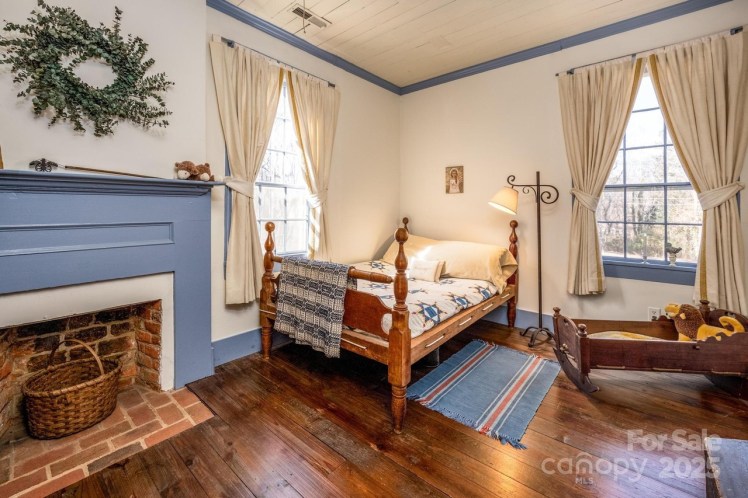
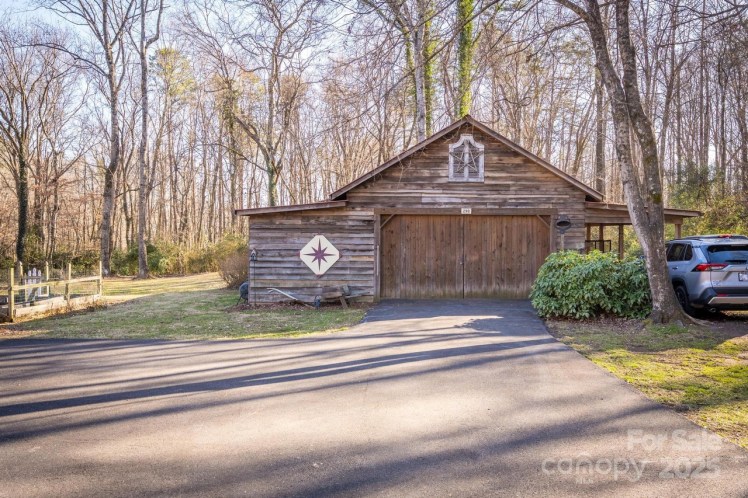
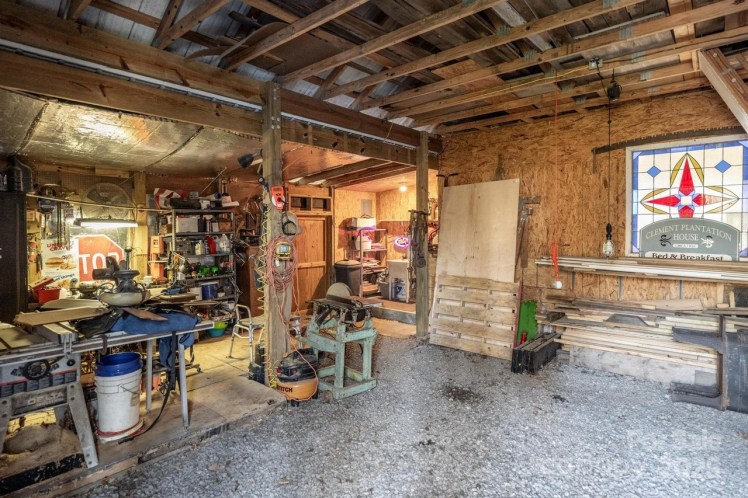
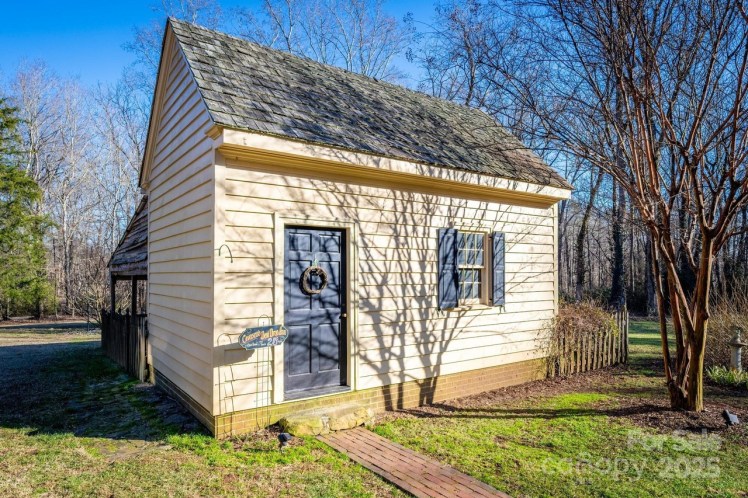
- The current owners operated a B&B in the house, the Clement House Bed and Breakfast, with two guest rooms.
The house remained in the Clement family for 150 years. It was bought in 1978 and restored by Rev. Dr. William Fife Long (1926-2020) and Dr. Ann Phifer Hammond Long (1931-2023). They lived in the house until selling it to the current owners in 2006.
William was born in High Point and raised in Thomasville. He served in the Army during World War II, receiving the Bronze Star. After the war he graduated from Davidson College and the UNC law school. He earned a doctoral degree from Union Presbyterian Seminary in Richmond and was ordained as a Presbyterian minister in 1958, serving as a pastor in Mocksville, Gastonia and Hamlet before returning to Mocksville.
Ann was a native of Charlotte and a Phi Beta Kappa graduate of Duke University. She earned her masters in education from UNC Charlotte and a doctorate in psychology from Duke. She worked as a public-school teacher, guidance counselor and school psychologist until retiring in 1994. The N.C. School Psychology Association named her Practitioner of the Year in 1993.
“The house, built around 1828, exhibits a variety of brick bonds, chimney types, and fenestration,” its National Register nomination says. “The use of Flemish bond on the more prominent front and east elevations is notable. The interior finish is of vernacular late Federal character. …
“The Jesse A. Clement House, a two-story brick structure in Mocksville, was built about 1828 for a member of a prominent western Piedmont family. The regional Federal character of the house reflects construction methods of the period in Rowan and Davie County area. Sturdy, boxy, two-story brick houses of the early-19th century, rare in eastern North Carolina, are a key element in the architectural development of the Piedmont.
“Clement was a prosperous local businessman who owned a tannery, two plantations, and a brokerage firm dealing in plug tobacco, cotton, and wheat. … During the Civil War, Jesse Clement at the age of 53 commanded a regiment known as the ‘Davie Greys’; he died at the age of 68 in 1876.””
Jesse’s brother John was a member of the North Carolina House of Commons and introduced the legislation to create Davie County from a part of Rowan County in 1836. Two of Jesse’s sons, Baxter Clegg (1840-1927) and William (1838-1899), attended medical school in Louisiana and settled in Arkansas. Baxter practiced medicine. William served in the Arkansas state senate and as lieutenant governor. He was a candidate for governor when he died.
After Jesse’s death, his widow, Melinda A. Nail Clement (1810-1891), continued to live in the house, joined by son Baxter, who returned to Mocksville from Arkansas with his wife, Lina Barber Clement (1860-1944). They all lived in the house for the rest of their lives. After Lina’s death, their heirs rented the house out before selling it to the Historic Preservation Fund of North Carolina in 1978, which sold it to the Longs.
One of the current owners wrote a short history of the house for the Davie County Historical and Genealogical Society in 2014. The house is described in detail in The Historic Architecture of Davie County, North Carolina (p. 197).
2930wayne

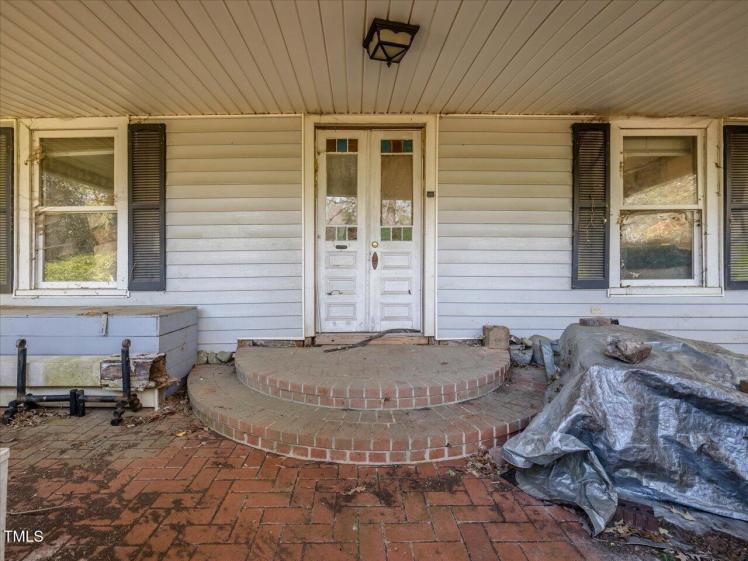
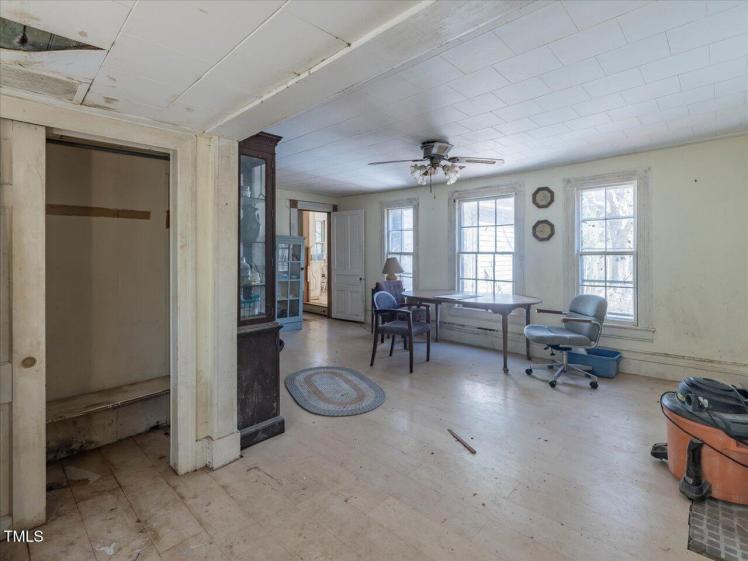


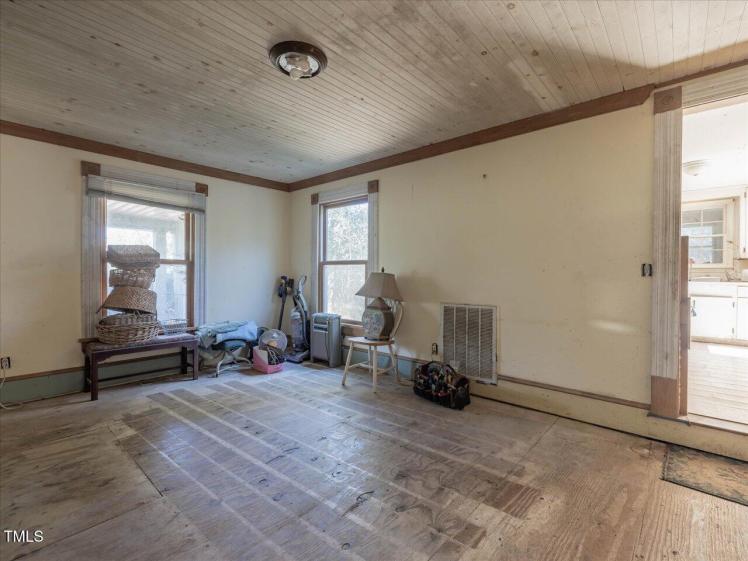

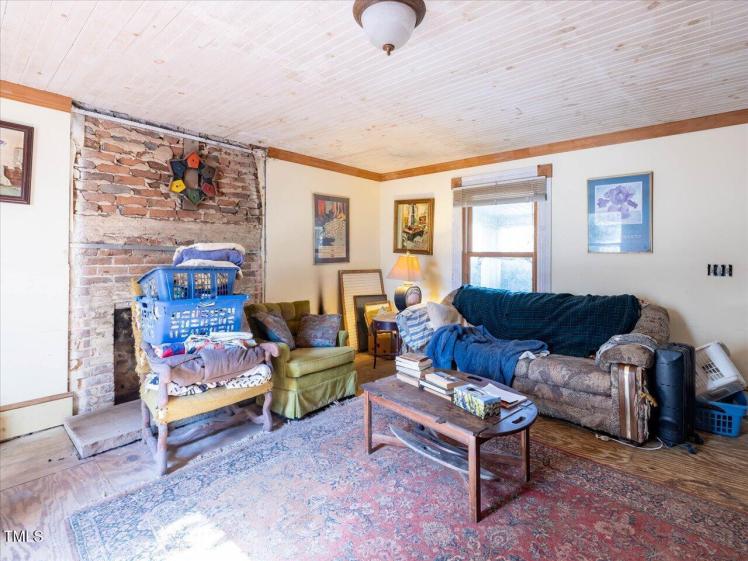
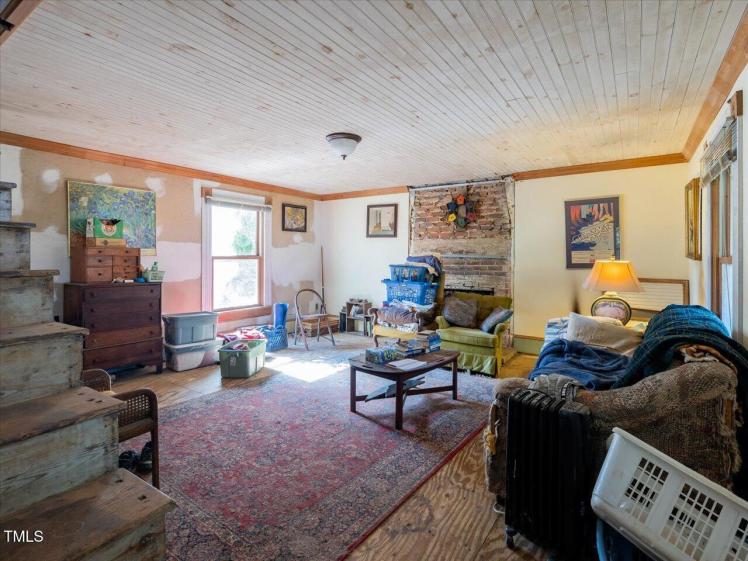
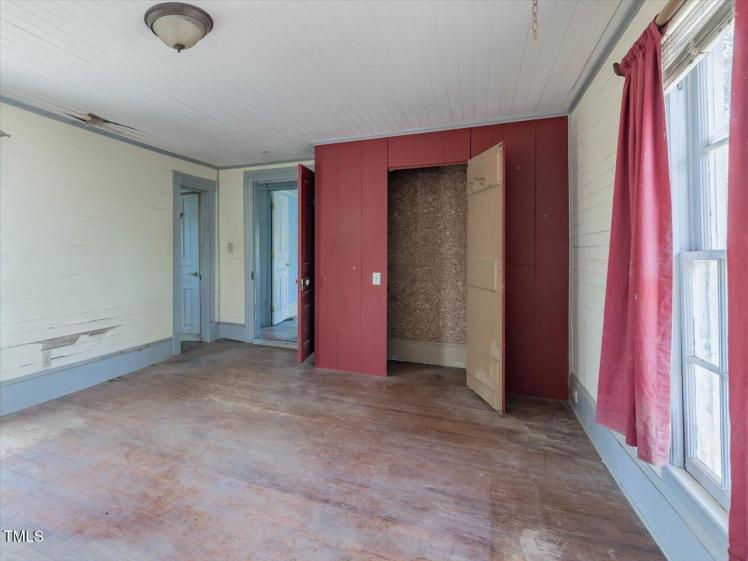
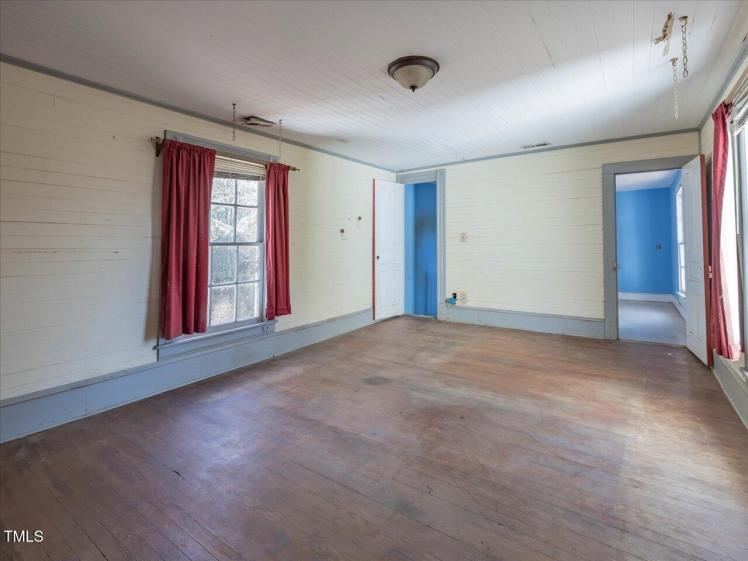
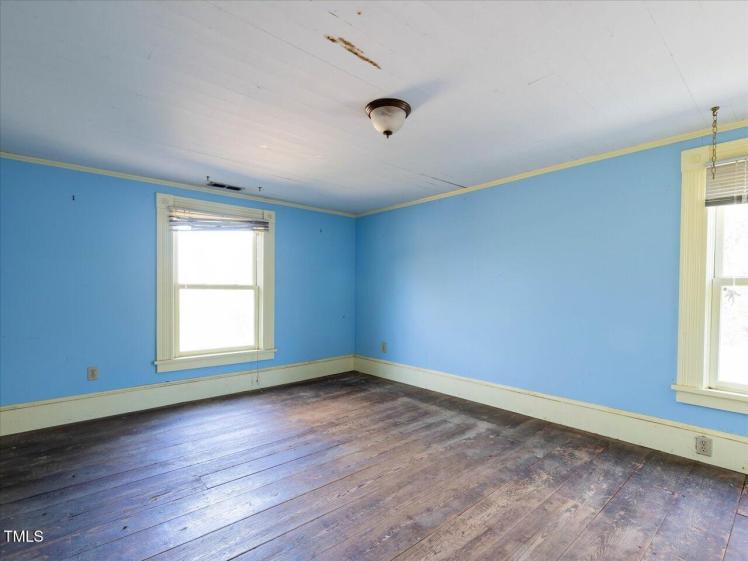


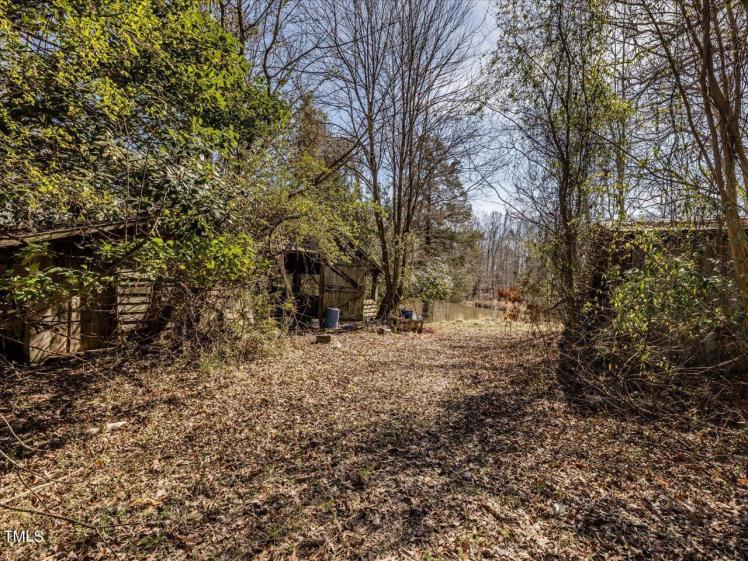
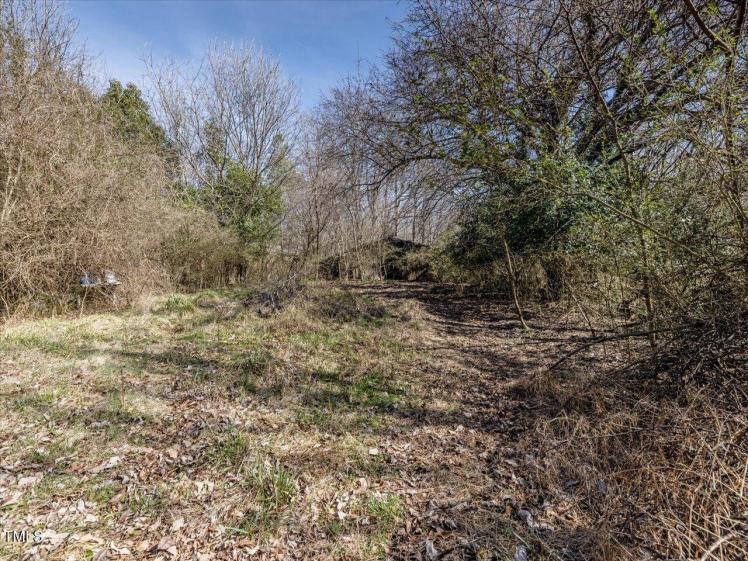
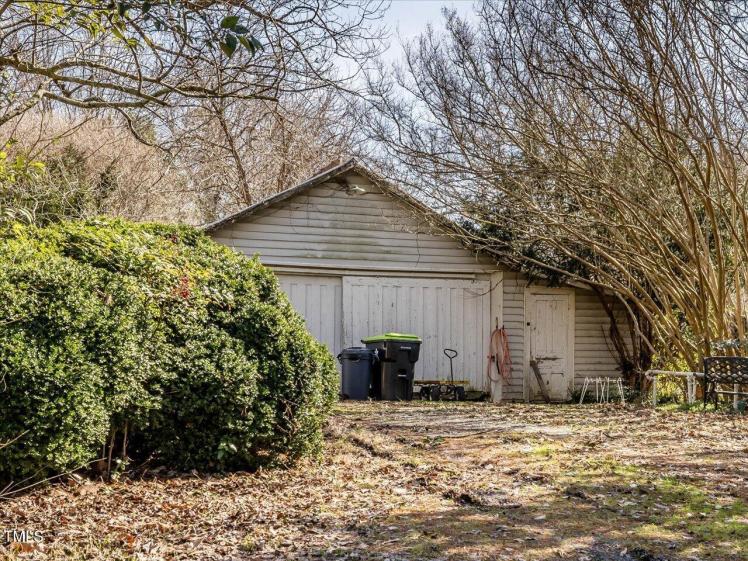


2930 Wayne White Road, Randolph County
The S.W. White Homeplace
- Sold for $235,000 on April 15, 2025 (originally $275,000)
- 3 bedrooms, 2 1/2 bathrooms, 2,524 square feet, 7.6 acres
- Price/square foot: $93
- Built in 1870
- Listed February 25, 2025
- Last sales: $173,000, November 2003; $4,400, May 1946 (99.43 acres)
- Neighborhood: Located about 2 miles south of Climax and 7 miles east of Level Cross. The property has a Climax mailing address but is across the county line in northeastern Randolph County.
- Note: The listing says, “The historic home has a story of its own,” but it doesn’t say what it is.
- The property includes a pond.
- Deeds refer to the property as the “S.W. White Homeplace.” Simon Wilson White (1845-1929) was a native of Randolph County and lived his entire life in this part of the county. The property remained in the White family until 2003. “His acts of kindness and his service to the people around him made him generally beloved,” the Greensboro Daily News said.
- Simon and Louise Eunice Osborne White (1845-1932) had eight children (Jabez, William, Frederick, Alta, John, Pliny, Joseph and Louise).
- The property passed to son Pliny (1880-1932), who passed it on to one of his sons, Wayne Earl White (1916-1999), and daughter-in-law Geraldine “Gerry” Whitley White (1925-2017). Wayne was a merchant and a 1938 graduate of Guilford College. Gerry also attended Guilford College. She worked for the Randolph County Public Library and headed the Book Mobile program. Gerry sold the property in 2003.
523emain
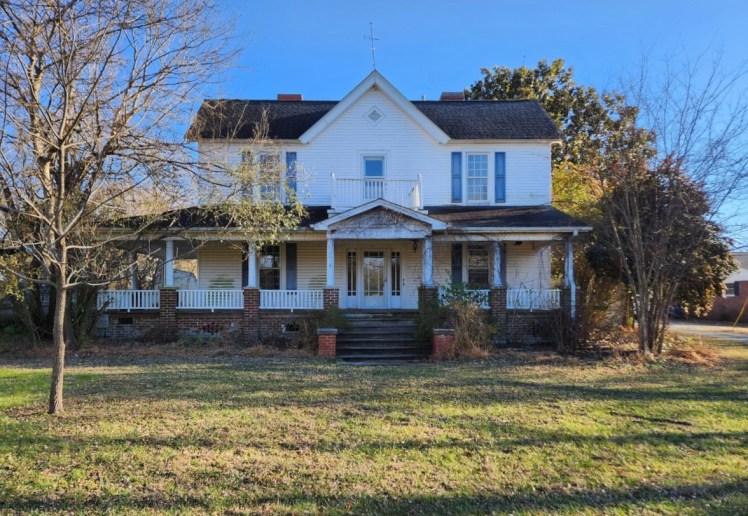
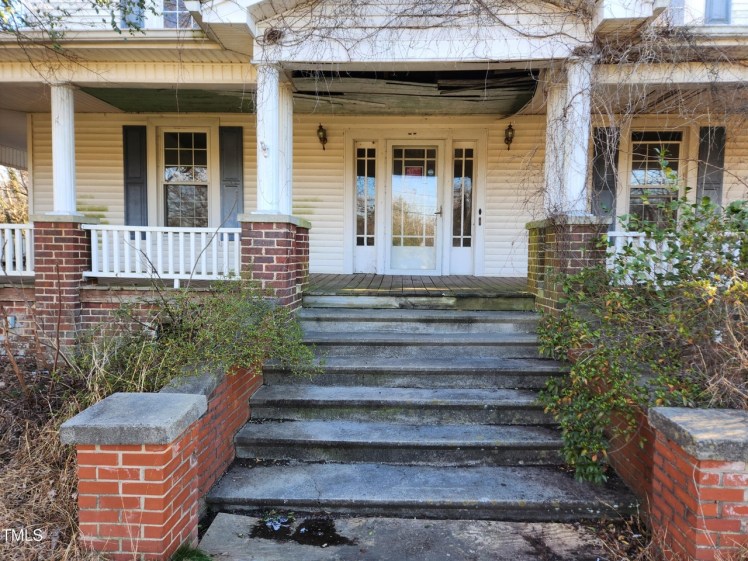

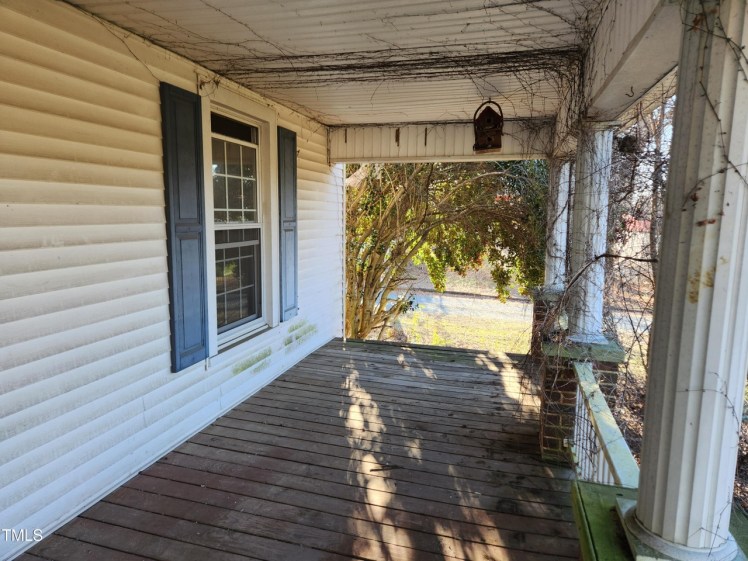


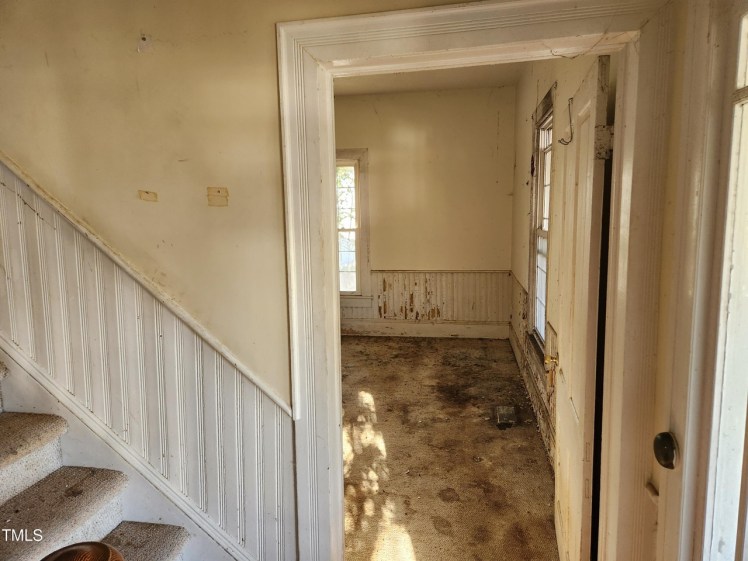
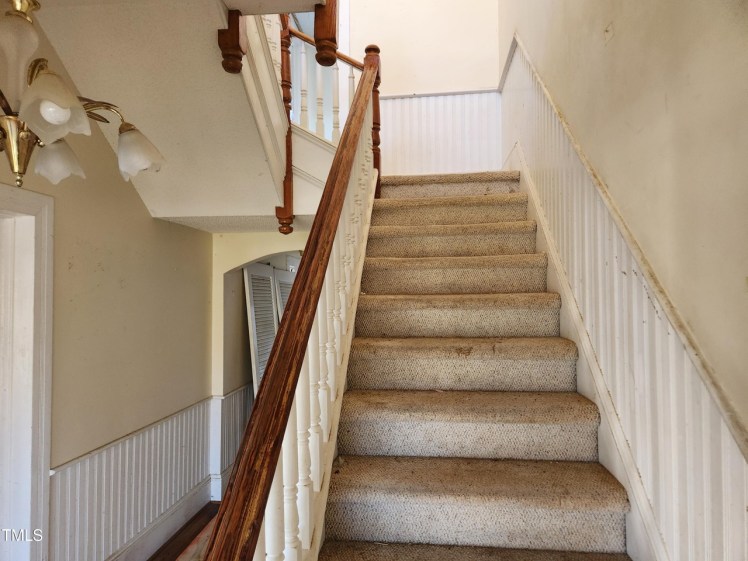
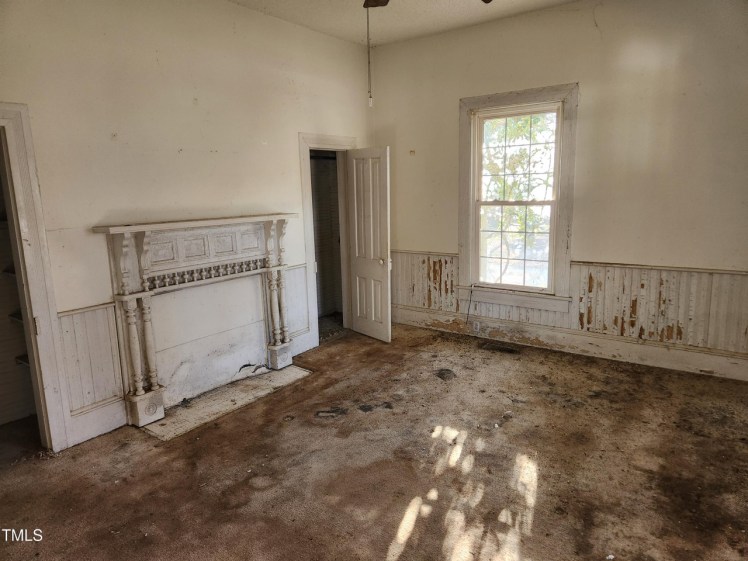
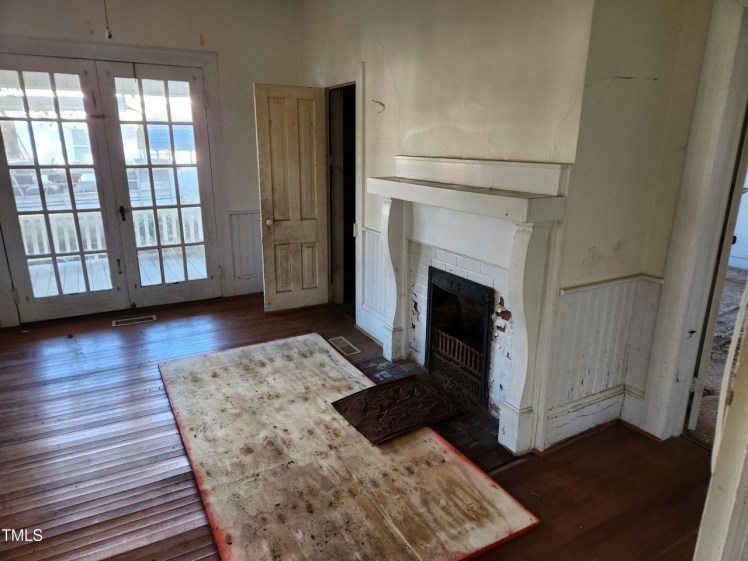
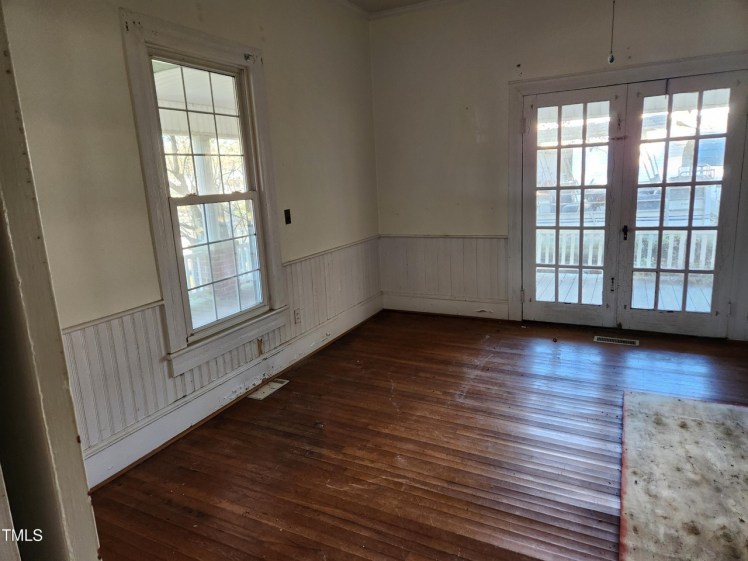


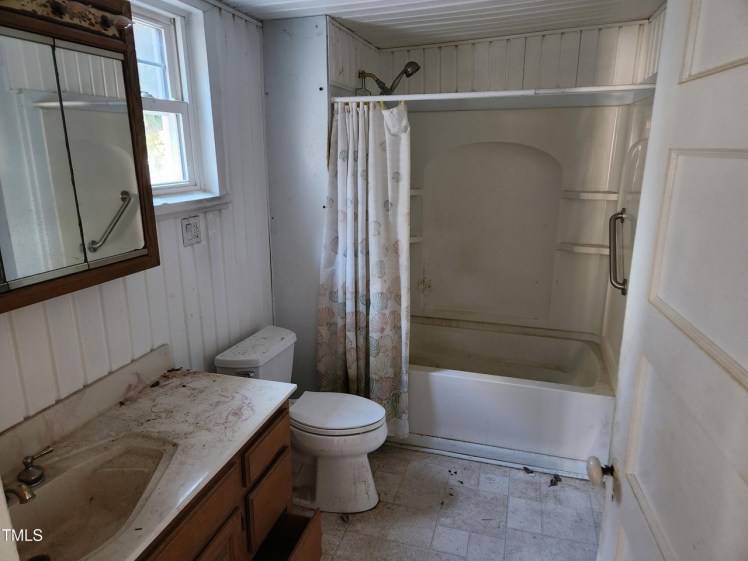


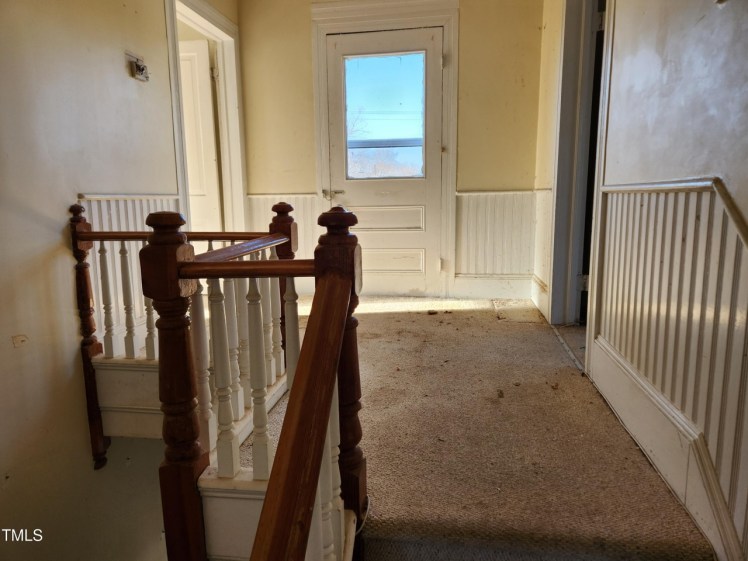




523 E Main Street, Haw River, Alamance County
The Haywood Simpson House
- Sold for $160,000 on April 10, 2025 (listed at $200,000)
- 3 bedrooms, 2 bathrooms, 1,944 square feet (per county), 0.50 acre
- Price/square foot: $82
- Built in 1894 (see note)
- Listed January 10, 2025
- Last sale: $162,500, April 2004
- Note: County records show 1910 as the date. “Alamance County Architectural Heritage,” published by the Alamance Historic Properties Commission (1980) says 1894. A later commission document, “Alamance County Architectural Inventory” (2014), says ca. 1895.
- Alamance County Architectural Inventory: “This house was built for Mr. Haywood Simpson, one of the first merchants in Haw River who ran the mill commissary with William Anderson. He contributed part of the land for the First Christian Church.
- “Originally a two-story, three-bay wide, single-pile house with a side gable and a ‘Triple-A’ roof form. The house has a hipped roof wraparound front porch supported by piers with slanted sides on brick stacks. A second story porch is centered over the front entry. Two interior brick chimneys are located at the rear of the house in the end bays. A rear addition was added sometime later.” The house remained in the Simpson family for 94 years.
- Sites of Interest: Historic Haw River, North Carolina: “Haywood Simpson House, ca. 1894. Mr. Simpson and Mr. Anderson, whose home stood where the Civic Center is now, ran the company store for the Holts.”
- Henry Haywood Simpson (1852-1919) came to Haw River as a young man and lived there the rest of his life. He and Katherine Hughes Simpson (1858-1946) had three children. They lived in the house for the rest of their lives. “Mr. Simpson was a highly esteemed citizen,” The Alamance Gleaner said in his obituary. His death at age 66 was “a complete shock to his family and friends. For more than a year his health had not been good, but he had been reasonably active.”
- The last surviving child of Henry and Katherine, Ada Grace Simpson (1892-1989), was a retired school teacher when she sold the house in 1988.
4300cold
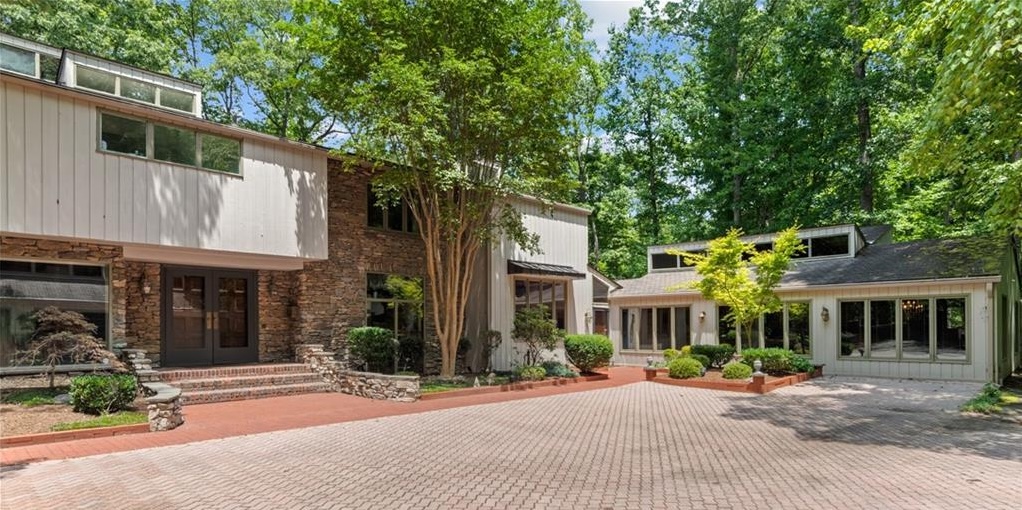
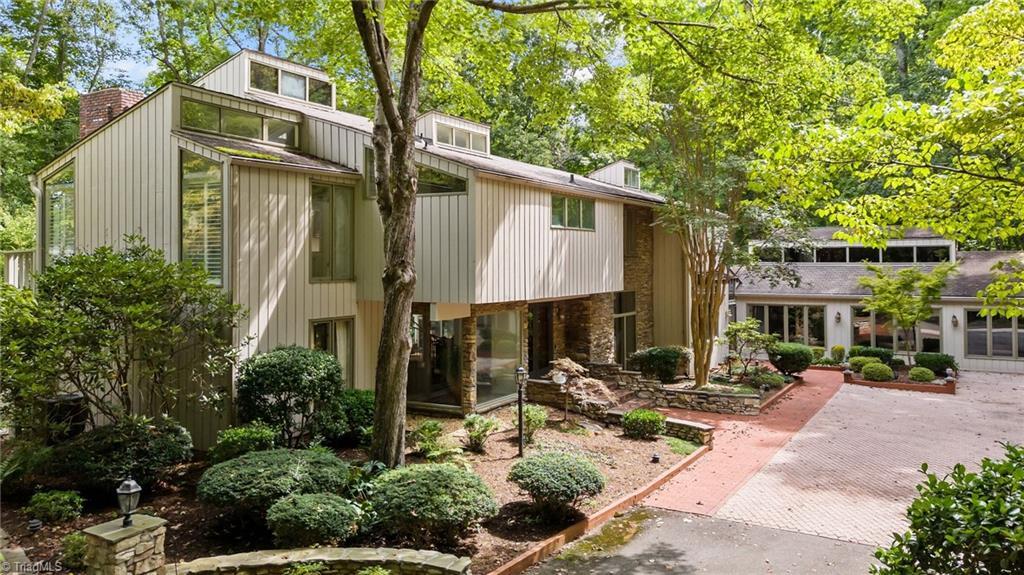

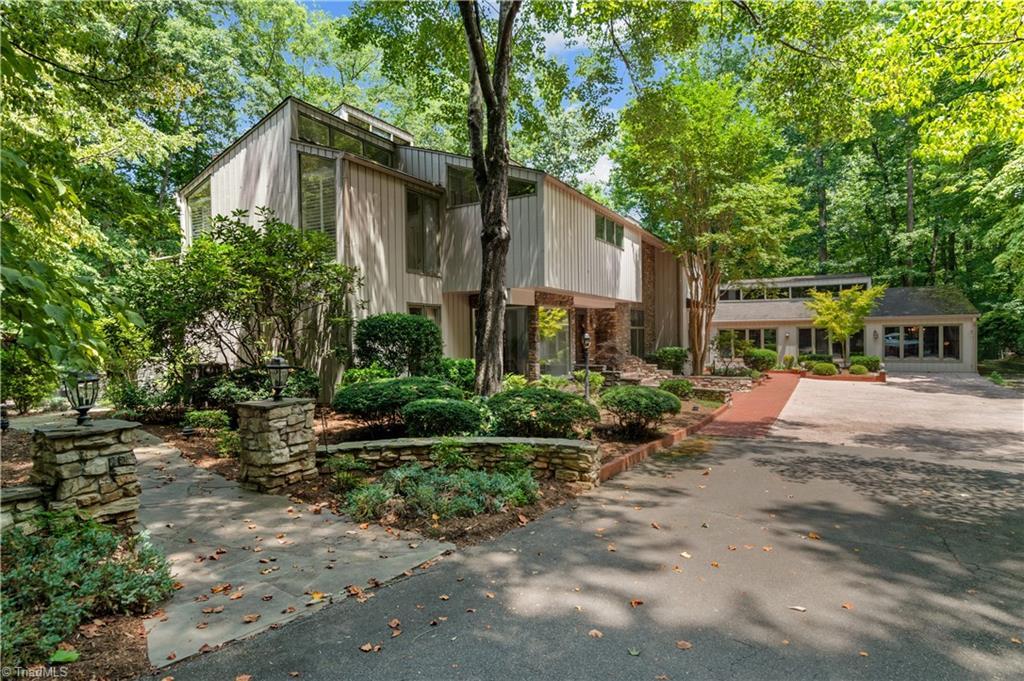
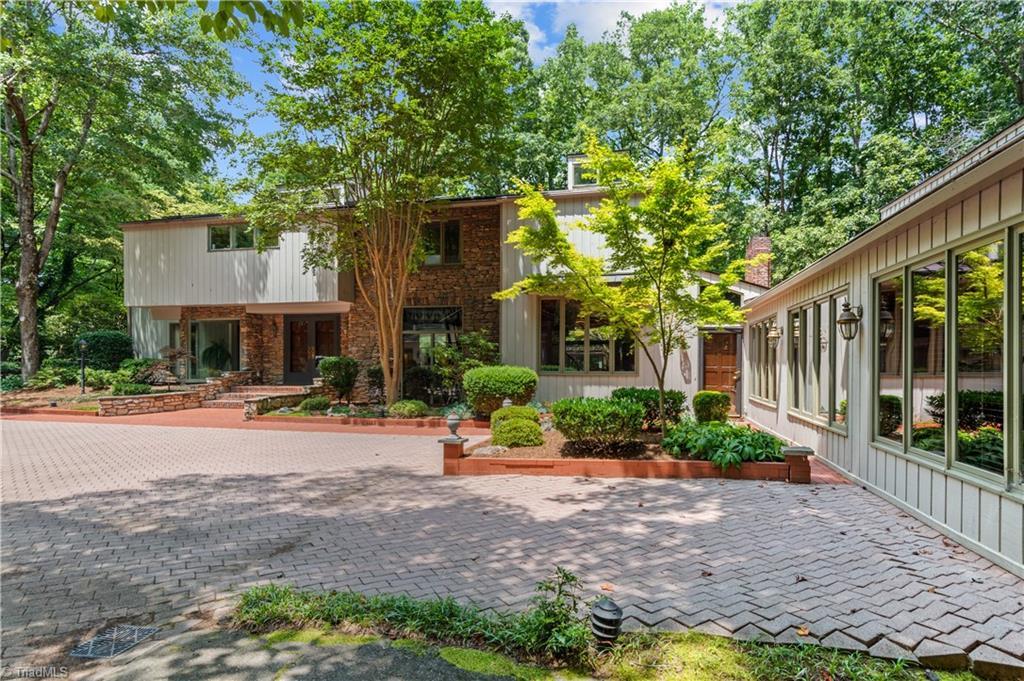

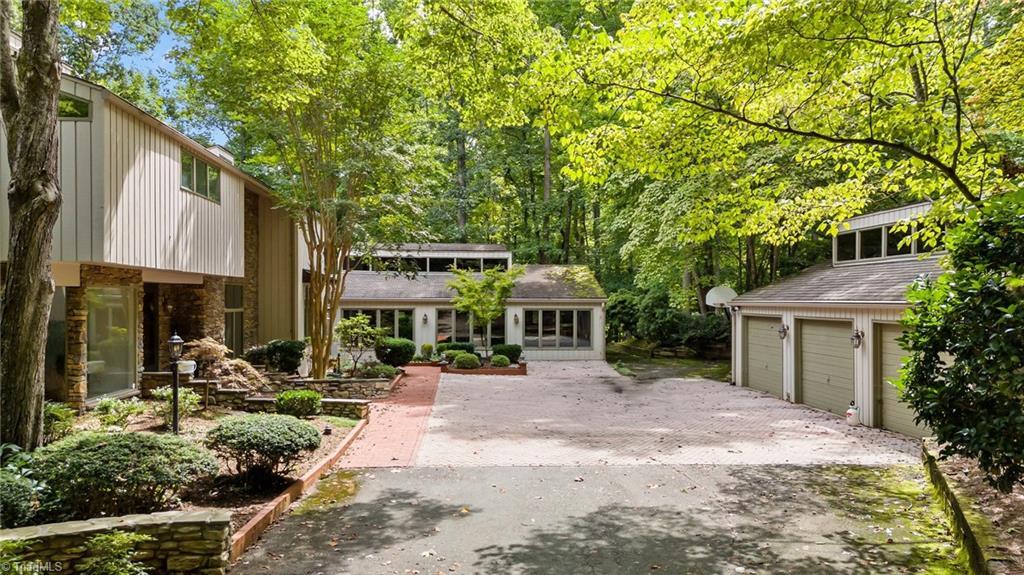

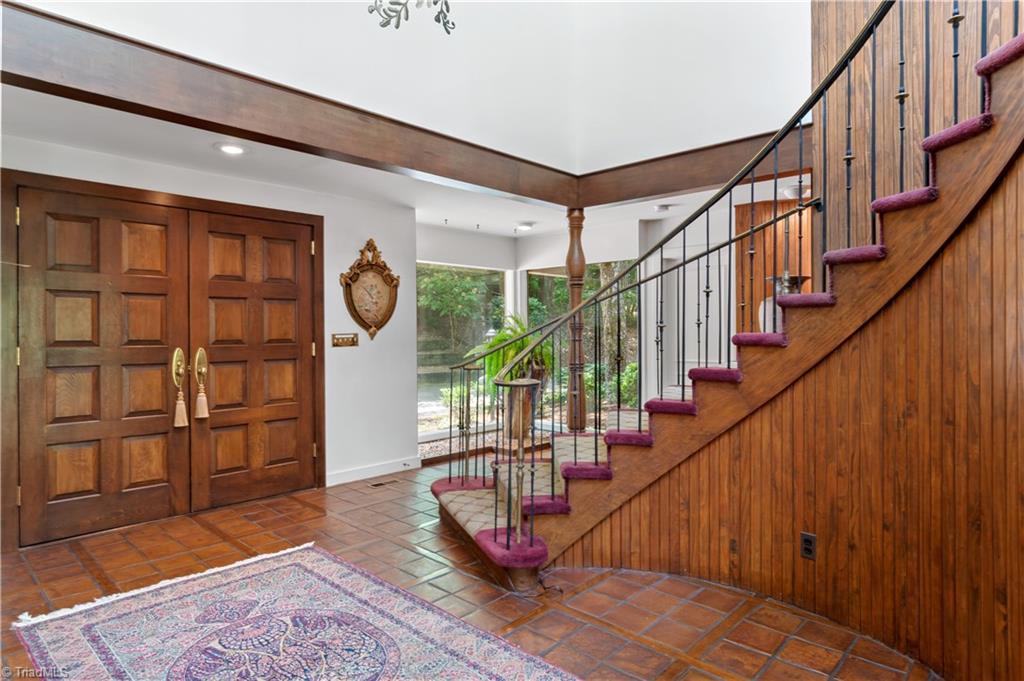
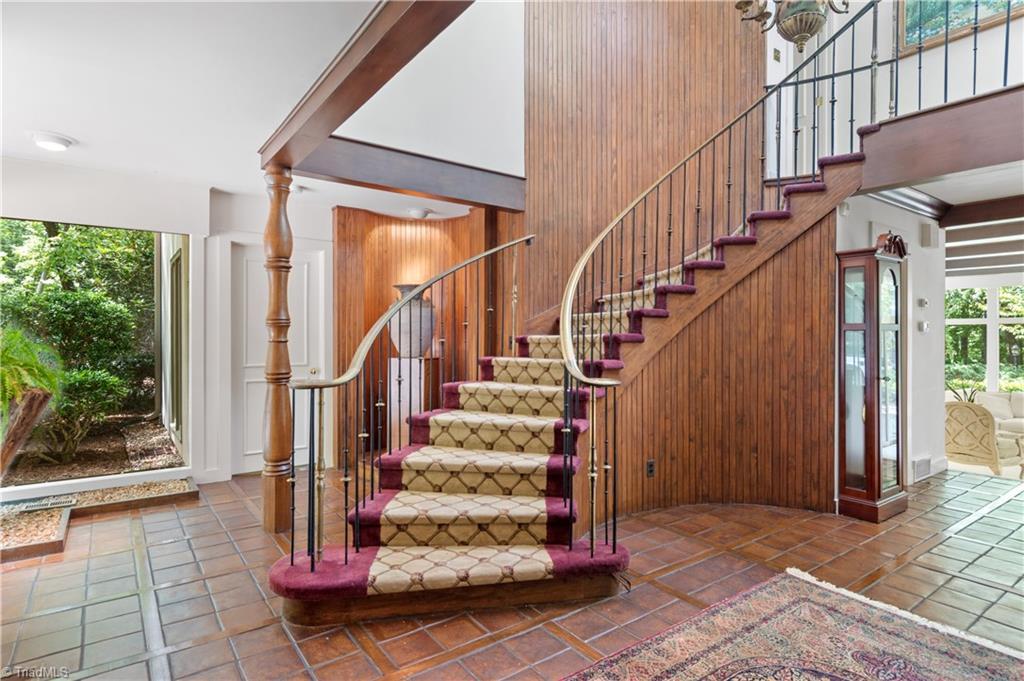


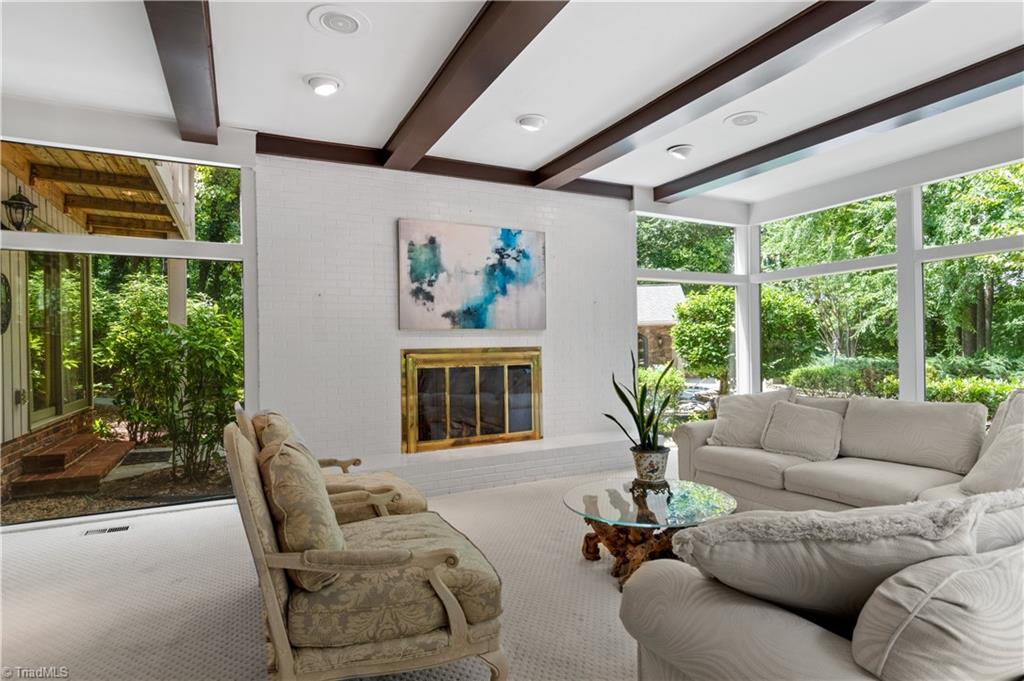


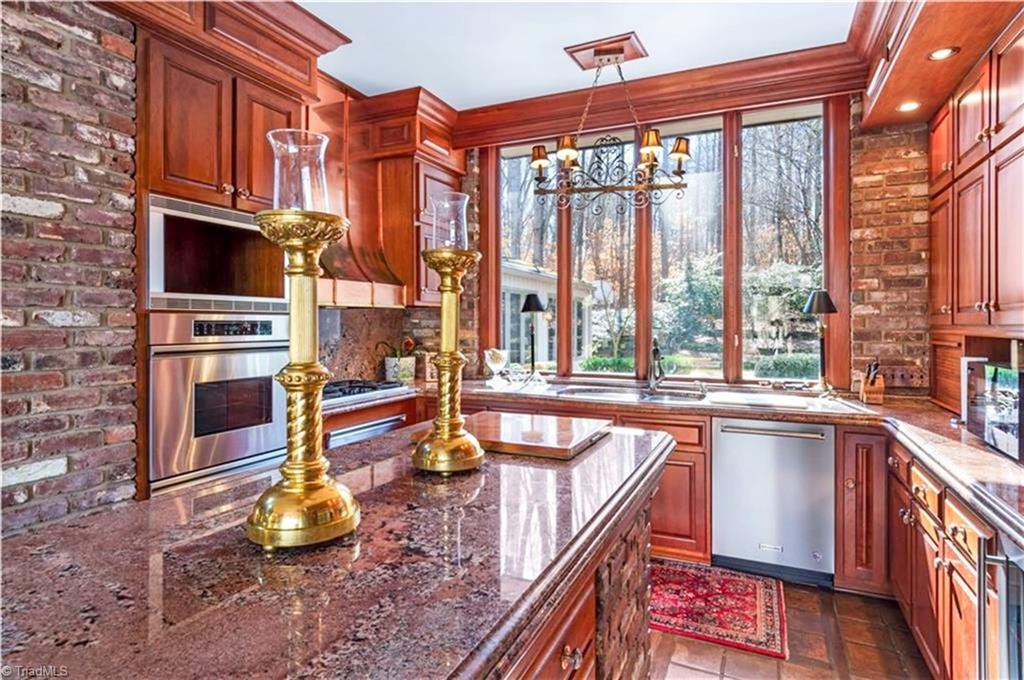


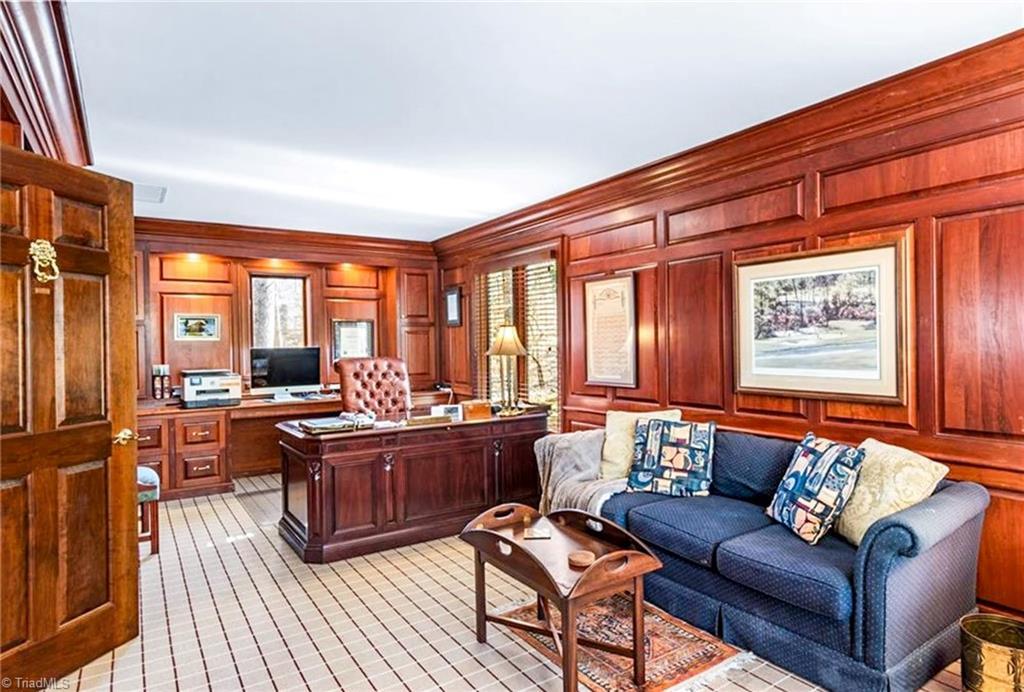











4300 Cold Springs Road, Winston-Salem
- Sold for $1.15 million on March 28, 2025 (originally $1.475 million)
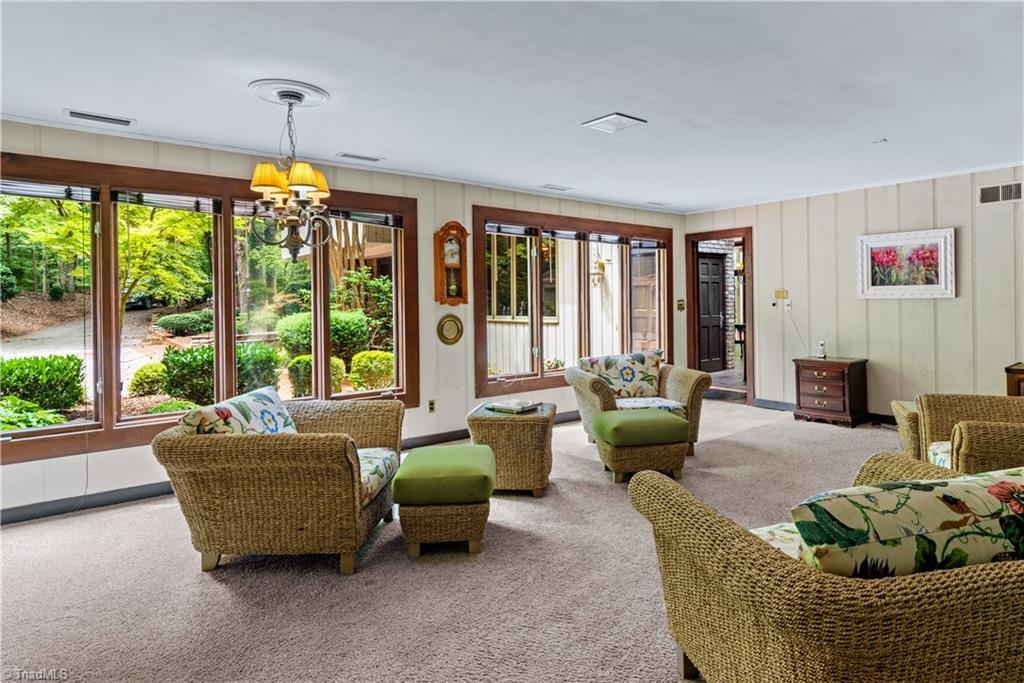
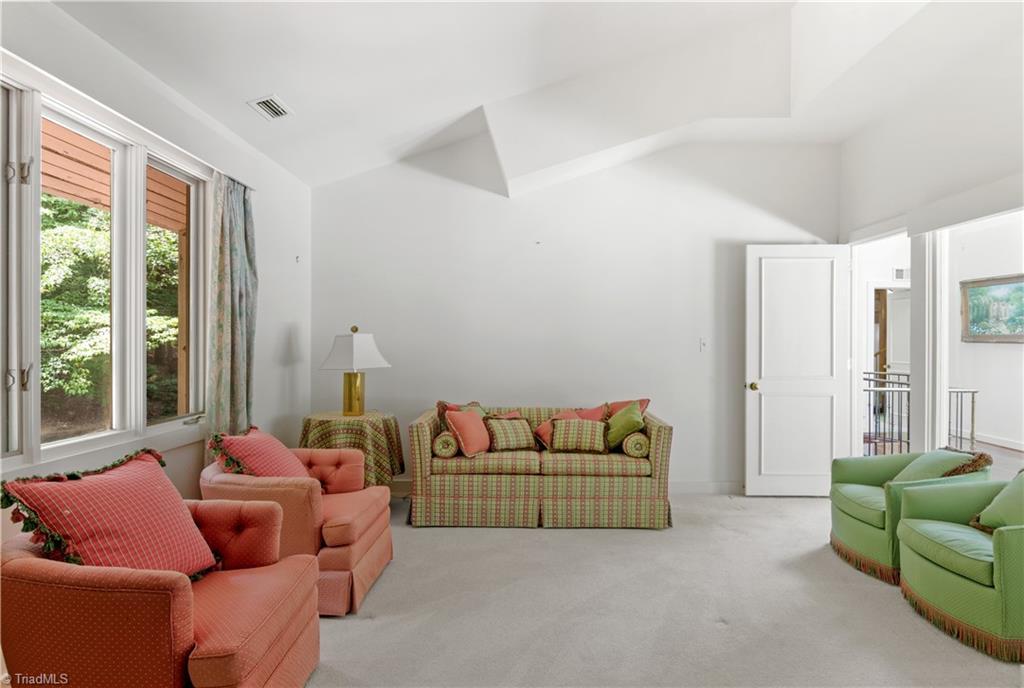
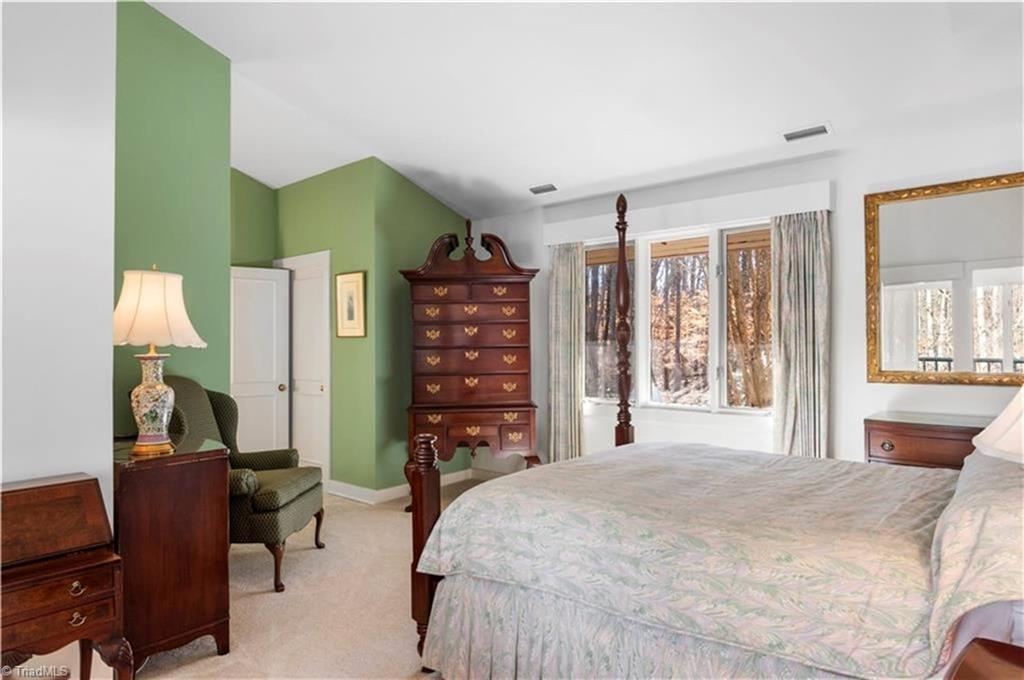
- 5 bedrooms, 4 1/2 bathrooms, 5,050 square feet, 2.11 acres
- Price/square foot: $228
- Built in 1976
- Listed August 9, 2024
- Last sale: $18,000, November 1974
- Neighborhood: Mount Tabor
- Note: The house was designed by architect Robert F. Arey (1920-1996), who designed a number of modernist homes in Winston-Salem. He had worked for Northup and O’Brien between stints with the Corps of Engineers in World War II and the Korean War. In 1960 he started his own firm.
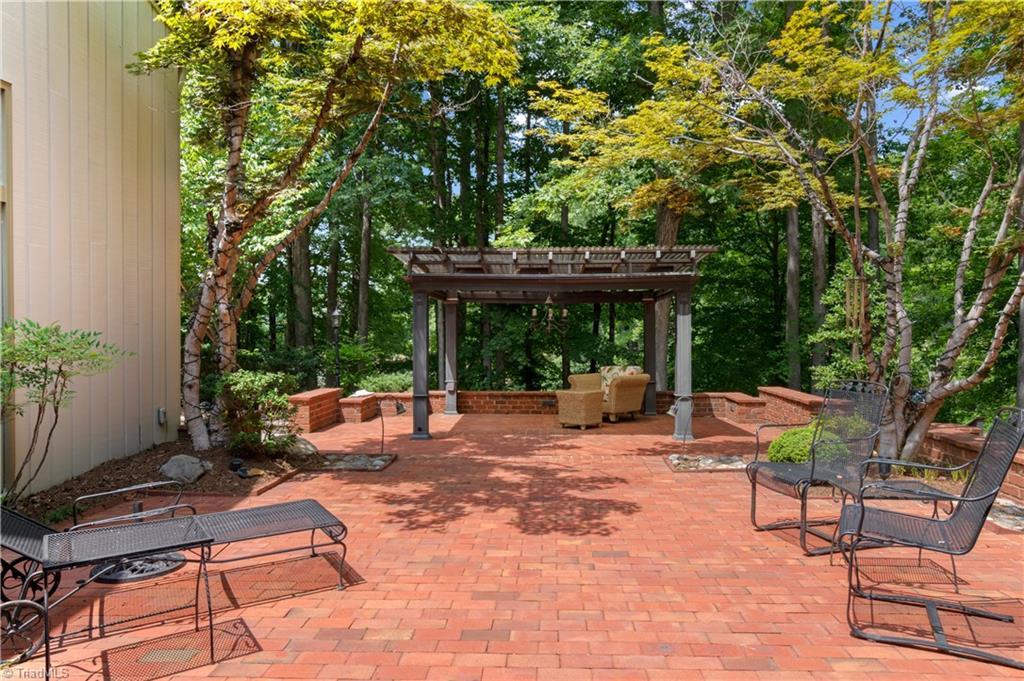
- The property adjoins a small lake. The 1974 deed suggests the lake was only recently created at the time.
- The property incudes an in-ground pool and pool house and a three-car garage.
93broad









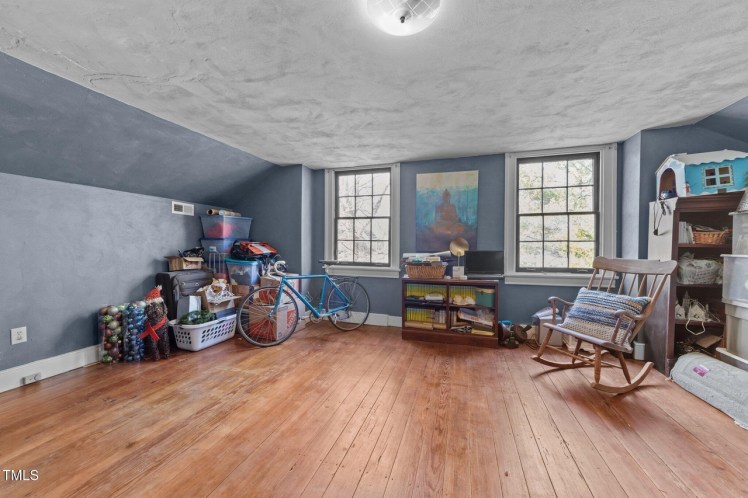


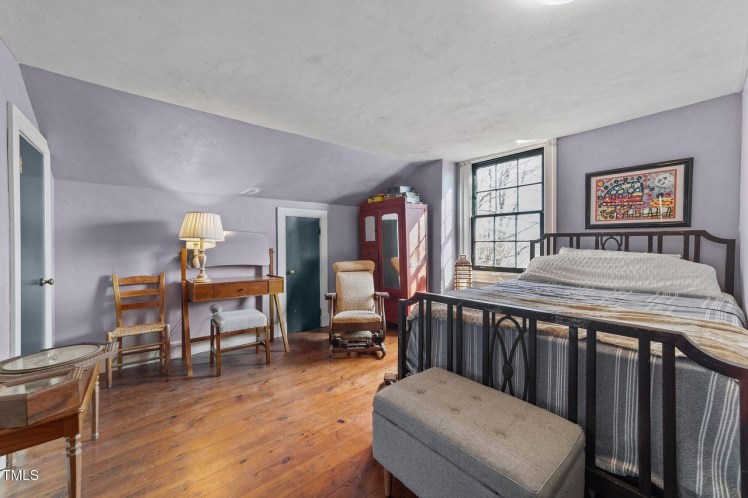
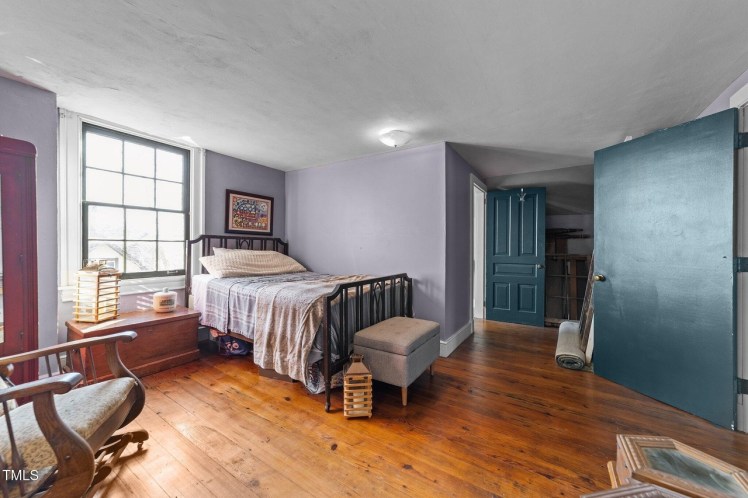
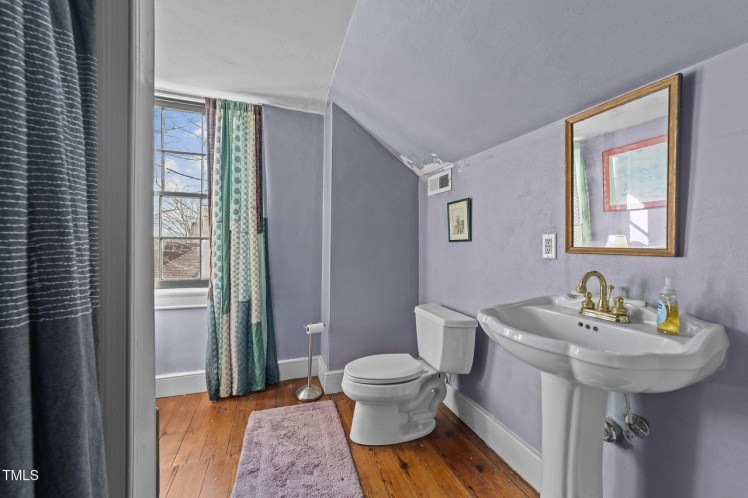





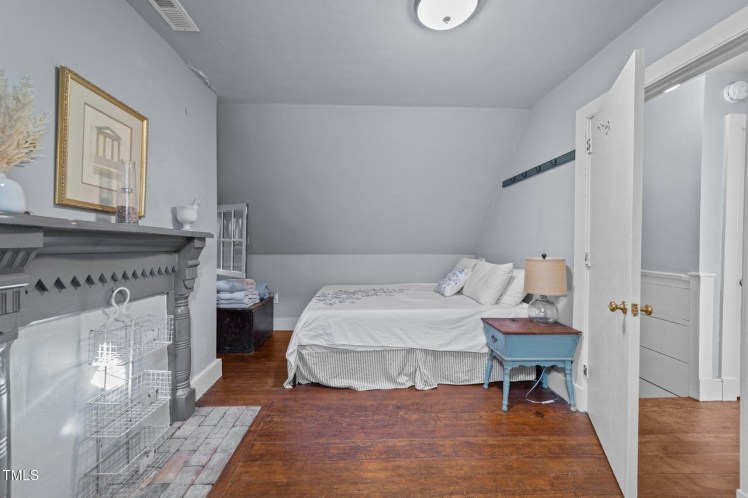
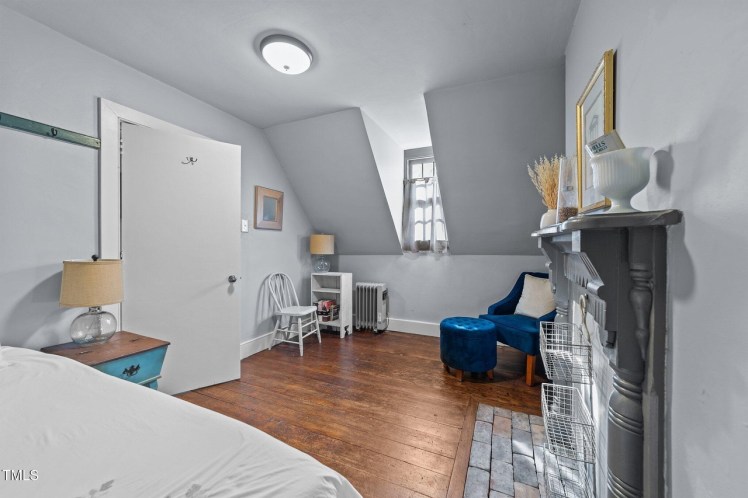


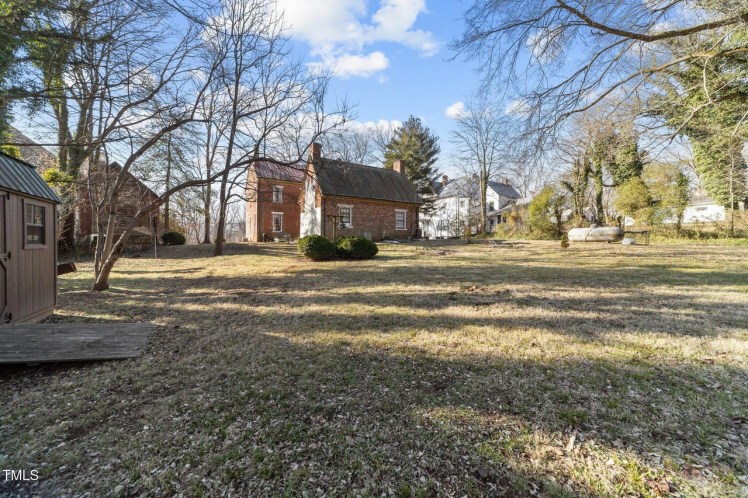

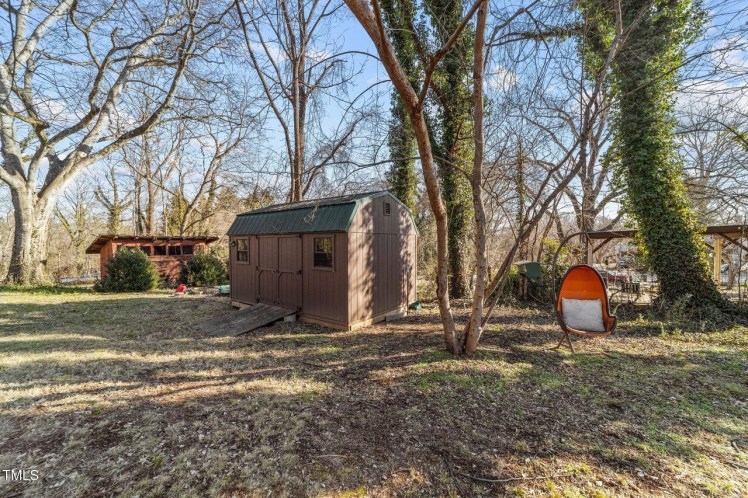

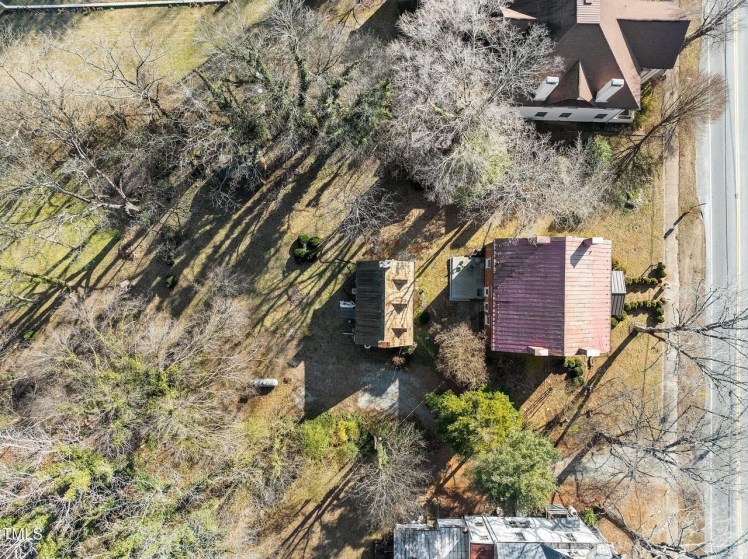
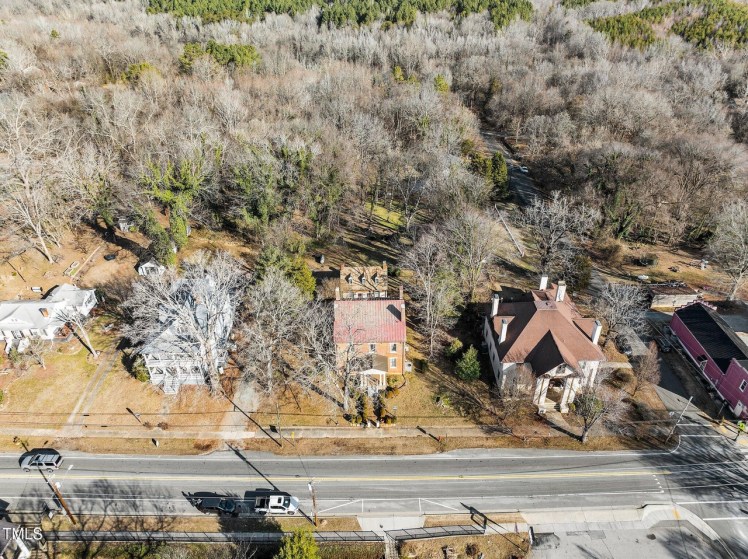
93 Broad Street, Milton, Caswell County
The Wilson-Winstead House
- Sold for $440,000 on March 17, 2025 (listed at $450,000)
- 5 bedrooms, 2 1/2 bathrooms, 3,472 square feet, 0.87 acre
- Price/square foot: $127
- Built in 1835
- Listed February 13, 2025
- Last sale: $100,000, April 2020
- Neighborhood: Milton Historic District (NR)
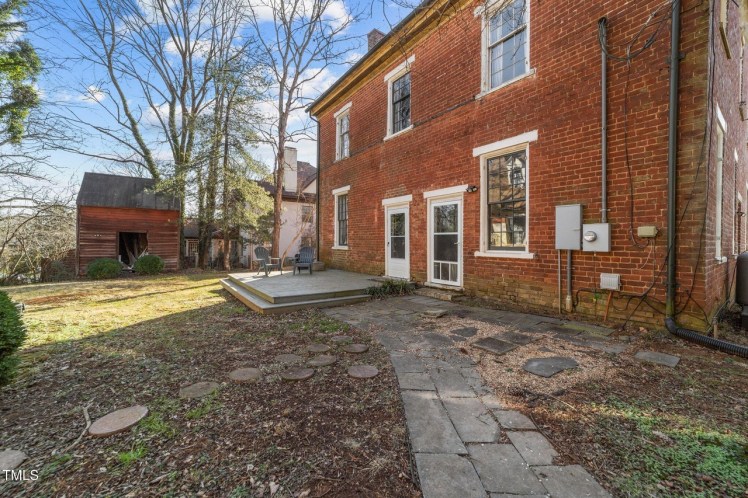
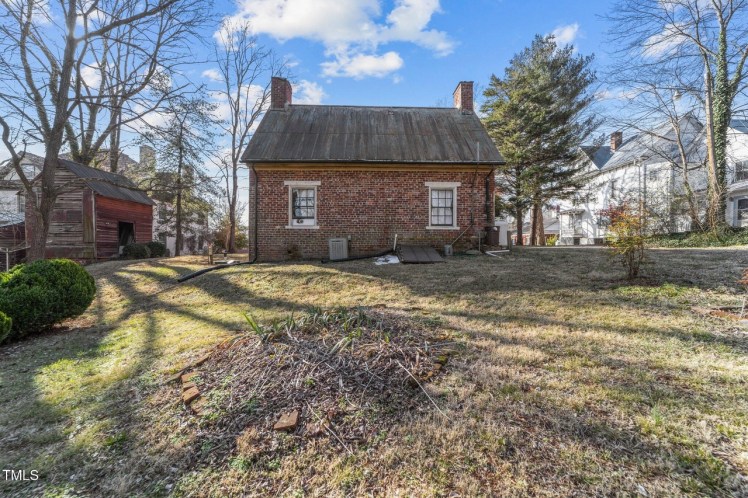
- Note: The original, detached brick kitchen still stands behind the house, now converted into a short-term rental with a kitchen and two second-floor bedrooms and a frame smokehouse at the rear.
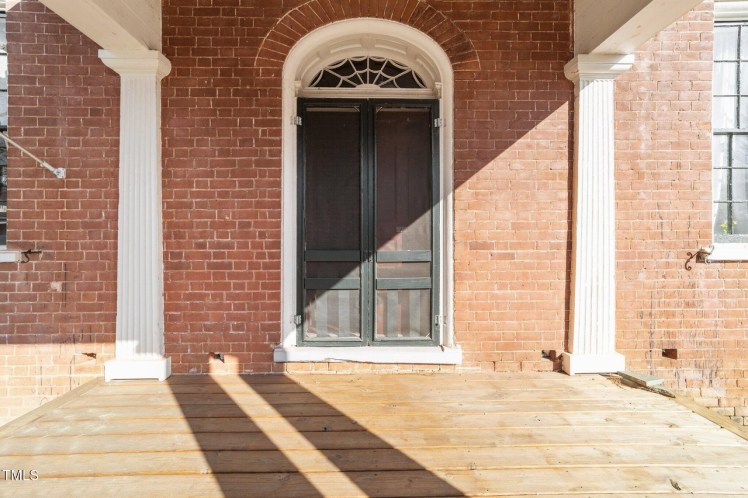
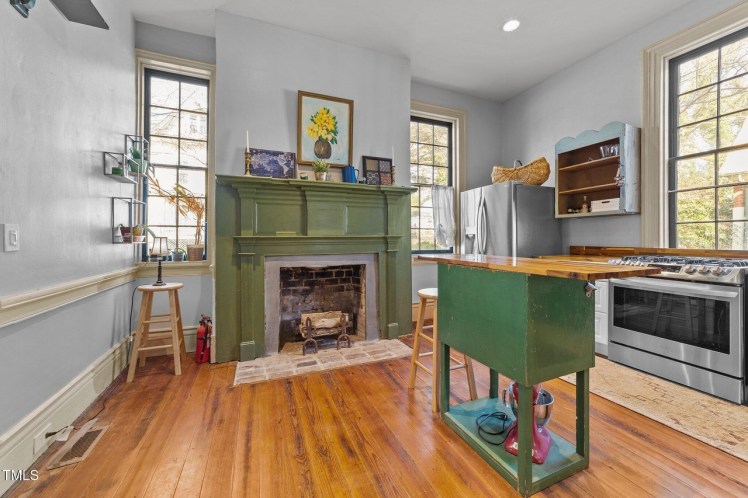
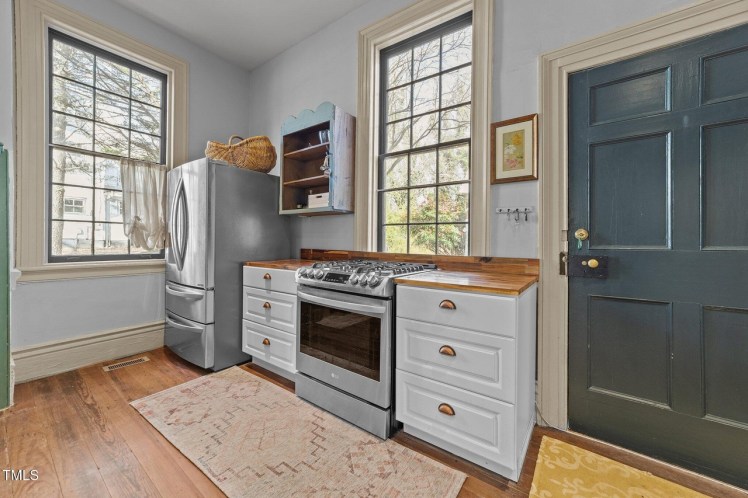
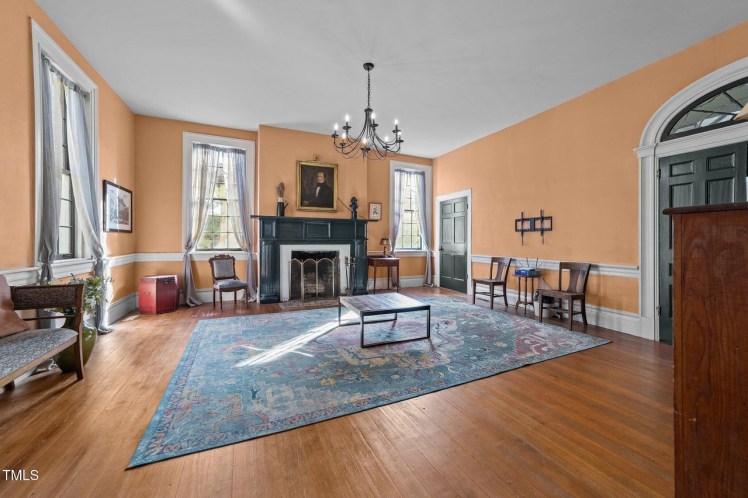
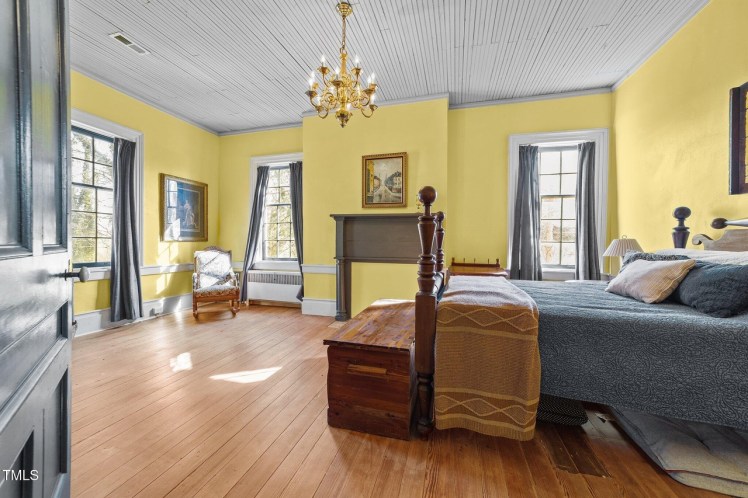
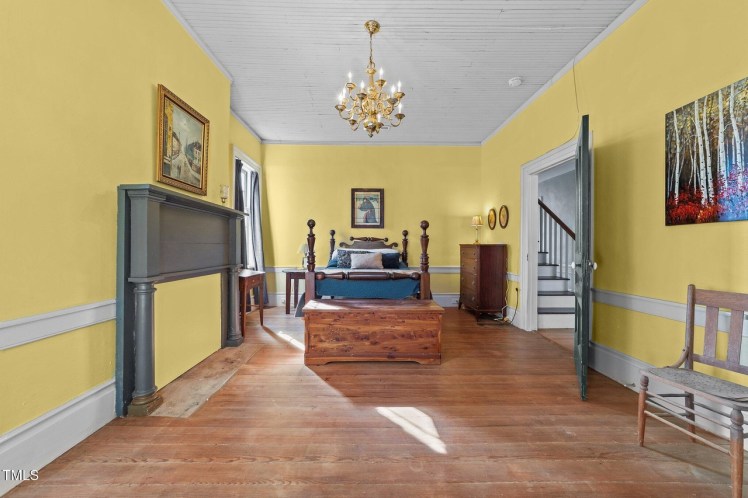
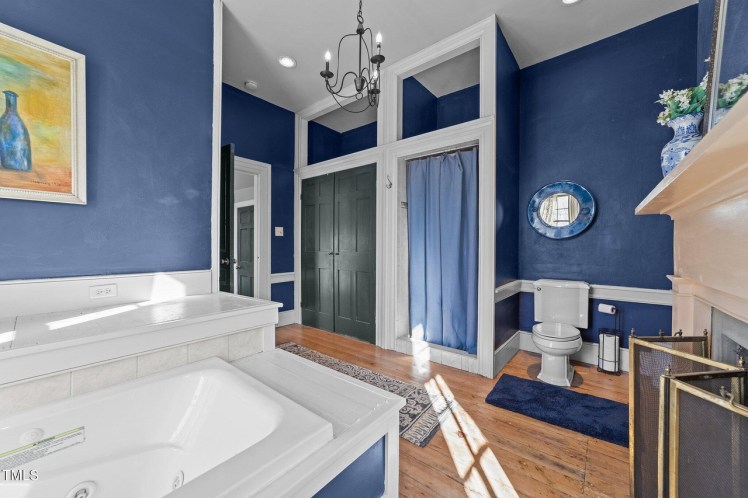
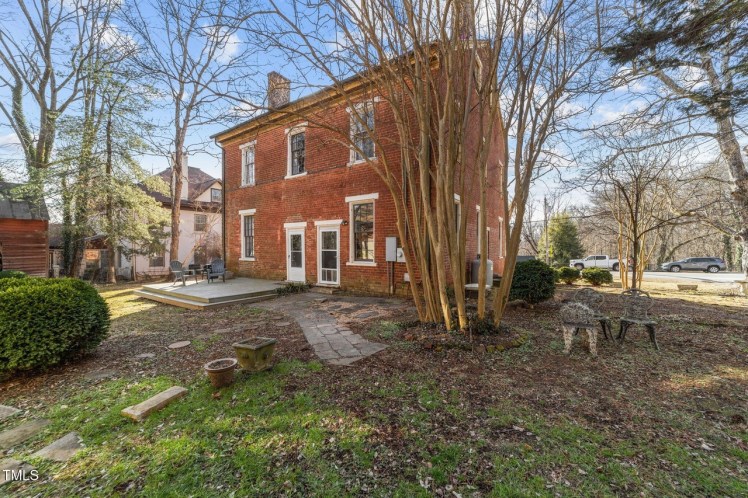
- The restoration of the house by its current owners was recognized with an award from Preservation North Carolina in 2024. The restoration included the removal of a 20th-century double front porch. The project also returned the house to single-family occupancy; it had been divided into apartments.
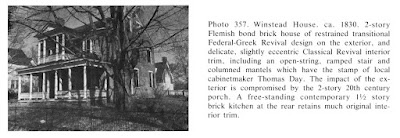
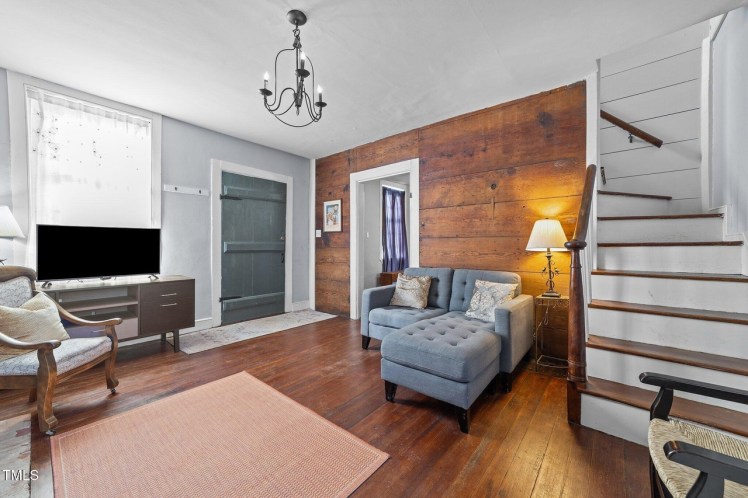
- “2-story Flemish bond brick house of retrained transitional Federal-Greek style Revival design on the exterior, and delicate, slightly eccentric Classical Revival interior trim, including an open-string ramped stair and columned mantels which have the stamp of local cabinetmaker Thomas Day. … A free-standing contemporary 1 1/2 story brick kitchen at the rear retains much original interior trim.” (An Inventory of Historic Architecture: Caswell County, North Carolina, by Ruth Little-Stokes and Tony P. Wrenn, 1979, p. 222)
- District NR nomination: “The Winstead House, on the north side of Main Street [now Broad Street] beside Talton’s Alley, is a two-story brick house with a gable roof. It exhibits Federal form and detail but heralds the emerging Greek Revival style in the bold simplicity and large scale of its execution.
- “The entrances have fanlights, ovolo moldings enframe the openings, and raised-paneled corner blocks ornament the window sills.
- “Behind the house is the brick kitchen and quarters with a steep gable roof punctuated by pedimented dormers. E.D. Winstead, a later owner of the house, was a very successful businessman who operated the largest tobacco factory in Milton in the late nineteenth century.”
- Oddly, the National Register nomination doesn’t mention the original owner of the house, John Wilson. “Around 1830, John Wilson built on Broad Street in Milton, North Carolina, what has become known as the Winstead House. Apparently, the house is remembered more for the family of its second owner, Edward D. Winstead (1852-1925), who owned a tobacco factory, roller mill, and cotton gin, all in Milton. His son, Colin Neblett Winstead (1885-1956) also lived in the house.” (Caswell County North Carolina blog)
- John Wilson Sr. (1796-1875) was born in Norfolk. He was a merchant and planter. John had three wives and 13 children. He outlived all of his wives and at least eight of his children. One son who outlived him was Dr. John Wilson Jr. (1828-1892), a physician and educator. His very prominent home next door at 77 Broad Street is also for sale.
728wdavis
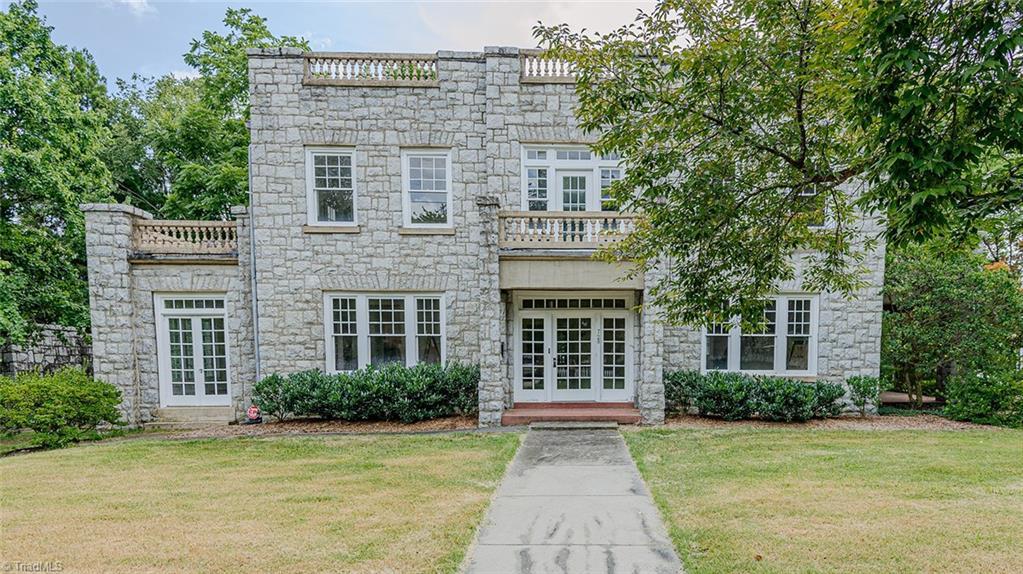


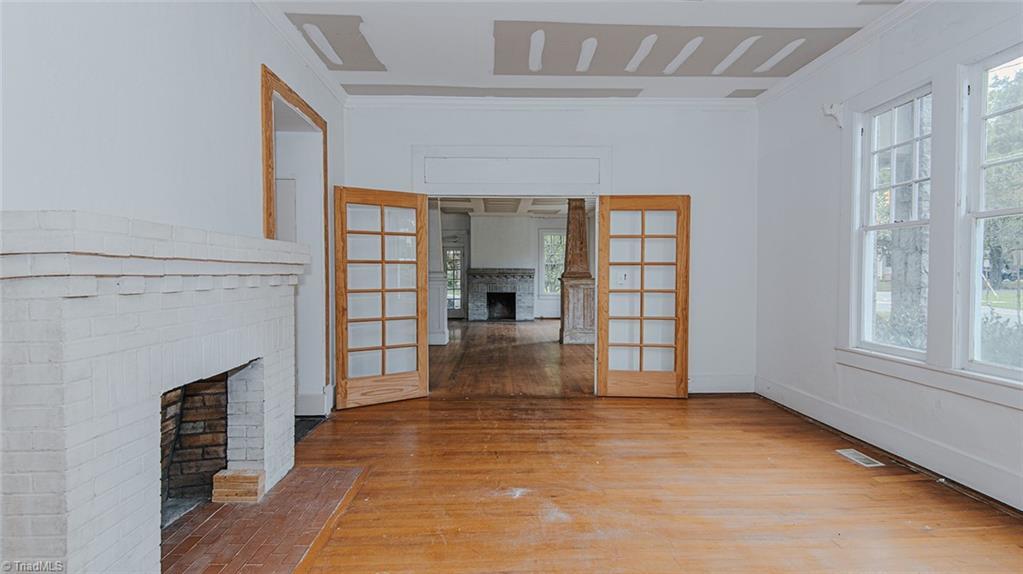

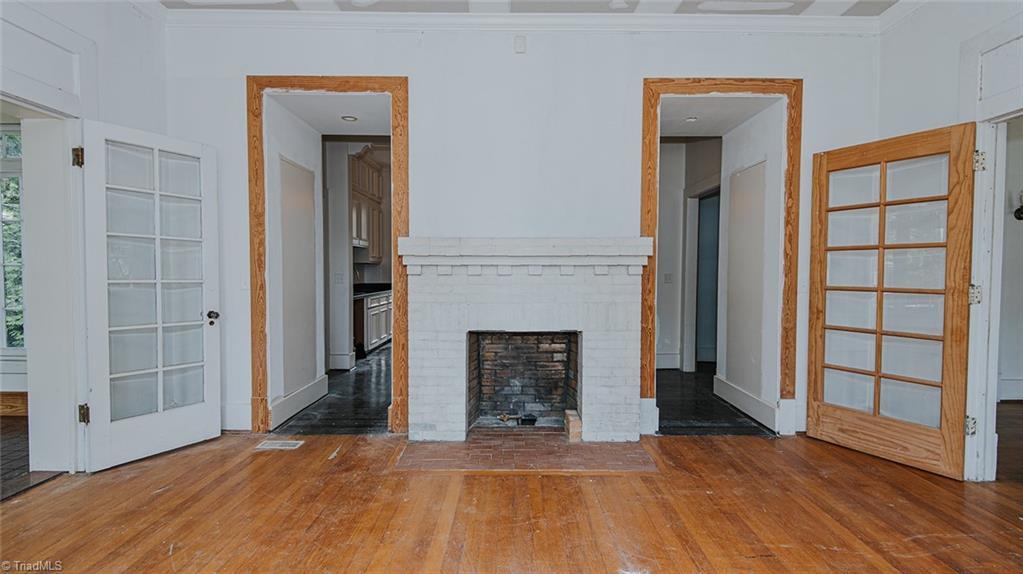


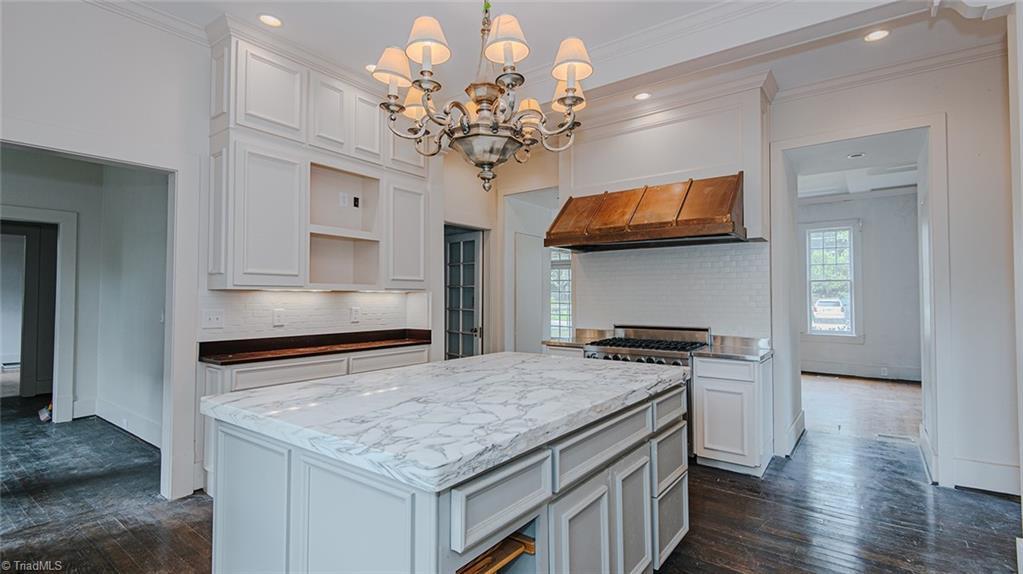


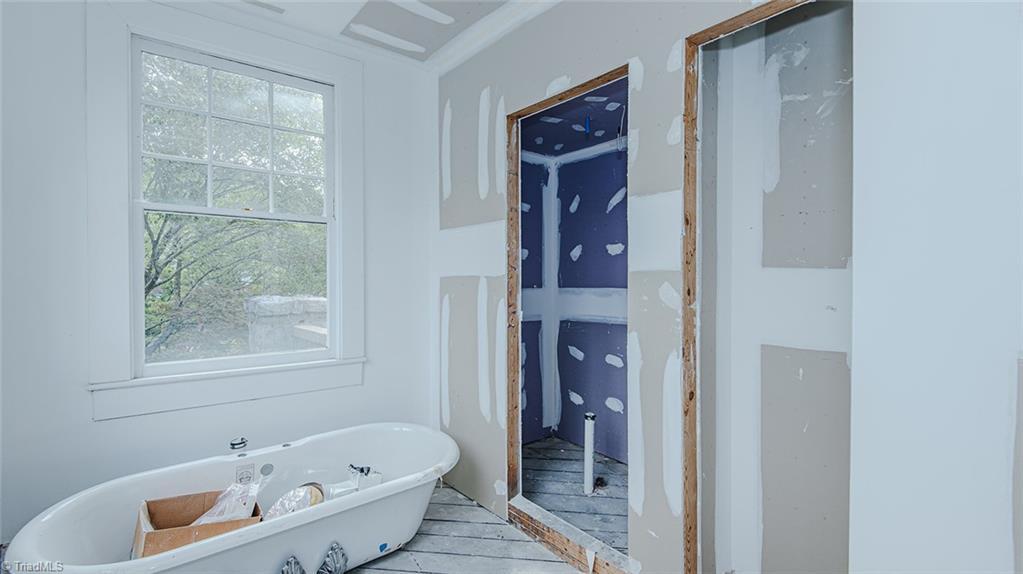

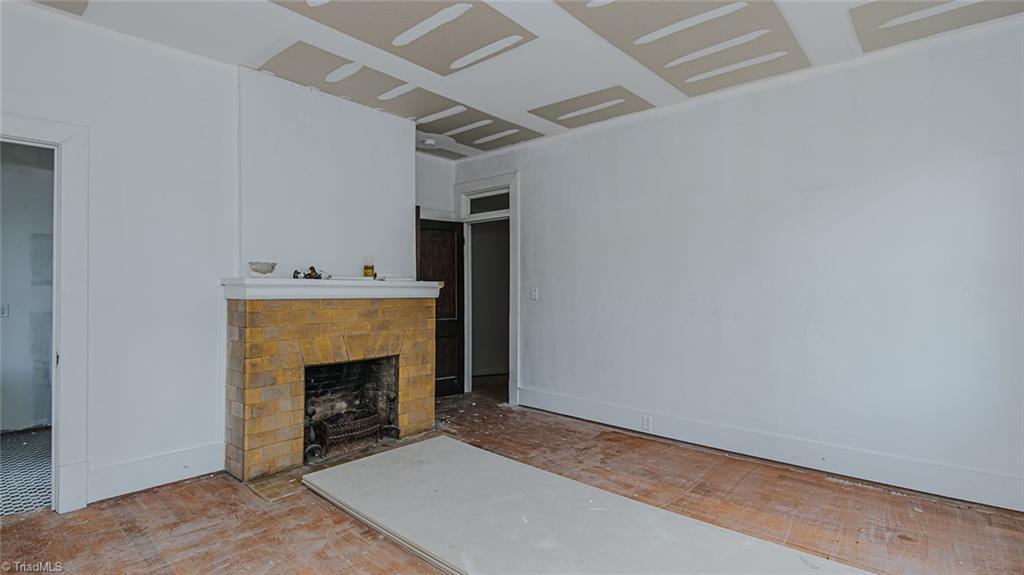

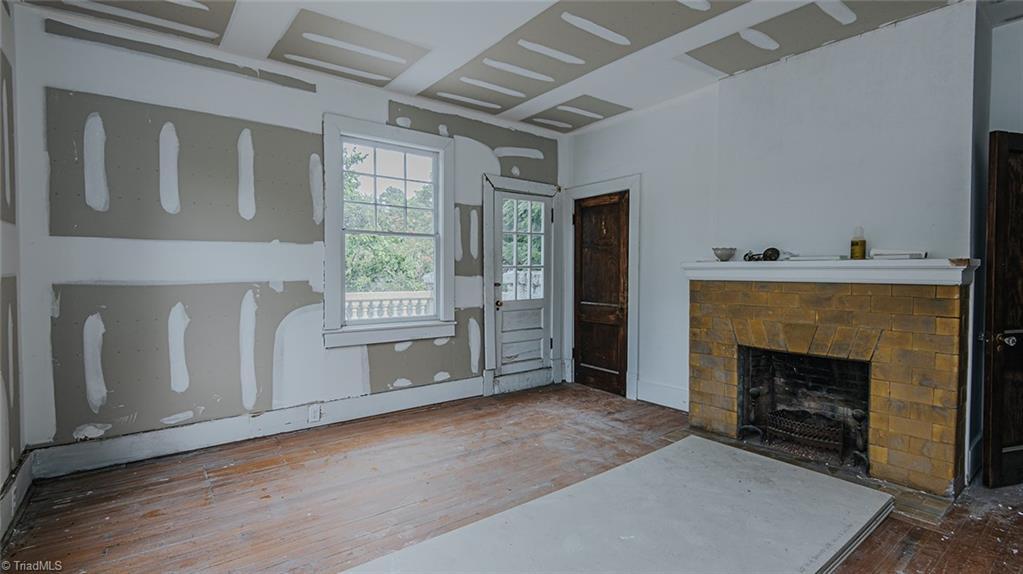
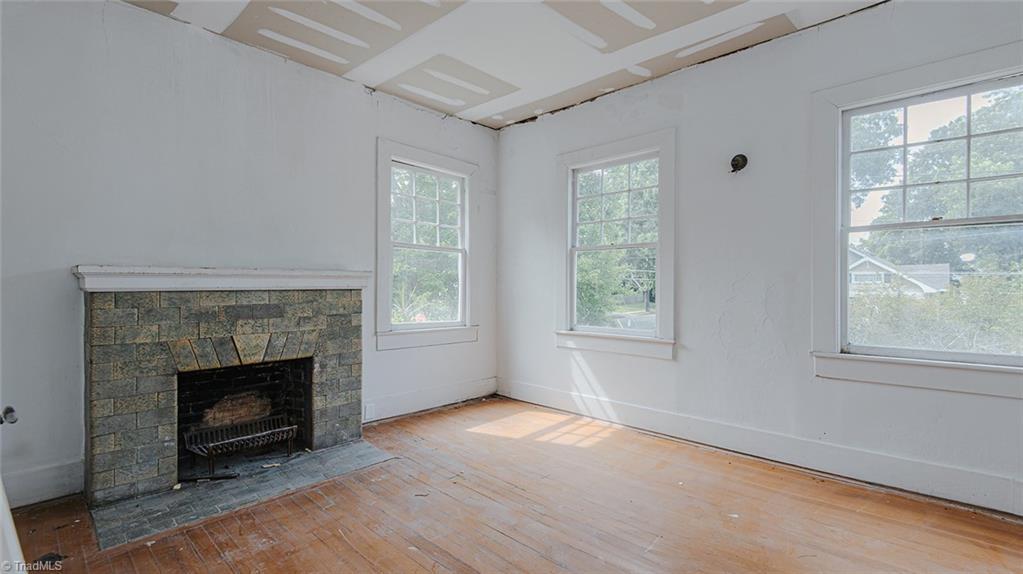


728 W. Davis Street, Burlington, Alamance County
The Pollard-Neese House
- Sold for $485,000 on March 16, 2025 (originally $575,000)
- 4 bedrooms, 3 1/2 bathrooms, 4,004 square feet, 0.31 acre
- Price/square foot: $121
- Built in 1910 (per county, but possibly 1918)
- Listed August 15, 2024
- Last sale: $288,000, November 2006
- Neighborhood: Fountain Place-West Davis Street Historic District (local and NR)
- Note: Another restoration project being abandoned. What’s unusual about this one is that the seller has owned the property for 18 years.
- District NR nomination: “Two of the district’s pivotal houses displaying neoclassical features are difficult to categorize stylistically. … They consist of simple, block-like flat-roofed forms in symmetrical compositions with roof balustrades of classically-inspired turned balusters. … [T]he Pollard-Neese House is fortress-like with its more condensed massing and exterior of random-coursed ashlar. …
- “On its corner lot next to the stone gates leading to Fountain Place, this highly unusual stone structure with classical elements is a key property in the West Davis Street area. Built in 1918 for Harold C. Pollard, prominent Burlington realtor, it was acquired in the mid-1920s by C. Freeman (‘Diamond Pete’) Neese, son of C.F. Neese who in the early 1880s opened the first jewelry store in Company Shops/Burlington. In 1926, ‘Diamond Pete’ joined with his brother-in-law to organize the Heritage Brothers Circus, the only such operation ever to emanate from Burlington. He also had the distinction of being born on the same day that the city’s name was changed from Company Shops to Burlington.
- J.W. Long was the contractor for the two-story structure constructed of granite quarried in Mount Airy. Heavy stone balustrades cap the flat roofs of the central block, one-story entrance bay porch, and side porch and sunroom. A pair of paved single-shoulder chimneys rise in an exterior end position on the west elevation.
- “Most of the numerous windows are nine-over-one double hung sash; those lighting the sunroom are twelve-pane double casements with transoms. Multi-pane transoms are repeated over the main entrance and sidelights and above a second-floor door and flanking windows.”
- Diamond Pete (1887-1979) and Elon Heritage Neese (1890-1988) owned the house until their deaths. The Heritage Brothers Big Three-Ring Trained Animal Circus, sadly, lasted only one season, but what a show it must have been. It was organized by two of Elon’s seven brothers, Arthur and Albert Heritage. It operated from April to September 1926.
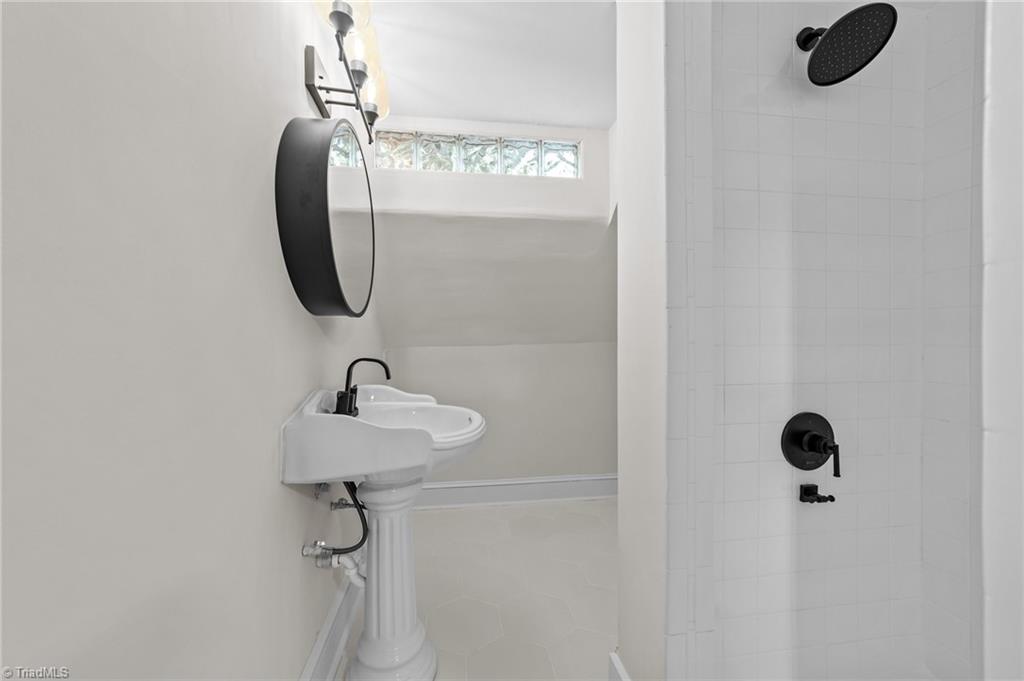
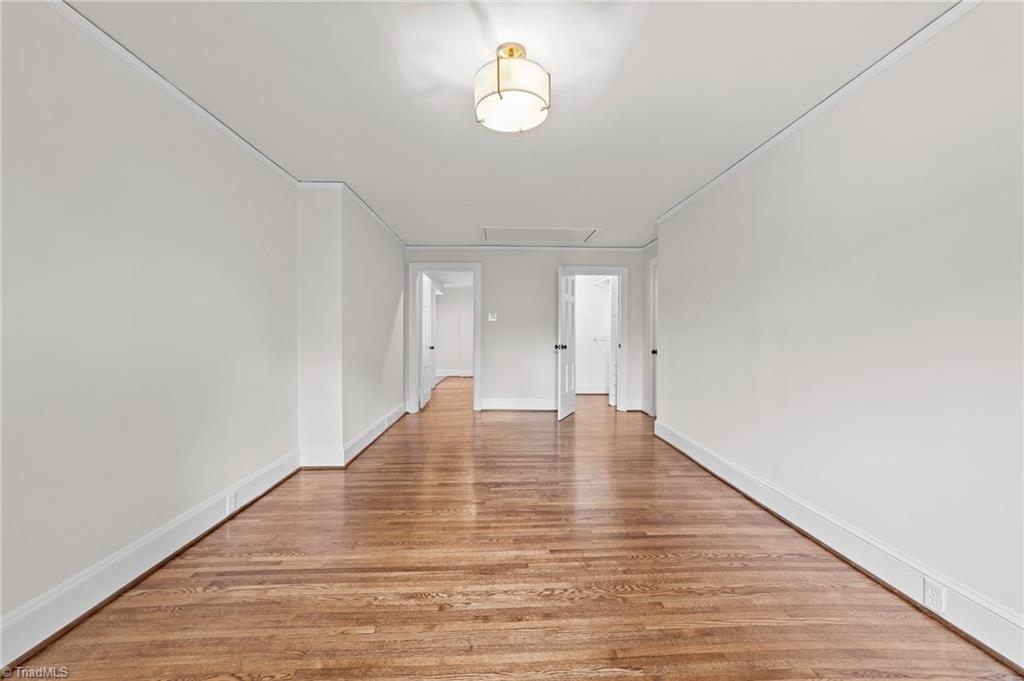
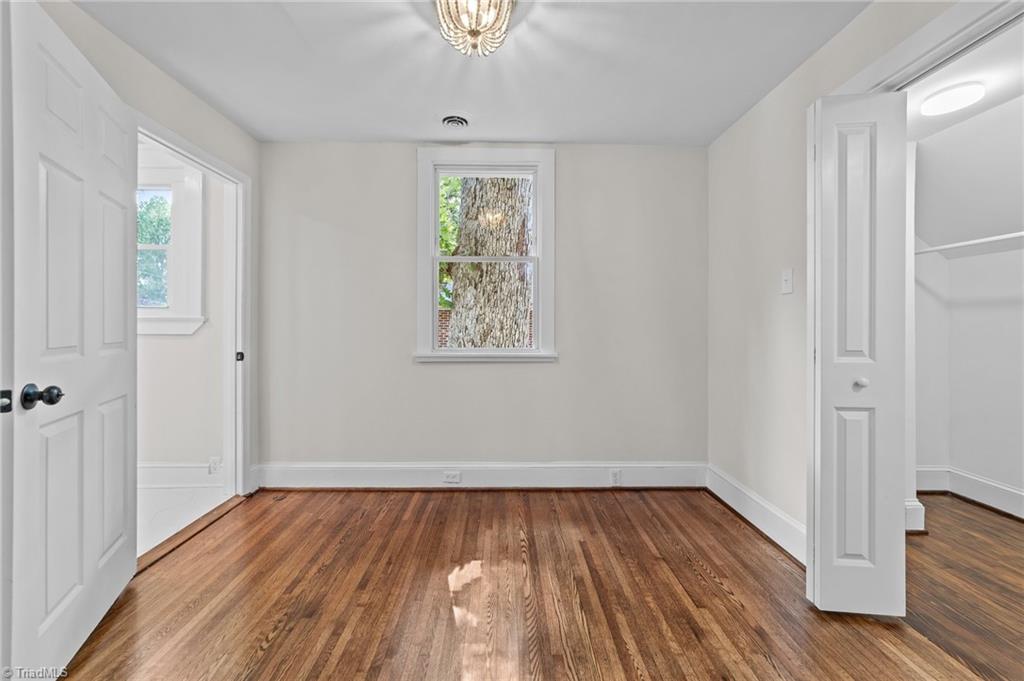
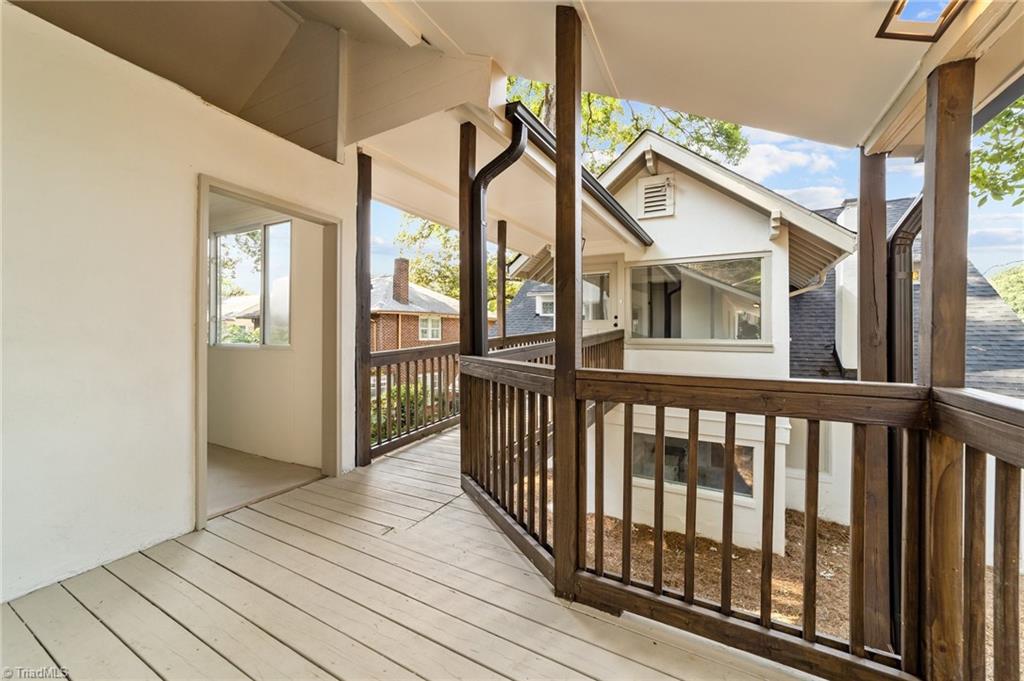
209edgedale

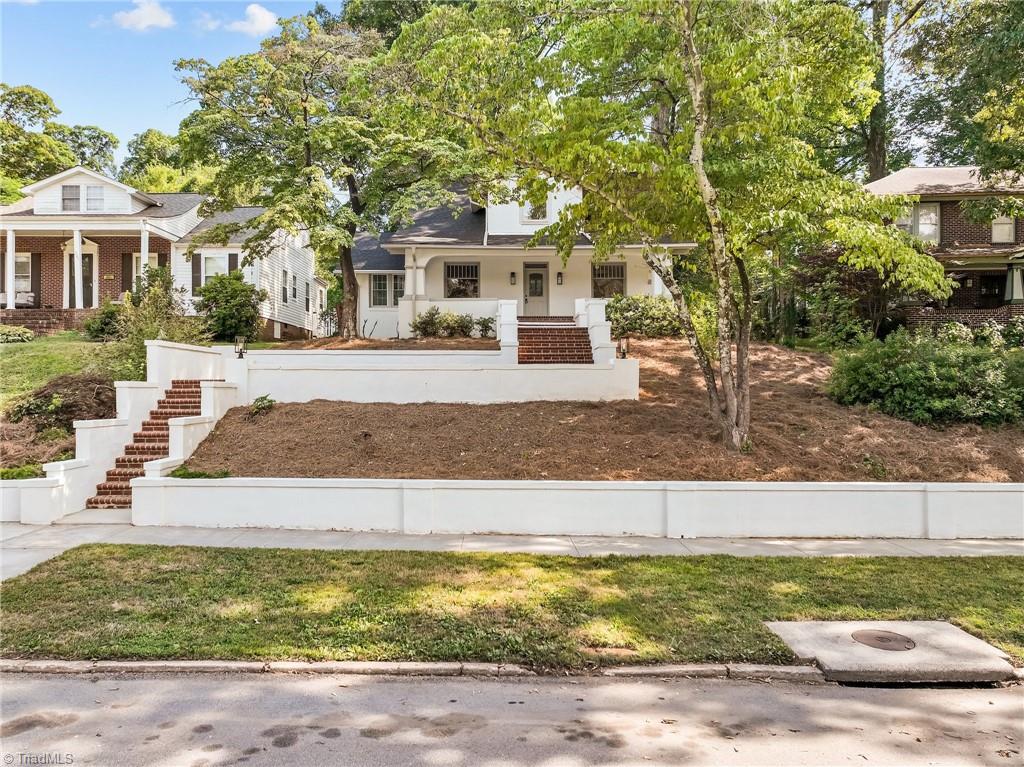

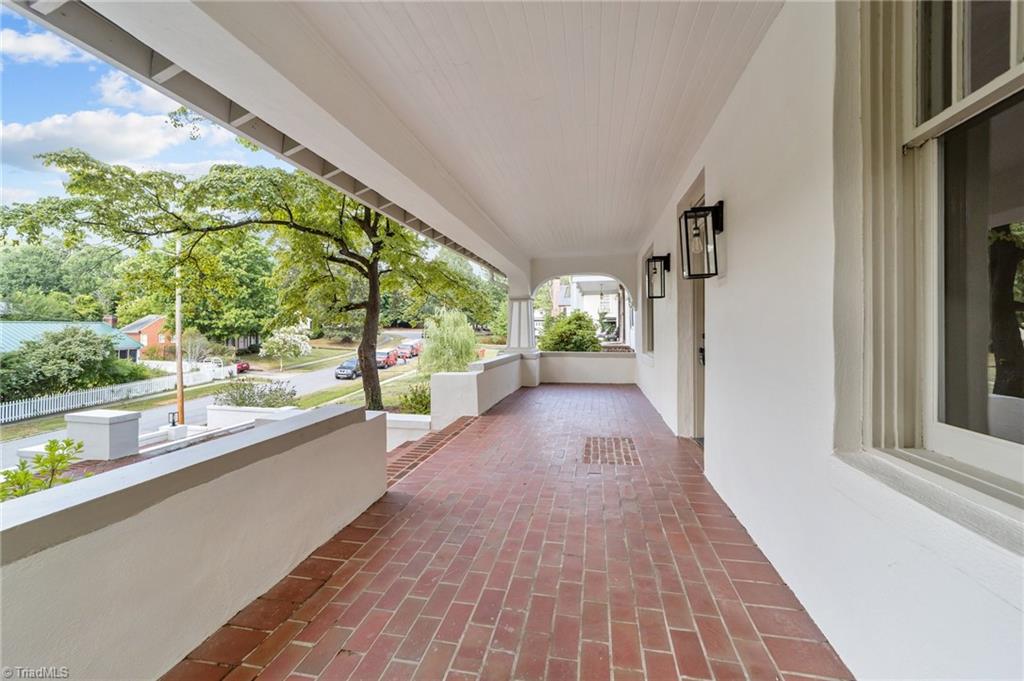


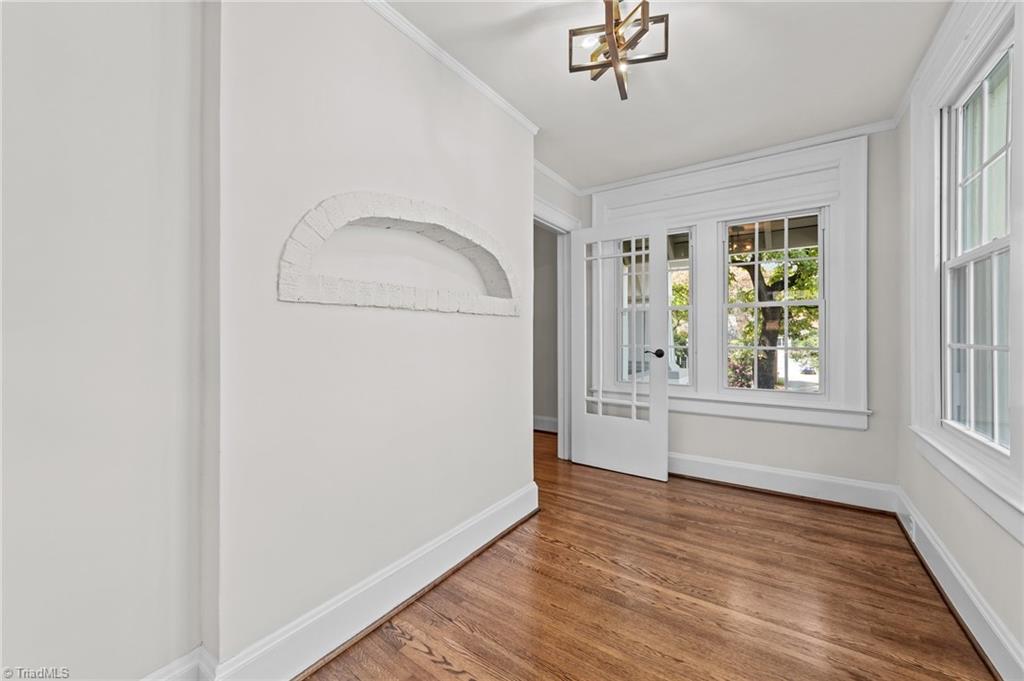
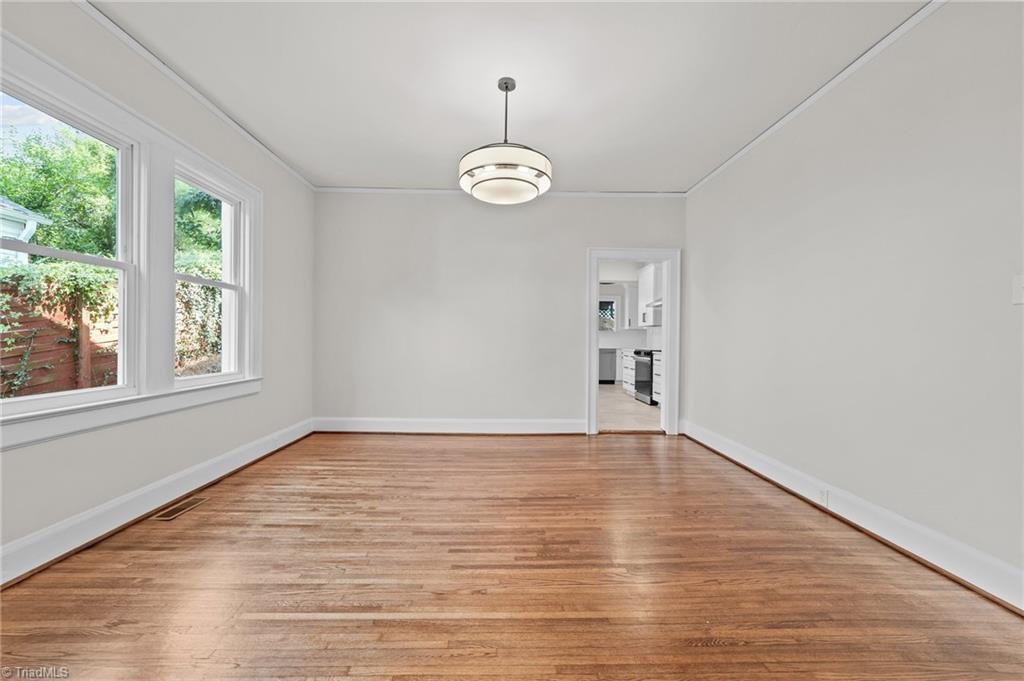


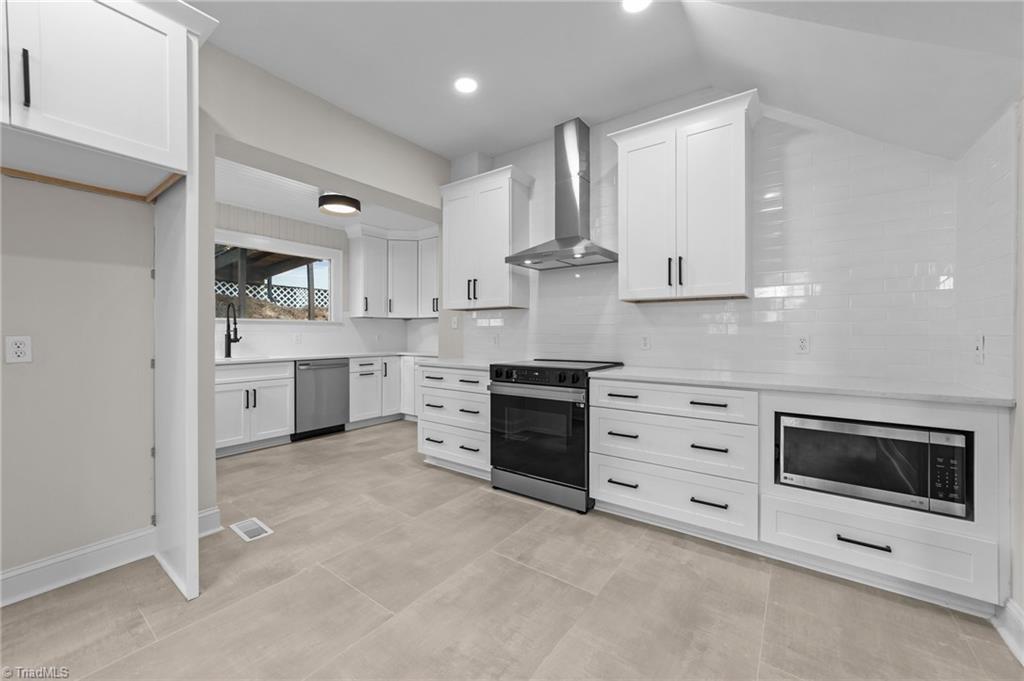






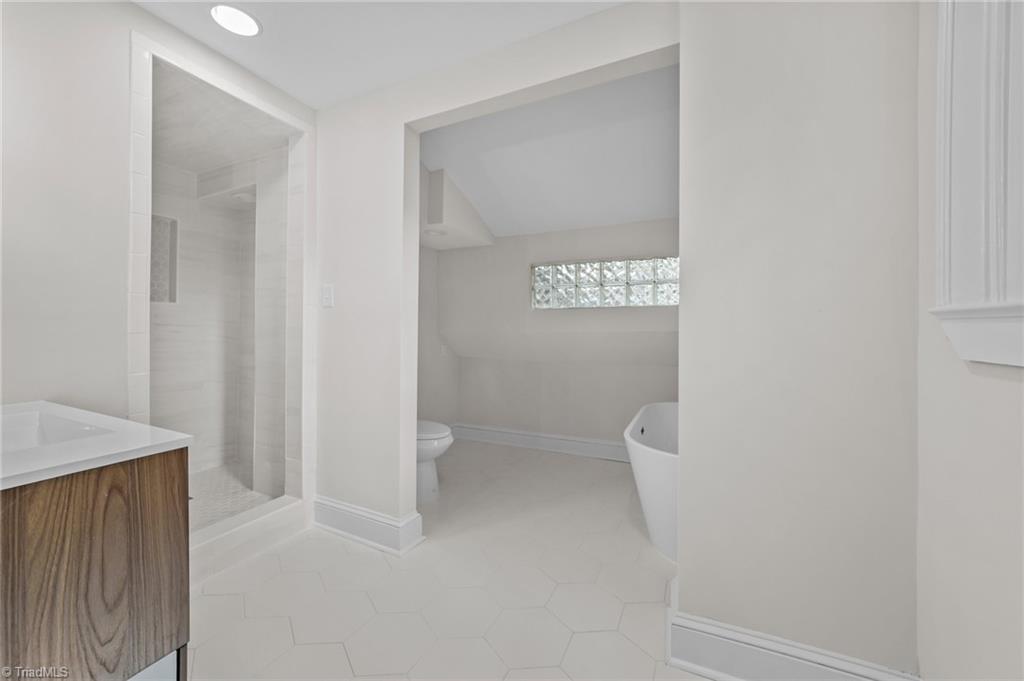

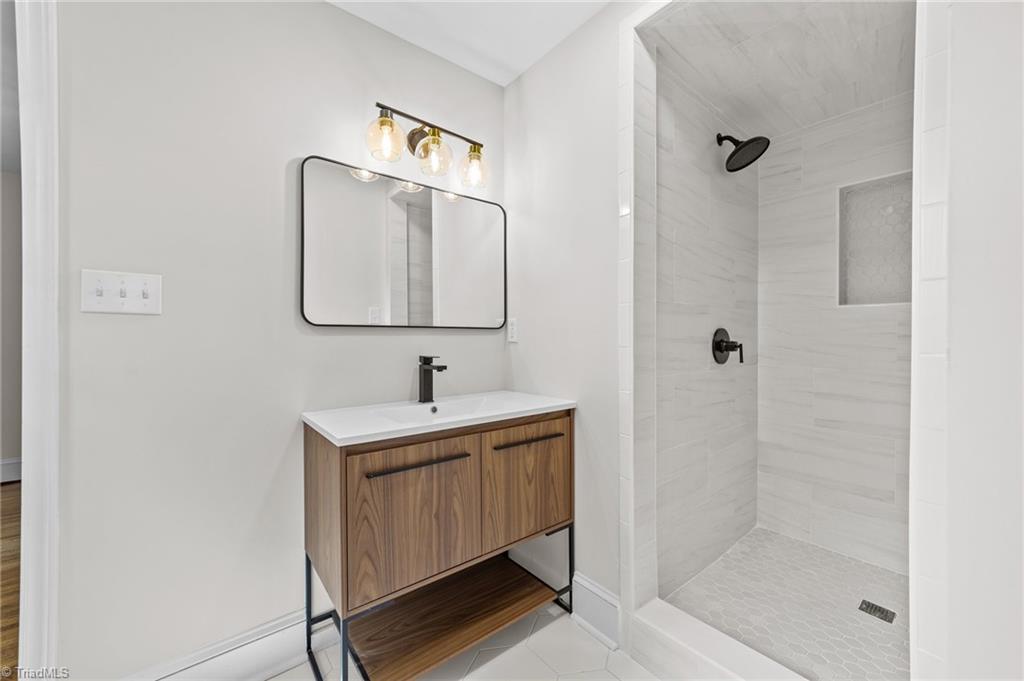


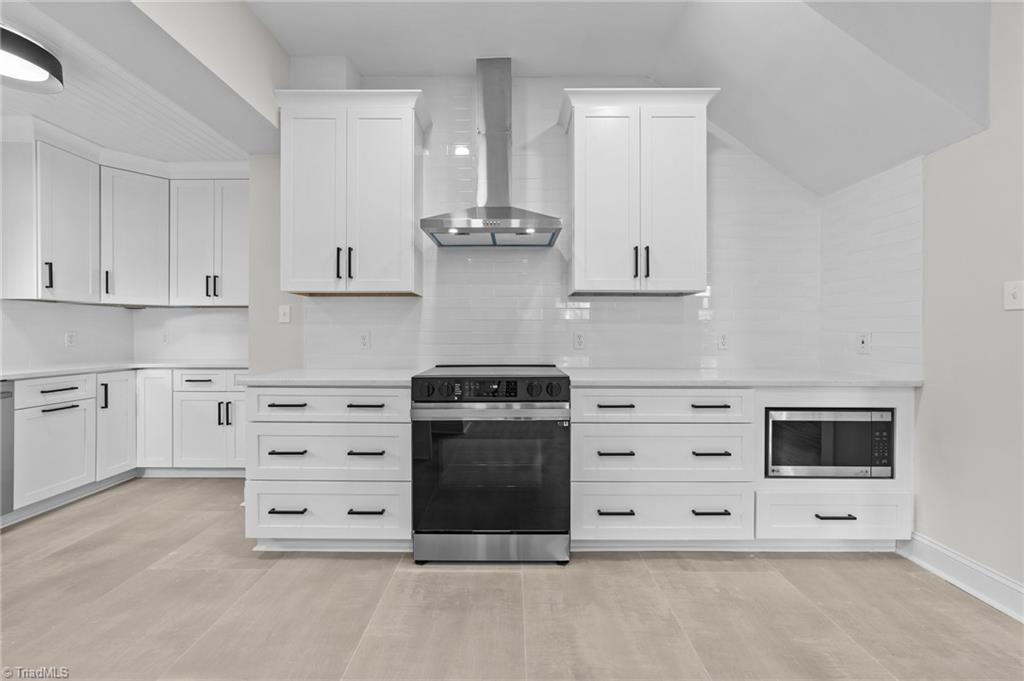


209 Edgedale Drive, High Point
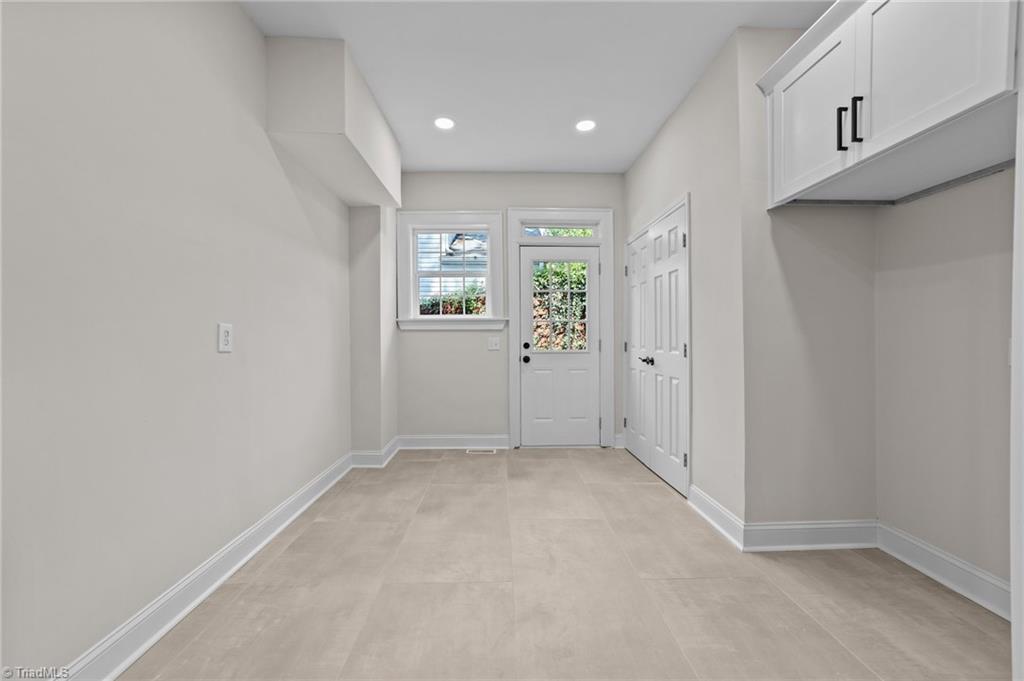
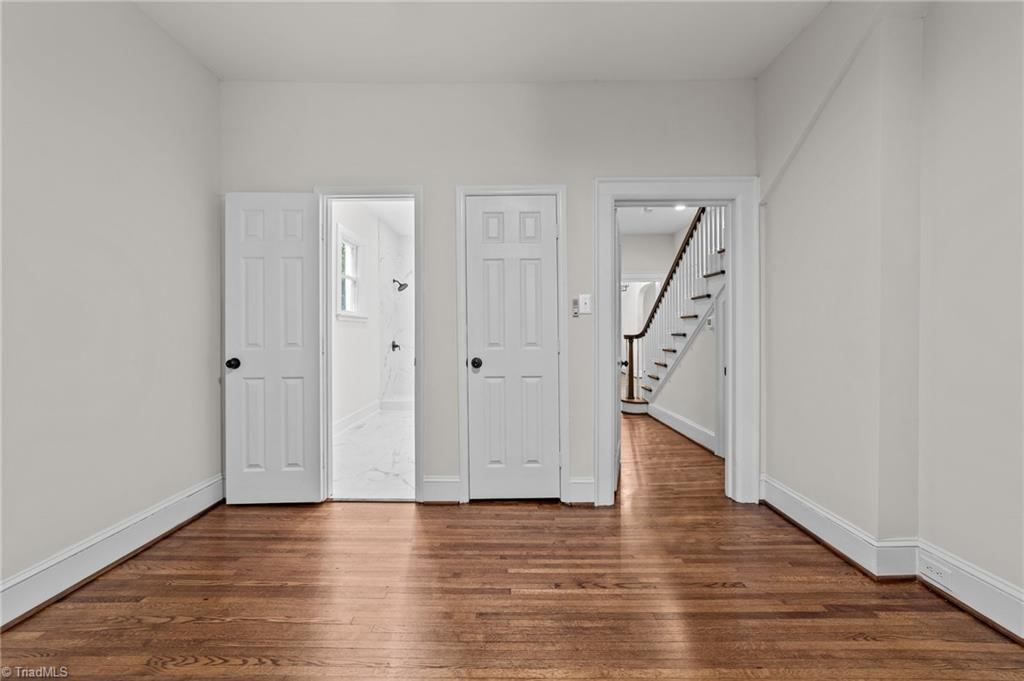
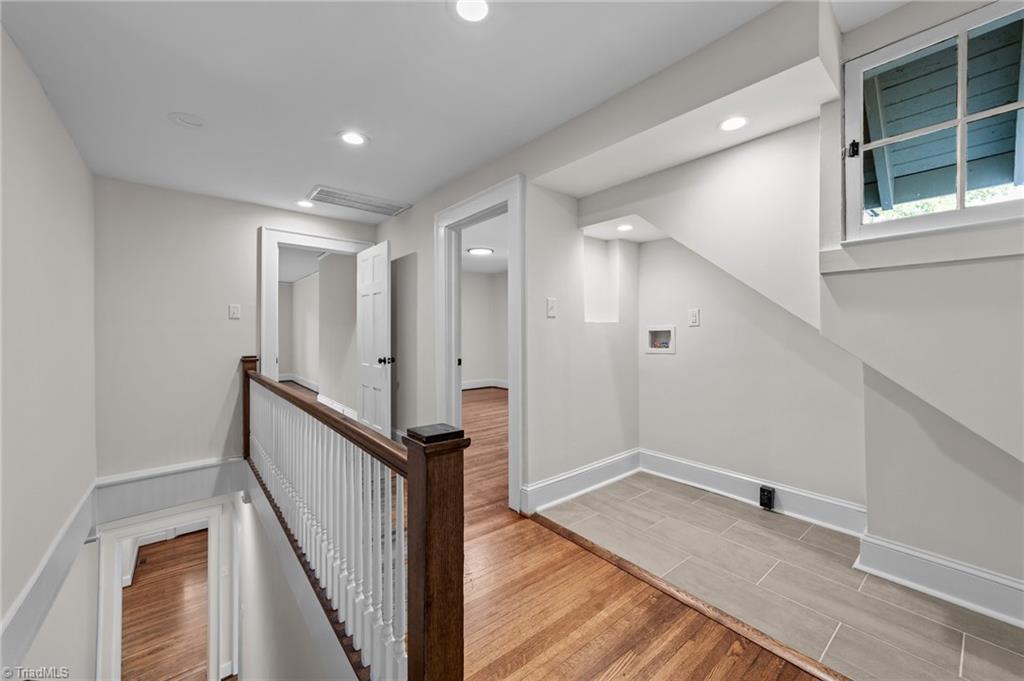
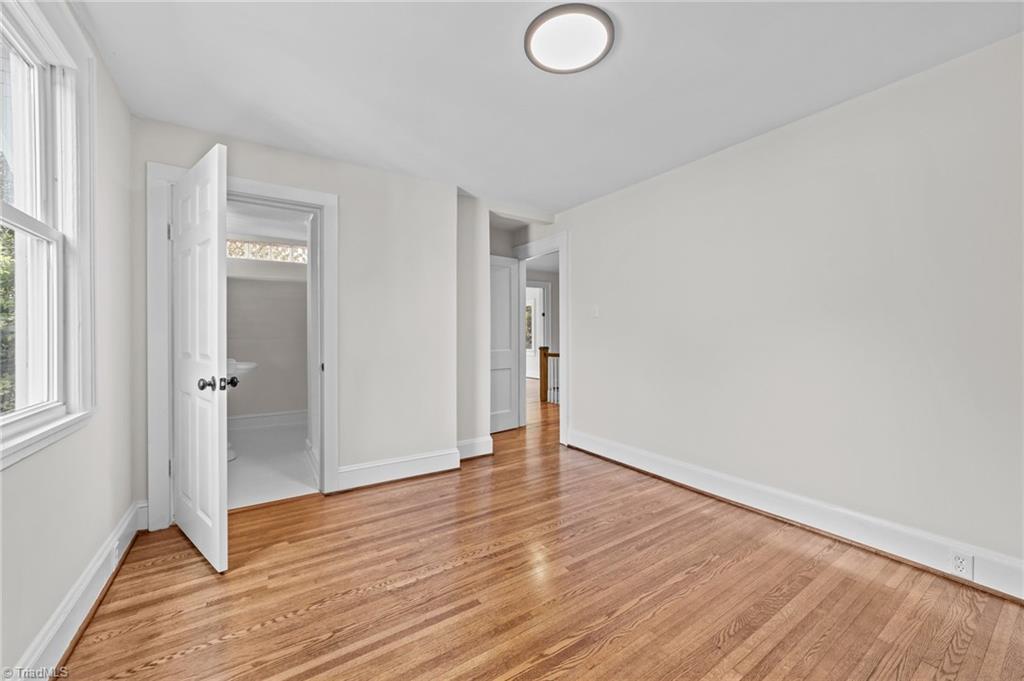
- Sold for $470,000 on March 11, 2025 (originally $594,900)
- 3 bedrooms, 3 1/2 bathrooms, 2,450 square feet, 0.23 acre
- Price/square foot: $192
- Built in 1926 (per county, but probably a couple years later; see note)
- Listed July 20, 2024
- Last sales: $210,000, January 2023; $180,000, January 2023; $42,000, April 1980
- Neighborhood: Emerywood, Uptown Suburbs Historic District (NR)
- Note: The house has an attached two-car garage. The lot extends all the way through the block to the next street, Ardmore Circle.
- District NR nomination: “This one-and-a-half-story, side-gabled, Craftsman-style bungalow is three bays wide and double-pile with a large, front-gabled dormer centered on the facade and rear elevation.
- “The house has stuccoed, nine-over-one, wood-sash windows, exposed rafter tails, and decorative exposed purlins in the gables. The replacement door and transom are flanked by eight-over-one, Craftsman-style, wood-sash windows on the facade and a full-width, engaged porch is supported by tapered, paneled wood posts on stuccoed piers with a stuccoed knee wall.
- “There is a replacement window and an original louvered vent in the gabled dormer. A one-story, side-gabled wing on the left (east) elevation has grouped, multi-light casement windows.”
- The earliest known owners were Walter Raleigh Kester (1885-1948) and Sara Carolina Yost Kester (1904-1989), who were listed at the address in 1928, the first year it appeared in the city directory. Walter was manager of the Kester Machinery Company, which sold power-plant equipment and mill and factory supplies. They sold the house around 1944.
817west
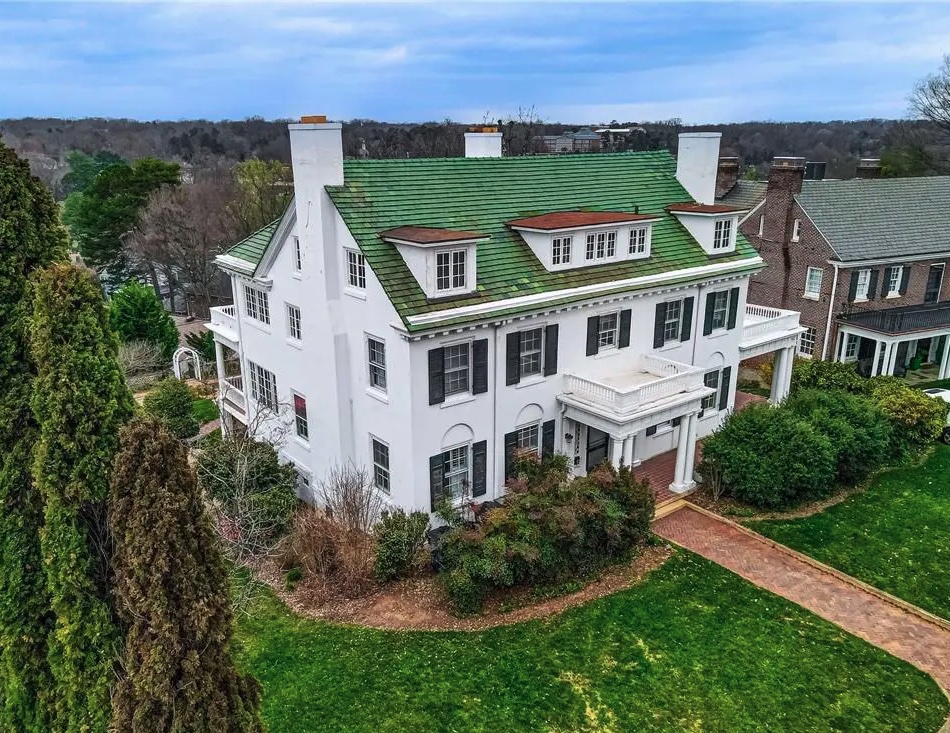





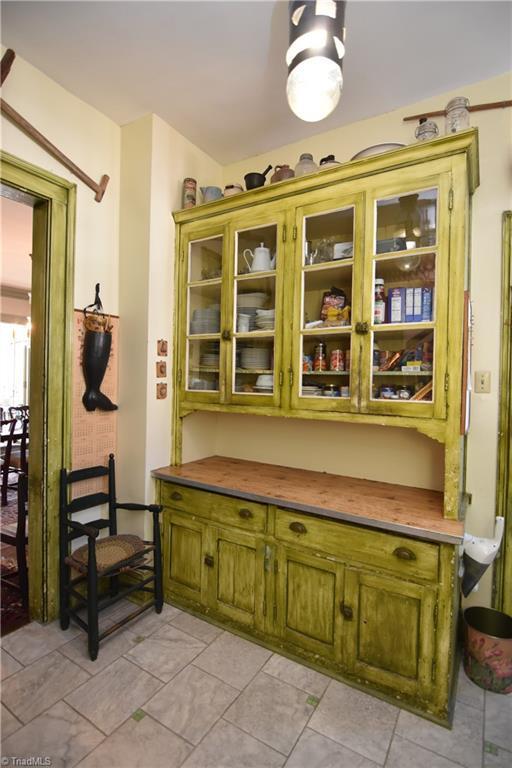

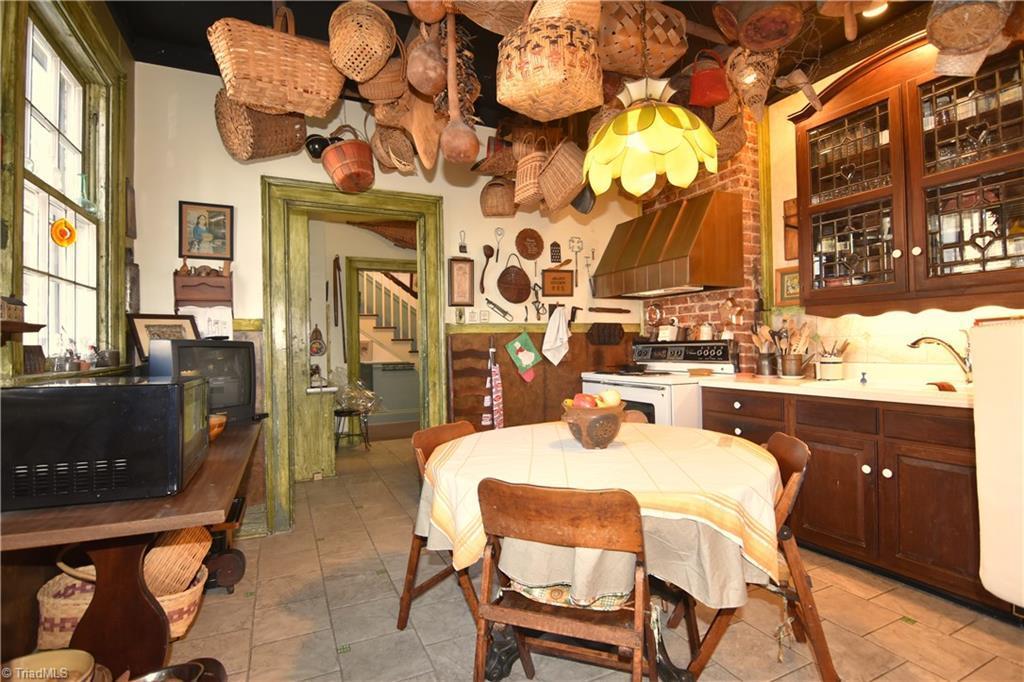


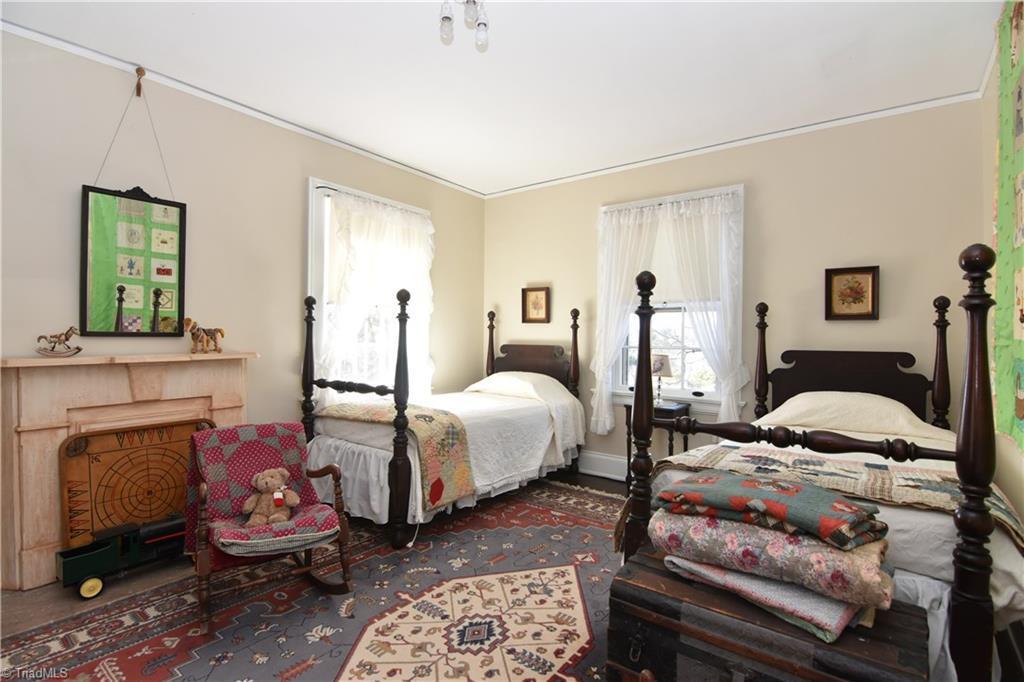


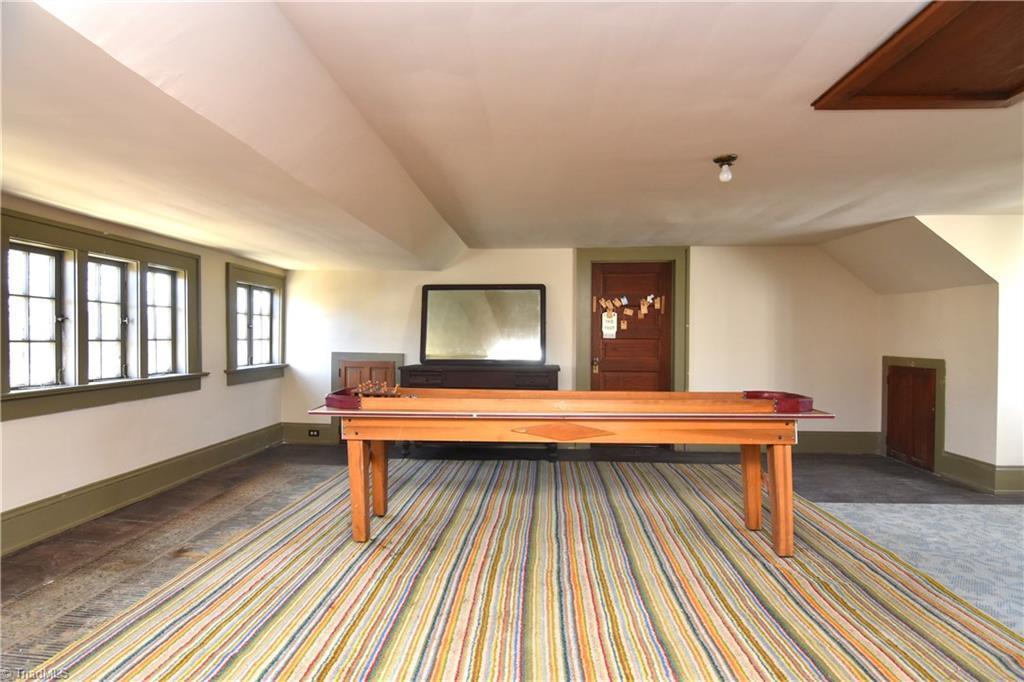
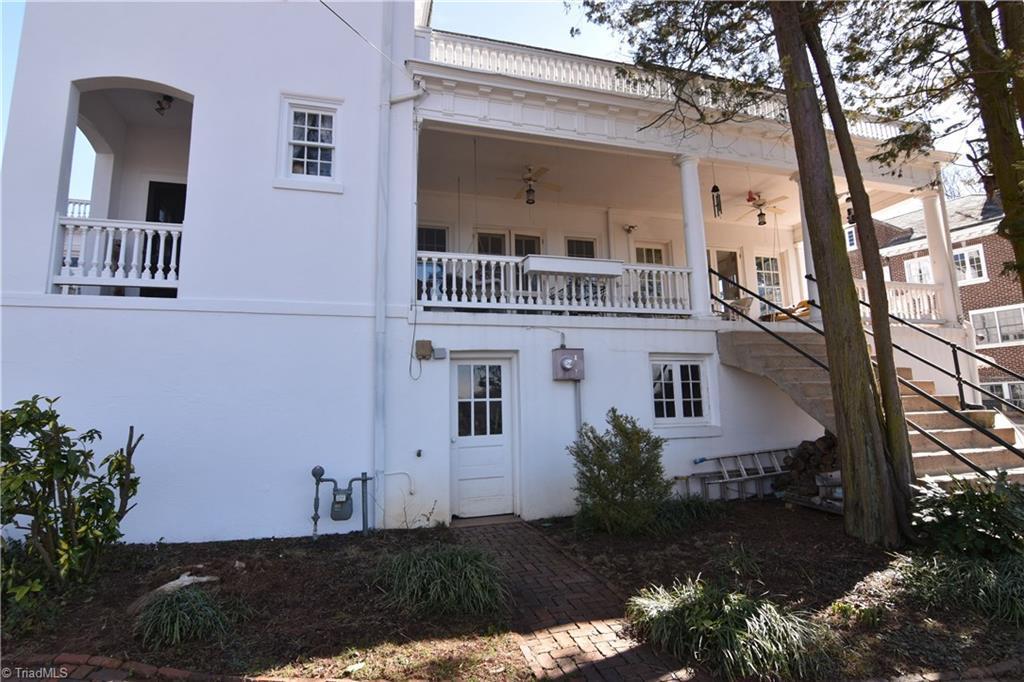
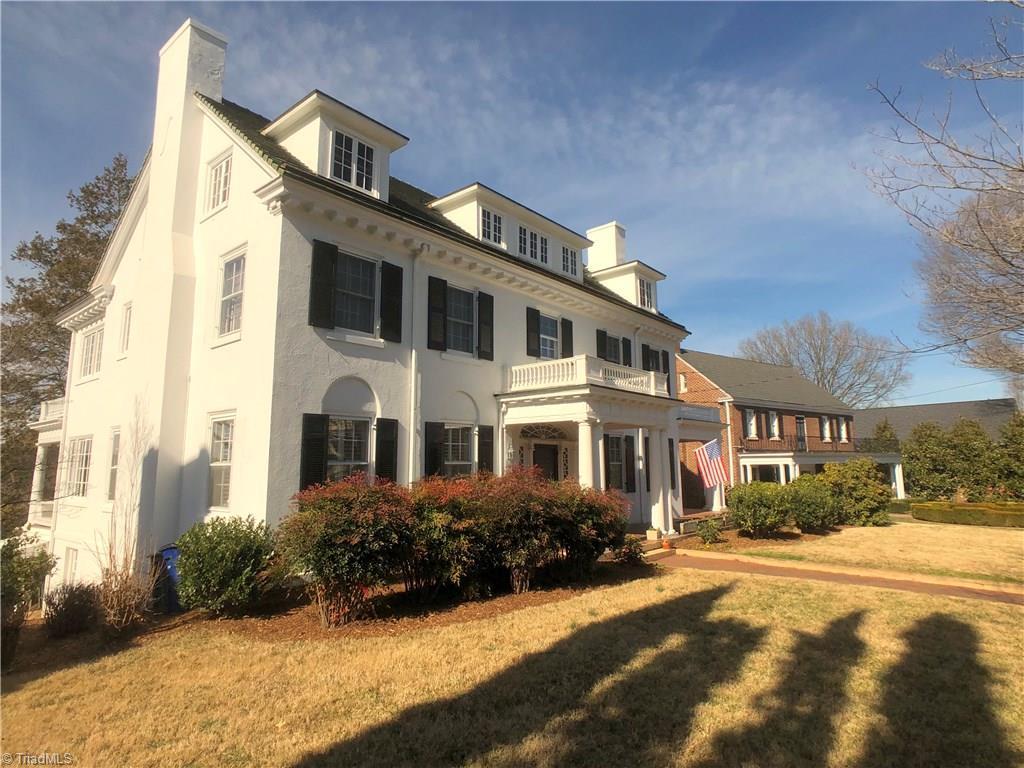

817 West End Avenue, Winston-Salem
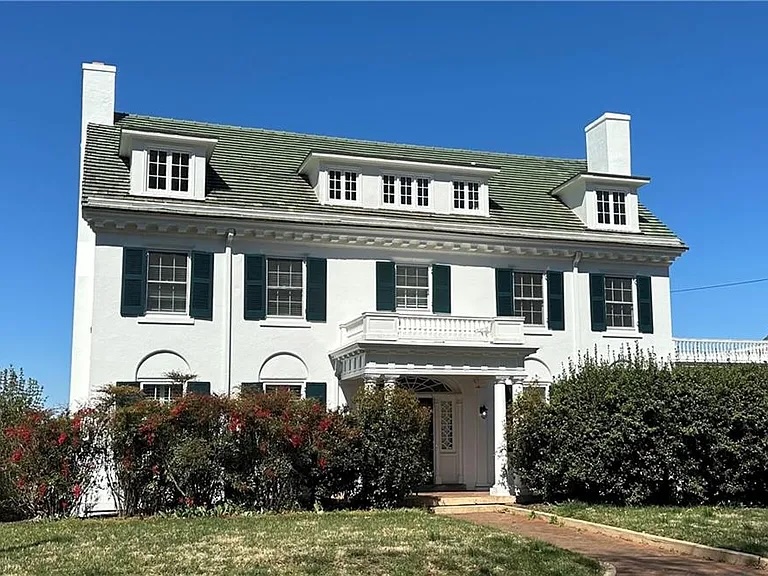
The Robert and Ida Galloway House
- Sold for $955,000 on March 10, 2025 (listed in 2023 at $985,000)
- 5 bedrooms, 4 1/2 bathrooms, 4,641 square feet, 0.47 acre
- Price/square foot: $206
- Built in 1918
- Listed March 8, 2023; withdrawn May 30, 2023
- Last sale: $670,000, May 2019
- Neighborhood: West End Historic District (local and NR)
- Note: The house was designed by Willard Northup.
- The house has had just three owners in 105 years.
- The roof is Ludowici green tile.
- Sold without being publicly relisted.
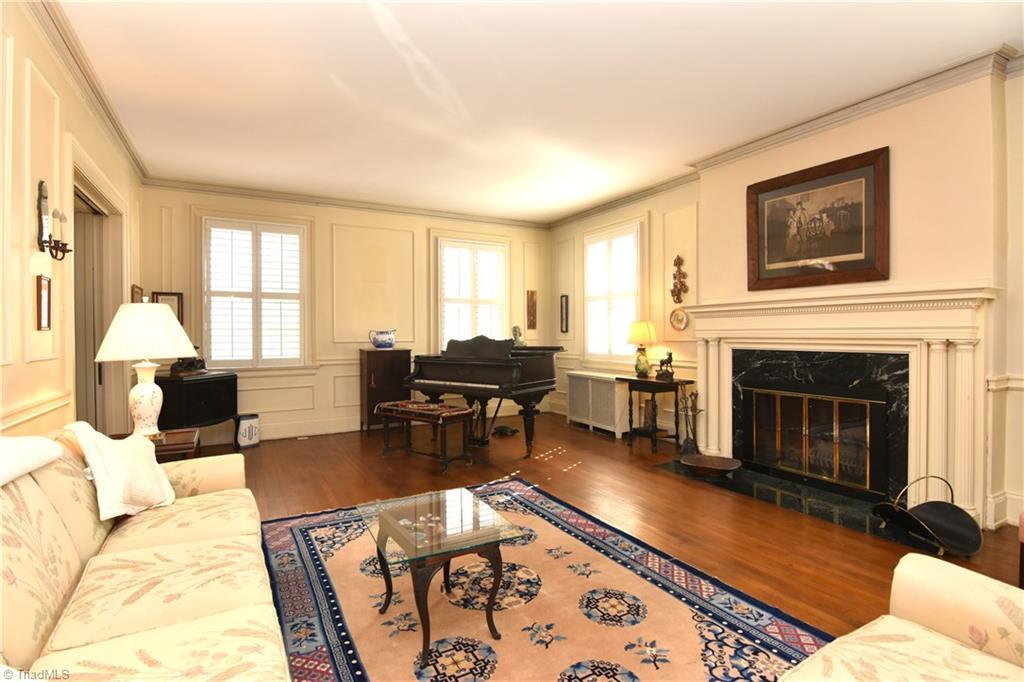
- Something you don’t see every day: “Mrs. Galloway’s baby grand piano has been tuned and can convey with the house.”
- District NR nomination: “One of the most handsome of the many examples of the [Colonial Revival] style is the Robert S. Galloway House, designed in 1918 by prominent local architect Willard C. Northup.
- “With its white stuccoed walls and green tile roof, the two-story house suggests the influence of Charles Barton Keen’s design for Reynolda House.
- “The Galloway House is detailed with blind arches over the first story windows, a modillioned cornice, and matching front, side, and rear porches with Tuscan columns, a full entablature with triglyph- and metope frieze, and a balustraded upper deck.
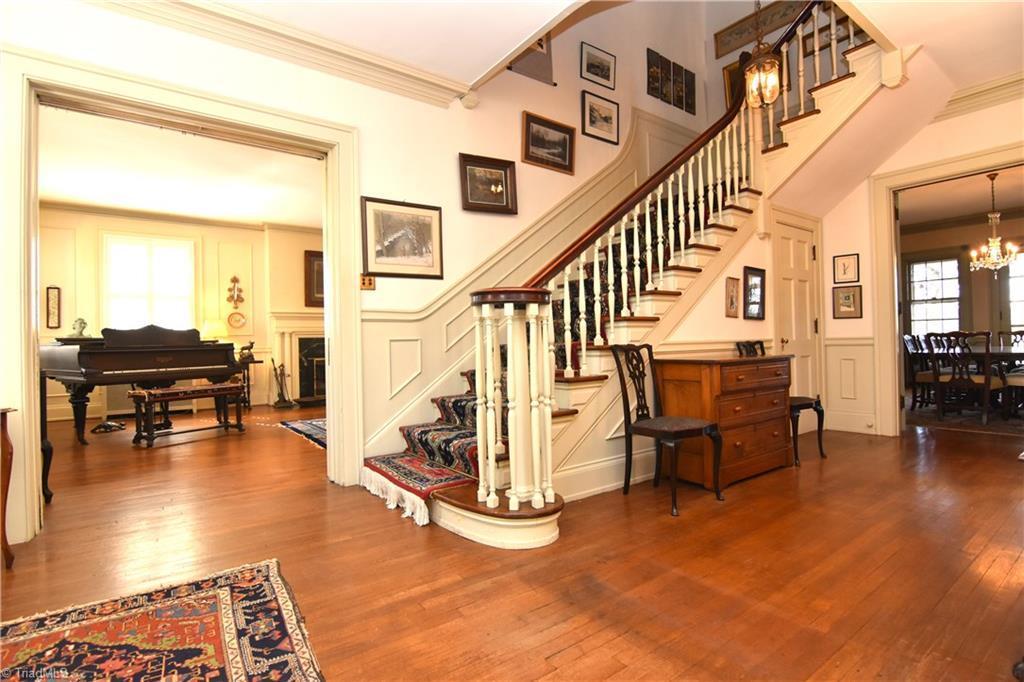
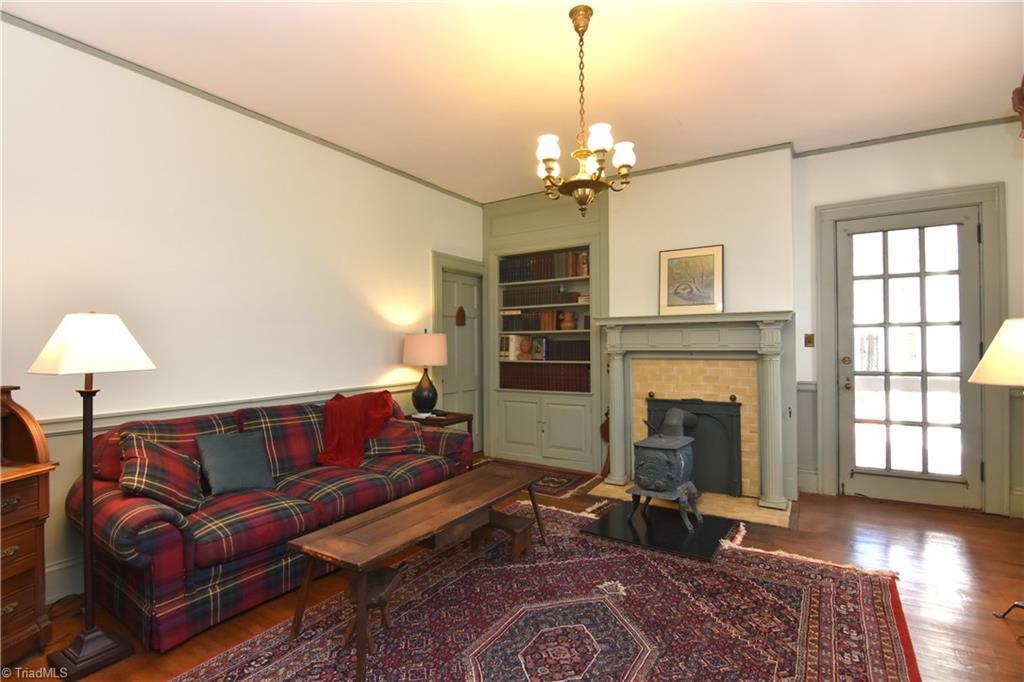
- “The interior is designed with a variety of Federal Revival details.”
- Ida Miller Galloway (1881-1972) bought the property in 1912. She and Robert Scales Galloway (1866-1964) built the house in 1918. He was as an accountant at R.J. Reynolds Tobacco and later president of Smith-Phillips Lumber Co. Ida and Robert lived here until they died. It was sold in 1972 to the owners who sold it in 2019.
- Included in Art Works of Piedmont Section of North Carolina (1924):

424spring
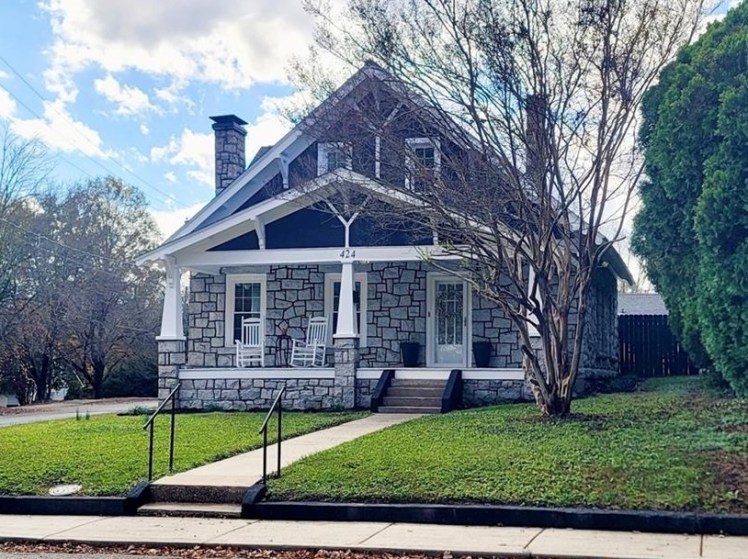
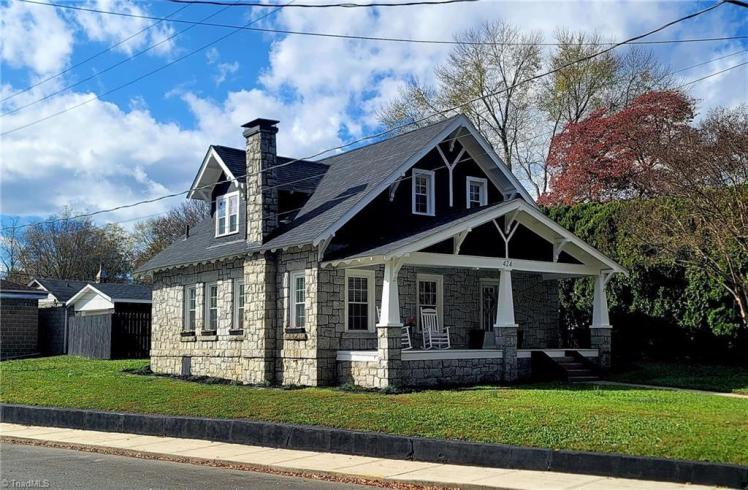


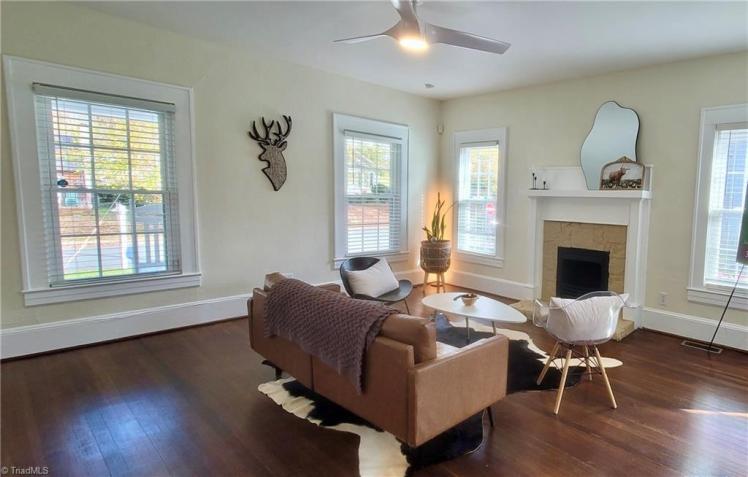
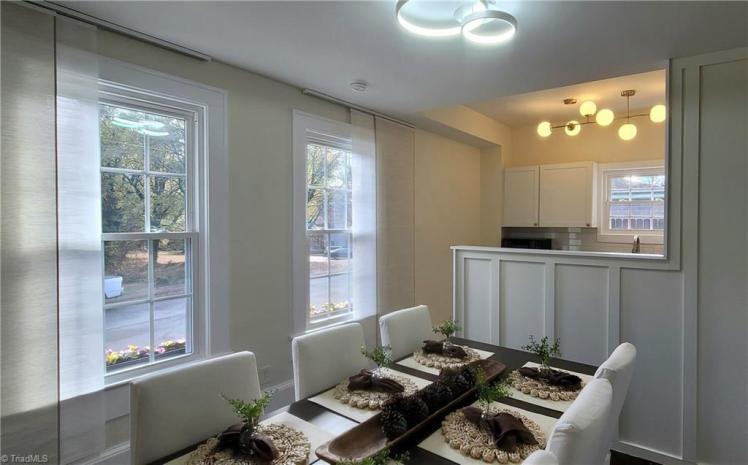


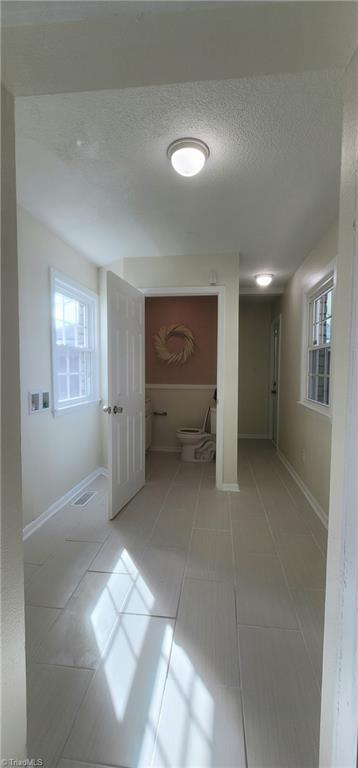


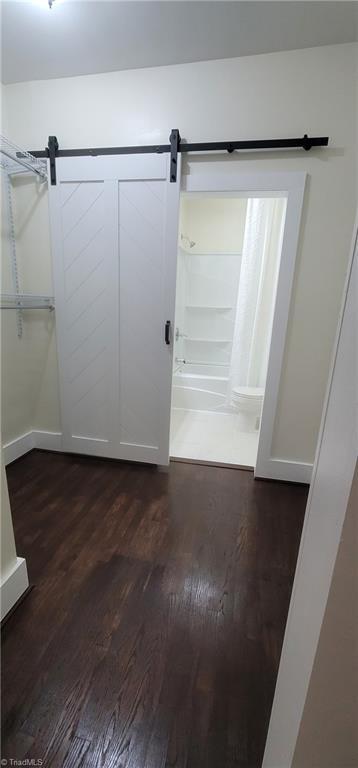


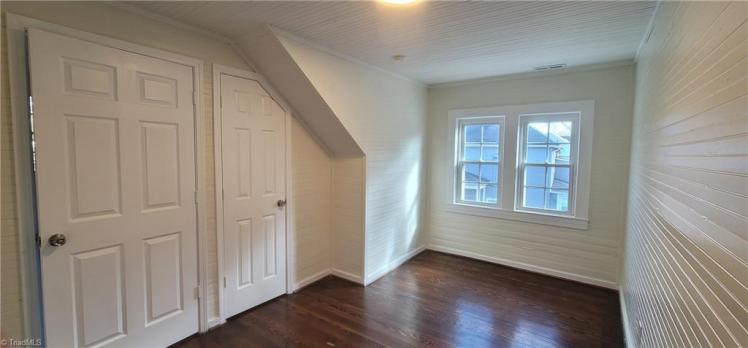

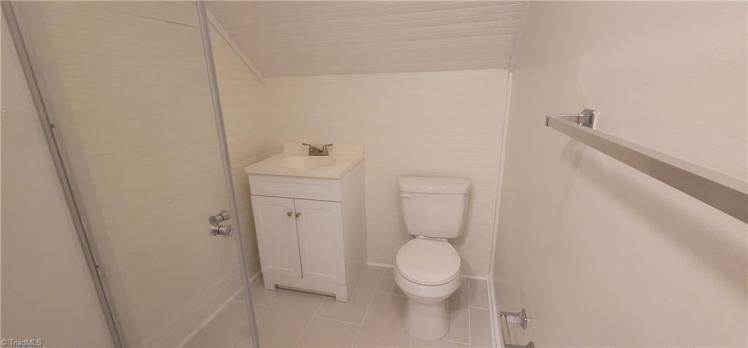
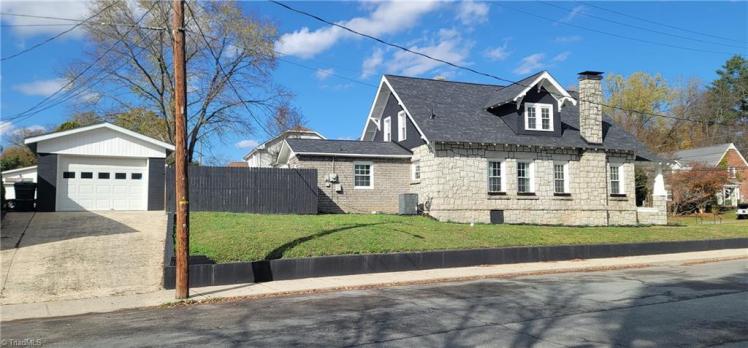

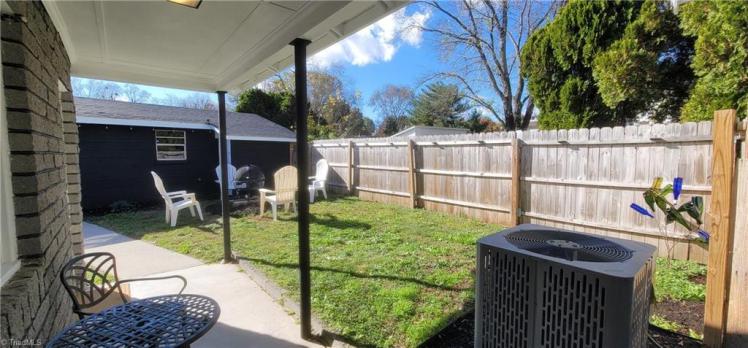

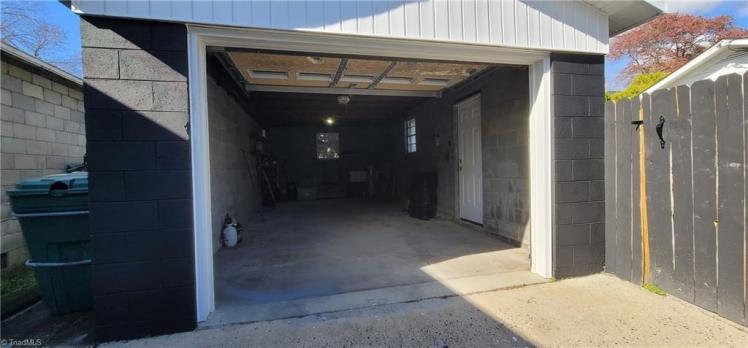
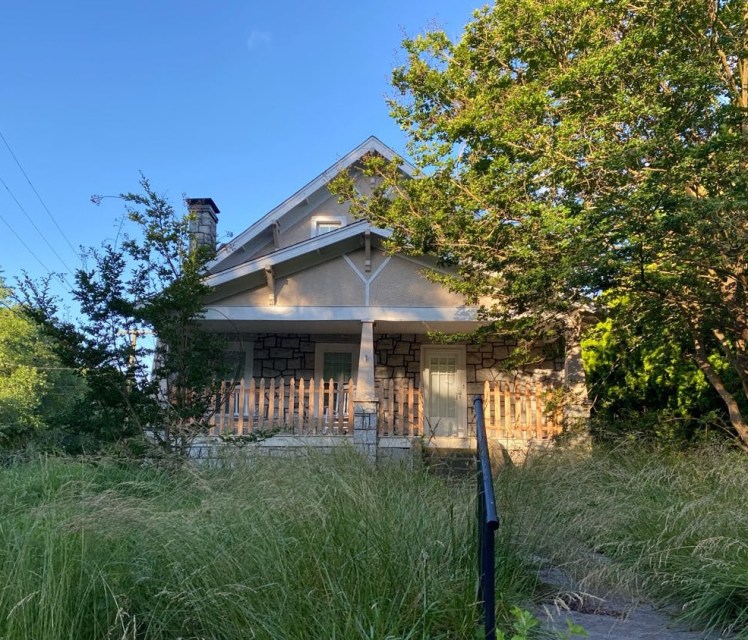

424 Spring Street, Mount Airy, Surry County
- Sold for $310,000 on March 6, 2025 (originally $349,990)
- 3 bedrooms, 3 bathrooms, 1,987 square feet (per county), 0.19 acre
- Price/square foot: $156
- Built in 1938 (per county, or 10 years earlier; see note)
- Listed November 16, 2024
- Last sales: $160,335, July 2024 (auction); $179,000, February 2021
- Neighborhood: Mount Airy Historic District (local and NR)
- Note: Flipped house
- The house was sold in 2018, 2019, 2021 and 2024.
- District NR nomination: “This story-and-a-half Craftsman bungalow appears to have been built in 1928 or 1929. Its granite exterior is load-bearing according to the 1929 Sanborn map, not a veneer.
- “The house and its front porch are front-gabled with textured stucco and Y-shaped battens reminiscent of Tudor Revival half-timbering in the gables. The rear gable and the walls of a gabled dormer on the left side of the roof, facing Broad Street (the house stands on the corner of Spring and Broad), have plain stucco.
- “The main, porch, and dormer roofs are ornamented with triangular brackets and decorative rafter ends. To the rear is a ca. 1950 one-story wing of textured gray brick meant to harmonize with the granite.
- “Other features of the house include Craftsman porch supports with tapered posts on granite pedestals, asphalt shingle roofing, a granite exterior chimney on the south side, a granite interior flue, and replacement windows. A low poured concrete retaining wall borders the lot.
- The address was originally 193 Spring.
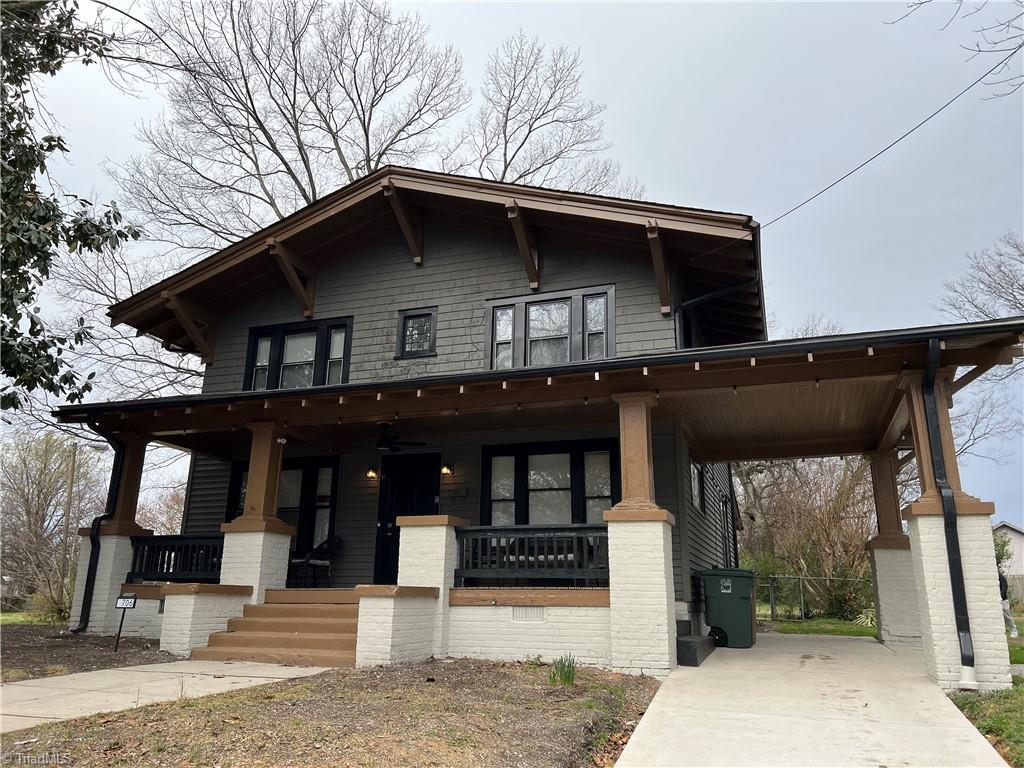
706 Martin Luther King Jr. Drive, Greensboro
The Nettie Coad House
- Sold for $275,000 on March 4, 2025 (listed at $275,000)
- 4 bedrooms, 3 1/2 bathrooms, 2,034 square feet, 0.18 acre
- Price/square foot: $135
- Built in 1920
- Listed May 9, 2023
- Last sale: $100,000, July 2022
- Neighborhood: Asheboro Community
- Note: Caveat emptor — fix-and-flip job. Sold without being relisted 21 months after the listing was withdrawn in March 2023.
- “Fully updated” with disrespect for the historic character of the house — vinyl siding, vinyl floors, replacement windows.
- The early history of the house is unclear. The 600 block of Asheboro Street, its original name, must have been renumbered at some point; 605 Asheboro Street doesn’t appear in the city directory until 1959, when it was identified as a grocery store. None of the owners in county records appear to have lived in the 600 block of the street, so it was likely a rental property for decades.
- The house was owned by the Asheboro Street Baptist Church, a block away, from 1955-1965.
- It was condemned and in 1984 was sold by the Redevelopment Commission to Nettie Mae Lewis Coad (1936-2012) in 1984. Her heirs sold it in 2015.
- “Mama Nettie” was born in Anderson, South Carolina. She graduated from Dudley High School and Guilford Technical Community College. She worked for Sears for 23 years, starting out as a packer in the catalog distribution center and retiring as an assistant manager. She and her husband, Willie Rufus Coad Jr. (1934-2003), were married for 49 years and had three children, all sons.
- Nettie found her calling as an inspirational and influential social activist and anti-racist community organizer. She is listed along with Sojourner Truth, Harriet Tubman, and Rosa Parks among 12 “Pearls of Inspiration” by the Black Pearls Society, a national political organization of Black women.
- In more than 30 years as a community activist, her accomplishments included serving as a founding member and executive director of The Partnership Project, an anti-racism educational, organizing and support group; co-founding the Greensboro Health Disparities Collaborative, Ole Asheboro Street Neighborhood Association and St. Paul Baptist Church; bringing The People’s Institute for Survival and Beyond to Greensboro; and co-chairing the Guilford County Democratic Party and serving as a delegate to the 1988 Democratic National Convention.
- Nettie was particularly active in the field of health disparities. She was a longtime community partner with the UNC-Chapel Hill Center for Health Promotion and Disease Prevention and co-author of several academic papers. She gave presentations to numerous professional conferences, speaking before the American Public Health Association several times, the National Institutes of Behavioral and Social Sciences Research Lecture Series, and the N.C. Society for Public Health Education, among others.
- Her many awards and honors included the Sojourner Truth Award from the National Association of Negro Business and Professional Women’s Clubs, the Outstanding Service Award from the Moses Cone-Wesley Long Community Health Foundation and the Levi Coffin Award for Outstanding Leadership in the Field of Human Relations and Human Rights from the Greensboro Chamber of Commerce. The city converted a former school into apartments at 503 Martin Luther King and renamed it the Nettie Coad Apartments (more here).
- “I have seen both good transformation and destruction in my neighborhood. I think we must understand what is dividing us and the underlining causes of neighborhood destruction before we can redirect and rebuild. My passion for preserving Ole Asheboro comes from a drive to have those in power understand these dynamics and apply equity in decisions making. I feel rich, and to me, rich is to be understood and feel safe in a city where everyone is cared for and respected. I care so much about Ole Asheboro because it is a historical neighborhood that should be preserved and because I care about all of our city.”
- How the house looked in January 2023:
706mlk

1091nc65


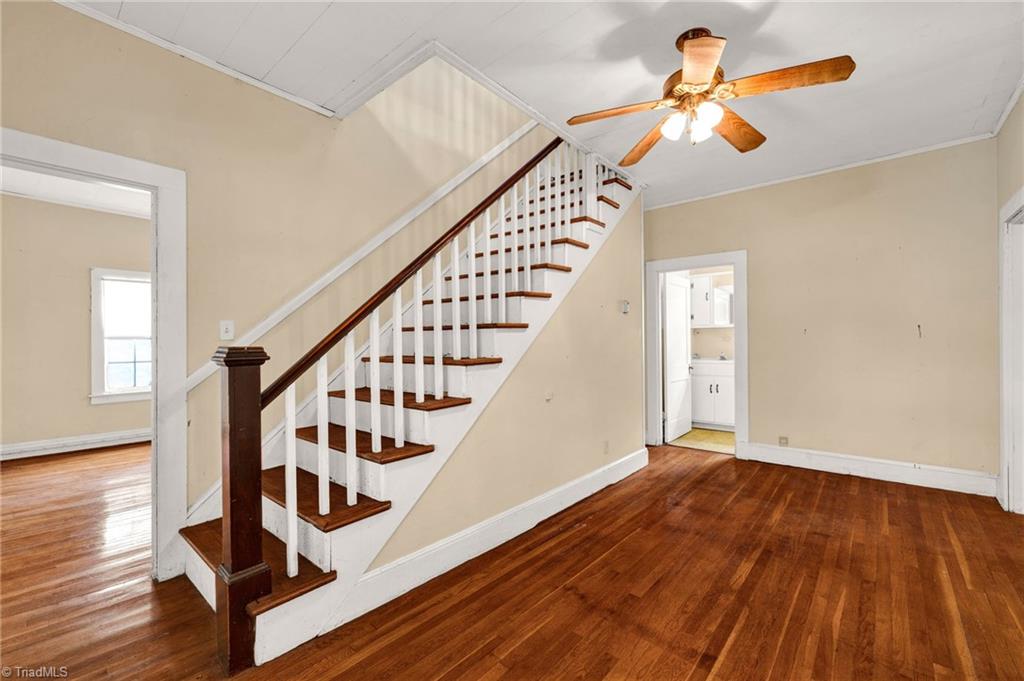


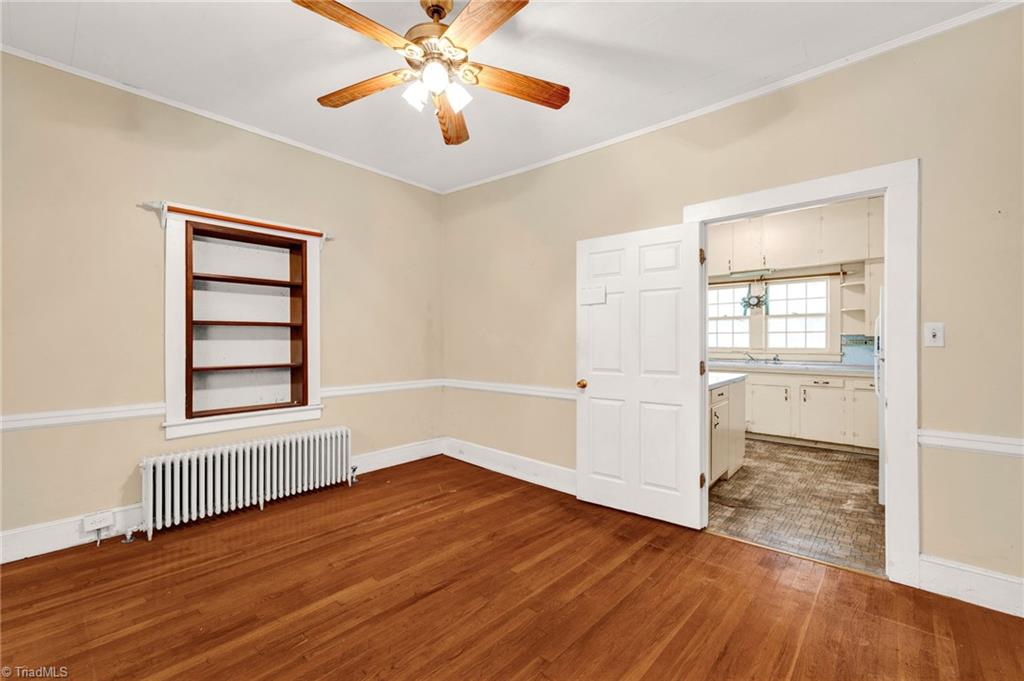

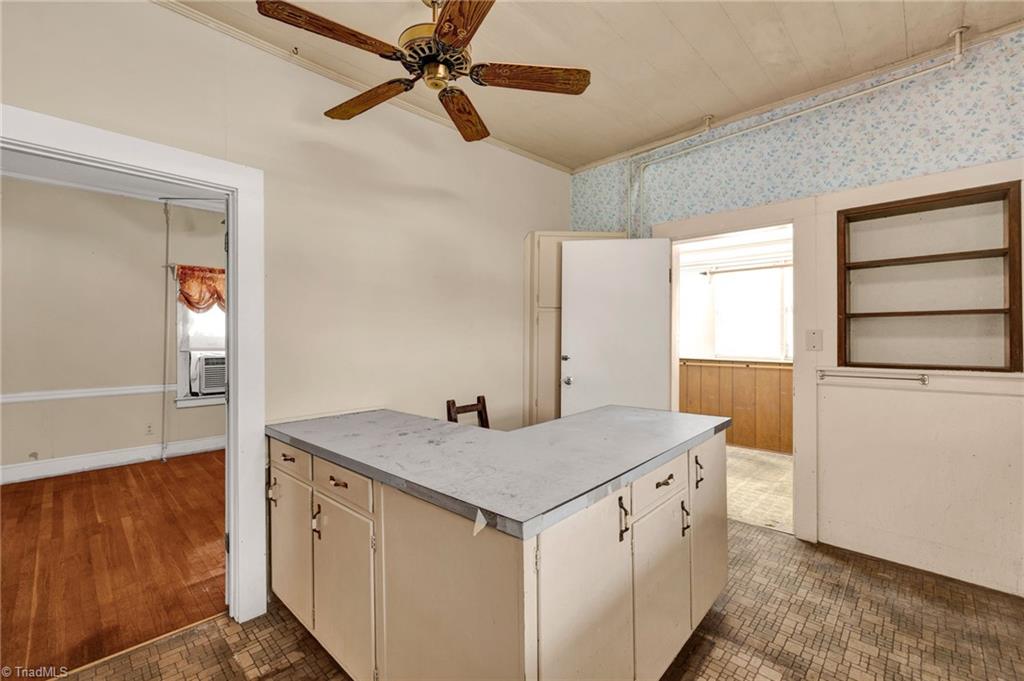
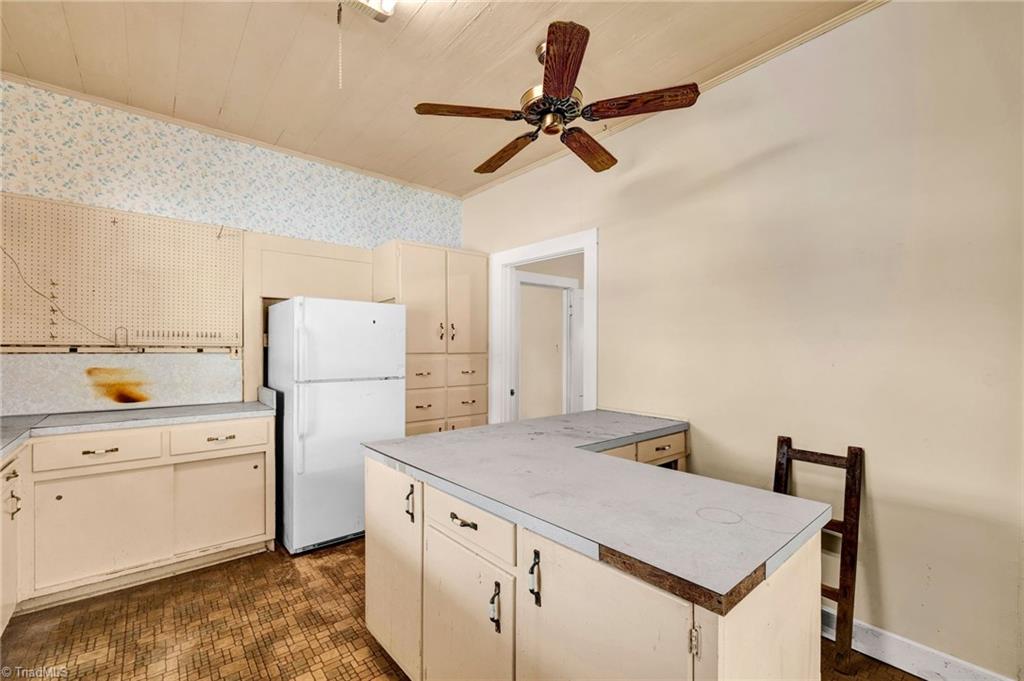

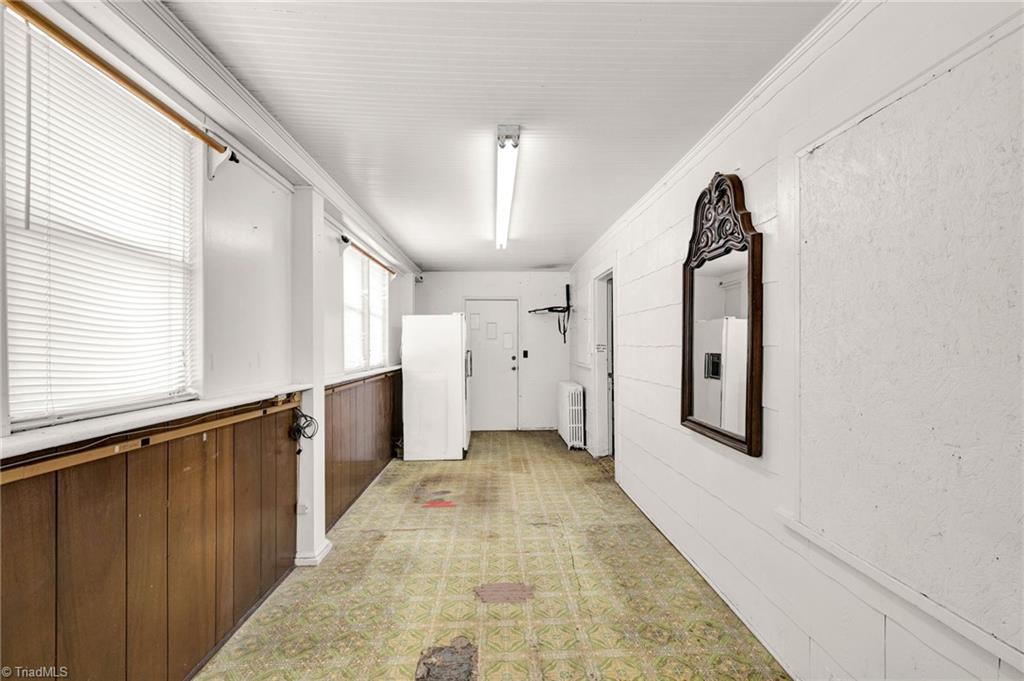
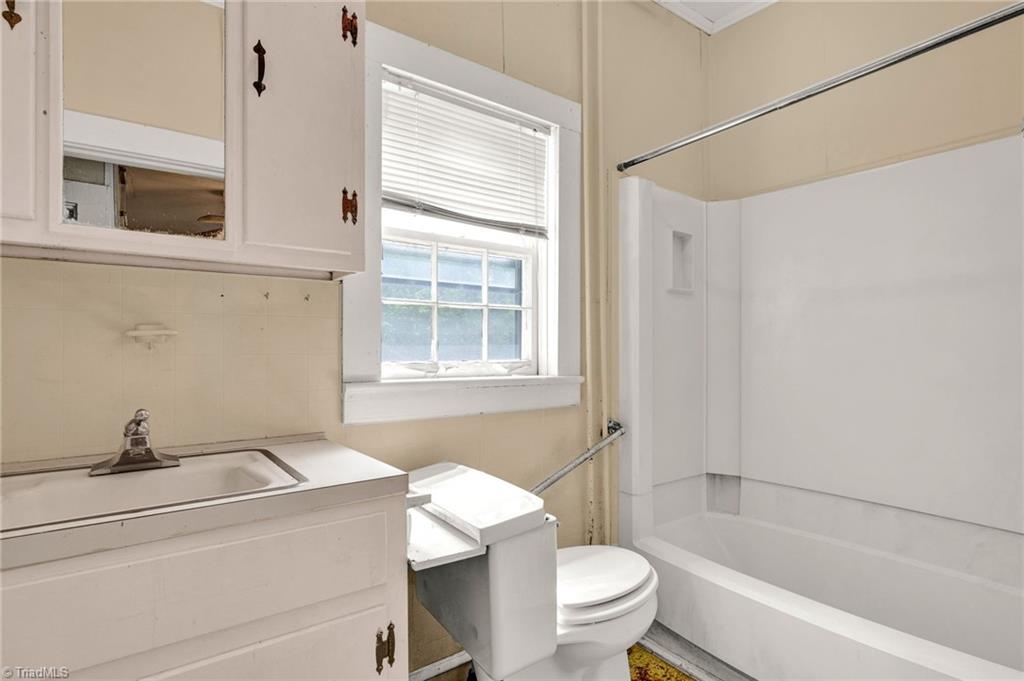
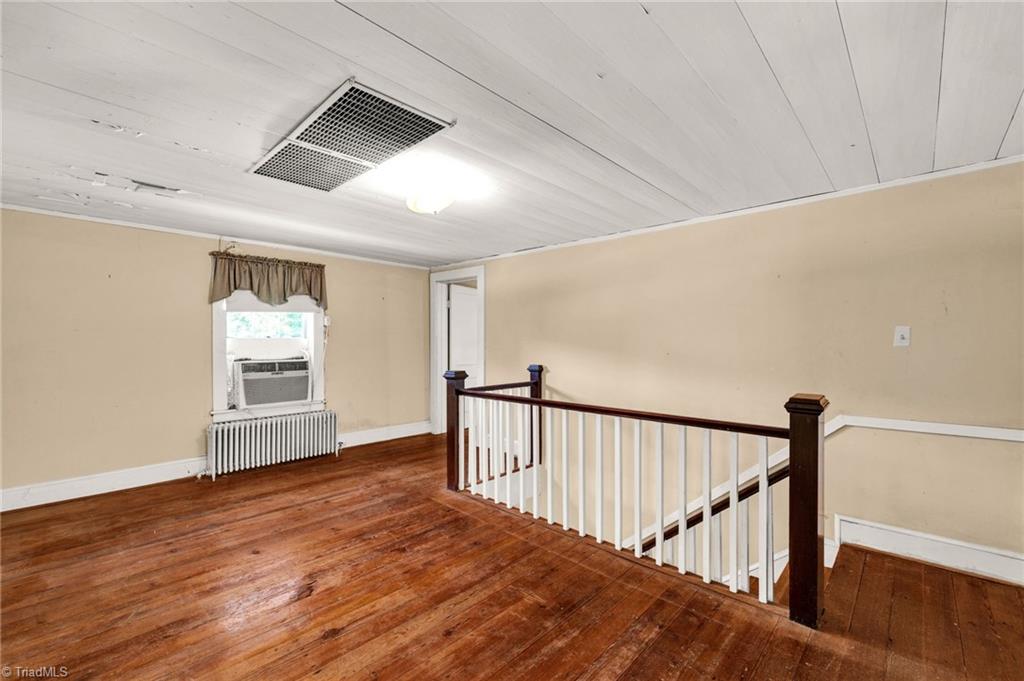

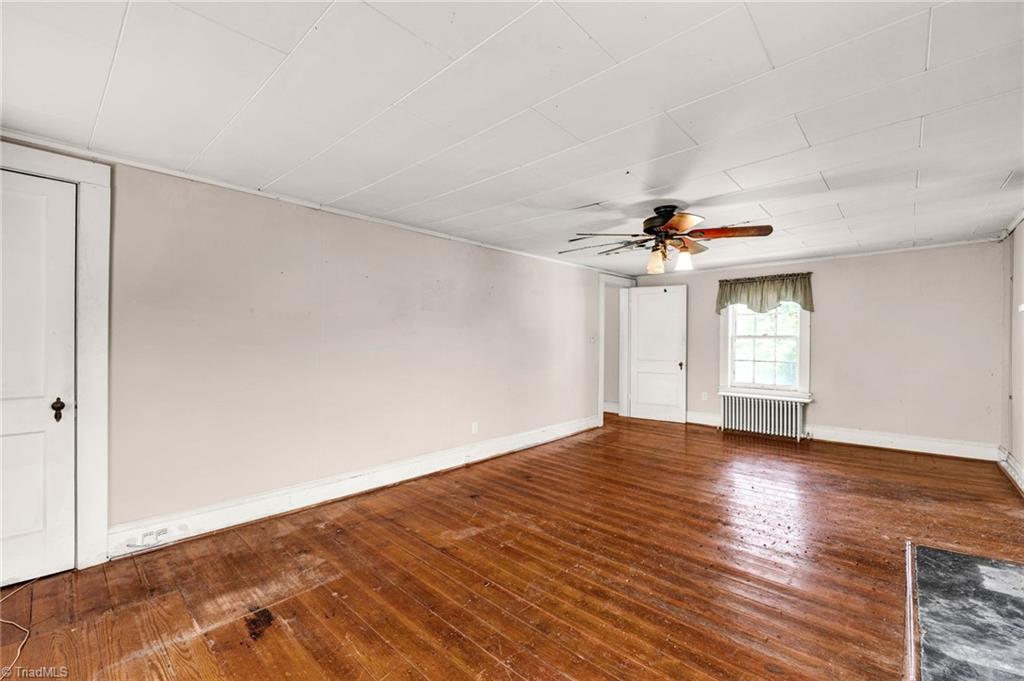


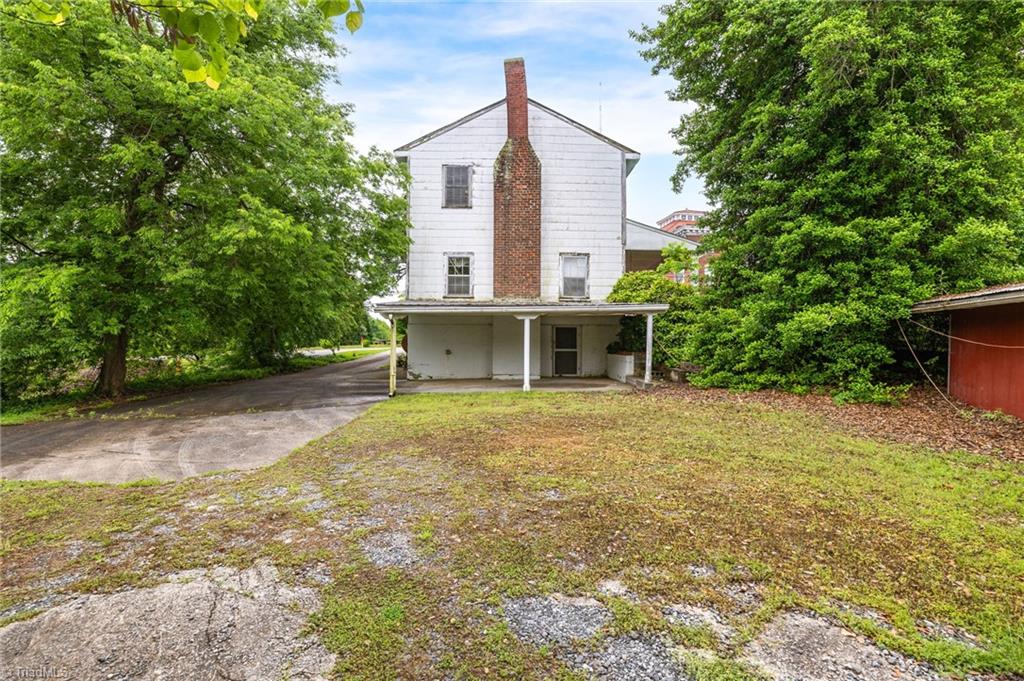

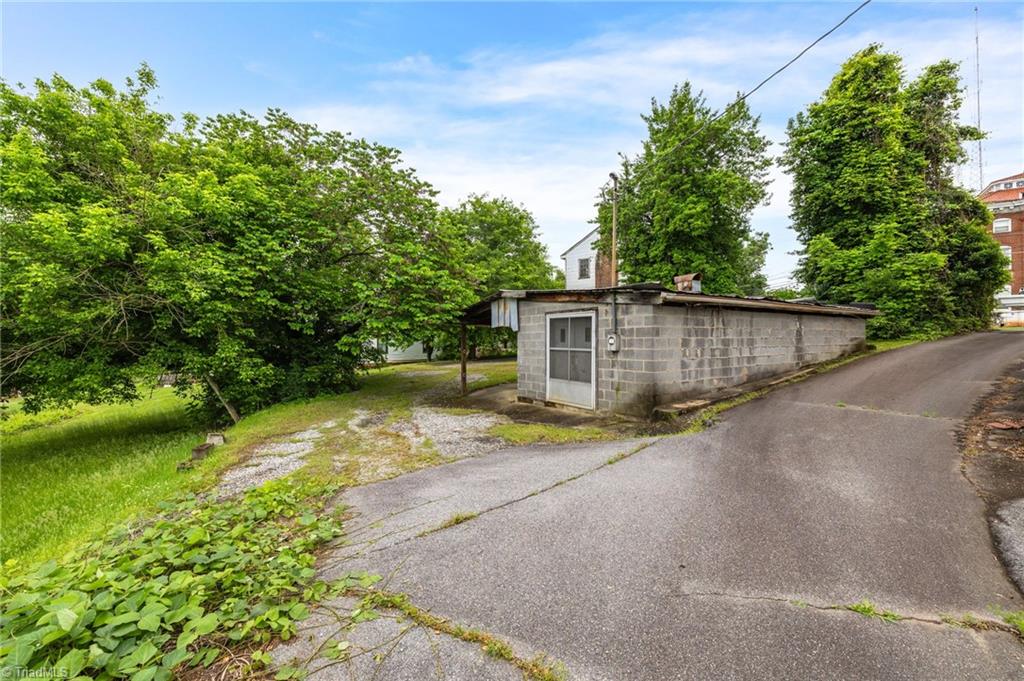


1091 N.C. Highway 65, Wentworth, Rockingham County
- Sold for $100,000 on March 4, 2025 (originally $124,900)
- 3 bedrooms, 2 bathrooms, 2,112 square feet, 1 acre
- Price/square foot: $52
- Built in 1826
- Listed May 14, 2024
- Last sale: $23,000, July 2000
- Neighborhood: The house has a Reidsville mailing address, but it’s in downtown Wentworth.
- Note: No central air conditioning
- Wright Tavern, a restored 1816 inn and tavern, is next door, although because of the odd way this house is positioned with the right side facing the street, the tavern appears to be behind the house.
- The Rockingham Museum and Archives are across the street.
- County records show the current use as residential; the listing says, “Zoned OI but could be rezoned into Residential.”
- The property includes a storage building.
- The property’s most recent owner was Superior Court Judge Stanley Lee Allen (d. 2023). He was a graduate of Wake Forest University and Campbell University Law School. He was appointed to the District Court in 2005 and to Superior Court in 2015. In addition to his career as a lawyer and judge, he was a 40-year member of the Northwest Rockingham Fire Department, serving as a firefighter, EMT, public information officer, board member and treasurer. He bought the house in 2000.
6043lake

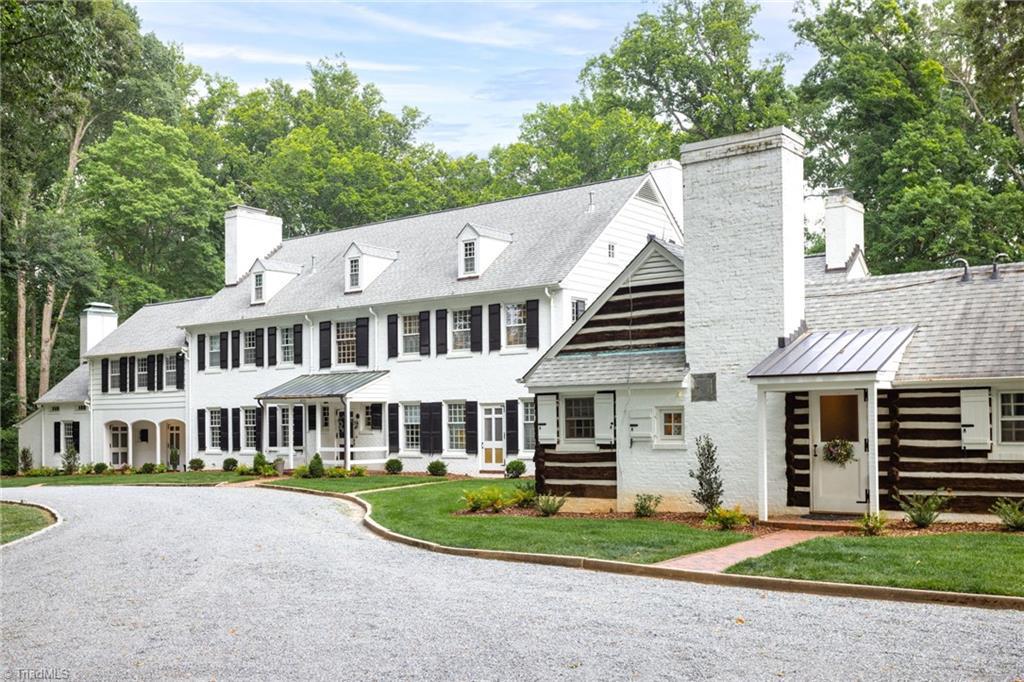


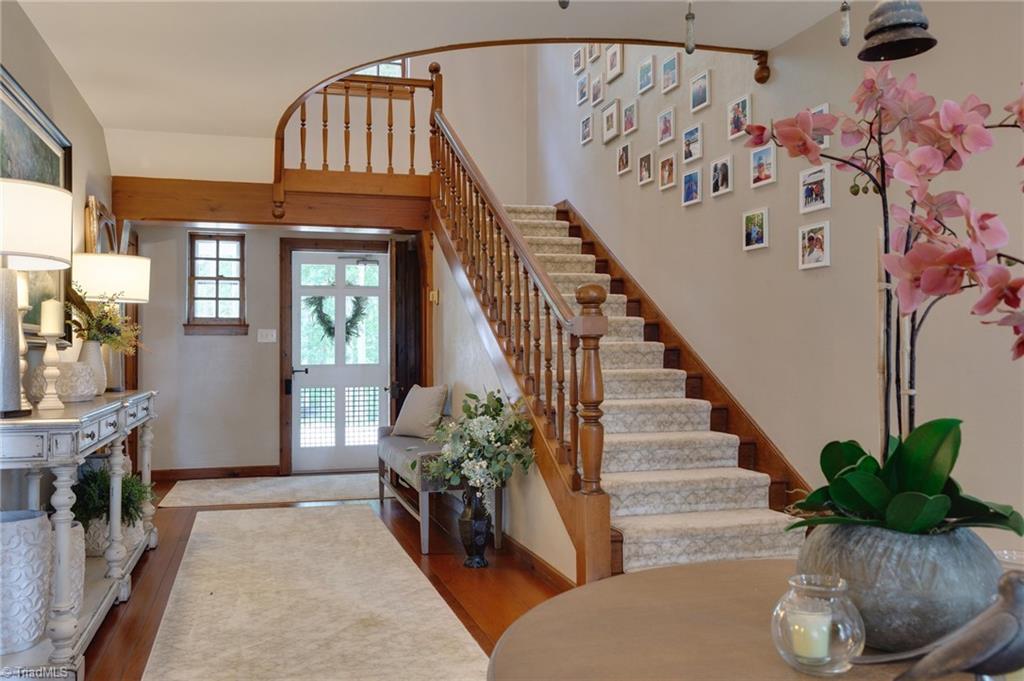


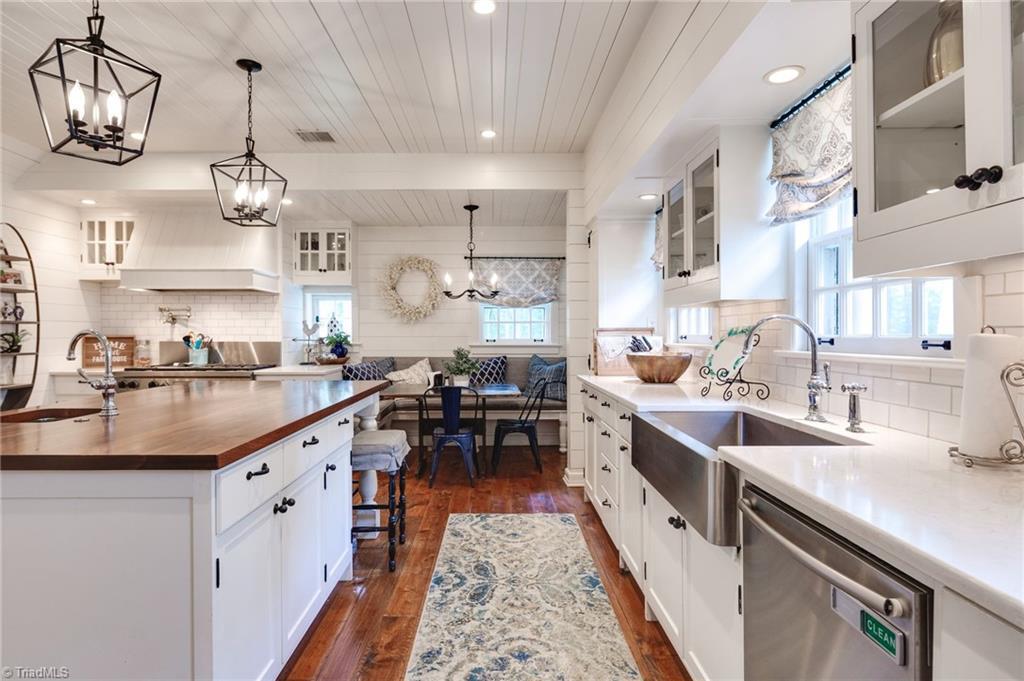


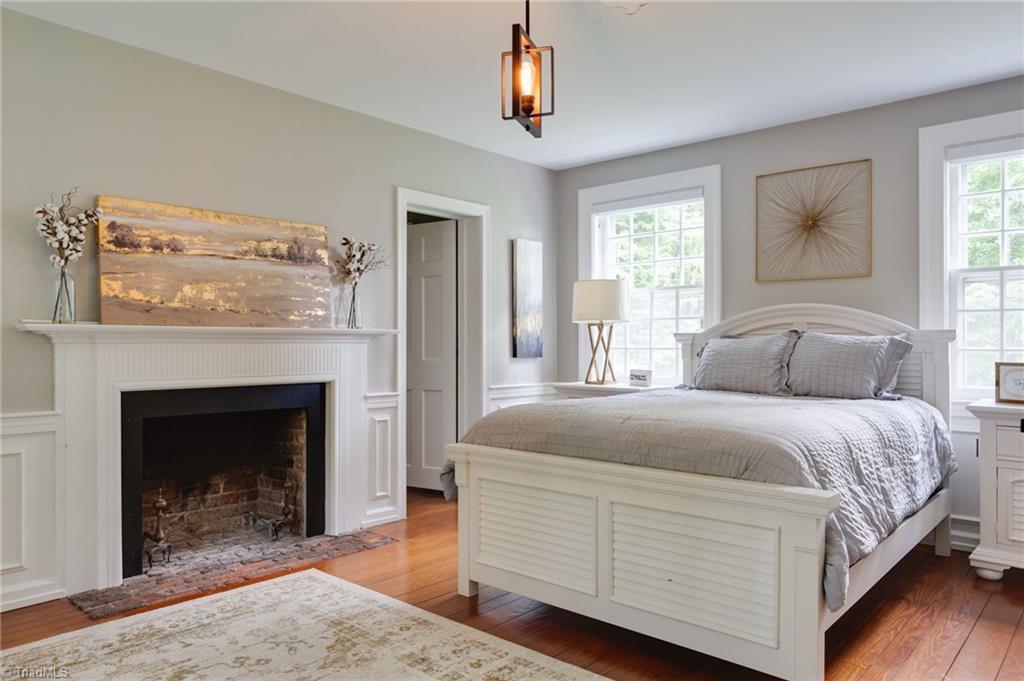
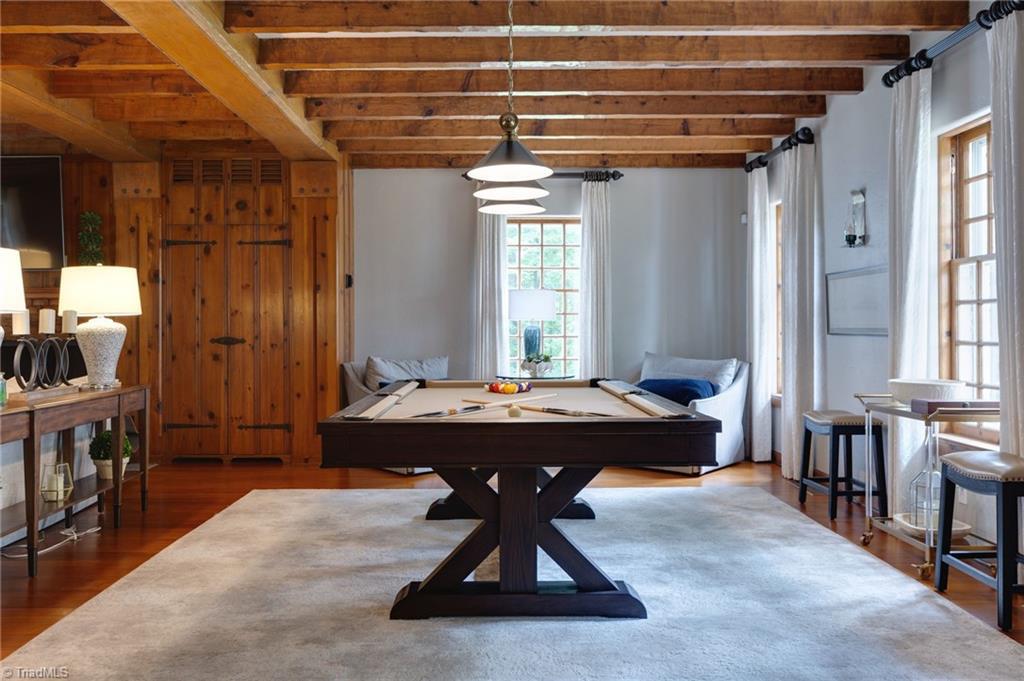

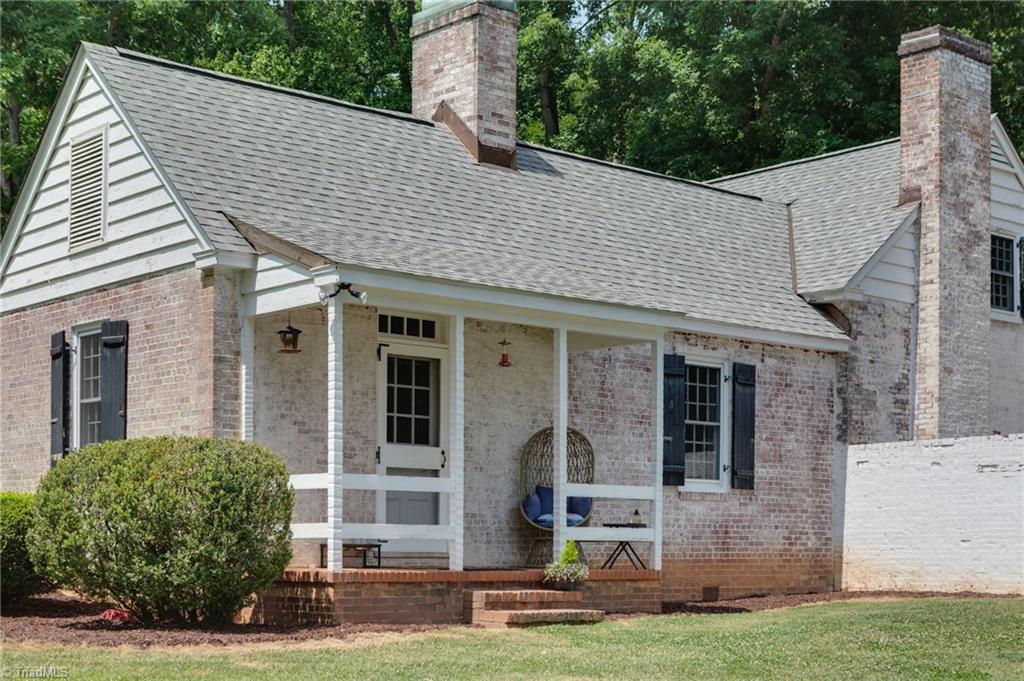

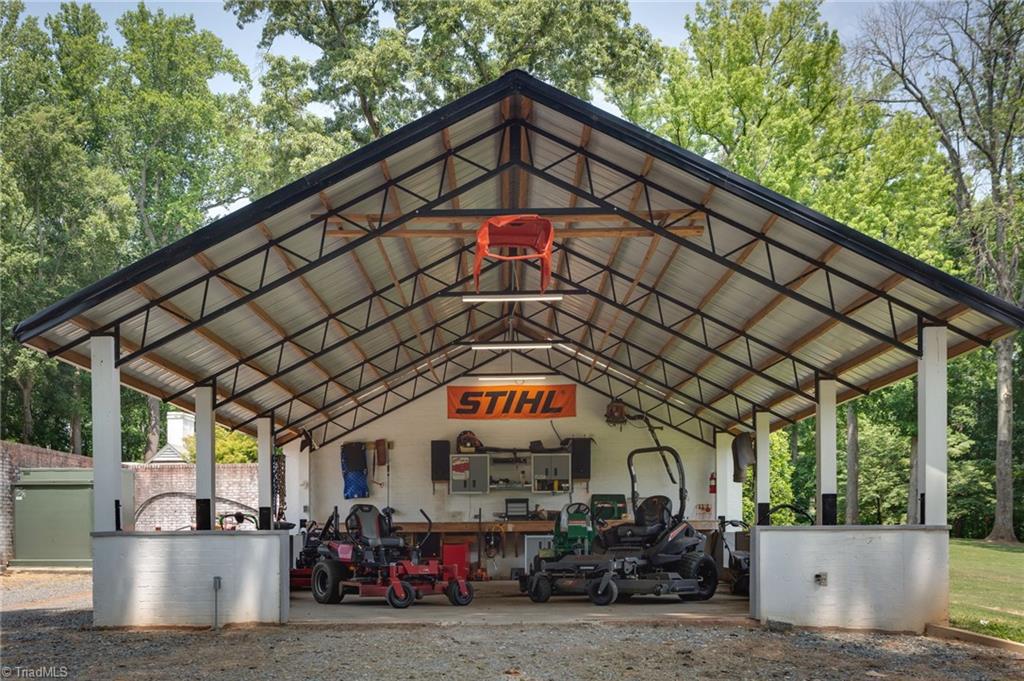


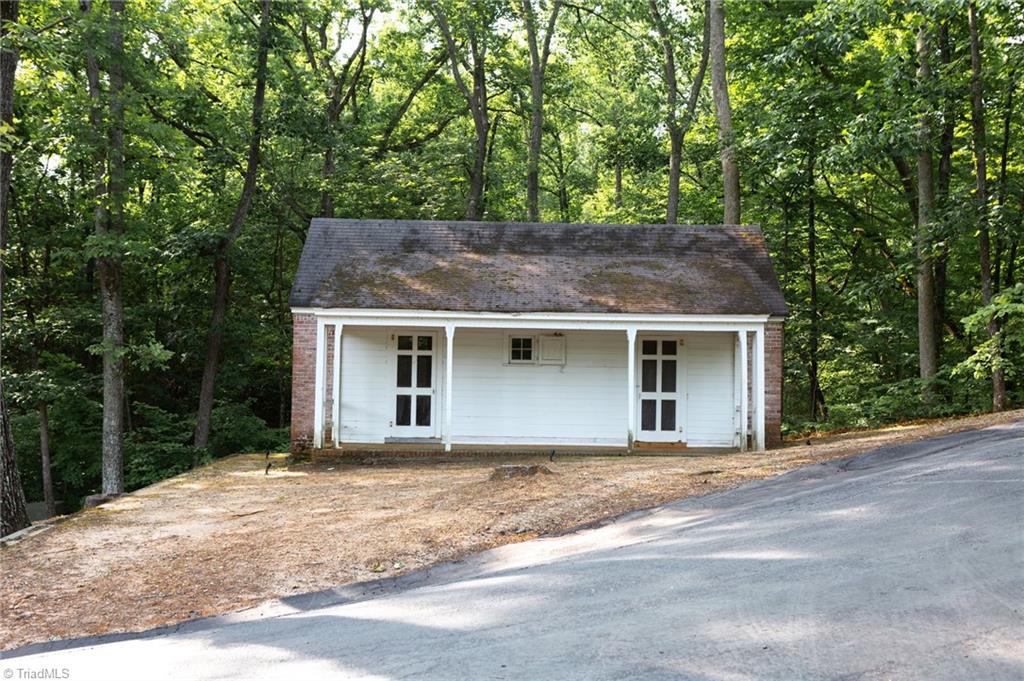
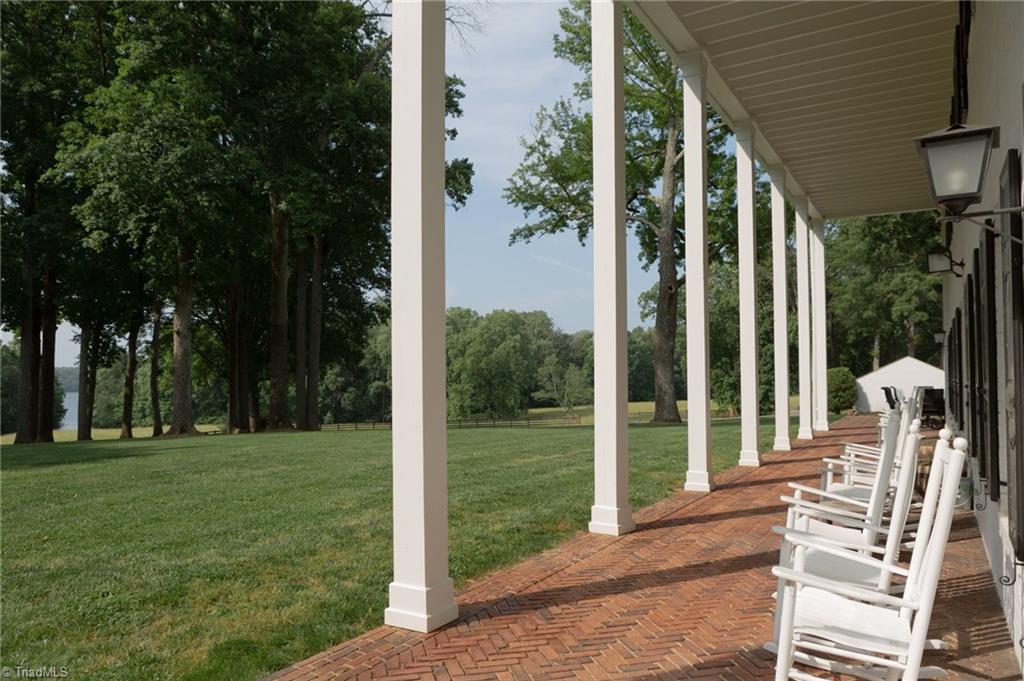
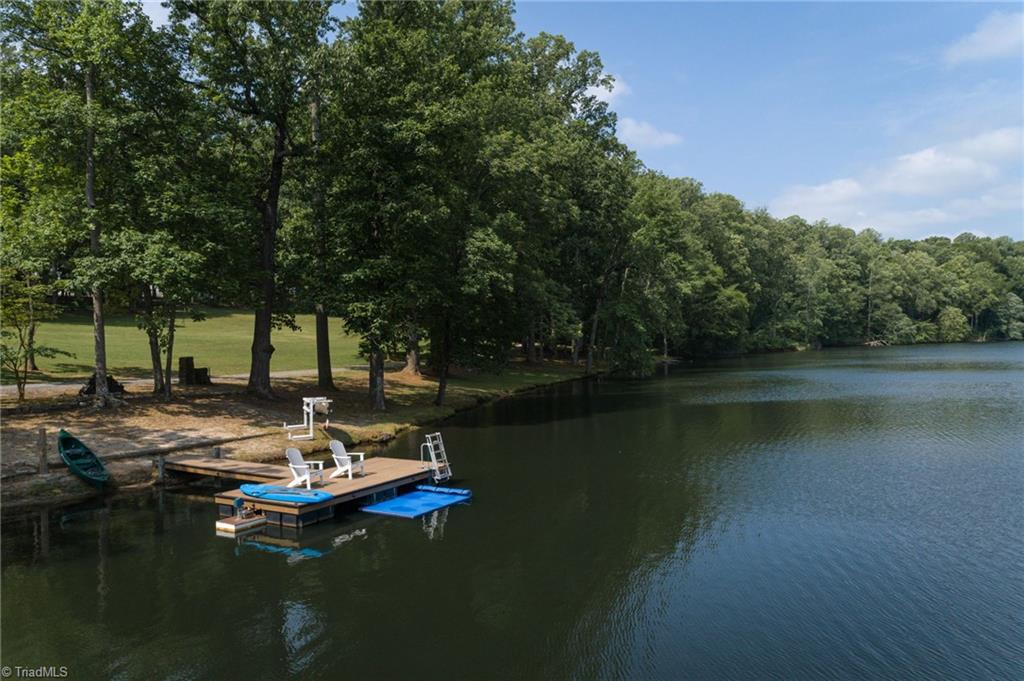
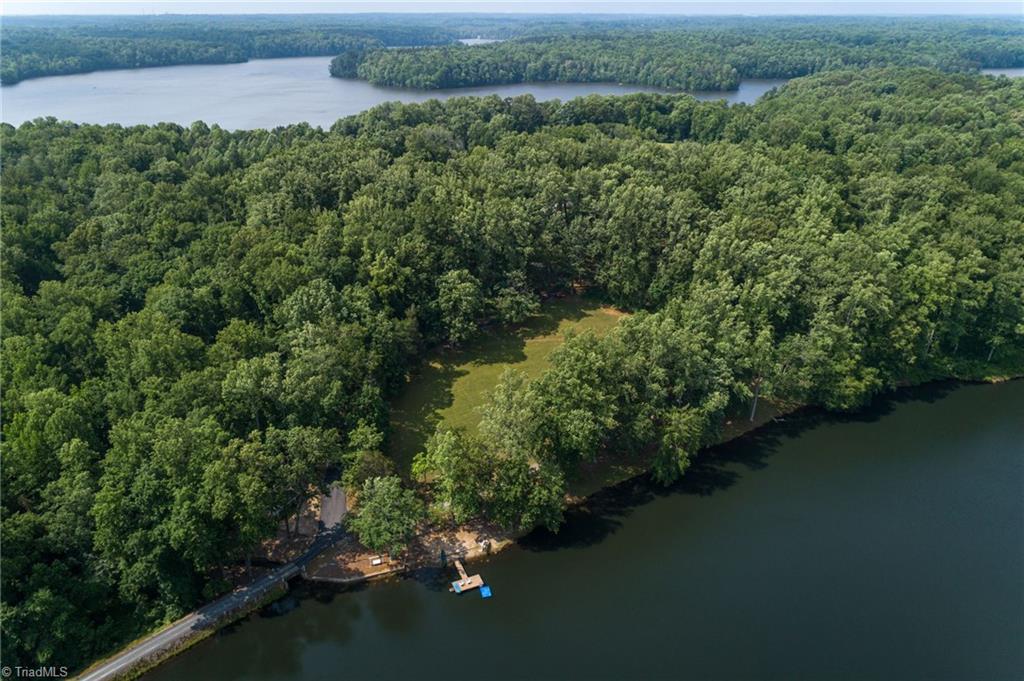


6043 Lake Brandt Road, Greensboro
Hillsdale Farm
2017 blog post
- Sold for $3.285 million on March 3, 2025 (listed at $3.59 million)
- Sold without being publicly relisted five months after the listing was withdrawn.
- 7 bedrooms, 6 full bathrooms, 2 half-bathrooms, 13,625 square feet, 28.56 acres
- Price/square foot: $241
- Built in 1929
- Listed March 8, 2024
- Last sale: $2.335 million, February 2018
- Neighborhood: Just outside the Greensboro city limits on the northeast shore of Lake Brandt
- Note: A Guilford County Historic Landmark
- The Colonial Revival house overlooks Lake Brandt.
- The property was originally 2,800 acres.
- On a square-foot basis, the house is far less expensive than many less remarkable properties for sale in Irving Park, Sunset Hills and other Greensboro neighborhoods.
- The property includes a 1/6 ownership of the private, 26-acre Richardson Lake.
- The driveway runs a half-mile from Lake Brandt Road, across the Richardson Lake dam to the house.
- The property includes a 5-car garage with a 1,323 square-foot apartment (2 bedrooms, 1 bathroom). The property also has a pump house, playhouse, bath house, drained water tower, equipment barn and workshop.
- A recent outdoor lighting design uses 100 percent LED lights, as detailed here (the photos above showing the lighting are from Southern Lights Outdoor Lighting & Audio of Summerfield).
- The 2018 listing showed 8 bedrooms, 27 acres and said there was an indoor pool, which isn’t mentioned this time.
- “The house was built in 1929 by Lunsford Richardson III (a son of the Vicks VapoRub inventor) [1981-1953] and his wife, [Margaret Blakeney Richardson, 1900-1979]. It was designed by nationally known architect Richardson Brognard Okie of Philadelphia. Okie used several design techniques to assure the illusion of history, such as rambling floor plans that appeared to have been added organically through time, massive masonry chimneys, and fine hand-carved woodwork.” (Guilford County Historic Landmark Story Map)
- For a more complete description of the house, see the county landmark nomination.
- Keeping track of the four Lunsford Richardsons is a bit tricky. Lunsford Richardson (1854-1919) invented Vicks Vapo-Rub. His father also was named Lunsford Richardson, but the son did not have Jr. appended to his name. The second Lunsford (the famous one) named one of his sons Lunsford Richardson III. Lunsford III carried on the family tradition but, inexplicably, named his son Lunsford Richardson Jr. (1924-2016). Lunsford Jr. named his only son James.
- Lunsford Jr. sold the property in 1983 to Robert C. Lock, publishing entrepreneur, former UNCG librarian, and founder of the wildly successful early personal-computer magazine Compute! and the late, lamented Signal Research publishing company.
- In 1988, Robert sold it to Louis Cornelius Stephens Jr. (1921-2007) and Charlotte Mary Adams Stephens (1929-2016). Louis was president and CEO of Pilot Life. He was a trustee of The Duke Endowment for 23 years and also served on the boards of UNCG, Moses H. Cone Memorial Hospital and the Research Triangle Institute.
- Michael R. Cooke and Eva K. Cooke bought the house from the Stephenses in 2003. Cooke is a second-generation local builder and a namesake of Weaver Cooke Construction. The Cookes secured the county historic designation for the house in 2010. They sold the property in 2018 to the current owner.
3215rockingham


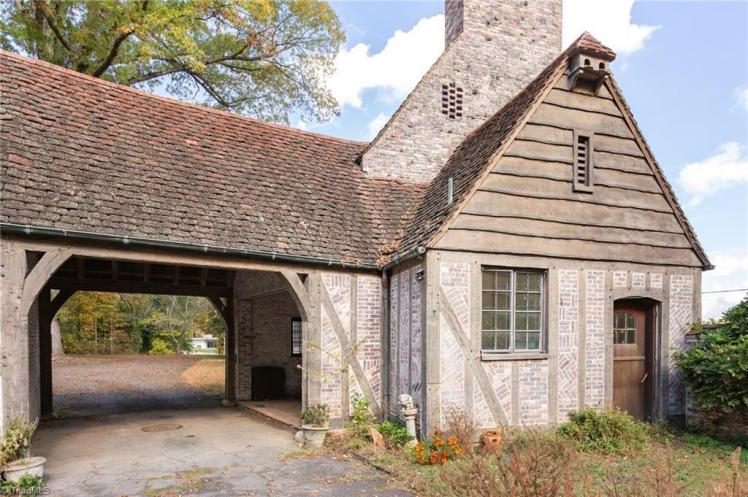

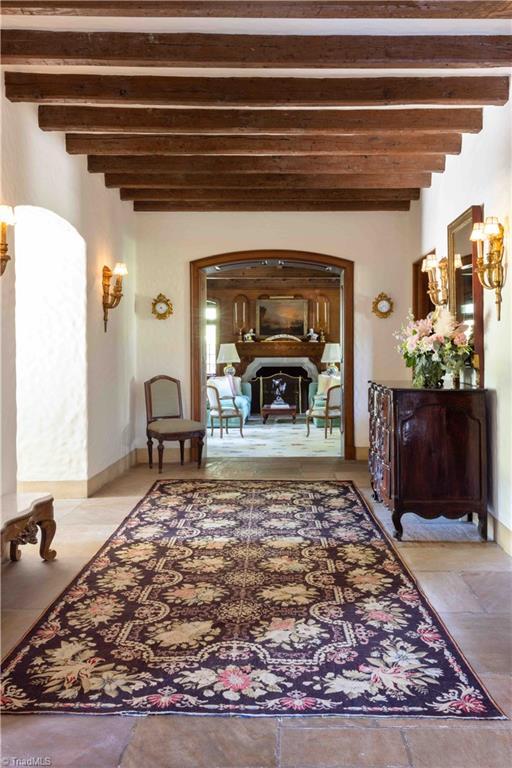


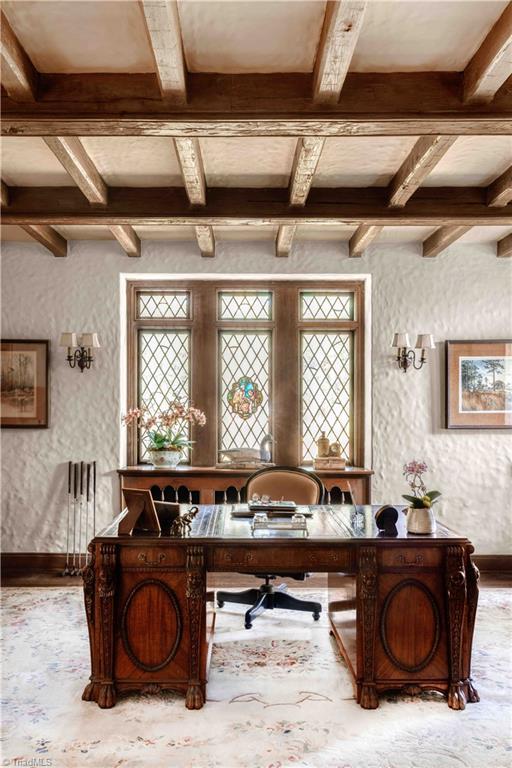

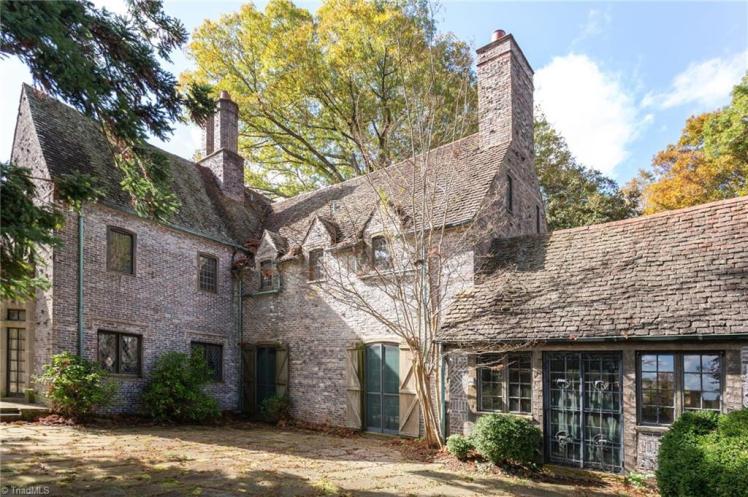
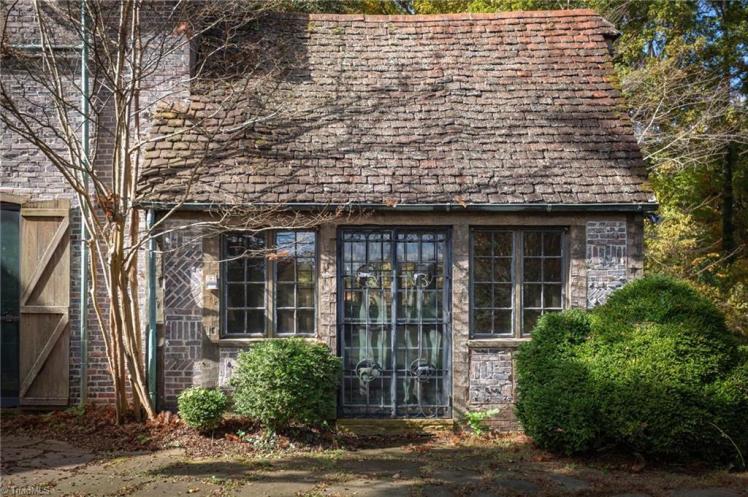

3215 N. Rockingham Road, Sedgefield, Guilford County
Ayrshire
- Sold for $2,807,990 on March 3, 2025 (originally $3.75 million, later $2.9 million)
- 4 bedrooms, 4 full bathrooms and two half-bathrooms, 13,218 square feet (per county), 5.50 acres
- Price/square foot: $212
- Built in 1935
- Listed August 22, 2008
- Last sale: The house had never been sold.
- Neighborhood: Sedgefield
- Note: Online listings show only 8,415 square feet.
- Oddly, the listing shows no photos of the kitchen, which looked quite good in previous listings (see photos below).
- The property consists of three lots with two undeveloped lots on either side of the house’s 2.91-acre lot.
- Located on the first hole of Sedgefield’s Donald Ross-designed course.
- The interior features butterfly pegged floors, wood and plaster moldings, leaded glass windows, solid wood beams, coffered ceilings and a marble wall fountain. A porte-cochere connects the house to its garages, two-bedroom guest quarters and herb garden.
- A 2011 article in O.Henry magazine details its interior design and the extravagant sourcing of its reclaimed stone and wooden beams, which came from an 18th-century grist mill in Stanly County. Nell’s father bought the mill and had the stone and beams brought to Sedgefield for the house.
- The house was built by Nathan McNeil Ayers (1908-1996) and Martha Ellen “Nell” Adams Ayers (1909-1967). It was designed by Nathan’s uncle Sanford McNeil Ayers (1906-1959), a prominent Atlanta architect.
- Nathan was born in Georgia and graduated from Georgia Tech. He served as a lieutenant colonel in the Army Air Corps during World War II. After starting his career with hosiery manufacturer Adams-Millis Corporation, he was chairman of Highland Yarn Mills of High Point, a director of National Association of Manufacturers, and chairman of National Association of Hosiery Manufacturers. He also served as master of the Sedgefield Hunt and president of the Sedgefield Horse Show.
- Nell was the daughter of John Hampton Adams, a founder of Adams-Millis. She grew up in what is now the J.H. Adams Inn on North Main Street in High Point.
- The house was sold by their daughter-in-law; their son, Jere Adams Ayers (1942-2025), died in February.
- Photos from earlier listings:
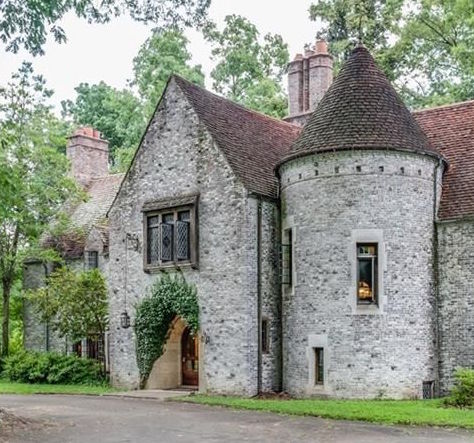


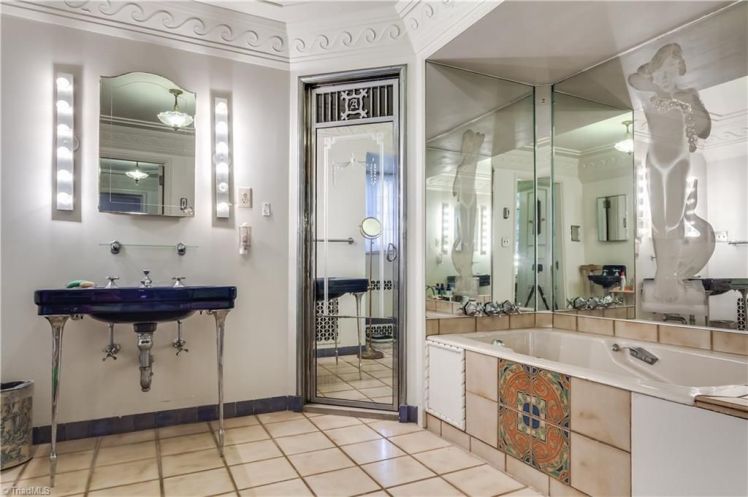
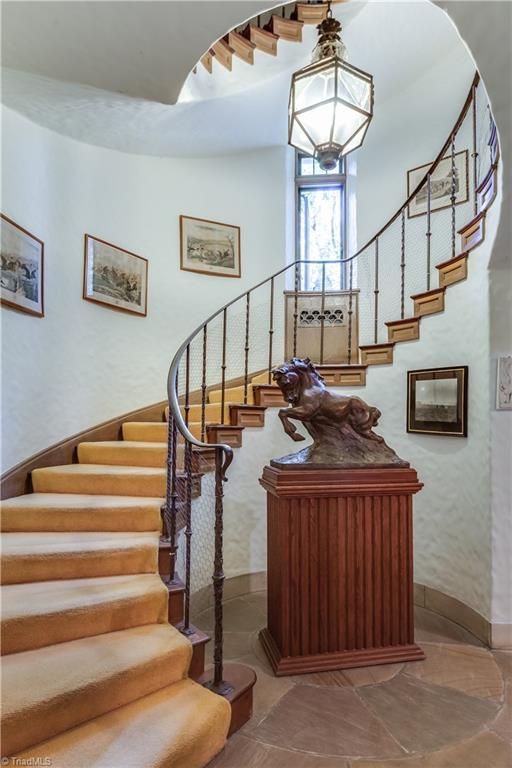
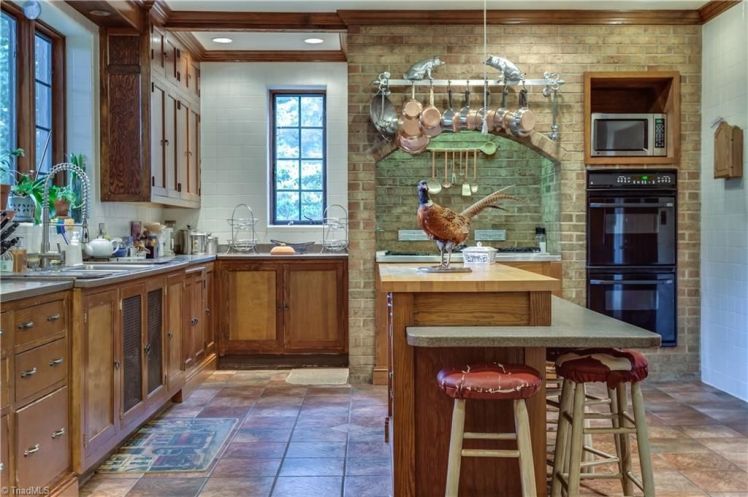


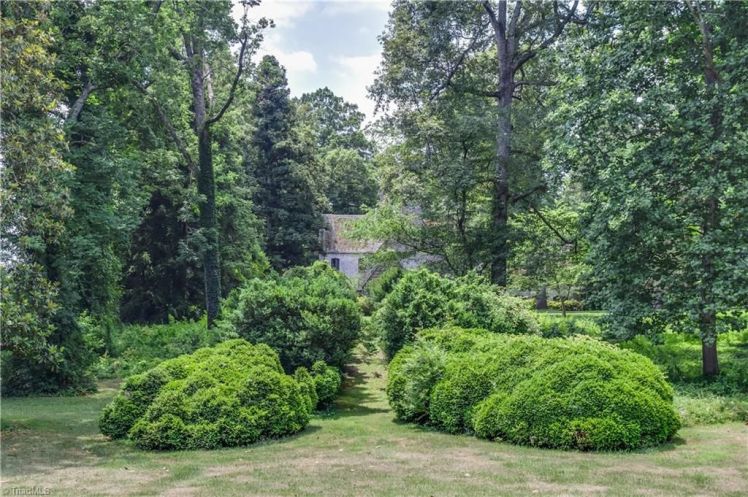
6832colonial
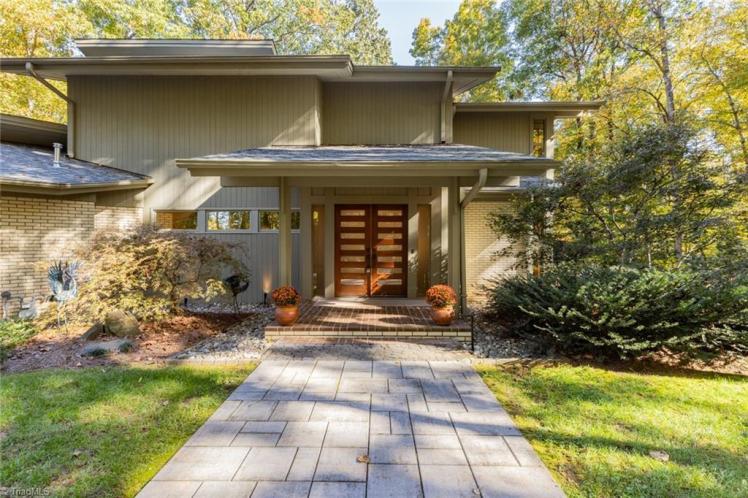


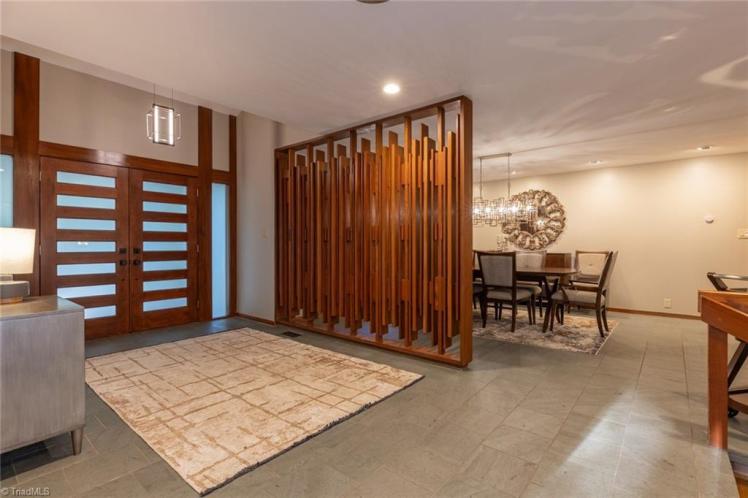

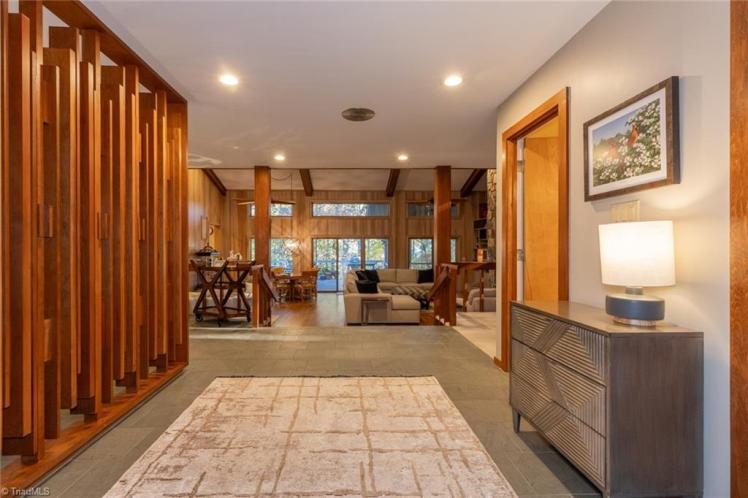
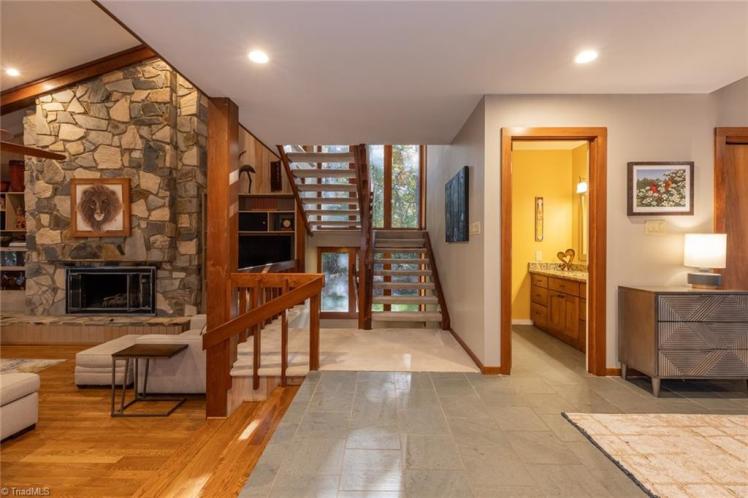


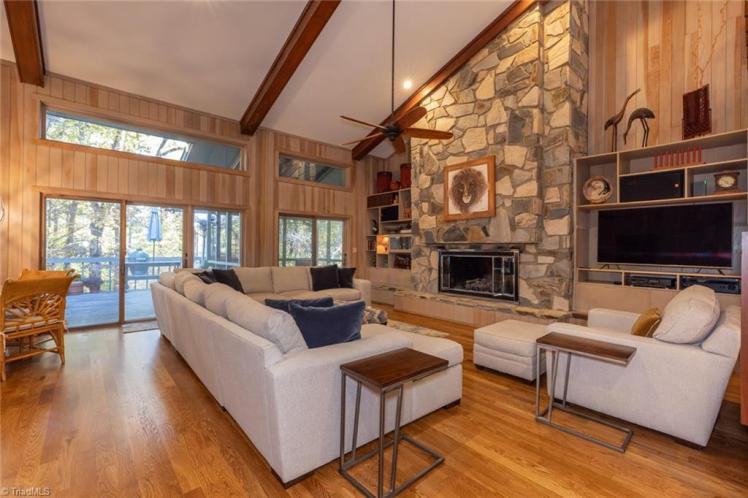

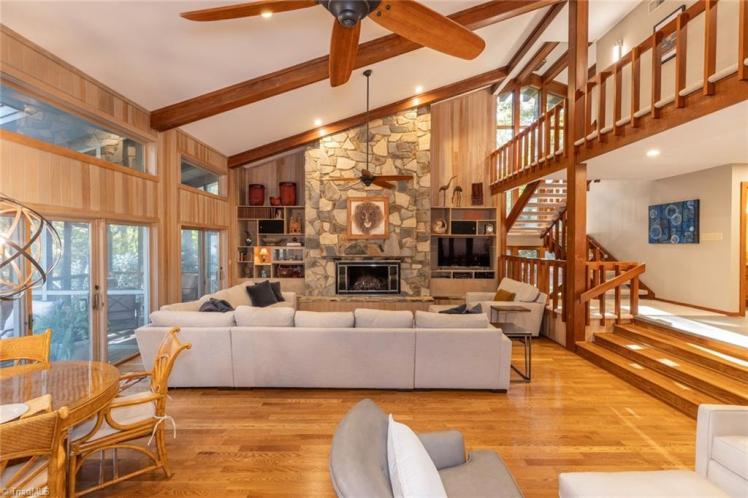


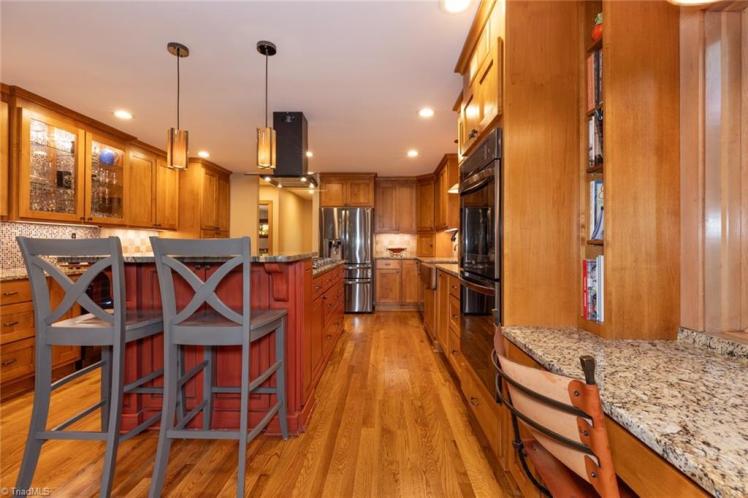
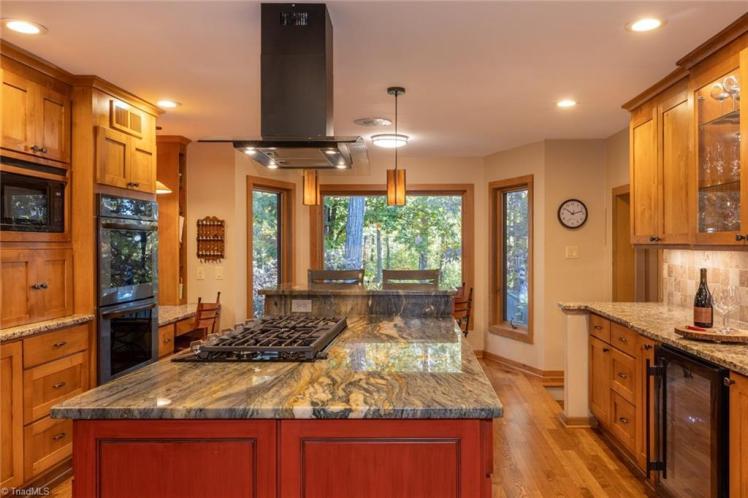

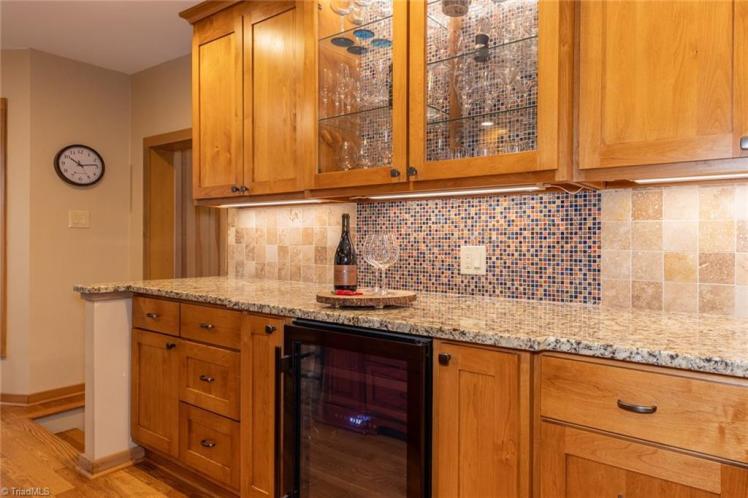
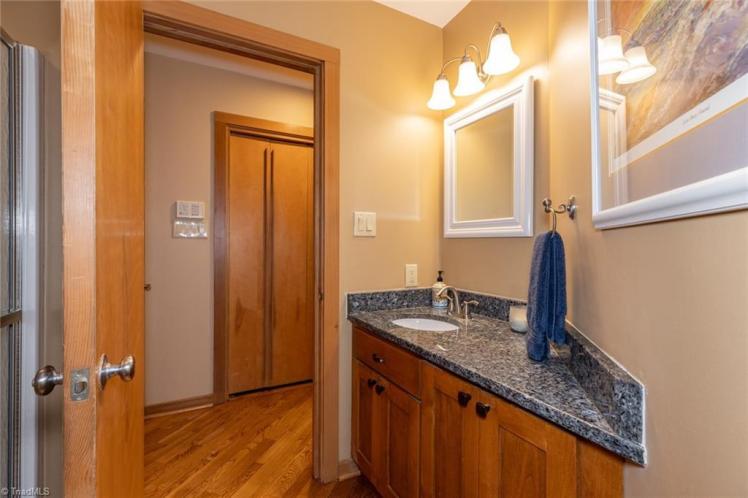


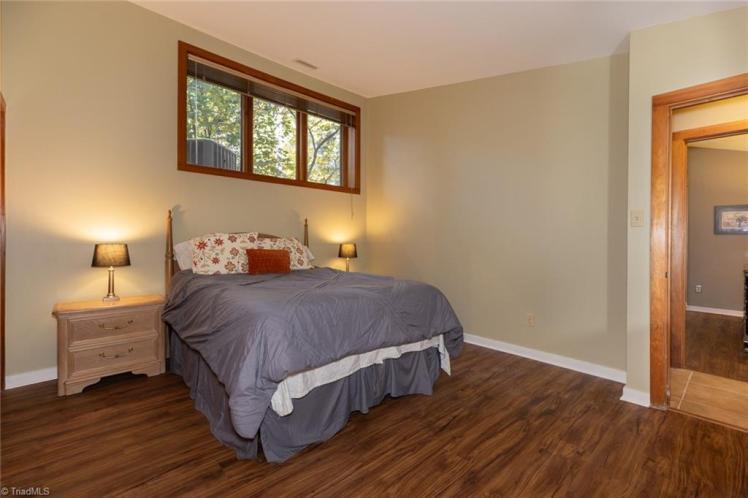


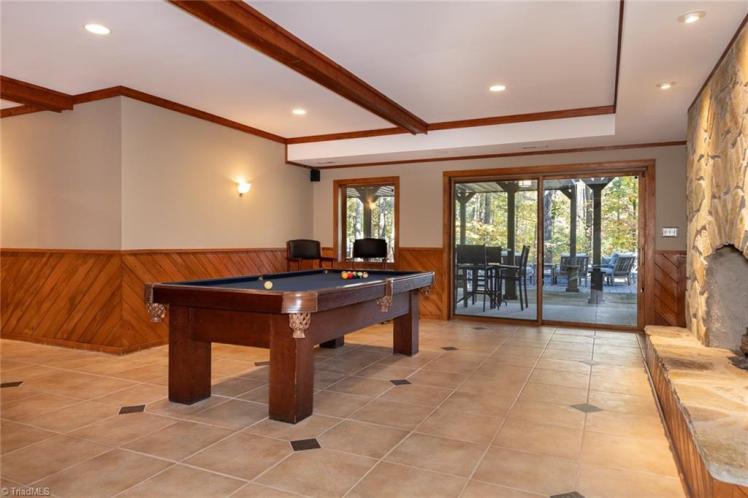

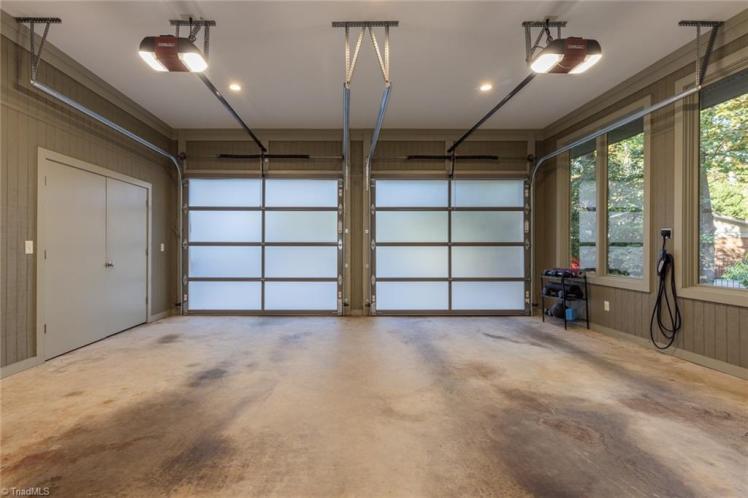
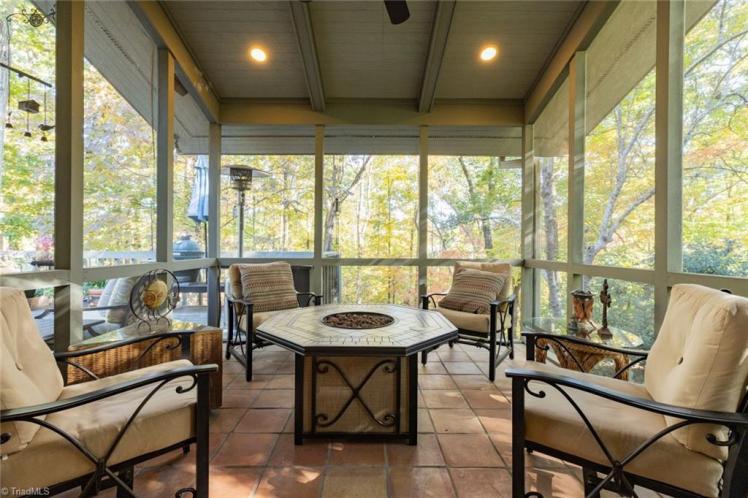


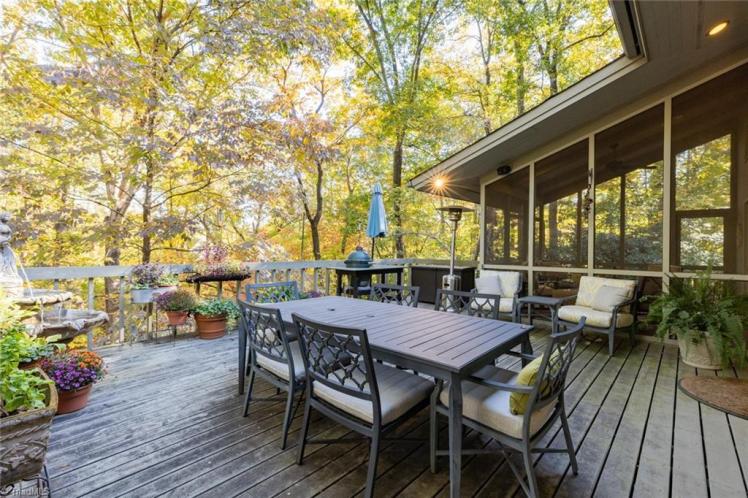
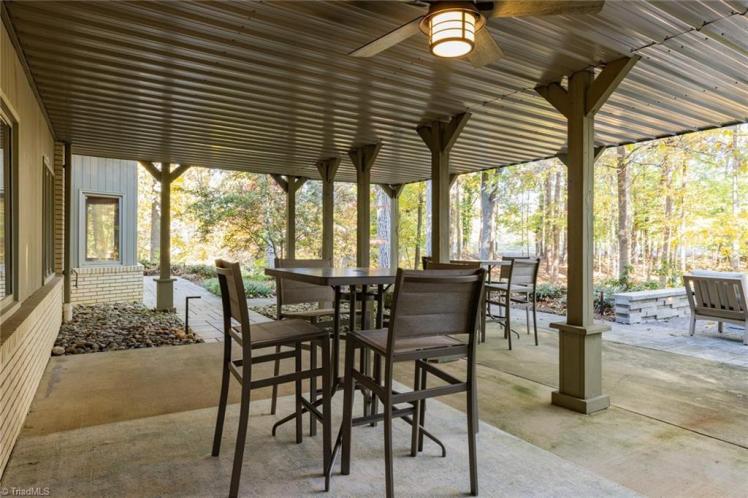


6832 Colonial Club Drive, Randolph County
- Sold for $779,000 on February 25, 2025 (listed at $799,000)
- 3 bedrooms, 3 1/2 bathrooms, 3,123 square feet, 1.12 acres
- Price/square foot: $249
- Built in 1982 (per county; see note)
- Listed November 1, 2024
- Last sale: $292,000, September 1998
- Neighborhood: Colonial Country Club
- Note: Designed by Jon Andre Condoret (1934-2010). Condoret was born in Algiers and received a bachelors degree in architecture from the L’Ecole Speciale d’Architecture in Paris. He came to North Carolina from Algeria in 1962. He designed a number of modernist houses in Chapel Hill and Chatham County and served as senior architect for Fearrington Village in Chatham County near Chapel Hill.
- The house has a Thomasville mailing address, but is across the county line in Randolph County, about 3 1/2 miles east of Thomasville and 7 miles southwest of Archdale.
- Online listings give the date as 1976.
- Listing: “Views of the 14th hole at Colonial Country Club”
- The original owners were James G. McGhee and Brenda L. McGhee (dates unknown for both), who bought the property in 1974. James sold the house to the current owners in 1998.
2383cedar


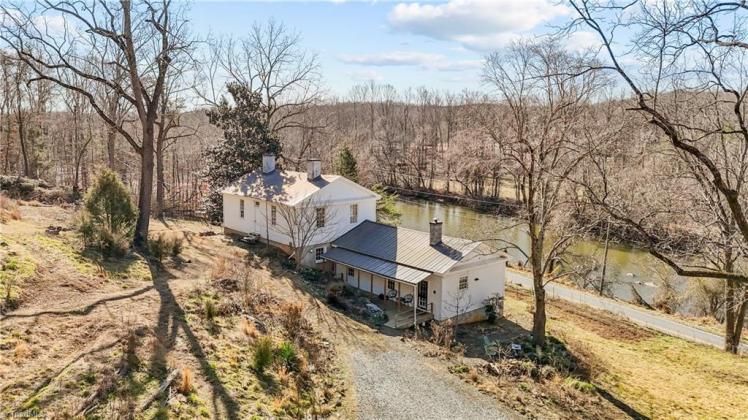


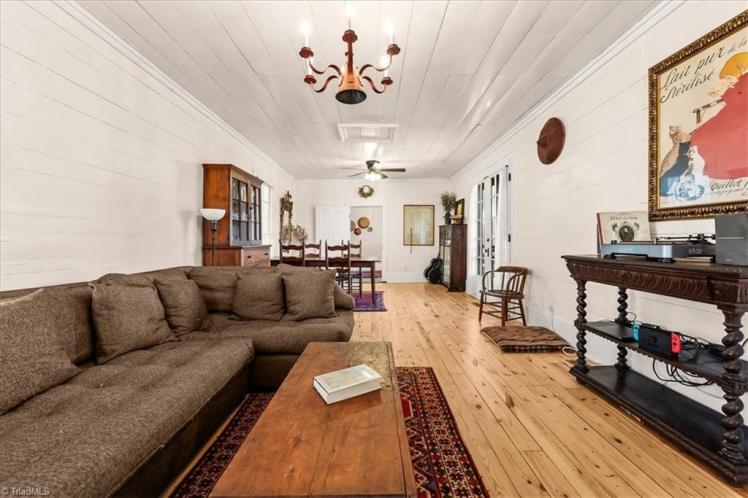

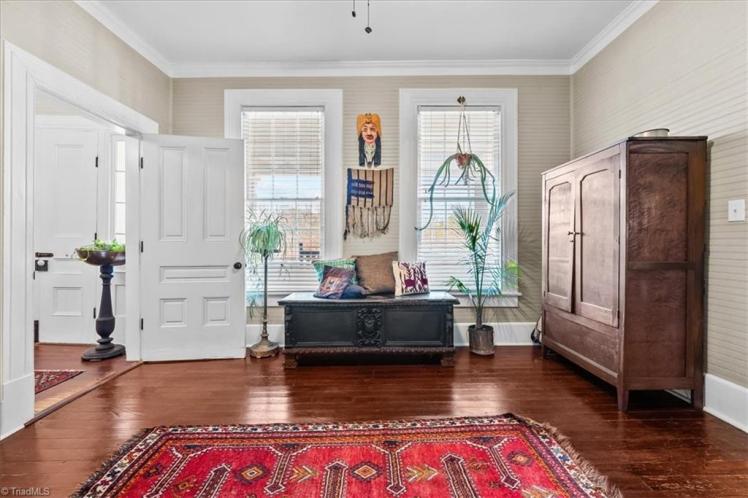


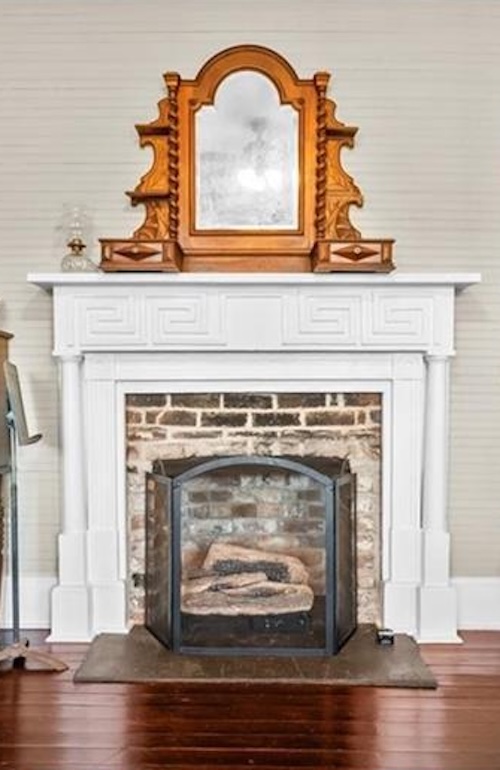


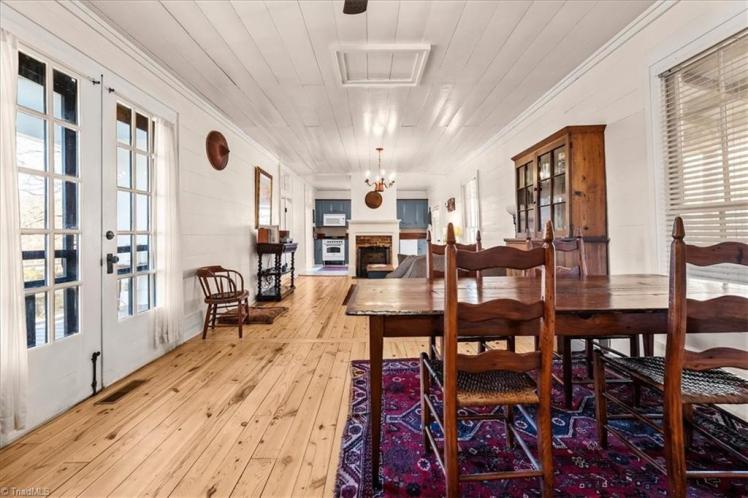
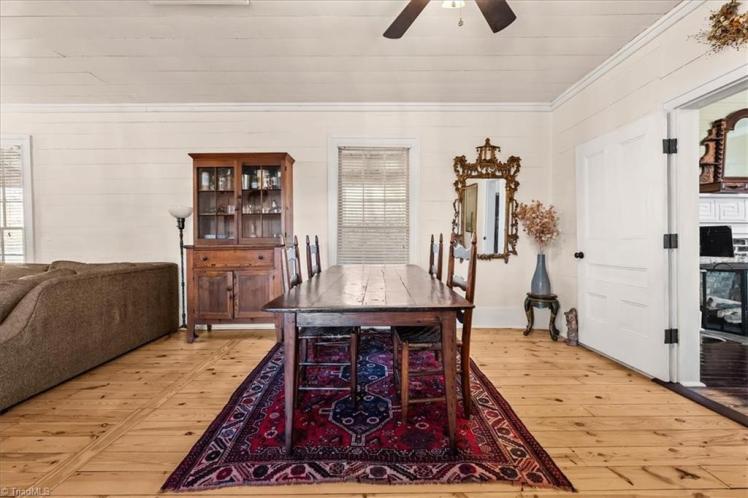
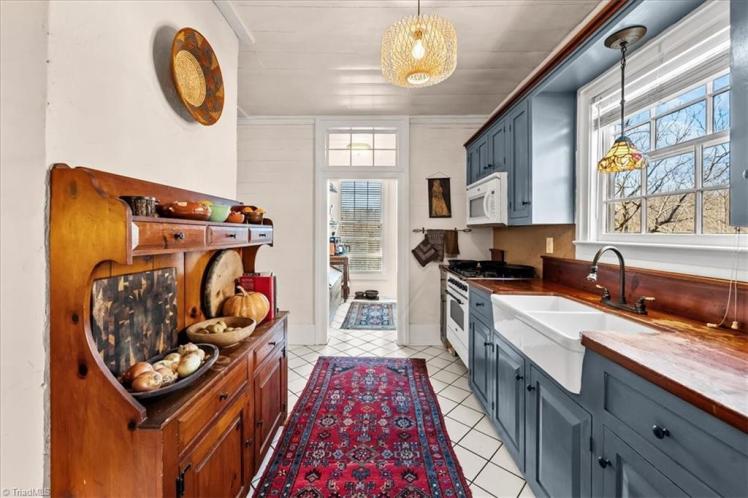


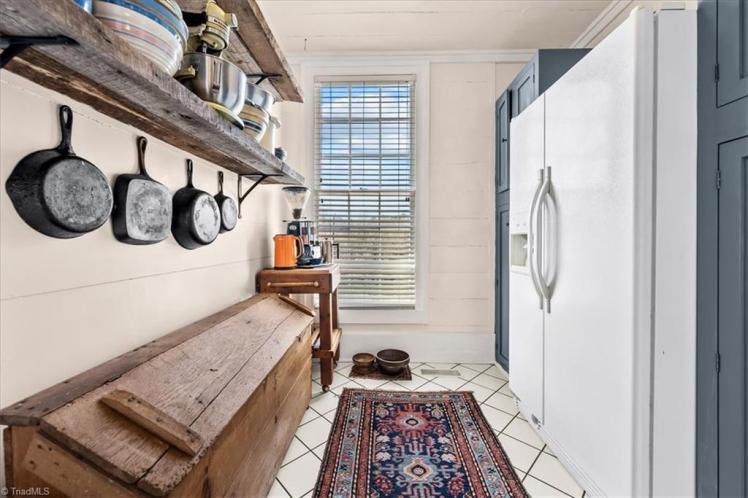


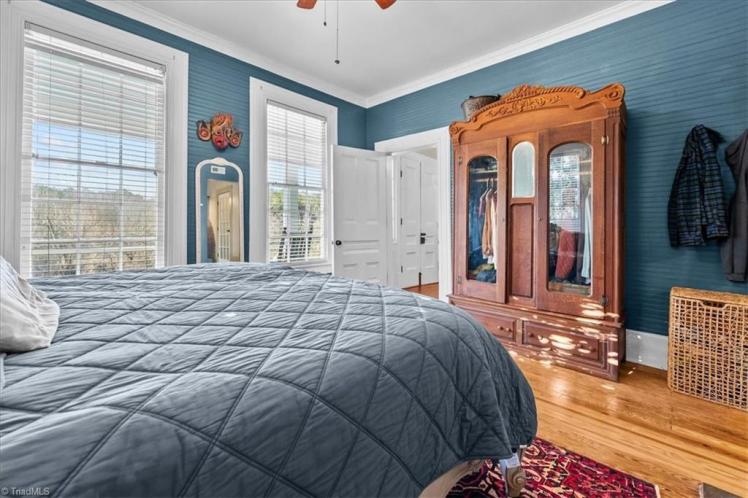
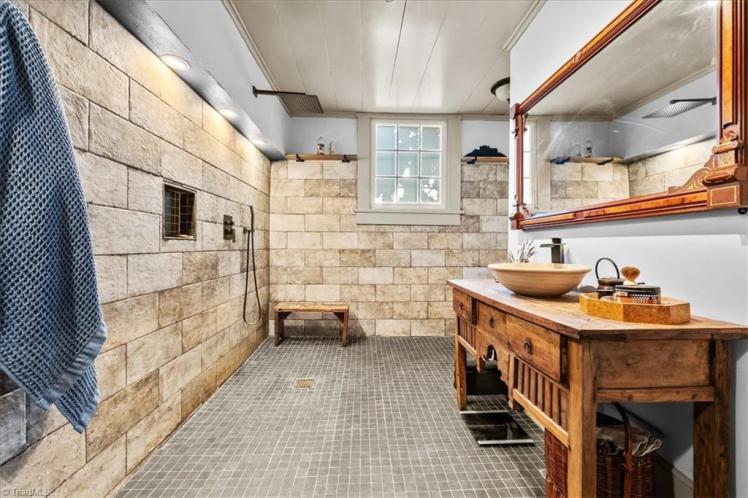

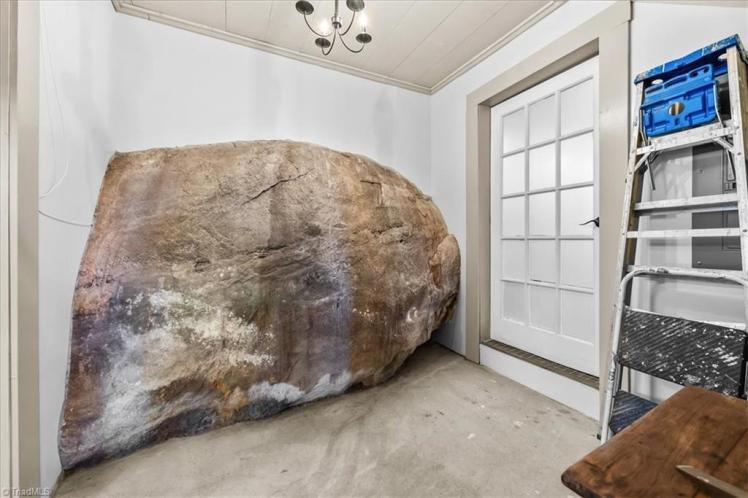

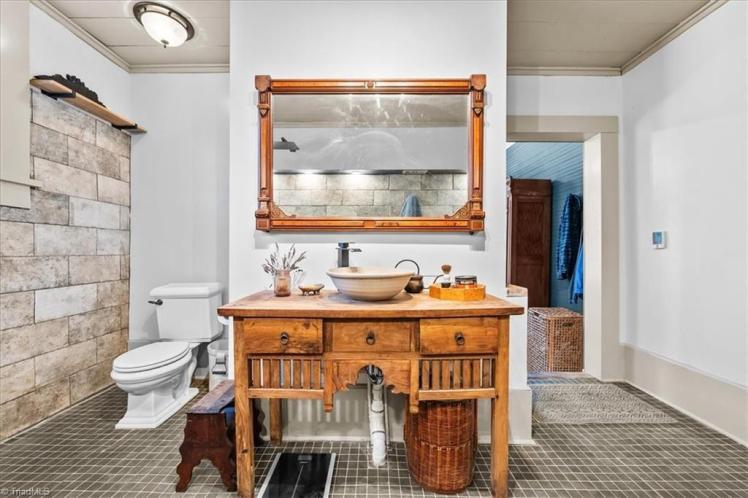

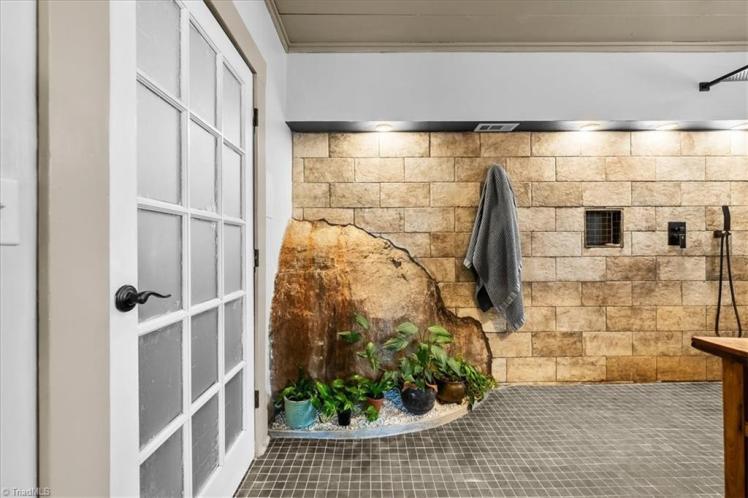
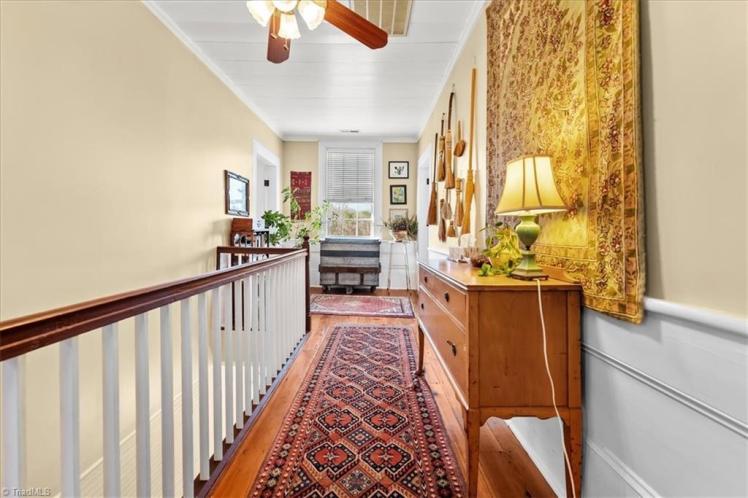


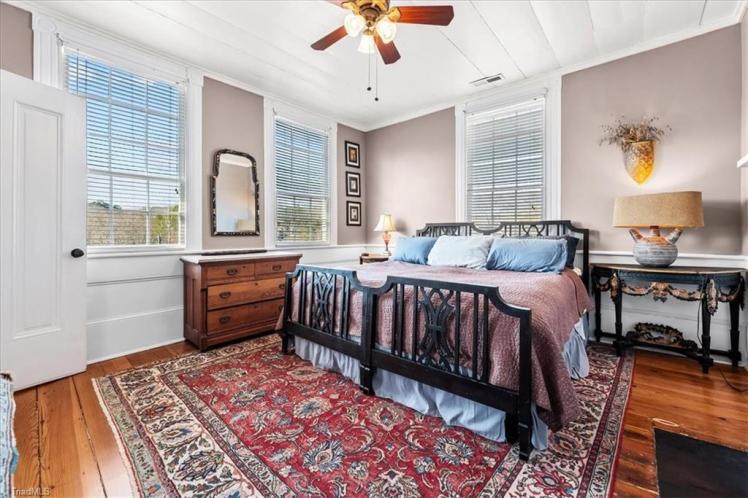

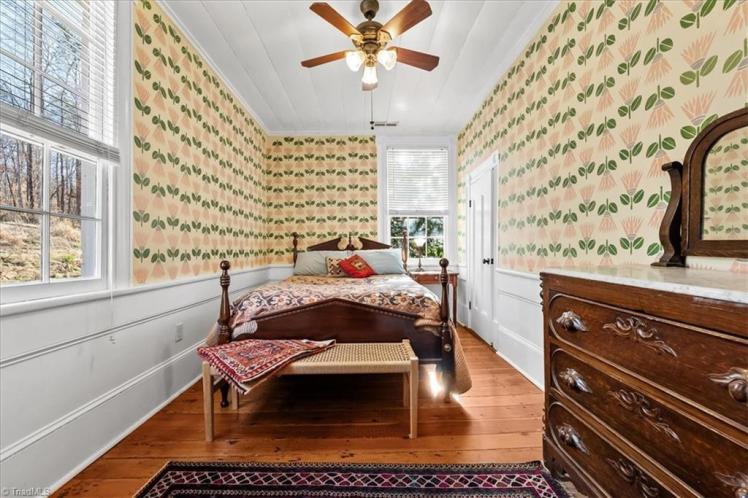


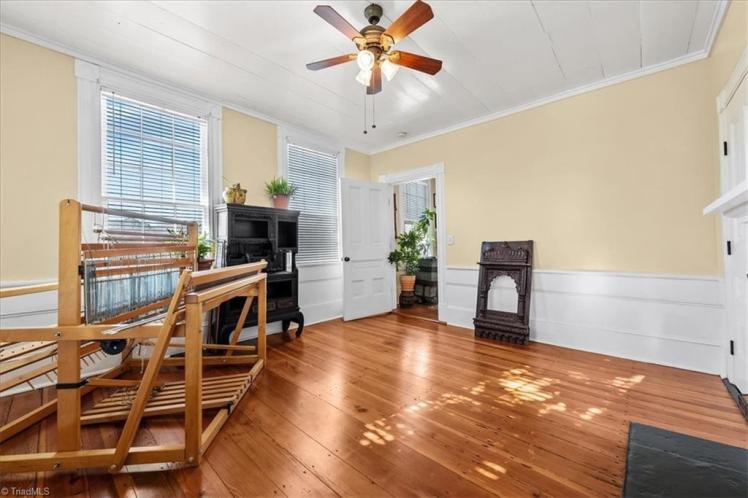


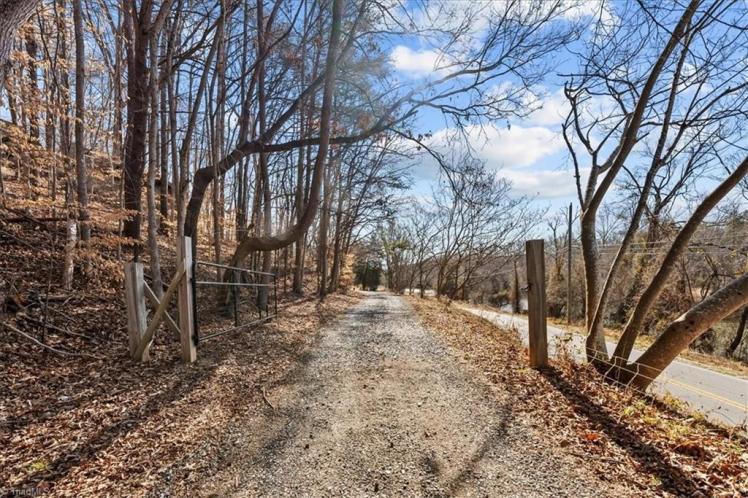


2383 Cedar Falls Road, Cedar Falls, Randolph County
The Austin Lawrence House (also known as the Wrenn House)
- Sold for $400,000 on February 25, 2025 (listed at $400,000)
- 3 bedrooms, 3 bathrooms, 2,668 square feet, 5.57 acres
- Price/square foot: $150
- Built in 1848
- Listed February 11, 2025
- Last sales: $220,000, February 2019; $39,000, August 2002; $34,000, December 2000
- Neighborhood: Located about 6.25 miles northeast of Asheboro and 2.5 miles west of Franklinville. The property has a Franklinville mailing address.
- Note: The property has been designated a Randolph County Historic Landmark.
- The Cedar Falls community was initially settled around 1754. A mill operated there from the 1830s until the 1990s. The mill building now houses the American Textile Technology Collection, established by the Randolph Heritage Conservancy. In recognition of the factory’s historic significance, a line of socks named Cedar Falls is produced by the North Carolina-based Farm to Feet brand.
- Local Landmark Designation Report: The house is “built on a rock outcropping on a steep hillside overlooking the Deep River. Its first owner was Austin Lawrence [dates unknown], a mill manager from New England who came to Randolph County with his family to work in the burgeoning textile industry. The solidly built house has woodwork and moldings made from the Greek Revival classical designs by architect Asher Benjamin (1773-1845) in his pattern books that were widely circulated in the first half of the nineteenth century. After the Lawrence family moved away around 1855, the Cedar Falls Mill Company owned the house and it was rented to various tenants for over 100 years.”
- In 1999, the Randolph Heritage Conservancy acquired the house from Sapona Manufacturing Company. It sold the house in 2000.
- From The Architectural History of Randolph County North Carolina: “This ca. 1850 dwelling is one of the landmarks of the Greek Revival style in Randolph County. The builder of the two-story center-hall plan house drew inspiration for the decorative trim work from a well-known, widely used builder’s guide, The Practical House Carpenter, by Asher Benjamin.” Two mantels in the house are adapted from Benjamin’s book (Plate 51), a traditional “post and lintel” form with a Greek key design decorating the frieze. “The local artisan’s rendition of the mantel is somewhat crude and two-dimensional when compared to the Asher Benjamin design, but it is important to find that Randolph County craftsmen tried to imitate published examples of their work.
- “The house has a great deal of additional high-quality work. The molded cornice is carried across the gable to form a classical pediment; the gable is covered with sheathed siding as is the area sheltered by the Doric gallery across the facade. The double-leaf entrance is framed by sidelights in a symmetrically molded architrave with beveled corner blocks. The house is built into the hillside so that the read facade displays only a single story; the central door on the rear facade is set in a crossetted architrave with transom. Nine-over-nine double-hung sash are used on the ground floor, with 9/6 sash on the upper story. The house also features interior chimneys, molded two-panel doors and an open-string staircase with turned newel post and square balusters.”
161ndudley
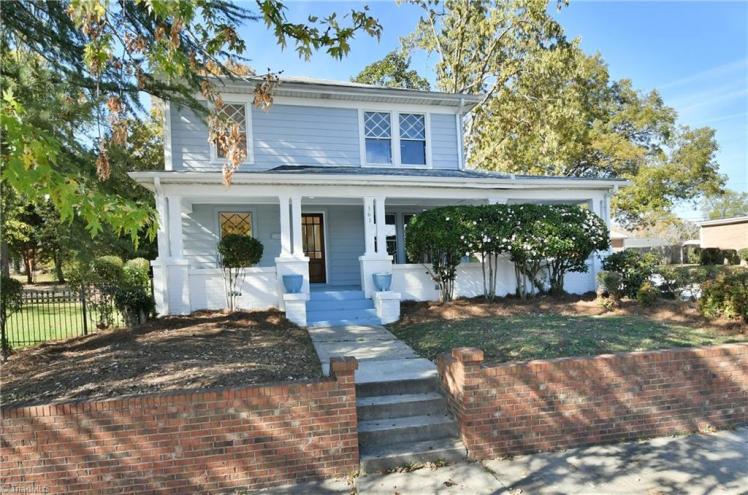


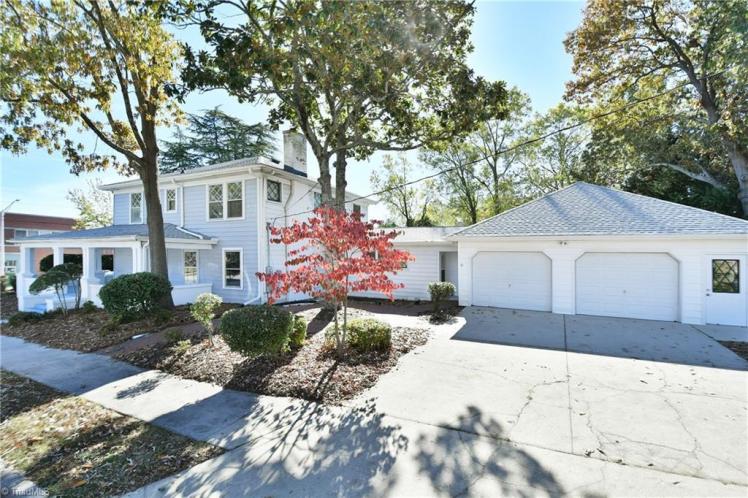


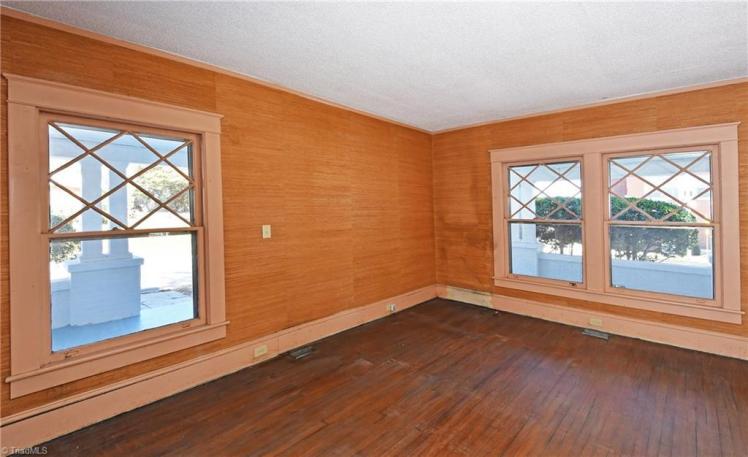
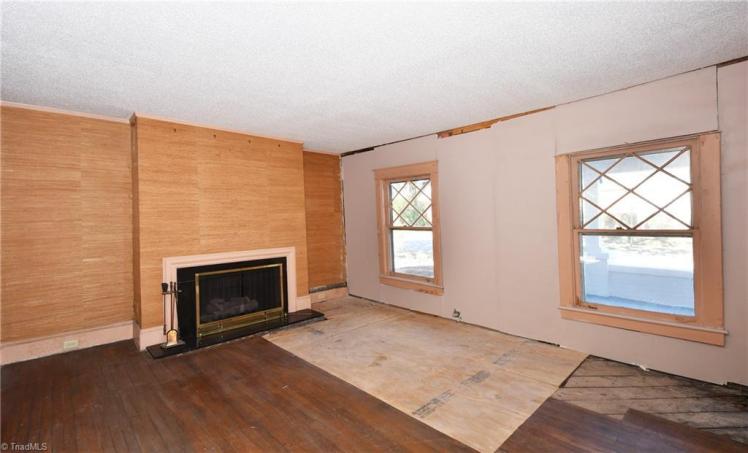


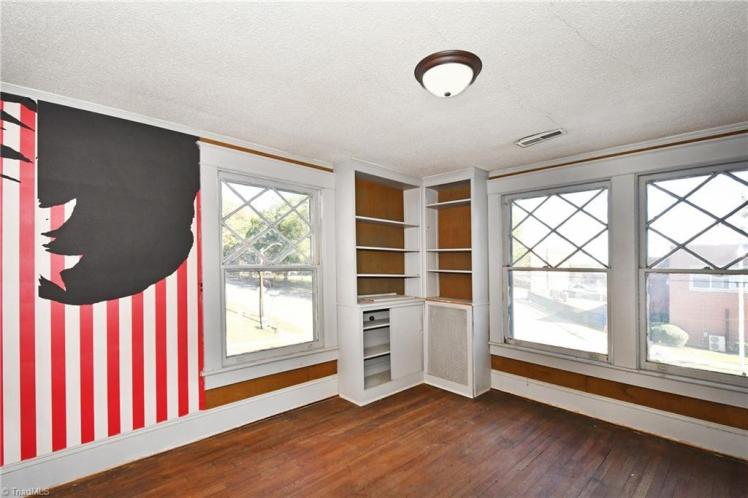


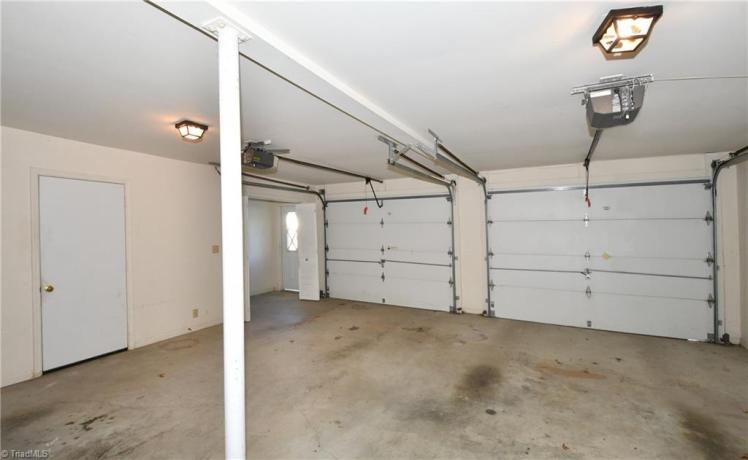


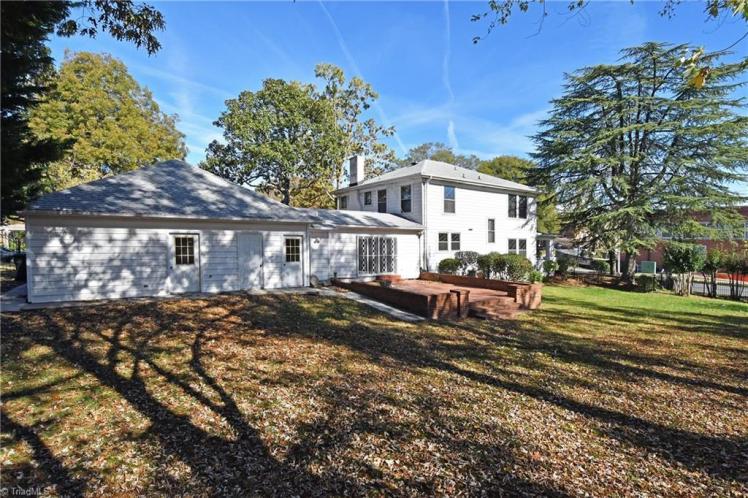

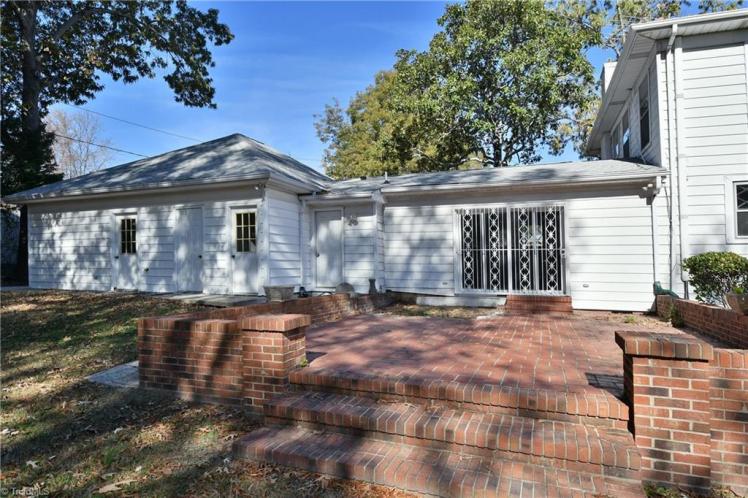

161 N. Dudley Street, Greensboro
The George and Anna Simkins House
- Sold for $277,500 on January 27, 2025 (listed at $360,000)
- The buyer’s listed address is in Sandy Springs, Georgia.
- 3 bedrooms, 2 1/2 bathrooms, 2,518 square feet, 0.43 acre
- Price/square foot: $110
- Built in 1923
- Listed November 22, 2024
- Last sale: September 1922, price not recorded on deed
- Neighborhood: Cumberland
- Note: The house is across the street from N.C. A&T State University.
- The house needs significant interior work. Online listings show no photos of the kitchen.
- The address first appears in the 1923 city directory, listed as vacant, which may be an error. Dr. George Christopher Simkins Sr. (1880-1958) and Anna Guyrene Tyson Simkins (1900-1992) had bought the property in 1922 and were listed at the address in 1924. After their deaths, their son, George Jr. (1924-2001), and daughter-in-law, Anna Oleona Atkins Simkins (1926-2011), inherited the house. His estate is now selling it.
- George Sr. was a dentist. He graduated from Claflin College and the Howard University school of dentistry. He began practicing in Greensboro in 1918 and continued for 40 years until shortly before his death at age 78. He served as president of the Old North State Medical Society and was a member of its executive board for many years. He served on the management committee of the Hayes-Taylor YMCA, the Greensboro Housing Commission and the board of trustees of the Palmer Memorial Institute in Sedalia. In 1930 he was a founding member of the Greensboro Men’s Club.

- George Jr. was a major figure in the civil rights movement in Greensboro and was the lead plaintiff in a landmark civil rights case that integrated the nation’s hospitals. Like his father, he was a dentist. He led the Greensboro chapter of the NAACP for 25 years and was deeply involved in local politics. He worked to integrate Greensboro’s public golf course, tennis courts and swimming pools. He was active in the Greensboro Citizens Association, which is now the Dr. George C Simkins Jr. Memorial Political Action Committee.
- The Simkins vs. Cone lawsuit has been said to have been as instrumental in integrating hospitals as Brown vs. Board of Education was in integrating schools. After Moses Cone Hospital and Wesley Long Hospital denied admittance to one of his patients, Simkins sued the institutions, arguing that they were subject to the equal protection clause of the U.S. Constitution because they had received federal construction funding. Previously, federal courts had ruled that government agencies were covered by the equal protection clause, but private groups and institutions were free to discriminate on the basis of race. Simkins lost in U.S. District Court but won on appeal. In 1963 the U.S. Supreme Court declined to hear the case; Attorney General Robert F. Kennedy wrote an amicus brief supporting Simkins.
- “He’d go to any length to make sure people had equal opportunities,” Yvonne Johnson, Greensboro’s mayor pro tem and later mayor, said. “Though he was behind the scenes, his power was out front. There was a respect and awe people held for him.”
- Local historian Hal Sieber called Simkins the “preeminent African-American leader in Greensboro during the 20th century.”
538wmain


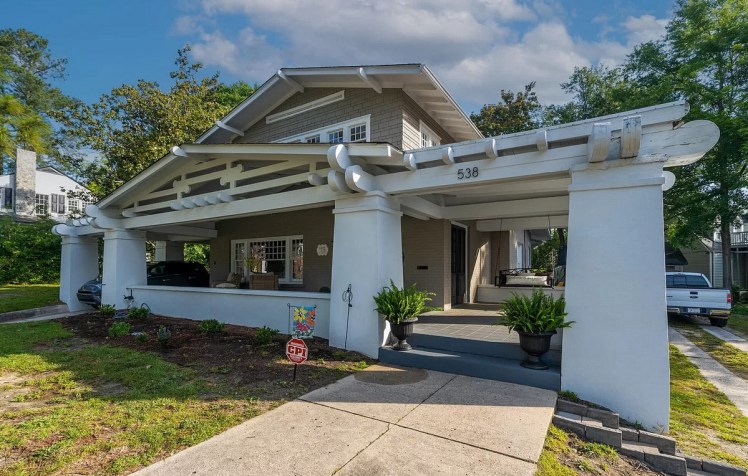


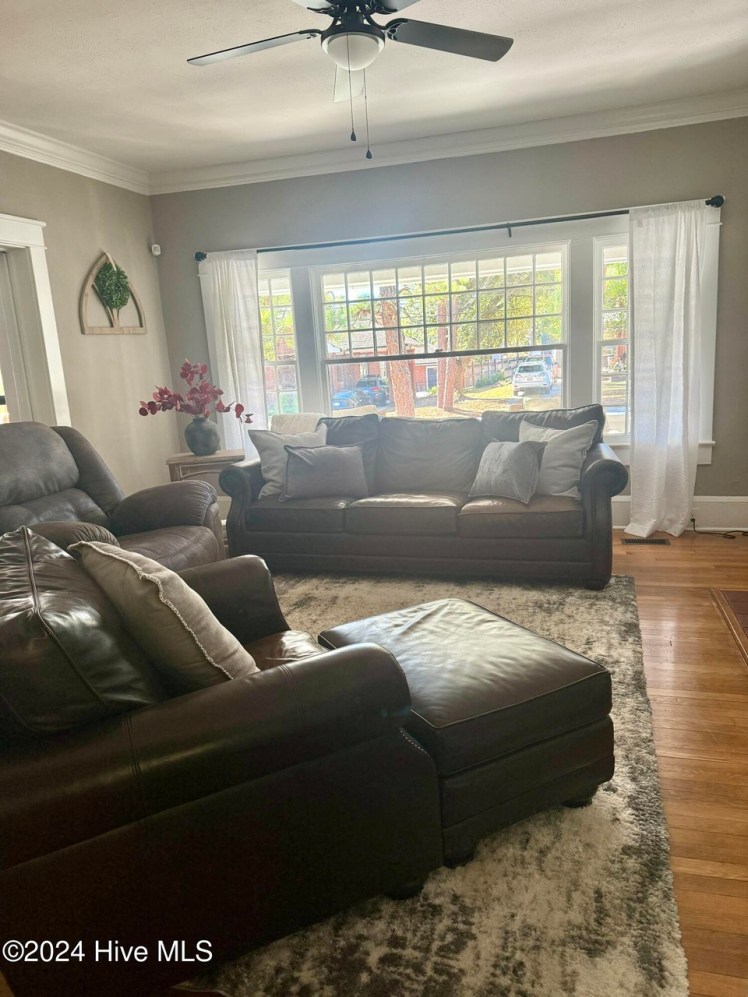

- Sold for $255,900 on January 16, 2025 (originally $242,500, later $279,900)
- 4 bedrooms, 2 bathrooms, 2,509 square feet, 0.71 acre
- Price/square foot: $102
- Built in 1930
- Listed November 23, 2021
- Last sales: $245,000, November 22, 2021; $65,000, June 2021
- Note: Unusual Craftsman design with porte-cocheres on both sides of the house.
- The house was put up for sale the day after it was sold.
607woodland

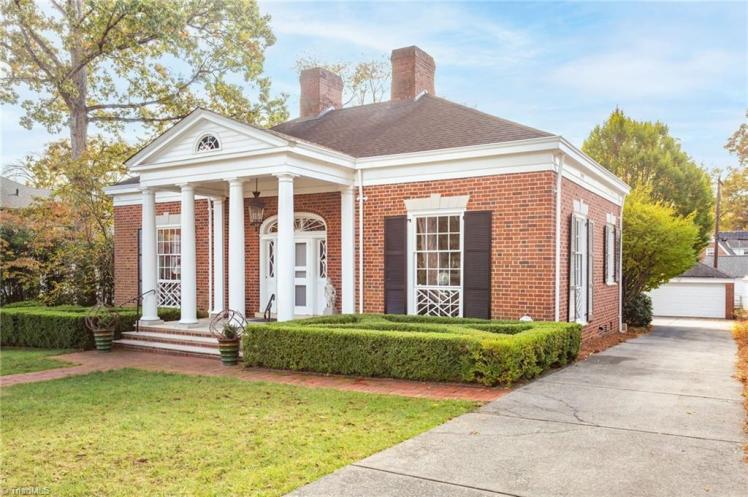
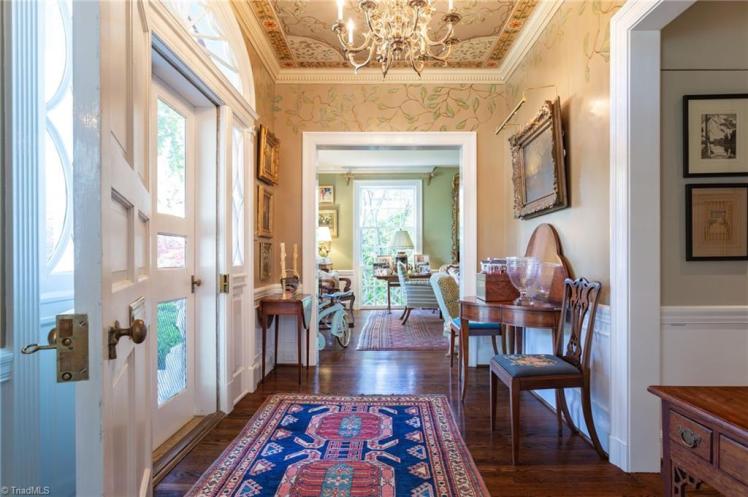

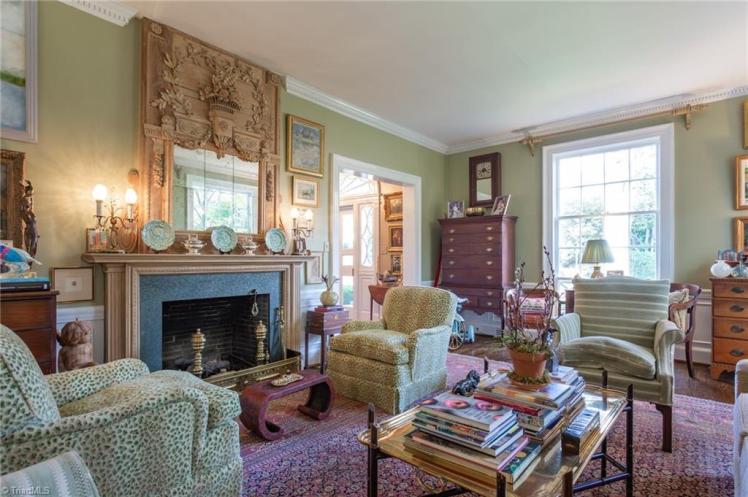


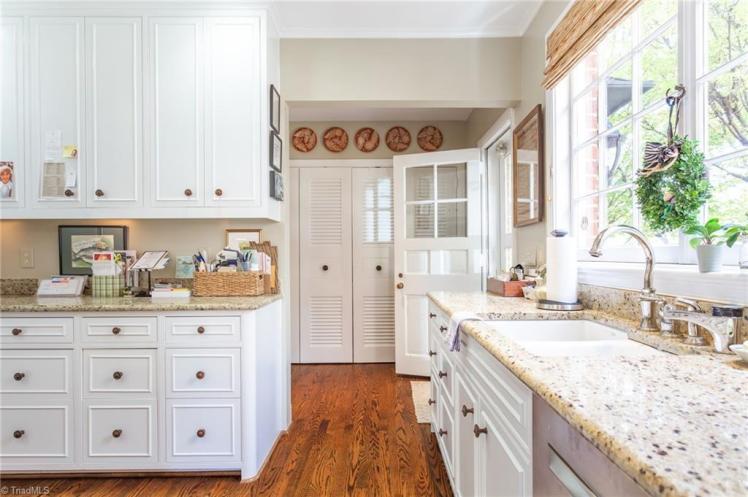
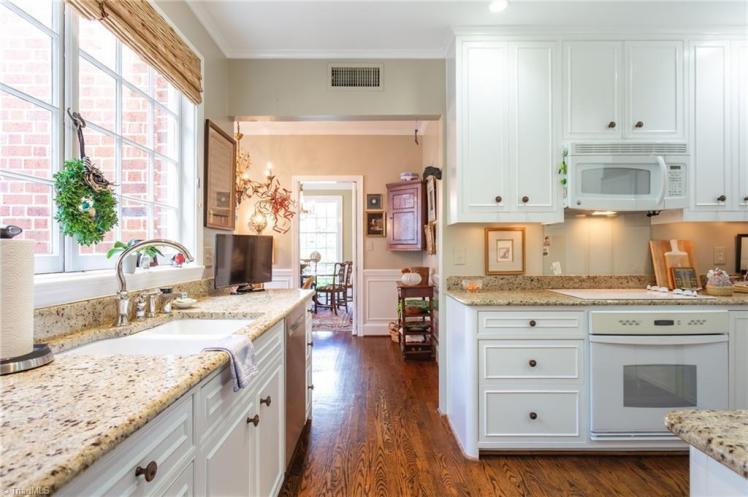
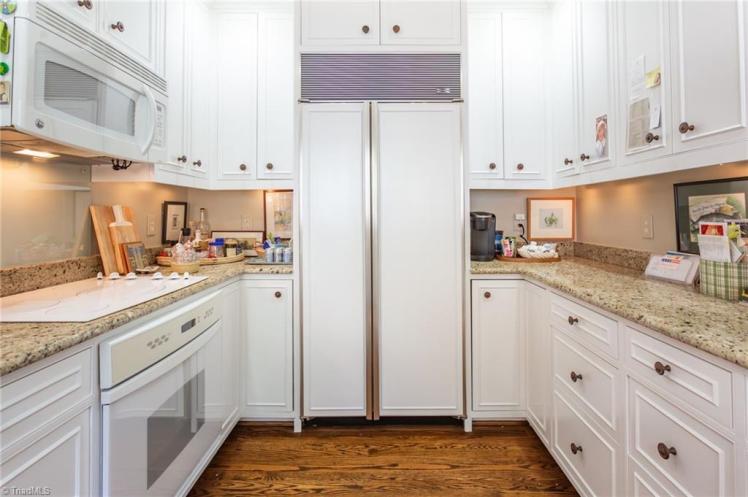

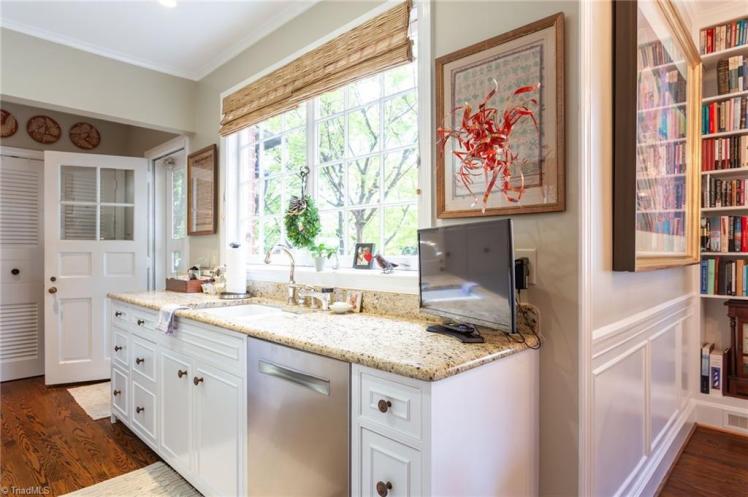
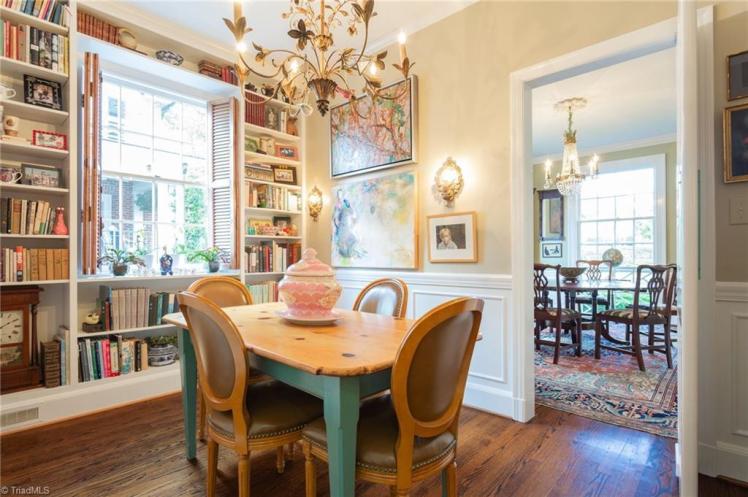
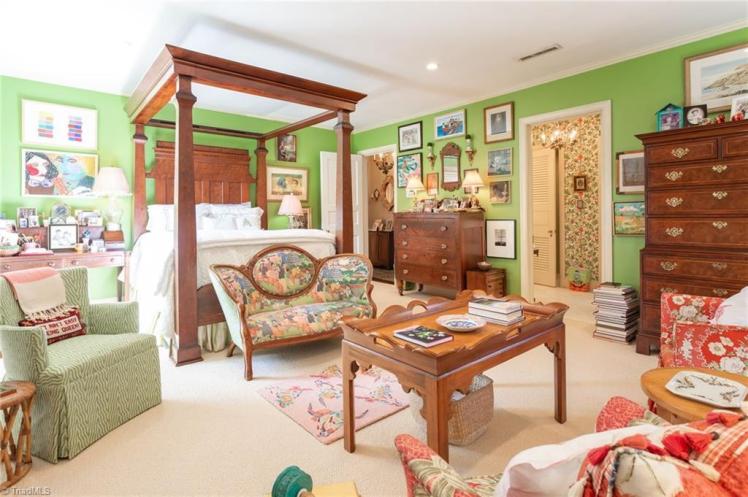


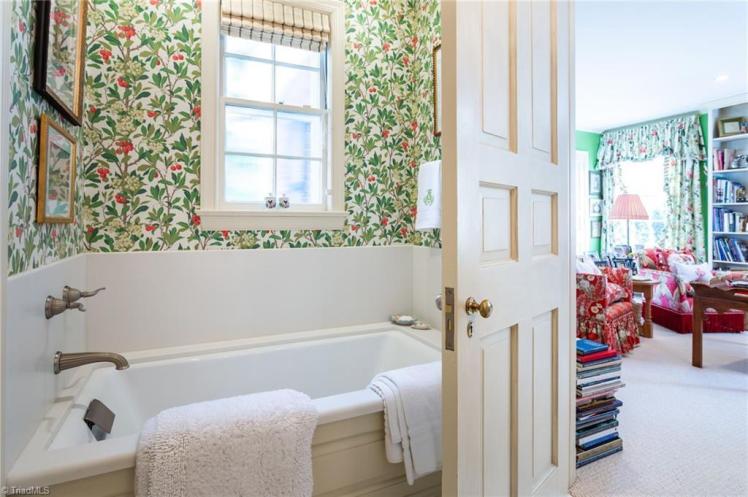


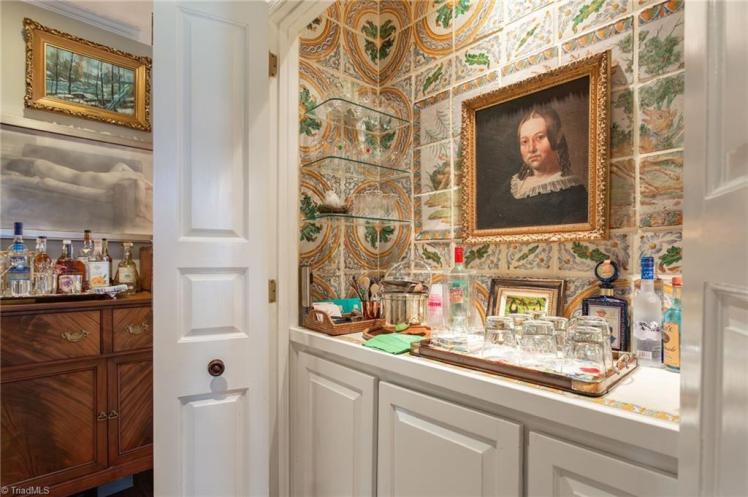


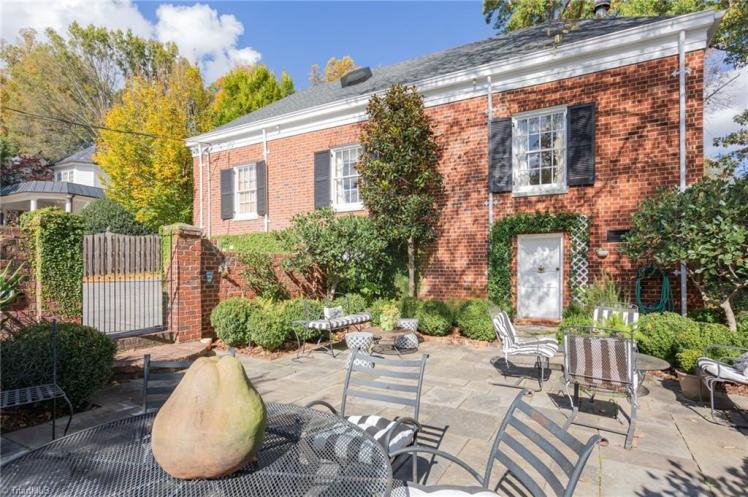
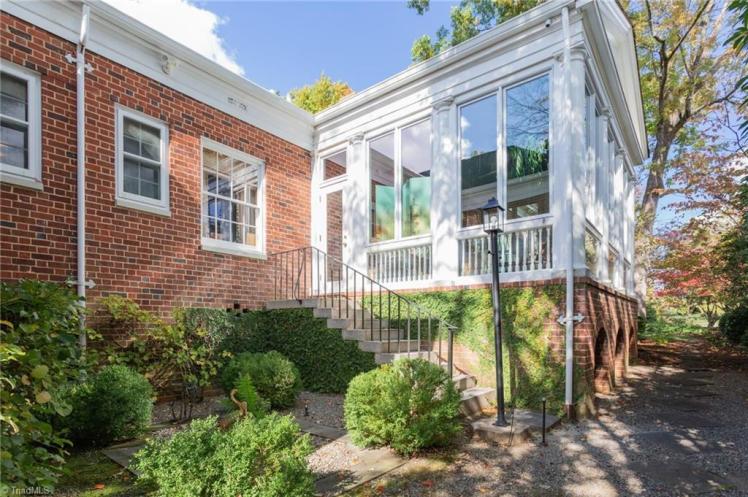
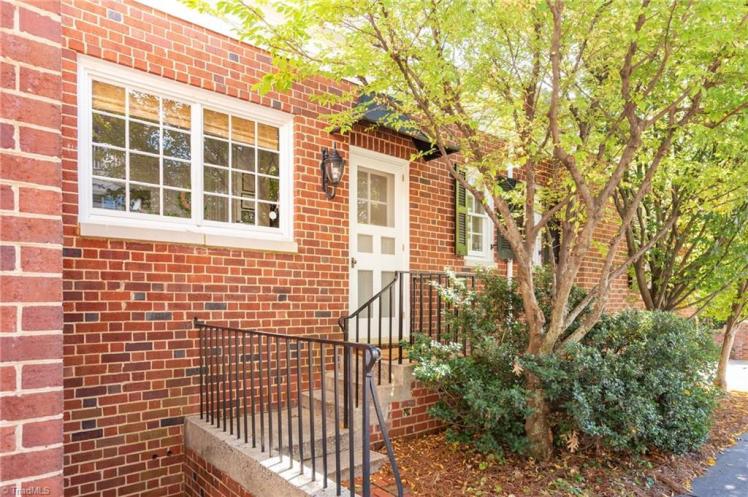

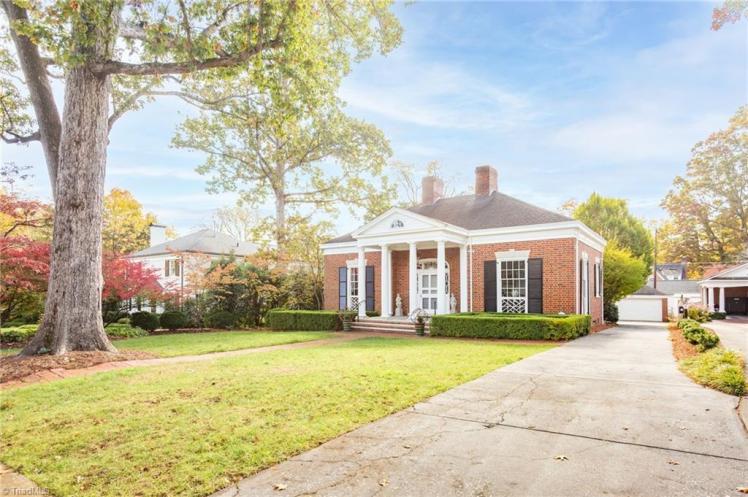
607 Woodland Drive, Greensboro
The Woodroof House
- Sold for $1.8 million on January 9, 2025 (listed at $1.8 million)
- 4 bedrooms, 3 1/2 bathrooms, 2,844 square feet, 0.32 acre
- Price/square foot: $633
- Built in 1940
- Listed November 22, 2024
- Last sales: $999,000, May 2017; $640,000, May 2002
- Neighborhood: Irving Park
- Note: The original owners were Albert C. Woodroof (1895-1986) and Mary Gilbert Rosser Woodroof (1899-1986). The property remained in their family for 63 years. They bought the lot in 1939 and were reported to be building the house in the summer of 1940. The address first appeared in the city directory in 1941.
- Albert was an architect; he may designed the house himself. He designed residences, schools and several Greensboro churches, including First Baptist, Holy Trinity Episcopal, College Park Baptist and First Friends Meeting. His son, Albert Jr., also was an architect. He worked as a draftsman for his father and later was a partner in Albert Sr.’s firm before starting to practice on his own.
- Albert Jr. (1920-1991) and Joan CarrIngton Price Woodroof (1936-2001) inherited the house. It was sold by Joan’s estate in 2002.
916smain

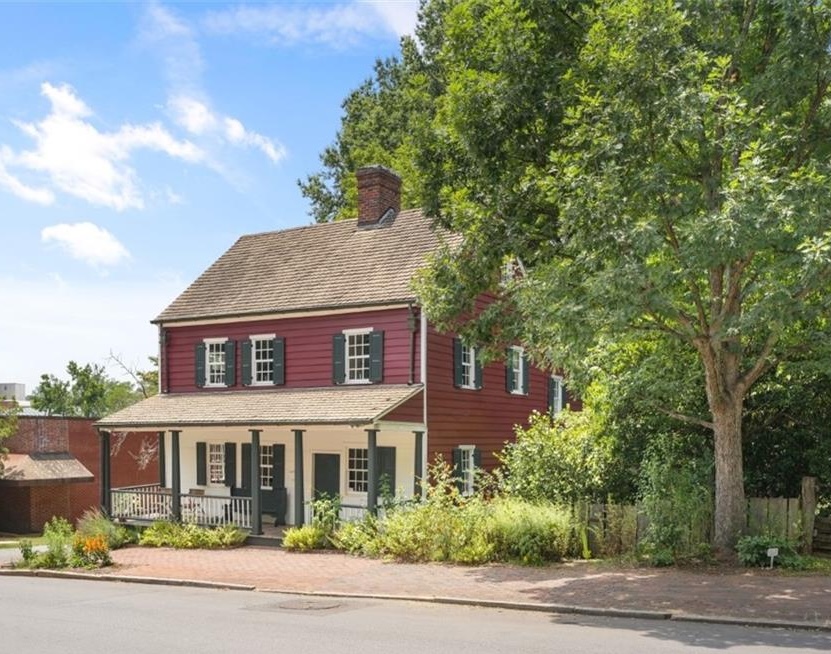
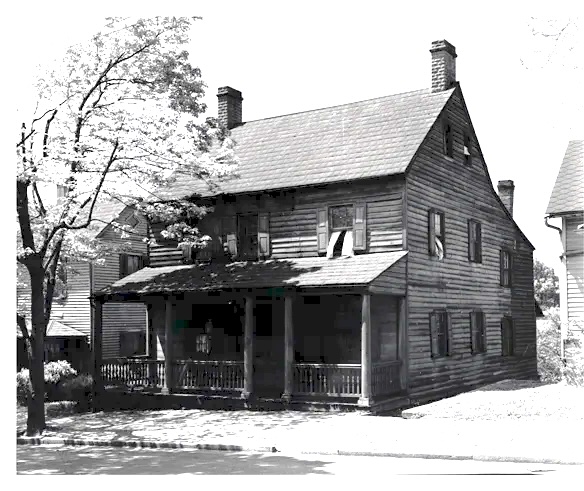


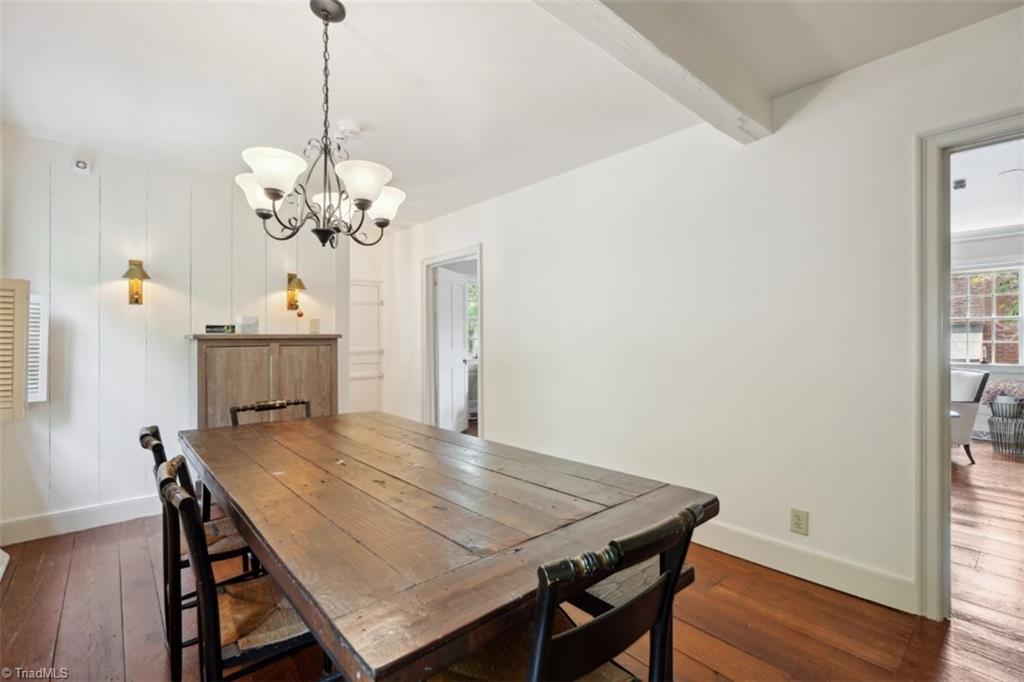
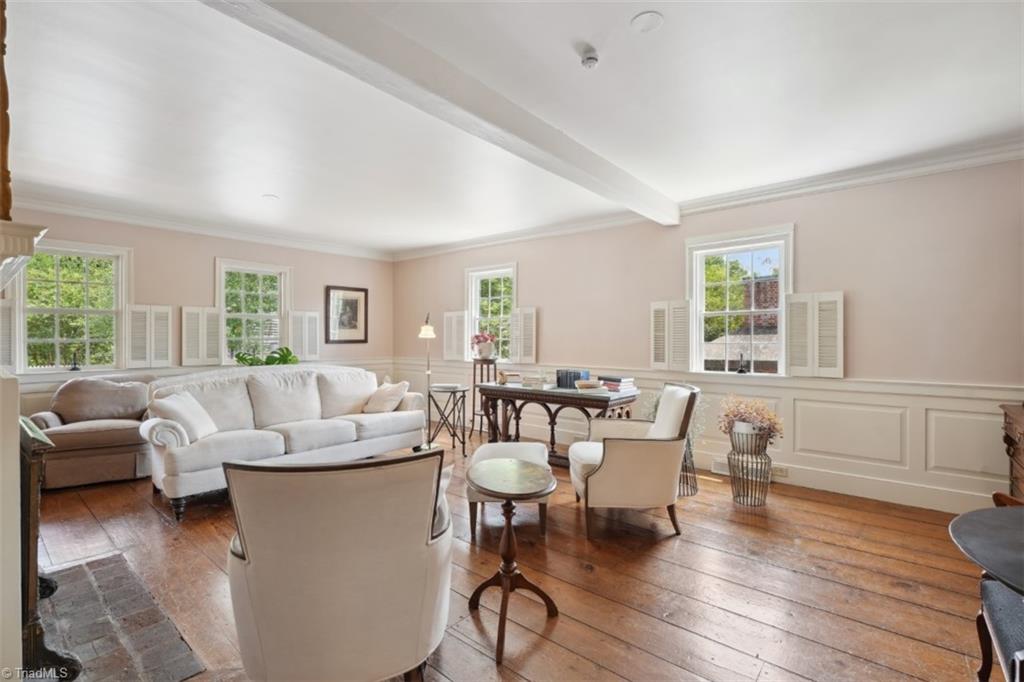

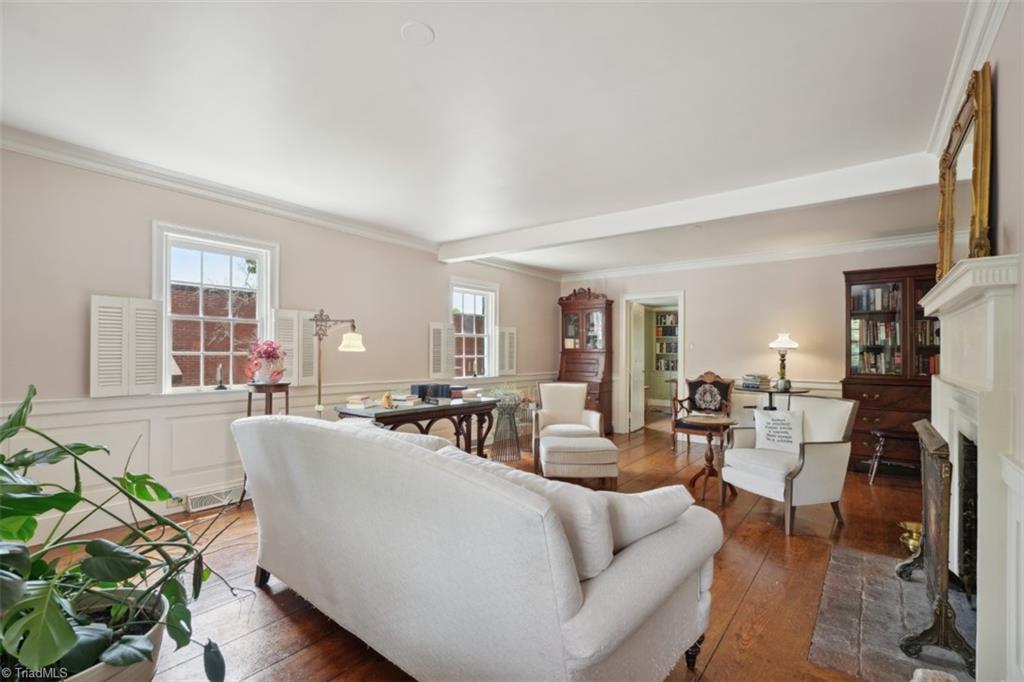




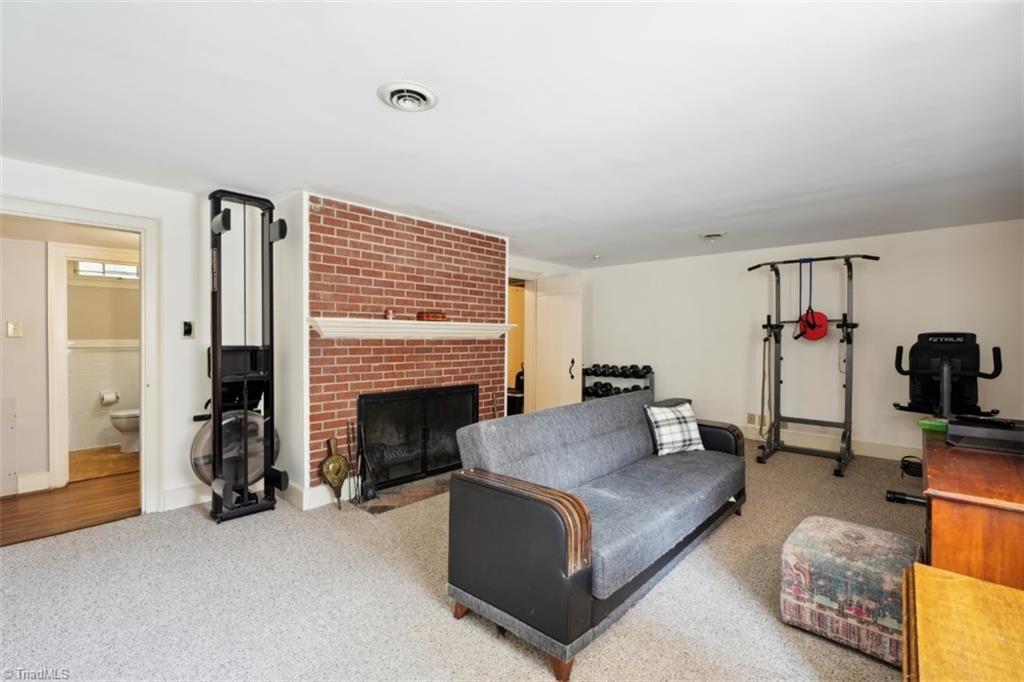


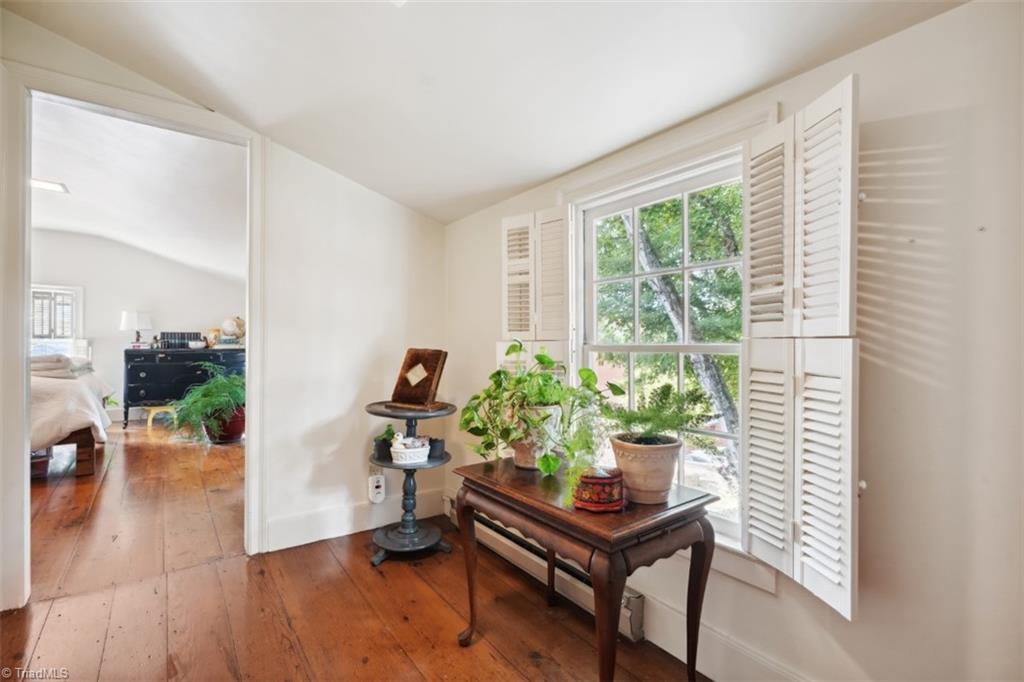

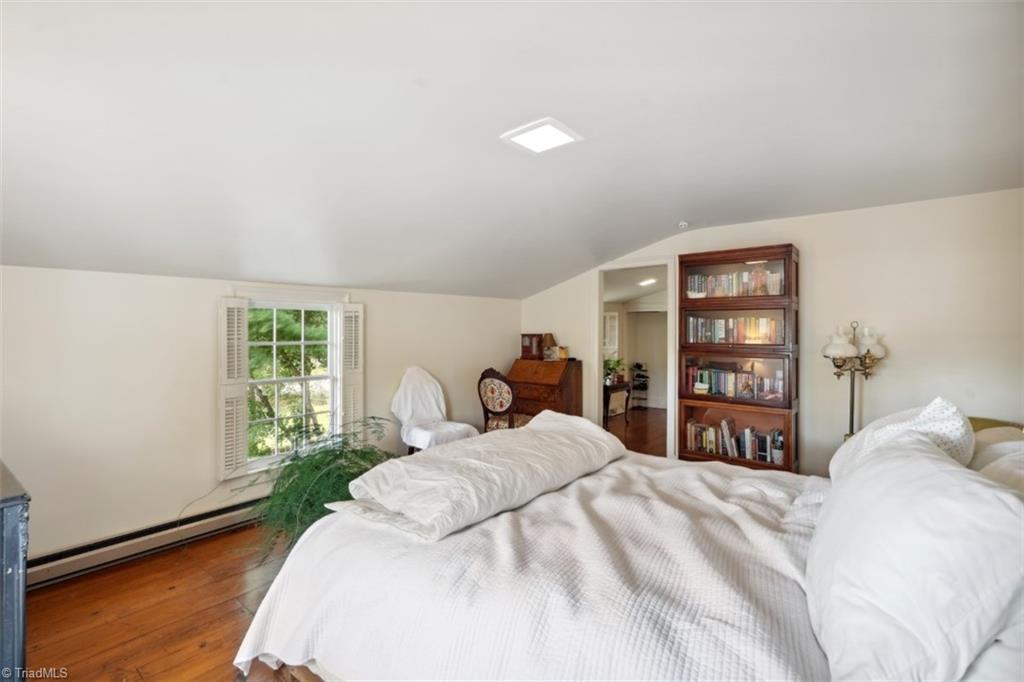
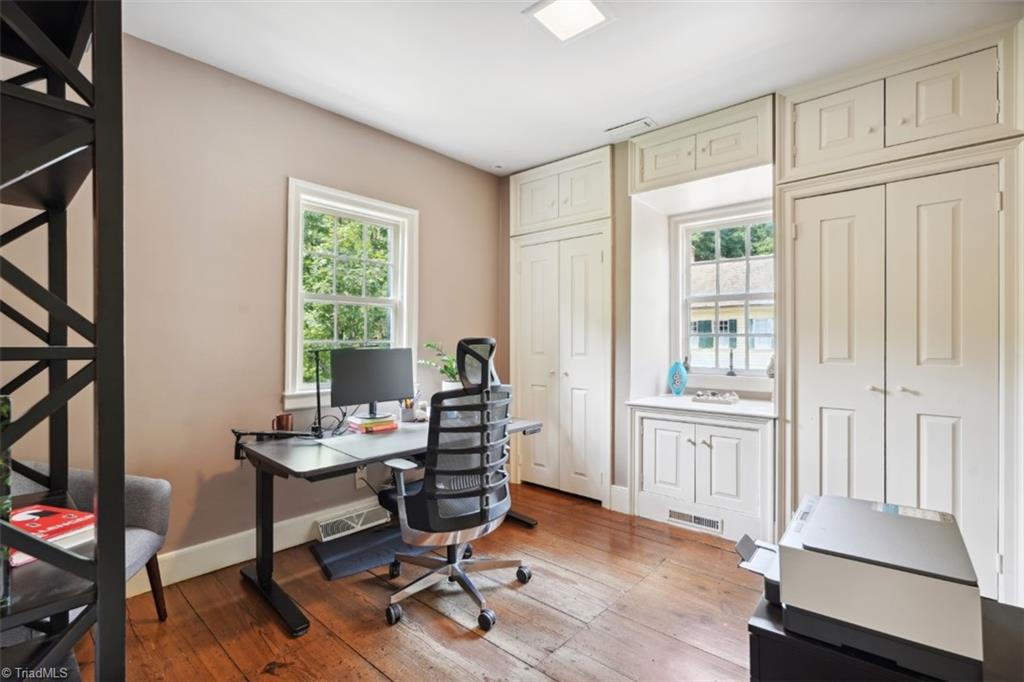
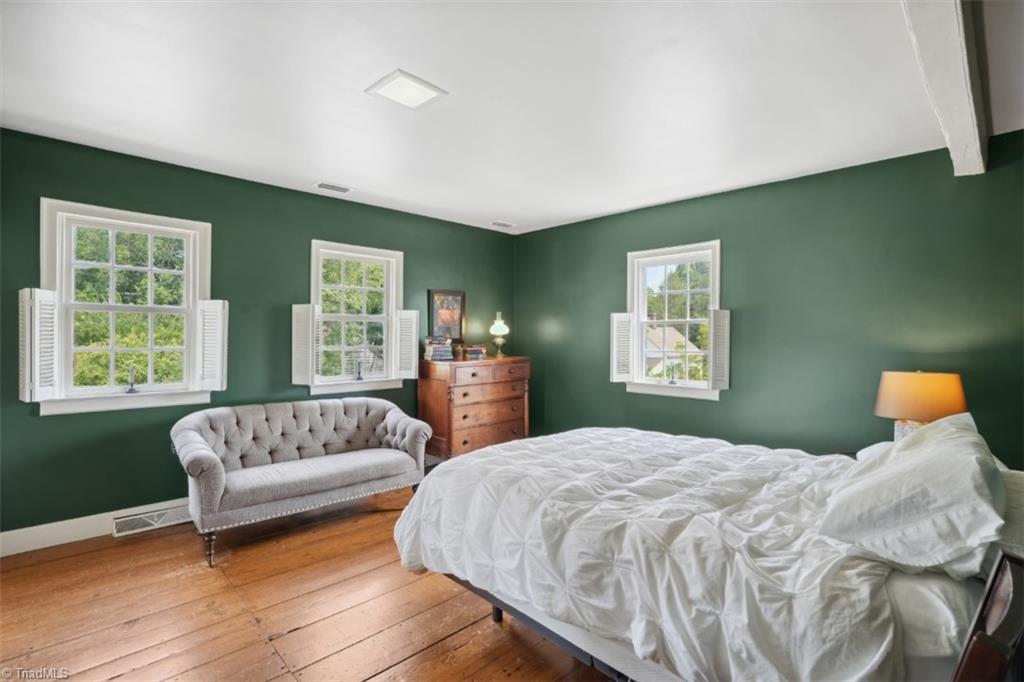
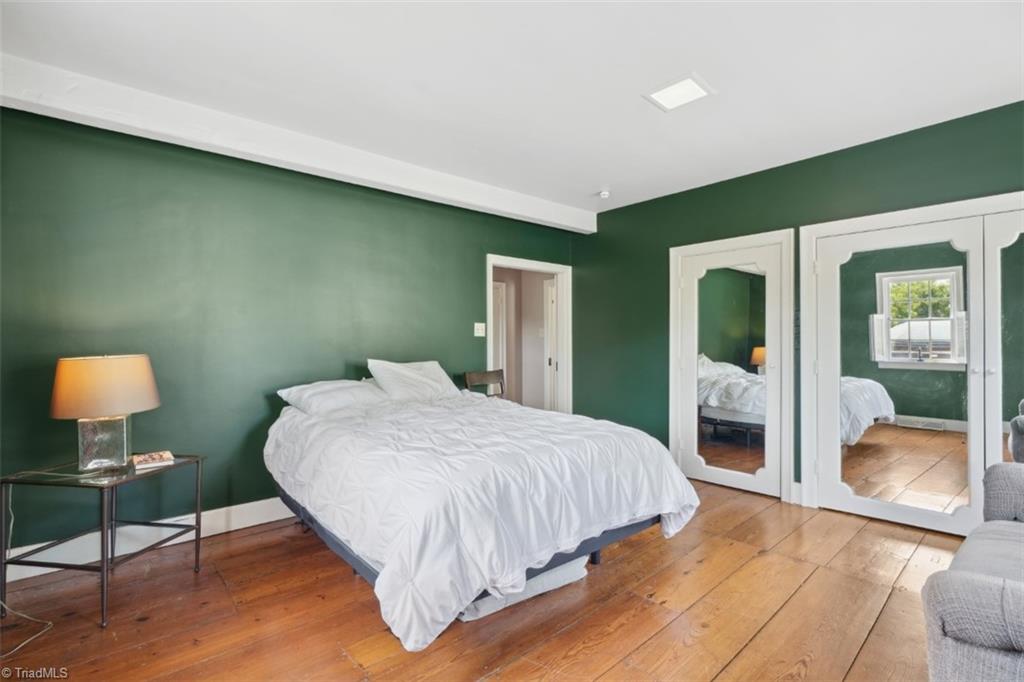
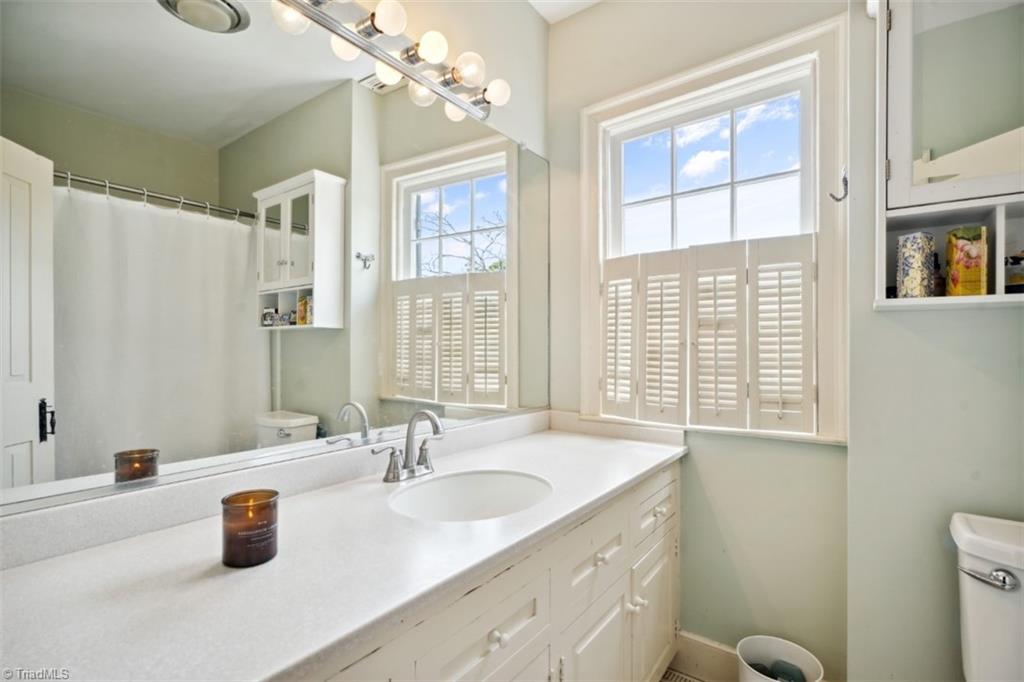
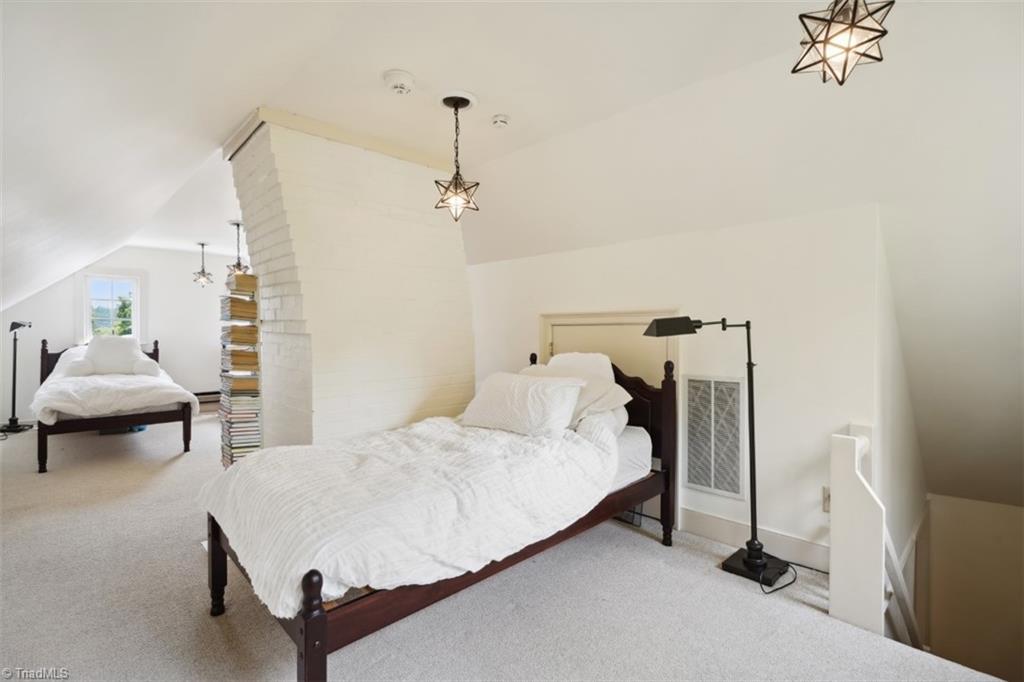
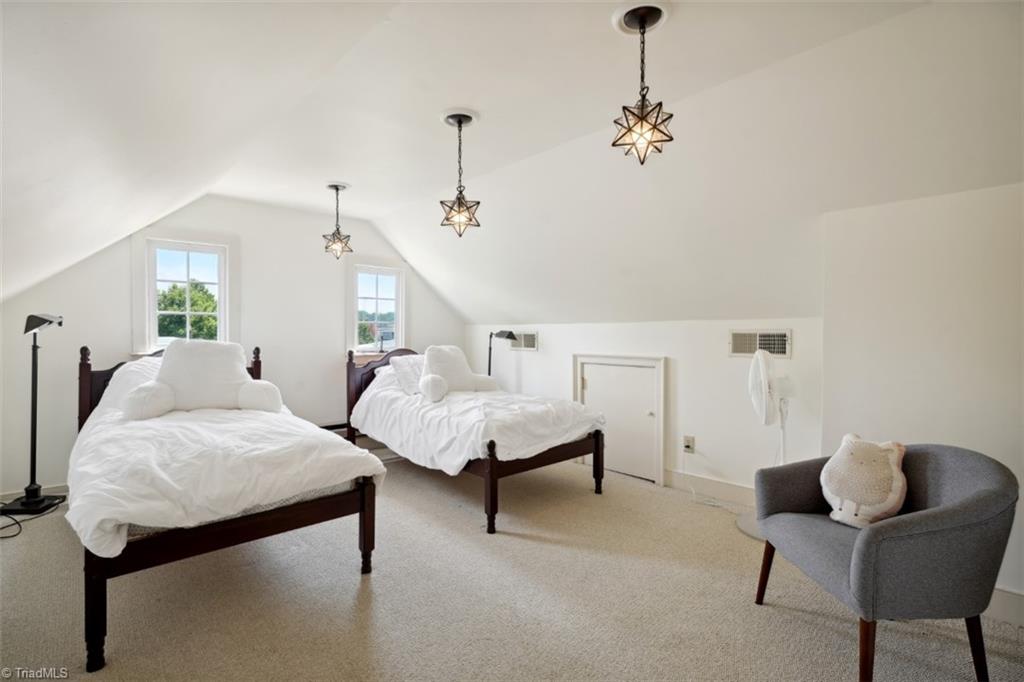
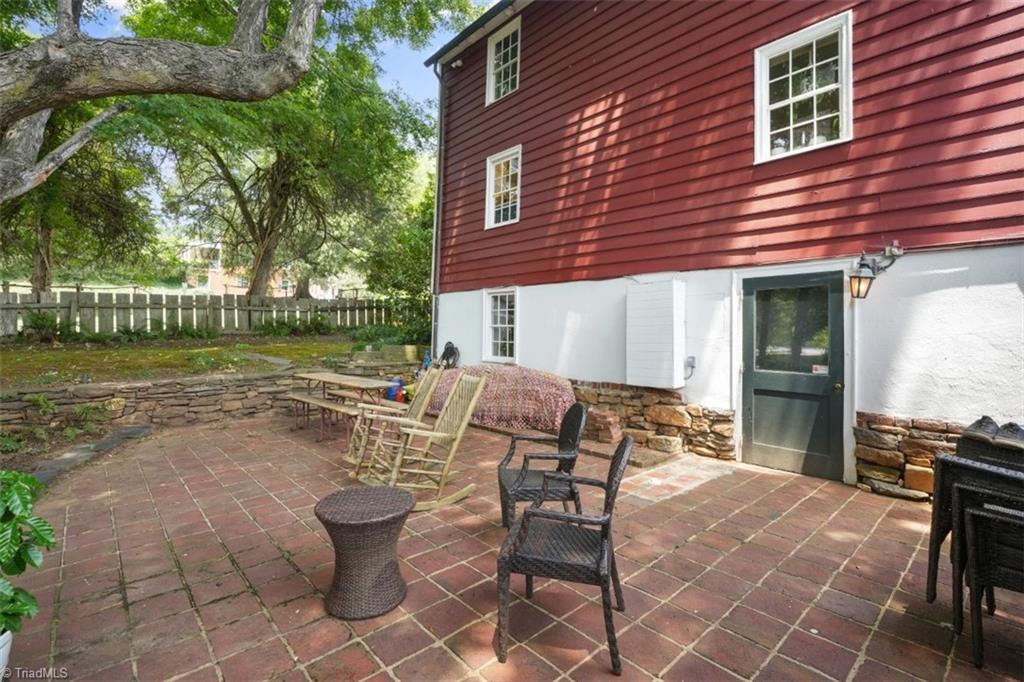


916 S. Main Street, Old Salem, Winston-Salem
The Johannes Voltz House, Lot 96
- Sold for $665,000 on January 3, 2025 (originally $729,000)
- 4 bedrooms, 3 1/2 bathrooms, 2,262 square feet, 0.14 acre
- Price/square foot: $294
- Built in 1816
- Listed March 9, 2020
- Last sales: $410,000, January 2021; $225,000, December 1990
- Note: Designated a Forsyth County Historic Landmark
- “A barn, removed from its original location near Idol’s Dam on the Yadkin River, was placed to the rear of the property in 1970.” (Forsyth County Historic Resources Commission)
- Owned by by Salem Academy & College 1990-2021
- 1950 photo above (black and white) from Old Salem Museum and Gardens Collection, via Digital Forsyth (exposure increased to bring out detail)
- District NR nomination: “The Volz House introduced to Salem the full front porch on a private residence and was the first house to sit back from the sidewalk. … At the time of construction, the Volz House lay somewhat beyond the core area of the town, as lots had not yet been surveyed that far south when the retired farmer Johannes Volz [d. ca 1821] applied to build his house. Johannes Volz had been the farm manager of the former Stockburger Farm from 1796 until his retirement in 1815 when he requested a lot in the southern part of the town for his retirement home.
- “The two-story frame (weatherboard) house with a side gable roof (concrete to simulate wood shingle) has flush ends and a box cornice. The building is on a stuccoed stone foundation and there is a central chimney with corbelled cap. The three-bay house has a side hall plan. It sits back from the sidewalk the width of a full façade shed roof front porch with five Tuscan columns and a simple balustrade on a stone foundation.
- “The porch is one step above sidewalk grade at the entry bay, located at the right end of the three bay façade, where a herringbone Dutch door abuts a six-over-six sash window. Two additional six-over-six sash windows are on the façade under the porch, where there is flush board sheathing; there are three windows on the second floor facade. Other elevations have six-over-six sash windows and all are hung with double panel shutters. Two six-light casements are in each upper gable end at the attic level. Doors and windows have molded casings.
- “A two-story engaged lean-to is across the rear elevation. The lot slopes to the west, exposing a full story cellar at the rear with door and windows. A board fence surrounds the house lot.
- “Volz lived in his house for only five years until his death. His widow and their son, George Volz (1798-1871), a gunsmith, continued to live in the house, and George built a small gun shop on the lot. …
- “By the early twentieth century, Lot 96 had been subdivided, the Volz gunshop was gone, and there were two houses north of the Volz House and south of Walnut Street. The Volz house central chimney had been removed and interior end chimneys installed at some point. The house and lot were purchased by Old Salem, Inc. in 1963, the twentieth century houses were removed, and the Volz house was restored.”
 Piedmont Historic Homes