2929seaforth
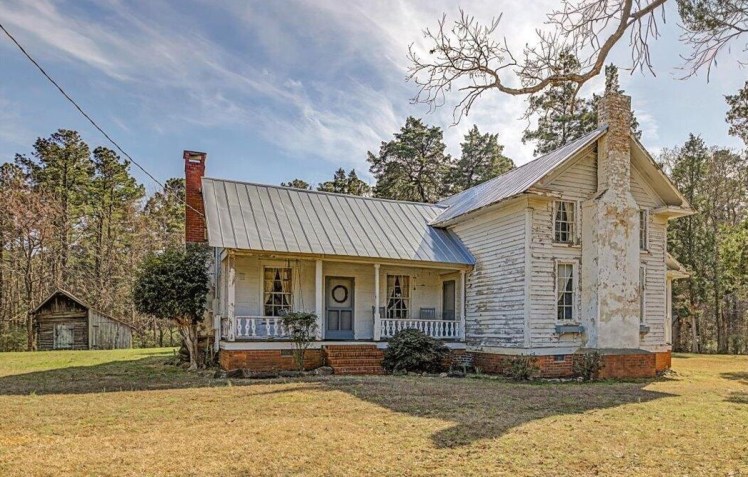
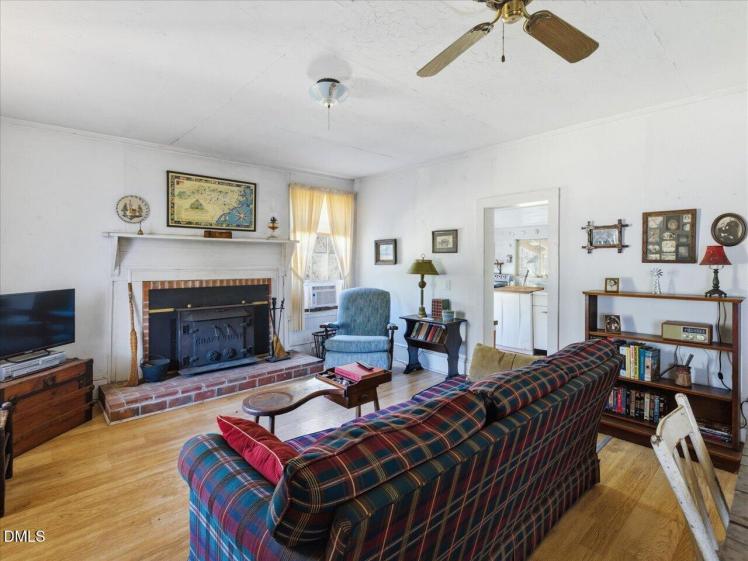
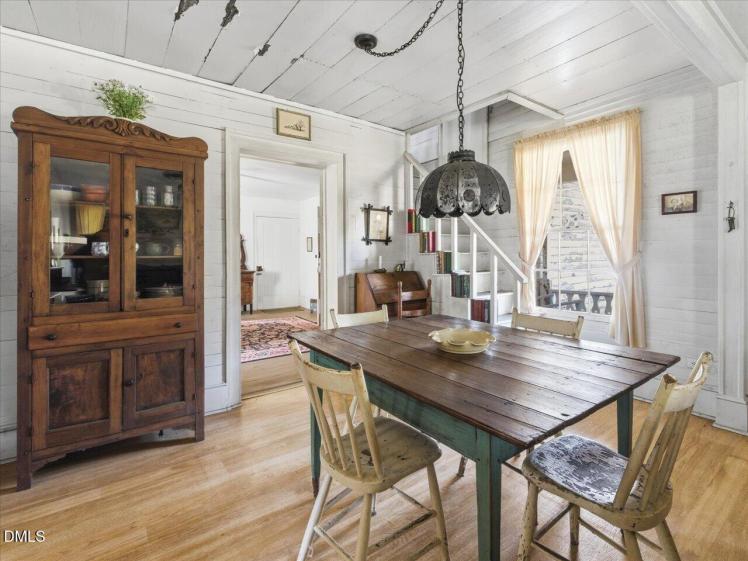
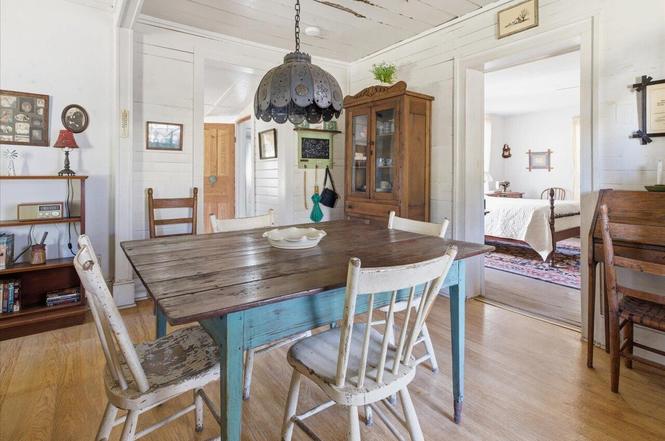
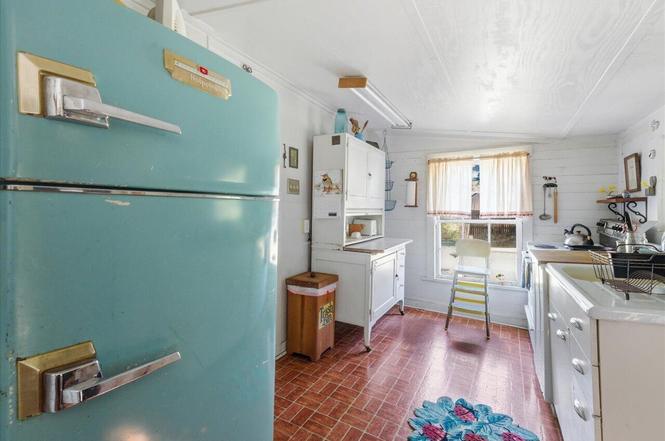
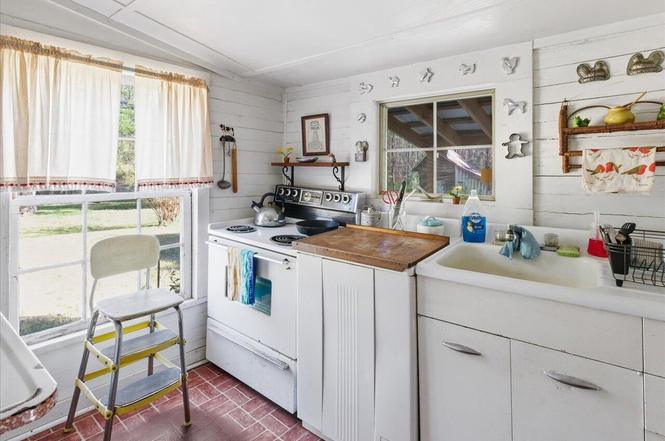
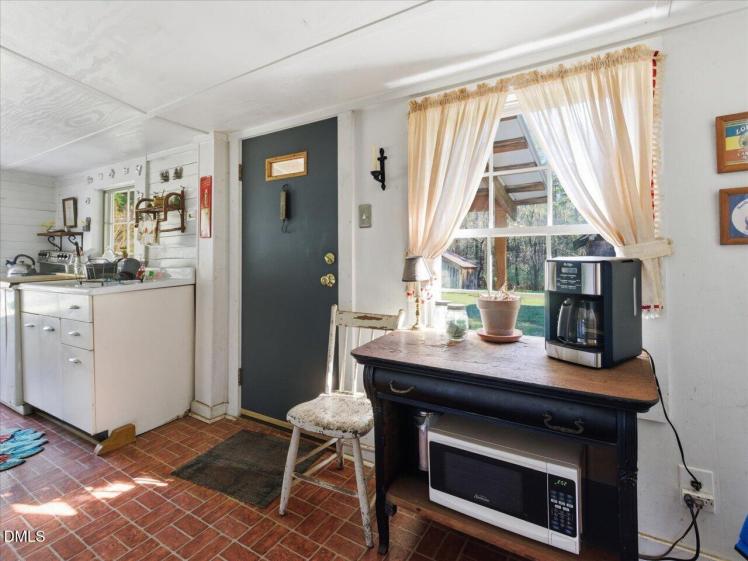
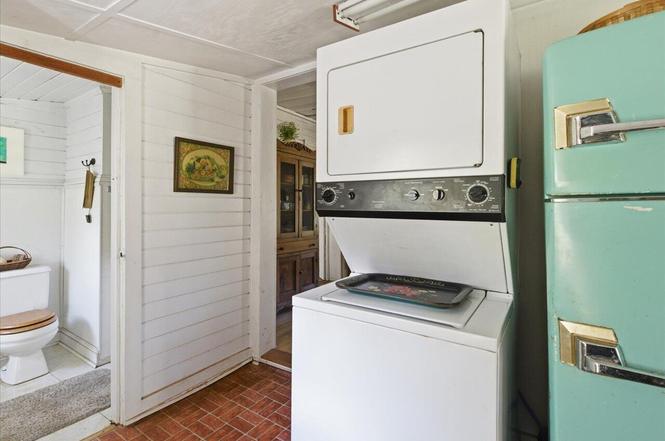
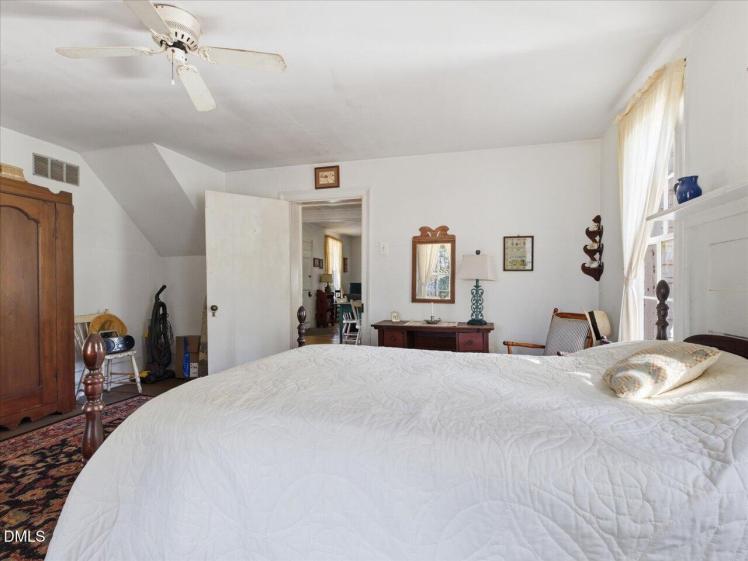
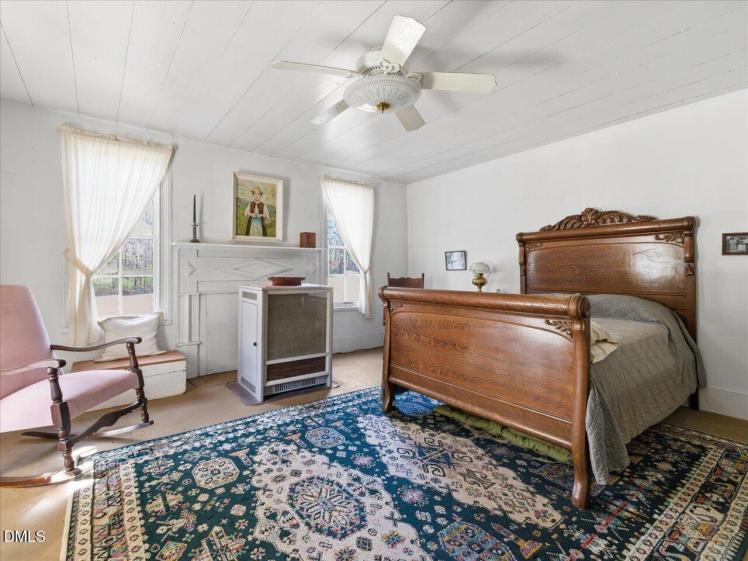
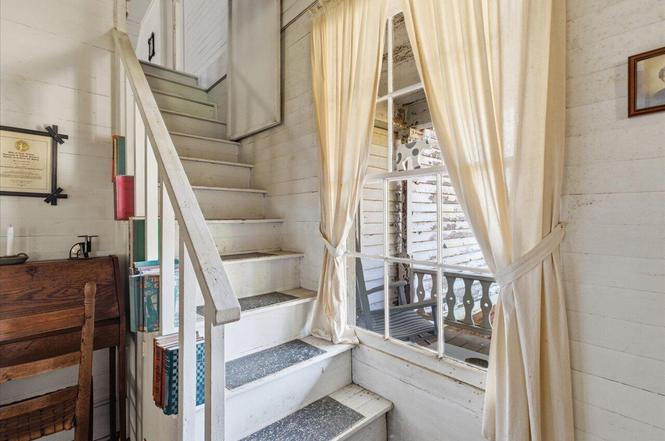
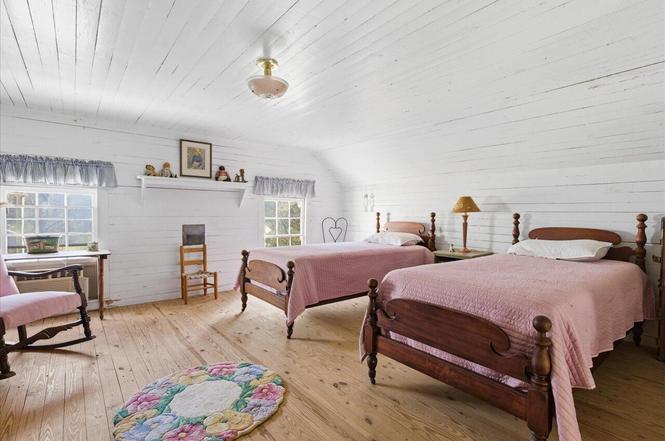
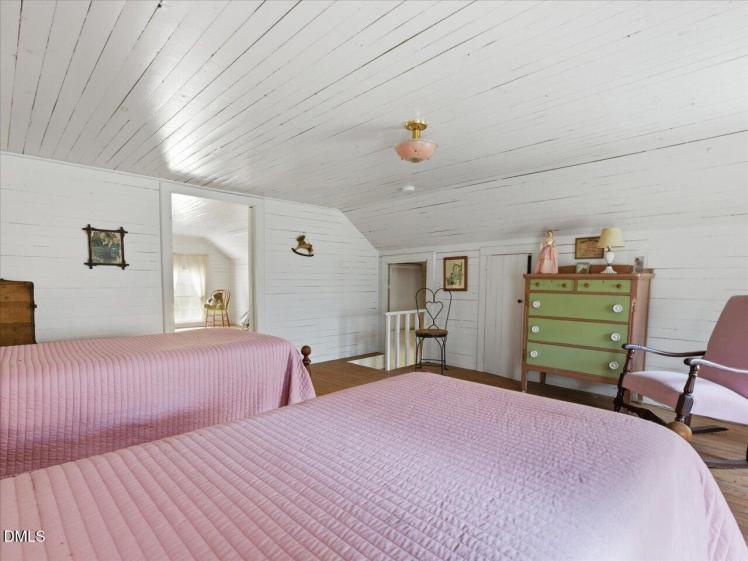
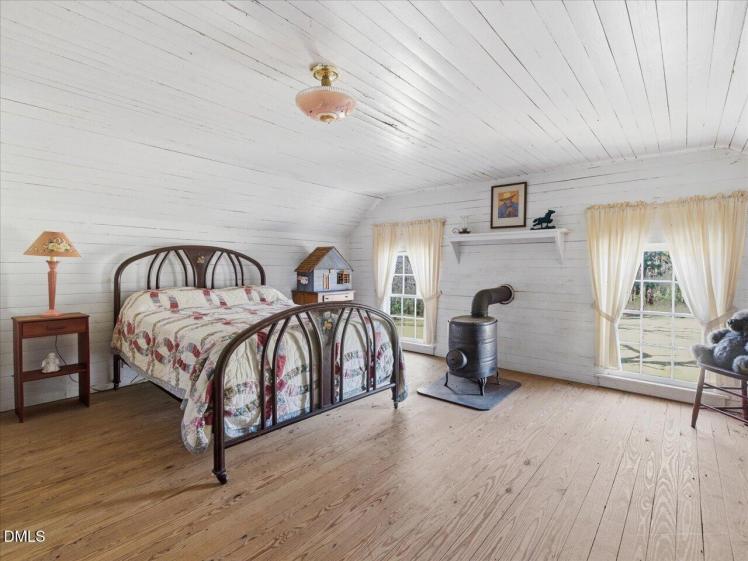
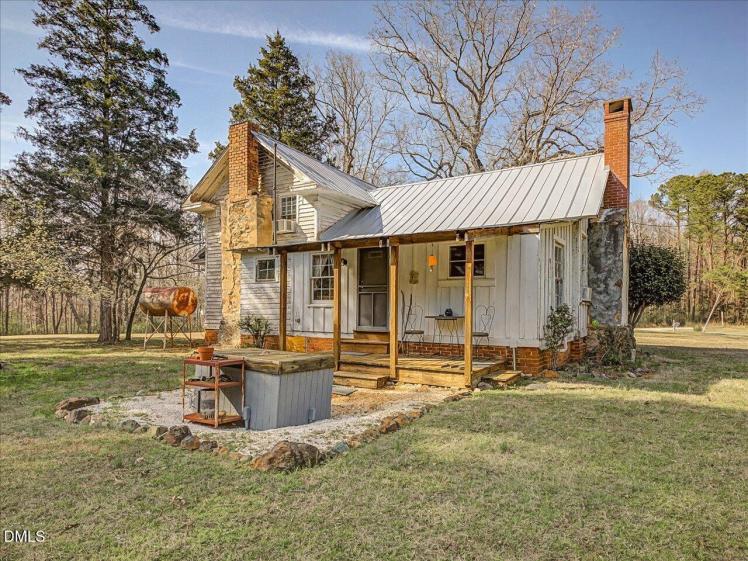
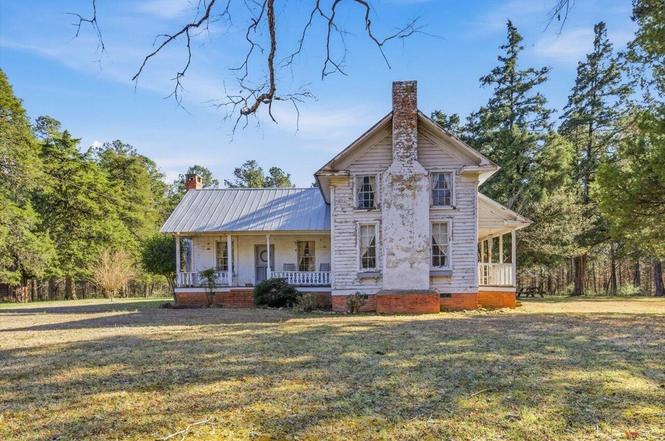
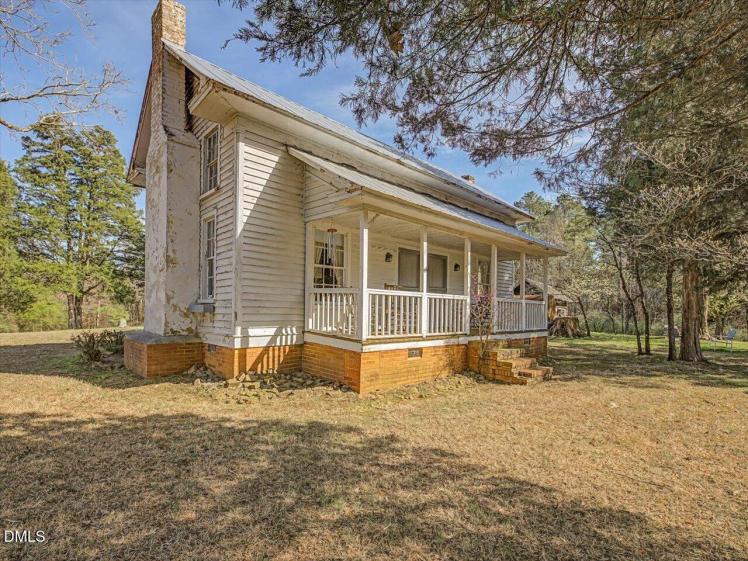
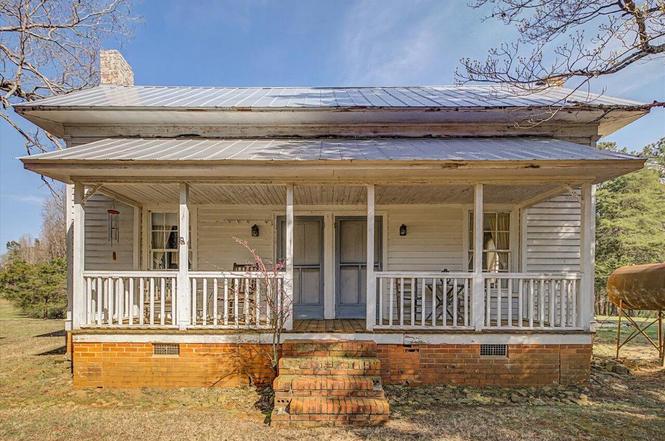
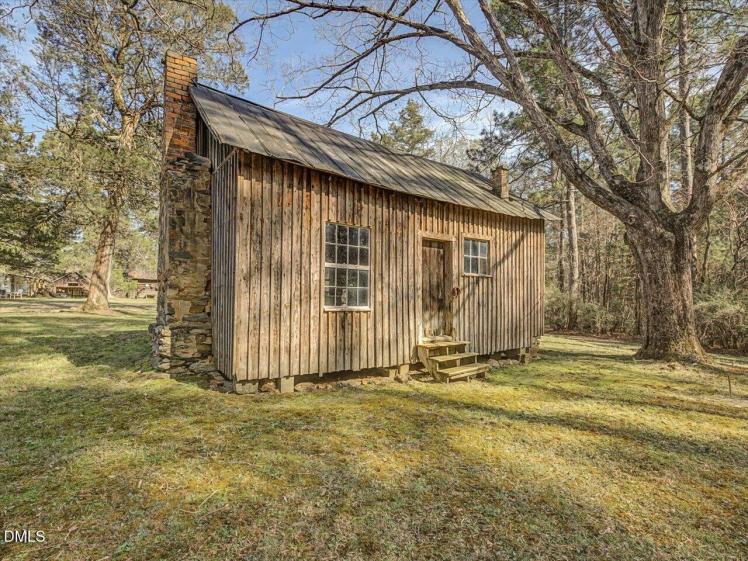
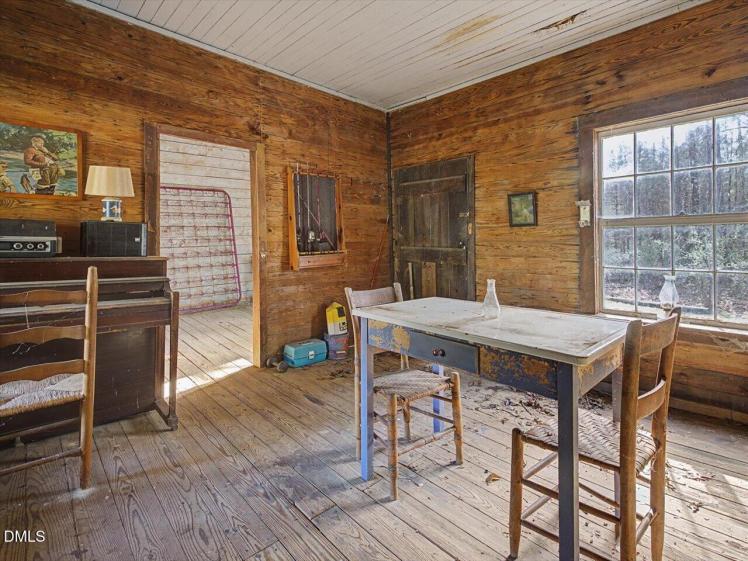
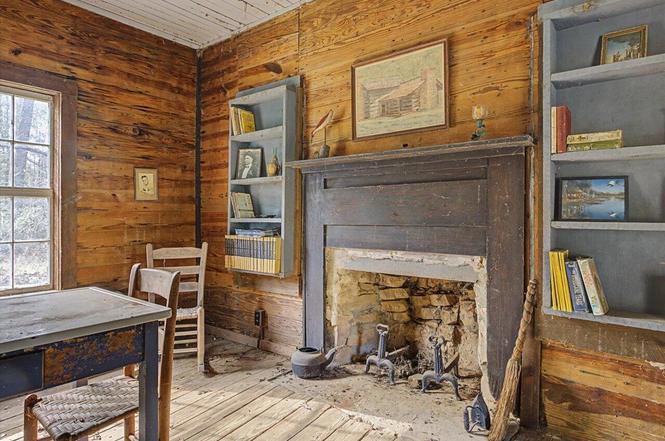
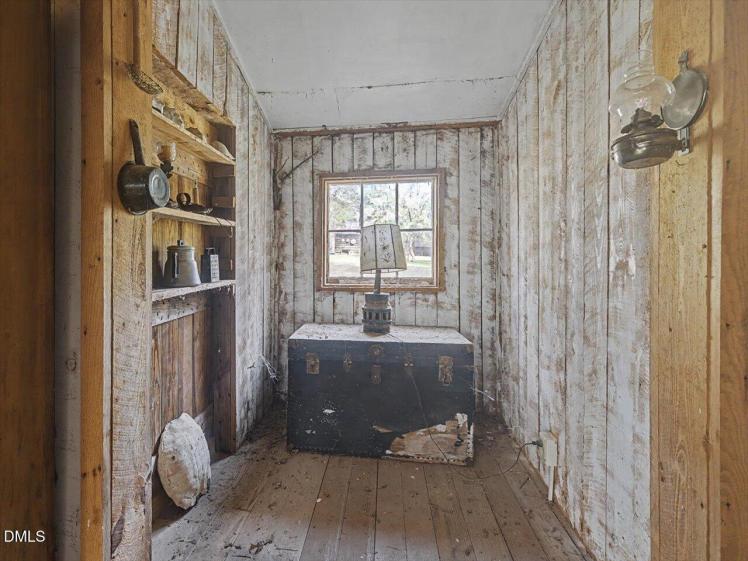
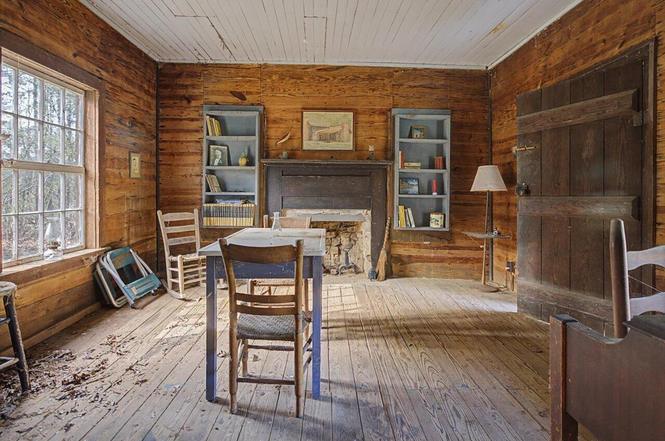
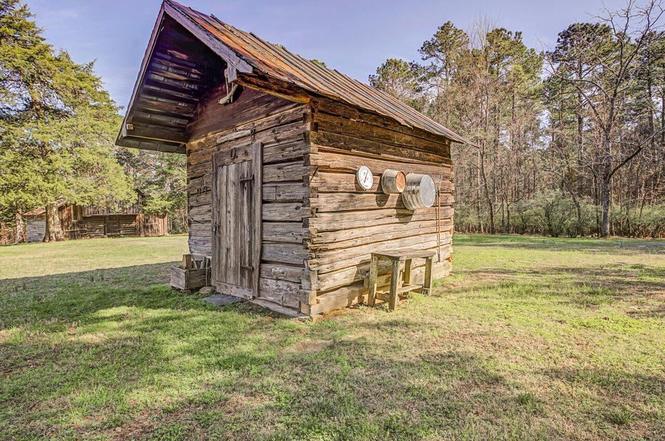
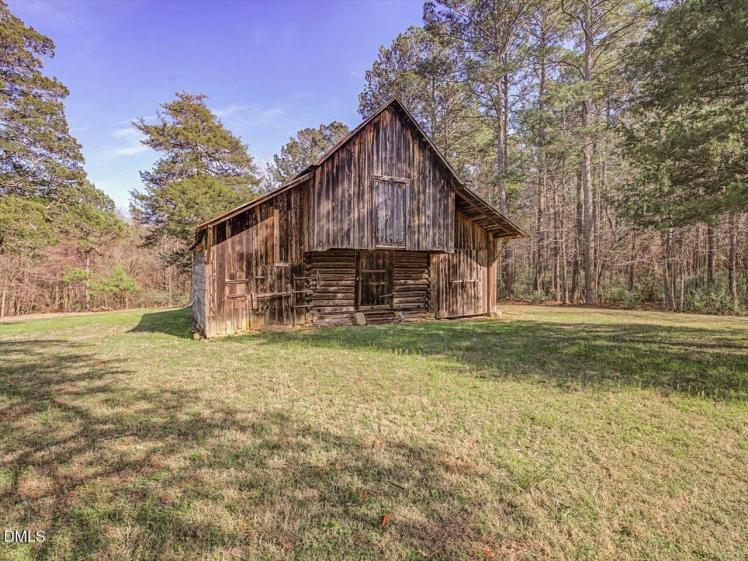
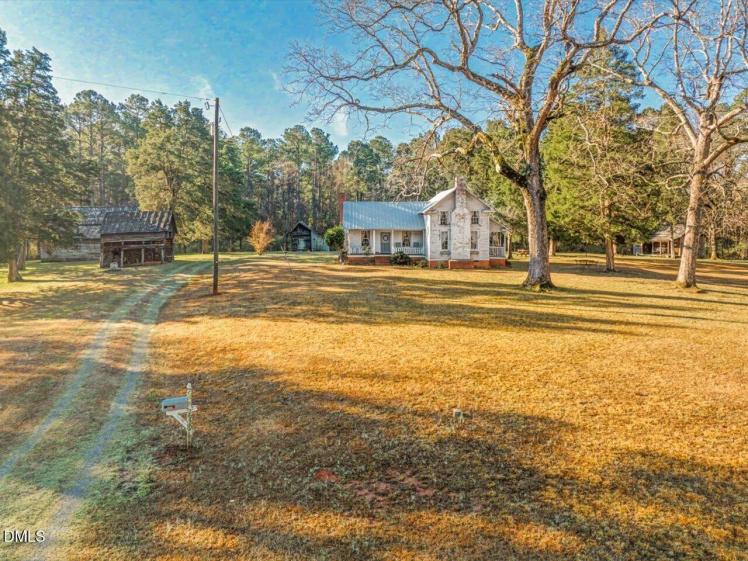
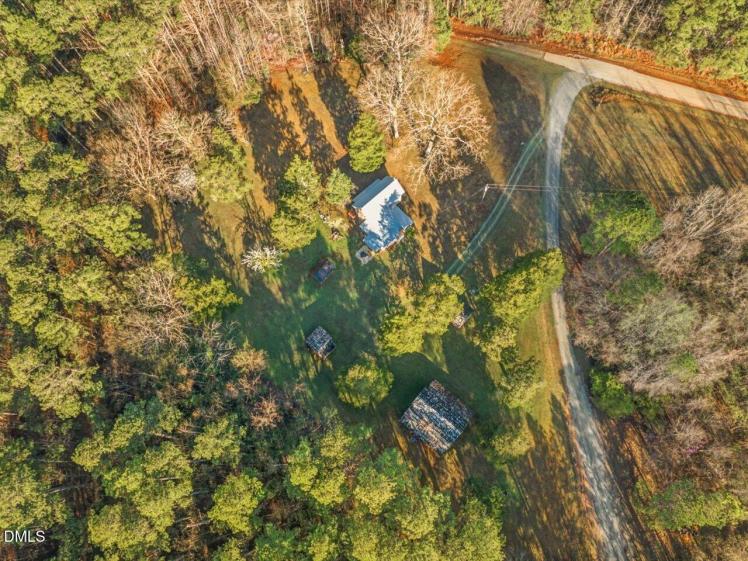
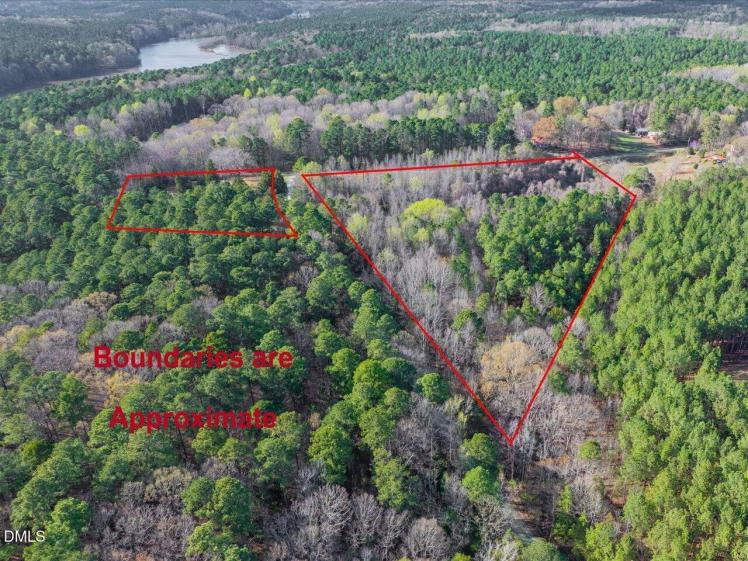
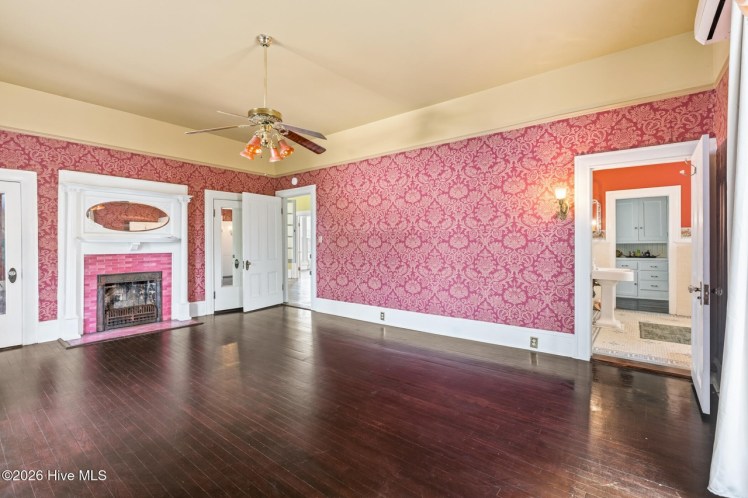
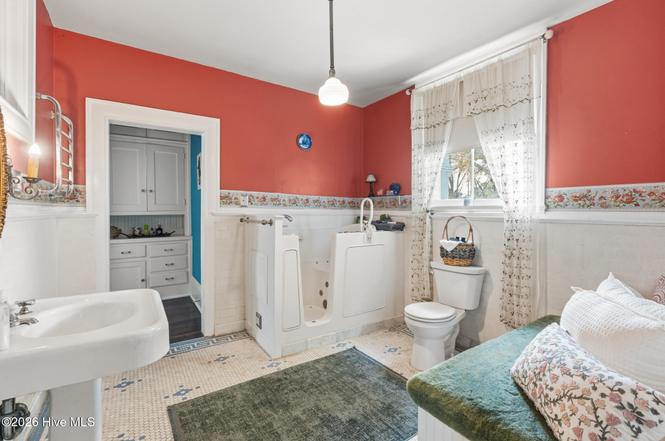
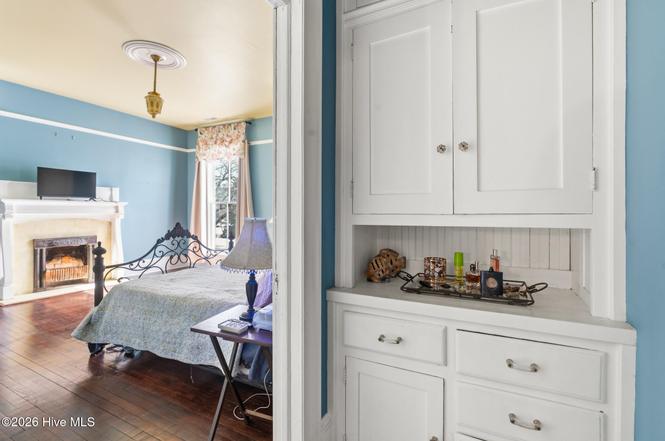
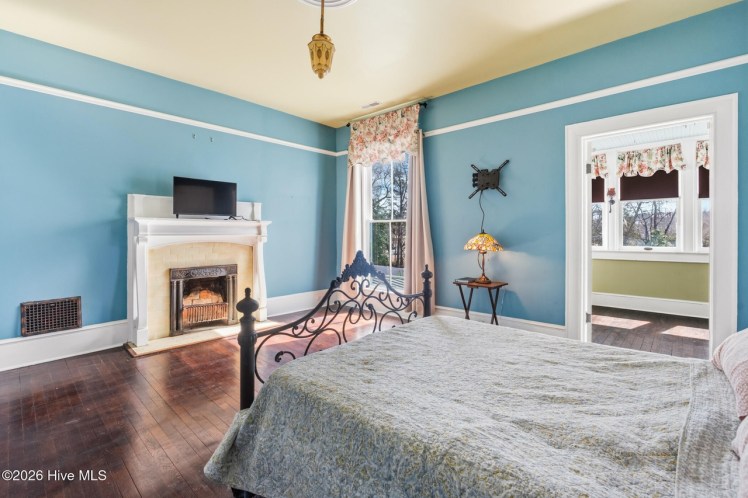
2929 Seaforth Road, Chatham County
The James A. Thomas Farm
National Register of Historic Places
- Sold for $925,000 on October 7, 2025 (originally $1.3 million, last listed at $675,000)
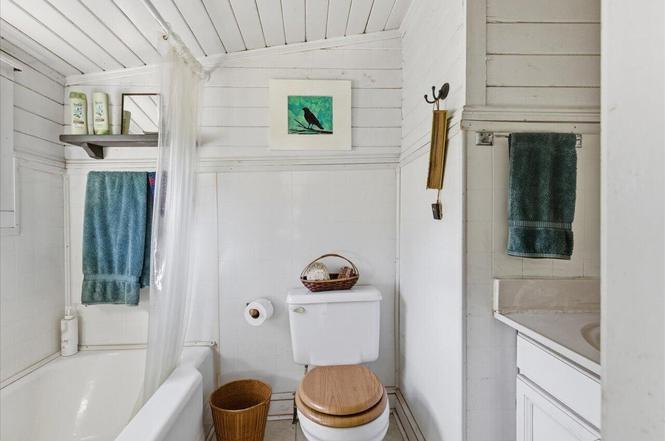
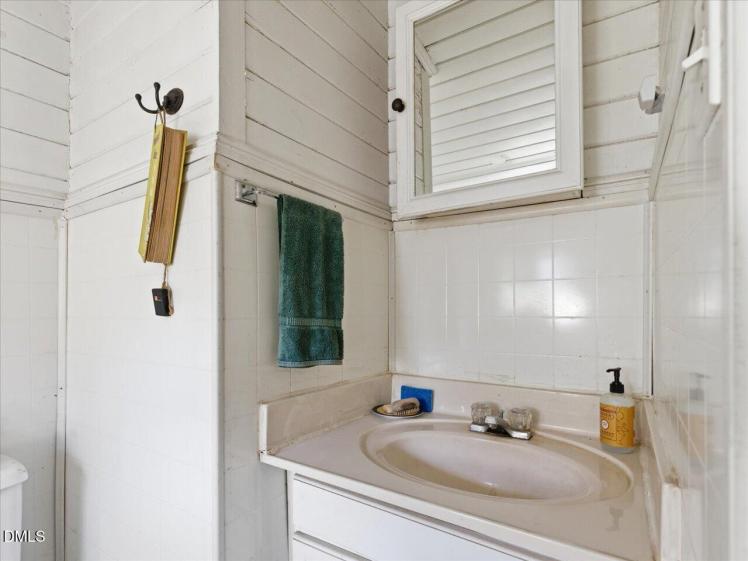
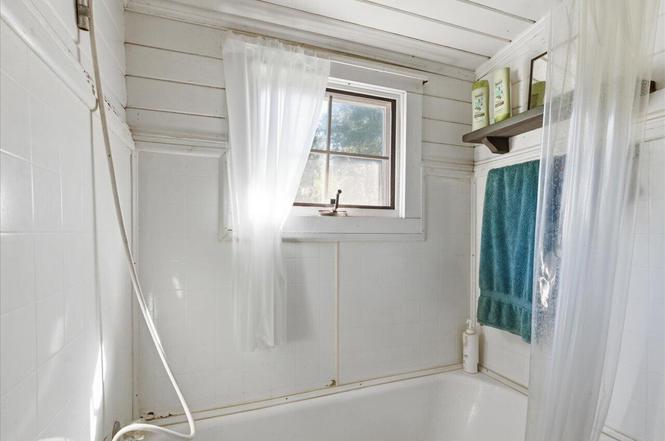
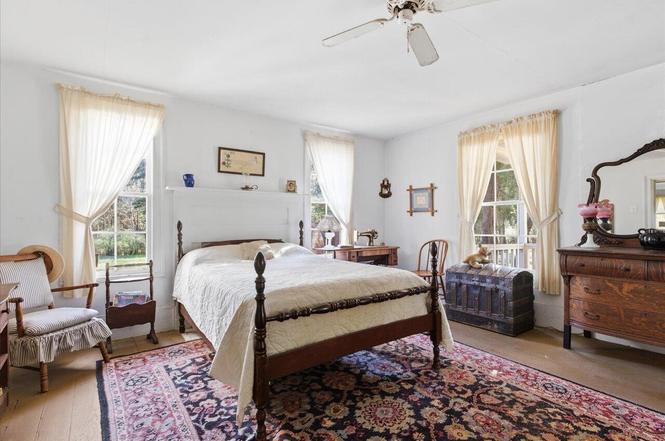
- 4 bedrooms, 1 bathroom, 1,528 square feet, 10.37 acres
- Price/square foot: $605
- Built in 1880
- Listed August 14, 2022
- Last sale: 1869 (land only, price unknown)
- Neighborhood: The property has a Pittsboro mailing address but is 8 miles east of the town.
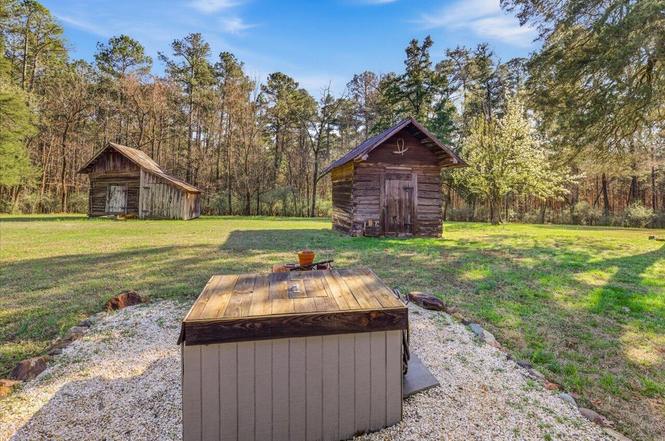
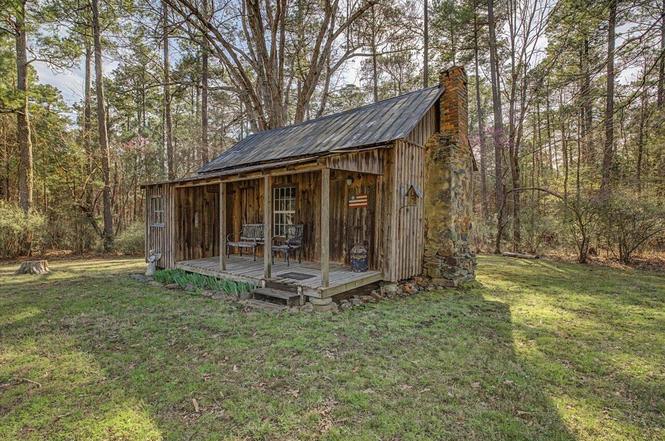
- Note: The property includes an 1890 barn and a cabin.
- An additional 5 acres is available for $320,000.
- The farm has been in the Thomas family since 1869.
- Two sides of the property are adjacent to federal property surrounding Jordan Lake.
- No central air conditioning; heat from electricity and kerosene.
NRHP nomination: “The James A. Thomas Farm, composed of a main house built in several sections during the last two decades of the nineteenth century, and several outbuildings of log, weatherboard, and board-and-batten construction, provides a picture of the physical evolution of a small Piedmont North Carolina farm during the final years of the nineteenth century.
“The main house consists of a one-story cabin perhaps constructed in the late 1860s or early 1870s and a two-story wing built by local masons in the early 1880s which combines subtle Greek Revival influences with a more pronounced late nineteenth century vernacular motif. …
“The Thomas Farm was established on the banks of the Haw River during the decade after the Civil War by small Chatham County farmer James Andrew* Thomas [1842-1917]. Following Thomas’s death in the early twentieth century, the farm was occupied by his widow and later by his children and grandchildren.”
Although he attained adulthood during the Civil War, there are no records of James serving in the Confederate Army. He initially bought 100 acres in 1869. In 1870 he married Sarah Elizabeth Moore Thomas (1853-1930), with whom he had 16 children, 11 of whom reached adulthood. By 1880, the Thomas farm had grown to 170 acres. In the 1890s, James bought a quarter interest in the nearby Moore’s Mill on the Haw River.
Sarah remained in the house after James’s death, along with their son Benjamin Wesley Thomas (1878-1962) and his family. Ben’s daughter Alma Thomas Parrott took ownership in 1964. In the 1970s, the federal government bought 98 acres of the farm for Jordan Lake. Ownership passed to Alma’s daughter, who lived in Greensboro. Alma’s grandson is now selling the farm.
* His gravestone says James Albert Thomas.


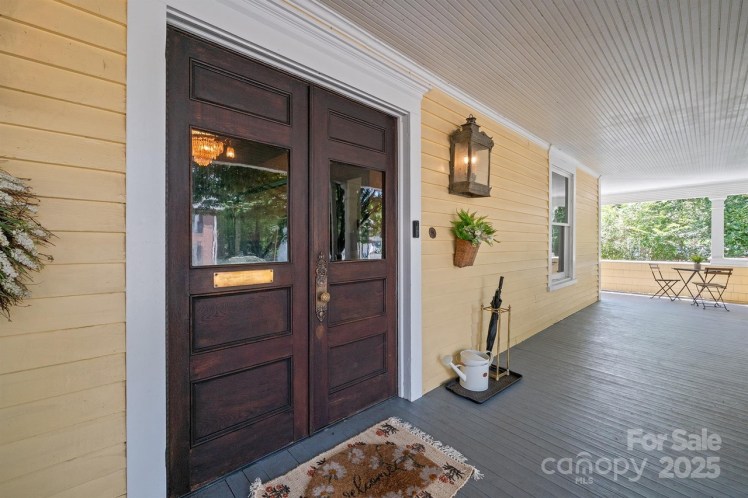
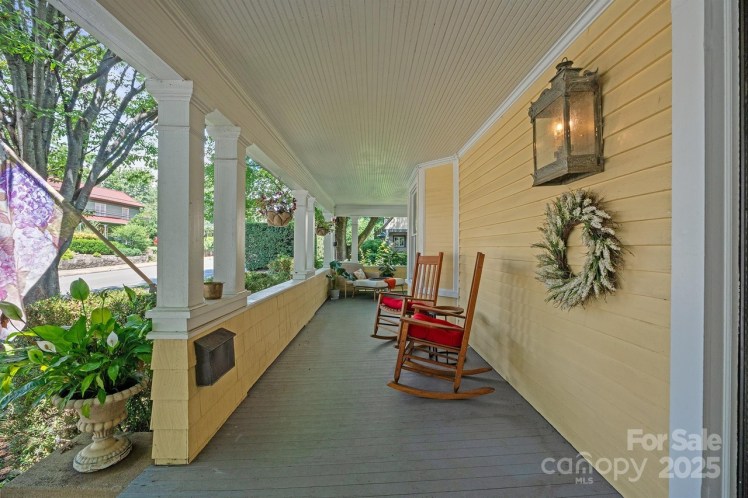



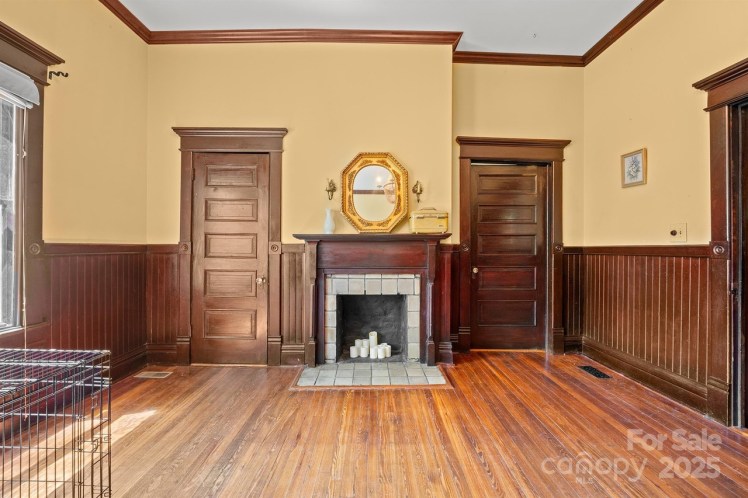


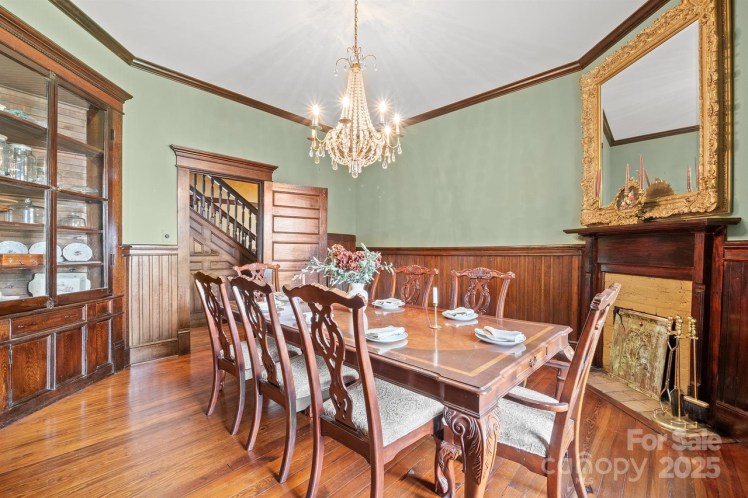


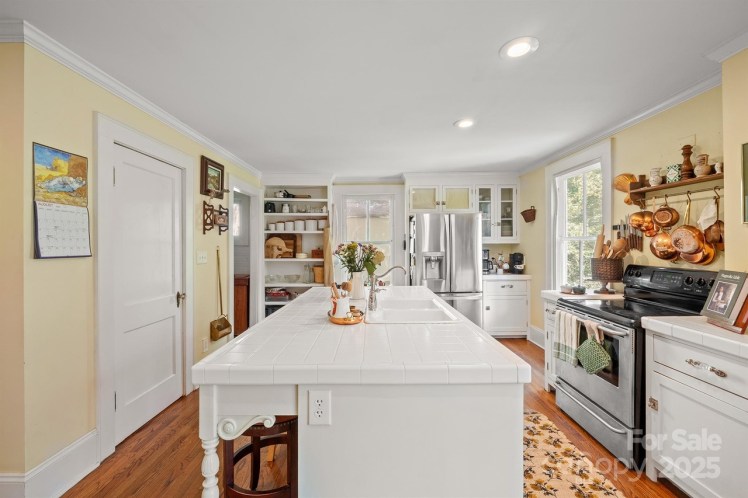


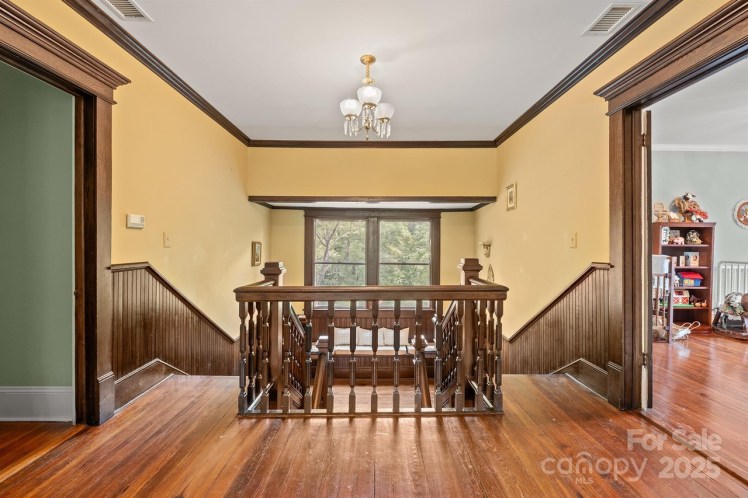
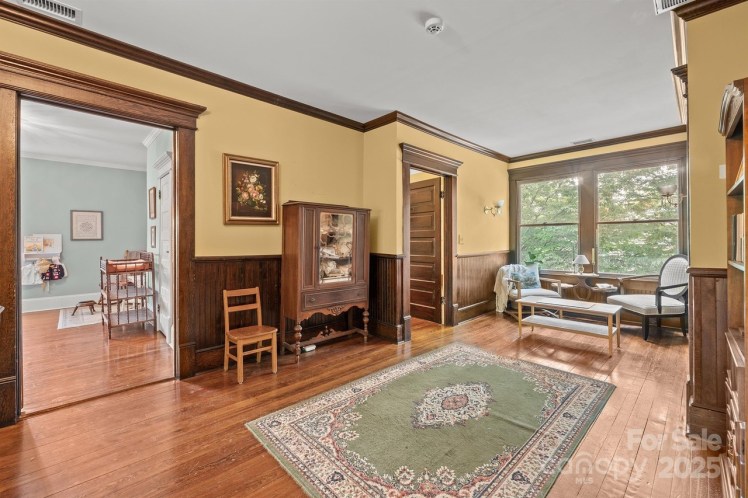
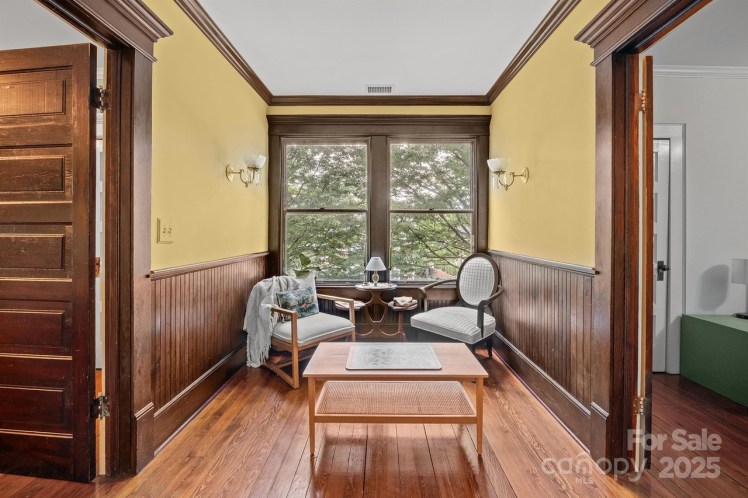

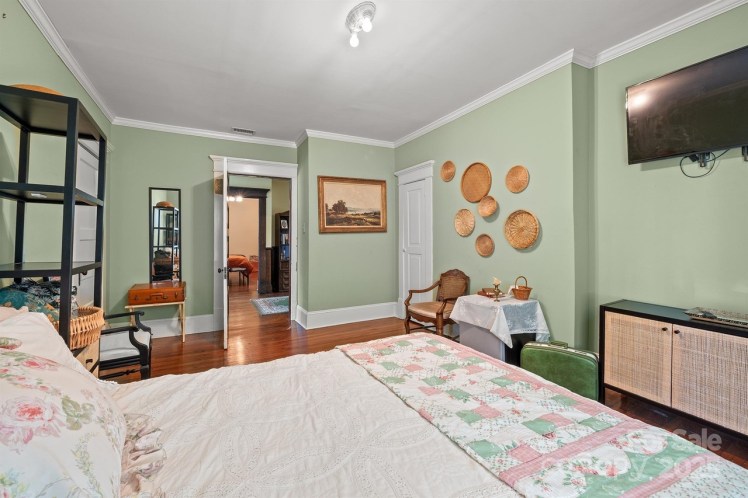
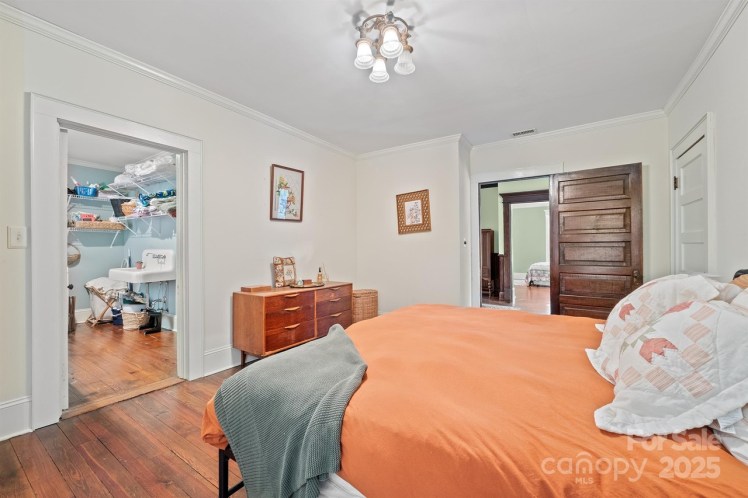


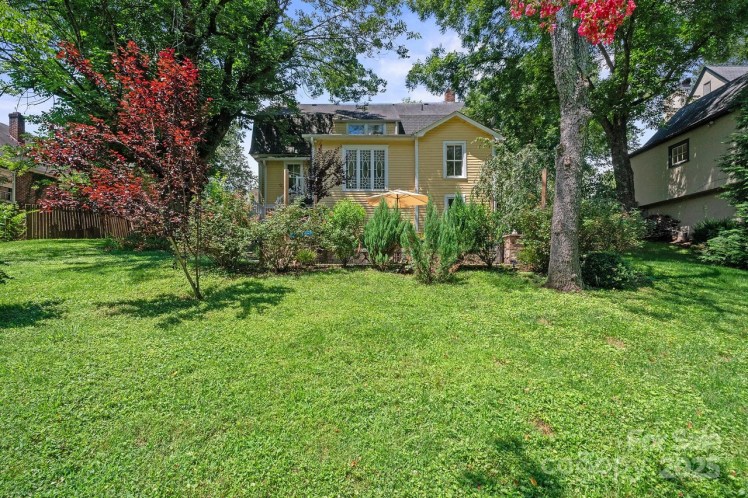
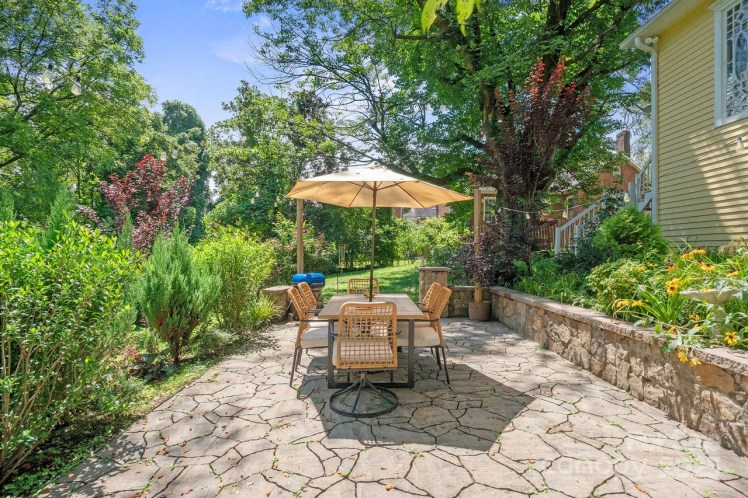

506 N. Main Street NW, Lenoir, Caldwell County
The Edgar Allan Poe House
- Sold for $385,000 on September 29, 2026 (originally $399,900)
- 4 bedrooms, 2 bathrooms, 3,202 square feet, 0.53 acre
- Price/square foot: $120
- Built in 1906
- Listed August 17, 2025
- Last sales: $325,000, June 2023; $270,000, November 2021; $200,000, July 2020; $145,000, August 2013; $135,000, September 2010
- Note: The Poe family owned the house until 1999. It has been sold seven times since then. The house was added to the National Register in 2001.
- The property backs up to a wooded area of Broyhill Park.
NR nomination: “The Poe House stands out as a highly intact example of the Dutch Colonial Revival style with especially notable interior woodwork and is representative of the work of local builder Edgar Allan Poe.
“The lot drops slightly to the rear, allowing for a full basement on the east side of the house. Built in 1905, it appears that all rear wings were in place by 1913, with the rear porch being enclosed sometime after this. A kitchen fire in recent years led to the rebuilding of the rear wing at the northeast comer on the same foundation as the original. …
“Poe was an important builder/architect in the town of Lenoir and other parts of western North Carolina during the late nineteenth and early twentieth century. In addition to his work as a builder, Edgar Allan Poe (1868-1949) was a well known citizen, active member of the community, lawyer, and mayor of Lenoir for four years.
“Poe constructed several commercial buildings in Lenoir’s business district, including the Courtney Building (1907) and the Lenoir Furniture and Hardware Building (1908). He also built the Caldwell County Courthouse (1903).
“His house on North Main Street was built at the height of his activity as a builder and is representative of his residential work. During the early twentieth century, Poe designed and built numerous houses in Lenoir in a variety of styles popular during the period, including Spanish Revival and Colonial Revival, as well as Dutch Colonial Revival, as represented by his own residence. The Poe house serves as one of the best examples of his work as architect and builder.”
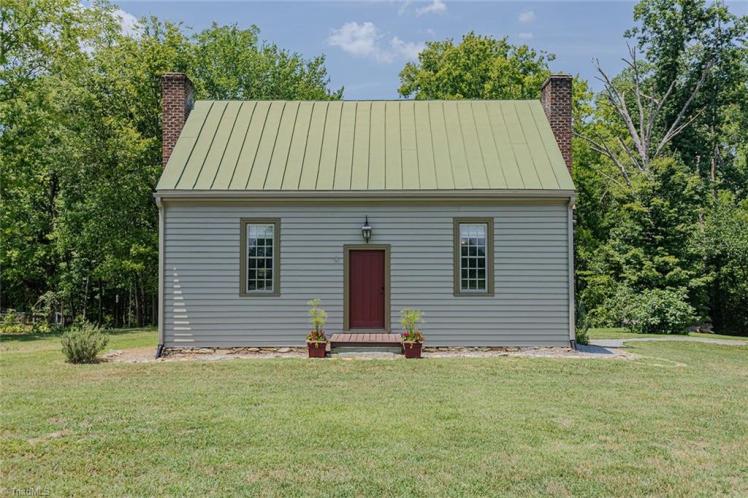
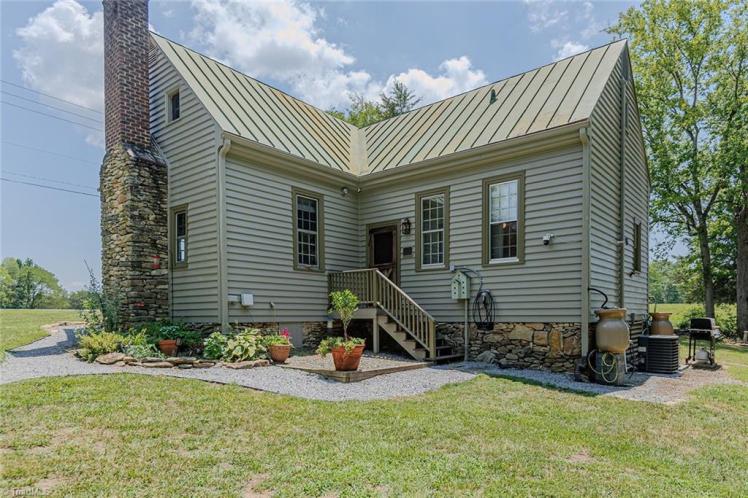
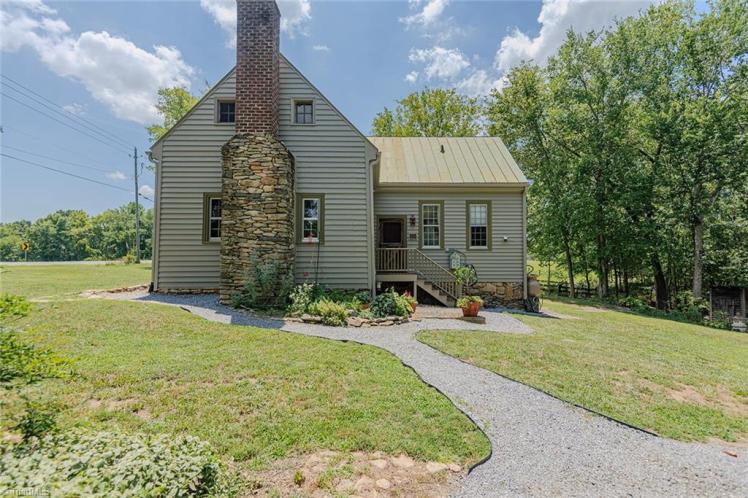
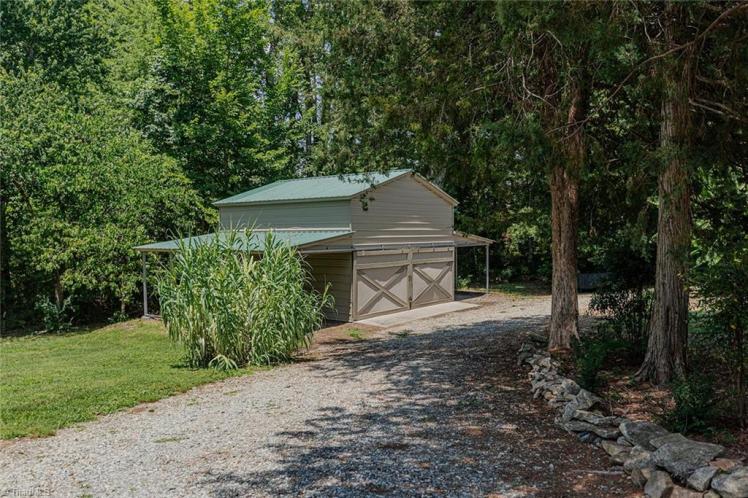
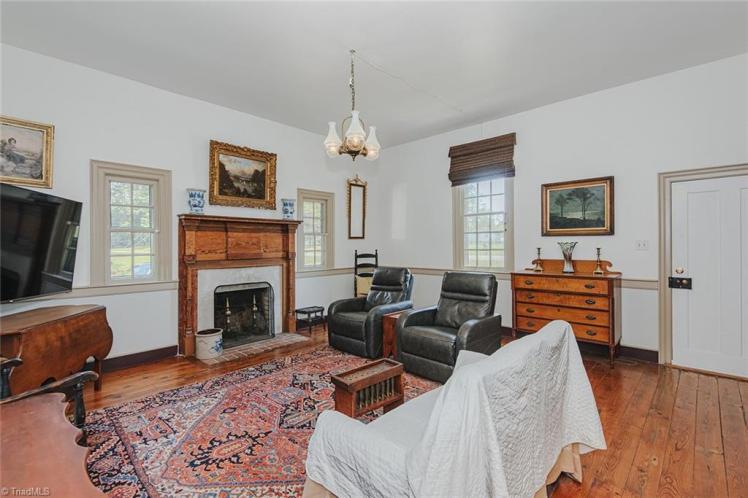
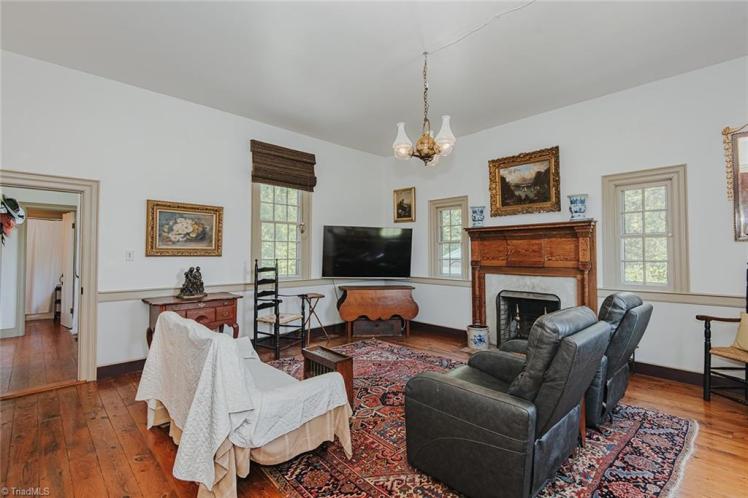
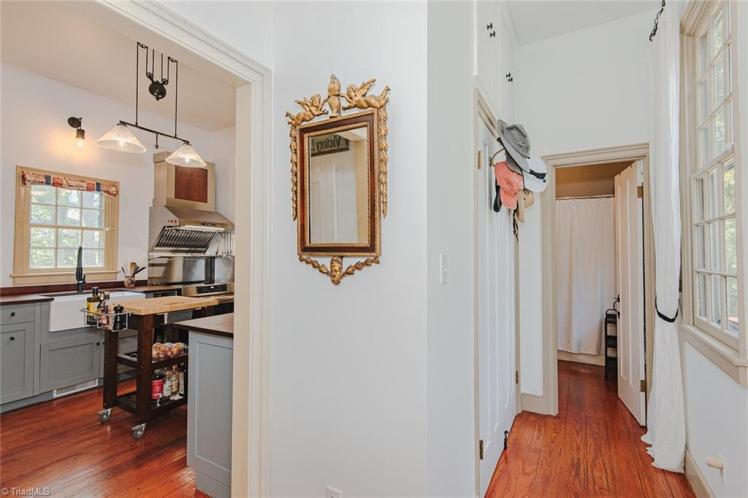
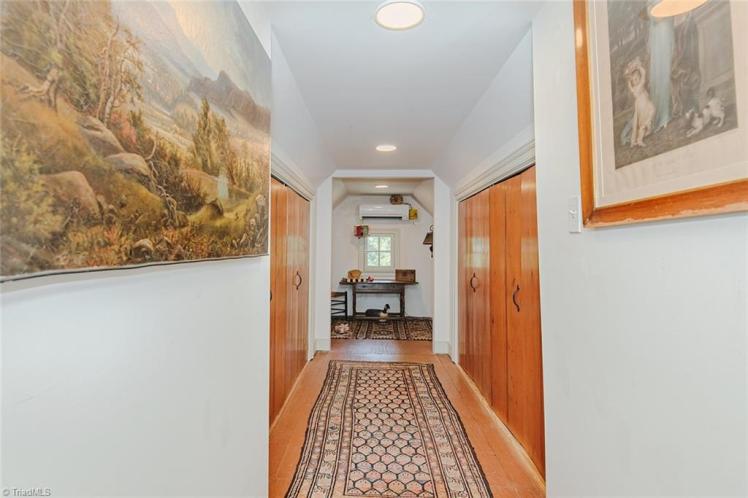
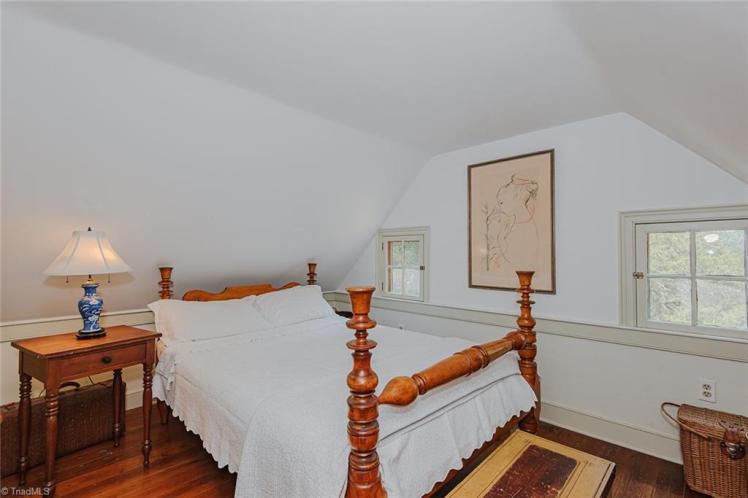
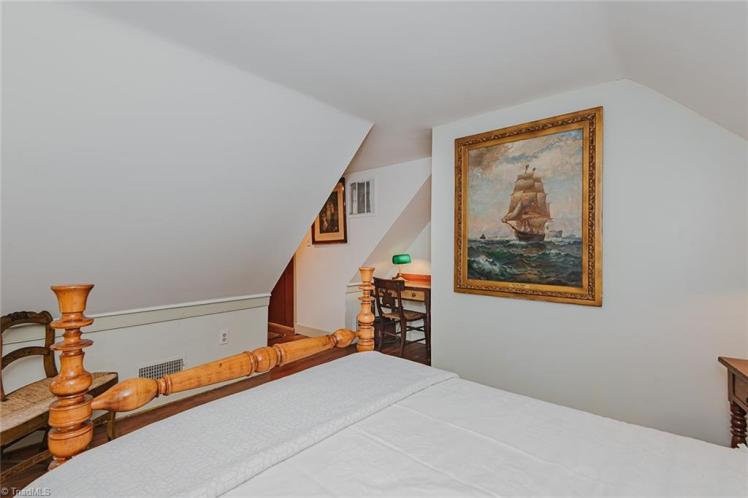
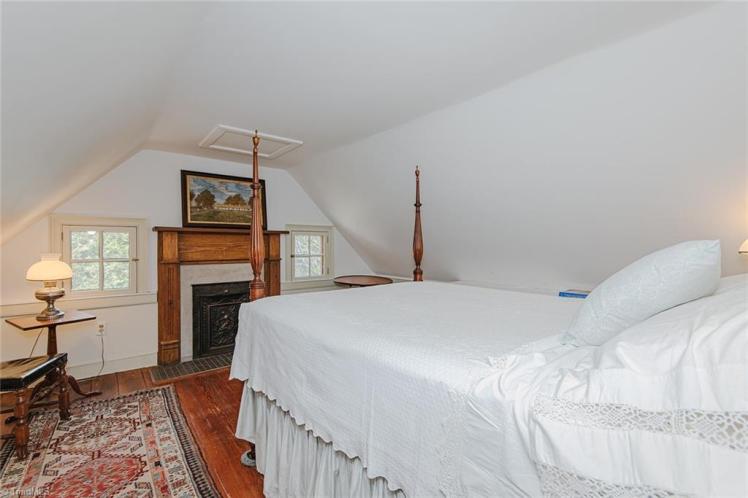
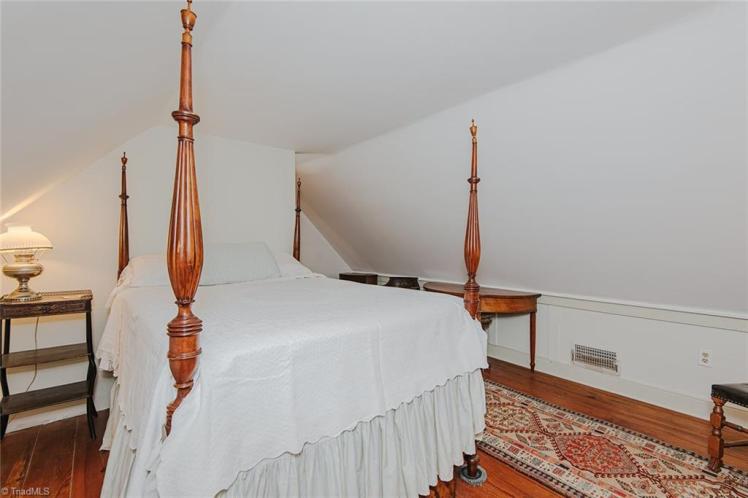
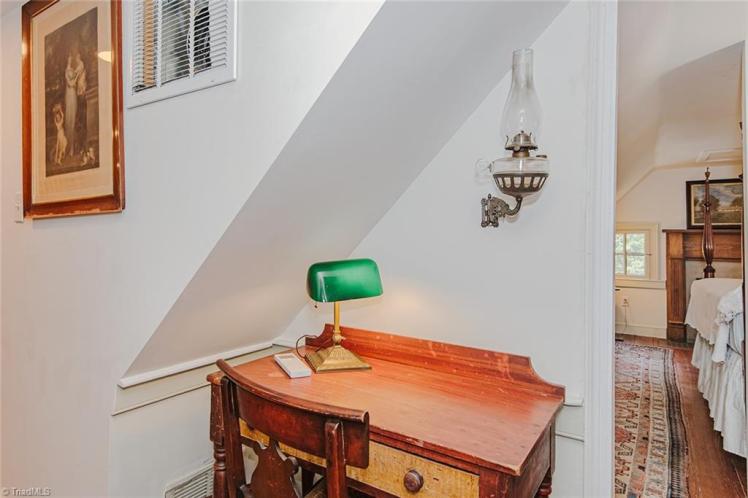
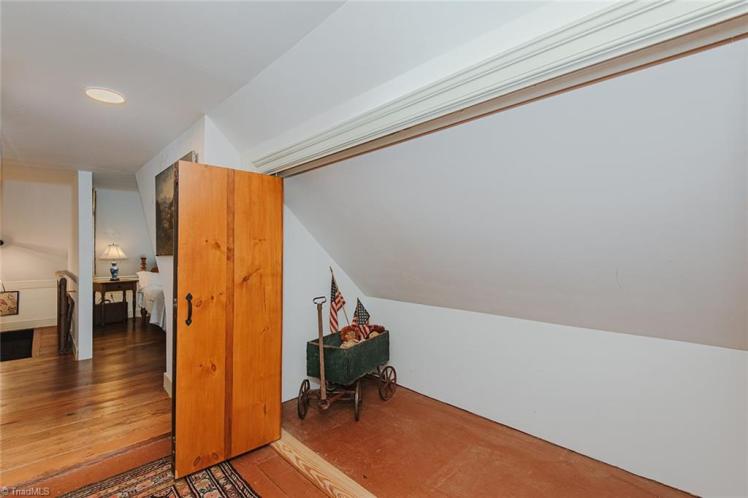
3125 N.C. Highway 62 N., Caswell County
The John Johnston House
National Register of Historic Places
Blog post (2020) — The 1820 John Johnston House in Caswell County: An Immaculate Little Cottage on the National Register, $118,500
- Sold for $267,000 on August 14, 2026 (listed at $247,000)
- The house went from listing to closing in less than four weeks.
- 2 bedrooms, 1 bathroom, 937 square feet, 2.59 acres
- Price/square foot: $285
- Built in 1820
- Listed July 18, 2026
- Last sales: $131,000, June 2020; $48,000, December 2015
- Neighborhood: The house is 4 miles northeast of Yanceyville toward Milton. The property has a Blanch mailing address.
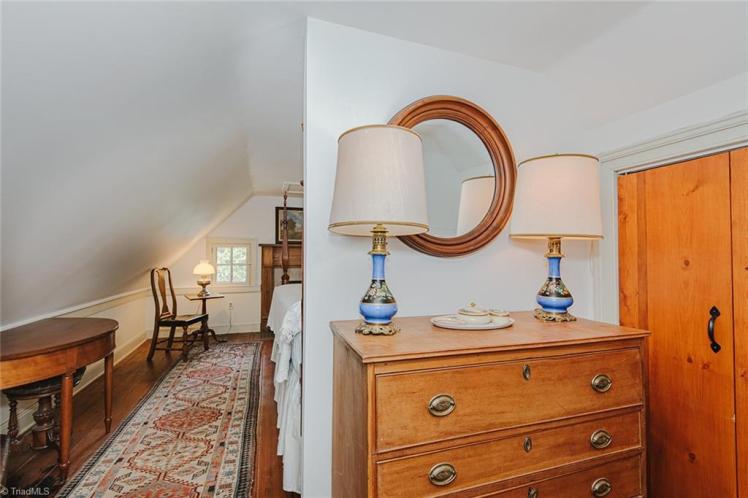
- Note: The second floor (486 square feet) has heat and cooling but can’t be counted in the square footage because the ceiling height is only 6 feet, 10 inches.
- A rear ell was added in the house’s 1990 restoration, containing a kitchen and bathroom.
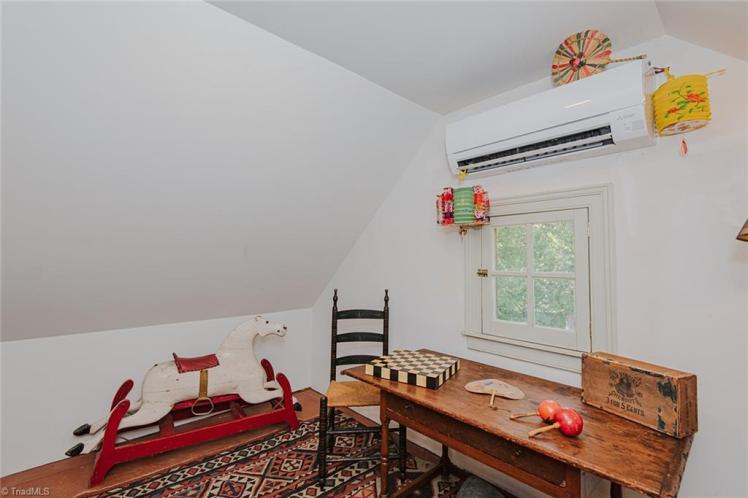
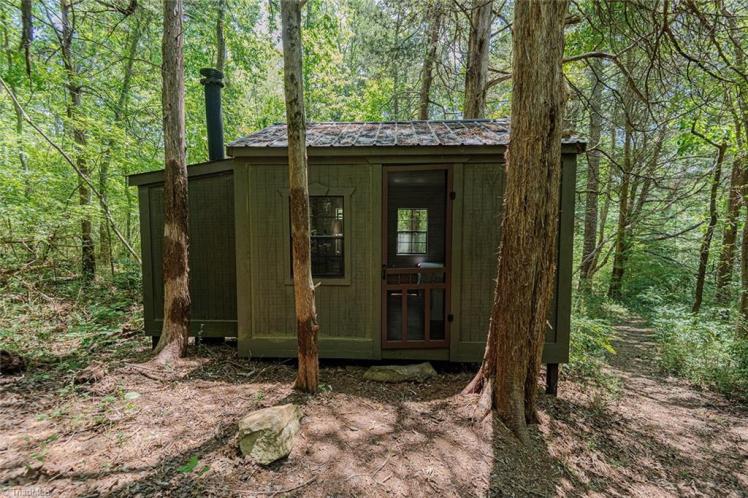
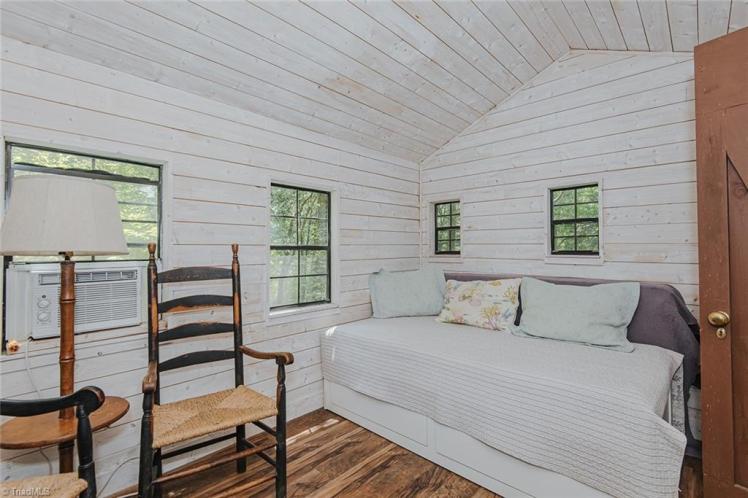
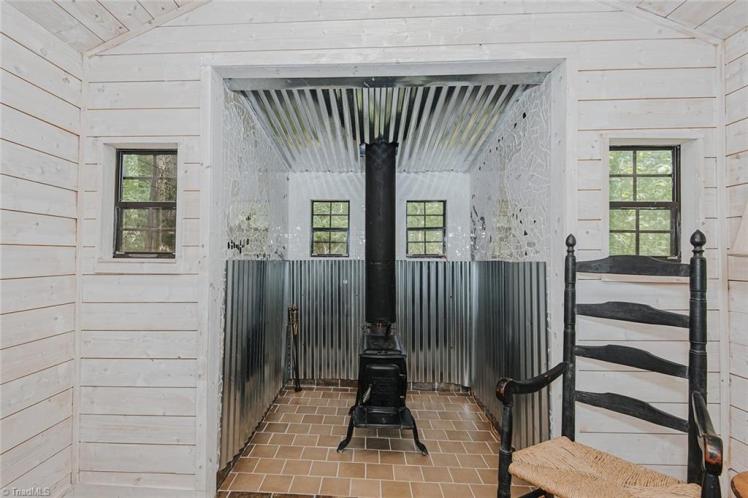
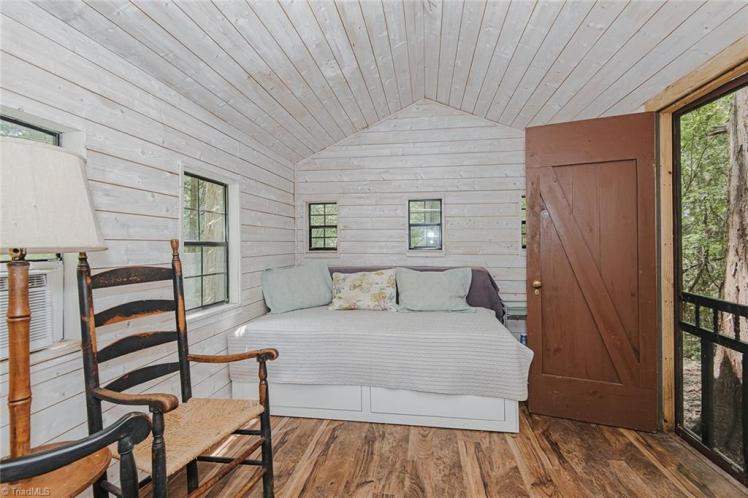
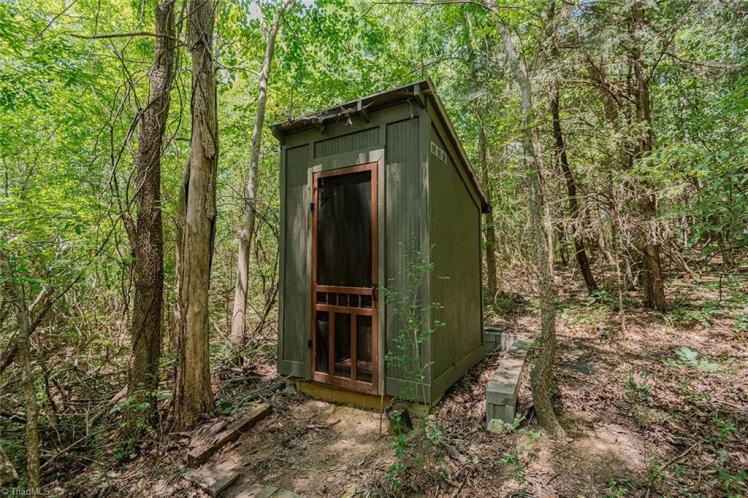
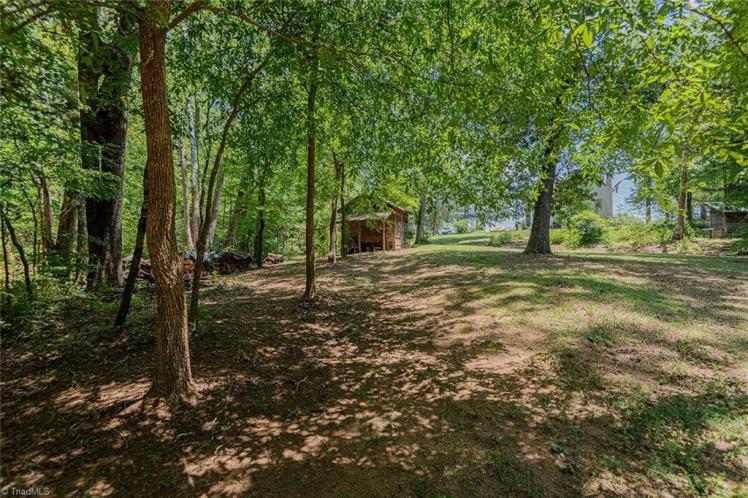
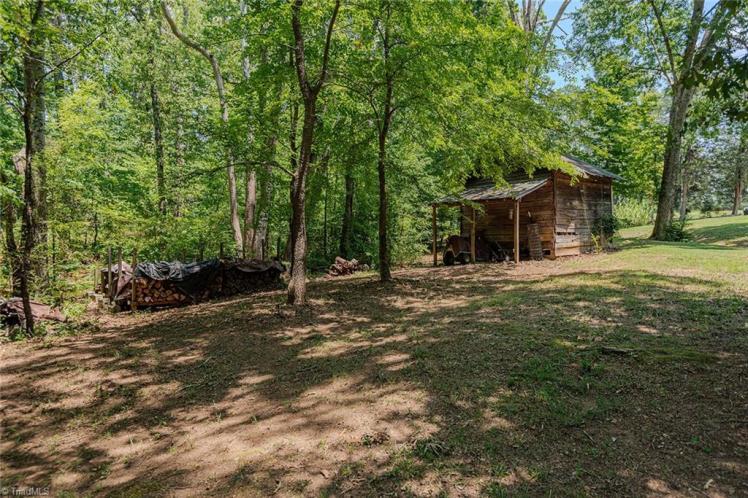
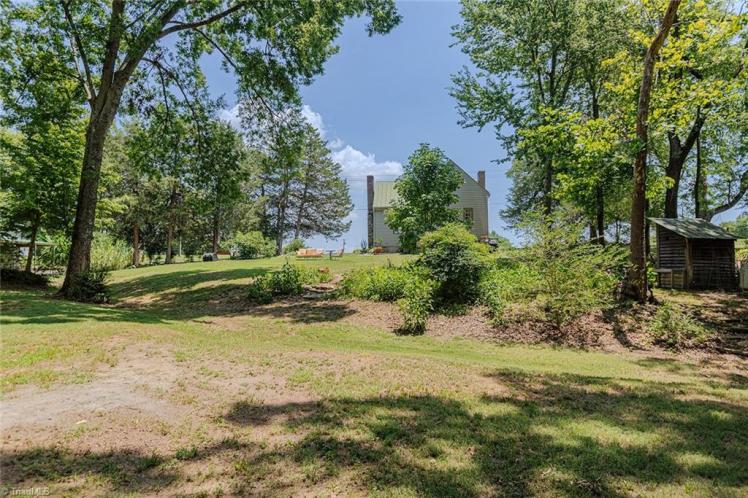
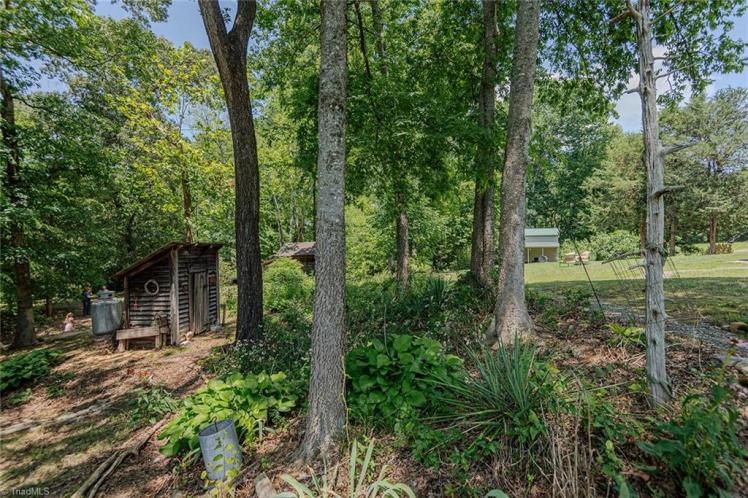
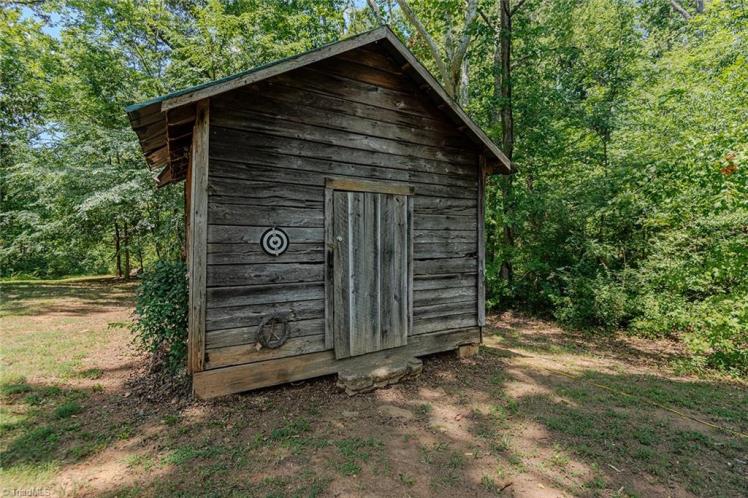
- The property includes “a 20×20 detached garage featuring two 10×10 lean-tos plus a charming rustic cabin with potbelly stove and outhouse”
- The property is protected by a historic preservation easement.
National Register nomination: “The John Johnston House is an academically-restored early nineteenth-century rural house type that has almost disappeared from the North Carolina landscape. The house is set in a pristine section of this rolling Northern Piedmont rural county and evokes the feeling of the antebellum tobacco culture which gave rise to a plantation economy that supported several notable plantation seats. Although a number of the county’s great plantation houses are maintained in good condition, many of the modest, well-crafted Federal-inspired dwellings that once housed early nineteenth-century small planters have followed a typical progression of conversion to tenant houses, then to produce or equipment shelters, and finally, to abandonment and neglect. …
“In 1990, the John Johnston House, fallen into disrepair and bordering on decay, was rehabilitated with a meticulous academic restoration to its antebellum appearance, and a rear ell was added to render the house suitable for modern residential use. The owner recognized that a rare early house-type was concealed under early twentieth-century shed porch additions and a layer of stucco. As a result of the restoration, all early twentieth-century alterations were reversed, including the removal of the stucco and porches from all facades. The stucco was probably applied during the 1910s or 1920s, reflecting a common treatment of many other Caswell County buildings. The original beaded lapboard siding and window framing, which were deteriorated beyond repair, were replicated and milled to closely resemble the historic. …
“The John Johnston House was probably built early in the second quarter of the nineteenth century on a plantation of 375 acres that Johnston assembled at that time “on the main road leading from Yanceyville to Milton.” A member of a prominent Caswell county family, John Johnston (ca. 1778-1860) was a son of Scottish immigrant Dr. Lancelot Johnston, who served with distinction as a surgeon with the American forces during the Revolution.
“John Johnston’s son by his first marriage to Mary Frances Donoho, Thomas Donoho Johnston (1800-1883), rose to prominence as a businessman in the late antebellum period and built Clarendon Hall in Yanceyville, one of the county’s finest antebellum residences.
“Following John Johnston’s death in 1860 and the death of his second wife, Nancy, in 1872, the property had a long succession of owners, one of which, probably either G.T. Hubbard or J. Zimmerman, moved the house in the first quarter of the twentieth century some 150 yards southwest to a corner of the property where it served as a tenant house.
“In the late 1980s it was restored by local resident and historian, Hilda Brody, who received a 1995 Award of Merit from the Historic Preservation Foundation of North Carolina for this project. The John Johnston House now provides the observer with a rare glimpse of rural life in nineteenth-century Caswell County.”




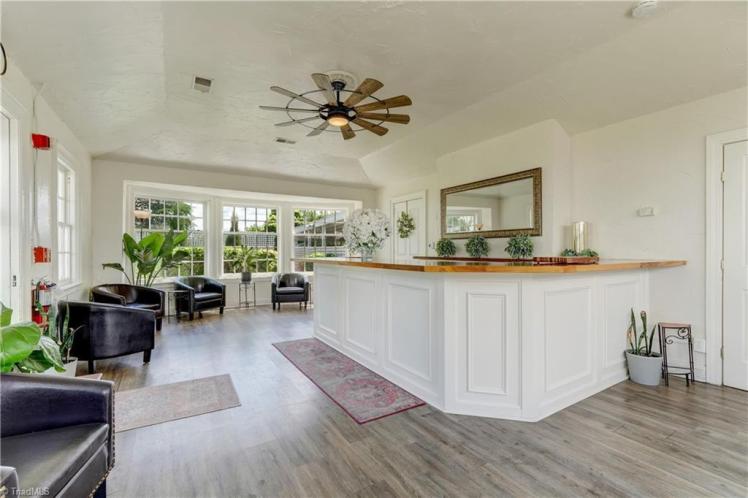


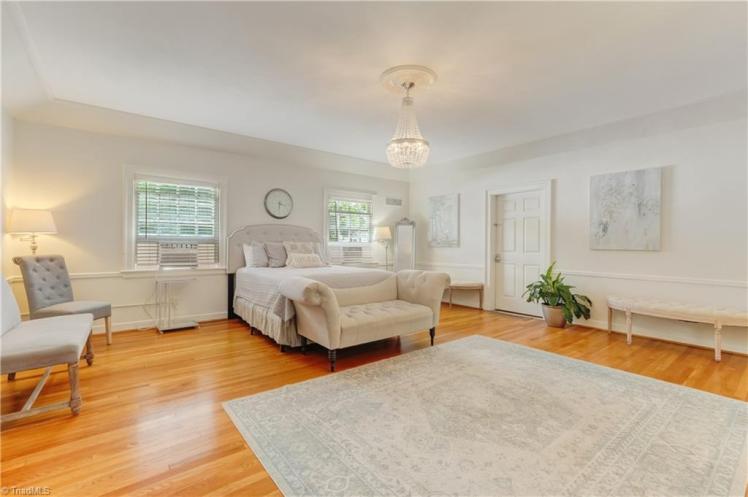


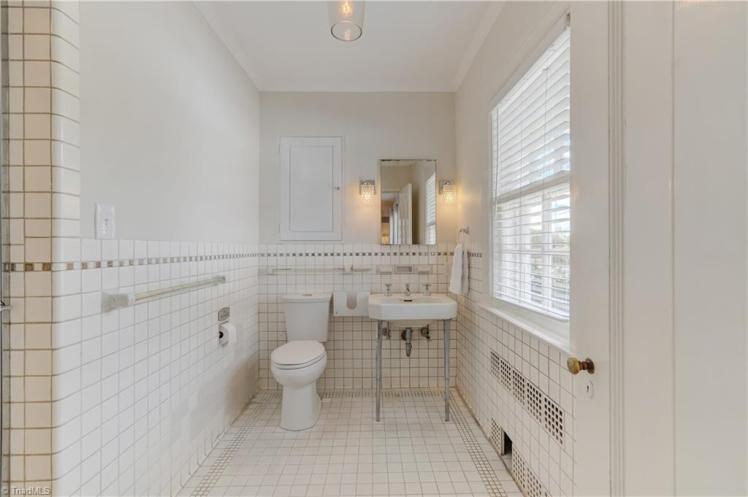
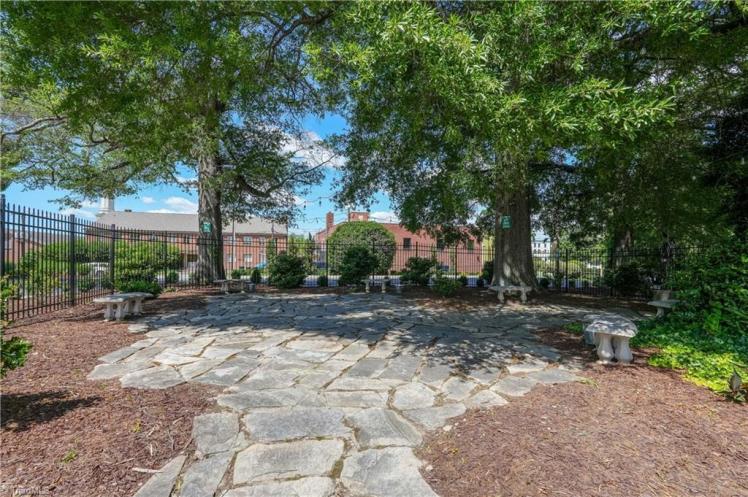





17 E. Main Street, Thomasville, Davidson County
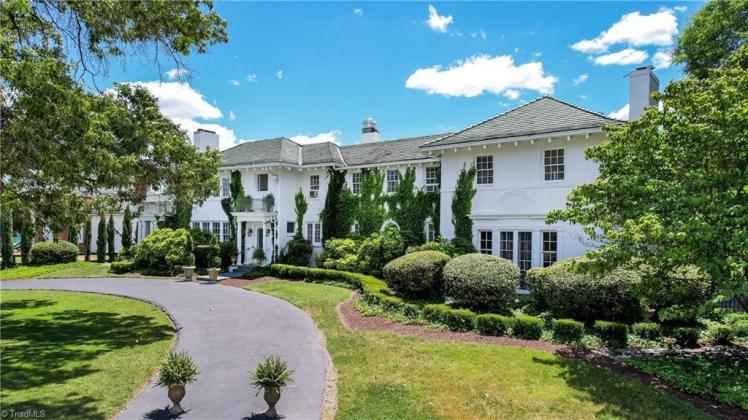
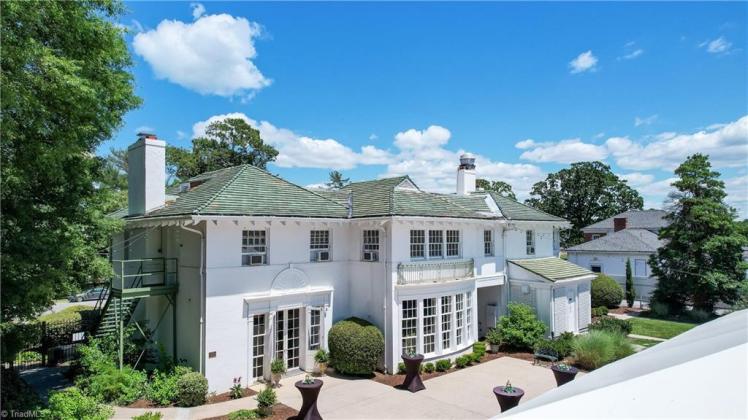
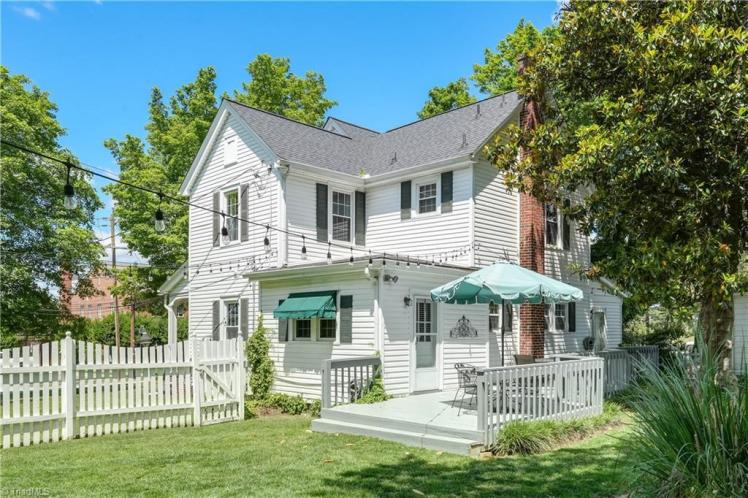
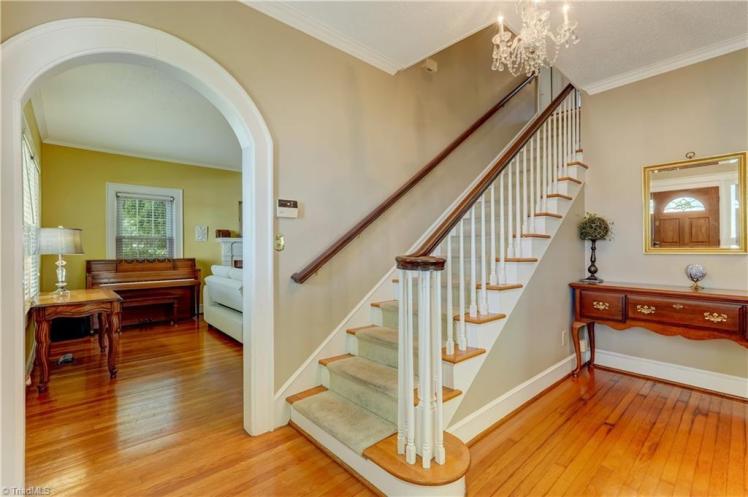
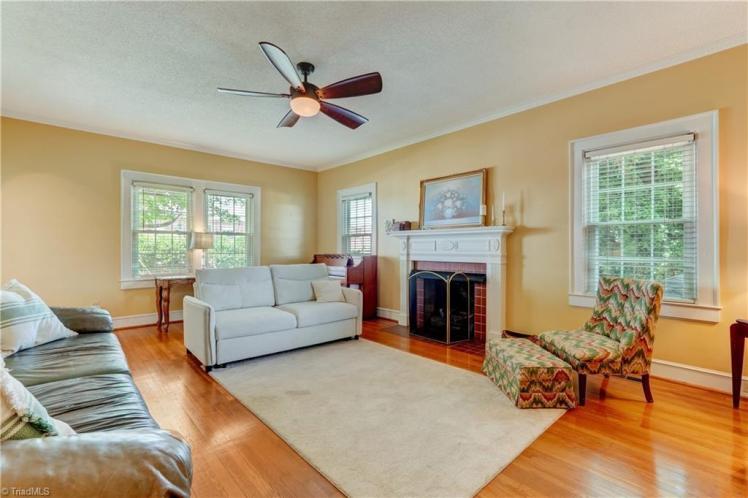
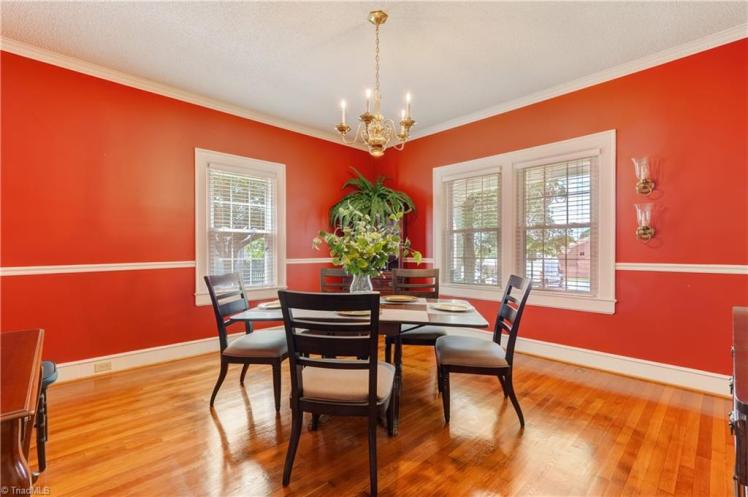
The Austin and Ernestine Finch House
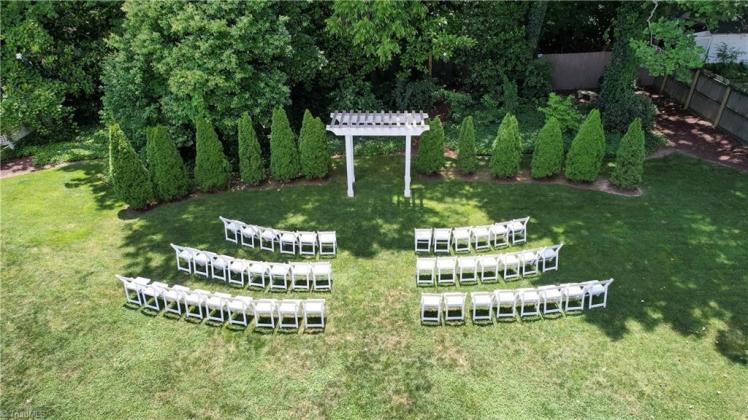
The Finch House (wedding and event venue)
NR nomination (2019)
- Sold for $1.5 million on August 12, 2026 (listed at $2.5 million)
- 11 bedrooms, 8 full bathrooms, 6 half-bathrooms, 6,593 square feet (per county), 1.7 acres (total of both lots, per county)
- Price/square foot: $228
- Built in 1921
- Listed June 13, 2025
- Last sale: $195,000, October 2017; $212,000, March 1994; $148,000, January 1994
- Neighborhood: Downtown
- Note: Owned by an LLC in Greensboro
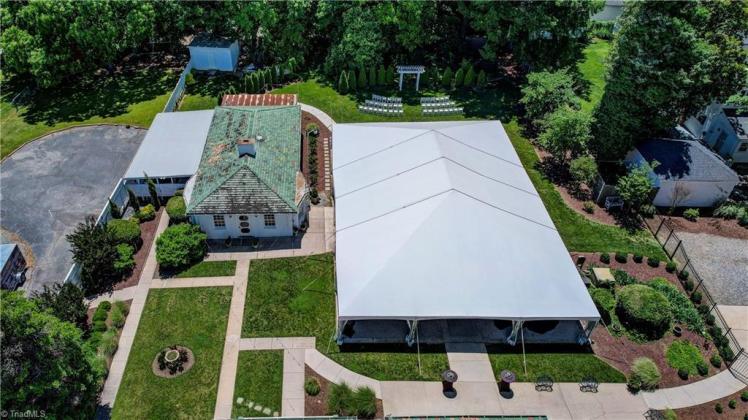
- The property is now a wedding and event venue. It “accommodates up to 185 guests and sleeps 25 overnight.”
- “This turnkey business is fully equipped and transfers with bookings into 2026.”
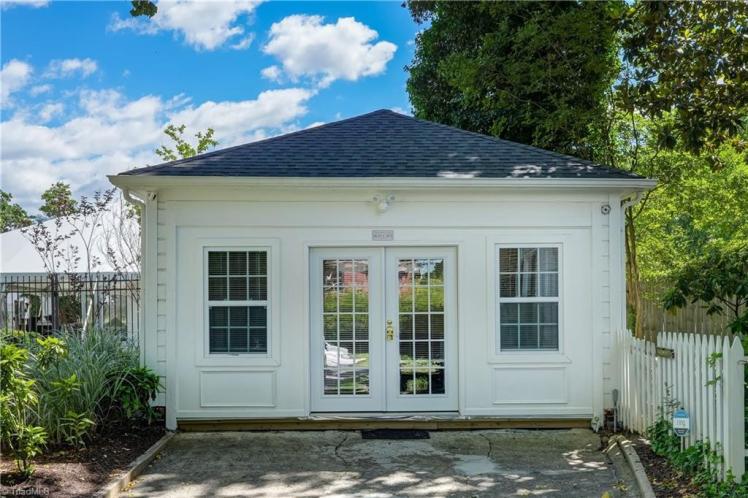
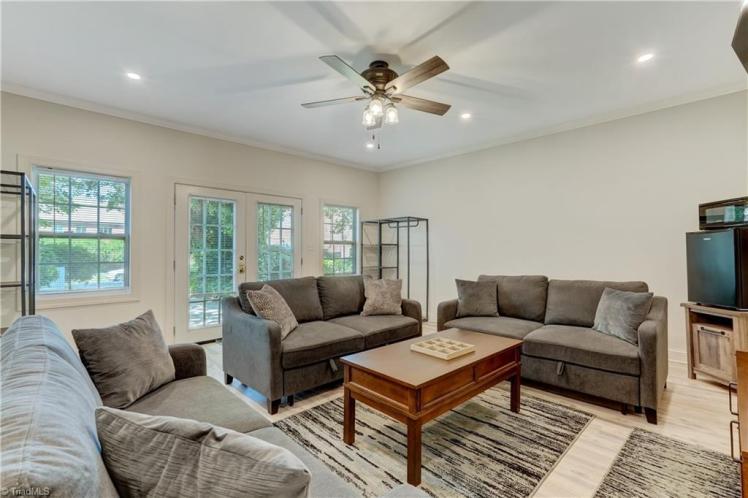
- The listing shows 7,000 square feet for the house, 2,700 for the guest house and 1,300 for the carriage house. The guest house is a 1936 home of 2,197 square feet (per county).
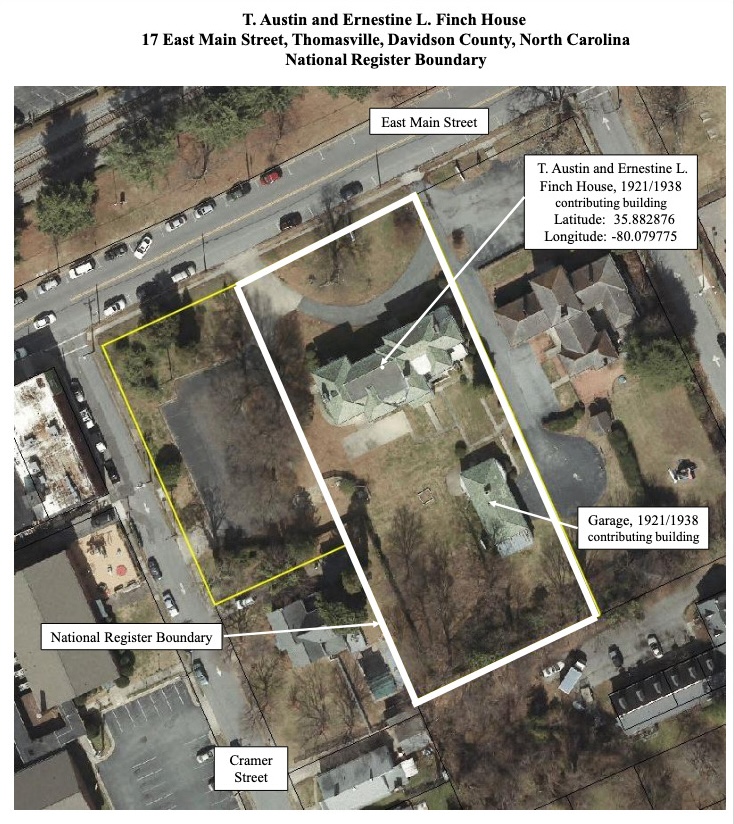
- The National Register designation doesn’t cover the parking lot or guest house.
NR nomination: “The Finch House conveys a refined, subtle sense of permanence and wealth. The expansiveness of the austere yet sophisticated edifice is unequaled in Thomasville’s 1920s and 1930s residential architecture. The green Ludowici-Celadon tile hip roof, deep eaves, and shaped rafter ends, and large multipane windows and French doors exhibit the influence of the Renaissance Revival style, a departure from the more popular period revival styles common in Thomasville during that period. The spacious two-story residence was erected in two phases: the original dwelling completed in 1921, and a 1938 west addition that doubled its size. …
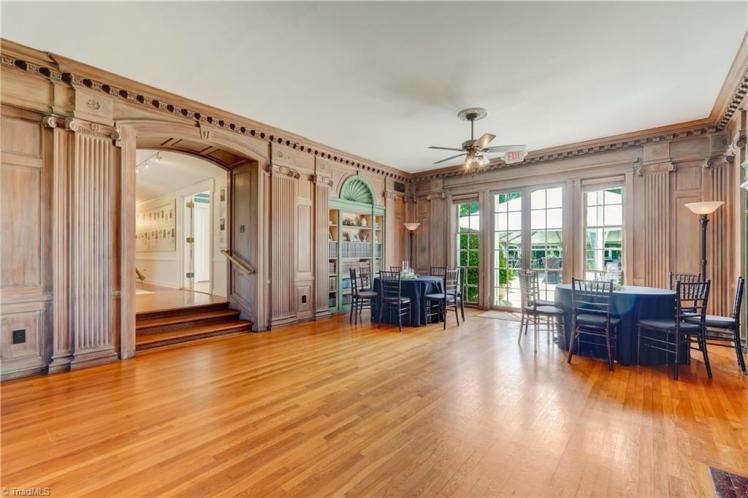
“The 6,570-square-foot dwelling has a finely crafted but unpretentious interior. The 1921 first floor comprises an entrance vestibule, reception hall, living room, sunroom, stair hall, kitchen, and adjacent service areas. The 1938 addition’s first story includes a butler’s pantry, dining room, library, and two restrooms accessed from an east-west corridor. The 1921 dwelling was remodeled in conjunction with the 1938 addition’s construction. The formal public spaces—the reception hall, dining room, living room, and library — are embellished with classical cornices, door and window surrounds, wainscoting, chair rails, baseboards, and mantels. Single- and double-leaf raised-panel doors and multipane French doors retain original hardware. Smooth plaster walls and ceilings and tongue-and-groove oak floors are intact. …
“The T. Austin and Ernestine Lambeth Finch House, erected in 1921 and enlarged in 1938, meets National Register Criterion C for architecture as a remarkably intact and locally significant example of the Renaissance Revival style. The dwelling’s white stuccoed walls, green Ludowici-Celadon tile hip roof, and deep eaves supported by shaped rafter ends exemplify the style and unify the 1921 and 1938 sections. As was typical in such residences, the Finch House features wood casement and double-hung multipane windows and French doors. Finely crafted classical elements including Tuscan porch columns and Palladian library entrance surrounds contribute to the sophisticated aesthetic. Classical cornices, door and window surrounds, wainscoting, chair rails, baseboards, and mantels distinguish the reception hall, dining room, living room, and library. Although similar dwellings were constructed throughout the United States in elite subdivisions developed during the 1920s and 1930s, the Finch House is unique in Thomasville, where the wealthy favored Tudor, Georgian, and Classical Revival styles. The dwelling’s expansiveness and estate-like setting are particularly notable, as most of the city’s early- to mid-twentieth-century subdivisions contain modest bungalows, period cottages, and Minimal Traditional houses on small parcels. The stuccoed, green-tile-roofed, three-bay garage northwest of the house, built in 1921 and remodeled to match the house in 1938, is a rare survival.”
The 1919 marriage of Thomas Austin Finch (1890-1943) and Daisy Ernestine Lambeth (1898-1983) united two prominent North Carolina furniture-manufacturers: Thomasville Chair Company, owned by Thomas Jefferson Finch, and Lambeth Furniture. Ernestine was John Walter and Daisy Sumner Lambeth’s only daughter. She was a 1919 graduate of Greensboro College. T. Austin was the oldest of Thomas and Hannah Louise Brown Finch’s six sons. He had graduated in 1909 from Trinity College in Durham. His mother’s family had early connections with Trinity College, organized in 1838 at Brown’s Schoolhouse, a one-room log building on the Randolph County farm owned by John Brown, one of T. Austin’s great-grandfathers.
As T. Austin worked his way to the top of the family business, he served as a Thomasville City Council member from 1915 until 1917, was elected mayor in 1923 (he was succeeded by Ernestine’s brother) and was active in the local Democratic Party. He became president of the company after his father’s death in 1929. In 1930, the Finches and the Duke Endowment funded the construction of City Memorial Hospital. T. Austin died of a heart attack in 1944 at age 52. His brother Doak Finch became president of the company, followed in 1961 by T. Austin Finch Jr. Ernestine remarried in 1948 and continued to live in the house. The family sold it in 1984.
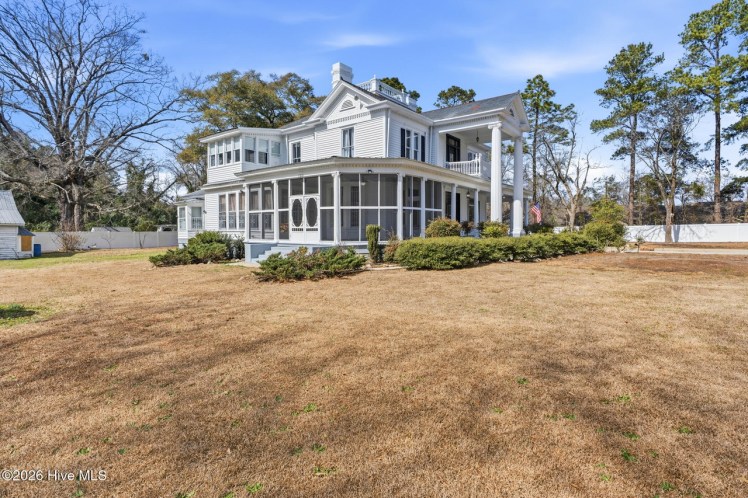
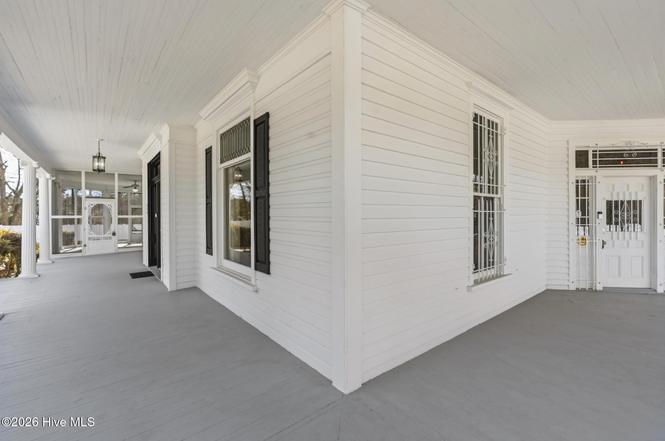
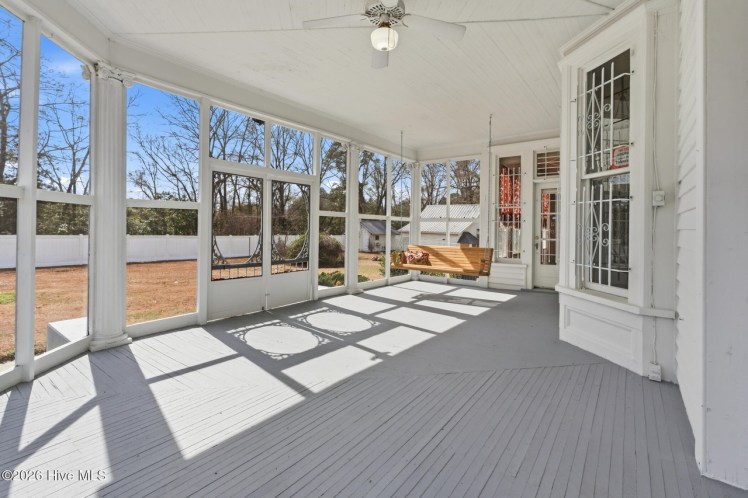
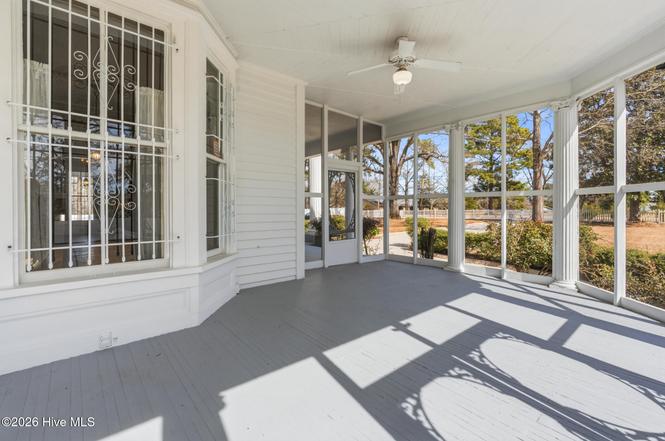
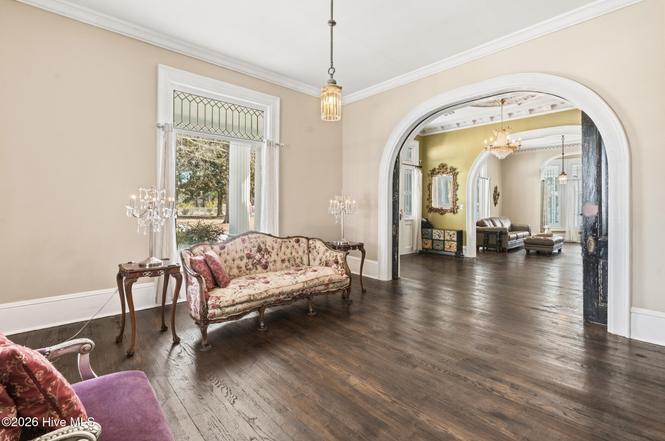
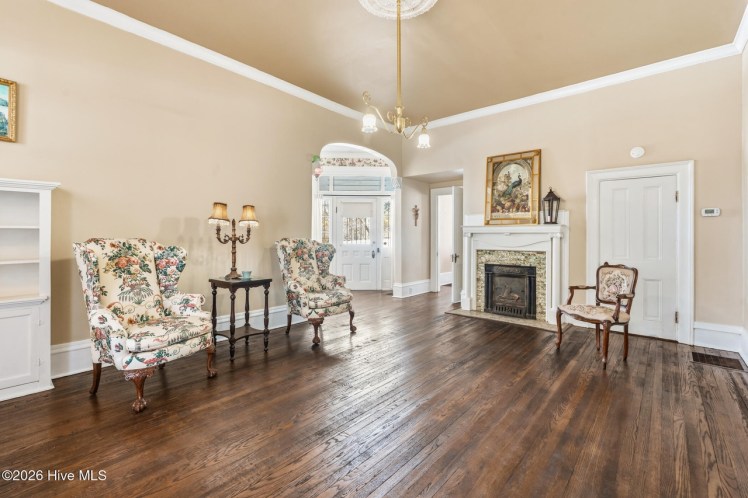
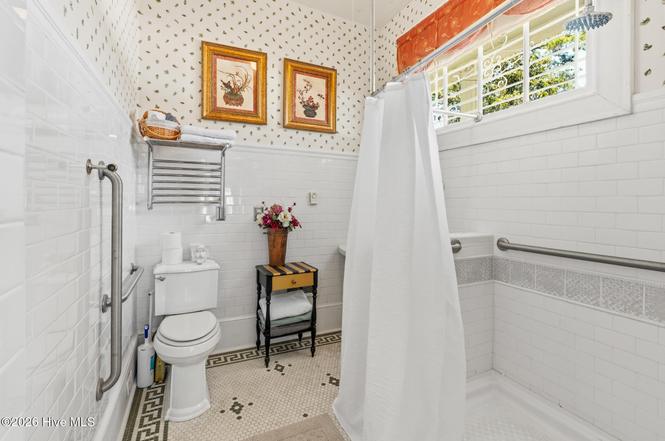
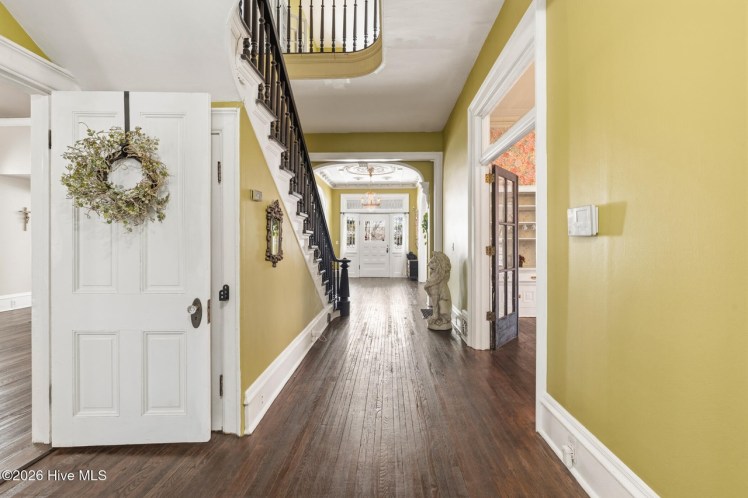
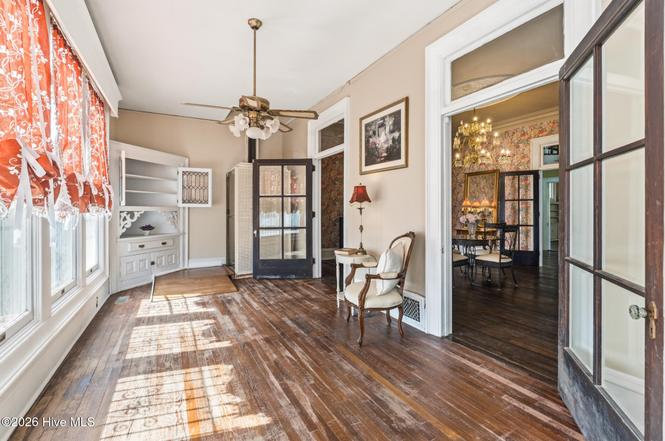
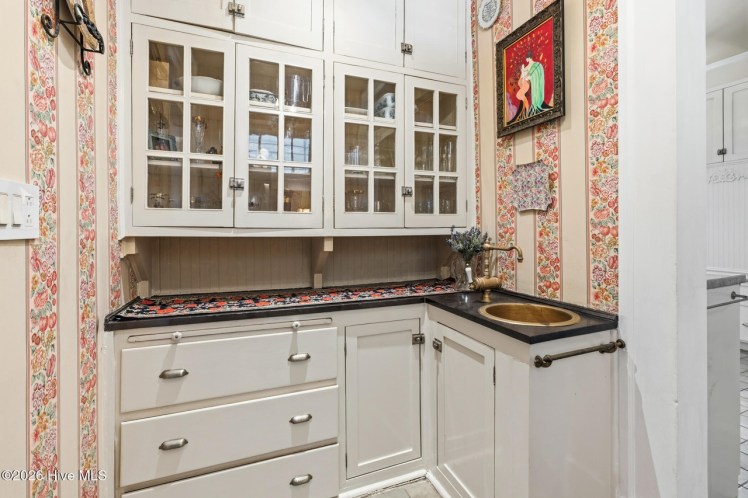
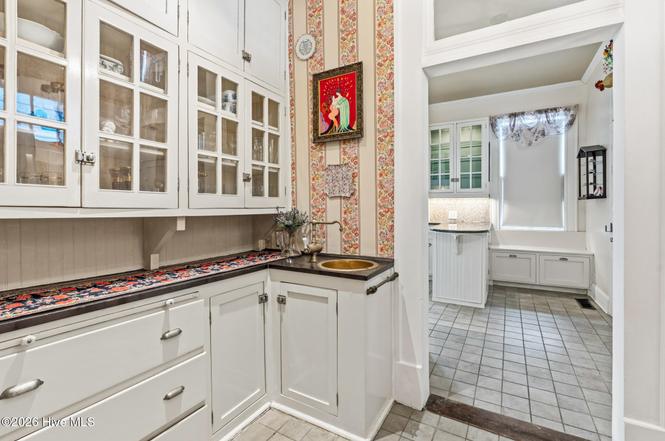
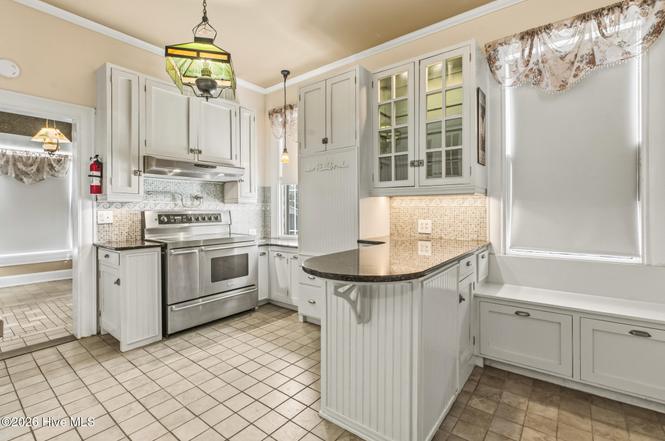
526 S. Caroline Street, Rockingham, Richmond County
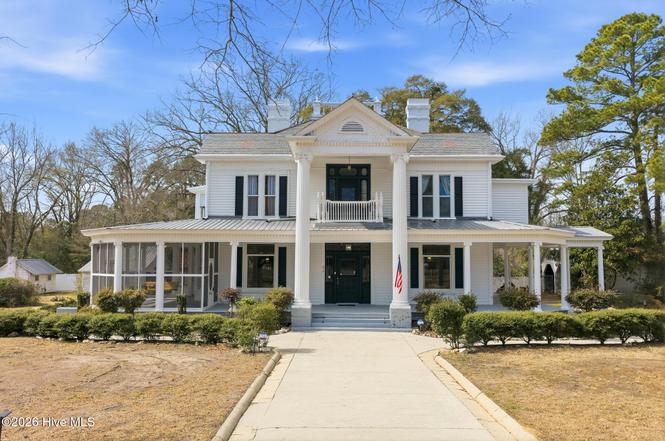
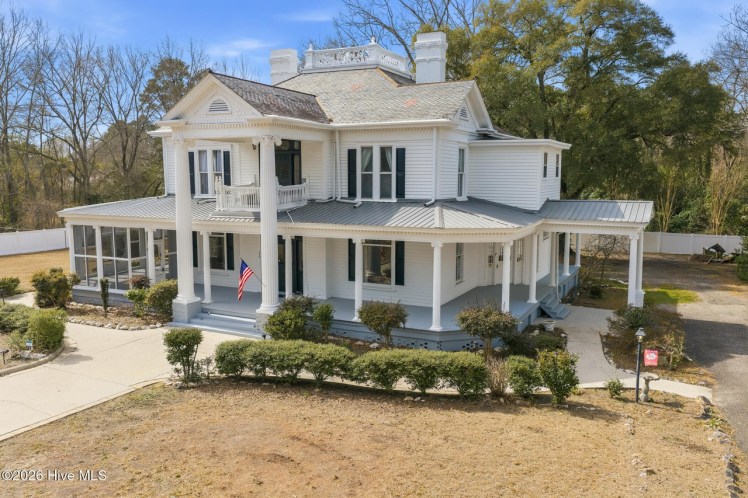
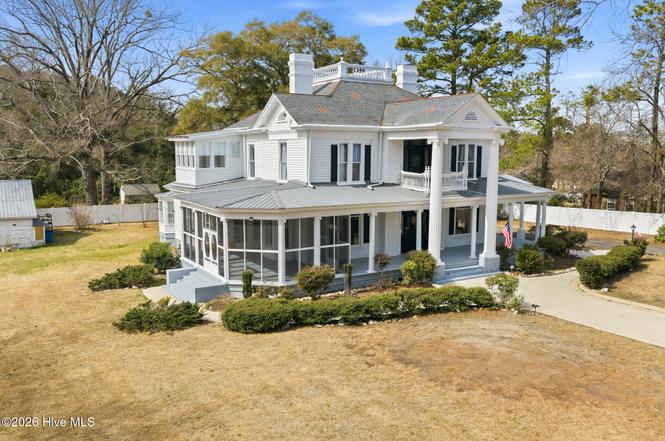
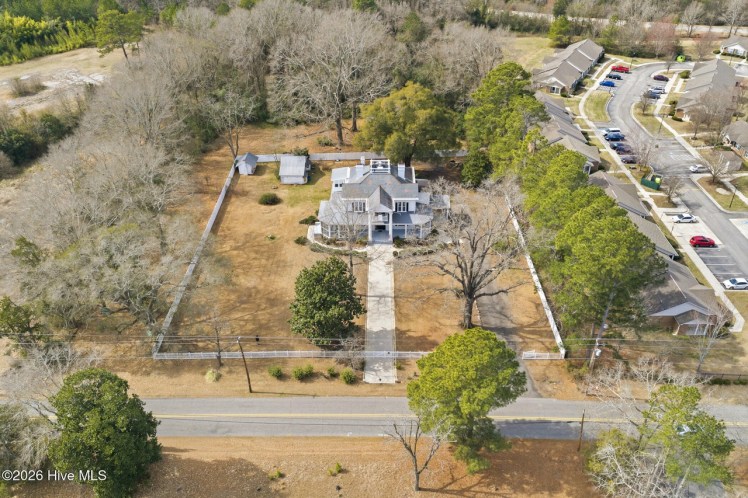
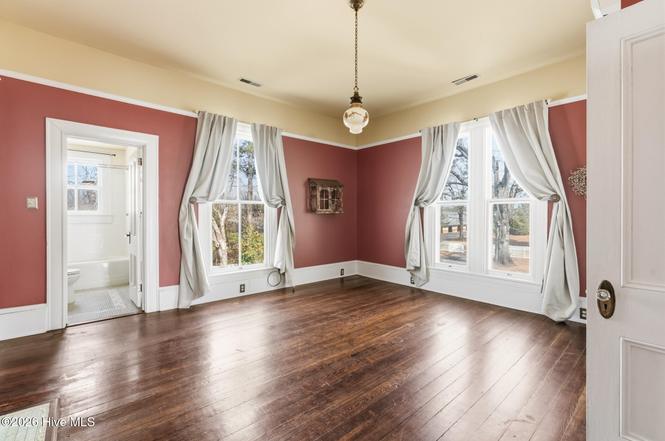
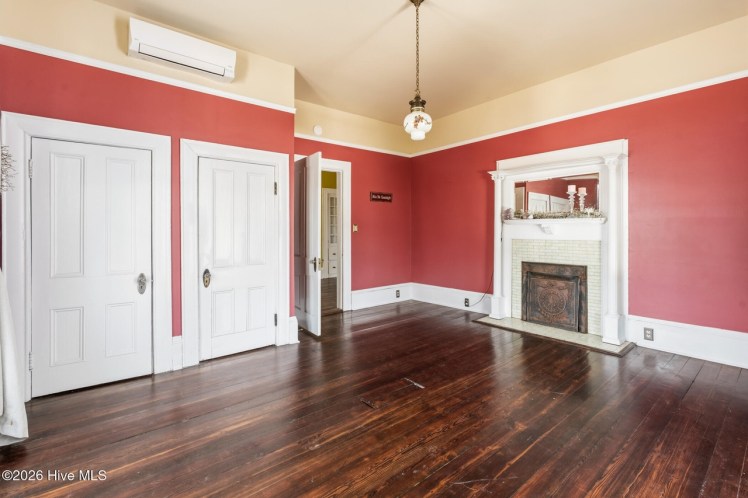
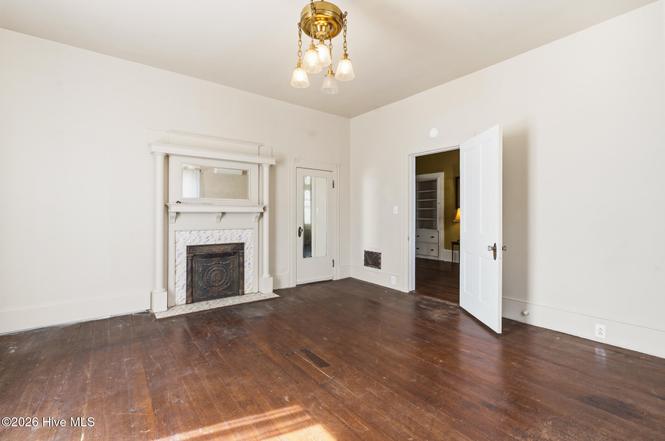
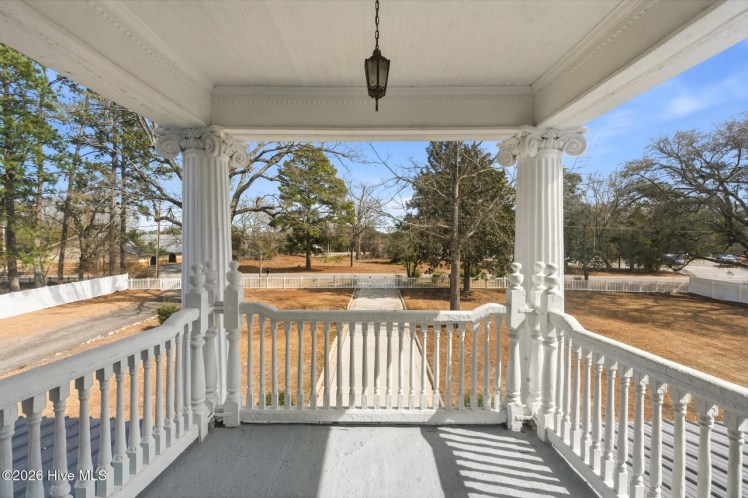
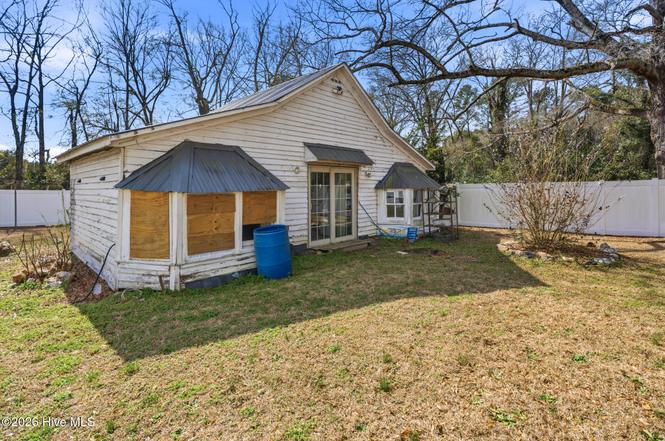
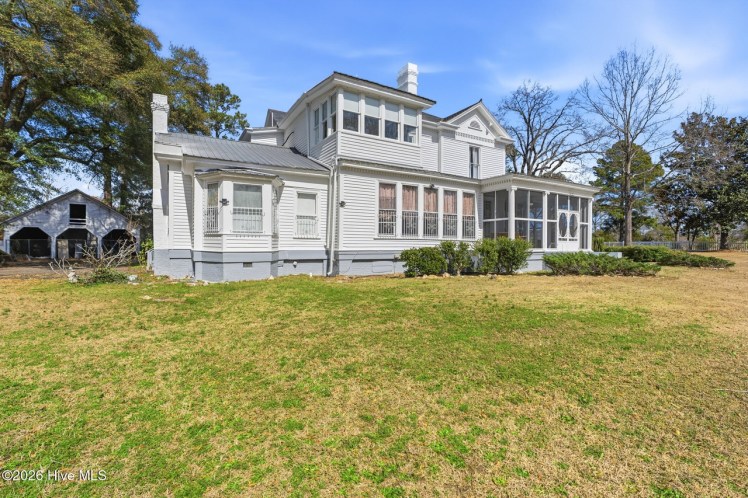
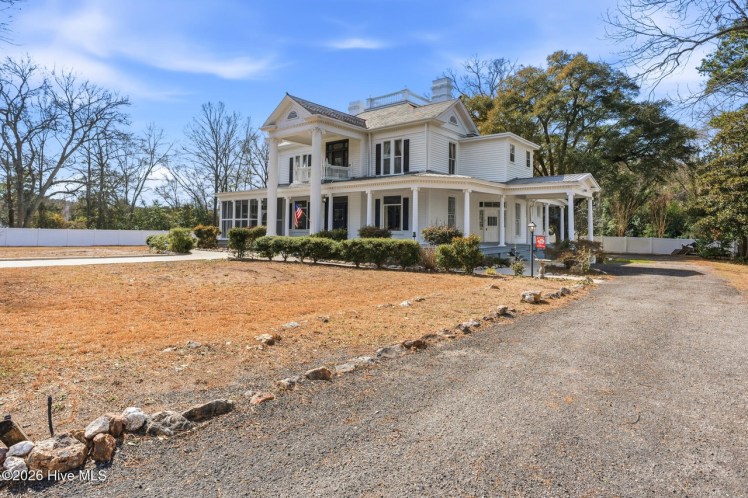
The H.C. Watson House
National Register
- Sold for $475,000 on May 14, 2026 (listed at $495,000)
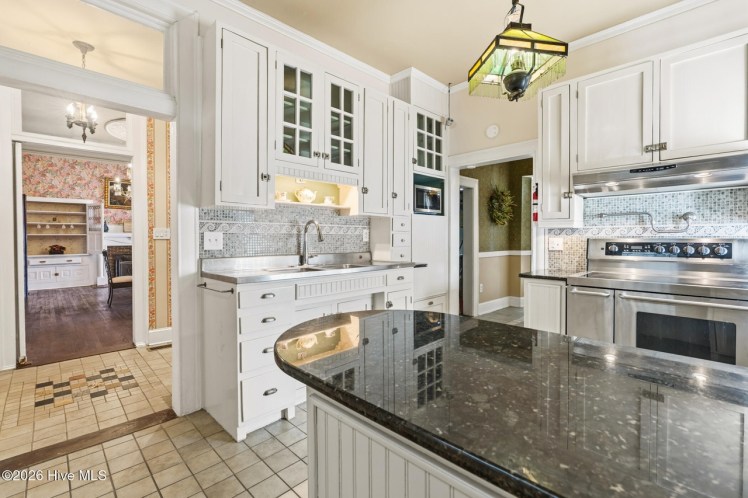
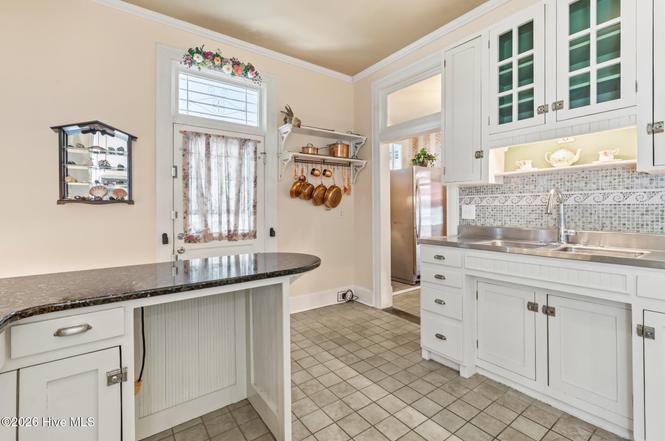
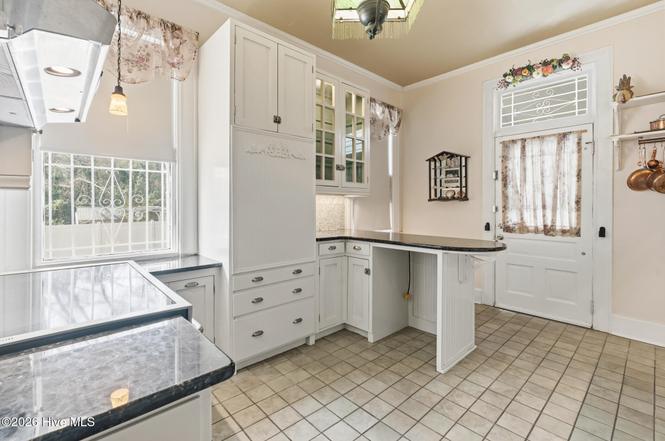
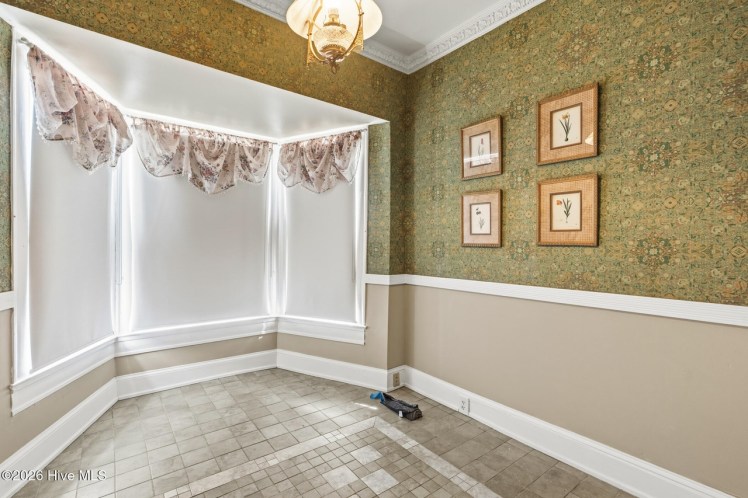
- 5 bedrooms, 4 full bathrooms and 2 half-bathrooms, 4,888 square feet, 1.30 acres
- Price/square foot: $97
- Built in 1883
- Listed February 27, 2026
- Last sales: $284,900, February 2024; $187,000, May 2005
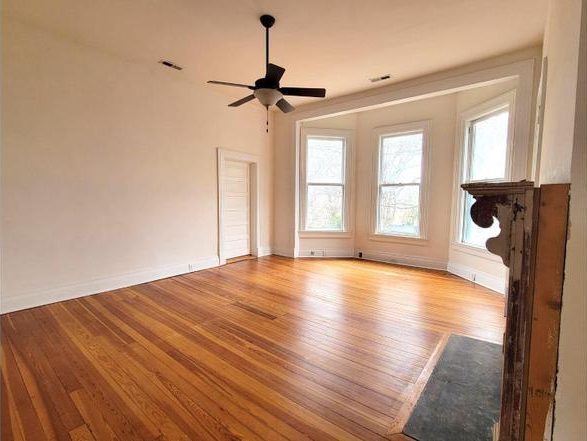
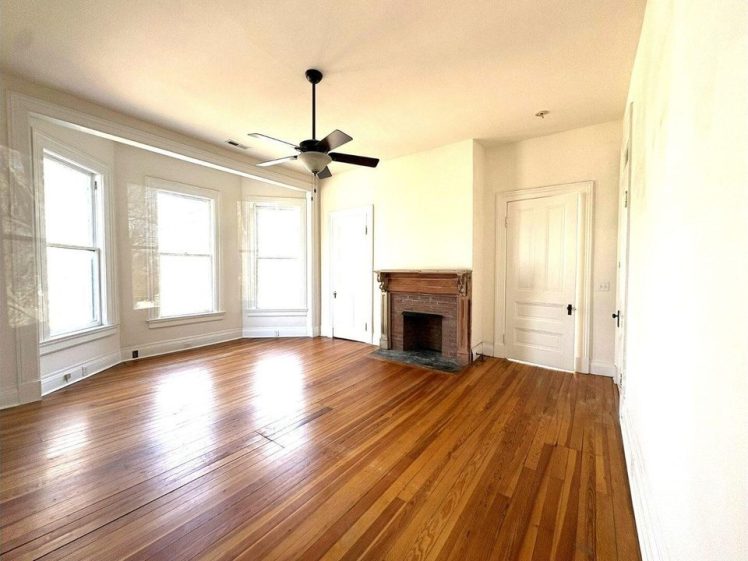
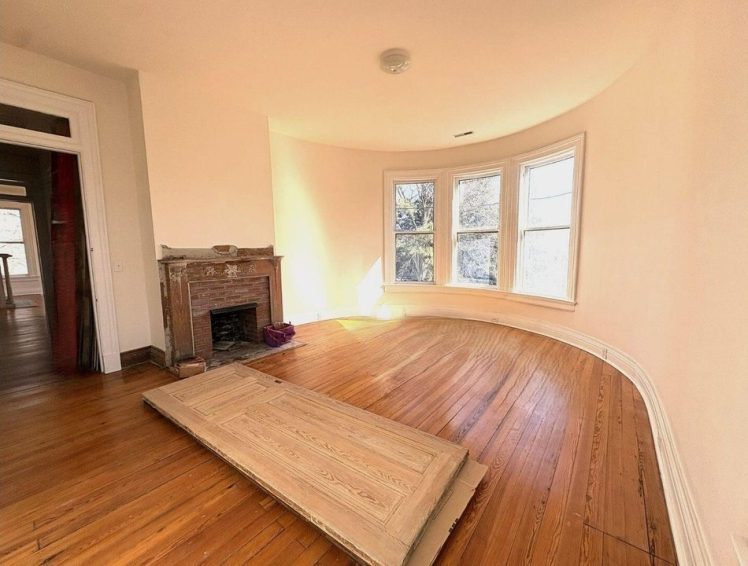
- Note: The property includes the original detached cookhouse and a three-bay carriage house with living quarters.
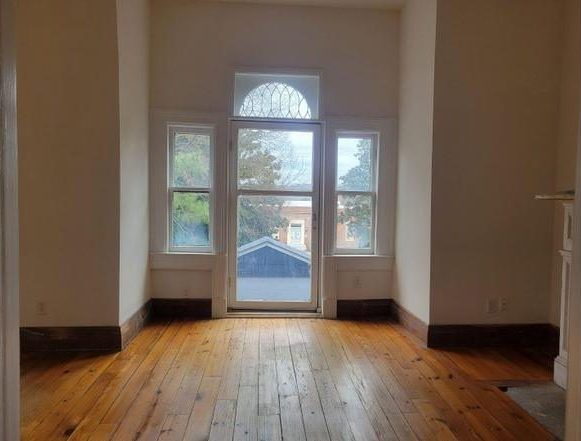
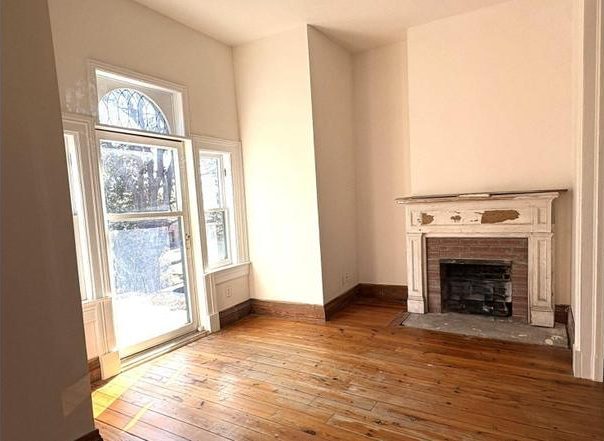
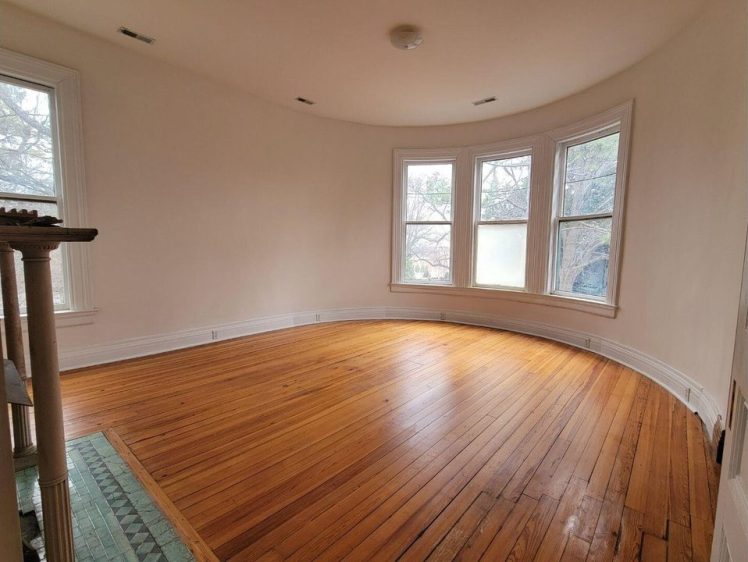
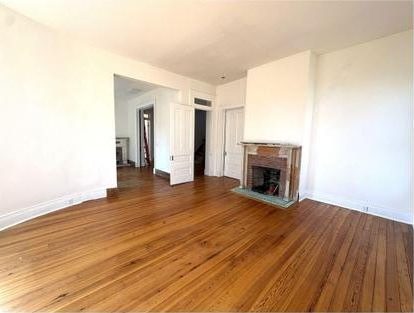
- The current owners have extensively restored the house.
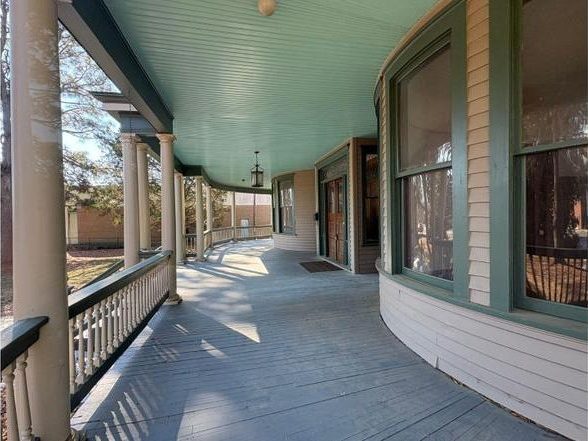
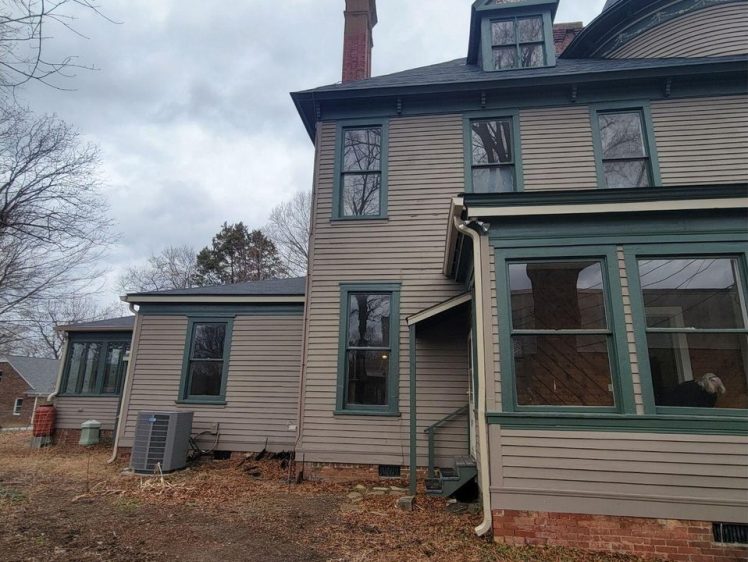
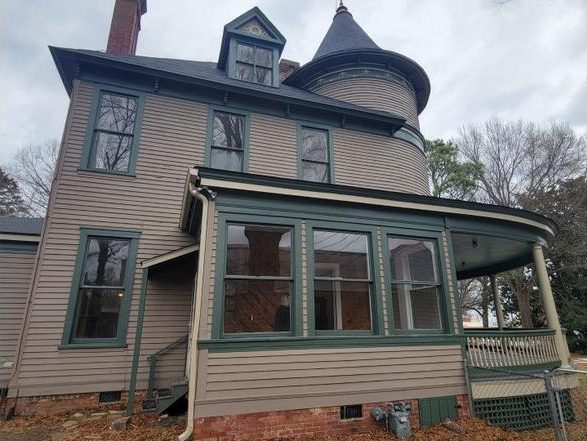
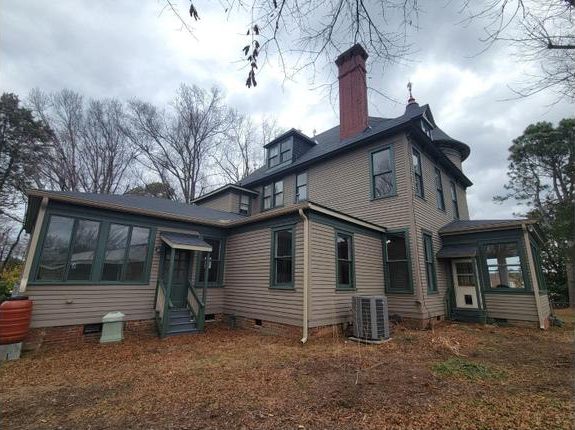
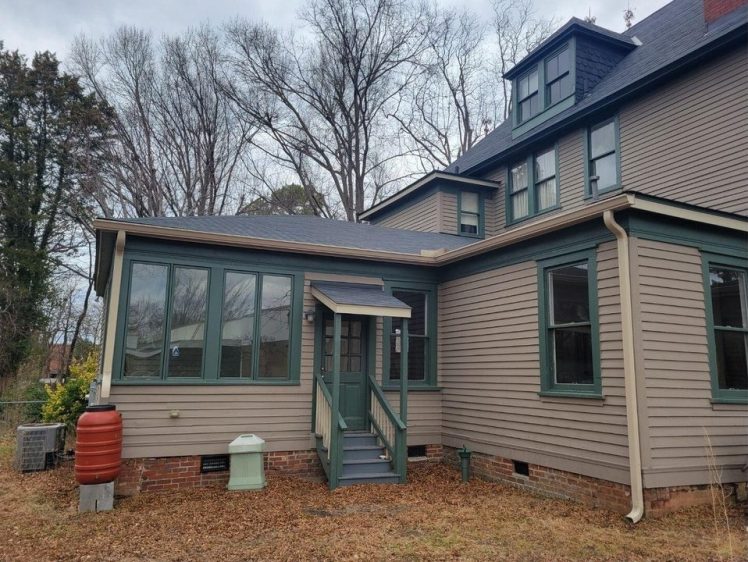
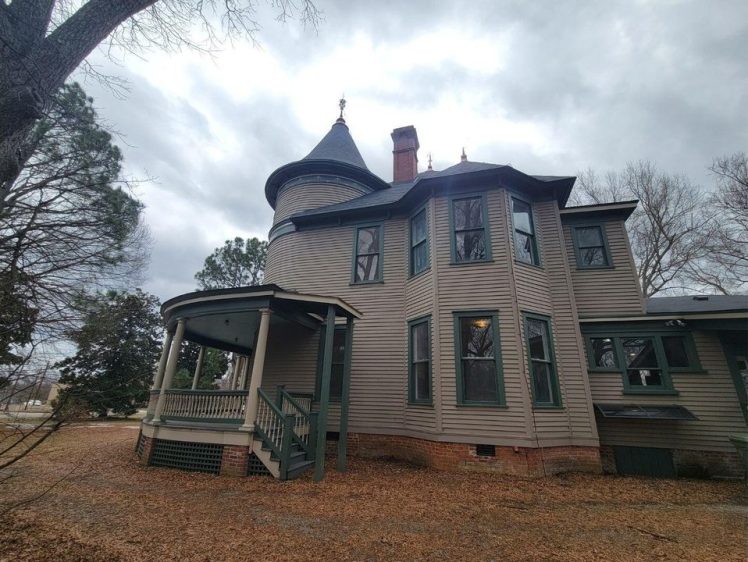
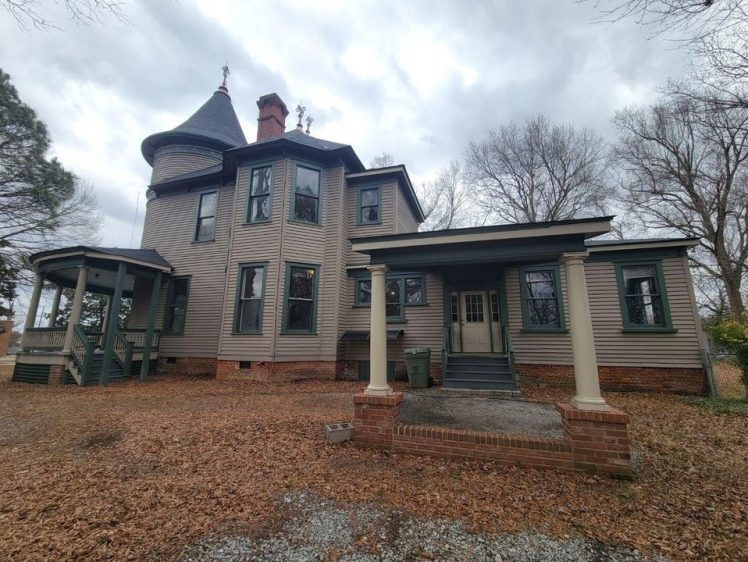
National Register nomination: “The H.C. Watson House, located at 526 Caroline Street approximately one-half mile south of downtown Rockingham, was constructed in the mid-1880s as a High Victorian residence. During a remodeling effort of the early 1900s the two frame house received numerous Classical Revival additions.
“In Rockingham during the early 1900s, fortunes were being made in the textile industry and related commercial enterprises. This newly acquired wealth was manifested in a burst of residential construction. Because of the resources available and the desire to keep a status residence. wealthy owners of older nomes continually remodeled to keep pace with. changing architectural trends, Rockingham’s elite who regarded the house as a visual symbol of prosperity were drawn to the theatrical and grandiose expression of Classical Revival style.
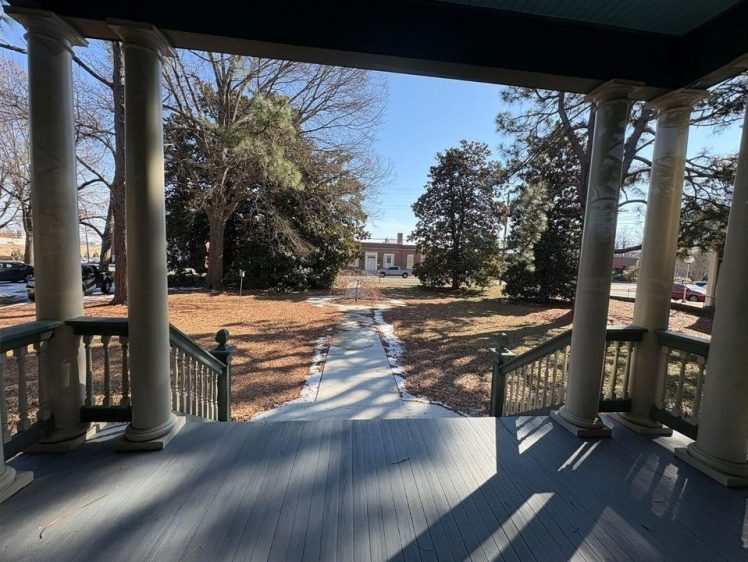
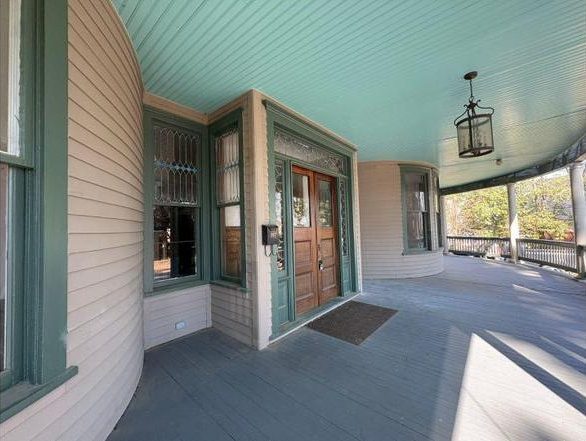
“The elegant two story pedimented portico with fluted Ionic columns, dentiled cornice, formal wraparound porch and attached porte-cochere demonstrate the strong influence of the Classical Revival style, as do the striking beveled and leaded glass door and window transoms and the crowning upper deck widow’s walk. The truncated hipped roof exhihibits a colorful decorative use of slate shingle work, the only example in the Rockingham vicinity. Features retained from its Victorian origins include ornamental splayed door surrounds, long narrow paired second story windows, and rounded transom and sidelights surrounding the entrance to the balcony. …
“In ca. 1895, H.C. Watson commissioned an itinerate Irish craftsman to stylishly update the entrance hall and two front parlors of the house, with exceptionally fine and unspoiled plasterwork. The cornices of the south parlor are pierced with a highly decorative leafy pattern and the cornice of the central hall features an alternating series of small plaster modillions and flowerettes.
“The ceiling medallions are formed from a repetitive use of leaves and flowers in a circular pattern, Other applied plaster motives include large ornamental bosses, elaborately scrolled console brackets supporting shallow arched niches, and elegantly curved window pediments.
“The resulting effect is richly designed and beautifully executed. The R.C. Watson House is distinguished as possessing the most notable and well preserved late nineteenth century plasterwork in the Rockingham vicinity and perhaps Richmond County.”
Henry Clay Watson (1855-1926) “was a prominent landholder, cotton gin operator and respected downtown merchant. … Among other accomplishments, he was co-founder of the Watson-King Funeral Home in 1911.” His death was front-page news in the Rockingham Post-Dispatch:

217 S. Main Street, Roxboro, Person County
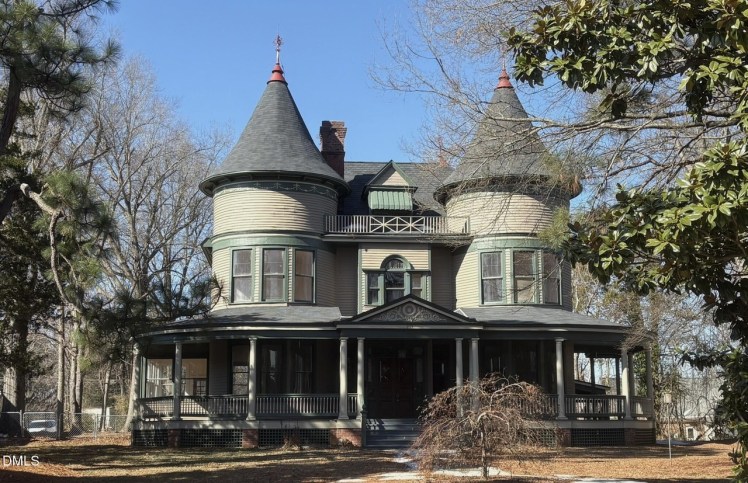
The James and Laura Long house
National Register
- Sold for $687,000 on April 28, 2026 (listed at $699,000)
- 5 bedrooms, 4 bathrooms, 5,006 square feet (per county), 0.71 acre
- Price/square foot: $137
- Built in 1896
- Listed March 18, 2026
- Last sale: $82,000, August 2004
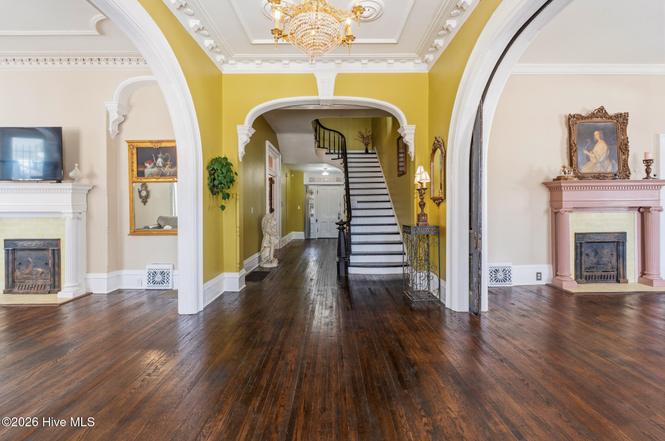
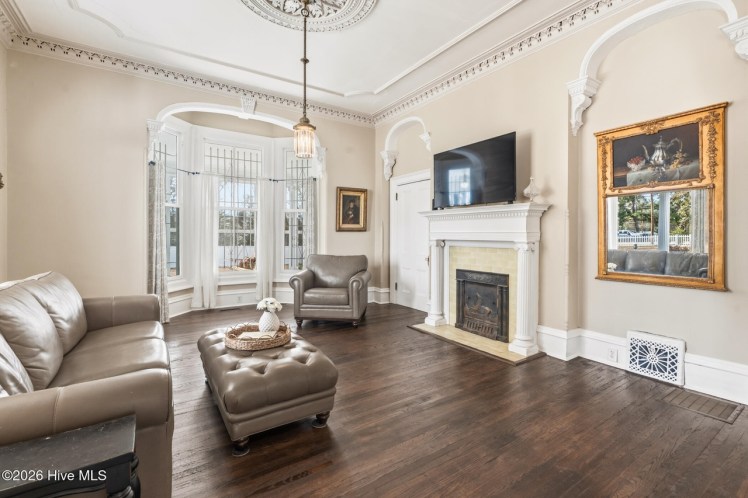
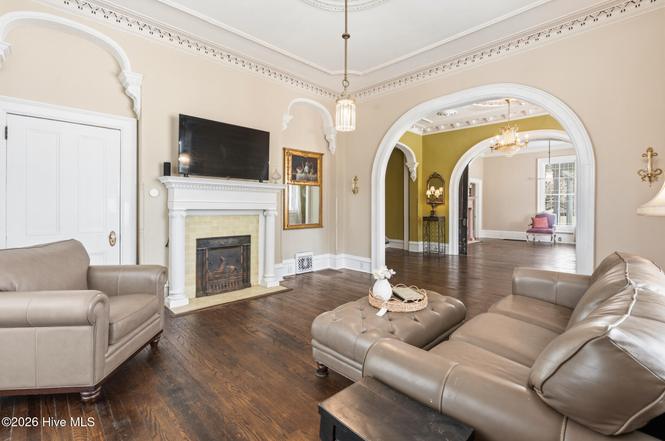
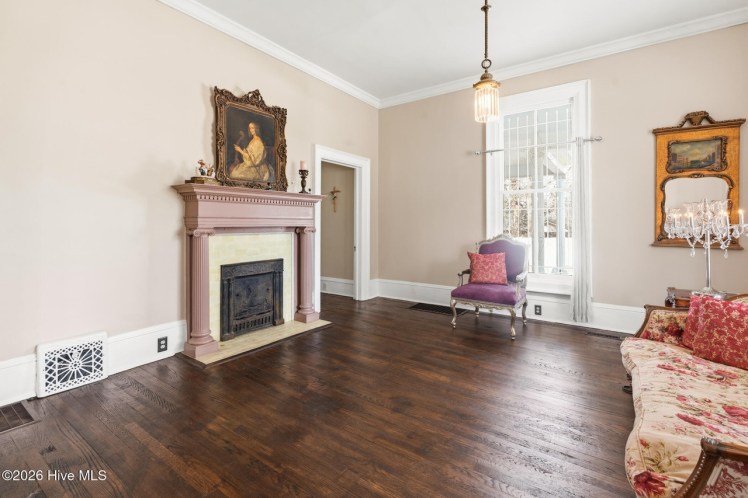
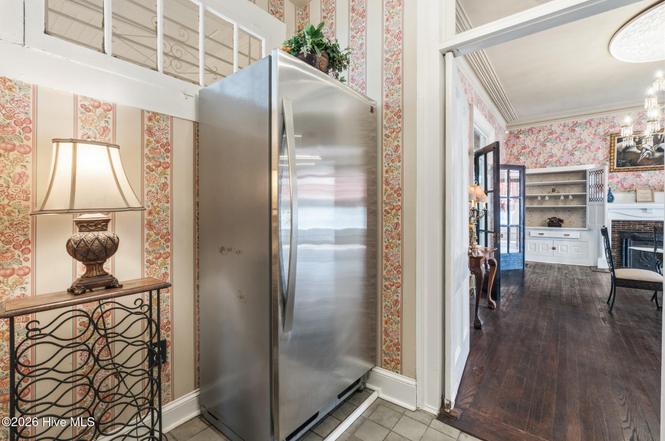
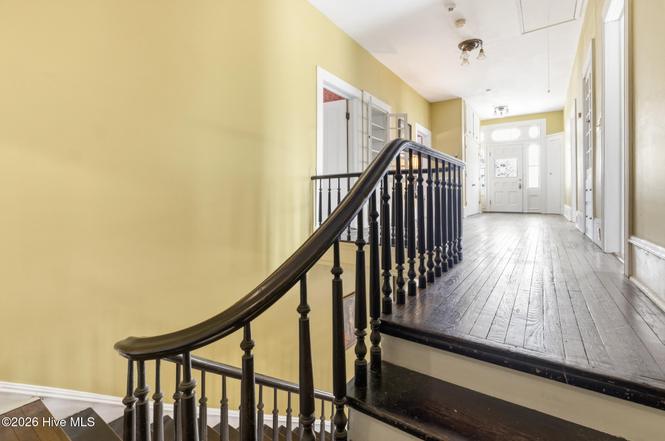
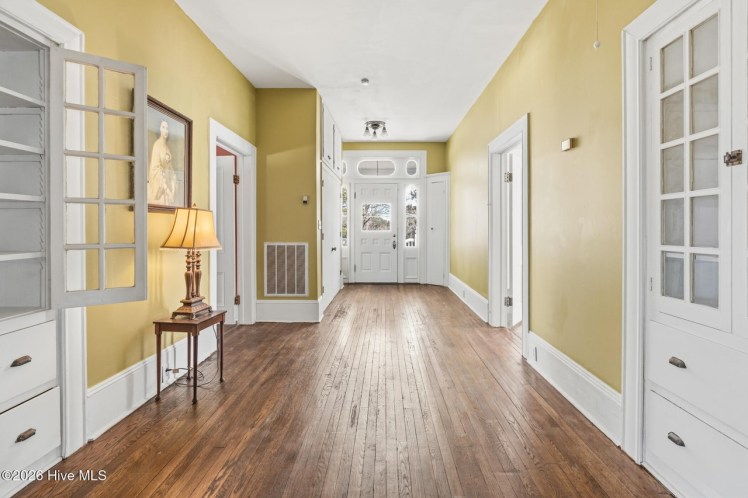
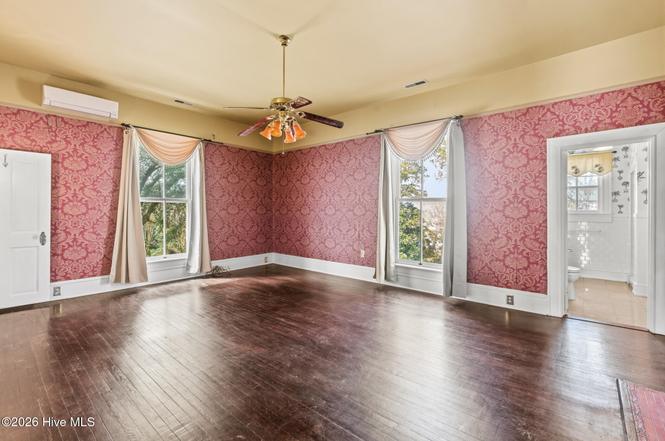
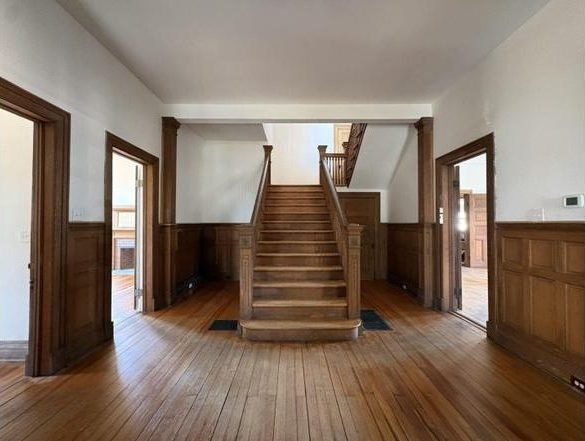
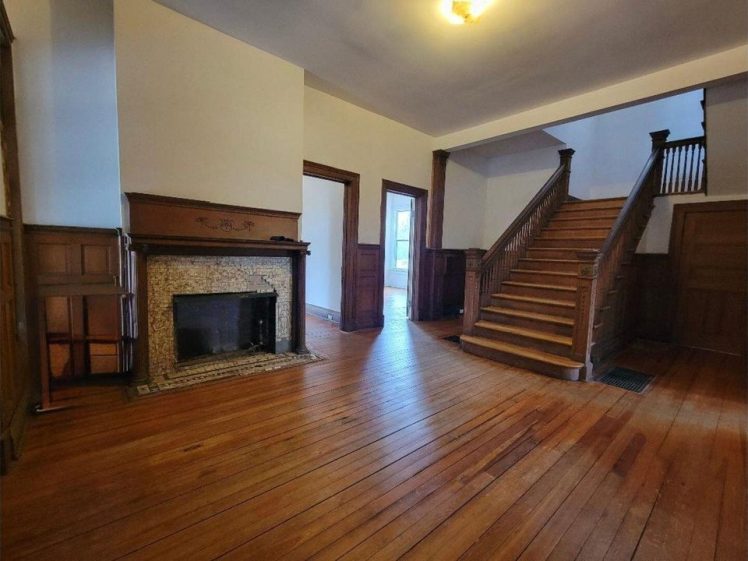
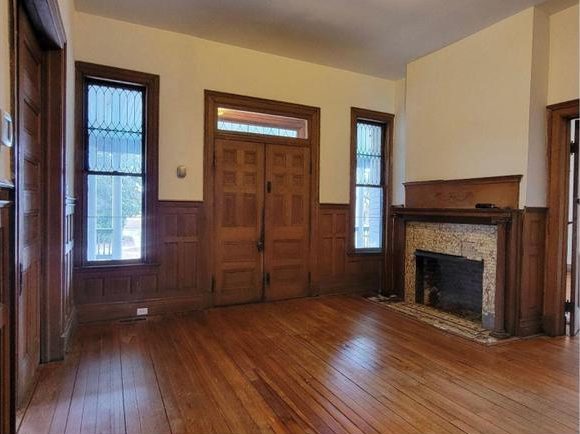
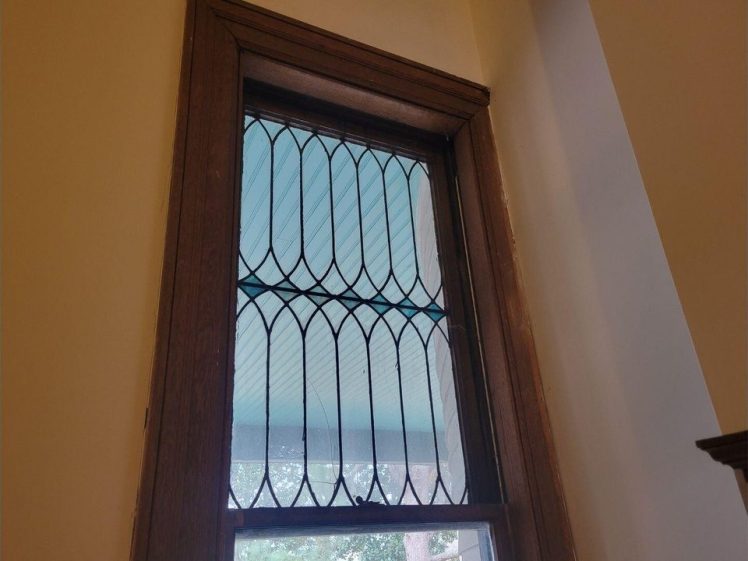
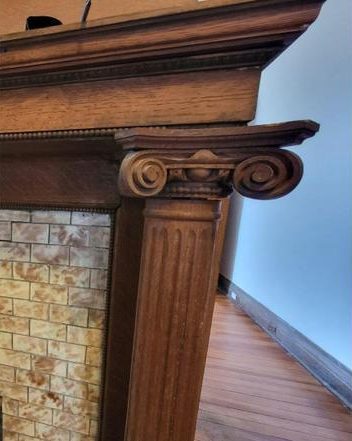
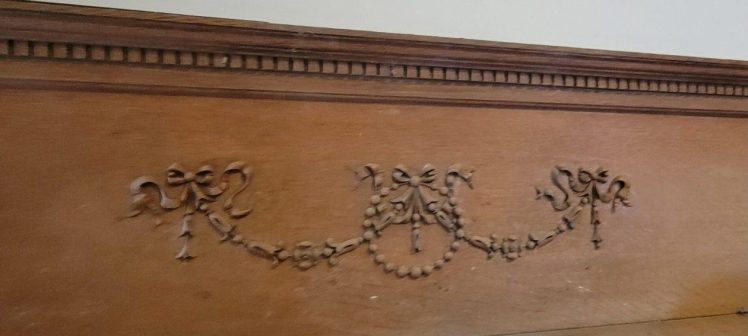
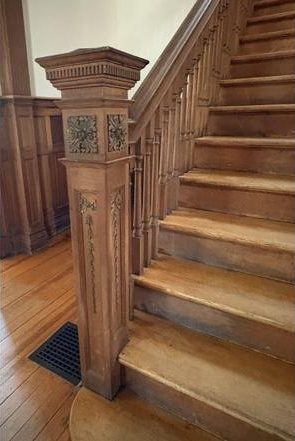
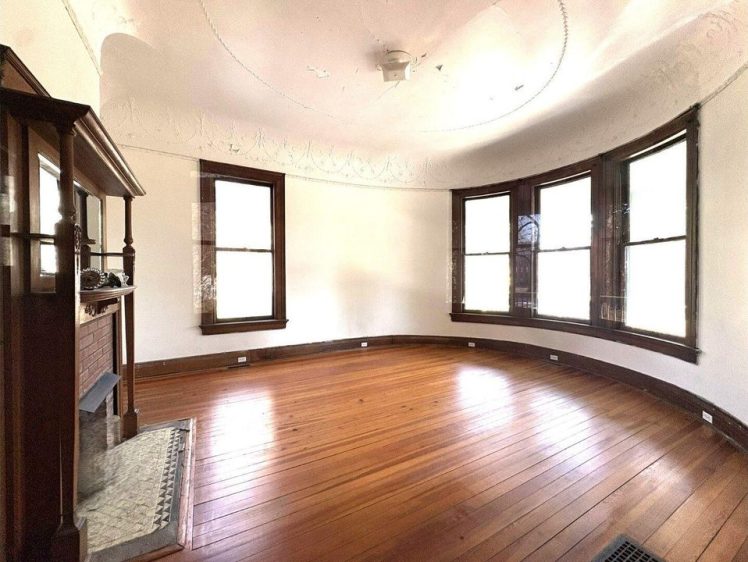
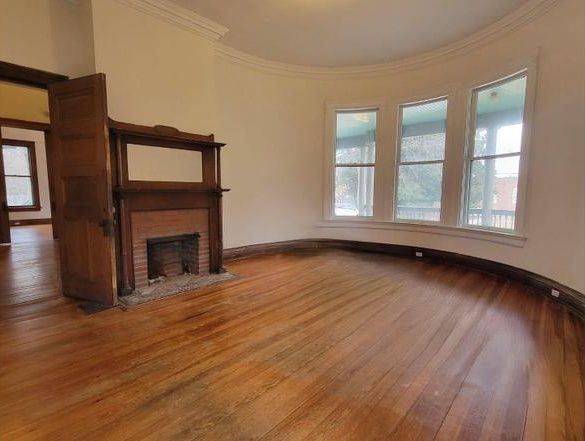
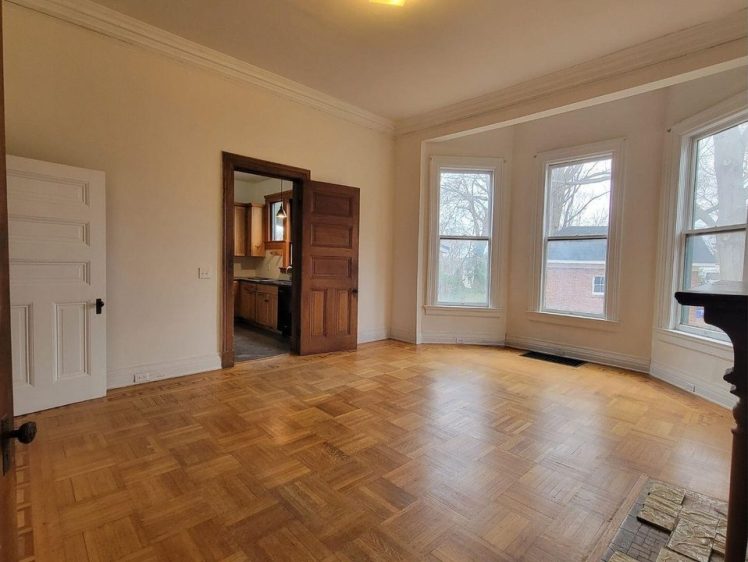
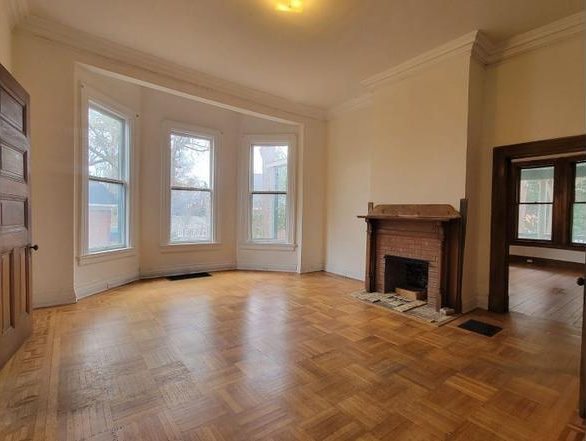
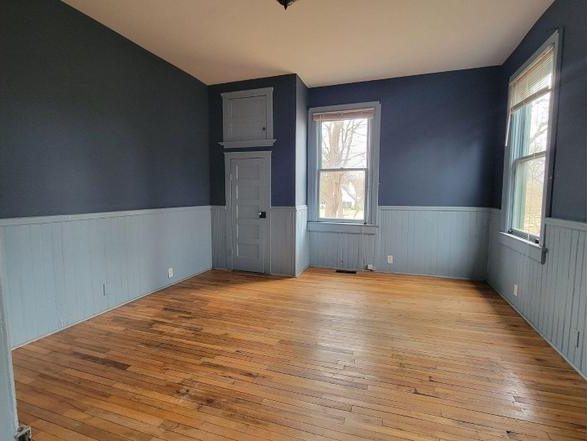
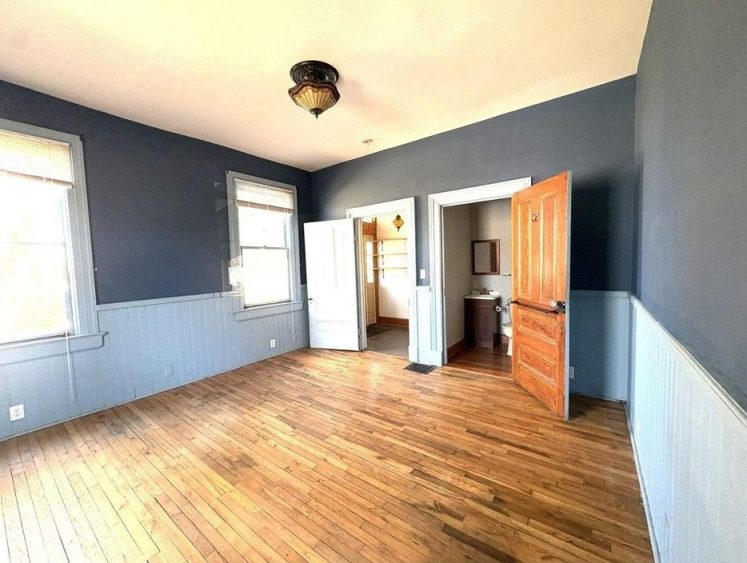
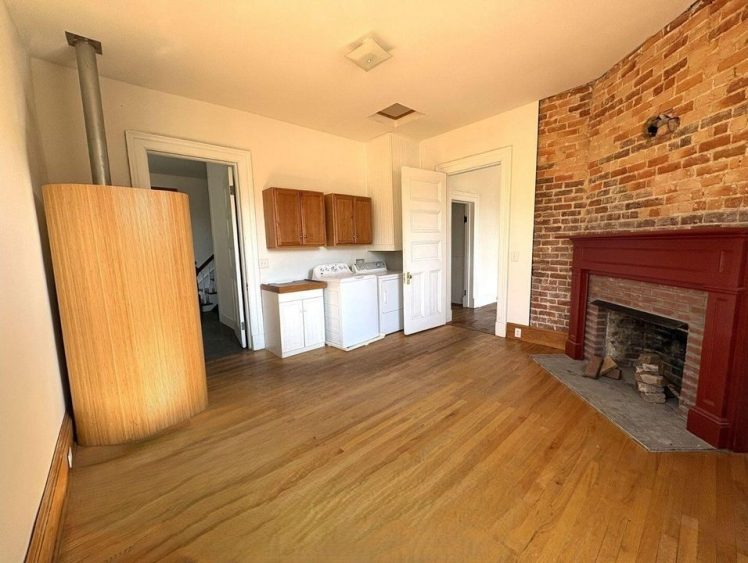
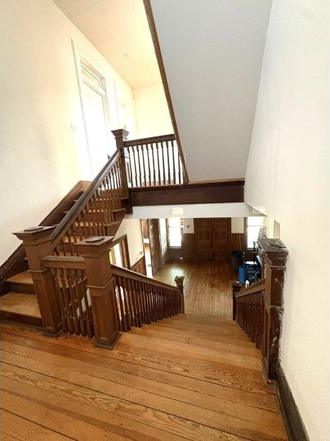
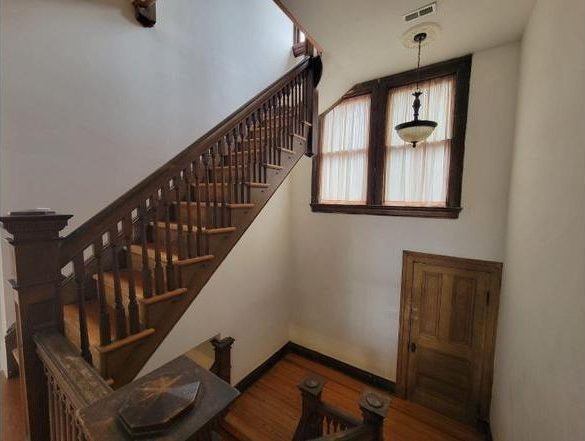
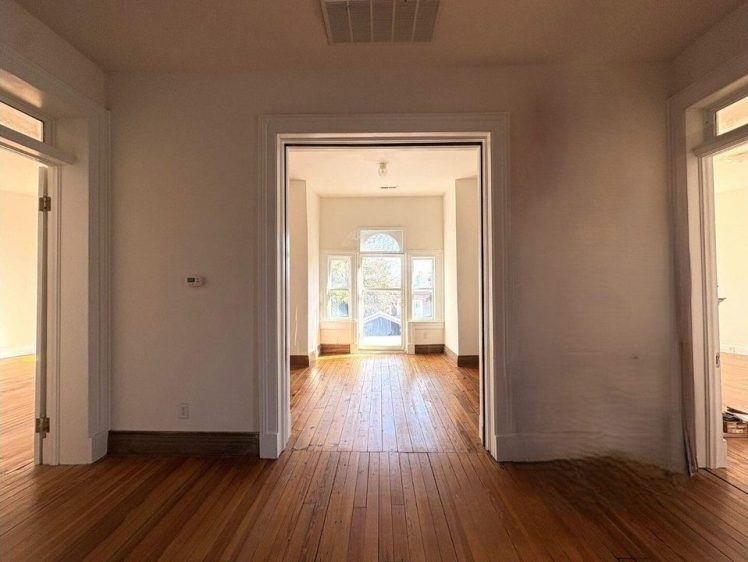
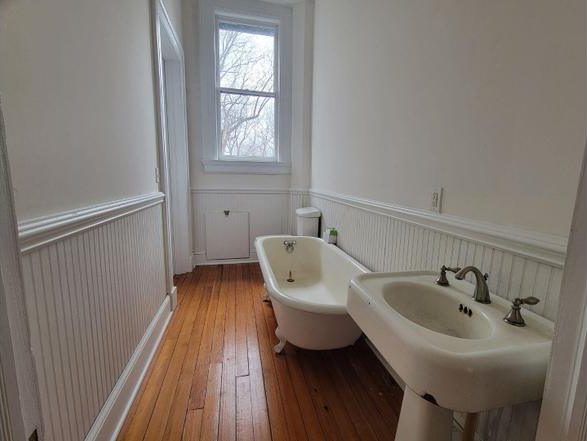
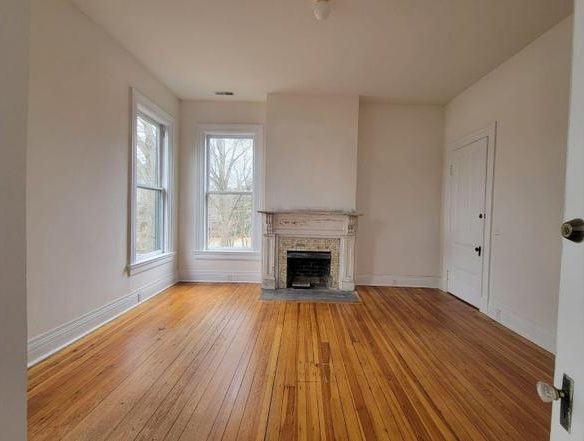
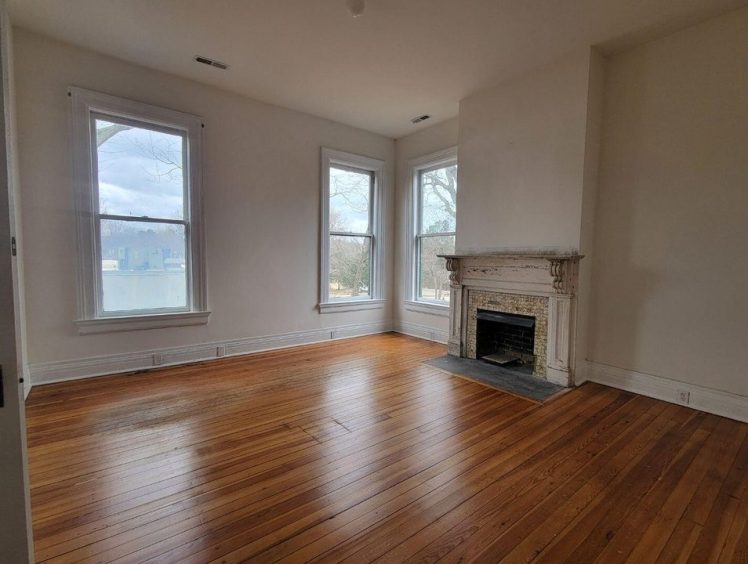
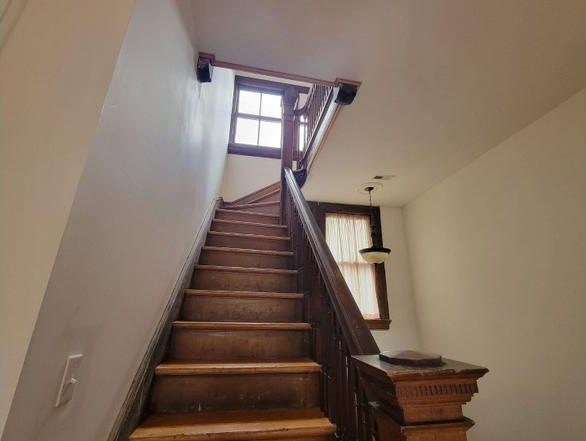
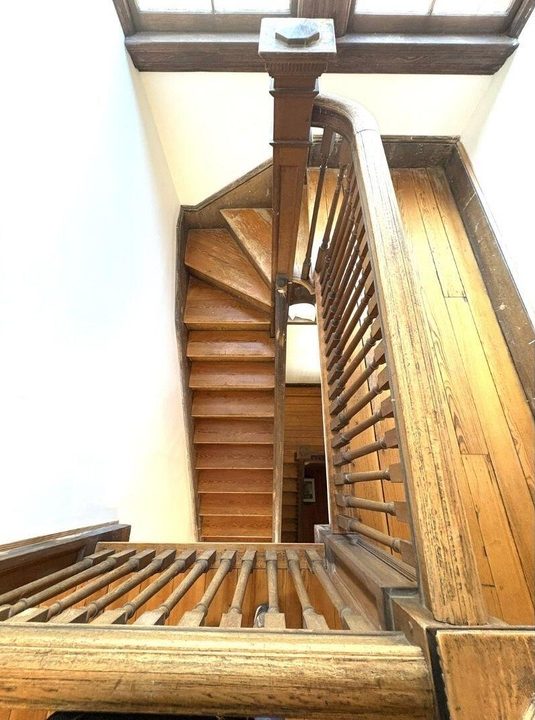
- Note: Original architectural features inside the house include a grand wooden staircase, 11 fireplaces, pocket doors, appliqued ceilings and ornate moldings.
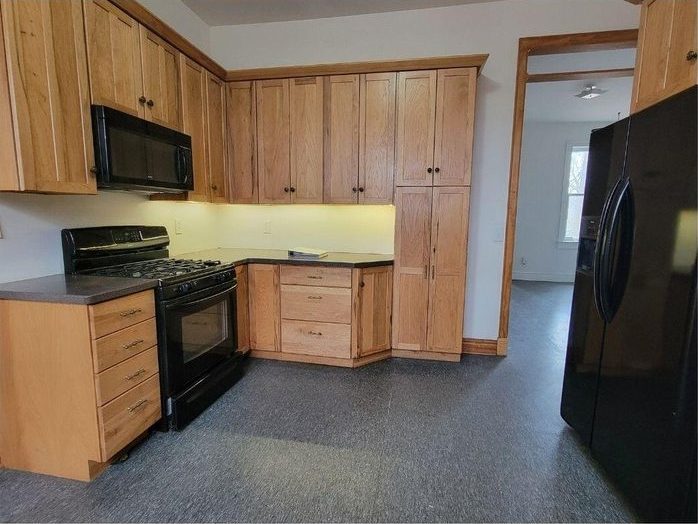
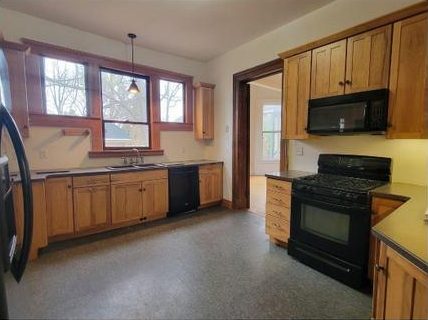
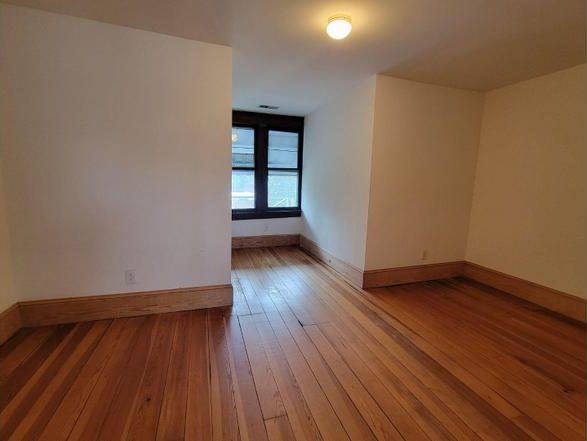
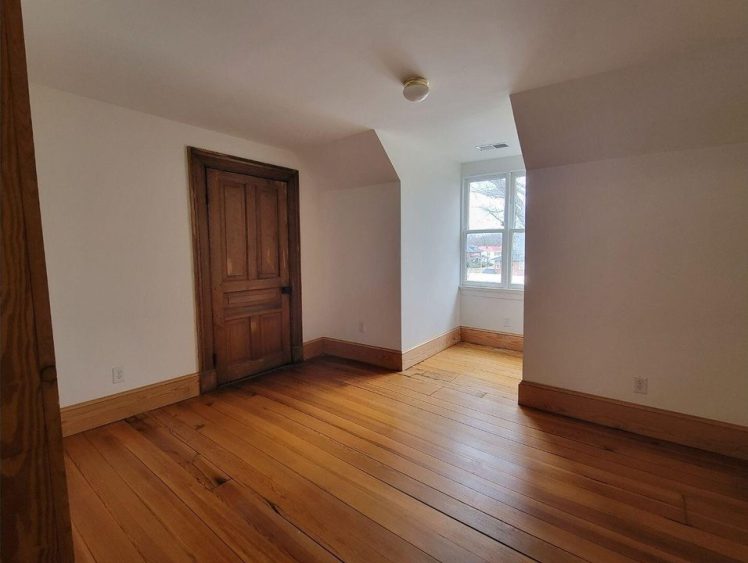
- Most of the interior is terrific, but for a house this expensive, the kitchen and bathrooms are conspicuously underwhelming.
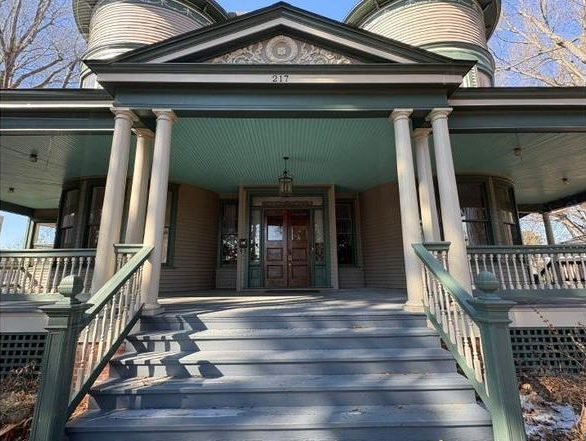
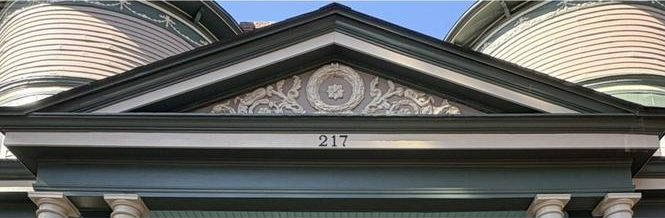
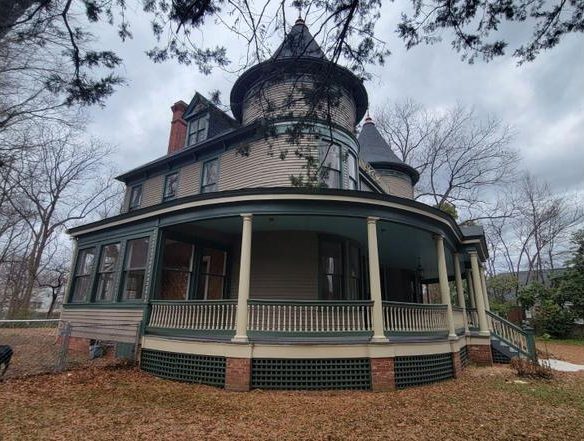
National Register nomination: “Completed in 1896, the James A. and Laura Thompson Long House is Roxboro’s most outstanding Queen Anne dwelling and a well-preserved, intact representative of the style in a North Carolina town that prospered after the Civil War. It also exemplifies the changes in the style that took place as Beaux Arts design reemerged in American architecture after the 1893 World’s Columbian Exposition in Chicago. At the time of its completion, the Roxboro Courier described the Long House as ‘magnificent,’ ‘a modem design and strikingly beautiful,’ and ‘the most costly dwelling ever built in Person County.’ …
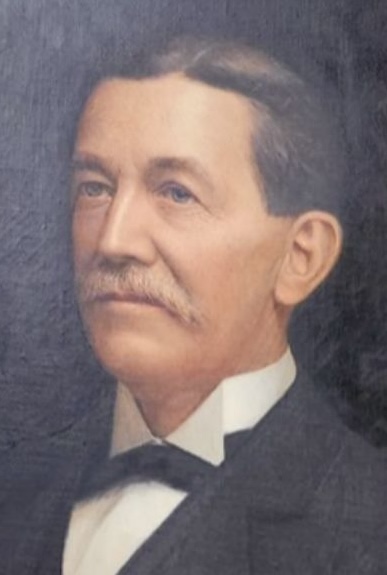
“J.A. Long, the ‘founder of modern Roxboro,’ built the locally significant house, and this is the only extant residence associated with him. Long, a local businessman and industrialist founded Roxboro’s first cotton mill and is credited with bringing the railroad to Roxboro. A fellow Roxboro businessman recalled that Long worked day and night, traveling, writing letters, and ‘talking much at home and abroad in an effort to get others interested’ in rail service.
“Long also owned a tobacco factory, was a founder and president of People’s Bank, served as a state senator, and held a seat on the board of the Lynchburg and Danville Railroad. Beyond Roxboro’s town limits, Long served as a trustee for the Methodist Orphanage in Raleigh, Trinity College, and Greensboro Female College.
“In addition to its association with J. A. Long, the house is the most outstanding example of Queen Anne design in Roxboro, and its grandeur and mass-produced materials represent post-Civil War mechanization and Long’s personal prosperity that resulted from New South industrialization.
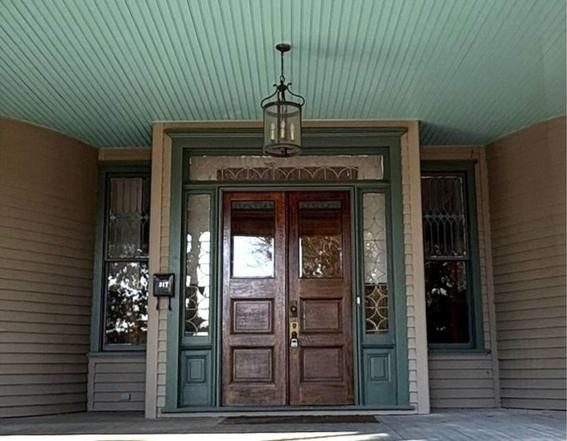
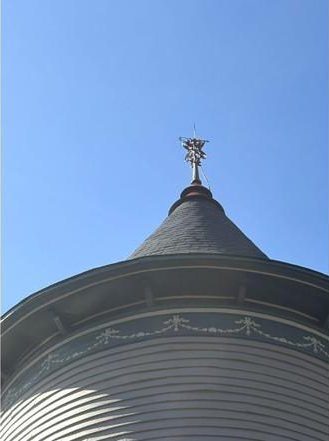
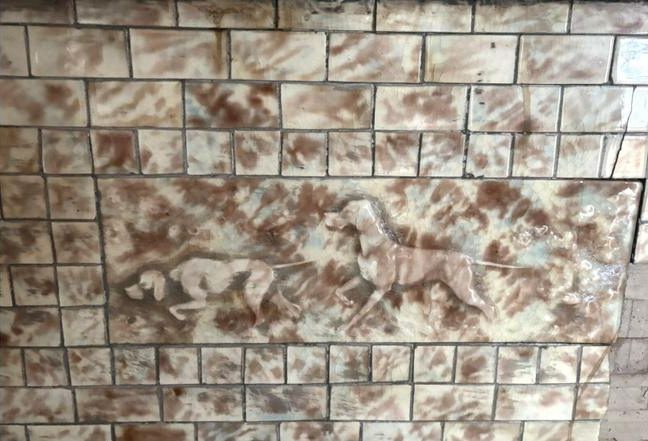
“The symmetrical two-story facade with prominent round towers flanking a central entrance bay, incorporates Queen Anne elements as well as classical motifs that were reinvigorating popular architecture after the Columbian Exposition in Chicago in 1893. The interior reveals lavish use of mahogany paneling and decorative mantelpieces with fanciful tiles surrounding the fireboxes.
“A grand mahogany staircase leads from the first floor hallway up three flights to the attic, which is finished with the same paneled doors with enriched Eastlake style hardware seen on the two lower levels.
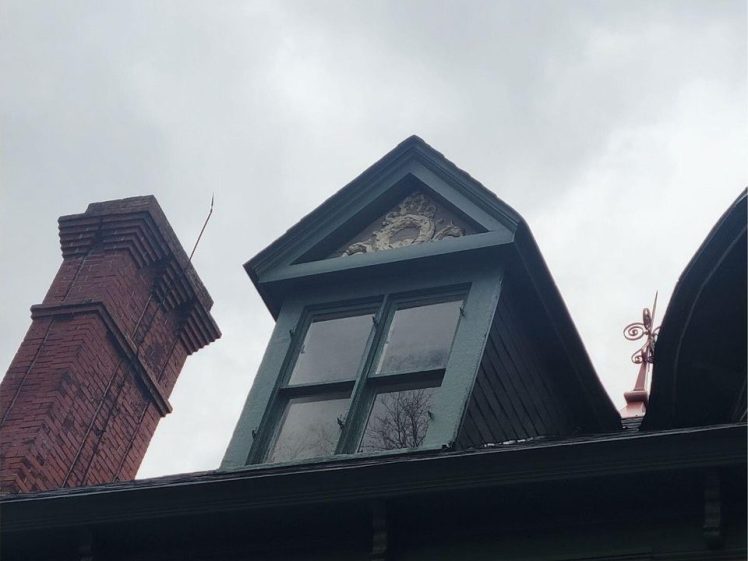
“With the exception of a small 1940s addition to the rear elevation, two missing balcony railings, a missing tympanum in one gabled dormer, and early twentieth century alterations to the floor plan of the rear ell and back porch, the house remains intact and is an outstanding illustration of the enthusiasm and optimism of the age in which it was built.”
James Anderson Long (1841-1915) was born in Person County. His life was recalled as a classic rags-to-riches story. “Beginning life a poor boy giving four years of his best to a cause he loved so well, he returned from the war disconsolate and sad at the great devastation, but he was not discouraged,” The Roxboro Courier said upon his death. “Without a dollars capital he went to work and today his estate is worth probably half a million dollars, and every penny of it clean money.”


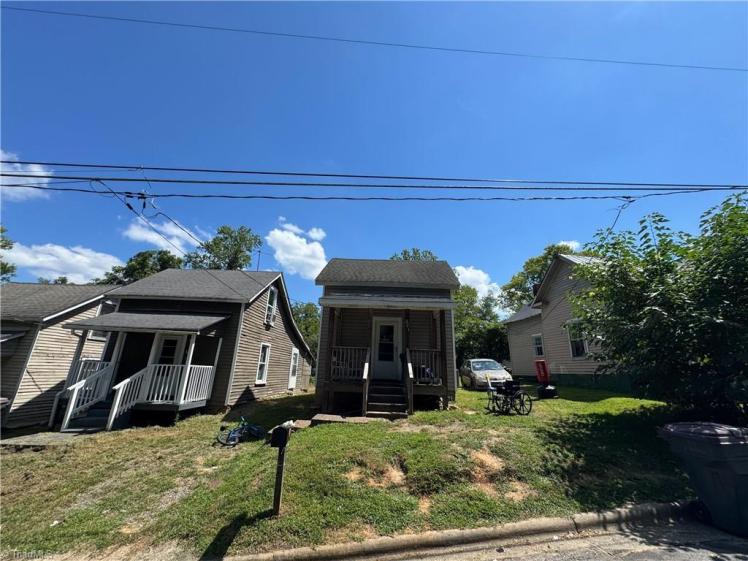


321-329 N. Washington Avenue, Reidsville, Rockingham County
North Washington Avenue Workers Houses
National Register
- Sold for $179,000 on January 21, 2026 (listed at $179,000)
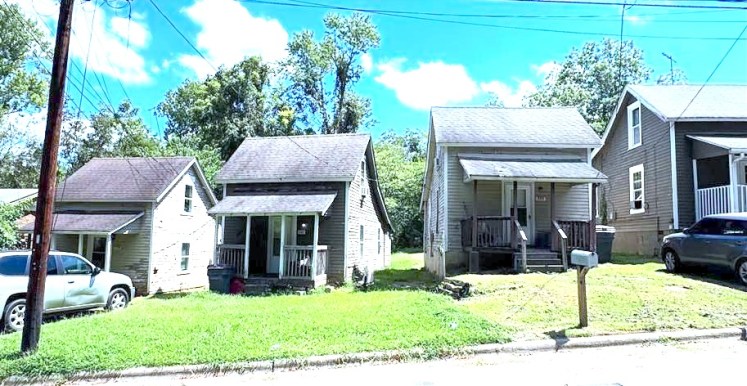
- Five houses, each with 1 bedroom, 1 bathroom, 800 square feet; 0.50 acre total
- Price/square foot: $45
- Built circa 1912 (county records say 1900; see note)
- Listed November 18, 2025
- Last sale: March 2011, part of a sale of three properties; no separate prices were broken out.
- Neighborhood: North Washington Avenue Workers Houses Historic District (NR)
Reidsville has two remarkably tiny historic districts — the Richardson Houses Historic District, with three houses; and the North Washington Avenue Workers Houses Historic District, with these five houses. The Richardson mansions and the workers houses couldn’t be more different.
The five lots have been combined into one with 329 N. Washington as the address.
District NR nomination: “The cluster of five simple frame houses located on the east side of the 300 block of North Washington Avenue is significant in the history of Reidsville as the only surviving, intact group of a type of house built in the early 20th century for black workers employed by the American Tobacco.Company shortly after construction of its tremendous new facility in Reidsville in 1912.
“As such, they are representative of a larger pattern of housing construction in the late 19th and early 20th centuries as increasing numbers of industrial workers, drawn from the depressed agricultural sector to work in the cotton mills and tobacco factories, required housing in growing towns across the state. The five essentially identical houses are also closely related to traditional rural house forms, such as the early North Carolina single-pen houses of both log and frame construction. …
“The five workers’ houses … are the simplest of frame houses, consisting originally of three rooms — one-over-one with a shed room behind. The side gable roof extending over the rear shed room produces a saltbox form. The central entrance on the single-bay facade is sheltered by an attached, shed-roofed porch which spans approximately two-thirds of the facade.
“Basic materials include plain weatherboard siding and a standing seam metal roof. A brick chimney rises between the front and rear rooms, and six over six windows light each room on both stories on the north and south side elevations. Door and window surrounds are flat-board post and lintel with a beaded lintel. The foundation is brick piers with cinder block infill.
“At the rear, a ca. 1940 shed-roof addition provided a bathroom and back porch. On three of the five houses, this rear porch has been enclosed. The bathroom is clad in German siding.”

