When owners of historic homes want to sell, they typically draw as much attention as possible to the opportunity — for-sale signs in the front yard, online listings on a dozen or more websites, open houses. Historic buildings are often different. Most don’t put up for-sale signs. If you don’t know where to look, you’ll never know what landmarks are on the market. Here are four historic buildings in Greensboro that are now for sale.
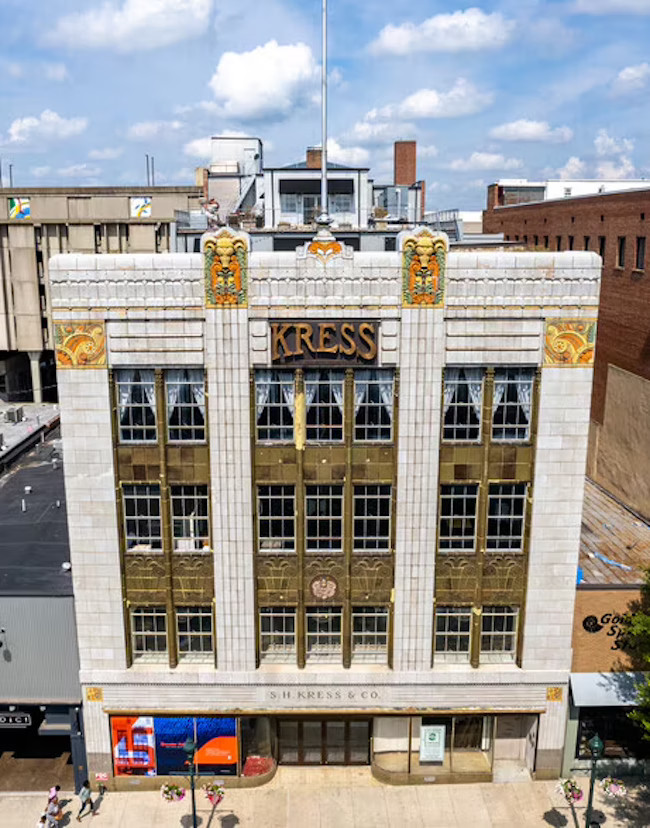
The Kress Building
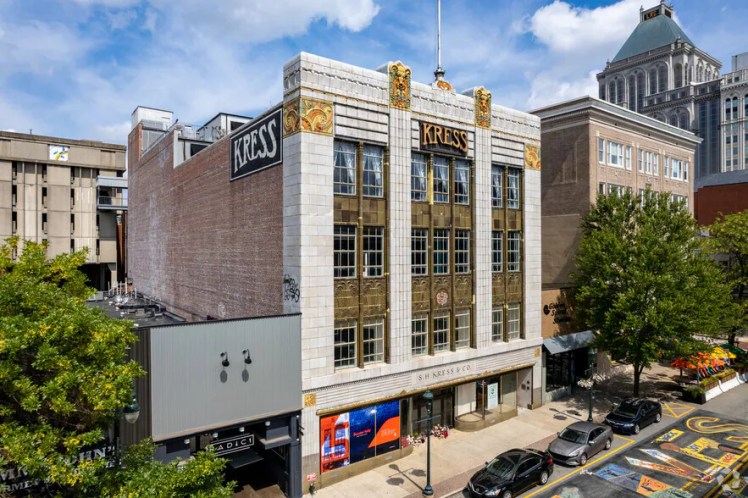
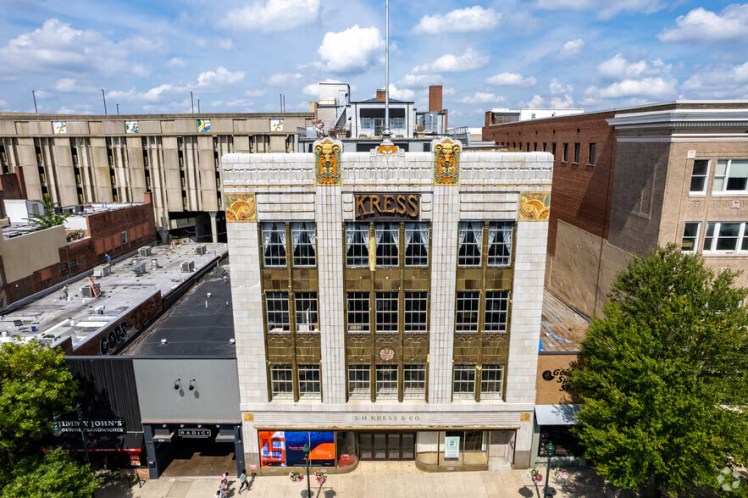
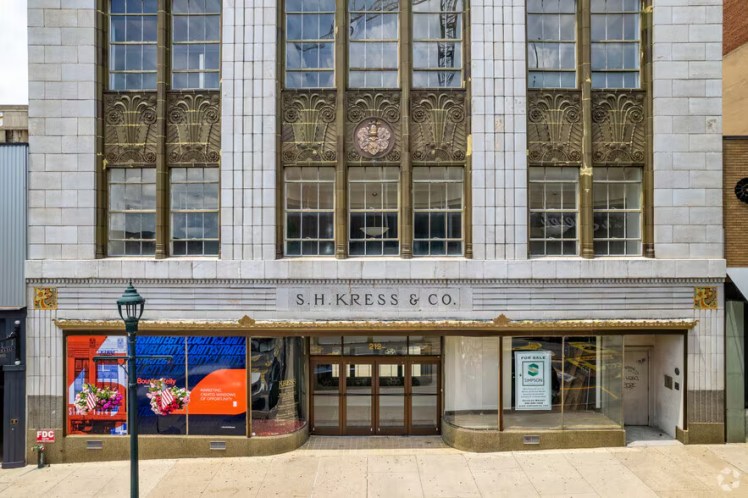
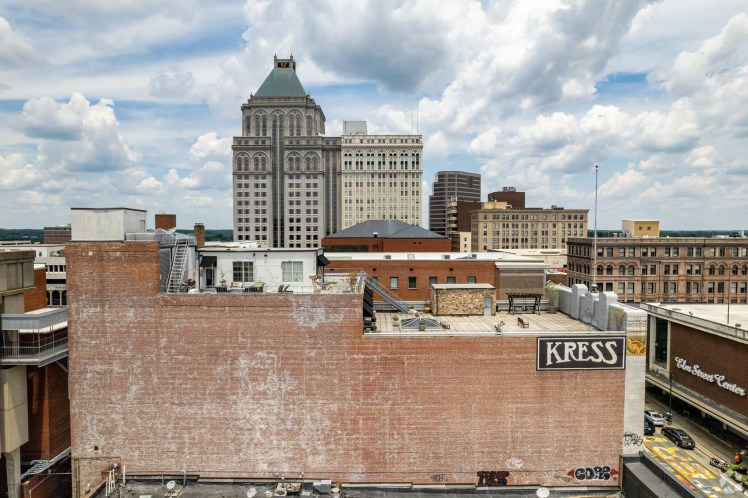
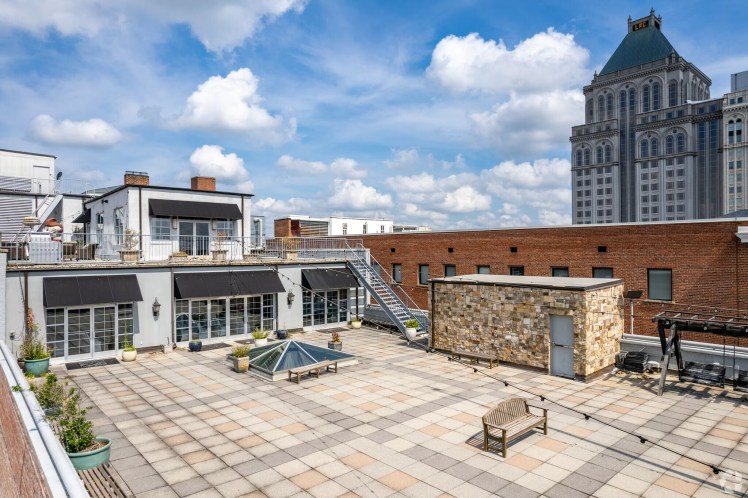
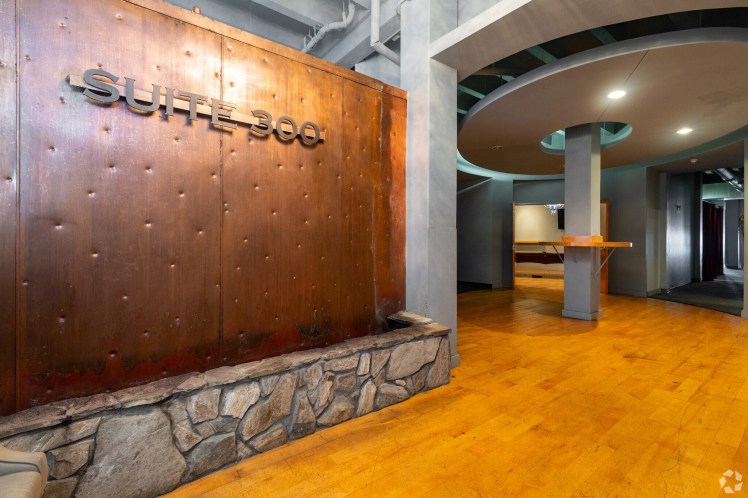
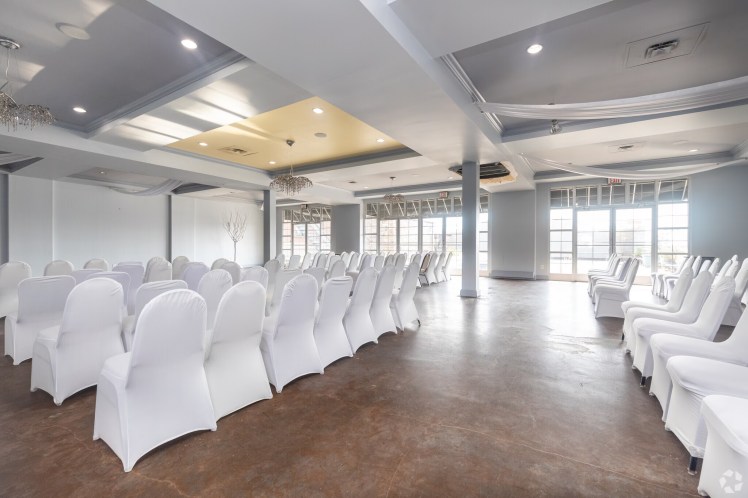
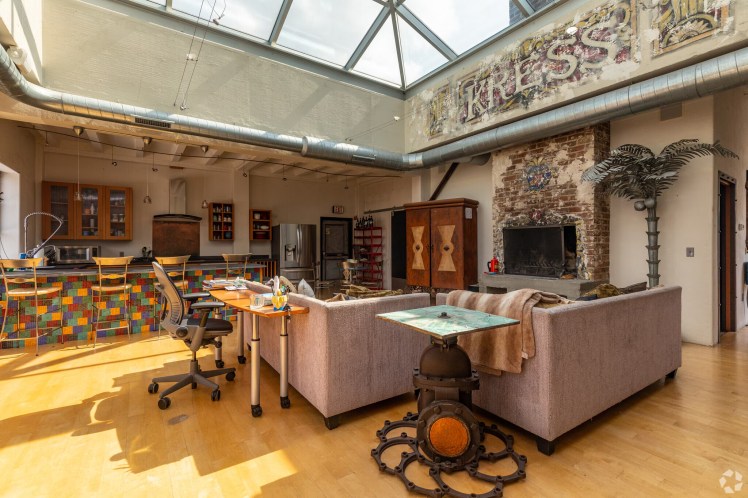
“The downtown Kress store in Greensboro, North Carolina, is a characteristic example that shows the chain’s use of elaborate exterior details including coats-of-arms, metal work, and inlaid artistic flourishes on the keystones and corners.” (Wikipedia)
Now remembered mainly for the extravagant architecture of its stores, Kress was a nationwide five-and-dime chain, a competitor to Woolworth’s and S.S. Kresge (which later evolved into Kmart). It was started in 1896 in Memphis. Most of its stores closed in 1980, but a few struggled on for 20 more years in shopping malls.
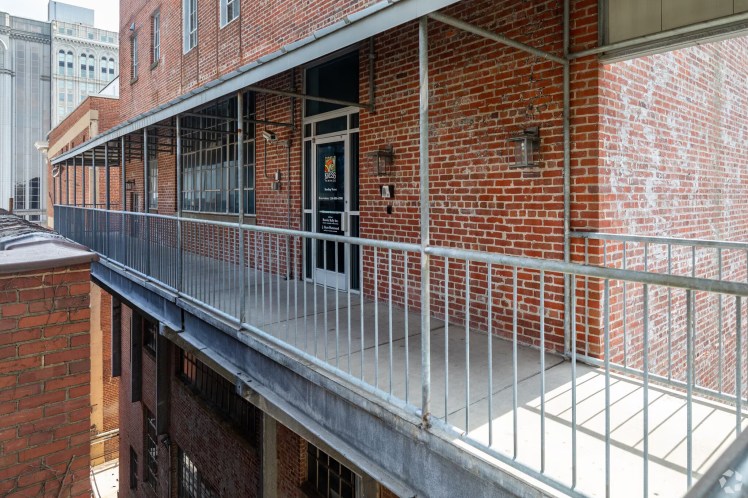
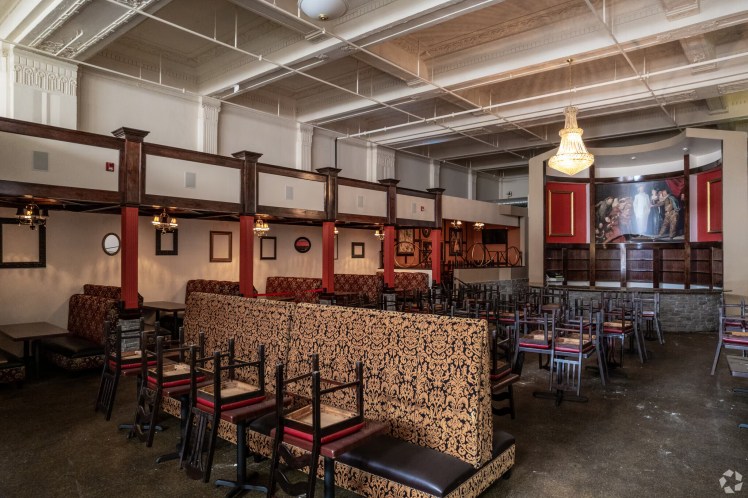
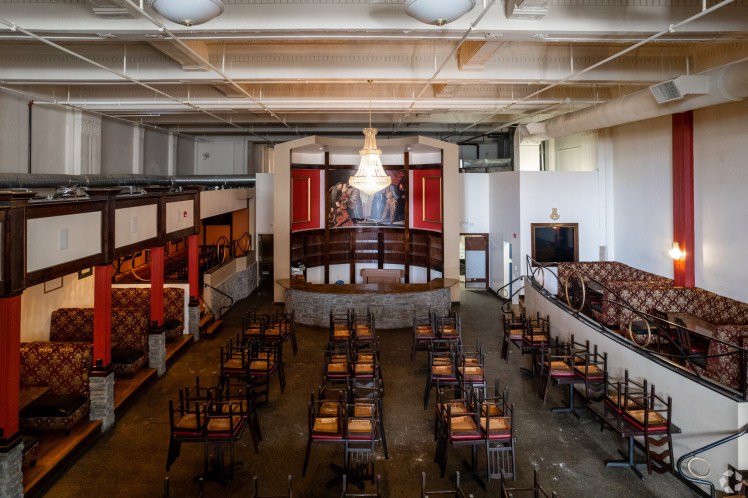
The Greensboro building at 212 S. Elm Street was bought in 2000 by builder and developer John Lomax. He turned the top floor into a fabulous penthouse. The ground floor and basement briefly hosted night clubs (a dueling-piano bar comes to mind). It was built in 1930. The building is listed as vacant. The price isn’t specified.
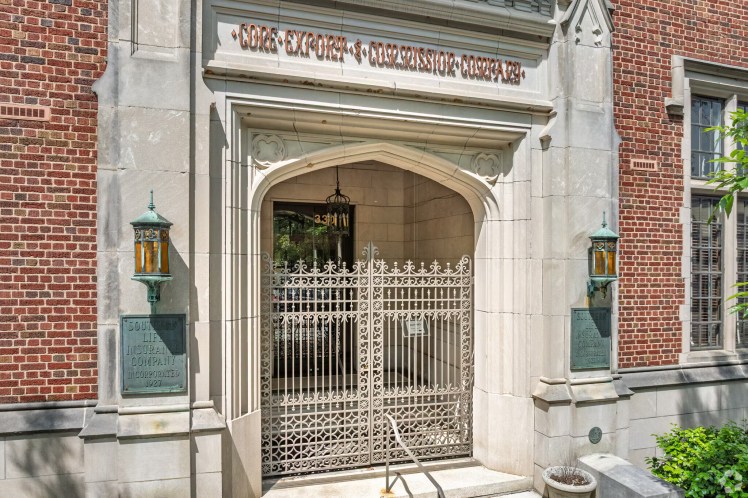
Cone Export and Commission Company/Foundation Place
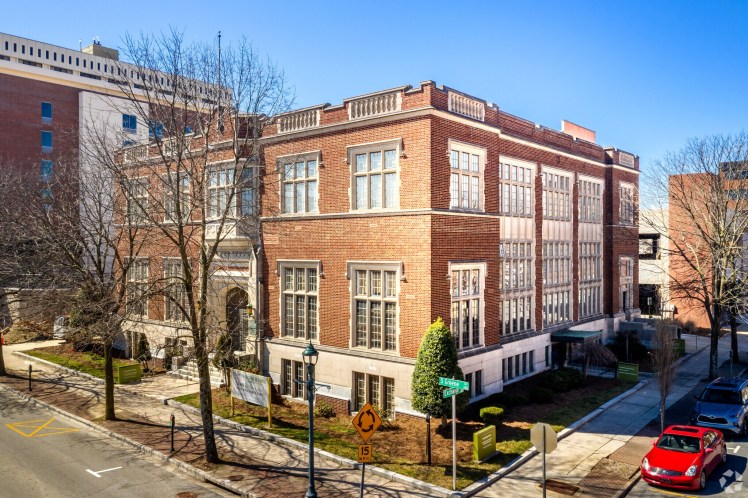
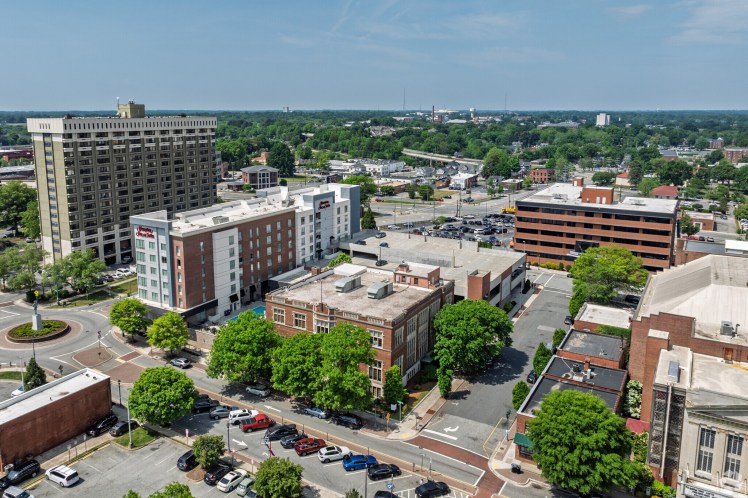
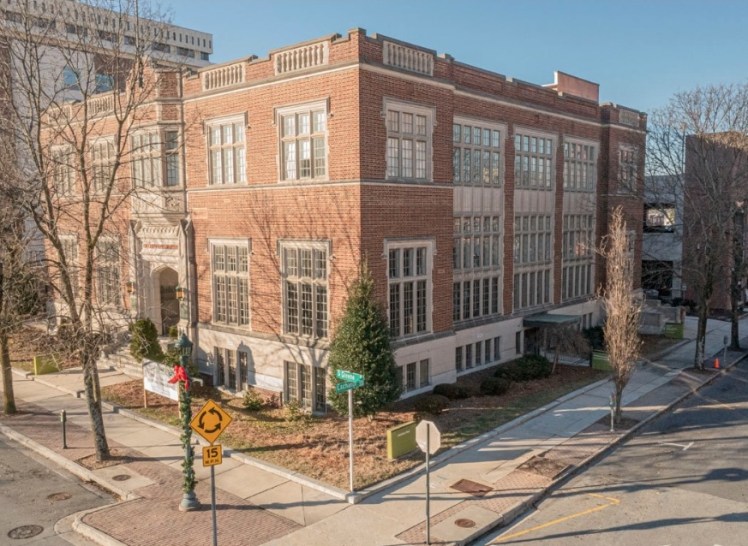
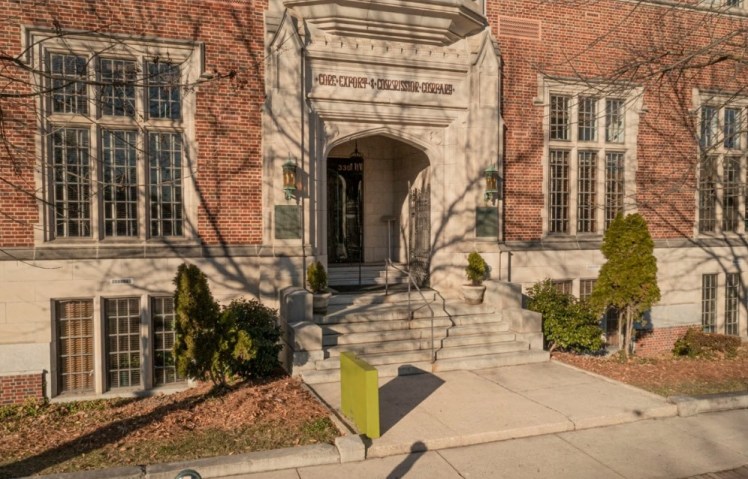
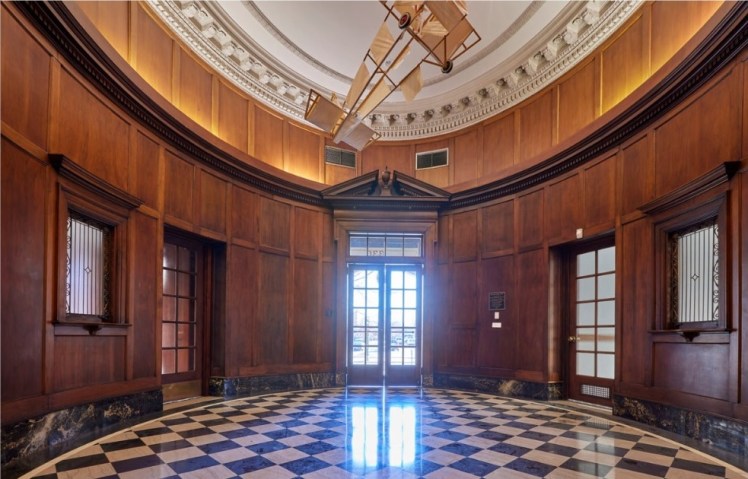
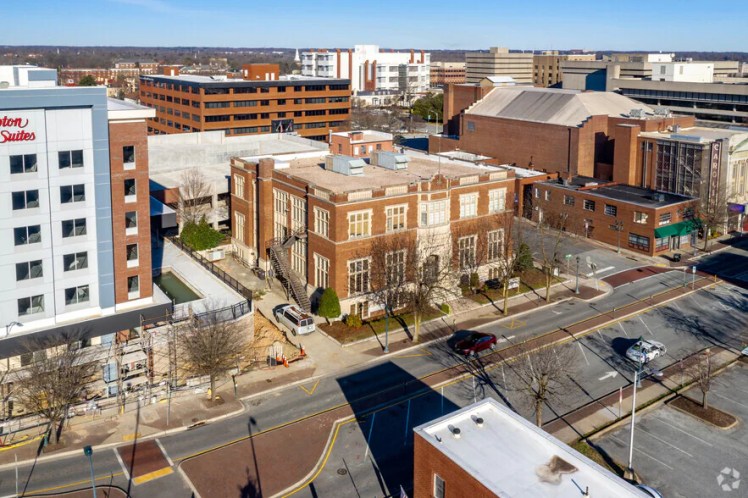
Revival styles became common in the 1920s following American exposure to European architecture during World War I. … The c.1925 Cone Export and Commission Company Building at 330 South Greene Street is an example of the Tudor Revival style, reminiscent of fifteenth and sixteenth century English architecture. (Downtown Greensboro Historic District nomination)
The Cone brothers knew how to build. Part of their legacy is a collection of major buildings, now repurposed. They built 330 S. Greene Street around 1925, and Cone Mills offices occupied the building for 18 years. Later, it was the headquarters of the Southern Life Insurance Company for many years.
After a long period of vacancy and decay, the blighted building was restored about 20 years ago and renamed Foundation Place. The Community Foundation and the Cone family’s Cemala Foundation committed to long-term leases, making the project financially feasible for developers John Lomax and Daniel Craft. Its listing says it’s 64 percent occupied. The sale price isn’t listed.
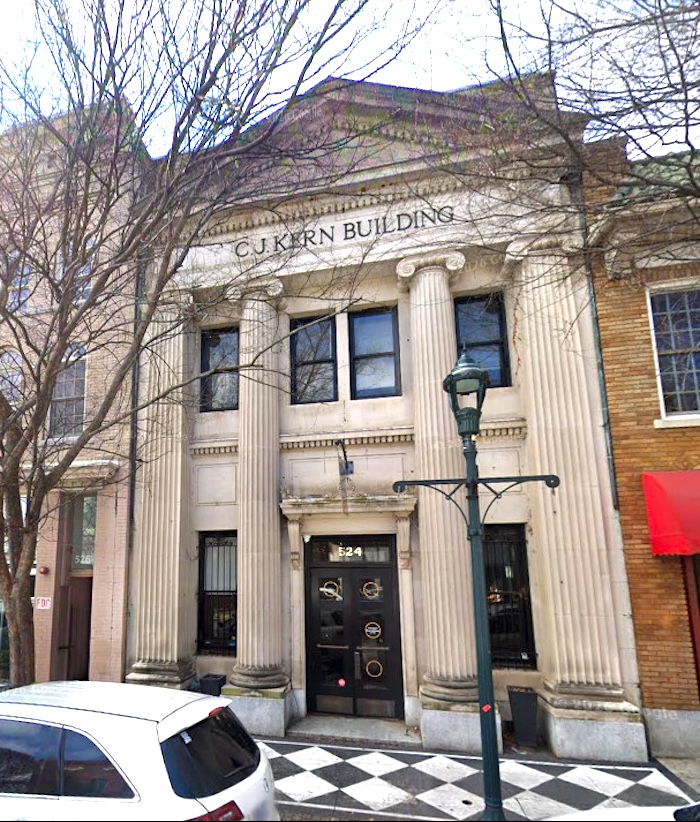
Greensboro National Bank Building
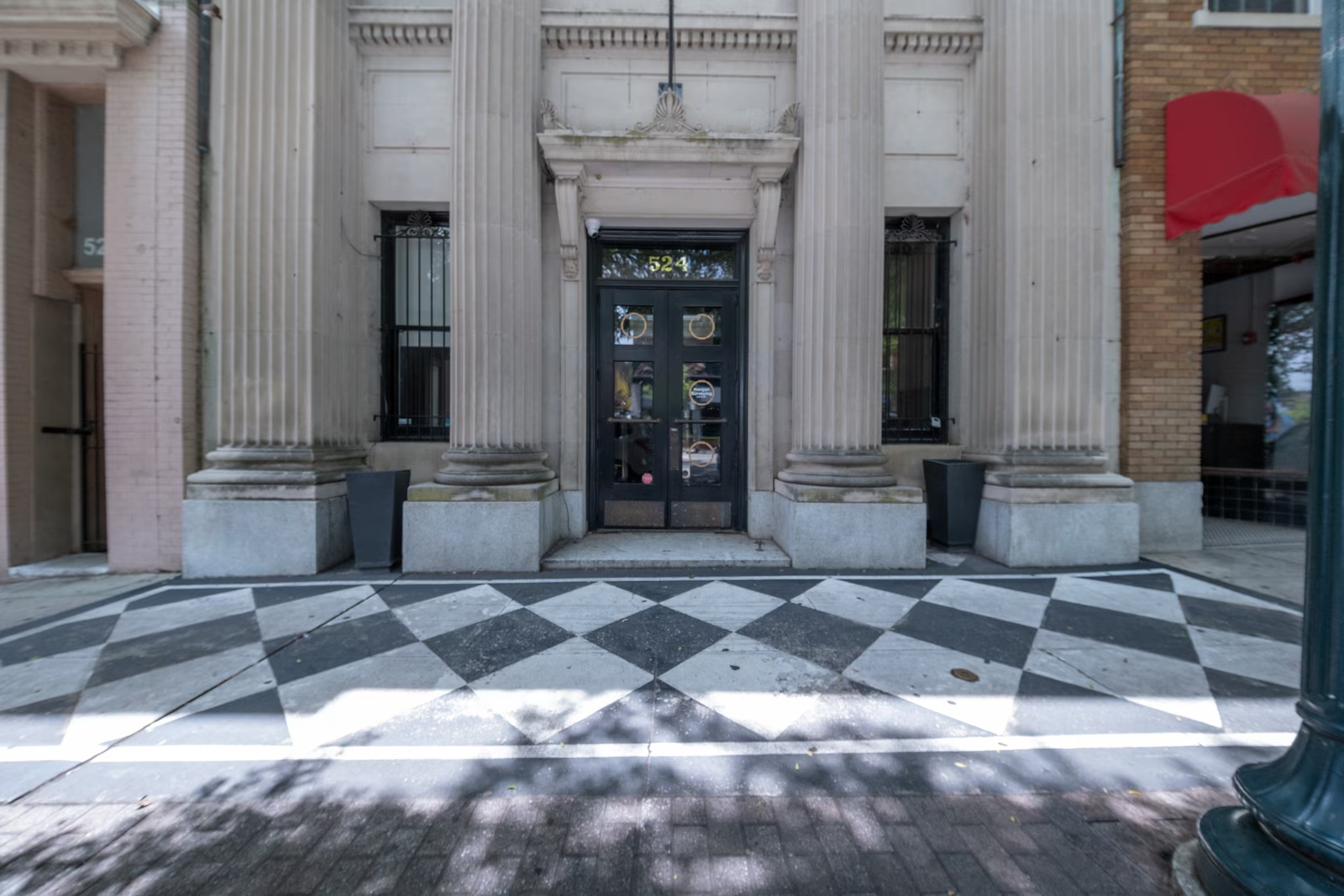
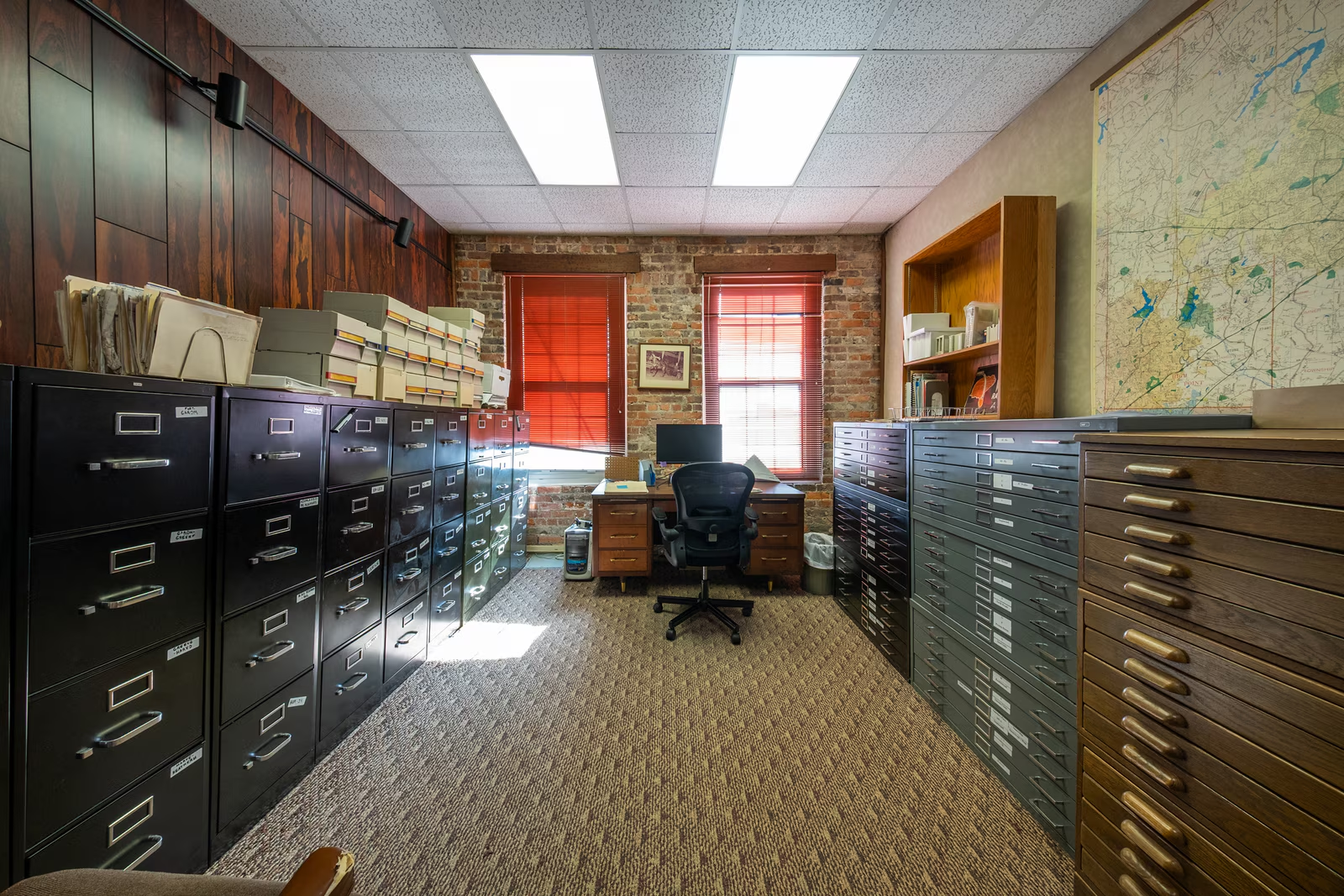
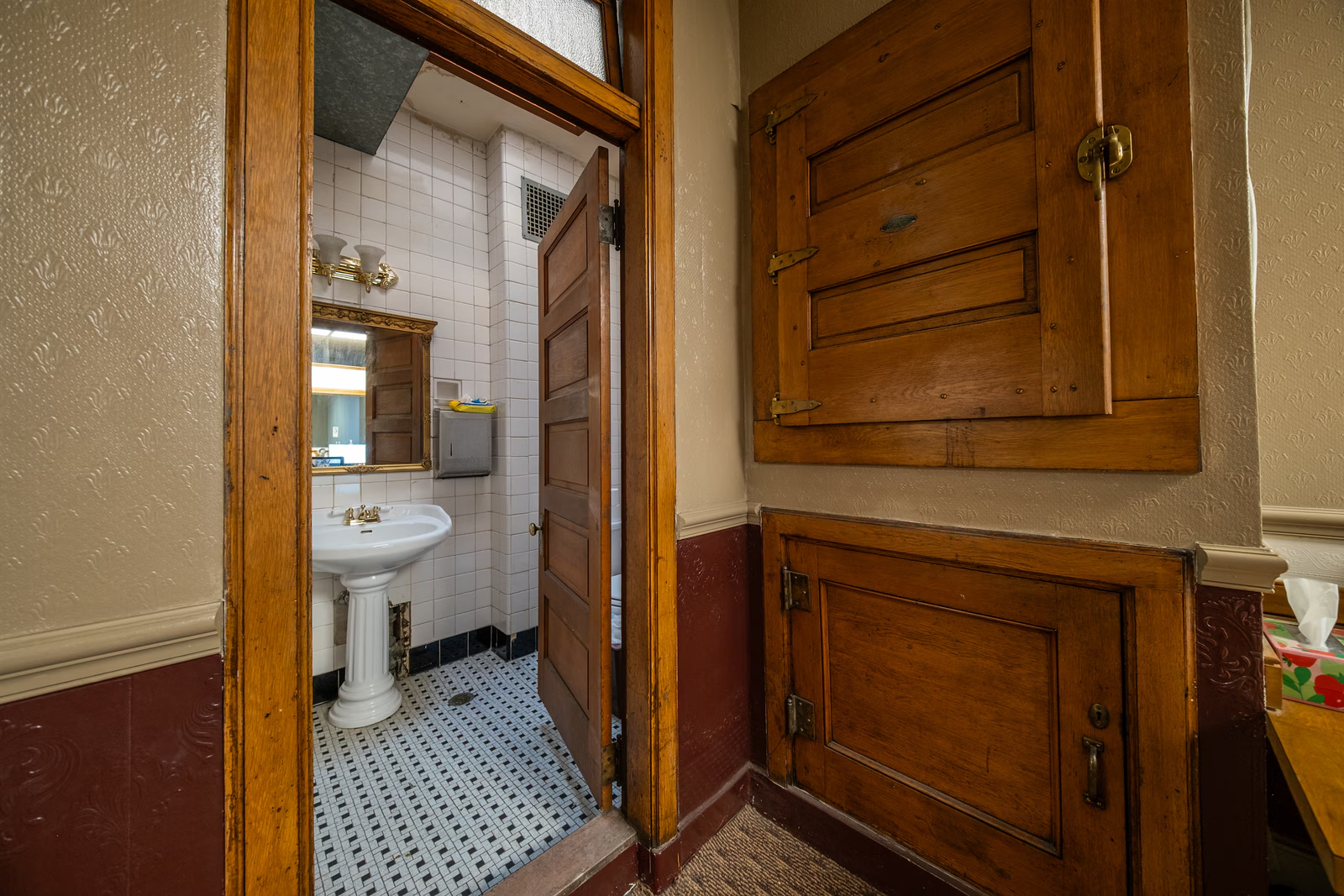
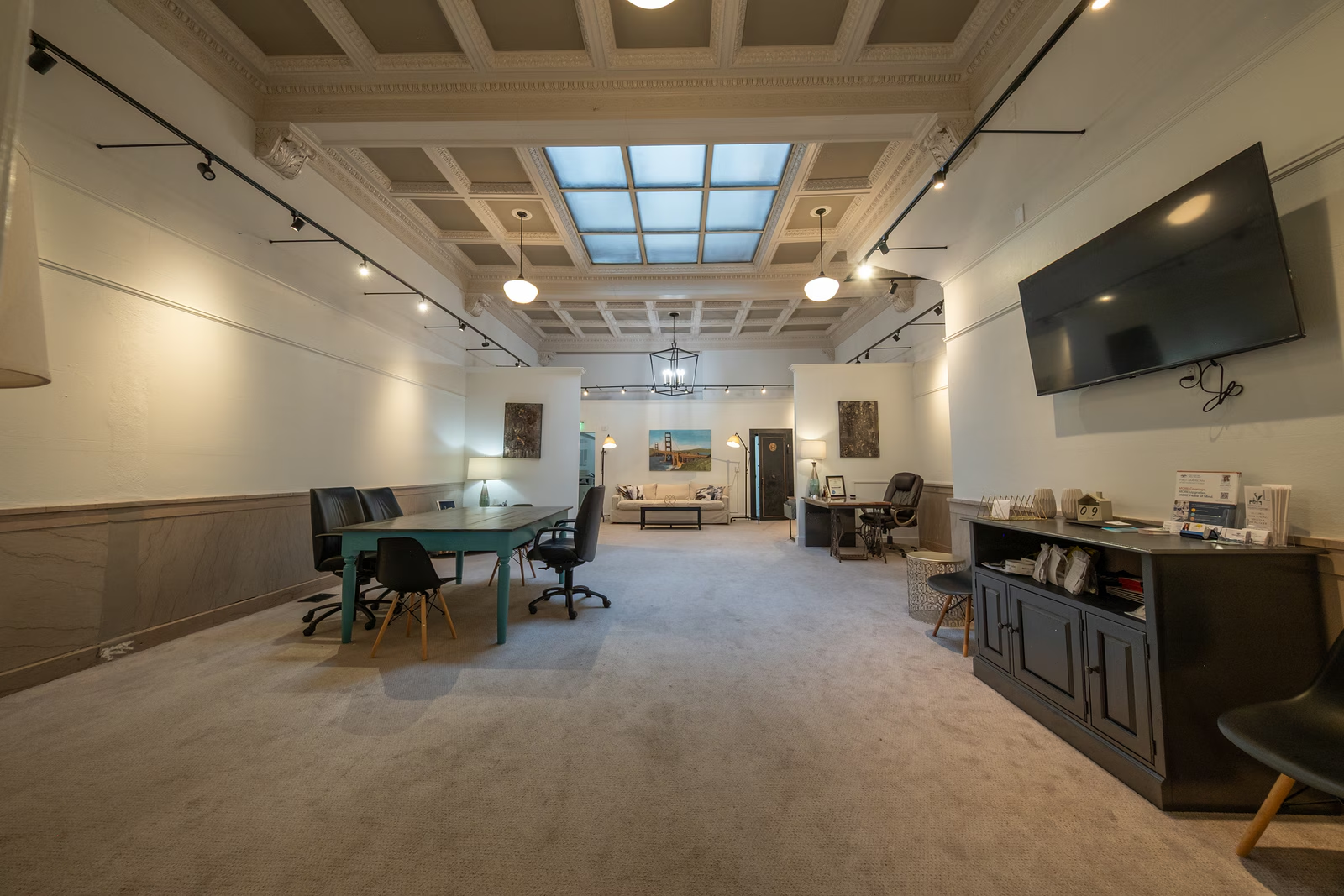
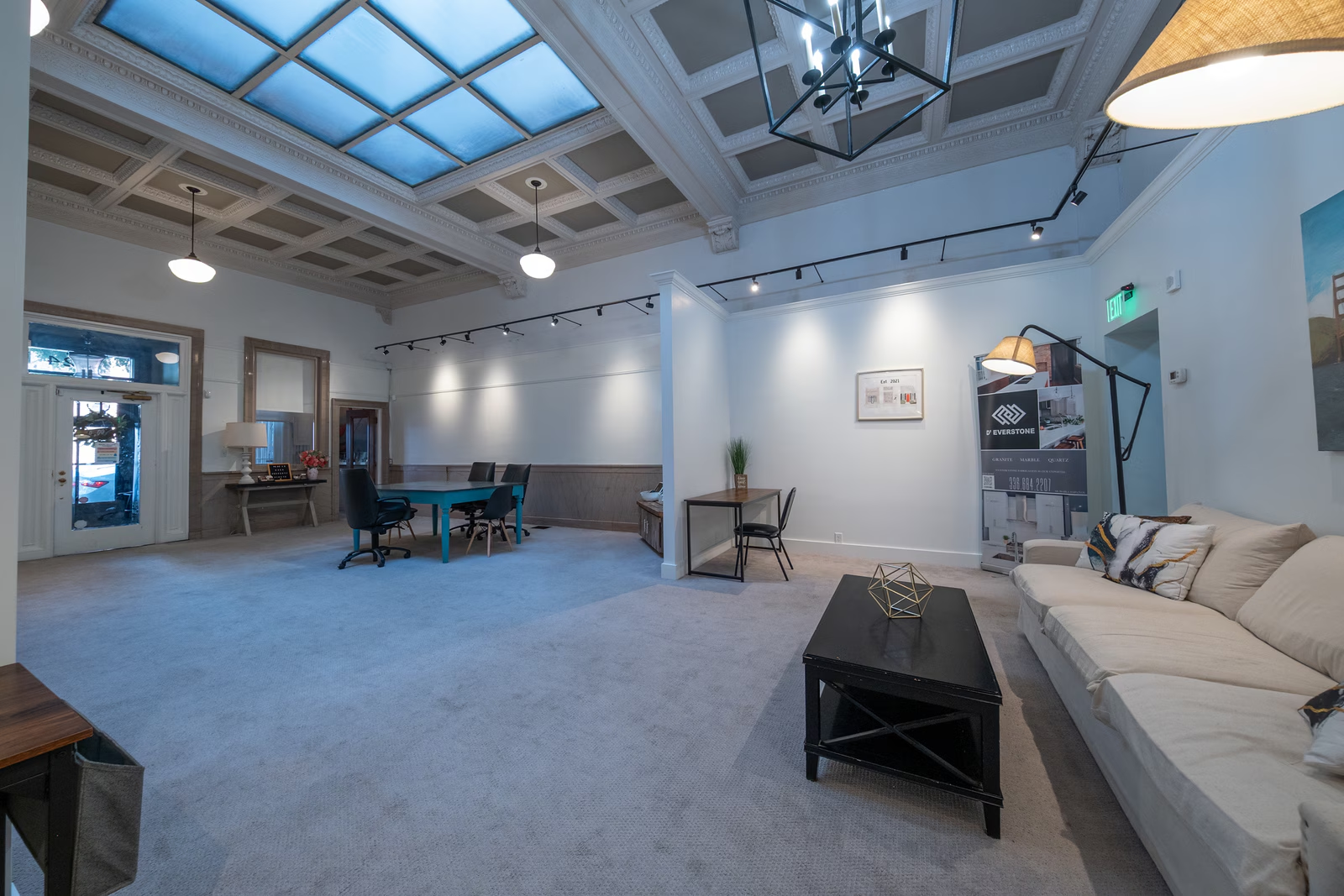
This two-story, Neoclassical-style bank building retains high material integrity with a limestone, temple-front façade and original one-over-one wood-sash windows. … The entrance is flanked by two-story, fluted Ionic columns in antis on granite bases, one-over-one wood-sash windows, and two-story, fluted Ionic pilasters in turn. (Downtown Greensboro Historic District nomination)
A relatively tiny, two-story structure at 524 S. Elm Street, this building illustrates how banks liked to present themselves in the first half of the 20th century — imposing, heavy on gravitas. Today, it’s a neoclassical gem in the eclectic South Elm Street streetscape. County records show its date as 1907, but the Downtown Greensboro Historic District nomination says it was built in 1921, replacing an earlier bank building.
American National Exchange Bank operated in the building for many years. Prominent downtown pharmacist C.C. Fordham bought the building in 1949 and owned it for 25 years (his store was at 514 S. Elm; in between was the Salvation Army Hall, now the Community Theatre of Greensboro). Contractor C.J. Kern put his name on the building when he owned it from 1981 to 1998.
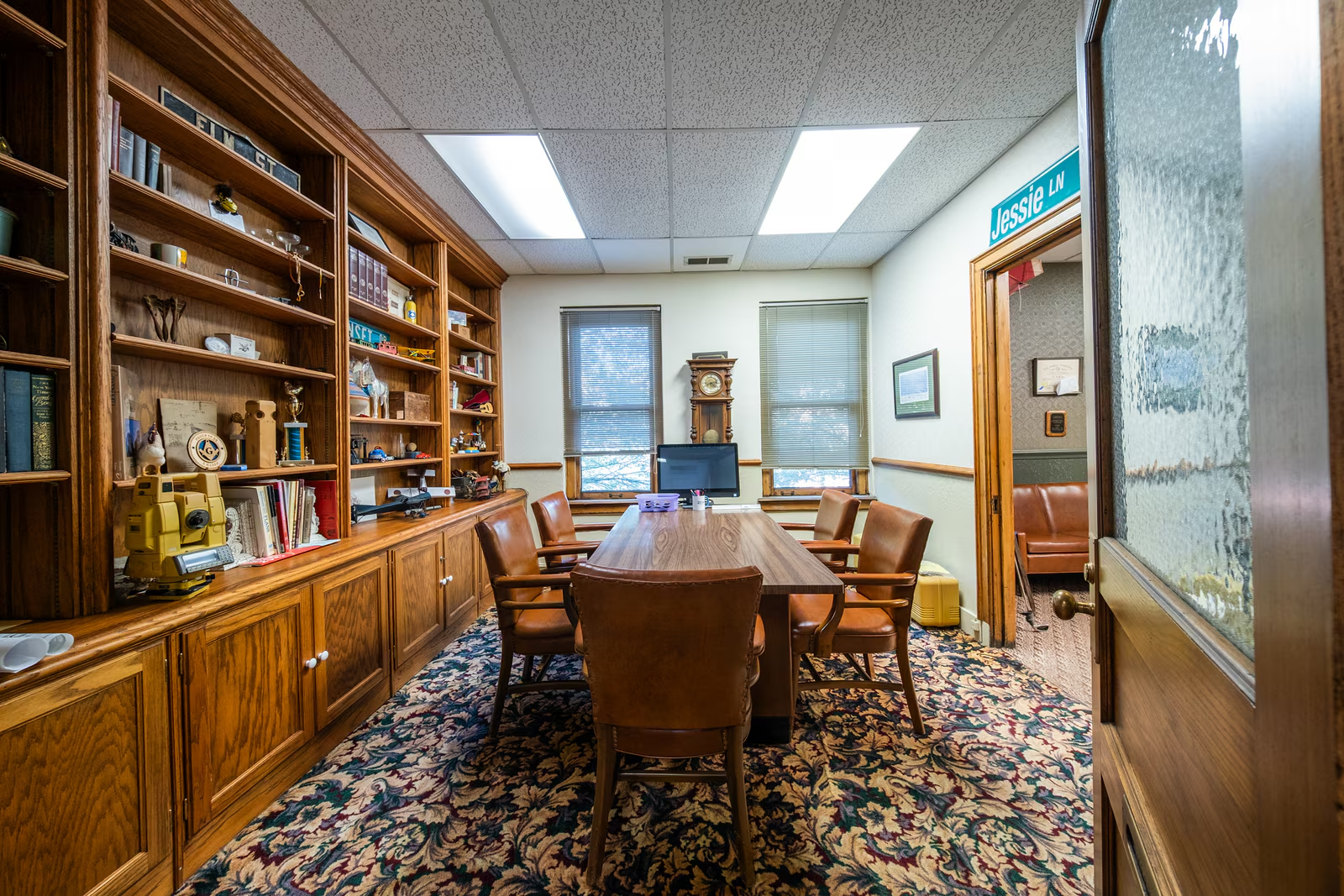
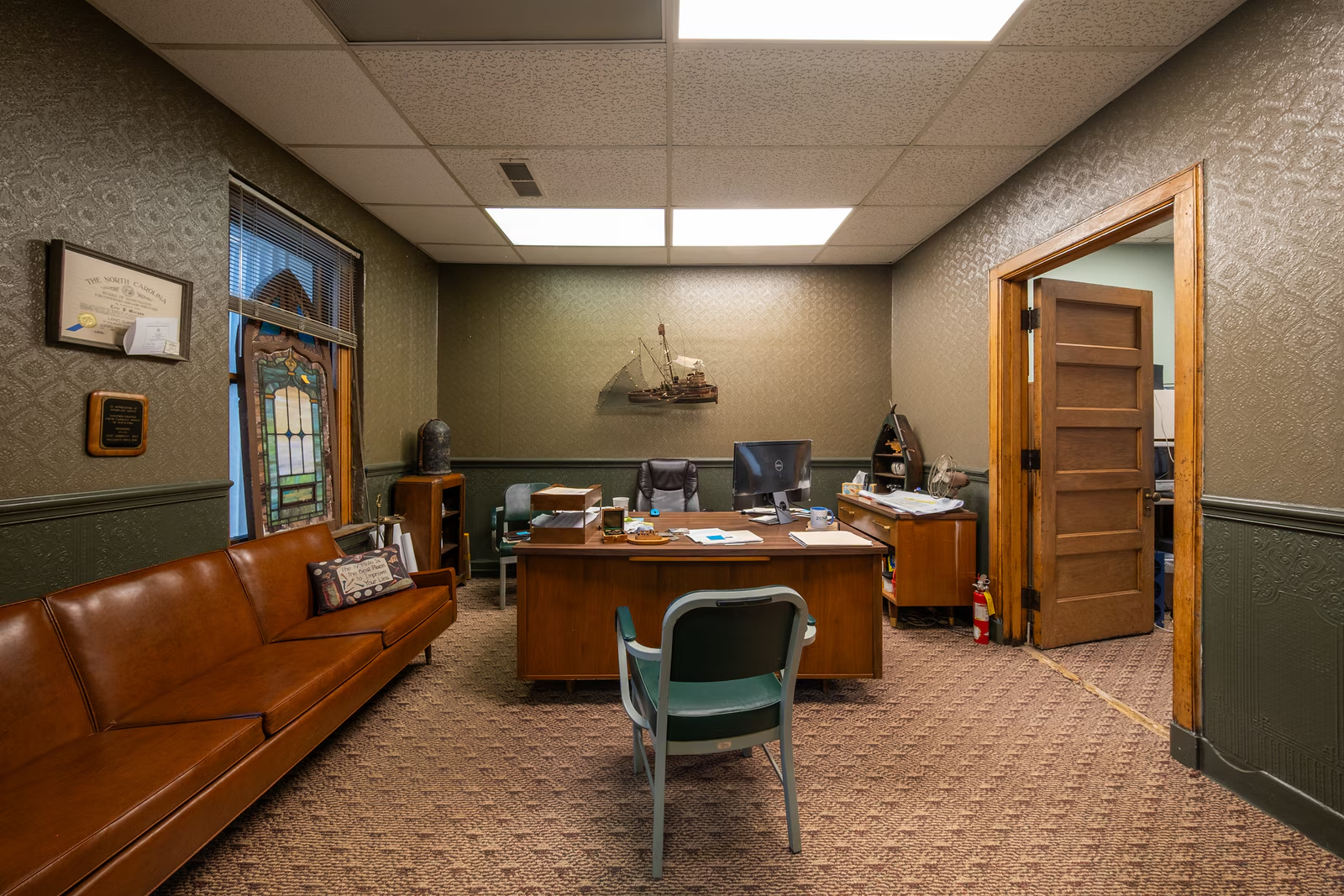
It was last sold in 1998 for $200,000. It’s for sale now at $999,950. The listing says it’s fully leased. It describes an “architectural gem with vintage character-featuring plaster ceilings, original bank vaults, and period skylights.” And a sought-after downtown amenity: five parking spaces behind the building.
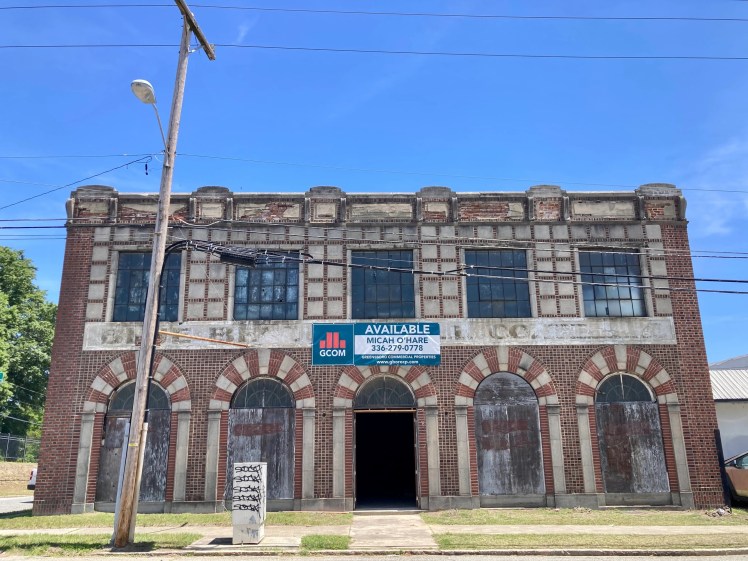
Ebroclo Shirt Company
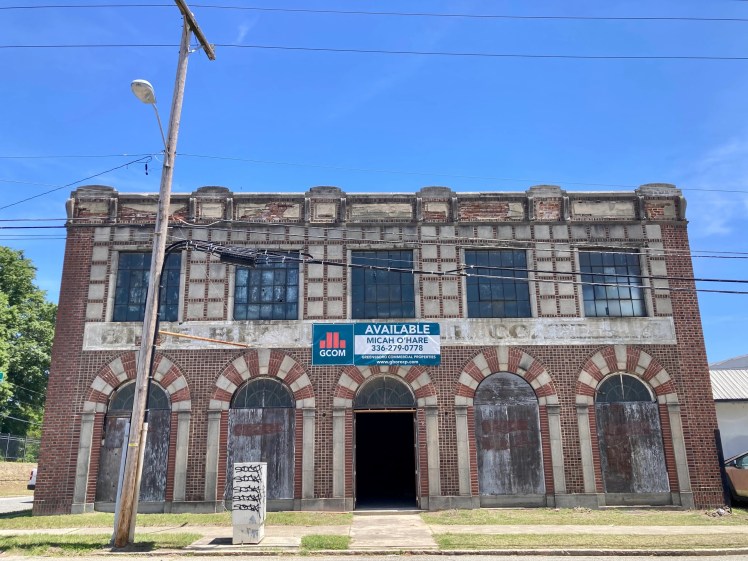
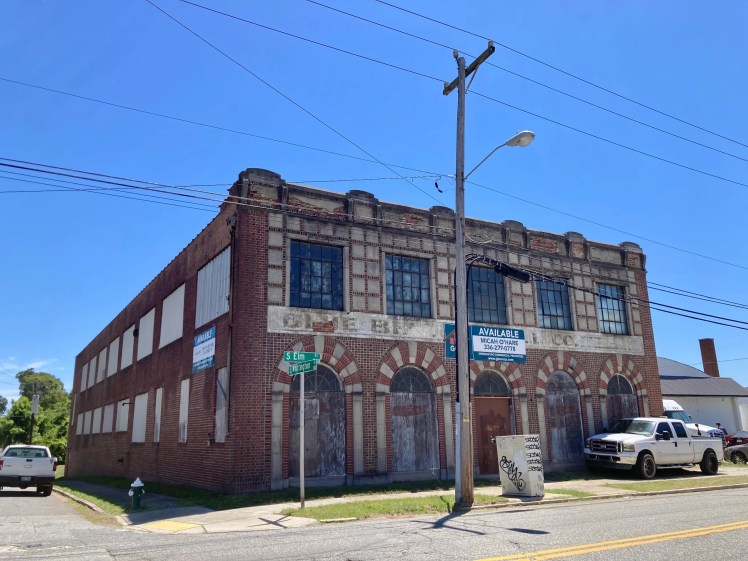
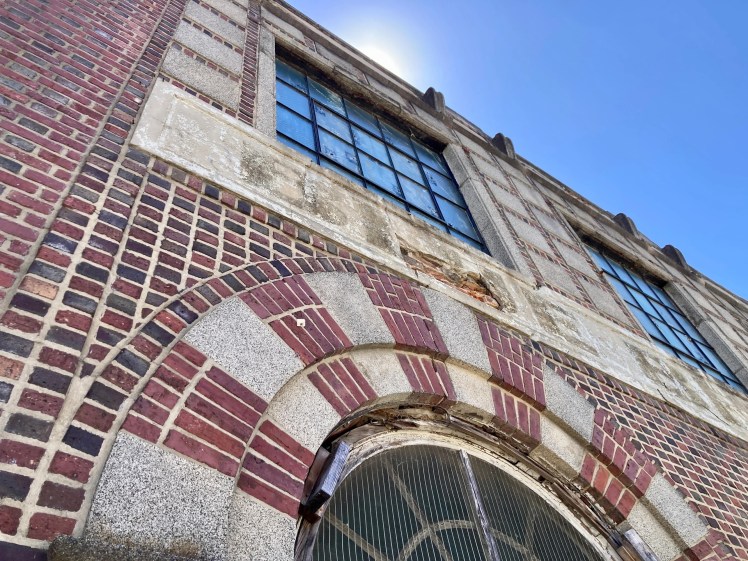
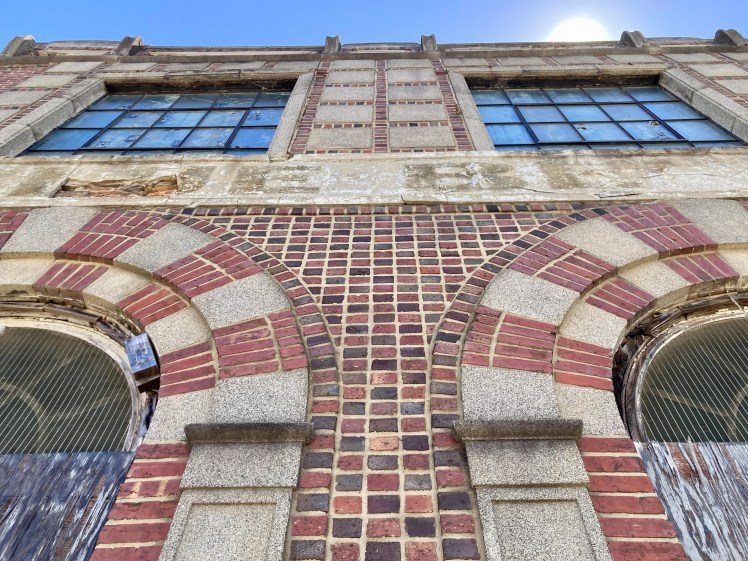
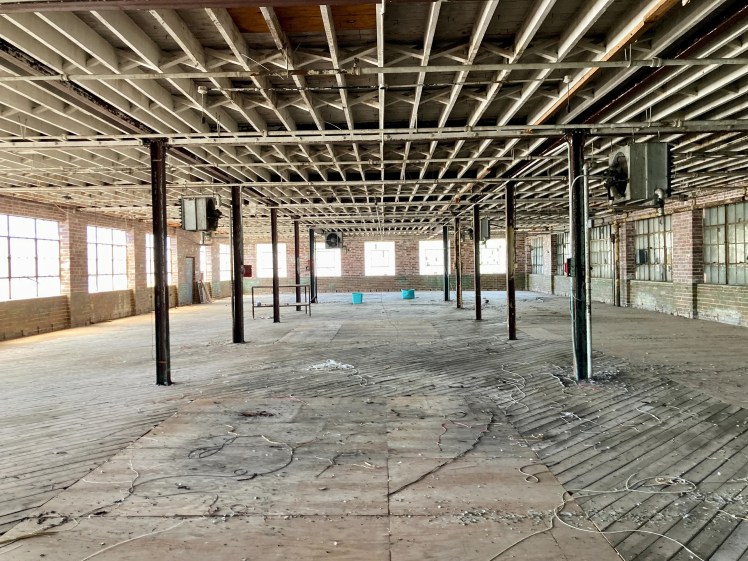
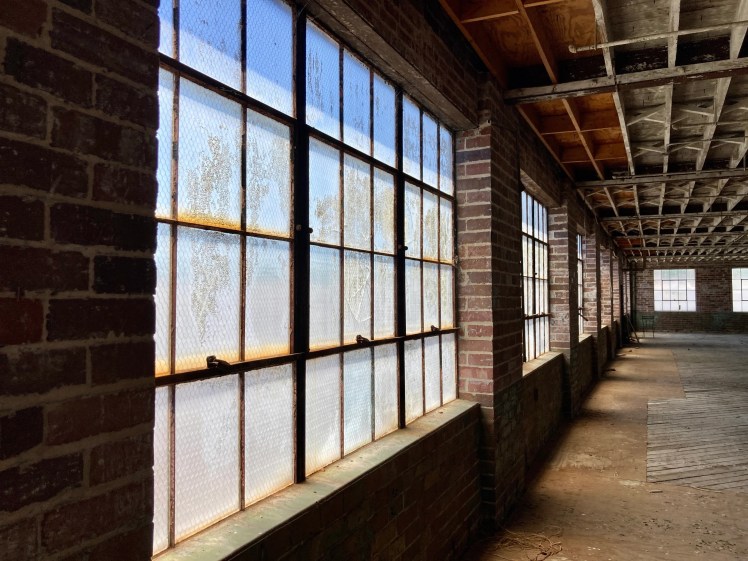
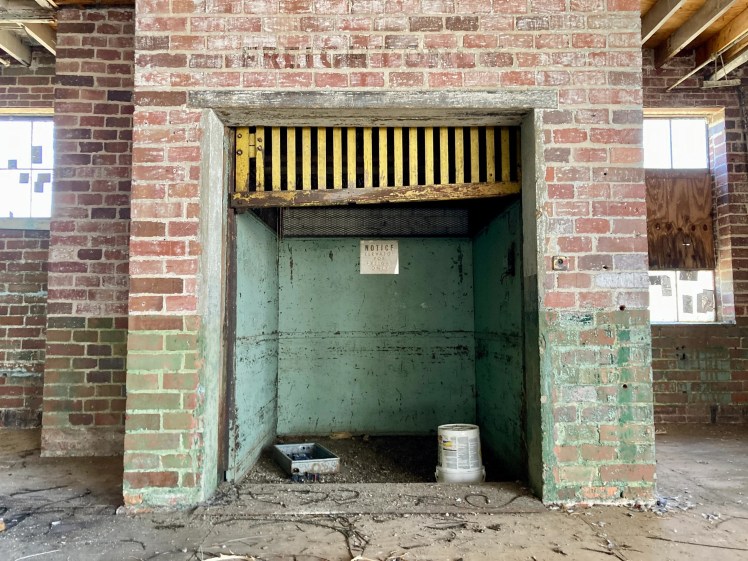
This lovely old brick factory building is a relic of Greensboro’s (and America’s) once-vibrant apparel industry. The address is 1001 S. Elm Street. Built in the 1920s, it originally housed the Ebroclo Shirt Company, makers of shirts, underwear and pajamas. In 1931, Blue Bell moved in to expand its overall manufacturing. The W. Koury Company manufactured trousers here in the 1940s. The Milton Hosiery occupied the building in the 1950s.
In the 1960s, times were changing, and the building became a factory for Strandberg Engineering, which made process controls for the textile industry and other electronic, industrial and military products. Strandberg was there for more than 20 years, actually the longest tenure of any company in the building.
The neighborhood was a thriving industrial area. Neighbors included the National Biscuit Company, International Harvester, Burlington Mills and Cape Fear Manufacturing, which produced lumber, structural building materials and custom woodwork, including church pews. Union Cemetery is right across the street. The Ebroclo building has been empty for years now. Bought and sold five times in this century, it’s available yet again, priced at $400,000. Maybe this time someone can give it a future.


Is the home at 1606 W End Place a Craftsman or Tudor Revival Style?
Thanks,
Shannon
LikeLike
It’s both. You could call it a Craftsman with Tudor features. It wasn’t uncommon for homebuilders in the early 20th century to combine elements of different styles. This one is a unique mix. Its Craftsman nature is seen in the deep porch roof; exposed rafter tails and knee brackets under the eaves; and low-pitched, side-gabled main roof with a prominent front-facing gable. The Tudor influence is seen in the chimney on the front elevation, the arched entryway, brick cladding rather than shingles or wood siding, and that distinctive cross-gable with a bit of a swoop on the left side.
LikeLike